



Beautiful Places Around the World
The most beautiful places on earth are not a single list, they are a set of wonders: waterfalls, islands, deserts, peaks and dark skies. This is the hub that sorts them by what you actually want to see, and points you to the ones without the crowds.
Ask ten travelers for the most beautiful place on earth and you get ten answers, because beauty comes in types that do not compete. A thundering waterfall and a silent desert are both stunning and nothing alike. So this page does not force a single ranking. It sorts the world’s great sights by the kind of wonder they are, gives you the standouts in each, and then shows you the quieter alternatives that deliver the same awe without the tour buses.
This is the “what to see” hub. If your question is instead “when should I go”, the companion guide to the best places to visit by month handles the timing. Here we stay on the sights themselves: the wonders worth planning a trip around, and the hidden gems that skip the crowds.
Start here
Three ways into this guide
By type of wonder
Waterfalls, islands, mountains, deserts, dark skies. Jump to the wonder you want and its standout places.
Explore the wonders →Hidden gems
The beautiful places most people miss. Country by country, the spots that skip the crowds.
Find the quiet ones →By country
Open the free map to see the highlights, hidden gems and attractions for any destination.
Open the map →At a glance
- Beauty comes in types. Sort by the wonder you want (waterfall, island, desert, aurora) rather than chasing one impossible “best place on earth” list.
- The famous ones are famous for a reason, but the crowds are real. For most icons there is a quieter twin that delivers the same view with a fraction of the people.
- What to see and when to go are two questions. Pick the place here, then check the season on the best time to travel map before you book.
How we chose these
A list of beautiful places that only counts fame rewards whatever already has the most photos, which is how the same ten spots end up on every list. These wonders are chosen on three things instead, the ones that decide whether a place is actually worth the trip.
- Scale of the sight. Does it stop you in your tracks in person, not just in a wide-angle photo? Real drama, not a viewpoint that needs a caption to impress.
- The experience around it. A wonder is better when you can walk it, swim it, hike it or watch it change through a day, rather than photograph it from a fenced platform in ten minutes.
- A quieter alternative exists. For every over-touristed icon there is usually a twin that gives you the same awe with room to breathe. We name both.
The honest caveat: beauty is subjective, and any list like this leans toward the dramatic and the reachable. A tidal flat or a fog forest can move you as much as a waterfall. Treat the categories below as a way in, not a closed ranking.
Ten of the most beautiful countries
If you would rather start from a country than a category, these ten pack the most beauty into the smallest area, each one strong on a different kind of landscape. It is a curated pick, not a scientific ranking, so read it as inspiration and take the order lightly.
New Zealand Fiordland and the Southern Alps
Few countries pack this much drama into a short drive. Milford Sound is the headline: sheer cliffs dropping straight into a dark fjord, waterfalls on every face, often under low cloud that makes it better, not worse. Beyond it the South Island stacks glaciers, turquoise lakes and empty coastline within a day of each other.

Italy The Dolomites to the Amalfi coast
Italy is beautiful at both ends of the scale. The Dolomites give you pale limestone towers over green valleys and alpine meadows, some of the finest mountain scenery in Europe. Then the country flips to the Amalfi cliffs and the pastel harbours of Cinque Terre. Nowhere else moves so easily from high peaks to warm sea.

Switzerland The Alps at their sharpest
The Swiss Alps are the postcard other mountains get measured against. Turquoise glacial lakes like Oeschinensee sit in bowls of grey rock and hanging glaciers, ringed by meadows and pine. The train network is the secret: you reach the drama without a serious hike, which is why so much of it feels within reach.

Norway The western fjords
Norway’s fjords are the reason the word exists. Geirangerfjord winds between near-vertical walls streaked with waterfalls, cruise ships dwarfed at the bottom of them. Add the northern lights in winter and the midnight sun in summer, and few places shift character so completely with the season.

Iceland Waterfalls, glaciers and aurora
Iceland is a young, raw landscape doing everything at once: waterfalls like the horseshoe of Godafoss, black sand beaches, glaciers, geysers and lava fields, most of it within a day’s loop of the ring road. In winter the aurora runs over the top of all of it.

Japan Mount Fuji and the mountains
Japan’s beauty lives in the contrast: the near-perfect snow cone of Mount Fuji rising over forest and lake, then cherry blossom over temple roofs, then the deep greens and gorges of the mountainous interior. It is a country that has spent centuries learning to frame its own views.

Peru The Andes and Machu Picchu
Machu Picchu earns the fame: an Inca citadel of fitted stone on a ridge, wrapped in cloud forest with the sharp peak of Huayna Picchu behind. But the whole Andean spine is spectacular, from the Sacred Valley to the striped Rainbow Mountain and the deep switchbacks of the Colca Canyon.

Canada The Rockies and glacial lakes
The Canadian Rockies deliver colour that looks edited: Moraine Lake and Lake Louise glow turquoise from glacial rock flour, framed by the snow of the Valley of the Ten Peaks. Add the sheer scale of the wilderness and the aurora in the north, and the country runs on a different order of size.

Indonesia Volcanoes and coral reefs
Indonesia stretches thousands of islands across the equator, and the variety follows. Sunrise over the Bromo caldera, with smoking craters and Semeru’s cone on the horizon, is one of the great volcanic views. Below the water, the reefs of Raja Ampat and Komodo are among the richest on earth.

Namibia The dunes of the Namib
Namibia is beauty stripped back to sand and light. At Sossusvlei the world’s tallest dunes glow orange at dawn, and the white clay pan of Deadvlei holds 900-year-old blackened trees against them. It is about as close as a real landscape comes to looking painted.

The natural wonders worth the trip
Nine kinds of wonder, each with the places that do it best and a full round-up to go deeper. Open any card’s guide for the complete list, the locations and the practical notes.

Waterfalls
The great cascades
Iguazu on the Argentina-Brazil border, Victoria Falls between Zambia and Zimbabwe, and Angel Falls in Venezuela are the giants. The best of them you hear before you see.
See the most beautiful waterfalls →
Islands
Turquoise water and reefs
The Maldives atolls, French Polynesia’s Bora Bora, and the Philippines’ Palawan set the bar for water so clear it barely looks real. The reef under it is half the reason to go.
See the most beautiful islands →
Beaches
The world’s best sand
Whitehaven in Australia, Anse Source d’Argent in the Seychelles, and Navagio in Greece are the postcards. The trick is the hour: dawn buys you the sand almost to yourself.
See the most beautiful beaches →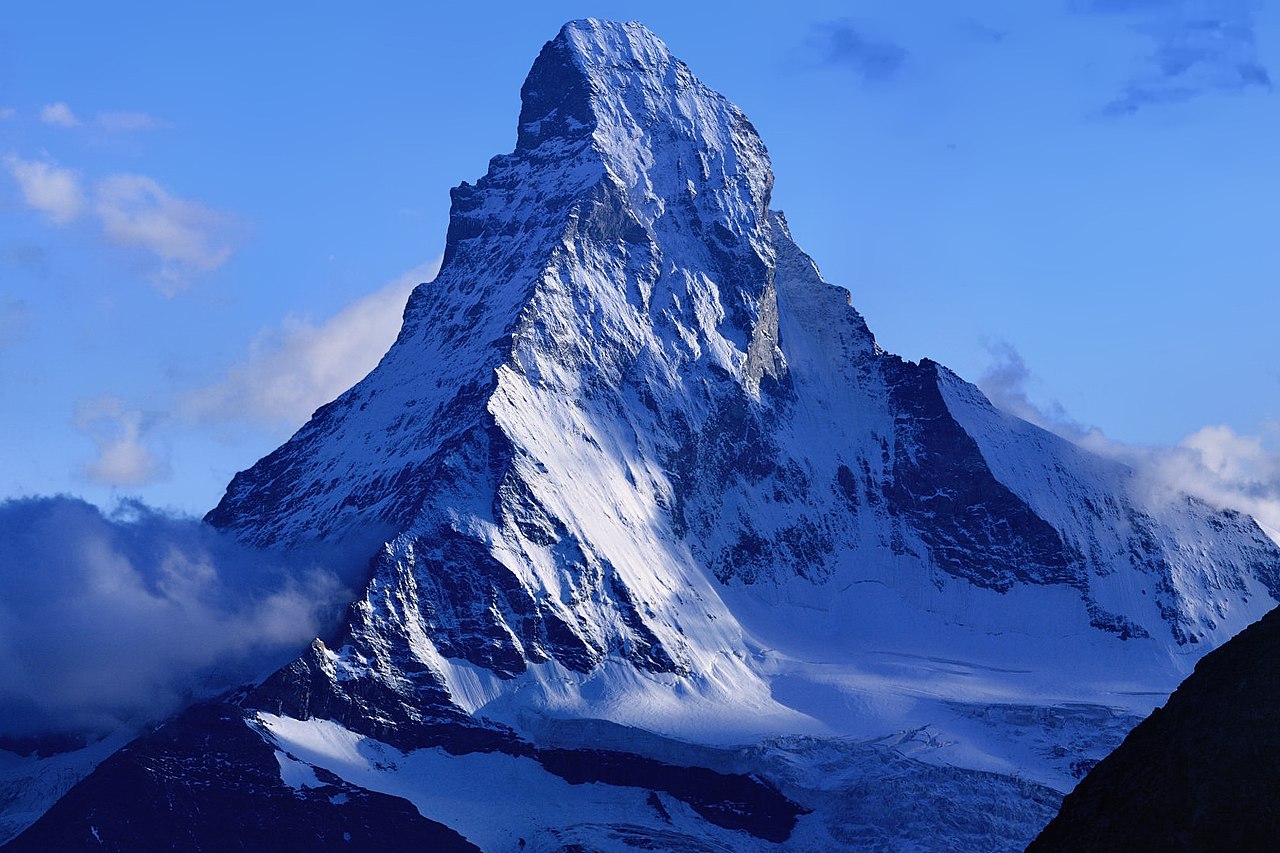
Mountains
The iconic peaks
The Matterhorn in the Alps, Fitz Roy in Patagonia, and Mount Fuji in Japan are the silhouettes everyone knows. You do not have to climb them to be floored by them.
See the most beautiful mountains →Lakes
Mirror water
Lake Louise in Canada, Plitvice in Croatia, and Pehoe in Patagonia hold colours that look edited. The stillest reflections come in the first hour after sunrise, before the wind.
See the most beautiful lakes →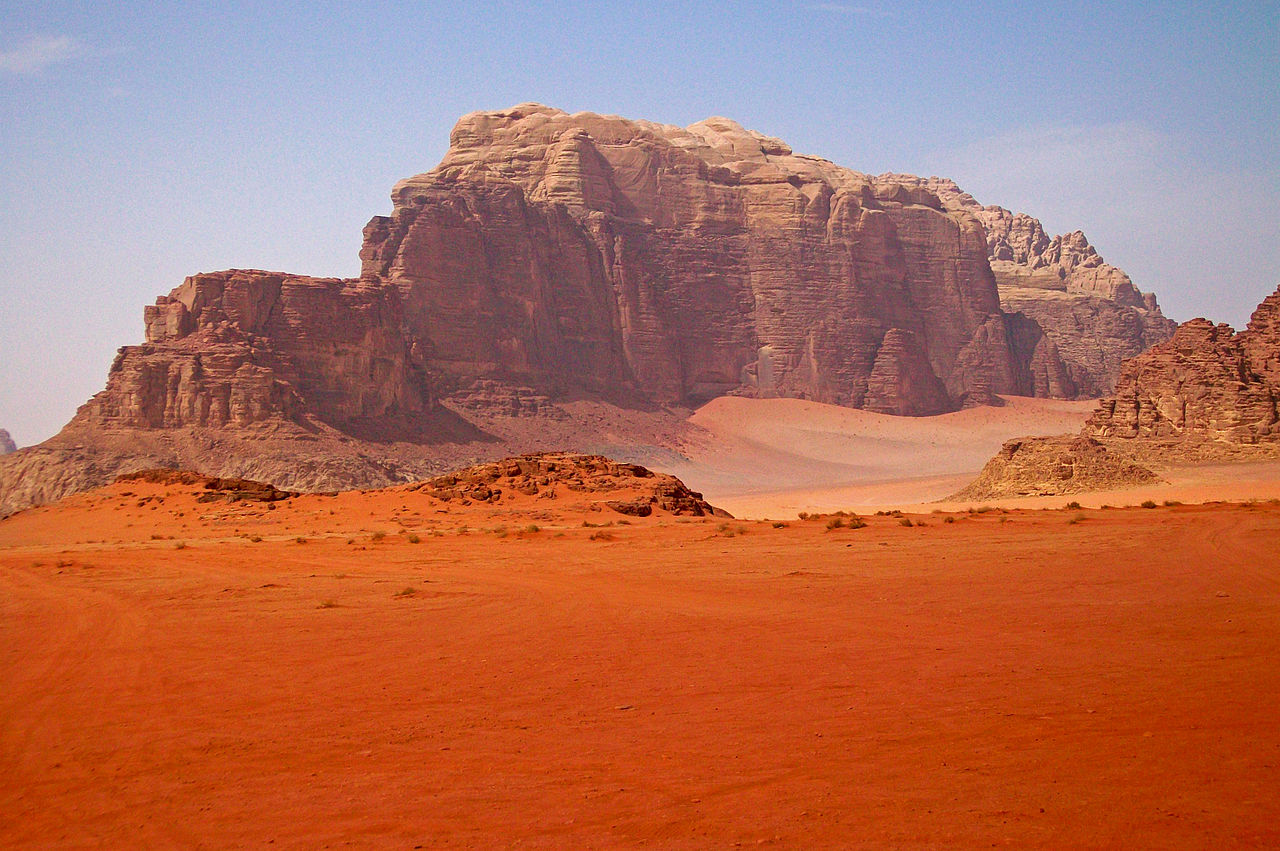
Deserts
Dunes and emptiness
The Sahara’s Erg Chebbi, Namibia’s Sossusvlei, and Chile’s Atacama trade green for scale and silence. The light at either end of the day is the whole point.
See the most beautiful deserts →
National parks
Protected landscapes
Yosemite in the US, Banff in Canada, and Torres del Paine in Chile pack cliffs, glaciers and wildlife into a single protected sweep. The park pass is the best-value ticket in travel.
See the best national parks →
Northern lights
The aurora
Iceland, northern Norway and Finnish Lapland put you under the aurora from autumn to spring. It is a weather lottery, so give yourself several dark, clear nights to win it.
See where to catch the northern lights →
Dark skies
The Milky Way
The Atacama, the Australian outback and certified dark-sky reserves show a night sky most people have never actually seen. You need a new moon and distance from any city glow.
See the best places for the Milky Way →Key takeaways
- There is no single most beautiful place, only the most beautiful of each kind: waterfall, island, peak, desert, aurora.
- For nearly every famous sight there is a quieter twin nearby that gives you the same view with room to breathe.
- Light and timing make the photo: dawn and dusk beat midday almost everywhere.
- Deciding what to see is only half the plan. Check the season for that place before you book.
- Protected areas and national parks give you the most beauty per ticket, and the fee funds the landscape.
Hidden gems, country by country
The famous sights are famous for a reason, but every country hides beautiful places that never make the shortlist. These off-the-beaten-path guides gather the quiet spots, the remote coastlines and the interiors most itineraries skip.
Beautiful without the crowds
The hardest part of visiting a famous beautiful place is everyone else who wants the same photo. A few rules keep the awe intact.
- Go early or late. The first and last hour of light are quieter and better lit. Midday is the crowd and the flattest photo.
- Pick the twin. If the icon is mobbed, the next valley or the next island over is often just as good. The guides above name the alternatives.
- Travel the shoulder season. The month either side of peak trades a little weather risk for a fraction of the people. Check the timing before you commit.
- Sleep on site. Staying inside or beside a park lets you see it before the day-trippers arrive and after they leave.
Insider tip
Match the wonder to the season before you book. A waterfall is thunderous after the rains and a trickle in a drought, the aurora needs long dark nights, and a desert is unbearable at midday in summer. Decide the place here, then open the best time to travel map to find the month that shows it at its best.
See the beautiful places for any country
When you have a destination in mind, the free Country Map is the fastest way to see what is worth your time: the highlights, the hidden gems, the natural sights and the attractions, pinned on an interactive map you can explore before you go. It is the practical companion to the wonders above, turned from a global list into a plan for one country.
Country Map
Highlights, hidden gems and attractions for every destination, pinned on a free interactive map. No account, works on your phone.
Open the mapMap not loading? Open the full map in a new tab. Planning the timing too? The best time to travel map shows the season for any country.
Plan the trip
Some links are affiliate links. If you book through them, Pack Lightly may earn a commission at no extra cost to you. It never changes what we recommend.
Keep exploring
Where to go next
Wonder round-ups
Plan the timing and the place
Wonders by country
Common questions
01What is the most beautiful place in the world?
There is no single answer, because beauty comes in types that do not compete. The most beautiful waterfall (Iguazu), island (the Maldives or Bora Bora), mountain (the Matterhorn or Fitz Roy) and desert (the Atacama or Sossusvlei) are all stunning and completely unalike. Pick the kind of wonder you want to see, then choose the standout in that category.
02How do I see famous places without the crowds?
Go in the first or last hour of daylight, travel in the shoulder season either side of peak, and sleep on or beside the site so you beat the day-trippers. For the most crowded icons, the quieter twin nearby, the next valley, island or viewpoint, often gives you the same view with a fraction of the people.
03What are the best natural wonders to travel for?
The ones that stop you in your tracks in person: the great waterfalls (Iguazu, Victoria), the reef islands (the Maldives, Palawan), the iconic peaks (the Matterhorn, Fuji), the big deserts (the Sahara, Atacama), and the sky itself, the aurora in the far north and the Milky Way over a dark-sky reserve. Each has its own guide above.
04When is the best time to see these places?
It depends entirely on the wonder. Waterfalls are biggest after the rains, the northern lights need the long dark nights of autumn to spring, and deserts are best avoided at midday in high summer. Decide the place first, then check the season for that specific spot on the best time to travel map before you book.
05How is this different from best places to visit?
This hub answers what to see: the world’s most beautiful sights, sorted by type of wonder. The best places to visit guide answers when to go, matching destinations to each month of the year. Use this one to choose the sight, then that one to time the trip.
06Is the map free to use?
Yes. The map is free, needs no account, and works on phones. Open any destination to see its highlights, hidden gems and attractions pinned on an interactive map, then plan your route before you leave.
Image credits, all via Wikimedia Commons: Aerial view of Reine village nestled among dramatic fjords and mountain peaks in the Lofoten Islands (Lukas Beck / Wikimedia Commons (CC BY 4.0)); Aerial view of Iguazu Falls showing the full arc of waterfalls and the Devil’s Throat on the Argentina-Brazil border (Enaldo Valadares / Wikimedia Commons (CC BY-SA 3.0)); Satellite photograph of Bora Bora (NASA Johnson Space Center / Wikimedia Commons (Public domain)); Aerial view of Navagio Beach on Zakynthos (Wilnel Jose Verdu Guerrero / Wikimedia Commons (CC BY-SA 4.0)); The Matterhorn’s iconic pyramid peak covered in snow rising above glaciers in the Swiss Alps (Zacharie Grossen / Wikimedia Commons (CC BY-SA 3.0)); Red sandstone desert floor stretching toward a massive sandstone mountain formation in Wadi Rum (Daniel Case / Wikimedia Commons (CC BY-SA 3.0)); Brilliant green aurora borealis swirling across the night sky above a snow-covered forest in Alaska (Joshua Strang / United States Air Force / Wikimedia Commons (Public domain)); Moraine Lake in Banff National Park with vivid turquoise glacial water reflecting the snow-capped Valley of the Ten Peaks (Gorgo / Wikimedia Commons (Public domain)); Panoramic view from Glacier Point over Yosemite Valley with Half Dome rising above the forested canyon in California (Thomas Wolf / Wikimedia Commons (CC BY-SA 3.0)); The Milky Way arching across a star-filled night sky above the Very Large Telescope at Paranal Observatory in Chile (ESO / Y. Beletsky / Wikimedia Commons (CC BY 4.0)).
Photo credits: Photo: Maros M r a z (Maros) / Wikimedia Commons, CC BY-SA 3.0 · Photo: kallerna / Wikimedia Commons, CC BY-SA 4.0 · Photo: Günter Seggebäing, Coesfeld / Wikimedia Commons, CC BY-SA 3.0 · Photo: Andreas Trepte / Wikimedia Commons, CC BY-SA 2.5 · Photo: Chensiyuan / Wikimedia Commons, CC BY-SA 4.0 · Photo: Suicasmo / Wikimedia Commons, CC BY-SA 4.0 · Photo: Draceane / Wikimedia Commons, CC BY-SA 4.0 · Moraine Lake, Banff. Photo: Gorgo / Wikimedia Commons (Public domain). · Photo: Andhika bayu nugraha / Wikimedia Commons, CC BY-SA 4.0 · Photo: Ikiwaner / Wikimedia Commons, GFDL 1.2 · Photo: Enaldo Valadares / Wikimedia Commons, CC BY-SA 3.0 · Photo: Wilnel José Verdú Guerrero / Wikimedia Commons, CC BY-SA 4.0 · Photo: Photo: chil, on Camptocamp.org Derivative work:Zacharie... / Wikimedia Commons, CC BY-SA 3.0 · Photo: Daniel Case / Wikimedia Commons, CC BY-SA 3.0 · Photo: Thomas Wolf, www.foto-tw.de / Wikimedia Commons, CC BY-SA 3.0 · Photo: ESO/Y. Beletsky / Wikimedia Commons, CC BY 4.0