



Couple Travel
A trip for two is not one traveller’s plan with a plus-one. It works when it fits both of you: the planner and the wanderer, the early riser and the late one. This is the hub for choosing where to go, timing it right, and enjoying the trip instead of negotiating it.
A holiday is the most concentrated time a couple ever spends together: no work to hide behind, every decision shared, from what to eat to how fast to move. That is exactly why it can be the best week of the year or a slow-building argument in a beautiful place. The difference is rarely the destination. It is whether the trip was built for two people who travel a little differently, instead of one person’s dream itinerary that the other quietly endures.

This guide starts with that, the part most couples’ guides skip, then gets practical: how to plan around your differences, which destinations reward a trip for two, how to match the trip to the occasion, and when to go so you catch a place at its best. The free timing tool at the bottom turns “somewhere romantic” into the right month for the place you pick.
Start here
Three ways into this guide
Plan it together
The compatibility bit: how to build one trip when the two of you travel differently.
Solve the planning →By the occasion
Honeymoon, anniversary, babymoon or just the two of you. The right trip for the moment.
Match the moment →Where to go
The destinations that reward a trip for two, from island honeymoons to slow European cities.
See the destinations →At a glance
- Plan for two travellers, not one. Most holiday friction comes from one person’s itinerary. Name where you differ (pace, budget, planning) and design around it before you book.
- Match the trip to the occasion. A honeymoon, an anniversary, a babymoon and a plain reset are different trips. The occasion settles the pace and the place faster than a wish list.
- Time it, do not just pick it. The same destination can be magic or a crowded disappointment depending on the month. The free timing tool below shows when each place is at its best for two.
Two travellers, one trip
Here is the thing most couples’ guides never say: the destination matters far less than the fit. Two people who travel the same way have a good trip almost anywhere. Two people who travel differently, and most couples do, can struggle in paradise if they never sorted out whose trip it is. The good news is that the differences are predictable, and a trip built around them beats a trip that pretends they are not there.
The best couples trips are not a compromise where both of you give things up. They are designed so each of you gets the days that matter most to you, and neither spends the week quietly resentful.
Before you book, have the five-minute conversation about where you actually differ. It is not romantic, and it saves the trip. The usual fault lines, and how to build around each one:
| Where couples differ | One of you | The other | How to design the trip |
|---|---|---|---|
| Pace | Wants to see everything | Wants to sit by the pool | Alternate: a full day out, then a slow one. Do not stack five big days in a row. |
| Planning | Books and researches | Wants to wing it | Lock the big rocks (flights, first nights), leave the days open for the wanderer. |
| Budget | Watches every euro | Splurges on the moment | Agree a daily number and one or two splurges up front, then stop counting. |
| Energy | Up at dawn | Slow mornings | Split the odd morning: a solo run or coffee, meet for lunch. Time apart helps. |
| Trip type | Adventure and activity | Rest and romance | Pick a destination that does both nearby, then split the itinerary in two halves. |
Key takeaways
- The fit between how you two travel matters more than the destination. Name your differences before you book.
- Design so each person gets the days that matter to them, rather than a compromise that shortchanges both.
- Let the occasion set the trip: a honeymoon, anniversary, babymoon and reset each call for a different pace and place.
- A day or a morning apart on a longer trip is healthy, not a failure. It makes the time together better.
- Timing decides whether a romantic destination delivers. Check the best month before you commit to the place.
Match the trip to the occasion
Couples travel for a reason as often as for a place, and the reason quietly sets the brief. Naming it first makes every other choice easier, because a honeymoon and a quick reset are not the same trip even to the same country.

The honeymoon
The once-in-a-lifetime one
This is the trip to spend a little more on and slow right down. Fewer places, longer stays, and the splurge you would not make on a normal holiday.
Points to: island time and long dinners. The Thai islands, Bali, the Amalfi Coast, the Greek islands, Riviera Maya.
The anniversary
The one that marks something
A return to somewhere meaningful, or a place you always said you would go. The occasion carries it, so lean into a memory rather than a checklist.
Points to: a city you both love or a bucket-list place. Kyoto, Venice, Lisbon, Santorini.
The babymoon
The last trip as two
A calm, comfortable trip before a baby arrives. Short flights, good healthcare nearby, low-key over adventurous, ideally in the second trimester.
Points to: easy comfort close to home. Coastal Portugal, an Italian lake, a quiet Greek island.
The reset
Just the two of you
No milestone, just time away from everything. A long weekend or a week to reconnect without the logistics of a big trip. The place matters less than the ease.
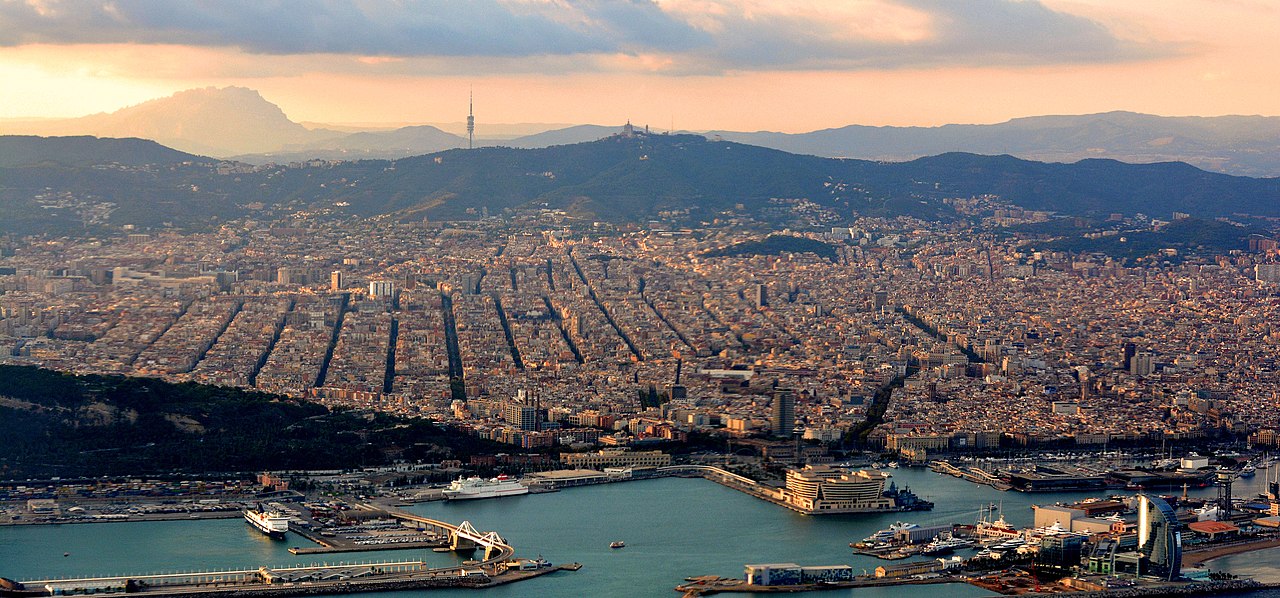
Points to: a short-haul city break or a beach within reach. Barcelona, a Mexican coast, a Thai island.
The best destinations for couples
Some places are simply built for two: a mix of romance, easy logistics and a balance of things to do and nothing to do. These six are the ones couples come back raving about, whatever the occasion. Each links to a full Pack Lightly country guide.
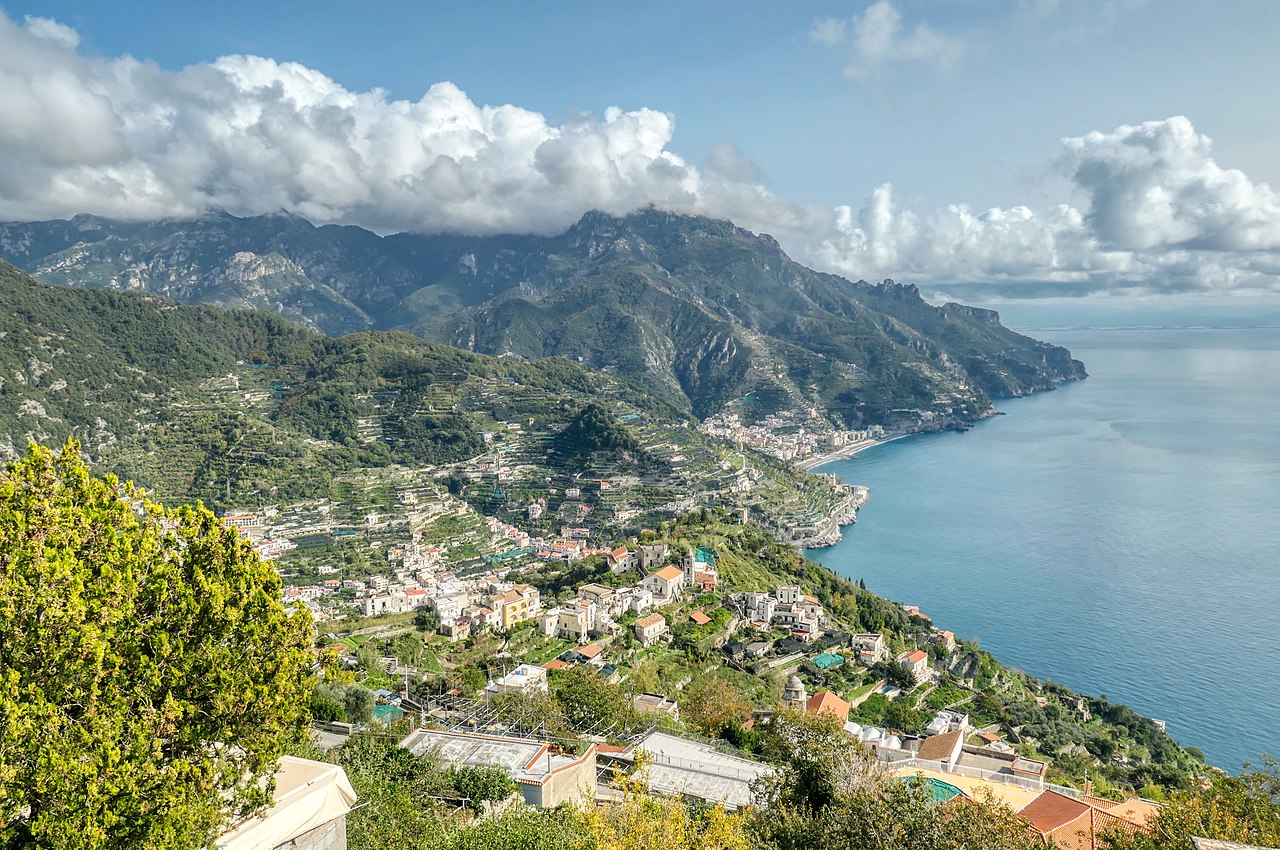
Italy
The romance benchmark
The Amalfi Coast’s cliffside towns, Venice’s canals, a Tuscan villa with its own vineyard: Italy does couple travel better than almost anywhere, because the food, the pace and the view all pull in the same direction. It suits the planner and the wanderer in one country.
Explore Italy →
Greece
The island honeymoon
Santorini’s caldera towns of Fira and Oia are built for the classic honeymoon photo, but quieter Milos and Naxos give the same whitewashed island time with a fraction of the crowds and a slower, cheaper week.
Explore Greece →
Indonesia
Bali for couples
Ubud’s rice terraces and villa pools handle the slow half of the trip; Nusa Penida’s clifftop viewpoints handle the adventure half. Split the days between the two and neither partner runs out of things to do.
Explore Indonesia →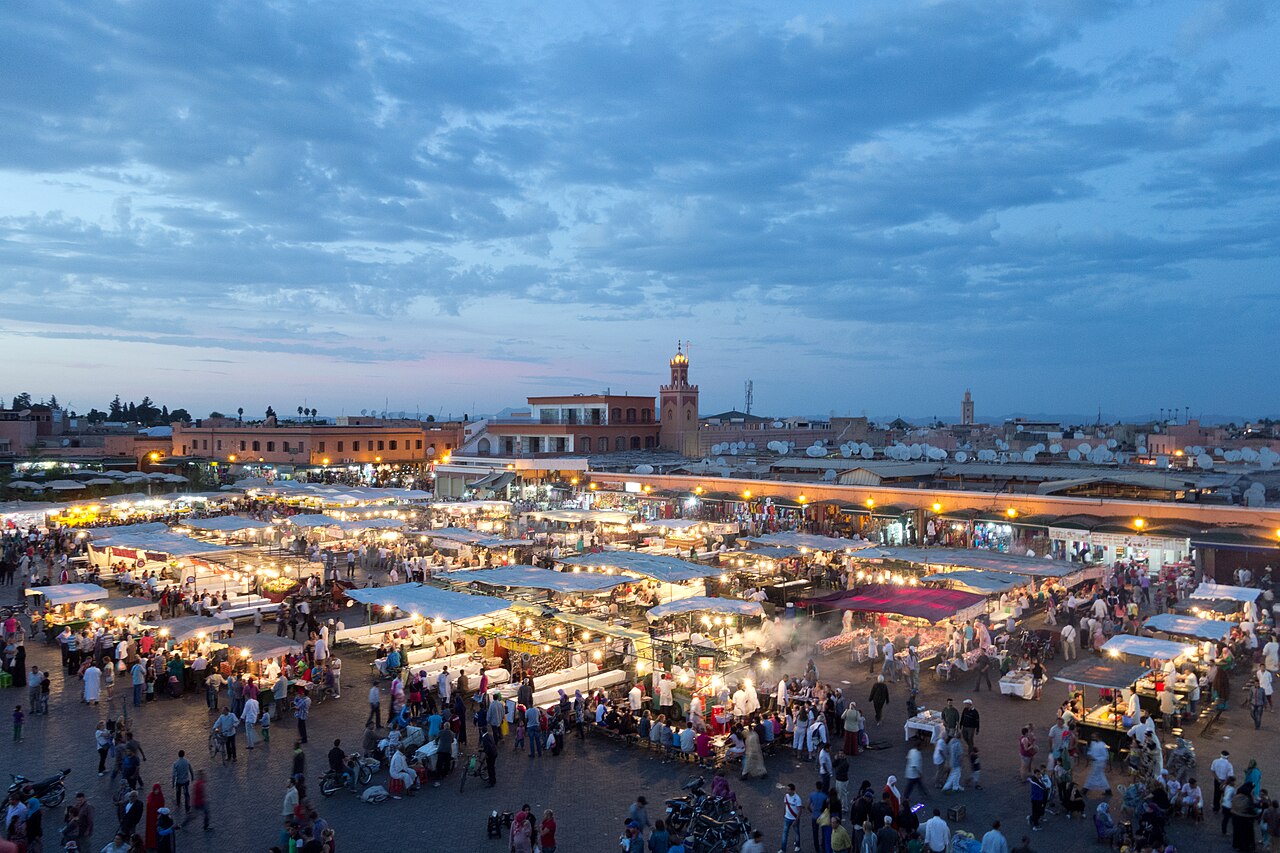
Morocco
Riads and the Sahara
Marrakech’s riads put a courtyard fountain and a rooftop dinner a few steps from the souks of Djemaa el Fna, then a night camped in the dunes near Merzouga adds the shared-adventure half most couple trips are missing.
Explore Morocco →
Japan
Adventure and calm, together
A Kyoto ryokan and a Hakone onsen give the trip its slow, private half, while the temples and neon cities supply the adventure. Seamless trains and low crime make it an easy country to travel as two.
Explore Japan →
The Maldives
The pure honeymoon
An overwater villa, a house reef at the bottom of the steps, and almost nothing else on the schedule. The Maldives is the honeymoon with the itinerary already decided, built entirely around two people and the water.
Explore The Maldives →Couple destinations compared
A quick read on how the strongest couple destinations differ on the things that decide a trip for two: the overall feel, what each suits best, an approximate mid-range daily spend for two, and when to go. Daily figures are for a comfortable, not luxury, trip; the timing tool lower down pins the best month for each.
| Destination | The feel | Best for | Day for two | Best months |
|---|---|---|---|---|
| Italy | Classic romance | Anniversaries, food lovers | $180 to $280 | Apr to Jun, Sep to Oct |
| Greece | Whitewashed and blue | Island honeymoons | $140 to $230 | May, Jun, Sep |
| Indonesia | Villa and sunset | Honeymoons | $110 to $210 | May to Sep |
| Morocco | Riads and desert nights | Adventure plus romance | $90 to $160 | Mar to May, Oct to Nov |
| Japan | Adventure and calm | Curious couples | $200 to $300 | Mar to May, Oct to Nov |
| The Maldives | Overwater and quiet | Pure honeymoons | $300 to $600 | Nov to Apr |
More romantic destinations
Beyond the six above, plenty of places reward a trip for two, grouped by region so you can start from the kind of trip you want. Each links to a full Pack Lightly country guide.
Europe
The Algarve’s cliffs and Lisbon’s hillside streets make an easy, budget-friendly romantic week for two.
A shared Ring Road drive past Jokulsarlon’s icebergs and Godafoss waterfall, with a soak in the Blue Lagoon to bookend it.
Paris for the classic city half, then Provence or the Verdon Gorge for the slow, rural half of the trip.
Asia and the Pacific
Bangkok and Chiang Mai supply the buzz; the southern islands hand a couple a beach-resort honeymoon at a fraction of Maldives prices.
Mirissa’s beaches and Sigiriya’s rock fortress fit into one loop, with a tea-country train ride for a couple who like moving together.
The Americas
The Riviera Maya handles the beach-resort honeymoon; Oaxaca and Mexico City handle the couple who would rather eat their way through a trip.
Machu Picchu and the Sacred Valley give an active couple a shared trek before Lima’s restaurant scene closes out the trip.
Mendoza’s vineyards suit a couple who travels around a good meal and a glass of Malbec; Patagonia’s glaciers suit the ones who travel around a view.
For an adventurous couple, Iceland’s Ring Road is one of the great drives for two, a new glacier or waterfall around every bend. For pure downtime, the overwater villas of the Maldives and the quieter Greek islands are hard to beat. Match any shortlist to the right season before you book.



Time your trip right
With the place chosen, timing is what separates a romantic trip from a crowded, overpriced one. Santorini in August is a different holiday from Santorini in June; the cherry blossom and the monsoon both move by weeks. The free Best Time to Travel map shows, month by month, where the weather works and where the crowds thin, so you catch your destination at its best rather than its busiest.
Best Time to Travel
A free month-by-month world map of where the weather works, across 156 countries. See at a glance when your destination is warm, dry and quieter. No account, works on your phone.
Open the best time to travel mapTool not loading? Open the full map in a new tab. Torn between two places? The country comparison tool puts up to four side by side on cost, weather and more.
Sort the rest of the trip
Some links are affiliate links. If you book through them, Pack Lightly may earn a commission at no extra cost to you. It never changes what we recommend.
Keep planning
Where to go next
Great country guides for couples
More travel by type
Guides to plan around
Tools that help you plan
Common questions
01How far in advance should we book a honeymoon?
For a long-haul honeymoon, six to nine months out is comfortable. It locks in the best-value flights, gives you the pick of rooms in the season you want, and leaves time to spread the cost. For a European trip, three to four months is usually enough. The one thing worth booking early either way is the first and last night, so the trip starts and ends without a scramble, and any special stay you have set your heart on, which sells out first.
02Should our first big trip together be short or long?
Start shorter than you think. A first long trip together is as much a test of how you travel as a holiday, and a week reveals most of what a month would, with far less at stake if your styles clash. A four to seven day trip somewhere easy tells you how you handle shared decisions, money and downtime. If it goes well, the three-week adventure is a much safer bet, and a lot more fun.
03How do we split money without it getting awkward?
Agree the approach before you go, not at the till. The simplest system for most couples is a shared pot: each puts in the same amount up front and joint costs, hotels, meals, transport, come out of it, with personal spending kept separate. A shared expenses app keeps it honest without anyone doing sums on holiday. If your incomes differ a lot, splitting proportionally rather than fifty-fifty avoids quiet resentment. The point is to decide once and then stop thinking about it.
04What is a babymoon, and when should we take it?
A babymoon is a relaxed trip taken before a baby arrives, the last easy holiday as a couple. The second trimester, roughly weeks fourteen to twenty-seven, is usually the most comfortable window: the early sickness has eased and travel is generally still straightforward. Keep flights short, pick somewhere calm with good healthcare nearby rather than remote or adventurous, and check your airline’s rules on flying while pregnant and your travel insurance’s pregnancy cover before you book.
05How do we avoid arguing on holiday?
Most holiday arguments are about tiredness, hunger and one person feeling their trip is being ignored, not about the actual decision. Head them off: do not over-schedule, eat before you get ravenous, and build in slow time so nobody is running on empty. Agree in advance that a day or a morning apart is fine, and take turns choosing, one of you picks tonight’s dinner, the other picks tomorrow’s plan. Naming your differences before the trip, as above, removes most of the friction before it starts.
06Do we need separate travel insurance or a couples policy?
A joint or couples policy usually covers two people travelling together on one plan, and often works out cheaper than two singles. It is a good fit if you are taking the same trips. If one of you travels separately for work or otherwise, check whether the policy covers solo trips too, or whether an annual multi-trip policy each makes more sense. Either way, read the medical and cancellation cover, and declare any existing conditions, before you rely on it.
Image credits: Italy, Amalfi Coast (Bruno Rijsman / Wikimedia Commons (CC BY-SA 2.0)); Greece, Santorini (Norbert Nagel / Wikimedia Commons (CC BY-SA 3.0)); Indonesia (Philip Nalangan / Wikimedia Commons (CC BY 4.0)); Morocco (Wikimedia Commons); Japan, Kyoto (Jordy Meow / Wikimedia Commons (CC BY-SA 3.0)); The Maldives (Wikimedia Commons); Argentina (Wikimedia Commons); Spain (M McBey / Wikimedia Commons (CC BY 2.0)); Iceland (Molechaser / Wikimedia Commons (CC BY-SA 2.0)); Ha Long Bay, Vietnam (Taewangkorea / Wikimedia Commons (CC BY-SA 4.0)); Costa Rica (Rhododendrites / Wikimedia Commons (CC BY-SA 4.0)).
Photo credits: Photo: Bernard Gagnon / Wikimedia Commons, CC BY-SA 3.0 · Photo: Basile Morin / Wikimedia Commons, CC BY-SA 4.0 · Photo: Bruno Rijsman / Wikimedia Commons, CC BY-SA 2.0 · Photo: Dietmar Rabich / Wikimedia Commons, CC BY-SA 4.0 · Photo: Philip Nalangan / Wikimedia Commons, CC BY 4.0 · Photo: Boris Macek / Wikimedia Commons, CC BY-SA 3.0 · Photo: 掬茶 / Wikimedia Commons, CC BY-SA 4.0 · Photo: User: (WT-shared) Jpatokal at wts wikivoyage / Wikimedia Commons, CC BY-SA 4.0 · Photo: David / Wikimedia Commons, CC BY 2.0 · Photo: M McBey / Wikimedia Commons, CC BY 2.0 · Photo: Molechaser / Wikimedia Commons, CC BY-SA 2.0 · Photo: Taewangkorea / Wikimedia Commons, CC BY-SA 4.0 · Photo: Rhododendrites / Wikimedia Commons, CC BY-SA 4.0