



Croatia
A thousand-mile Adriatic coastline, more than a thousand islands, and eight national parks packed into a country you can drive end to end in a day. Croatia rewards travelers who pick a stretch of coast, slow down on ferry time, and leave the far islands for the next trip.
Croatia is best on the water. Give it ten days to two weeks, base yourself on the coast, and let the ferry timetable set the pace.
Pack Lightly editorial team
At a glance
- Adriatic islands, walled old towns and eight national parks. Croatia scores 90 for nature and 90 for safety, its two strongest cards.
- Budget around $45 a day backpacking, $110 mid-range. Cheaper than Italy across the water, though the Dalmatian coast in August is not the bargain it once was.
- May, June and September are ideal. July and August bring peak heat, peak crowds and peak prices to the coast and the islands.
- Ten days covers the Dalmatian coast from Split to Dubrovnik with a couple of islands. Two weeks adds Istria, Plitvice and Zagreb.
- The catch: Dubrovnik and the headline islands are mobbed in high summer, and cruise days flood the old town. Come in the shoulder season or sleep on the islands after the day boats leave.
Everything to know before you book
The essentials for a Croatia trip: entry rules, money, the climate window and power, in one scan.
What Croatia does best, and where it doesn’t
Ten categories scored 0 to 100 from tourism data, traveler reports and on-the-ground experience.
Nature and safety lead the way: clear Adriatic water, eight national parks, and a country where solo travelers and families both feel at ease. Sailing, sea kayaking and island hopping do the rest.
The euro and the summer boom pushed the coast past its old bargain reputation, and Dubrovnik in August is Western-Europe expensive. Public transport is bus-and-ferry rather than fast rail, so a car helps inland.
Best places to visit in Croatia
Twelve destinations that anchor most trips. Filter by region to plan your route.
Dubrovnik
The walled old town on the Adriatic, best walked at dawn before the cruise ships dock, with cable-car views and island boats from the harbor.Split
A living Roman palace that turned into a city, plus the main ferry hub for the Dalmatian islands and a waterfront made for evenings.Zagreb
The capital most coast-bound travelers skip: an Austro-Hungarian upper town, funicular, museums and a cafe culture that runs all day.Plitvice Lakes
Sixteen terraced turquoise lakes linked by waterfalls and boardwalks, the country’s most famous national park. Go early or late to beat the tour buses.Rovinj
A pastel Venetian old town on an Istrian headland, with a bell-tower skyline, truffle country inland and the best light on the coast.Hvar
Lavender fields, a hilltop fortress and a harbor town that runs late, with the Pakleni islets a short taxi-boat away.Zadar
A Roman forum, the Sea Organ playing the waves, and the gateway to the Kornati islands and both Plitvice and Krka parks.Korcula
A walled old town said to be Marco Polo’s birthplace, quiet coves, and some of the best white wine on the Adriatic.Krka National Park
Skradinski Buk’s waterfalls roar along wooden boardwalks near Skradin harbor in this inland Dalmatian park.Pula
Salty harbor cafes line the waterfront near this city’s well preserved Roman amphitheater.Brac
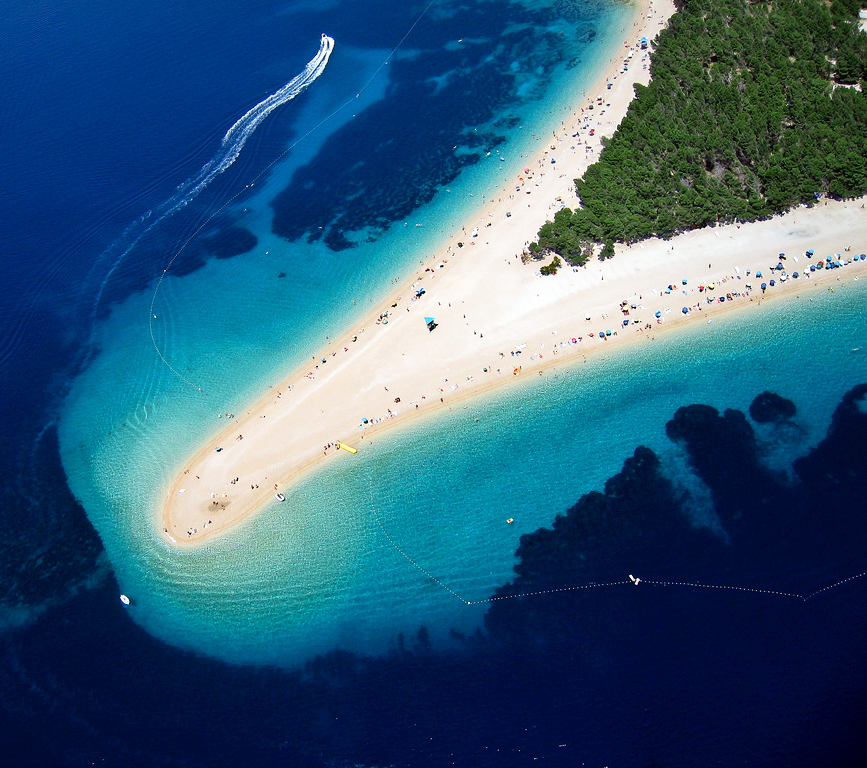
White pebbles crunch underfoot at Zlatni Rat beach near Bol’s waterfront on this Adriatic island.Trogir
Fishing boats bob against the docks along this walled old town’s waterfront promenade.Dalmatia & the Coast
Istria & the North
The Islands
National Parks
Continental Croatia


All Croatia guides
Every Pack Lightly guide for planning, preparing and exploring the country.
Planning & Logistics
Practical & Preparation
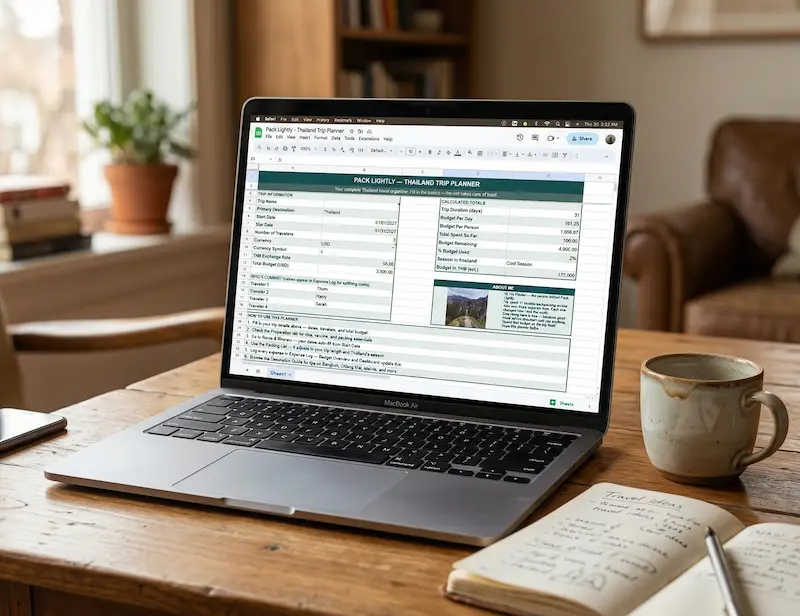
Plan your Croatia trip
A free Google Sheets template: itinerary planning, daily expenses, budget tracking and a packing list, with a dashboard that updates as you go.
Get the Free TemplateWhat Croatia costs per day
Per person per day in USD, drawn from the Pack Lightly budget calculator. Accommodation and food lead, and the coast in August runs well above these figures.
Croatia, month by month
Dubrovnik: temperature (°F) and rainfall (inches). The coast is mild and Mediterranean; Zagreb and the interior run colder in winter and hotter in summer.
Croatia in one first impression
A quick sweep of the country before you plan the trip.

What if…
Croatia by trip length
Real day-by-day itineraries, one for each trip length. Pick the time you have and open the full plan.
Feel the vibrant energy of Split’s bustling Riva promenade, then transition to the serene beaches of Hvar, where the pace slows and the sunsets linger.
See the full day-by-day planExperience the vibrant energy of Zagreb’s bustling markets, then transition to the serene beauty of Plitvice Lakes, where cascading waterfalls and lush forests await.
See the full day-by-day planFeel the vibrant pulse of Zagreb’s bustling streets transform into the serene beauty of Plitvice Lakes National Park. Over three weeks, savor the rich flavors of local cuisine, from hearty stews to fresh seafood, as you traverse diverse landscapes.
See the full day-by-day plan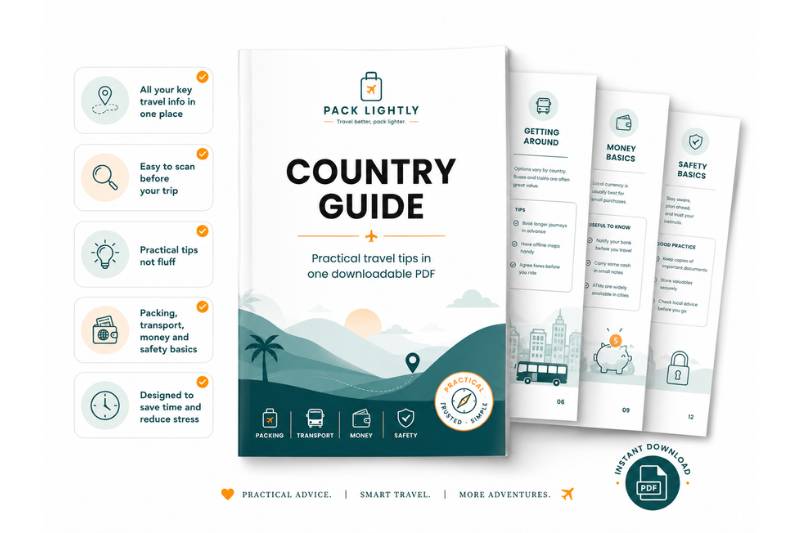
Take the whole Croatia guide offline
Every practical decision for Croatia sits in one PDF: what a day costs, when to go, how Dubrovnik, Split and Zagreb fit into one trip, and what to book before you leave.
- Routes that hold up: route options from 7 to 21 days, with the stops worth the travel time and the ones worth skipping.
- Real numbers: daily budgets from $45 to $250 per person, split over beds, food, transport and activities.
- Weather, crowds and price: which months are dry, which are cheap, and where the two overlap.
- The practical layer: money, transport, connectivity, safety and the local etiquette that saves you a misstep.
Opens the PDF straight away. Save it to your phone and it works offline.
Book your Croatia trip
Everything to sort before departure, at the same price as booking direct. It helps keep these guides free.
Before you commit
Why Croatia works
It is a coast and a set of islands first. The Adriatic water runs clear enough to see the bottom, the ferries turn island hopping into the whole itinerary, and eight national parks put waterfalls and canyons within a short drive of the beach.
The old towns carry the culture. Diocletian’s Palace in Split is a living Roman city, Dubrovnik’s walls are the finest in Europe, and Venetian bell towers line the Istrian coast. Eat the day’s catch and the Peljesac and Korcula wines.
Honest downsides
- High-summer crowds swamp Dubrovnik, Hvar and Plitvice. Cruise days flood the old town, so come in May, June or September
- Prices jumped with the euro and the boom. The coast in August is Western-Europe expensive, not the old bargain
- Ferries sell out in peak season, especially the car ferries. Book ahead and build slack into island days
- No fast rail down the coast. It is buses, ferries or a rental car, and driving the coast road takes longer than the map suggests
Croatia with kids
An easy trip with children: warm shallow sea, pebble beaches, boat rides and castle walls to run along. The boardwalks at Plitvice and Krka turn a nature walk into an adventure, and gelato is on every corner.
Keep the ferry days short and plan around the midday heat in summer. Family apartments are widely available and often cheaper than hotels, and the evenings on the waterfront run late and kid-friendly.
Frequently asked questions
Do US citizens need a visa for Croatia?
No visa for tourism. US citizens can stay in Croatia and the wider Schengen Area for up to 90 days within any 180-day period. Croatia joined Schengen in 2023, so time spent in other Schengen countries counts against the same 90 days. The ETIAS travel authorization, a quick online pre-approval, is expected to become mandatory at some point during 2026.
How much does Croatia cost per day?
Budget around $45 per person per day backpacking, with hostels, apartments and market food. Mid-range is closer to $110 with hotels and restaurant dinners; comfort travel runs $250 and up. The Dalmatian coast and Dubrovnik in July and August cost noticeably more than the interior or the shoulder season.
When is the best time to visit Croatia?
May, June and September are ideal, with warm sea, long days and thinner crowds. July and August are hot, crowded and expensive on the coast and the islands. April and October are quieter and good for the parks and cities, though the sea is cooler and the far islands wind down.
Is Croatia safe for travelers?
Yes. Croatia is one of the safer countries in Europe, with a safety score of 90 in this guide. Violent crime against tourists is rare and petty theft is low even in the busy old towns. The main hazards are practical: strong sun, sea urchins on rocky beaches, and winding coast roads.
How many days do you need in Croatia?
Ten days covers the Dalmatian coast from Split to Dubrovnik with a couple of islands at a comfortable pace. Two weeks adds Istria, Plitvice and the capital. A week is enough for one region, either the southern coast or Istria and the north, without rushing the ferries.
Which Croatian islands should you visit?
Hvar and Korcula are the headline islands: walled towns, vineyards and good ferry links from Split and Dubrovnik. For something quieter, Vis sat closed to visitors until the 1990s and stays low-key, Mljet is half national-park forest, and Brac has the famous shifting Zlatni Rat beach. Pick one or two rather than trying to island-hop the whole chain.
Photo credits: Photo: Szabolcs Emich (cropped by DIREKTOR) / Wikimedia Commons, CC BY 2.0 · Photo: Olgierd Rudak / Wikimedia Commons, CC BY-SA 4.0 · Photo: Rkoster / Wikimedia Commons, CC BY 4.0 · Photo: Ekaterina Polischuk / Wikimedia Commons, CC BY-SA 4.0 · Photo: dronepicr / Wikimedia Commons, CC BY 2.0 · Photo: Miroslav.vajdic / Wikimedia Commons, CC BY-SA 4.0 · Photo: Zysko serhii / Wikimedia Commons, CC BY-SA 4.0 · Photo: Tatyana Peshkova / Wikimedia Commons, CC BY-SA 4.0 · Photo: Nick Savchenko from Kiev, Ukraine / Wikimedia Commons, CC BY-SA 2.0 · Photo: Zysko serhii / Wikimedia Commons, CC BY-SA 4.0 · Photo: Florian Hirzinger / Wikimedia Commons, CC BY-SA 4.0 · Photo: Bernard Gagnon / Wikimedia Commons, CC BY-SA 4.0 · Photo: dronepicr / Wikimedia Commons, CC BY 2.0 · Photo: Quintin Soloviev / Wikimedia Commons, CC BY 4.0