



Family Travel
A family holiday with a toddler and one with teenagers are not the same trip, even to the same country. The single biggest factor in whether it works is not the destination, it is matching the trip to the ages you are travelling with. This is how to get that right.
Every parent knows the holiday that looked perfect online and fell apart in practice: the long-haul flight with a one-year-old, the culture trip a nine-year-old was bored senseless by, the beach resort the teenagers refused to leave their rooms at. The destination was rarely the problem. Family travel goes wrong when the trip is pitched at the wrong age, and it goes right, brilliantly right, when the pace, the place and the plan fit the children you actually have.

This guide is organised the way family travel really works: by stage. It walks through what changes at each age, from babies to teenagers, then covers the destinations that suit a family holiday, the honest truth about all-inclusive resorts, and how to keep it affordable when school holidays inflate every price. When you are ready to choose, the free destination tool at the bottom factors in who is travelling, so it will not send a family of five somewhere built for backpackers.
Start here
Three ways into this guide
Travel by age
What changes at each stage, from babies to teenagers, and how to pitch the trip right.
Find your stage →Where to go
The destinations that make a family holiday easy: safe, healthy, and fun for a range of ages.
See the destinations →Resorts and cost
Is all-inclusive worth it, and how to keep a family trip affordable around school holidays.
Sort the practical bit →At a glance
- Match the trip to the ages. The kids’ ages decide the pace, the place and the plan far more than the destination does. Pitch it wrong and even paradise flops.
- Slow down and plan one big thing a day. The most common family-travel mistake is over-scheduling. Build the day around meals, naps and downtime, not a packed itinerary.
- Some places just make it easy. Japan, Italy, Spain, Costa Rica, Thailand and Portugal are safe, healthy and fun across a range of ages. The tool below matches one to your family.
How family travel changes with the kids’ ages
The most useful way to plan a family trip is not by destination but by stage. What makes a holiday effortless with a five-year-old can make it miserable with a fifteen-year-old, and the reverse. Find the stage that matches your family, or the youngest if you are travelling with a spread, and let it set the pace and the kind of place you choose.
The easiest age to travel with in some ways, the hardest in others: they go where you go, but naps, feeds and meltdowns run the day. Keep flights short, distances small and the base comfortable. One location beats a tour.
Points to: a short-haul beach or a single calm base with good healthcare nearby. Portugal, Spain, an Italian coast.
Curious, energetic and delighted by simple things: animals, pools, beaches, trains. They tire fast and bore faster, so trade museums for wildlife and cities for nature. One big activity a day is plenty.
Points to: nature, animals and easy wonder. Costa Rica, Thailand’s beaches, a Spanish coast.
The golden age for family travel: old enough for real adventures and long days, young enough to still want to be with you. They can handle culture if it is active, walk further, and remember the trip for life.
Points to: active culture and adventure. Japan, Italy, Vietnam, Mexico’s ruins and cenotes.
Now the trip has to interest them too, or you lose them to their phones. Give them a say in the plan, build in some independence and a bit of adrenaline, and pick places with a social buzz over sleepy ones.
Points to: action, cities and cool factor. Japan, Spain’s cities, Thailand, an Iceland road trip.
Key takeaways
- Plan by the kids’ ages, not just the destination. The stage decides the pace, the place and the plan.
- Travelling with a spread of ages? Pitch the pace to the youngest and give the oldest a project or some independence.
- Slow down: one big activity a day, built around meals, naps and downtime, beats a packed itinerary every time.
- All-inclusive earns its keep with young kids and predictable budgets; it can trap older kids and curious families.
- School-holiday pricing is the real cost driver. Travel at the edges of the holidays, or to cheaper countries, to blunt it.
The best destinations for families
A great family destination clears three bars: it is safe and healthy enough to relax, it has something for a range of ages, and the logistics are easy enough that you are on holiday rather than on shift. These six manage all three. Each links to a full Pack Lightly country guide.

Japan
Safe and endlessly fun
Spotless, safe and full of things kids love: bullet trains between Tokyo and Kyoto, arcades, capsule vending machines, and Tokyo Disney Resort itself. Older kids find it thrilling, teenagers find it cool, and parents never once worry about safety. A standout at 8 and up.
Explore Japan →
Italy
Where kids are welcome
Few countries dote on children like Italy: Rome’s ruins are built for clambering over, not just looking at, and pizza and gelato sell the culture better than any museum. A coastal villa near the Amalfi Coast or a Tuscan farmhouse base makes it easy at almost any age.
Explore Italy →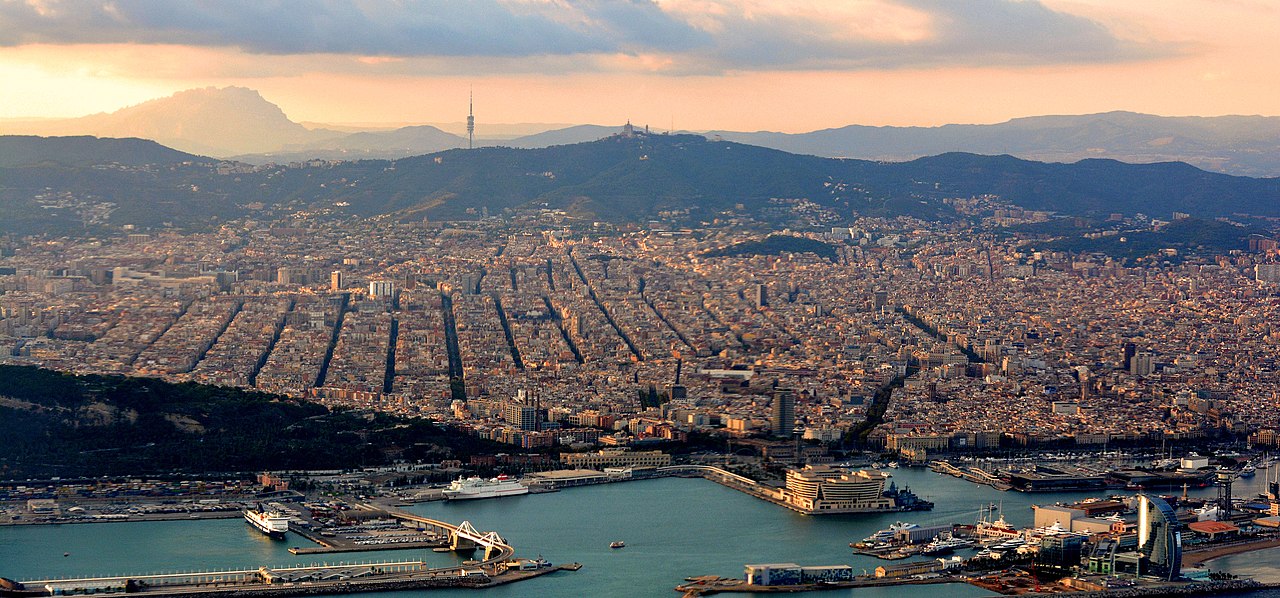
Spain
The easy beach classic
The go-to family beach holiday for good reason: short flights from much of Europe, the calm coves of Costa Brava, family water parks up and down the coast, and cities that mix culture with a relaxed, late-dining, kid-friendly rhythm.
Explore Spain →
Costa Rica
A wildlife adventure
Sloths, monkeys and toucans turn a holiday into a nature documentary the kids star in, from the rainforest trails around Arenal to the beaches and hikes of Manuel Antonio National Park. Zip lines add the thrill; the wildlife does the rest, at almost any age.
Explore Costa Rica →
Thailand
Value and warmth
Famously warm towards children, with calm island beaches, ethical elephant sanctuaries around Chiang Mai and food even fussy eaters find something in. Your money stretches far, so a longer or more comfortable family trip costs less than you expect.
Explore Thailand →
Portugal
Easy for little ones
Short flights, gentle Algarve beaches, warm and safe, and cheaper than most of Western Europe: the ideal first trip abroad with babies and toddlers. Lisbon adds a little city culture for when they are older.
Explore Portugal →Family destinations compared
A quick read on how the strongest family destinations differ on what matters with kids: the best ages they suit, the kind of trip, an approximate daily spend for a family of four, and when to go. Daily figures assume mid-range family accommodation; the budget calculator gives an exact number for your family.
| Destination | Best ages | The trip | Day for four | Best months |
|---|---|---|---|---|
| Japan | 8 and up | Safe, fun, cultural | $300 to $450 | Mar to May, Oct to Nov |
| Italy | All ages | Villa and culture | $250 to $400 | May, Jun, Sep |
| Spain | All ages | Beach and city | $220 to $350 | May, Jun, Sep |
| Costa Rica | 4 and up | Wildlife adventure | $260 to $400 | Dec to Apr |
| Thailand | All ages | Beach and value | $150 to $260 | Nov to Mar |
| Portugal | All ages | Easy beach | $200 to $320 | May, Jun, Sep |
More family-friendly destinations
Beyond the six above, plenty of countries make a great family holiday, grouped by region. Each links to a full Pack Lightly country guide.

Europe
Naxos or Crete for a young-family beach week: shallow, warm swimming and a slow island pace that suits toddlers through to pre-teens.
A Golden Circle road trip built for kids old enough to hike: waterfalls, geysers and glacier lagoons within easy driving of Reykjavik.
Rovaniemi and Finnish Lapland for the Santa Claus Village and reindeer sleigh rides: a genuine bucket-list trip for kids around 4 to 10.
Asia and the Pacific
Halong Bay by boat and the lantern-lit old town of Hoi An give active older kids real adventure without the intensity of a bigger trip.
The Kandy to Ella train and safaris in Yala National Park make wildlife and scenery easy to reach without long transfers.
Queenstown and Milford Sound suit older kids and teenagers who want adventure, space and long days outdoors.
The Americas
Tulum’s ruins and cenotes let kids climb history and swim in it the same afternoon, with beach downtime built in.
The Sacred Valley and the Machu Picchu train reward teenagers old enough for the altitude and the hiking, with Cusco as an easy base.
For a first big trip with little ones, stay short-haul and single-base; save the long-haul flights and multi-stop routes like Vietnam, Sri Lanka and New Zealand for when the kids are older.


All-inclusive, cost and school holidays
Two practical questions decide most family trips: whether to book an all-inclusive resort, and how to survive the school-holiday price surge. Both have honest answers.
Is all-inclusive worth it? For families with young children, often yes. A known, fixed price with food, drinks, a pool and a kids’ club on tap removes the daily logistics and the constant small spending, and lets parents actually rest. Where it works against you is with older, curious kids and families who want to see the country: an all-inclusive can become a comfortable trap that keeps you inside the gates and eating the same buffet, while the actual destination happens somewhere else. The rule of thumb: all-inclusive for a pure rest holiday with little ones, a villa or apartment base when you want to explore.

How to keep it affordable. The single biggest cost driver in family travel is the school-holiday surge: flights and resorts can double the moment term ends. You cannot always avoid it, but you can blunt it. Travel at the very start or end of a holiday rather than the peak middle, choose a lower-cost country where your money goes further, book flights early, and favour a self-catering apartment over a resort so meals are not a constant expense. A cheaper destination in peak season often beats an expensive one in the shoulder.
Insider tip
Pack a change of clothes for each child and all essential medicine in your carry-on, never the hold. With kids, a delayed or lost bag turns from an annoyance into a genuine problem. For long flights, load tablets the night before, pack snacks they actually like, and book overnight where you can so the flight doubles as a night’s sleep.
Find your family destination
Knowing the ages and what you want from the trip is the groundwork. Choosing the country, out of a world of options that all claim to be family-friendly, is the hard part. The free Destination Picker asks eight quick questions, including who is travelling, and narrows 146 countries to a top three that fit your family, your budget and your dates, so you are not left guessing whether a place really works with kids.
Destination Picker
A free 8-question quiz that matches your travel style, who is coming, budget and timing to your top three countries out of 146. No account, works on your phone.
Open the destination pickerTool not loading? Open the full picker in a new tab. Working out the cost for the whole family? The budget calculator breaks down a trip per person, and the best time to travel map shows when to dodge the crowds.
Sort the rest of the trip
Some links are affiliate links. If you book through them, Pack Lightly may earn a commission at no extra cost to you. It never changes what we recommend.
Keep planning
Where to go next
Great country guides for families
More travel by type
Guides to plan around
Tools that help you plan
Common questions
01What is the best age to take kids abroad?
There is no single best age, only a best kind of trip for each age. Babies and toddlers travel easily but run on naps and feeds, so keep it short-haul and single-base. Four to seven loves nature, animals and pools. Eight to twelve is the golden window: old enough for real adventures, still keen to be with you. Teenagers need a say and some independence. Many parents find eight to twelve the easiest and most rewarding, but every stage works if the trip is pitched to it.
02How do you survive a long-haul flight with young children?
Preparation beats luck. Load tablets with shows and games the night before, pack a bag of snacks they actually like and a couple of small new toys to dole out, and bring a change of clothes for each child in the carry-on. For babies, feed or offer a bottle on take-off and landing to ease their ears. Book an overnight flight where you can so it doubles as a night’s sleep, and lower your standards on screen time for one day. Nobody wins a prize for a device-free flight.
03Is an all-inclusive resort worth it for families?
It depends on the trip you want. With young children, all-inclusive often earns its keep: a fixed price, food and drink on tap, a pool and a kids’ club remove the daily logistics and the constant small spending, and let parents actually rest. With older, curious kids, or if you want to see the country, it can become a comfortable trap that keeps you inside the gates while the real destination happens elsewhere. Use all-inclusive for a pure rest holiday with little ones, and a villa or apartment base when you want to explore.
04How do you handle travelling with different-aged kids?
Pitch the pace to the youngest and give the oldest a role. Choose a single base with variety close by rather than a moving itinerary, so the toddler gets naps and a pool, the middle child gets an adventure day and the teenager gets some independence, all without living in a car. Let the older ones help plan a day each, split up for some activities so nobody is dragged along, and accept that the day is built around the youngest’s limits. A big age gap rewards one good base over an ambitious route.
05Do babies and children need their own passport?
Yes. In almost every country each child, including a newborn, needs their own passport to travel internationally, and they cannot be added to a parent’s. Children’s passports also expire faster than adults’, often every five years, so check the dates well ahead, and note that many countries require at least six months’ validity beyond your travel date. If you are travelling without the other parent, some destinations ask for a consent letter, so check the entry rules for where you are going before you book.
06How do you keep a family trip affordable?
The biggest lever is timing. School-holiday pricing can double flights and resorts overnight, so travel at the very start or end of a break rather than the peak middle, and book flights early. Beyond that, choose a lower-cost country where your money stretches further, favour a self-catering apartment over a resort so meals are not a constant expense, and use a budget tool to compare the real cost of destinations before you commit. A cheaper country in peak season often beats an expensive one in the shoulder.
Image credits: Costa Rica (Rhododendrites / Wikimedia Commons (CC BY-SA 4.0)); Kyoto (Jordy Meow / Wikimedia Commons (CC BY-SA 3.0)); Italy (kallerna / Wikimedia Commons (CC BY-SA 4.0)); Spain (M McBey / Wikimedia Commons (CC BY 2.0)); Bangkok (Ninara / Wikimedia Commons (CC BY 2.0)); Thailand, Railay Beach (Wikimedia Commons); Lisbon (Vitor Oliveira / Wikimedia Commons (CC BY-SA 2.0)); Greece (Norbert Nagel / Wikimedia Commons (CC BY-SA 3.0)); New Zealand (Maros M r a z / Wikimedia Commons (CC BY-SA 3.0)); Mexico City (Gobierno CDMX / Wikimedia Commons (CC0)); Iceland (Molechaser / Wikimedia Commons (CC BY-SA 2.0)).
Photo credits: The rainforest around Arenal, Costa Rica: an easy walk for young legs, and full of things to spot along the way. Photo: Rhododendrites / Wikimedia Commons (CC BY-SA 4.0) · Photo: Jordy Meow / Wikimedia Commons, CC BY-SA 3.0 · Photo: kallerna / Wikimedia Commons, CC BY-SA 4.0 · Photo: M McBey / Wikimedia Commons, CC BY 2.0 · Photo: Rhododendrites / Wikimedia Commons, CC BY-SA 4.0 · Photo: Ninara from Helsinki, Finland / Wikimedia Commons, CC BY 2.0 · Photo: Vitor Oliveira from Torres Vedras, PORTUGAL / Wikimedia Commons, CC BY-SA 2.0 · Photo: Chensiyuan / Wikimedia Commons, CC BY-SA 4.0 · Photo: Norbert Nagel / Wikimedia Commons, CC BY-SA 3.0 · Photo: Maros M r a z (Maros) / Wikimedia Commons, CC BY-SA 3.0 · Photo: Molechaser / Wikimedia Commons, CC BY-SA 2.0 · Photo: kallerna / Wikimedia Commons, CC BY-SA 3.0