



Where the Music Actually Happens
A country rarely explains itself in a museum queue. It explains itself in a pub session, a fado house, a karaoke box, or a rehearsal three months before Carnival. This is where to find that room, city by city.
See where to listenAt a glance
- The fastest way to understand a place without speaking the language is one live set that was not staged for tourists: a pub session, a rehearsal, a temple ceremony with music built in.
- Karaoke in Japan, Korea, China, Vietnam and the Philippines means a private room booked by the hour, not a microphone on a stage in front of strangers, and splitting the room usually costs less than a couple of bar rounds.
- The scene that matters rarely has a poster outside. It is the Tuesday session, the weekly rehearsal, the ceremony that starts when the sun goes down rather than when a ticket says.
In a stone-floored pub off Galway’s Quay Street, a fiddle, a bodhran and a tin whistle circle the same table every Tuesday, and nobody advertised the session on a poster outside. The music started because three people who play together happened to arrive at the same time, the way it has for generations of Irish trad nights, and it ends whenever the last tune runs out, not when a set list says so.
That is music working as a shortcut. A festival lineup or a national anthem says almost nothing about a place. A pub session, a fado house, a rehearsal before Carnival, or a riverside ceremony with live classical accompaniment says a great deal, because none of it exists for an audience that paid for a show. It happens because that is what happens on a Tuesday, or a Friday, or during the two weeks before a big ceremony, and a traveler who finds the right room hears a country the tour bus never stops for.
The genres below are not a playlist. They are a shortlist of where the real scene lives, by city, venue type and season, so a trip lands on the night the room is actually full instead of the night a tourist show fills in for it.
Ten genres, ten reasons to book the flight
Where each genre actually lives
Every genre below is tied to a real city, a real kind of venue, and a season that changes who is in the room. Treat it as a starting point, not a fixed calendar: sessions move, rehearsal schedules shift, and the best finds are rarely the same night twice.

Galway, Ireland · pub sessions · year-round, best in winter
Irish trad
A fiddle, a bodhran and a tin whistle around a corner table in a pub off Quay Street, most nights midweek and Sunday afternoons. Winter fills the snug since fewer visitors compete for the good seats near the players.
Skip the pub with a fiddle painted on the window. Follow the actual sound instead, standing room in a real session beats a seated ticket in a staged one every time.

Lisbon, Portugal · casas de fado · evenings, best autumn to winter
Fado
Small, family-run fado houses tucked into the Alfama’s narrow streets, where a singer performs a few feet from the front table. Autumn and winter thin the tour groups, and the room plays to the people actually in it.
A fado house with a menu printed in five languages is a fado house built for the coach tour. The good ones seat twenty, not two hundred.

Rio de Janeiro, Brazil · samba school rehearsals · September to February
Samba and bossa nova
Samba school rehearsals, known as ensaios, move from a rehearsal hall to a full street in the months leading up to Carnival, open to anyone who shows up and joins in.
A February Carnival parade is the finished product. The rehearsal three months earlier is the same music with half the crowd and none of the ticket price.

Trinidad, Cuba · open-air courtyard stage · nightly, best after dark
Son and salsa
Trinidad’s Casa de la Musica sets up on an open-air staircase and courtyard in the old town, filling up once the heat of the day breaks and the evening starts properly.
Havana has the bigger names. Trinidad has the smaller room, and a smaller room is where son still sounds like it did before it became salsa.
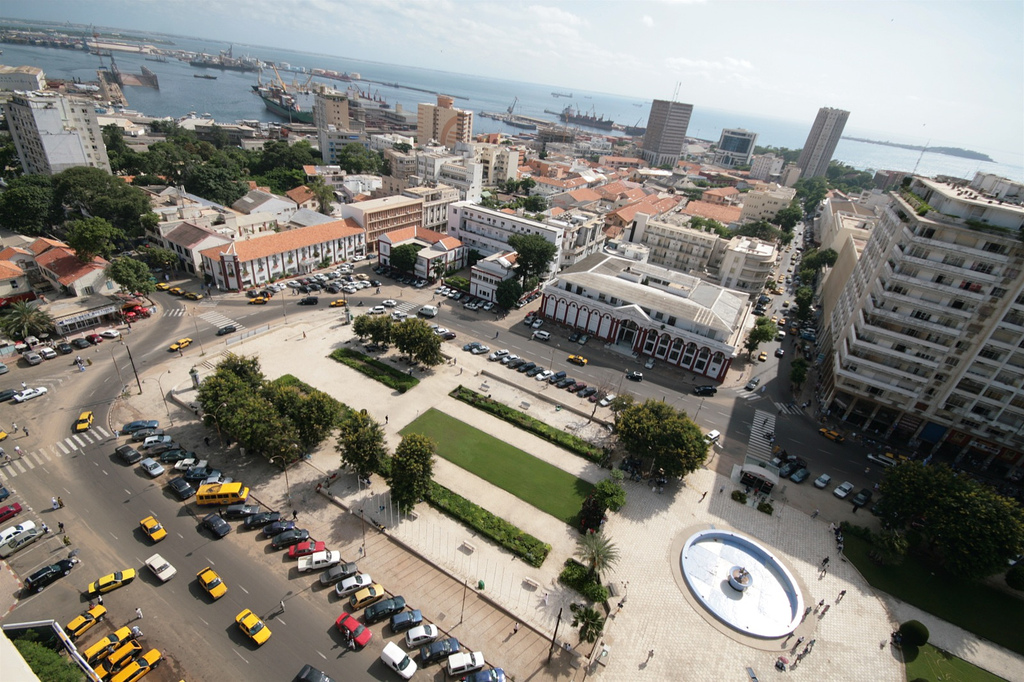
Dakar, Senegal · live band venues · weekends, busiest around spring celebrations
Afrobeat and highlife
Live venues around Dakar’s Plateau district book working bands most weekends, and the calendar gets fuller around spring independence-day celebrations when bigger acts come home to play.
Afrobeat and highlife share a family tree but not a sound. One weekend in Dakar makes the difference obvious inside a single set.

Varanasi, India · riverside evening ceremonies · October to March
Classical and devotional music
Evening aarti ceremonies along Varanasi’s ghats run with live classical accompaniment, the cooler months making it easy to sit through the full ceremony without rushing off.
The aarti is a religious ceremony first and a performance second, and that order is exactly why it works. Nobody staged it for a camera.
Argentine tango, Buenos Aires
San Telmo’s milongas run most nights, cooler months from April to September drawing the biggest local crowds. A milonga has more unwritten rules than most tourists expect. Watch one full song before stepping onto the floor.
Reggae and dancehall, Kingston
Street-corner sound systems in and around Trench Town outdraw most ticketed reggae shows most weekends, dry season from December to March making for the easiest travel. A sound system starts whenever the speakers are ready, not when a flyer says.
Luk thung and molam, Isaan region
Night market stages across Thailand’s northeast keep the genre alive on its own turf, the cool season from November to February the most comfortable window to catch one. Bangkok sells luk thung as nostalgia. Isaan still lives it.
Pop culture and busking, Tokyo and Seoul
Live houses in Tokyo’s Shimokitazawa and busking corners in Seoul’s Hongdae run year-round, weekend evenings busiest. The polished chart version is one product of this scene. The small room where it started is a different, better one.
Not a stage, a social habit
Why karaoke in East and Southeast Asia is not a performance
Karaoke started in Japan in the 1970s as a private room, not a stage, and the private room is still the whole point across most of East and Southeast Asia. A group books a box by the hour in Tokyo, Seoul, or Ho Chi Minh City, closes the door, and splits the bill between whoever is in the room, which tends to work out cheaper per person than a couple of rounds at a bar. Nobody outside the room hears the singing, and nobody inside it is judging the pitch.
China runs on the same private-room format under the name KTV, sized for anything from two people to a large office party. In Japan and Korea it doubles as a work ritual: colleagues go after a shift, a manager sings first to break the ice, and the point is the group, not the voice. The Philippines flips the format outward a little, with videoke machines showing up in living rooms and even street-corner stalls, so the private room sometimes has no walls at all.
Outside Asia the format usually reverses. A karaoke night in a European or American bar puts one microphone on a stage in front of strangers, which is a different kind of nerve entirely than singing off-key in a private room with four friends who cannot leave either. Both are karaoke. Only one of them is designed so nobody has to be brave to join in.

Ranked, and ranked for a reason
Six places where nightlife has its own accent
Nightlife exists everywhere. These six destinations built a distinct sound and a distinct set of habits around it, from door policy to what time the room actually fills. Dress codes, hours and rough price levels are noted where they hold reliably; where they vary too much by venue, treat that as a reason to ask locally rather than assume.

Berlin
Techno clubs, most famously Berghain, run on unpredictable door policies that reject people for reasons nobody fully explains, and the music often keeps going into Sunday afternoon. Dress code is really an attitude code: nothing flashy, dark and plain reads better than dressed up. Cover charges sit in club-scene-normal territory, but the door is the real gatekeeper, not the price.

New Orleans
Frenchmen Street runs a full block of live jazz and brass bands most nights, several rooms with no cover charge at all, tip jars doing the work instead. Dress is whatever you walked in wearing. The sets start early by nightlife standards, often before 9pm, and the street stays loud past midnight.
- 03
Ibiza
Club season runs May to October, superclubs and day parties both drawing serious money, dress leaning smart over casual and prices running well above most of Europe’s club scene. Book ahead in July and August; walk-ins get the worst tables and the longest queues.
- 04
Medellin
The Parque Lleras zone runs reggaeton and salsa side by side most weekend nights, casual dress accepted almost everywhere. Stick to the well-lit main strip late at night, the same advice that applies to any big-city nightlife district after 2am.
- 05
Tel Aviv
Beach clubs and warehouse spaces rarely fill before midnight, the warm climate letting outdoor nightlife run straight through to sunrise on weekends. Casual works at the beach clubs; the warehouse scene leans a notch dressier.
- 06
Sao Paulo
Samba de raiz bars and funk carioca clubs run in parallel across different neighborhoods, both starting late and running later. Dress code varies hard by venue, from flip-flops at a samba bar to a strict door at a funk club, so check the specific venue rather than assume either extreme.
How to find the real thing instead of the tourist show
The tourist show exists in every city with a music scene worth visiting, and it is easy to spot once the pattern is familiar: a fixed nightly schedule, a menu in six languages, and a room built for a coach’s worth of seats. The real scene runs on its own calendar, usually weekly rather than nightly, and it takes a little more asking to find.
Ask at the accommodation, not the tour desk
Whoever runs the guesthouse or hostel front desk usually knows which night the actual session happens, because it is where locals send their own visiting family. A tour desk sells whatever pays it commission, which is very often the tourist show.
Look for weekly, not daily
A show that runs every single night at the same time in the same room, priced the same way, is built for turnover. A session, rehearsal or ceremony that happens on one specific night of the week is usually the real one, because it follows the schedule of the people actually playing.
Check the start time twice
Plenty of traditions start later than a traveler expects: fado houses fill after 9pm, Tel Aviv’s clubs barely start before midnight, a Kingston sound system waits until the speakers and the crowd are both ready. Arriving on tourist-dinner time can mean arriving to an empty room.
Ask before recording, and expect a donation to matter
A private ceremony, a small fado house, or a rehearsal that outsiders are politely tolerated at is not a stage set for phone cameras. Ask before filming, keep the flash off, and where there is a donation box or a pass-the-hat moment, treat it as the actual cover charge rather than an optional extra.
Carrying music on the road, without the data bill
None of this works if the phone runs out of data mid-search for tonight’s session, or a set of headphones dies on a long bus ride between cities. A few habits fix most of it before it becomes a problem.
- Download playlists and podcasts for offline listening before boarding anything, since streaming over a spotty connection burns through data fast and drops out at the worst moment.
- Streaming audio for hours at a stretch adds up quickly against a limited data plan; the mobile data calculator gives a rough sense of how far a plan actually stretches before the trip starts.
- An eSIM sorted before departure means arriving with data already active instead of hunting for a local SIM shop on the first night; the eSIM and mobile data guide covers how to set one up per region.
- On buses, trains and flights, over-ear or noise-isolating headphones do more for the listening experience than a louder volume setting, and they are considerably kinder to whoever is sitting next to the aisle.
Listen while you travel
21 travel playlists, one for every part of the trip
From the drive to the airport, the flight, the destination and back. Each playlist is a real Spotify list, 50 to 100 tracks, built for one specific travel moment.
Keep exploring
The rest of the platform
Common questions
01Why is karaoke so popular in Asia?
Because most of East and Southeast Asia never adopted the Western format of one microphone on a stage in front of strangers. Karaoke there means a private room booked by the hour, closed off from anyone outside it, which removes the fear of being judged and turns it into a group activity rather than a performance. That difference in format, not a difference in love of singing, explains most of the gap.
02How much does a karaoke room actually cost?
Rooms are booked by the hour and the bill splits across whoever is in the group, which usually works out to less per person than a couple of rounds at a regular bar. Exact pricing depends heavily on city, room size and time of day, with late-night and weekend slots generally costing more than a weekday afternoon booking.
03Is it okay to film or photograph a fado house or trad session?
Ask first. A small fado house or a pub session is a room full of people who came to play or listen, not an audience gathered for a photo opportunity, and a phone screen lighting up mid-song is a common source of irritation. Most players and singers are fine with a quiet photo between songs once asked; filming a full set without asking is where the etiquette breaks down.
04When are Rio’s Carnival rehearsals open to visitors?
Samba school rehearsals, known as ensaios, typically run from September through the parade itself in February, picking up pace the closer the calendar gets to Carnival. Many are open to anyone who shows up, no ticket required, which makes the months before Carnival a genuinely good time to see the music at close range without the parade-day crowds.
05Do Berlin and Ibiza clubs actually have a dress code?
Berlin’s techno clubs run more on an attitude code than a dress code: plain, dark clothing tends to read better at the door than anything dressed up, and the door staff’s decisions are famously unpredictable regardless of outfit. Ibiza runs the opposite direction, with the island’s superclubs leaning smart and considerably dressier, especially for the bigger weekend events.
Photo: RenaatPeeters via Wikimedia Commons (CC BY-SA 4.0) | Photo: Wikimedia Commons contributor (CC BY-SA 3.0) | Photo: Arne Müseler via Wikimedia Commons (CC BY-SA 3.0 de) | Photo: Rafael Rabello de Barros via Wikimedia Commons (CC BY-SA 3.0) | Photo: Schwarzenfelder via Wikimedia Commons (CC BY-SA 4.0) | Photo: mostroneddo via Wikimedia Commons (CC BY 2.0) | Photo: Antoine Taveneaux via Wikimedia Commons (CC BY-SA 3.0) | Photo: Morio via Wikimedia Commons (CC BY-SA 3.0) | Photo: A.Savin via Wikimedia Commons (FAL) | Photo: Chris Litherland via Wikimedia Commons (CC BY-SA 3.0)
Photo credits: Photo: Berthold Werner / Wikimedia Commons, CC BY-SA 3.0 · Photo: Arne Müseler / Wikimedia Commons, CC BY-SA 3.0 de · Photo: Rafael Rabello de Barros / Wikimedia Commons, CC BY-SA 3.0 · Photo: Schwarzenfelder / Wikimedia Commons, CC BY-SA 4.0 · Photo: mostroneddo / Wikimedia Commons, CC BY 2.0 · Photo: Antoine Taveneaux / Wikimedia Commons, CC BY-SA 3.0 · Photo: Morio / Wikimedia Commons, CC BY-SA 3.0 · Photo: A.Savin / Wikimedia Commons, FAL · Photo: Chris Litherland / Wikimedia Commons, CC BY-SA 3.0