A good multi-country Europe trip starts with a manageable route: choose a few connected destinations, allow enough nights in each place and check the entry rules for your passport before booking. Two weeks can comfortably accommodate three city bases across two or three countries. It becomes much harder when the same fortnight includes six hotels, several flights and a different climate every few days.
The temptation is understandable. Paris, Amsterdam, Vienna and Rome all look close on a world map. Once station transfers, check-in times and luggage enter the picture, the distances feel different. The aim is to build a holiday you can enjoy on the ground, with time for a long lunch, an unplanned neighborhood walk and the occasional slow morning.
Choose Your Destinations Around One Travel Corridor
Start with one place you really want to visit, then add destinations that connect sensibly to it. If that place is Vienna, look at Prague or Budapest before considering Lisbon. If it is Amsterdam, Belgium and northern France make a more coherent next step than a detour to southern Italy.
Geographic proximity is a starting point, not a timetable. Mountain crossings, islands and indirect rail connections can turn a short-looking journey into a long travel day. Compare actual services for your dates, including the station or airport involved. A direct connection often matters more than the number of kilometers.
Count Nights Before Counting Countries
For a first two-week trip, three main bases is a useful starting point. Four can work if the transfers are straightforward and you enjoy moving frequently. Each hotel change adds packing, checkout, luggage handling and another arrival routine. Even a pleasant train journey interrupts the day.
Decide whether your priority is museums, food, hiking, beaches or meeting friends. Choose destinations that support that priority, then leave room for variety. A city-and-countryside combination can feel more varied than four capitals, even when it crosses fewer borders.
- Anchor destination: choose the place that makes the trip worthwhile.
- Connected stops: favor direct services and sensible onward connections.
- Stay length: allow several nights wherever your interests need time.
- Arrival day: keep expensive, timed activities away from uncertain transfers.
Separate Europe, the EU and Schengen
Europe is a geographic region. The European Union is a political and economic union. Schengen is an area with shared external-border rules and generally no routine checks on people at internal borders. These categories overlap, but they are not identical.
As checked in October 2026, Schengen includes 29 countries: 25 EU members plus Iceland, Liechtenstein, Norway and Switzerland. Bulgaria and Romania became full members on January 1, 2025. Ireland is outside Schengen, and internal-border controls with Cyprus have not been lifted.
A Schengen countries map helps make those distinctions visible when you are joining several destinations into one route. Switzerland belongs to the area despite being outside the EU; Ireland needs separate attention despite being an EU member. The map gives geographic context, while your nationality and documents determine your entry requirements.
Temporary internal-border checks can return. Keep your passport or other required travel document accessible on international journeys. Schengen membership also does not tell you which currency a country uses, what your mobile plan covers or whether customs rules change.
Build a Route With Realistic Travel Days
The following routes are planning examples, not packages or promises about current train services. Use them to test the shape of your holiday, then check operator timetables, engineering works and availability. Their main advantage is a clear direction of travel, with fewer unnecessary returns to an earlier stop.
| Suggested route | Example night split | Best suited to |
|---|---|---|
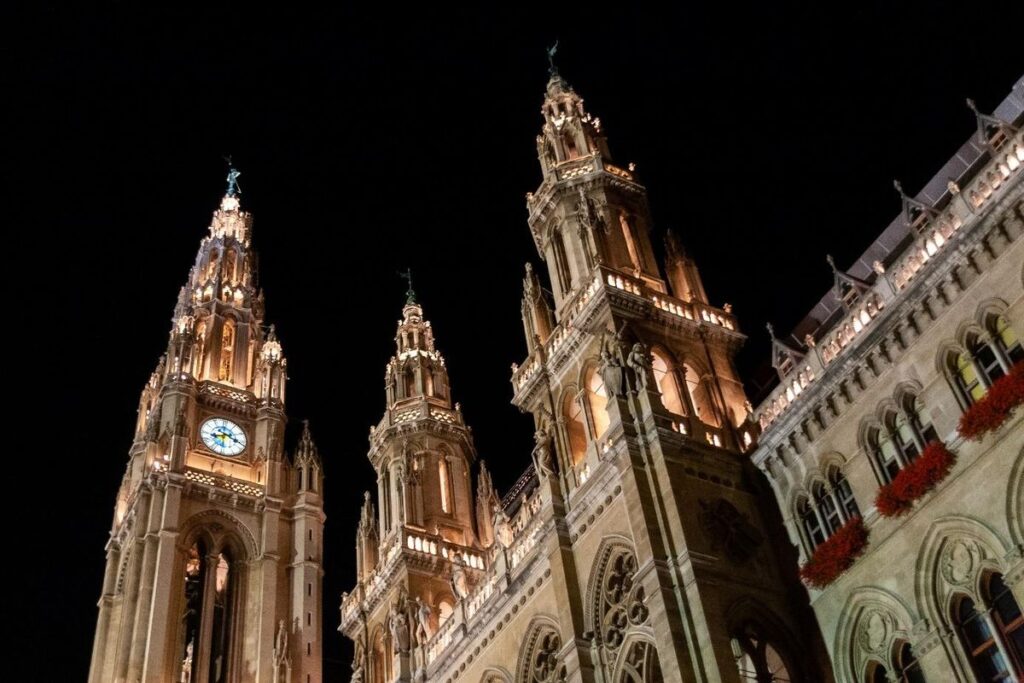
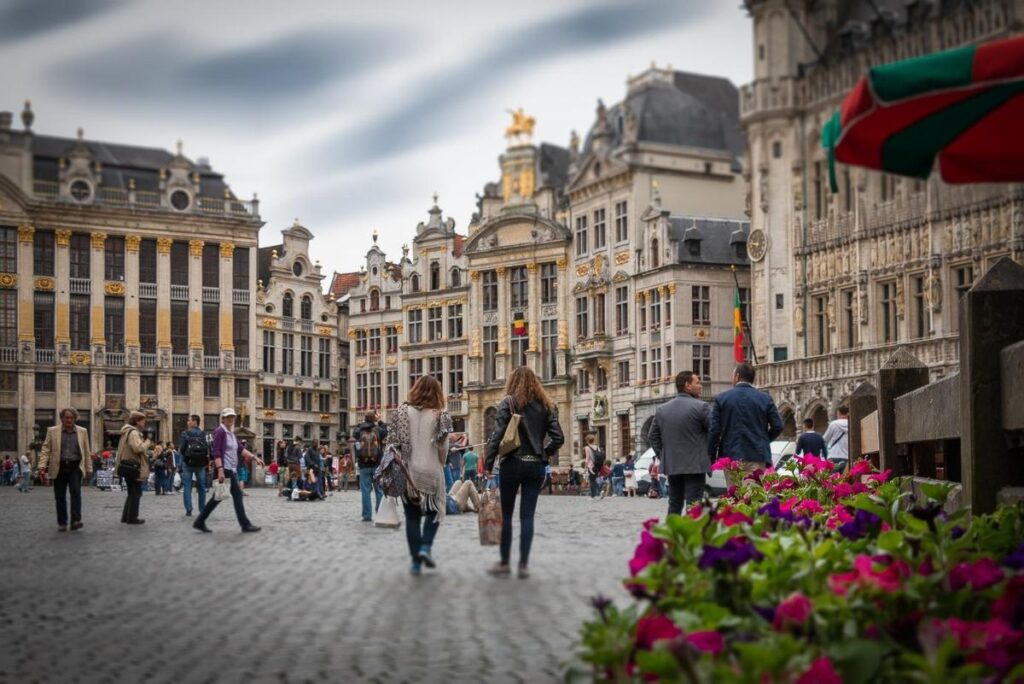
| Paris → Brussels → Amsterdam | 5 + 3 + 5 nights | Art, urban walks and a compact first trip |
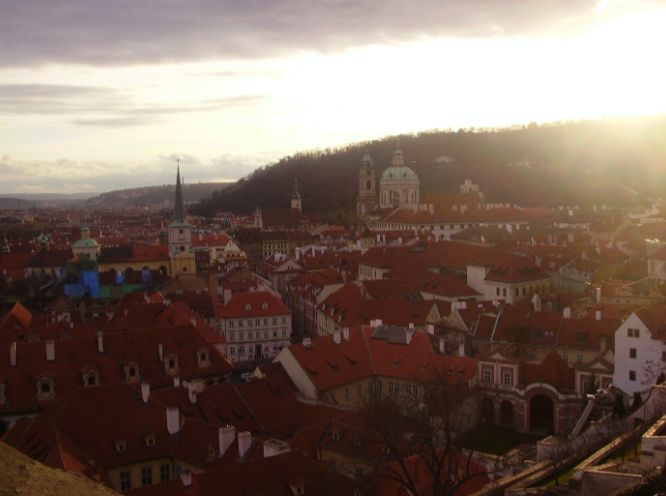
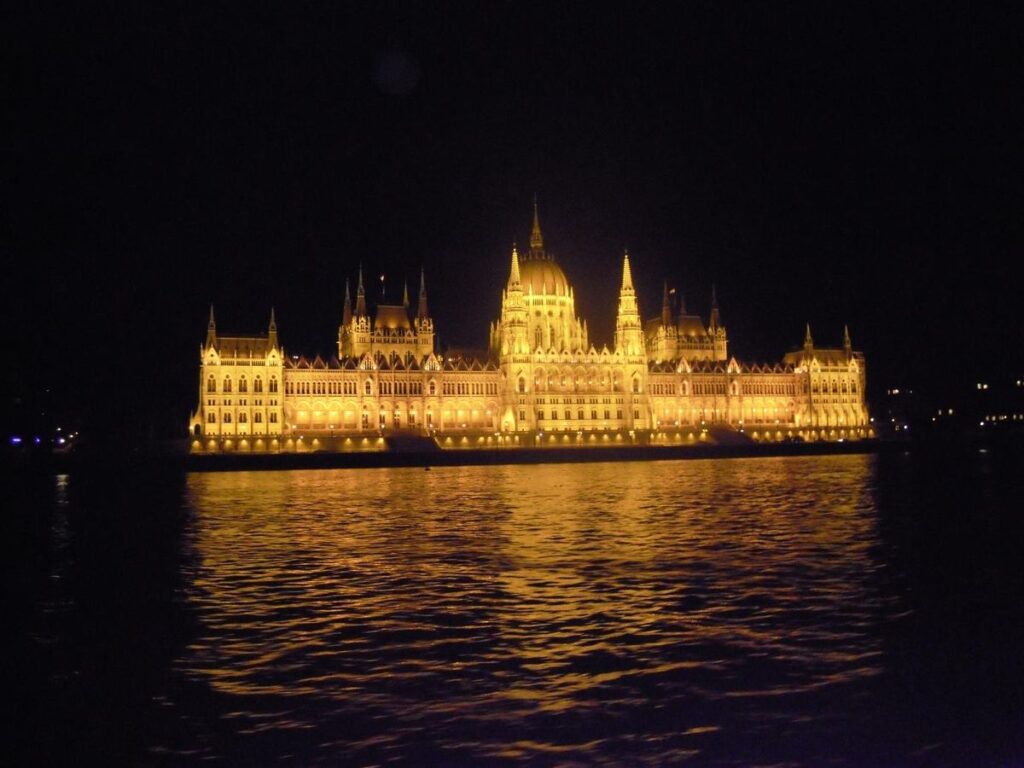
| Prague → Vienna → Budapest | 4 + 4 + 5 nights | Architecture, cafes and cultural sightseeing |
| Munich → Salzburg → Ljubljana | 4 + 4 + 5 nights | City stays with access to outdoor excursions |
Give Each Stop a Clear Purpose
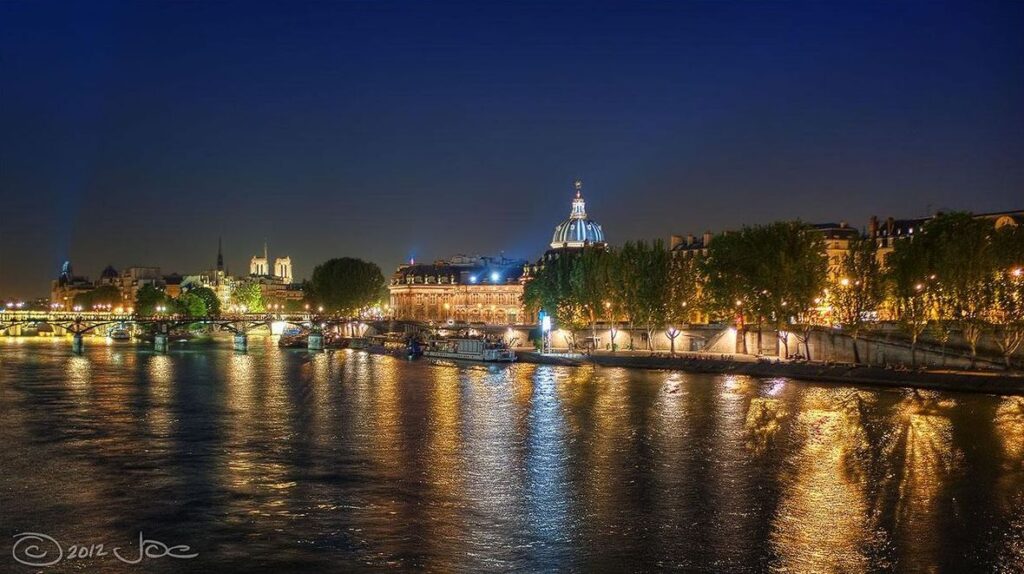
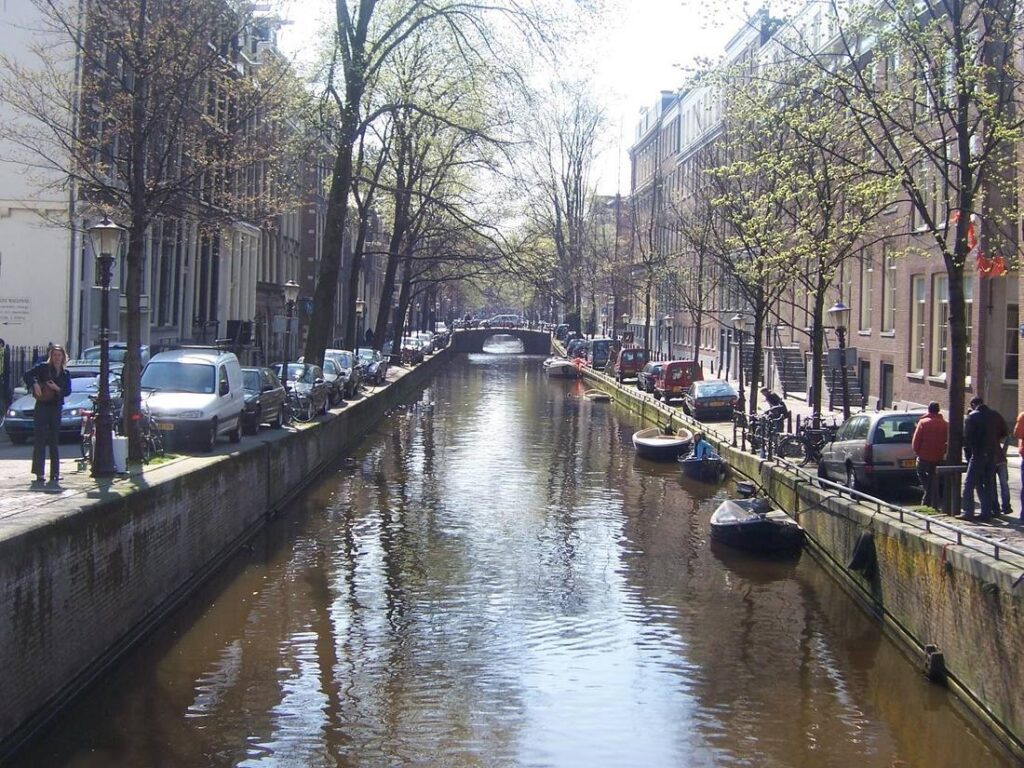
On the Paris–Brussels–Amsterdam route, Paris can carry the heavier museum schedule, Brussels can provide a smaller middle stop, and Amsterdam can close the journey with canal walks and neighborhood exploring. Do not add another overnight simply because a familiar place appears along the way. A day trip may fit better, depending on your interests and connections.
Prague–Vienna–Budapest offers three distinct city stays without requiring a flight between every stop. The Munich–Salzburg–Ljubljana example needs closer transport checking, particularly for the final leg. If its connections are awkward on your dates, change the route before paying for accommodation.
Protect the Day You Move
A four-hour journey does not leave the rest of the day untouched. You still have breakfast, checkout, the trip to the station, boarding, arrival and the journey to your next room. Plan a neighborhood walk or an easy dinner after arrival. Save the must-see exhibition or guided excursion for a day with fewer moving parts.
Check your final departure with equal care. An attractive last stop may create a difficult journey to the airport you originally selected. Compare flying home from the final city with returning to the first. The extra airfare may be offset by transport, another hotel night and a day recovered.
Check Documents Before Booking Nonrefundable Tickets
For many non-EU visitors on ordinary short stays, the limit is 90 days in any rolling 180-day period across the Schengen Area. Moving between member countries does not create a new allowance. A short visit outside the area does not automatically reset it either. Previous visits matter.
Visa requirements depend on nationality and circumstances. EU citizens and people traveling under residence permits or long-stay visas may have different rules. If you need a short-stay visa, check its validity, permitted stay, territorial scope and number of entries, especially when your route leaves Schengen and returns.
For an ordinary non-EU visitor, passport checks generally include issuance within the preceding ten years and at least three months of validity beyond intended departure. Border officials may request evidence of accommodation, onward travel or sufficient funds. Verify your situation through the relevant consulate and the EU’s official travel-document guidance.
Separately check current border-registration and travel-authorization requirements on the official European travel portal before departure. Save essential bookings offline. An organized document folder is particularly useful when your phone has no signal or an airline asks for proof at check-in.
Compare Transport by the Whole Journey
Compare door-to-door time rather than the headline flight duration. A short flight can involve a long transfer to an outlying airport, early arrival, boarding and another transfer at the destination. A train that takes longer between departure and arrival may still deliver you to your next neighborhood earlier.
Look at the complete cost too. Add luggage, reservations, airport transfers and any overnight needed to make an early departure practical. An inexpensive ticket becomes less attractive when it requires several extras. For trains, compare individual tickets against a rail pass using your actual route; pass coverage does not mean every reservation is included.
| Transport | Often useful when | Check before buying |
|---|---|---|
| Train | Major cities have convenient rail connections | Stations, reservations, changes and disruption notices |
| Flight | A long distance or water crossing breaks the route | Airport location, baggage and total transfer time |
| Coach | Budget matters more than speed | Arrival time, luggage and departure location |
| Rental car | Rural stops are the main reason for traveling | Cross-border permission, parking and one-way charges |
For a car, get confirmation from the rental company that your planned countries are permitted. Check toll arrangements, insurance terms and return conditions. A car can help with villages and remote trailheads, but central hotels may add parking costs and awkward access.
Leave a margin between separate bookings. If a delayed train causes you to miss a separately booked flight, do not assume that either provider will arrange a replacement. The saving from a tight connection can disappear quickly when a new ticket and hotel become necessary.
Pack for Your Route and Budget
A multi-country itinerary rewards luggage you can comfortably carry. Try lifting your packed bag, walking with it and taking it up stairs before departure. Station platforms, cobbled streets and small hotel staircases make an overfilled suitcase more noticeable than it felt in your bedroom.
Pack around the climates and activities on your actual route. A summer city itinerary does not need the same kit as an autumn journey with mountain walks. Layers are easier to adapt to than several bulky outfits. Choose clothes that work together and plan access to laundry rather than packing a fresh combination for every day.
- Comfortable footwear: bring shoes already proven on long walks.
- Layering system: combine lighter pieces with weather-appropriate outerwear.
- Laundry plan: check facilities before reducing your clothing supply.
- Day bag: keep documents, charging equipment and essentials accessible.
Check the strictest baggage allowance among your bookings before choosing a bag. A suitcase accepted on one flight may incur a charge on the next. Keep medication and other essential personal items in your hand luggage, with any documentation required for your destinations.
Budget Beyond the Hotel Price
Build a budget by stop: accommodation, meals, local transport, activities and the onward journey. Then add expenses that sit between destinations, such as reservations, baggage and transfers. Compare hotel locations using price plus daily travel time. A cheaper room far from your activities can cost money and energy throughout the stay.
Use current prices from accommodation providers and transport operators, not a single average for Europe. Keep some money uncommitted for an unexpected taxi, a disrupted connection or a change of plan. If the total exceeds your budget, removing one hotel change can be more effective than trimming every meal.
Turn Your Draft Into a Bookable Itinerary
Before paying, read the trip as a sequence of ordinary days. Where will you wake up? What happens to your luggage before check-in? Which station do you need? Can you manage the transfer with the people traveling with you? These questions reveal problems that a destination checklist misses.
Book the elements that constrain the rest of the journey first: international travel, scarce accommodation and activities tied to a particular date. Coordinate them before buying further nonrefundable services. Keep flexible time around arrival and departure, and choose cancellation terms that match your uncertainty.
- Route: each stop earns its place in the holiday.
- Connections: every transfer works on the intended date.
- Documents: requirements match each traveler and border crossing.
- Room to breathe: the itinerary allows delays and spontaneous choices.
Once those checks are complete, stop adding destinations. A well-paced trip gives you time to understand each place, return to a cafe you enjoyed and spend an afternoon without watching the clock. That is often the part you remember after the train tickets are gone.
Frequently Asked Questions About European Multi-Country Trips
How many countries fit into two weeks?
Two or three countries with three main bases is a sensible starting point. The right number depends on connections, your travel pace and what you want to do in each place.
Should I book every hotel in advance?
Reserve accommodation early when dates are fixed or availability is limited. If you want flexibility, use suitable cancellation terms and keep later stops adjustable where practical.
Is a train always better than flying?
No. Compare the whole journey, total cost and available services. Rail can suit connected city routes; flights can help when distance or geography makes ground travel impractical.
Should I buy a rail pass?
Price your actual journeys first. Compare individual tickets with the pass, including required reservations and any services outside its coverage. Flexibility may justify a pass even without the lowest total price.
Can I include smaller towns?
Yes. Check onward connections and luggage arrangements. A smaller town can make a rewarding base, while a day trip may be easier if changing hotels adds an awkward transfer.
Is hand luggage enough for two weeks?
It can be, with versatile clothing and laundry access. Your activities, climate and personal needs matter more than trip length alone. Test the packed bag before departure.
How do I avoid wasting my final day?
Check the trip from your last hotel to your departure airport before finalizing the route. Leaving from the final city can remove a long return journey.
What should I leave unplanned?
Keep some meals, walks and afternoons open. Reserve activities where availability matters, but leave enough space to act on a local recommendation or rest after a demanding day.