



Senior Travel
The best years to travel are often the ones after work stops filling the calendar. Nothing about turning 50, 60 or 70 shortens the list of places worth seeing. What changes is how you travel to them: the pace you set, the cover you carry, and how much of the logistics you hand off. Get those three right and the world stays wide open.
Travel after 50 gets sold two ways, and both are wrong. One pretends nothing changes, that you should keep charging through twelve-hour days and red-eye flights forever. The other writes you off early, all coach tours and cruise buffets before you are ready for either. The truth sits between them, and it is simpler than either sales pitch: travel smarter, not harder. Match the trip to your energy, insure it properly, and there is no destination on this page you cannot enjoy.
This guide is built around pace rather than age, because a fit 68-year-old and a 55-year-old managing a heart condition want different trips, and a number on a passport tells you neither. It walks through the three pace tiers, the destinations that reward older travellers, the honest picture on over-70s insurance and pre-existing conditions, and where organised tours earn their keep. The free tool near the bottom compares travel insurance across ages and conditions, since for most people over 60 that is the single decision that makes or breaks the trip.
Start here
Three ways into this guide
Travel by pace
Active, comfortable or easy and assisted: find the rhythm that fits your energy, not your age.
Find your pace →Where to go
Safe, well-served, rewarding destinations that suit older travellers at any pace.
See the destinations →Insurance and tours
The truth on over-70s cover and pre-existing conditions, and when a group tour is worth it.
Sort the practical bit →At a glance
- Plan by pace, not by age. A number does not decide your trip. Pick the active, comfortable or assisted rhythm that matches your energy and health, and build the trip around it.
- Insurance is the one thing you cannot skip. Cover gets pricier and stricter after 70, and declaring pre-existing conditions is essential. Comparing policies is where the real savings are.
- Some places just make it easy. Italy, Japan, Portugal, Switzerland and Greece are safe, well-served and rewarding at a gentle pace. A small-group tour handles the harder trips for you.
How travel changes after 50
The most useful way to plan a trip later in life is not by your age but by your pace. Two travellers born the same year can want completely different holidays, one hiking in Patagonia and the other on a river cruise, and both are travelling exactly right. Find the tier that matches your energy and health today, knowing it can shift trip to trip, and let it set how far you go, how much you pack into a day, and how much you hand off.
Active
Still up for full days, long walks and multi-stop routes, and no intention of slowing down. Age is a number here. Keep doing what you love, book independently, and insure it properly so an injury abroad never becomes a crisis.
Suits: fit, independent travellers in their 50s and 60s. Points to: Japan, a New Zealand road trip, a Peru trek.
Comfortable
One or two things a day, a good hotel to come back to, a taxi over a long transfer and a lift over four flights of stairs. Not slowing down so much as savouring it. This is how most people travel best after 60.
Suits: most travellers 60 and up. Points to: Italy, Portugal, a Greek island, a river cruise.
Easy and assisted
Mobility, energy or a health condition sets the pace, and that is fine: it just makes the choices matter more. Pick step-free, well-connected places, book assistance in advance, and let a tour or cruise carry the logistics.
Suits: over-75s, or anyone managing a condition. Points to: an ocean or river cruise, a single accessible base in Spain or Portugal.
Key takeaways
- Plan by your pace, not your age. Energy and health decide the trip far more than a birthday does.
- Slow travel wins later in life: fewer stops, longer stays and a comfortable base beat a packed itinerary.
- Travel insurance is non-negotiable, and it gets stricter after 70. Declare every condition and compare policies.
- A small-group or escorted tour is worth paying for when the logistics, not the destination, are the hard part.
- Solo travel after 50 is thriving. Specialist groups and shared-room options make it social and affordable.
The best destinations for older travellers
A great destination later in life clears three bars: it is safe and stable, it is well served enough that getting around is easy, and it rewards a slower pace rather than punishing it. These six manage all three, and suit anything from an active independent trip to a gentle comfortable one. Each links to a full Pack Lightly country guide.


Italy
La dolce vita at any pace
Perhaps the most rewarding country to travel slowly: extraordinary food, art and coastline, a culture built around lingering over lunch, and a warmth towards older visitors that makes it effortless. A city or countryside base suits every pace.
Explore Italy →
Japan
Safe, spotless, superbly run
Spotlessly clean, remarkably safe and run with a care that suits older travellers perfectly: punctual trains, helpful service and world-class healthcare. There is walking, but the logistics are so smooth that a comfortable pace still sees everything.
Explore Japan →
Portugal
Gentle, warm and affordable
Mild, welcoming and among the best value in Western Europe, with the sunny Algarve for a relaxed base and Lisbon and Porto for culture at a stroll. A perennial favourite for a long, slow winter escape or a first trip abroad in retirement.
Explore Portugal →
Switzerland
Scenic rail, zero driving
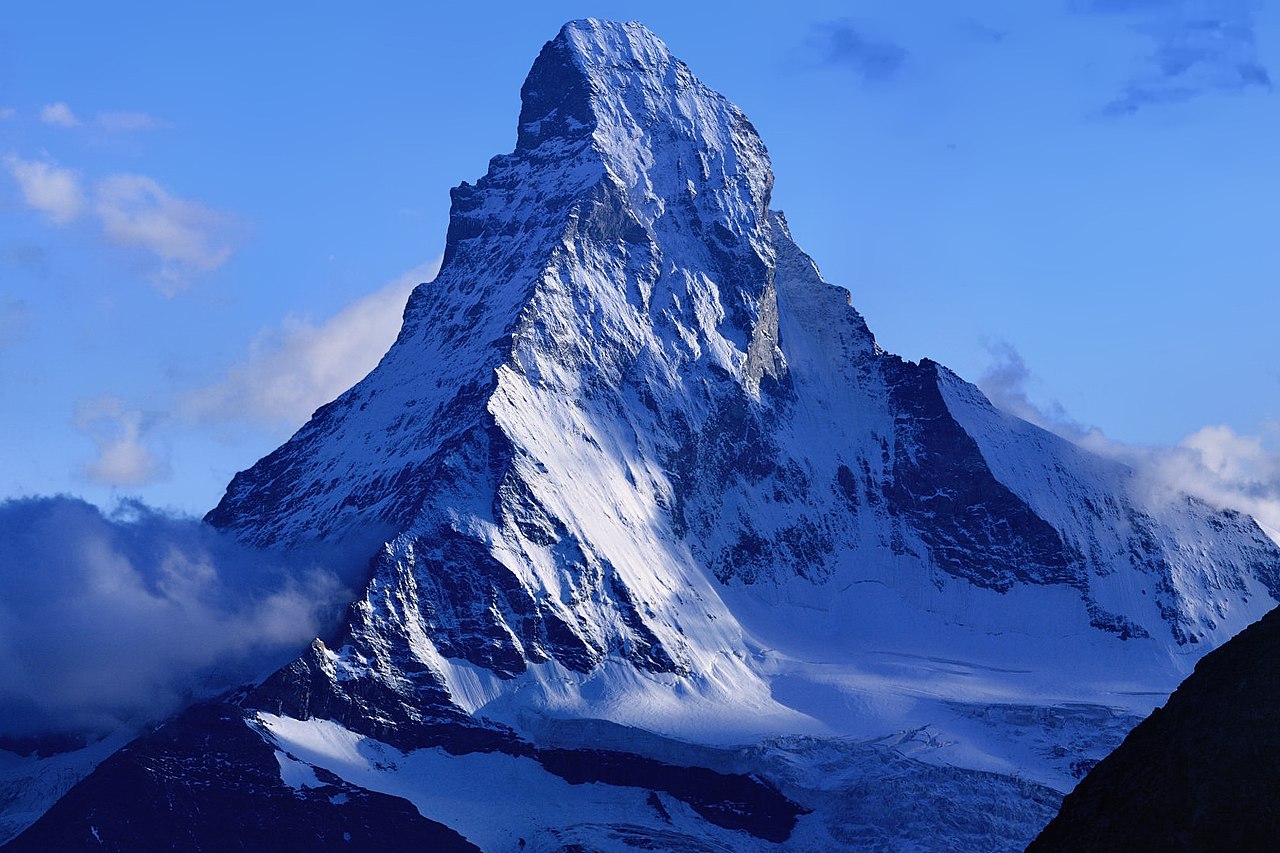
The country that solves travel by train later in life: the Glacier Express crosses the Alps between Zermatt and St Moritz while you sit and watch, and a Lucerne base puts lake steamers and cogwheel railways to Oeschinen Lake and the Rigi within easy reach. No car, no mountain roads, no problem.
Explore Switzerland →
Greece
History at a slow pace
Ancient history, warm seas and famous hospitality, best enjoyed by settling on one island rather than hopping between many. A small-ship cruise through the islands is a classic later-life trip that handles the ferries and the heavy lifting for you.
Explore Greece →
New Zealand
For the active tier
The pick for active travellers who still want a real adventure: safe, English-speaking and spectacular, with a self-drive network that lets you set your own pace across two islands of fjords, mountains and coast. Long flight, worth every hour.
Explore New Zealand →Senior destinations compared
A quick read on how the strongest destinations differ on what matters later in life: the pace they suit best, the kind of trip, an approximate daily spend for a couple, and when to go. Daily figures assume mid-range comfortable accommodation; the budget calculator gives an exact number for your trip.
| Destination | Pace it suits | The trip | Day for two | Best months |
|---|---|---|---|---|
| Italy | Any pace | Culture and coast | $220 to $340 | May, Jun, Sep |
| Japan | Active to comfortable | Safe and cultural | $250 to $380 | Mar to May, Oct to Nov |
| Portugal | Any pace | Gentle and affordable | $160 to $260 | Apr to Jun, Sep, Oct |
| Switzerland | Comfortable | Scenic rail, no driving | $280 to $420 | Jun, Jul, Sep |
| Greece | Comfortable | Islands and history | $170 to $280 | May, Jun, Sep |
| New Zealand | Active | Scenic self-drive | $220 to $340 | Nov to Apr |
More great destinations
Beyond the six above, plenty of countries reward older travellers, grouped by region. Each links to a full Pack Lightly country guide.
Europe
Seville’s flat old town and the Costa del Sol pair late, unhurried dining with fast trains that keep transfers short.
A short Adriatic cruise calling at Dubrovnik lets you see the walled old town from the water, no steps required.
A guided ring road tour reaches Jokulsarlon’s glacier lagoon and Godafoss with someone else handling the driving.
Asia and the Pacific
A Ha Long Bay cruise puts you overnight among the limestone karsts with the crew doing the navigating.
Bangkok and a Krabi beach base combine solid healthcare with flat, well-served resorts for a slower coastal pace.
The Americas
A guided Arenal Volcano lodge stay brings wildlife and hot springs within a short walk, with a driver for the mountain roads.
The train to Machu Picchu, rather than the multi-day trek, reaches the Inca citadel with days built in to acclimatise.
When a destination is genuinely demanding, that is exactly where a small-group tour or a cruise earns its place: someone else handles the driving, the ferries or the altitude planning, and you show up for the view.


Insurance, tours and pacing
Three practical questions shape most trips later in life: how to handle travel insurance as premiums climb, whether an organised tour is worth it, and how to pace a trip so it energises rather than exhausts you. Each has an honest answer.
Insurance is the one thing you cannot skip. The reason it dominates every over-70s travel conversation is simple: a medical emergency abroad without cover can cost more than a house. Premiums do rise with age, and they rise more once a pre-existing condition is in the picture, but going uninsured is never the saving it looks like. Two rules matter above all. Declare every condition honestly, even ones you think are trivial or well managed, because an undeclared condition can void the entire policy at the worst moment. And never buy the first quote: cover for older travellers varies enormously between insurers, and specialists who price age and conditions fairly can be a fraction of what a mainstream policy charges. The tool below compares that for you.
An organised tour is worth it when the logistics are the hard part. A small-group or escorted tour is not a surrender, it is a smart trade: you pay for someone else to handle the driving, the bags, the bookings and the language, and you get company built in. That is worth a lot for a demanding destination, a first big trip alone, or anywhere the practical hassle would otherwise put you off. For a relaxed week in Portugal you almost certainly do not need one. For the Peruvian Andes, a Vietnam river journey or a first solo trip in your seventies, it can be the difference between going and not going. Watch for the single supplement if you travel alone, and look for operators who quote a shared-room option instead.

Pace the trip to energise, not exhaust. The most common regret older travellers report is trying to keep a younger itinerary. Build in a slow morning, plan one main thing a day rather than three, book the aisle seat and the direct flight, and give yourself a buffer day after a long journey before anything ambitious. Comfortable shoes and travelling in the shoulder season, when it is cooler and quieter, do more for enjoyment than any upgrade. Slowing down is not settling for less. It is the thing that lets you keep going for decades.
Insider tip
Carry all essential medication in your hand luggage, never the hold, and pack more than the trip length in case of delays. Take a written list of your prescriptions with their generic names, since brand names differ between countries, and a note from your doctor for anything unusual. Keep a photo of your insurance policy and emergency assistance number on your phone and a printed copy in your bag. It is the five minutes of prep that turns a scare abroad into a phone call.
Compare travel insurance
Knowing you need cover is easy. Working out which policy actually pays out for your age and health, without overpaying, is the hard part, and it is where most people either overspend or under-insure. The free Travel Insurance Comparison tool matches your destination, trip length, age and any conditions to the cover that fits, across 168 countries, so you can see the real trade-offs side by side instead of trusting a single quote.
Travel Insurance Comparison
A free tool that matches your destination, trip length and cover needs to the right kind of travel insurance across 168 countries. No account, works on your phone.
Open the insurance comparisonTool not loading? Open the full comparison in a new tab. Still choosing where to go? The destination picker narrows 146 countries to your top three, and the best time to travel map shows when each is at its calmest.
Sort the rest of the trip
Some links are affiliate links. If you book through them, Pack Lightly may earn a commission at no extra cost to you. It never changes what we recommend.
Keep planning
Where to go next
Great country guides for older travellers
More travel by type
Tools and guides that help you plan
Common questions
01What are the best places to travel over 50?
The best destinations later in life are safe, well served and rewarding at a relaxed pace. Italy, Spain, Portugal, Greece and Japan lead the list: warm, welcoming, easy to get around and full of culture you can enjoy at a stroll. For active travellers, New Zealand and a Peru trip by train add real adventure without cutting corners on safety. The trick is less about the country than the pace: a single comfortable base with day trips out beats a five-city dash almost everywhere, and turns a good trip into a great one.
02Why is travel insurance for over-70s so expensive?
Premiums rise with age because the statistical risk of a claim, especially an expensive medical one, rises too, and insurers price that in. After 70 the jump is steeper, and any pre-existing condition raises it further. That said, the gap between the cheapest and the dearest fair policy is enormous, so the high price many people see is often just the wrong insurer. Specialists who assess older travellers and medical conditions properly frequently come in far below a mainstream policy that simply loads the age. Comparing quotes, rather than accepting the first, is where the real saving is, and going without is never the answer: an emergency abroad can cost more than a house.
03Can you get travel insurance with pre-existing conditions?
Yes, in almost all cases, but you must declare every condition, including ones that feel minor or are well controlled. An undeclared condition can void the whole policy exactly when you need it, so honesty here protects you, not the insurer. Many mainstream policies cover common, stable conditions like managed blood pressure or diabetes with little or no extra cost once declared. For more complex health histories, specialist medical-travel insurers are the answer, and they are used to pricing it fairly. Have your conditions and medications to hand when you compare, answer the medical screening carefully, and keep the confirmation that they were declared.
04Is solo travel over 50 a good idea?
It is one of the fastest-growing ways to travel, and for good reason. Later in life often brings the time, the means and the confidence that solo travel rewards, whether after a divorce, a bereavement, or simply because a partner does not share the wanderlust. Safe, easy countries like Portugal, Japan and Spain make excellent first solo trips. If the idea of going entirely alone is daunting, specialist solo-traveller groups and small-group tours give you independence with company built in, and many now offer shared-room options that avoid the single supplement. Start somewhere gentle, and it quickly stops feeling like a compromise and starts feeling like freedom.
05Are organised group tours for seniors worth it?
They are worth it when the logistics, rather than the destination, are the hard part. A small-group or escorted tour hands off the driving, the bags, the bookings and the language barrier, and gives you ready-made company, which is a genuine draw for solo travellers. That makes them ideal for demanding trips, long multi-stop routes, or a first big journey alone. For a relaxed week in one place, you probably do not need one and will pay for convenience you would not use. Choose by pace and group size rather than price alone: smaller groups mean a gentler schedule, and always check the single supplement if you travel by yourself.
06How do you stay comfortable on a trip as you get older?
Comfort comes from planning, not from spending. Choose direct flights and aisle seats, travel in the cooler shoulder season, and build the itinerary around one main thing a day with a slow morning and a buffer day after any long journey. Stay longer in fewer places so you unpack once and settle in. Wear genuinely comfortable walking shoes, keep all medication in your hand luggage, and do not be shy about asking for airport assistance or a ground-floor room. None of this is settling for less. Pacing a trip well is precisely what lets you keep taking them for years to come.
Image credits: Amalfi Coast (Bruno Rijsman / Wikimedia Commons (CC BY-SA 2.0)); Venice (kallerna / Wikimedia Commons (CC BY-SA 4.0)); Kyoto, Kiyomizu-dera (Jordy Meow / Wikimedia Commons (CC BY-SA 3.0)); Lisbon (Vitor Oliveira / Wikimedia Commons (CC BY-SA 2.0)); Oeschinen Lake, Switzerland (Wikimedia Commons); Matterhorn, Switzerland (Wikimedia Commons); Oia, Santorini, Greece (Norbert Nagel / Wikimedia Commons (CC BY-SA 3.0)); Santorini caldera, Fira, Greece (Norbert Nagel / Wikimedia Commons (CC BY-SA 3.0)); New Zealand (Maros M r a z / Wikimedia Commons (CC BY-SA 3.0)); Ginzan Onsen, Japan (Wikimedia Commons); Iceland (Molechaser / Wikimedia Commons (CC BY-SA 2.0)); Machu Picchu (Draceane / Wikimedia Commons (CC BY-SA 4.0)); Ha Long Bay (Taewangkorea / Wikimedia Commons (CC BY-SA 4.0)); Costa Rica (Rhododendrites / Wikimedia Commons (CC BY-SA 4.0)).
Photo credits: Photo: Photo: chil, on Camptocamp.org Derivative work:Zacharie... / Wikimedia Commons, CC BY-SA 3.0 · Photo: 掬茶 / Wikimedia Commons, CC BY-SA 4.0 · Photo: kallerna / Wikimedia Commons, CC BY-SA 4.0 · Photo: Jordy Meow / Wikimedia Commons, CC BY-SA 3.0 · Photo: Vitor Oliveira from Torres Vedras, PORTUGAL / Wikimedia Commons, CC BY-SA 2.0 · Photo: Günter Seggebäing, Coesfeld / Wikimedia Commons, CC BY-SA 3.0 · Photo: Norbert Nagel / Wikimedia Commons, CC BY-SA 3.0 · Photo: Maros M r a z (Maros) / Wikimedia Commons, CC BY-SA 3.0 · Photo: Molechaser / Wikimedia Commons, CC BY-SA 2.0 · Photo: Draceane / Wikimedia Commons, CC BY-SA 4.0 · Photo: Taewangkorea / Wikimedia Commons, CC BY-SA 4.0 · Photo: Rhododendrites / Wikimedia Commons, CC BY-SA 4.0 · Photo: Dietmar Rabich / Wikimedia Commons, CC BY-SA 4.0