



Slovenia
A country the size of New Jersey that packs the Julian Alps, a sliver of Adriatic coast and a storybook island lake within a two-hour drive of each other. Slovenia rewards travelers who slow down, walk the river gorges, and treat green Ljubljana as a base rather than a checklist.
Slovenia is small enough to see slowly. Give it one to two weeks, base in Ljubljana and Bled, and let the mountains, caves and coast come to you.
Pack Lightly editorial team
At a glance
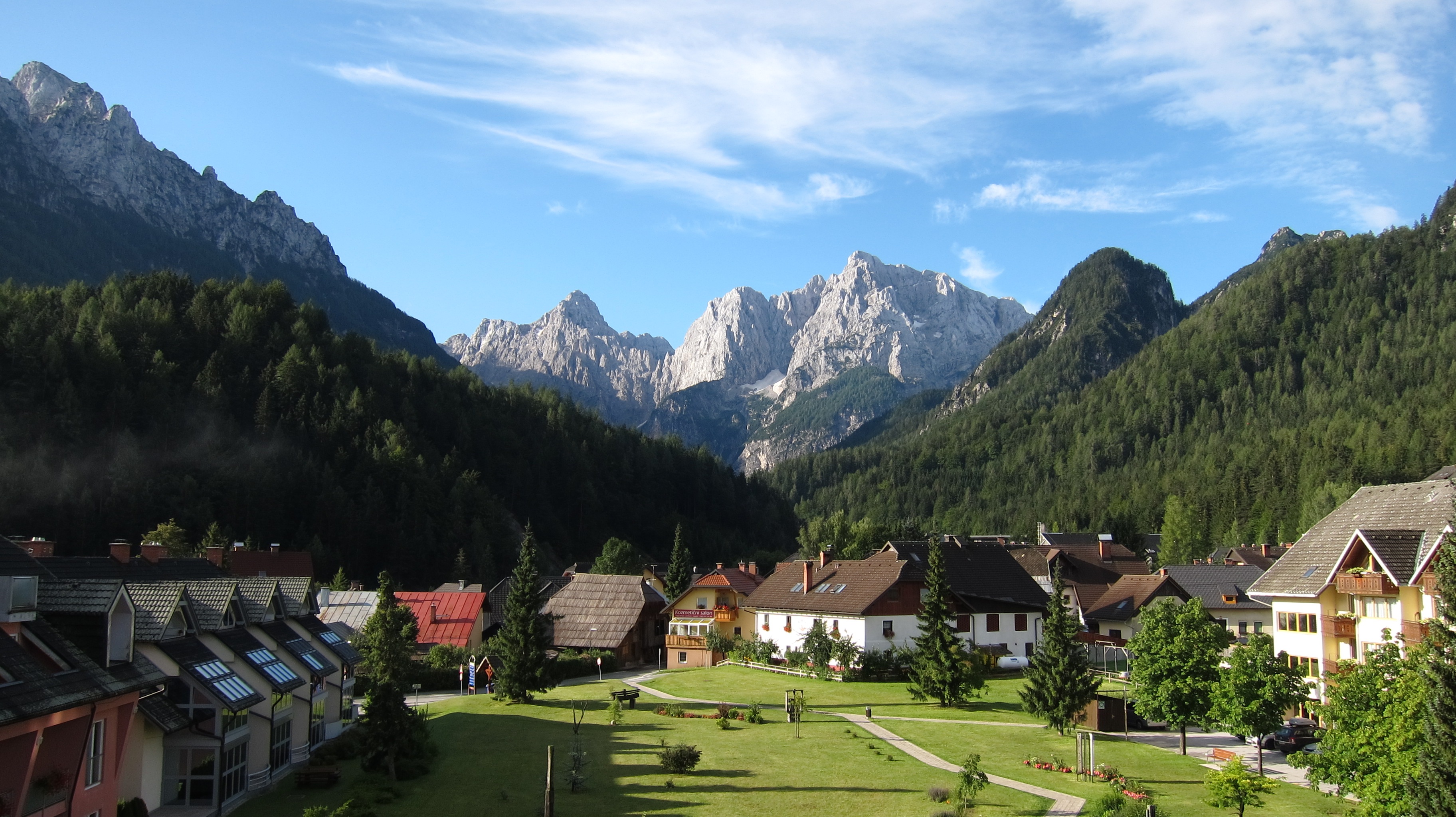
- Alps, karst caves and 29 miles / 47 km of Adriatic coast in a country you can cross in three hours. Nature and active travel both score 90 here.
- Budget around $50 a day backpacking, $115 mid-range. Slovenia costs less than Austria or Italy next door, more than the Balkans to the south.
- Late spring (May, June) and early fall (September) are ideal. July and August fill Bled and the coast; winter is for the ski resorts.
- Five days covers Ljubljana and Lake Bled. Ten links the Julian Alps, the Soca Valley and the Piran coast without rushing.
- The catch: there are no nonstop flights from the US, and Lake Bled in peak summer is packed. Come in the shoulder season and go early to the lake.
Everything to know before you book
The essentials for a Slovenia trip: entry rules, money, the climate window and power, in one scan.
What Slovenia does best, and where it doesn’t
Ten categories scored 0 to 100 from tourism data, traveler reports and on-the-ground experience.
One of the safest places in Europe, and a rare spot where Alps, caves, forests and a short coast sit within a day of each other. Hikers, cavers and paddlers all get their trip.
Prices sit above the Balkans, closer to Austria, especially around Bled in summer. Slovenia leans scenery over big-city sights, so it is more day-hikes than blockbuster museums.
Best places to visit in Slovenia
The two destinations that anchor almost every trip, plus the regions to string around them.
Lake Bled
An emerald lake with a church on a tiny island and a cliff-top castle above it, the Julian Alps rising behind. Row out early, walk the shore loop, and try a slice of the cream cake it is famous for.Ljubljana
A car-free riverside center of dragon bridges, cafe terraces and a hilltop castle, small enough to walk in a day and lively enough to keep you a second.Bovec
Bovec sits by Soca River rapids near the Kanin cable car station, a base for whitewater sports.Triglav National Park
Triglav National Park’s Savica Waterfall trailhead carries the sound of rushing water through crisp mountain air.Soca Valley
Soca Valley’s emerald river rushes past the Tolmin Gorge trailhead, throwing mist onto glistening rocks underfoot.Vintgar Gorge
Vintgar Gorge near Bled runs wooden walkways along cliff faces above the river below.Postojna Cave
Postojna Cave’s Great Hall carries an electric cave train past towering stalactites deep underground.Predjama Castle
Predjama Castle stands at a cave entrance, built directly into the cliff face above it.Piran
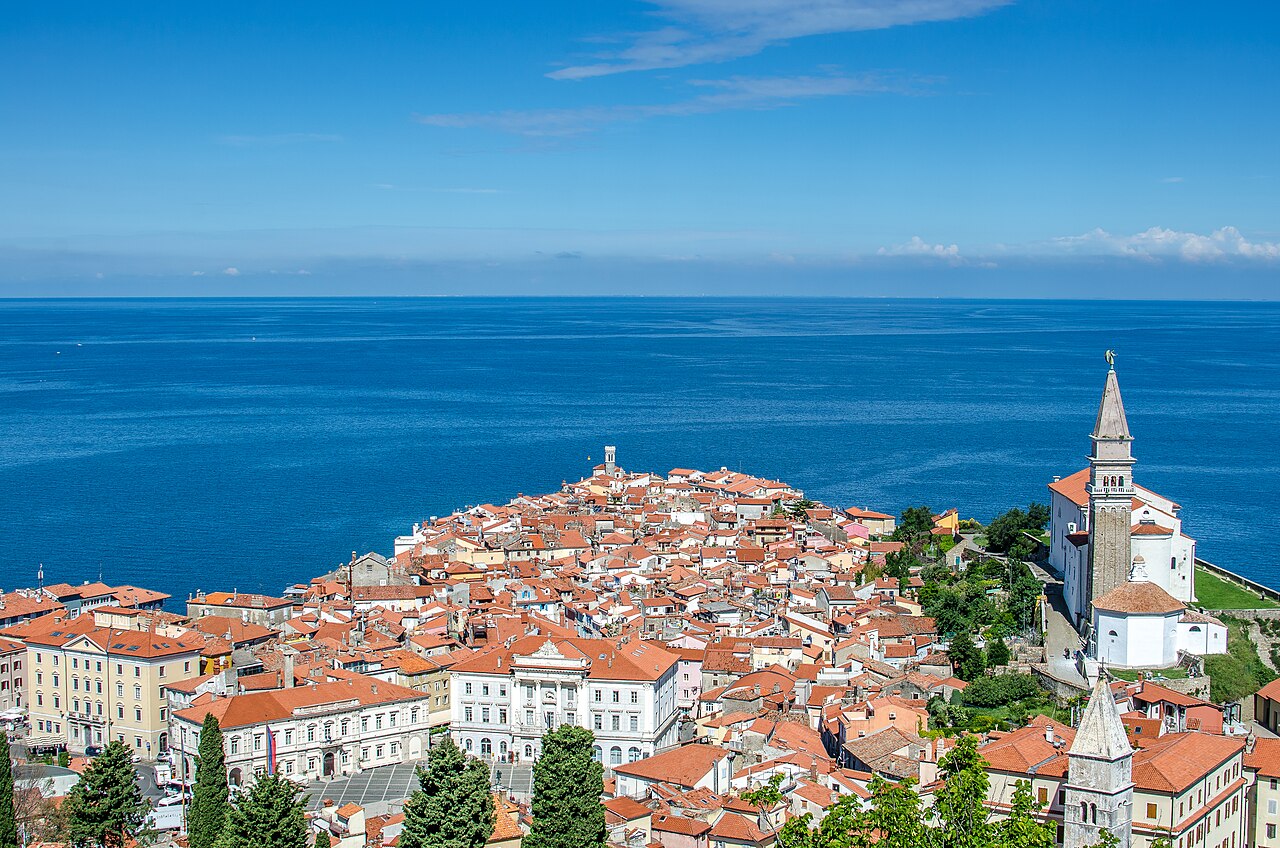
Piran’s harbor cafes near Tartini Square serve grilled fish with a salty sea breeze off the water.Portoroz
Portoroz Beach runs a promenade along the Adriatic, Slovenia’s main resort stretch of coastline.Skocjan Caves
Skocjan Caves carry the Reka River across a high footbridge before it vanishes into the karst canyon.Ptuj
Ptuj, Slovenia’s oldest town at over 2,000 years old, sits below a medieval castle on the Drava River.Alpine Villages & Passes
Lakes & Valleys
Historic Towns
Karst & Countryside
Slovenia at a glance
Click a pin to open that destination guide.




All Slovenia guides
Every Pack Lightly guide for planning, preparing and exploring the country.
Planning & Logistics
Practical & Preparation
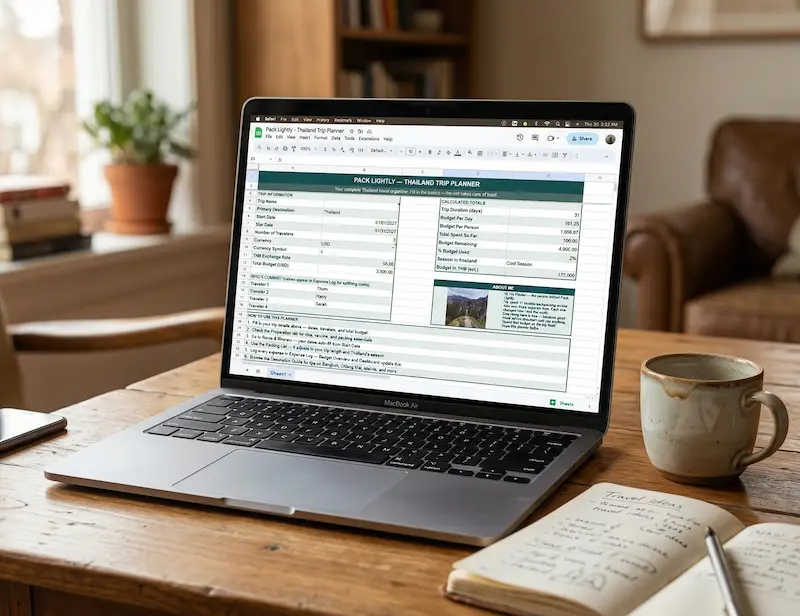
Plan your Slovenia trip
A free Google Sheets template: itinerary planning, daily expenses, budget tracking and a packing list, with a dashboard that updates as you go.
Get the Free TemplateWhat Slovenia costs per day
Per person per day in USD, drawn from the Pack Lightly budget calculator. Accommodation and food lead, and Bled in summer runs higher.
Slovenia, month by month
Ljubljana: temperature (°F) and rainfall (inches). The Alps run colder and snowier, the Adriatic coast a few degrees milder, but the shoulder-season pattern holds.
Slovenia in one first impression
A quick sweep of the country before you plan the trip.

What if…
Three ways to route Slovenia
Tested itineraries built from the destinations above. Pick the one that fits the time you have.
Book your Slovenia trip
Everything to sort before departure, at the same price as booking direct. It helps keep these guides free.
Before you commit
Why Slovenia works
It is a whole trip’s worth of landscapes at day-trip distance. Alps, glacial lakes, karst caves and a short Adriatic coast all sit within a two-hour drive, so you can hike, paddle and swim in the sea in the same week.
English is widely spoken, roads are excellent, and Ljubljana makes a relaxed, walkable base. This is one of Europe’s easier first-time drives, low on stress and high on scenery.
Honest downsides
- No nonstop flights from the US. Expect one European connection into Ljubljana, or fly into Venice, Zagreb or Trieste and drive in
- Lake Bled in summer is crowded and the parking fills. Go early, or stay the night and enjoy the lake after the day-trippers leave
- You really need a car for the Julian Alps and the Soca Valley; public transport thins out fast beyond the main towns
- Prices near Bled run close to Austria, higher than the Balkans to the south
Slovenia with kids
An easy sell: a lake with a fairy-tale island, castles you can climb, and Postojna Cave’s little underground train. Distances are short, so the transfers stay painless.
Summer swimming in Bled and Bohinj, gentle valley walks in Triglav, and a car-free capital where kids can roam the riverbank make the days simple to plan around naps and weather.
Frequently asked questions
Do US citizens need a visa for Slovenia?
No visa for tourism. US citizens can stay in Slovenia and the wider Schengen Area for up to 90 days within any 180-day period. The ETIAS travel authorization, a quick online pre-approval, is expected to become mandatory at some point during 2026, so check before you fly.
How much does Slovenia cost per day?
Budget around $50 per person per day backpacking, with hostels, self-catering and bakery lunches. Mid-range is closer to $115 with hotels and restaurant dinners; comfort travel runs $260 and up. Slovenia costs less than neighboring Austria or Italy, but more than the Balkans to the south, and Bled in summer runs higher.
When is the best time to visit Slovenia?
Late spring (May and June) and early fall (September) are ideal, with warm days, green valleys and thinner crowds. July and August are the busiest, filling Lake Bled and the coast. Winter is for the ski resorts and the Ljubljana Christmas market, with the high mountain passes closed.
Is Slovenia safe for travelers?
Yes. Slovenia is one of the safest countries in Europe, with a safety score of 95 in this guide. Violent crime against tourists is very rare, cities feel calm at night, and the main hazards are outdoor ones: mountain weather, river currents and winter road conditions in the Alps.
How many days do you need in Slovenia?
Five days covers Ljubljana and Lake Bled at a comfortable pace with a day trip or two. Ten days adds the Julian Alps, the Soca Valley and the Piran coast without rushing. Two weeks lets you fold in Bohinj, the karst caves and time to simply hike.
Do you need a car in Slovenia?
For Ljubljana and Lake Bled, no: they are linked by frequent buses and trains, and both are walkable once you arrive. For the Julian Alps, the Soca Valley and the smaller villages, a car makes the trip far easier, since public transport thins out beyond the main towns. A vignette is required to use the highways.
Photo credits: Photo: Carsten Steger / Wikimedia Commons, CC BY-SA 4.0 · Photo: Mihael Grmek / Wikimedia Commons, CC BY-SA 3.0 · Photo: Lander at Slovenian Wikipedia / Wikimedia Commons, CC BY-SA 3.0 · Photo: Etienne O. Dallaire / Wikimedia Commons, CC BY 4.0 · Photo: Lettkemann / Wikimedia Commons, CC BY-SA 4.0 · Photo: Canadianhockey91 / Wikimedia Commons, CC BY-SA 3.0 · Photo: Andrew Milligan Sumo / Wikimedia Commons, CC BY 2.0