



Spain
Eight distinct regions, two of Europe’s great food capitals, and a high-speed rail network that turns the whole country into a series of easy day-hops. Spain rewards travelers who pick a couple of bases, eat on local time, and resist the urge to see it all in one trip.
Spain rewards a slower loop. Give it two to three weeks, base yourself in a few cities, and eat late like the locals do.
Pack Lightly editorial team
At a glance
- Two of Europe’s great food cultures and 49 UNESCO sites. Spain ties its own top score, 95, for both food and culture.
- Budget around $55 a day backpacking, $130 mid-range. Spain is one of the better-value countries in Western Europe.
- Spring (April to June) and fall (September, October) are ideal. July and August bake the interior and pack the coast.
- Ten days covers one region well. Two to three weeks links Madrid, Andalusia and Barcelona without rushing.
- The catch: the day runs late. Lunch lands at 2pm, dinner at 9pm, and much of August the cities empty out for the coast.
Everything to know before you book
The essentials for a Spain trip: entry rules, money, the climate window and power, in one scan.
What Spain does best, and where it doesn’t
Ten categories scored 0 to 100 from tourism data, traveler reports and on-the-ground experience.
Food and culture tie at the very top, and getting around is effortless on the AVE trains. This is a country built for eating, cities and coast.
Nothing here scores badly. Spain leans urban rather than wild, and Western-Europe prices apply, though it still undercuts France, Italy and the UK.
Best places to visit in Spain
Twelve cities that anchor most trips. Filter by region to plan your route.
Barcelona
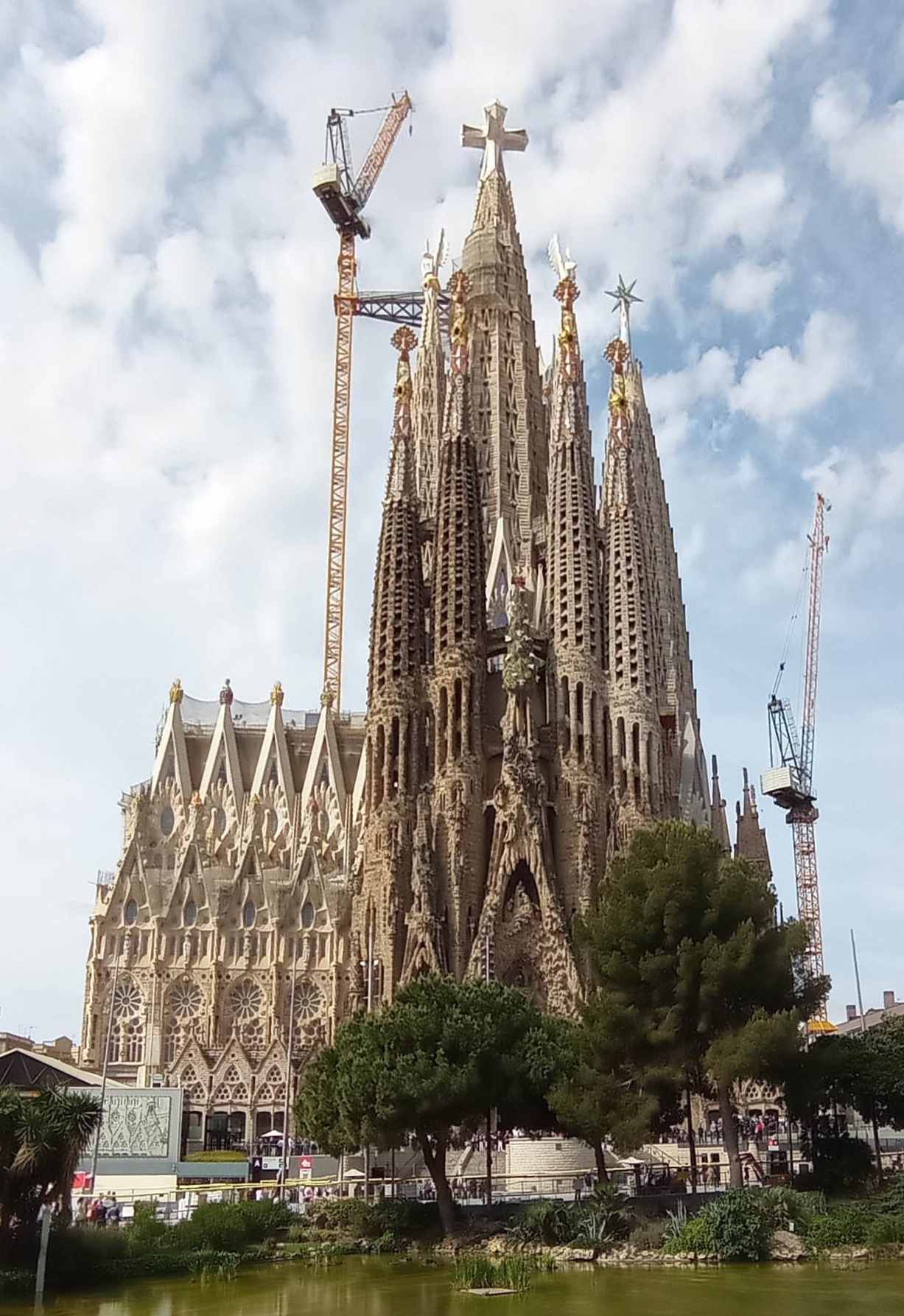
Gaudi’s cathedral and park, a working waterfront, and Europe’s most seductive city grid, plus the tapas that never really stop.Madrid
The Prado, late-night plazas and the rail hub that puts the whole country within a few hours.Seville
Flamenco, orange trees and the largest Gothic cathedral in the world, best in spring before the heat lands.Granada
The Alhambra above the city, free tapas with every drink, and the Sierra Nevada an hour away.Valencia
The birthplace of paella, a futuristic arts complex, and a river park where the water used to run.San Sebastian
A perfect crescent beach and more Michelin stars per head than almost anywhere, plus pintxos bars by the dozen.Bilbao
The Guggenheim that reinvented the city, green hills around it, and the gateway to the Basque coast.Cordoba
The Mezquita’s forest of arches, whitewashed patios, and a compact old town made for a day on foot.Toledo
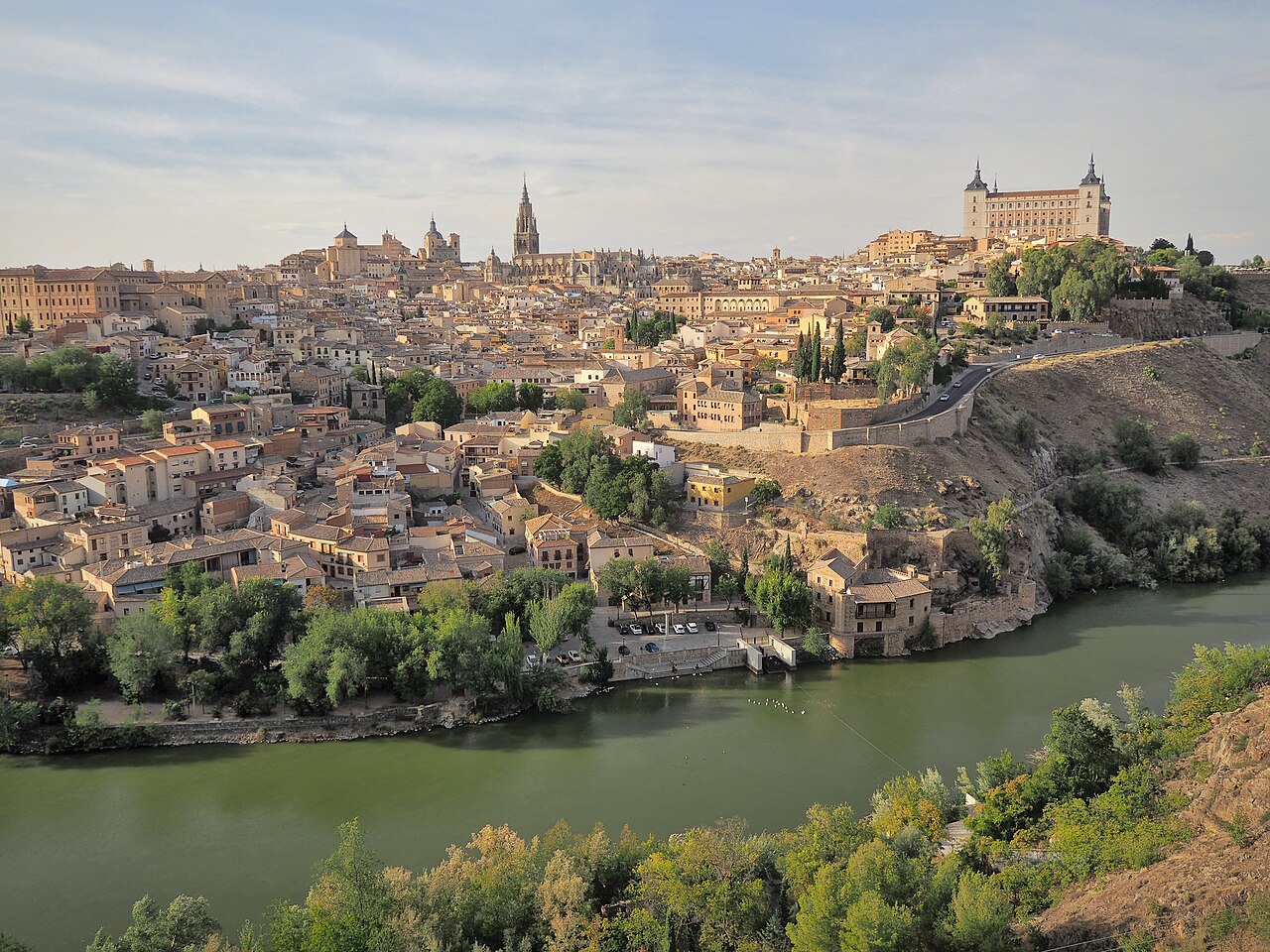
Toledo’s historic Jewish Quarter lines Calle Comercio with aged stone buildings above the Tagus river gorge.Malaga
Locals unwind at La Malagueta beach on Malaga’s waterfront, where salty breeze mixes with fried fish aromas from nearby stalls.Palma de Mallorca
Harbor cafes line Palma’s Paseo Maritimo, where the seafront cathedral looms over boats and the salty Mediterranean breeze.Santiago de Compostela
Vendors call out the daily catch at Mercado de Abastos, near Santiago’s cathedral and historic city center.Andalusia & the South
Catalonia & the East
Central Spain
The Green North
The Islands
Spain at a glance
Click a pin to open that destination guide.
All Spain guides
Every Pack Lightly guide for planning, preparing and exploring the country.
Planning & Logistics
Practical & Preparation



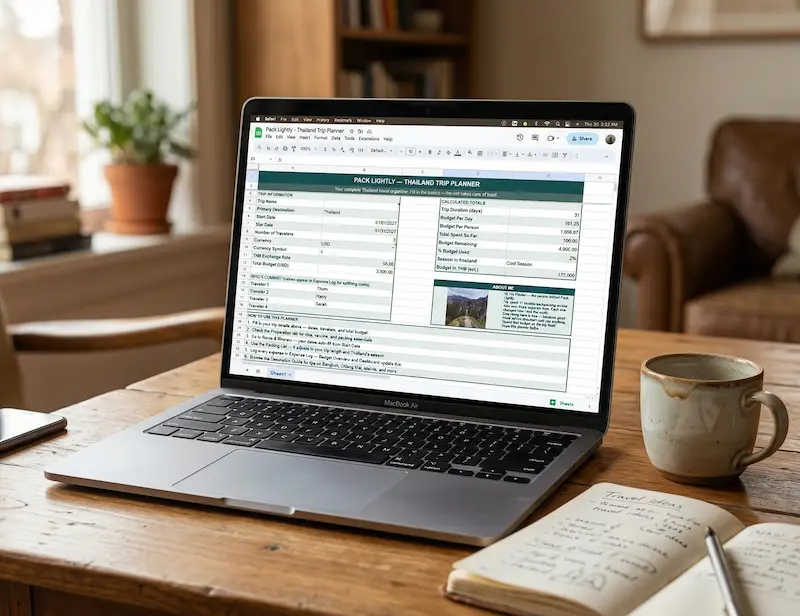
Plan your Spain trip
A free Google Sheets template: itinerary planning, daily expenses, budget tracking and a packing list, with a dashboard that updates as you go.
Get the Free TemplateWhat Spain costs per day
Per person per day in USD, drawn from the Pack Lightly budget calculator. Accommodation and food are the biggest lines.
Spain, month by month
Madrid: temperature (°F) and rainfall (inches). The interior swings hard between winter chill and summer heat; the coasts are milder year-round.
Spain in one first impression
A quick sweep of the country before you plan the trip.

What if…
Spain by trip length
Real day-by-day itineraries, one for each trip length. Pick the time you have and open the full plan.
Feel the vibrant energy of Seville’s flamenco, where the air is thick with passion and the streets pulse with life. Transition to Cordoba, where the sun casts a warm glow on the stunning Mezquita, inviting you to explore its intricate arches.
See the full day-by-day planExperience the vibrant pulse of Madrid’s art scene, then step into the medieval charm of Toledo’s cobbled streets.
See the full day-by-day planOver three weeks, immerse in the vibrant contrasts of Spain, from the bustling tapas bars of Madrid to the serene gardens of Seville.
See the full day-by-day planFeel the vibrant pulse of Madrid as you step into its bustling streets, then transition to the serene beauty of San Sebastian’s coastline.
See the full day-by-day planBook your Spain trip
Everything to sort before departure, at the same price as booking direct. It helps keep these guides free.
Before you commit
Why Spain works
It is a country of regions, not one destination. The Basque north, Mediterranean east, Moorish south and green Atlantic coast feel like different countries, and the AVE trains stitch them together in hours.
Food carries the trip. Tapas in the south, pintxos in the Basque bars, rice dishes on the coast, and prices that stay reasonable by Western-Europe standards. Eat where the menu is in Spanish first.
Honest downsides
- Summer heat inland is severe. Madrid, Seville and Cordoba can hold above 100°F / 38°C for weeks
- Late schedule takes adjusting to. Dinner before 8:30pm marks you as a tourist, and many kitchens do not open until then
- Peak crowds hit Barcelona, Seville and the Alhambra hard. Book timed tickets well ahead
- Pickpockets work the tourist cores of Barcelona and Madrid. Watch bags on the metro and Las Ramblas
Spain with kids
One of the easier European trips with children. The late nights turn out to be family-friendly, with kids out in the plazas well past dark, and beaches, parks and castles everywhere.
Build the day around the heat: sightsee in the morning, rest through the afternoon, and go out in the cool of the evening like local families do. Short train hops keep the transfers painless.
Frequently asked questions
Do US citizens need a visa for Spain?
No visa for tourism. US citizens can stay in Spain and the wider Schengen Area for up to 90 days within any 180-day period. The ETIAS travel authorization, a quick online pre-approval, is expected to become mandatory at some point during 2026, so check before you fly.
How much does Spain cost per day?
Budget around $55 per person per day backpacking, with hostels, self-catering and cheap set-menu lunches. Mid-range is closer to $130 with hotels and restaurant dinners; comfort travel runs $290 and up. Spain is noticeably cheaper than France, Italy or the UK.
When is the best time to visit Spain?
Spring (April to June) and fall (September and October) are ideal, with warm days and thinner crowds. July and August are hot inland and busy on the coast. Winter is mild in the south and good for city breaks, though the north stays wet.
Is Spain safe for travelers?
Yes. Spain is one of the safer countries in Europe, with a safety score of 85 in this guide. Violent crime against tourists is rare. The main risk is pickpocketing in the tourist cores of Barcelona and Madrid, so keep bags zipped and close on the metro and busy streets.
How many days do you need in Spain?
Ten days covers one region, such as Andalusia or Catalonia, at a comfortable pace. Two weeks links Madrid, the south and Barcelona without rushing. Three weeks or more adds the green north, the islands or a stretch of the Camino de Santiago.
Should you visit Madrid or Barcelona?
Madrid is the capital, with the great art museums, late-night plazas and the rail hub to everywhere else. Barcelona has Gaudi, the beach and the Catalan coast. With one week, choose one and add a day trip. Two weeks lets you do both, linked by a two-and-a-half-hour AVE train.
Photo credits: Photo: Canaan / Wikimedia Commons, CC BY-SA 4.0 · Photo: Gabriele Delhey / Wikimedia Commons, CC BY-SA 3.0 · Photo: scanbus (talk) at en.wikipedia / Wikimedia Commons, CC BY 3.0 · Photo: Evölah / Wikimedia Commons, CC BY-SA 3.0 · Photo: Dmitry Dzhus from London / Wikimedia Commons, CC BY 2.0 · Photo: dokaspar / Wikimedia Commons, CC BY-SA 3.0 · Photo: essetefano / Wikimedia Commons, CC BY 3.0 · Photo: Tim Adams / Wikimedia Commons, CC BY-SA 4.0 · Photo: Ingo Mehling / Wikimedia Commons, CC BY-SA 4.0 · Photo: Diego Delso / Wikimedia Commons, CC BY-SA 3.0 · Photo: Phillip Maiwald (Nikopol) / Wikimedia Commons, CC BY-SA 3.0 · Photo: Naotake Murayama / Wikimedia Commons, CC BY 2.0 · Photo: joe / Wikimedia Commons, CC BY-SA 2.0