




Photo: Troymason via Wikimedia Commons, CC BY 2.0
Key points
- Sportive travel runs on certification levels, seasons, and gear logistics, not just flight prices and hotel stars.
- Four activities get their own dedicated page here: diving, surfing, skiing and snowboarding, and hiking and trekking.
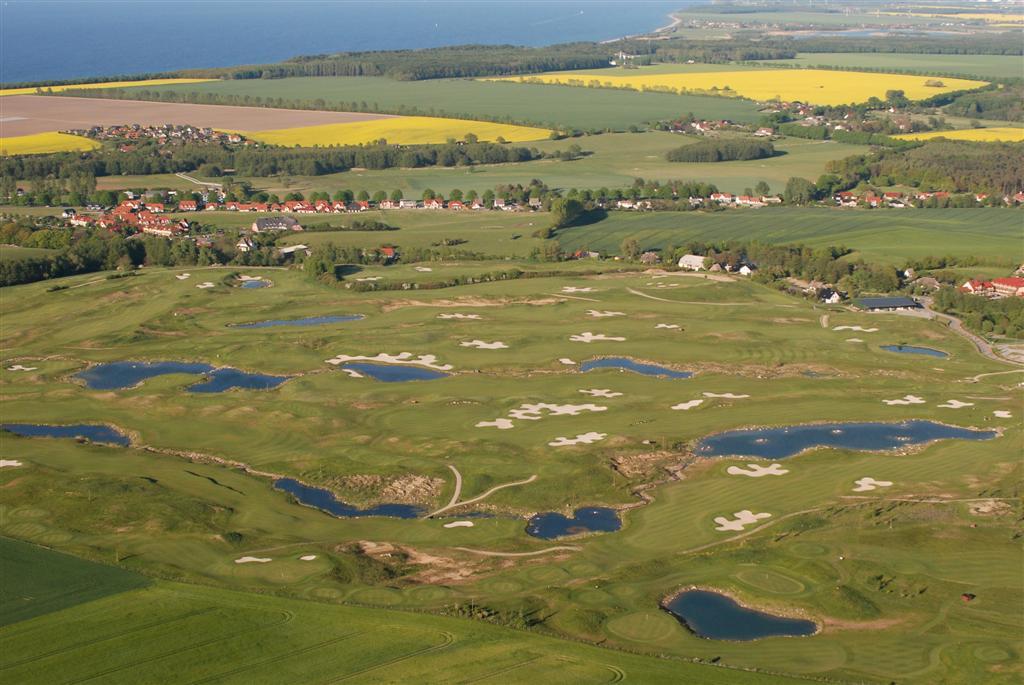
- Golf, kitesurfing, rock climbing, kayaking, and mountain biking get a shorter treatment below, real search demand without a dedicated page yet.
Why sportive travel needs its own plan
A diver checking flights for Cozumel is not solving the same problem as a family checking flights for Cozumel. The family needs a hotel with a pool and a decent breakfast. The diver needs to know whether the operator accepts an Open Water card or wants Advanced, whether nitrox is included or a surcharge, and whether visibility in that particular month makes the trip worth the airfare at all. None of that shows up in a standard destination guide, because a standard destination guide is not built to answer it.
The demand is real and it is large. Search interest for golf travel alone runs at 14,670 a month, kitesurf spots at 8,310, and the wider cluster of golf, kite, climbing, kayaking, and mountain bike searches adds up to more than 48,000 monthly queries, on top of whatever diving, surfing, skiing, and hiking pull in on their own. People are not searching for a country. They are searching for a specific activity, at a specific skill level, in a specific window.
That window matters more here than almost anywhere else in travel planning. Miss the surf season by six weeks and the swell that made the destination famous is gone. Book a ski trip on the wrong side of a warm winter and the pistes are grass with a dusting on top. Show up to a dive site during the wrong lunar cycle and the visibility that photographs so well online has dropped to three metres of green soup. Adventure travel rewards timing in a way that a city break simply does not.
Certification, gear, and skill matching
Three questions decide most of the planning, before a single flight gets booked. What certification or skill level does the activity actually require, and do you have it. What gear travels with you versus what you rent on arrival, and does that rental market exist where you are going. What happens if conditions on the day do not match the forecast, does the operator have a backup plan or does the trip just not happen.
The right answer to “where should I go” changes completely once you add “and I only have an Open Water card” or “and I’ve never skied off-piste.”
Each of the four pages linked below builds around that logic instead of around a generic top-ten list. Diving groups destinations by what certification unlocks them. Surfing groups by skill level first and location second. Skiing compares resorts on beginner-friendliness, not just vertical drop. Hiking separates a hut-to-hut alpine traverse from a single-day trail, because packing for one and packing for the other are different exercises entirely.
Booking windows, gear transport, and insurance
Adventure trips also break the normal booking rhythm. A beach hotel can be booked two weeks out with little risk. A dive liveaboard, a heli-ski week, or a permit-limited trek often sells out six to twelve months ahead, because the operator is capping numbers for safety or environmental reasons, not for scarcity marketing. Checking the booking lead time for the specific activity, not the destination in general, avoids the trip that looks available in June and is fully booked by February.
Gear transport is its own line item. Budget airlines charge sports-equipment fees that can rival the ticket price, ski bags and dive kit both routinely trigger an oversize surcharge, and some regional carriers cap the number of sports bags per flight regardless of what you are willing to pay. Standard travel insurance also tends to exclude the activities covered on this page by default. Diving past a set depth, off-piste skiing, and multi-day trekking above a certain altitude usually need an add-on rider, worth checking before the policy is the thing that fails, not the gear.
Pick your activity
Each page below breaks down destinations by skill level, season, and what to know before booking.


Photos: Soljaguar via Wikimedia Commons, CC BY-SA 3.0 · Shalom Jacobovitz via Wikimedia Commons, CC BY-SA 3.0 · Wikimedia Commons contributor, CC BY 2.5 (Meribel, France) · Paxson Woelber via Wikimedia Commons, CC BY-SA 4.0
Other adventure sports
Five more activities show real, consistent search demand without volume enough to justify a full page of their own yet. They get the honest short version here: what the trip actually involves, and where the planning problem sits.


Kayaking rounds out the group at a smaller but steady 910 monthly searches for best kayaking spots. There is no dedicated card for it here, the volume does not clear that bar yet, but the same rule applies as everywhere else on this page: match the water to the skill level first. Flat coastal water and moving whitewater are not the same sport wearing the same life jacket, and beginner kayaks built for stability handle nothing like the sea kayaks built for distance.
Photos: Beauwell via Wikimedia Commons, CC0 · Chrumps via Wikimedia Commons, CC BY-SA 4.0 · Crystal via Wikimedia Commons, CC BY 2.0 · Jahn Ekman / SFF via Wikimedia Commons, CC BY 3.0
Every activity above still needs a season and a country attached to it before it becomes a booking.
Check the best travel time by country before you bookFAQ
Troymason via Wikimedia Commons, CC BY 2.0 | Soljaguar via Wikimedia Commons, CC BY-SA 3.0 | Shalom Jacobovitz via Wikimedia Commons, CC BY-SA 3.0 | Wikimedia Commons contributor, CC BY 2.5 (Meribel, France) | Paxson Woelber via Wikimedia Commons, CC BY-SA 4.0 | Beauwell via Wikimedia Commons, CC0 | Chrumps via Wikimedia Commons, CC BY-SA 4.0 | Crystal via Wikimedia Commons, CC BY 2.0 | Jahn Ekman / SFF via Wikimedia Commons, CC BY 3.0
Photo credits: Photo: Troymason / Wikimedia Commons, CC BY 2.0 · Photo: Soljaguar / Wikimedia Commons, CC BY-SA 3.0 · Photo: Shalom Jacobovitz / Wikimedia Commons, CC BY-SA 3.0 · Photo: Me / Wikimedia Commons, CC BY 2.5 · Photo: Paxson Woelber / Wikimedia Commons, CC BY-SA 4.0 · Photo: Chrumps / Wikimedia Commons, CC BY-SA 4.0 · Photo: Crystal / Wikimedia Commons, CC BY 2.0 · Photo: Jahn Ekman / SFF / Wikimedia Commons, CC BY 3.0