



Travel in Asia
A $3 tuk-tuk in Bangkok and a $2.50 subway token in Tokyo describe two different continents. Both are Asia. Pick a region before you pick a route.
At a glance
- First-timers do best in Thailand or Japan. Both route into the continent’s grammar without overwhelming the wallet or the itinerary.
- Southeast Asia runs $30 to 60 a day. Japan, South Korea, and the Gulf states run $100 or more. South Asia and Central Asia split the middle at $25 to 60.
- Distances are large and flights are cheap, which tempts a sweep. Plan two to three countries per trip, not eight.
You arrive in Bangkok and hire a tuk-tuk for three dollars. In Tokyo, a subway token costs two-fifty, and the precision is obsessive: trains arrive and depart within seconds of the printed schedule. Both are Asia. So is Nepal, where a day’s trek feeds you dal bhat and clears the mind for fifteen dollars, and Oman, where a jeep through Wadi Disah runs eighty dollars for a silence that feels absolute. The continent has no single rhythm. It rewards specificity over sampling.
Start narrow. Thailand or Japan first, and let the rest follow. Thailand teaches sensory overload: Bangkok’s heat, the food volume, temples on every corner, an informal economy where cash and haggling still work. Japan teaches precision and contrast: Kyoto’s 2,000 temples, Tokyo’s organized chaos, the Japanese Alps rising from ski towns to alpine tundra in one train ride. Both countries hand you a working set of habits, English signage where you need it, and a natural bridge to their neighbors if the trip wants to continue. Neither requires six countries in ten days to feel worthwhile, and pushing for that number is the fastest way to remember nothing.
Five regions, one landmass
Pick a region before you pick a country
Asia is too large to plan as a single trip. Treat it as five distinct travel speeds, each with its own price floor, visa pattern, and reason to go. Choose a region, then pick two or three countries inside it.
Precision and contrast
East Asia
Best-in-class infrastructure, food, and hiking, next to the geographically extreme. Japan and South Korea lead on trains and cities. China demands dedicated weeks for its size and regional visas. Taiwan packs beaches, tea mountains, and small-town culture onto one compact island. Mongolia is steppe and silence at the edge of it all.
Cheap and easy
Southeast Asia
Visas loose or free on arrival, buses that cross borders overnight, food that is cheap everywhere. Thailand is the gateway. Vietnam runs 1,000 miles / 1,610 km north to south. Indonesia, Malaysia, the Philippines, Cambodia, Laos, Singapore, and Brunei round out the region.
Sensory and steep
South Asia
India overwhelms first-timers with Rajasthan’s palaces and Kerala’s backwaters. Nepal owns trekking outright. Sri Lanka compresses the range onto one teardrop island. Bhutan limits tourists by design. The Maldives is island luxury, and it prices like it.
Silk Road, mostly unvisited
Central Asia
Kazakhstan‘s Caspian coast and mountain parks feel forgotten. Kyrgyzstan‘s Tien Shan range and high-altitude lakes reward trekkers. Uzbekistan carries the architecture: Samarkand’s blue tile, Bukhara’s old bazaars. Azerbaijan edges toward the Caucasus and the Caspian.
The real split
The cost ladder, region by region
Southeast Asia is the value tier. Japan and the Gulf sit at the ceiling. Everything else lands in the middle, and knowing which rung a country sits on decides how many weeks a given budget actually buys.
$30 to 60/day
Shoestring: Southeast Asia
Thailand, Vietnam, Cambodia, and Laos. Street food under $2, hostel beds, overnight buses instead of flights. Indonesia, the Philippines, and Malaysia run slightly higher at $40 to 80, and Central Asia sits in this band too.
$25 to 60/day
Mid: South Asia
India, Nepal, and Sri Lanka cost less than Southeast Asia in places, more in others, depending on how much comfort you buy. Hostels and street food keep it near the floor; hotels and hired drivers push it toward the top.
$80 to 200+/day
Premium: Japan, South Korea, the Gulf
Japan and South Korea run $100 to 200 a day once trains, ramen counters, and city hotels are in the budget. The UAE, Saudi Arabia, and Qatar sit at $80 to 150 and up, priced for shopping, skyscrapers, and desert lodges.
The eight strongest starting points
Every country on this continent rewards a visit. These eight rank highest as a first or second trip, on range, value, and how deep the guide underneath each one goes once you start planning. Islands, national parks, best-places round-ups, and budget breakdowns sit one click deeper for the countries that earn them.
Japan
Precision meets contrastFour worlds on one island chain: Tokyo’s neon and trains, Kyoto’s 2,000 temples, the Japanese Alps rising above Takayama, and Okinawa’s subtropical beaches. Hike a stretch of the Kumano Kodo pilgrimage trail, eat ramen in Fukuoka, soak in Hakone’s hot springs. Cherry blossom season in April and the autumn leaves in October and November are the two windows worth planning around, and Japan’s islands beyond Honshu are worth the extra ferry.

Thailand
The easiest first trip in AsiaBangkok’s controlled chaos, Chiang Mai’s temples and ethical elephant sanctuaries, the Andaman islands around Phuket and Phi Phi, the Gulf islands of Koh Samui and Koh Phangan. Visas on arrival, street food under $2, trains and buses that run overnight between cities. English works in every tourist zone, which makes this the country most first-timers should book first. See what a Thailand trip actually costs before assuming it is out of range, and check Thailand’s 12 island destinations for the beach half of the trip.

Vietnam
Value and range, north to southHanoi’s Old Quarter, Ha Long Bay’s limestone formations, Hoi An’s lantern-lit ancient town, the Mekong Delta’s floating markets. Run the country south to north or the reverse, and cross overland into Cambodia or Laos when the visa window allows. One of the world’s stronger food cultures sits at $3 to 5 a meal, and Ha Giang and Cao Bang hold the quieter north for travelers with an extra week.

Indonesia
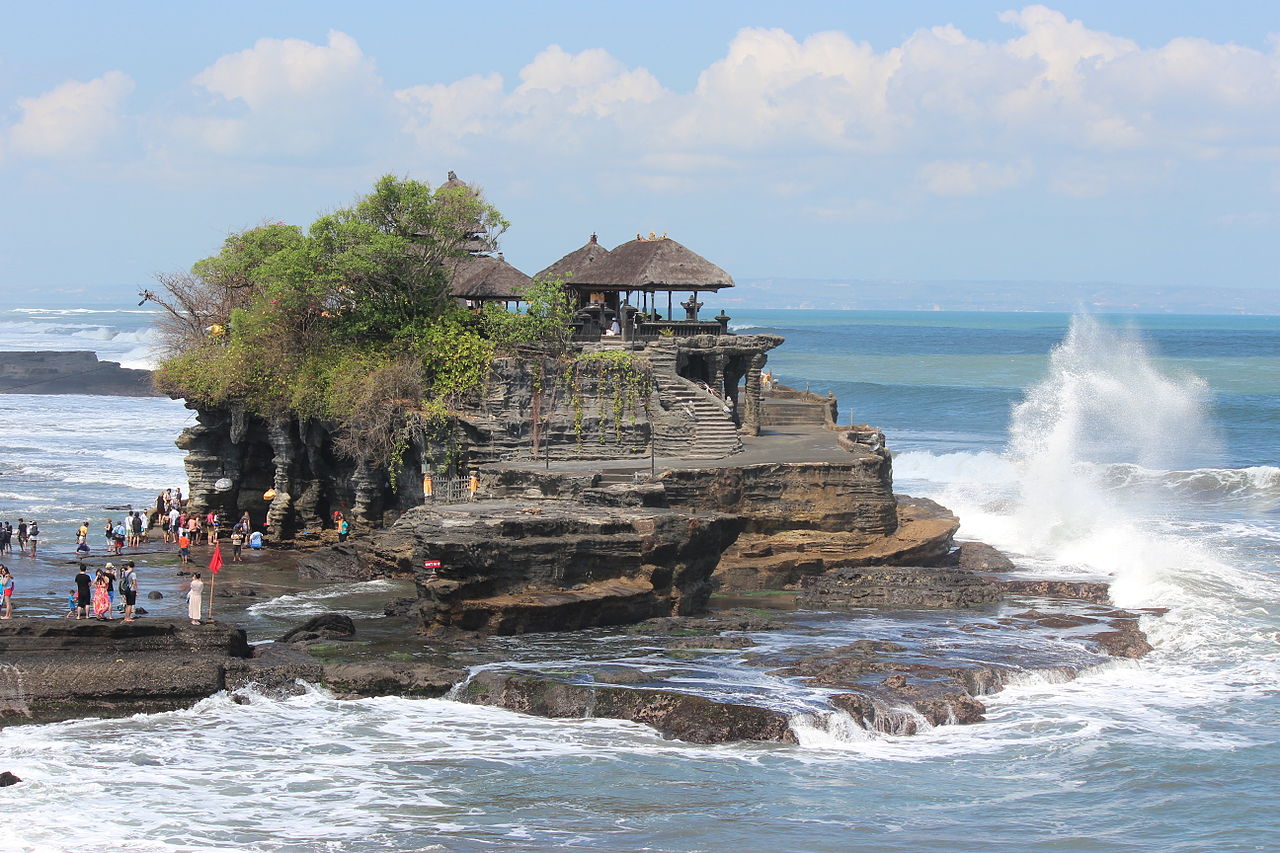
Far more than BaliBali’s rice terraces and temple culture are the entry point, not the whole story. Java’s Yogyakarta sits near the Borobudur temple and Mount Merapi, Flores carries pink-sand beaches and the Komodo dragons, and Sumatra’s jungles hold wild orangutans. Roughly 17,000 islands make up the archipelago, so the trip is a matter of how deep you go, not how much you cover. Indonesia’s top islands for adventure narrow the choice.
India
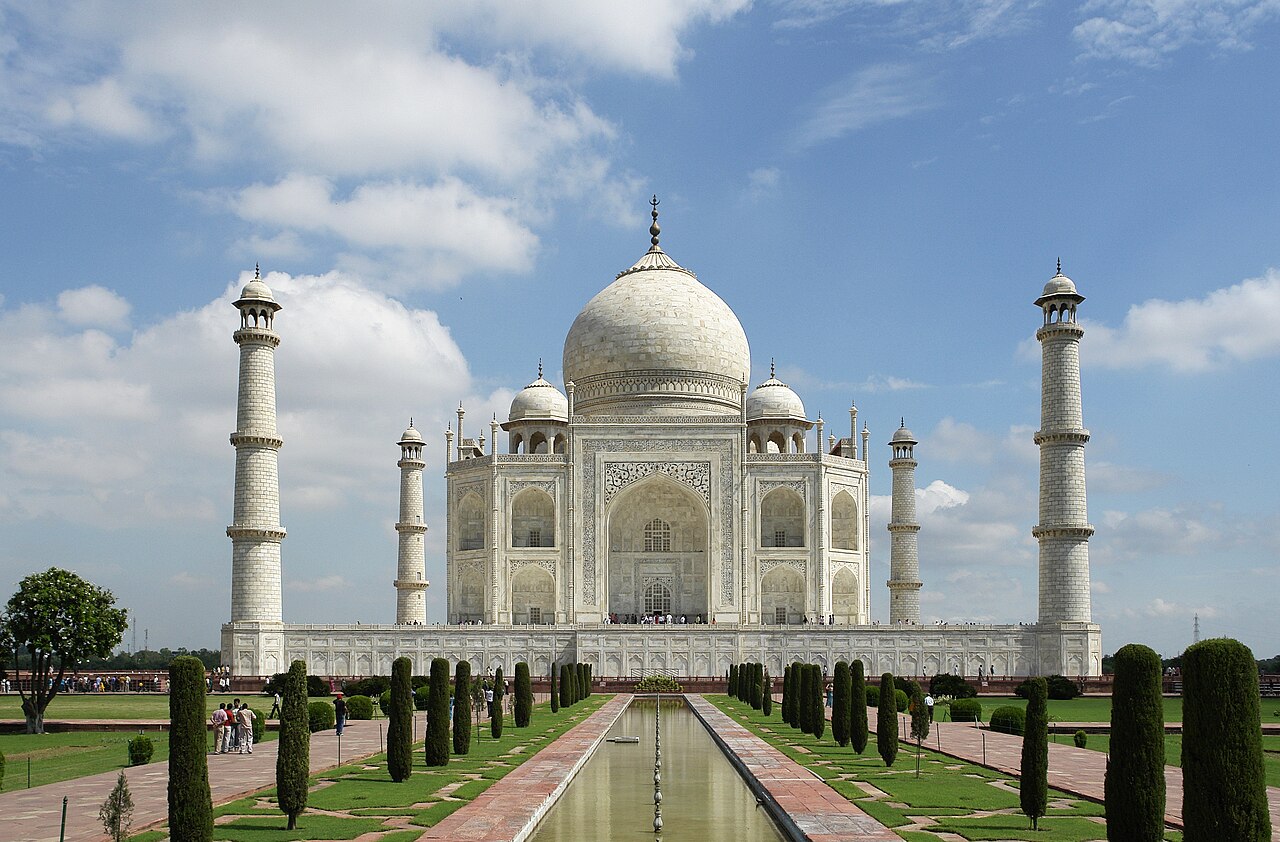
Overwhelming and rewardingRajasthan’s palaces and desert forts around Jaipur and Udaipur, Kerala’s backwaters and spice plantations in the south, the Himalayan north around Himachal Pradesh and Uttarakhand, the Ganges at Varanasi. The visa needs four to six weeks in advance, so book it before the flight. Expect sensory overload in the best way, and check India’s northeast and Spiti Valley once the classic route feels done.
Nepal
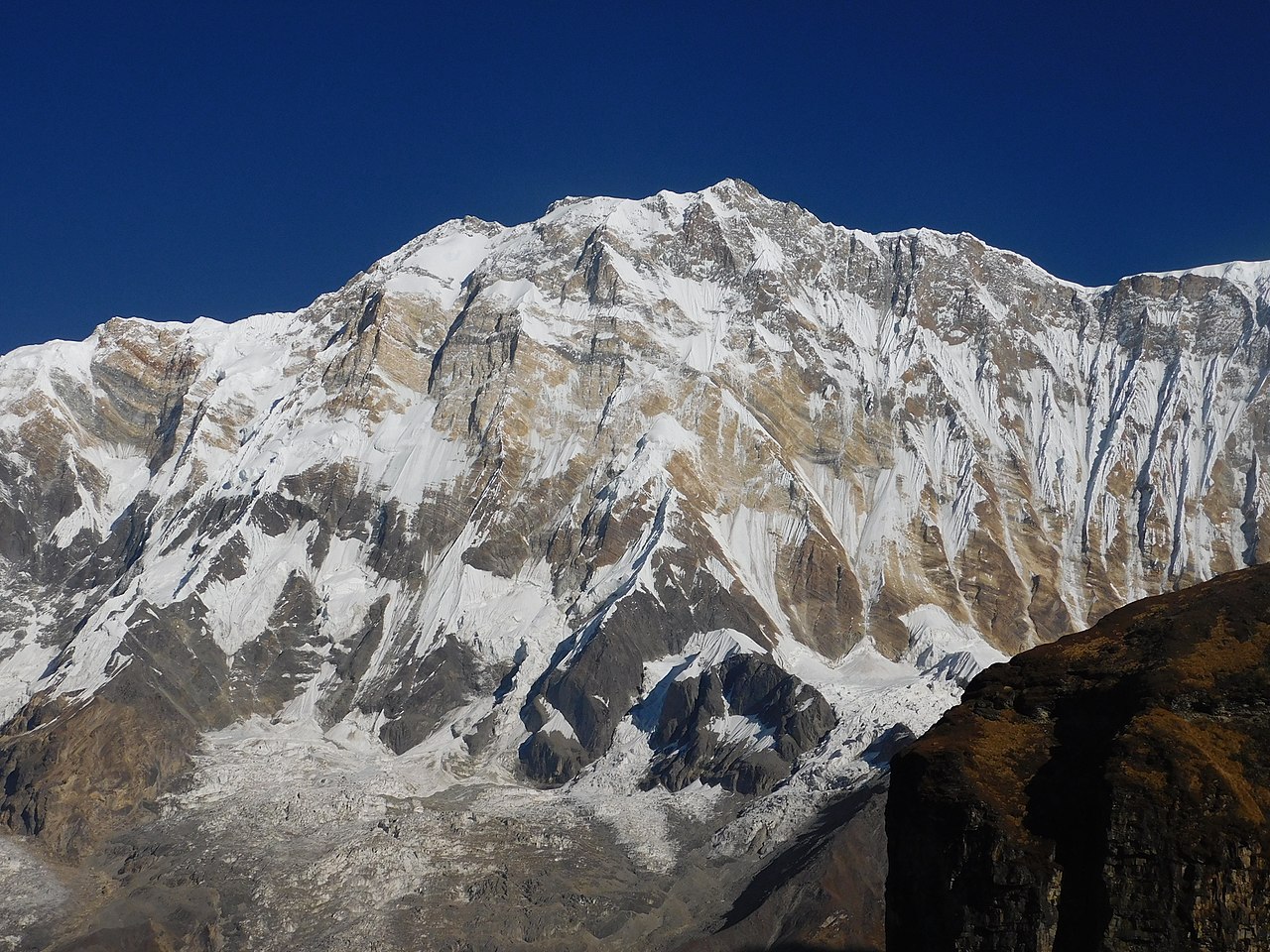
The trekking headlinerKathmandu’s temples and Tibetan culture open the trip, then the Annapurna Circuit’s 19 days of high-altitude walking or the Everest base camp trek take over. Pokhara’s lakeside sits at the calm end of the itinerary. The country has no coastline, but it owns the Himalayas outright, and it stays cheap the entire way. Upper Mustang and Dolpo hold the routes past the standard circuits.
South Korea
Underrated and accessibleSeoul’s street food scene around Myeongdong and Gangnam, Busan’s coastal culture, Jeju island’s volcanic landscape and black-sand beaches, the DMZ for the history. Trains are fast, cities are clean, and the food ranks with anywhere on the continent. Winter brings skiing, spring brings cherry blossoms, and autumn is the hiking season. Jeju, Namhae, and Ganghwado round out the island side.

Sri Lanka
Compact tropical rangeHill-country tea plantations and the colonial town of Nuwara Eliya, the cultural triangle’s ancient sites at Sigiriya and Polonnaruwa, southern beaches with whale-watching offshore. One island covers a surprising range and fits into 10 to 14 days without rushing. See what a Sri Lanka trip costs and Sri Lanka’s 12 offshore islands for the extended version.

Practical guidance before you book
The route matters less than the season, the budget tier, and the number of borders you try to cross. Get those right and almost any pairing of countries above works.
When to go
Southeast Asia’s dry season runs November through April; avoid May through October if rain is a dealbreaker. Japan and South Korea peak in spring (March to May) for cherry blossoms and autumn (September to November) for leaves. India’s hill stations run best October through March, while the plains turn brutal June through August. Nepal’s clearest windows sit in spring (March to May) and autumn (September to October); the Himalayas close hard in winter. See the best places to visit by month before locking dates.
Cost spread
Southeast Asia and Central Asia sit at $30 to 60 a day. South Asia runs close behind at $25 to 50. East Asia’s Japan and South Korea, plus the Gulf states, run $80 to 200 or more. Build a budget by region, not by averaging the continent: pairing Thailand with Japan on one trip means budgeting for the expensive half, not the cheap one. The real cost of travel guide breaks the math down further.
Distances and travel time
Forget a continental sweep. Bangkok to Tokyo is a five-hour flight. Hanoi to Bangkok is three hours. Kathmandu to Delhi is ninety minutes. Overland travel is cheaper where borders allow it: buses cross the Thailand-Laos border overnight, and trains connect Indian cities cheaply if slowly. Plan on two to three countries per month-long trip. Eight countries in two weeks leaves you exhausted and remembering almost none of it.
Visas and vaccinations
Nationality decides most of this. Australian, European, and North American passport holders typically get 30 to 60 days visa-free or on-arrival in Thailand, Vietnam, Indonesia, Laos, and Cambodia. Japan, South Korea, and Taiwan issue 90-day stamps to most Western nationalities. India requires a visa arranged four to six weeks ahead. Nepal and Bhutan are on-arrival, and Central Asian and Gulf rules vary enough to need a direct embassy check. Typhoid, hepatitis A, and Japanese encephalitis vaccination come up for some routes; a travel clinic can confirm what your specific itinerary needs, since this varies by region and season.
Explore the continent on the map
Every country in Asia links to a detailed travel guide on Pack Lightly, but clicking through them one at a time is slow. The interactive country map below lets you click any nation to jump straight to its guide, browse its sub-regions, and see the links to national parks, islands, beach towns, and budget breakdowns underneath it. Use it to compare visa requirements, climate, and cost across all 30 destinations covered here, or to find which countries actually fit your timeline.
Country Map
Highlights, hidden corners, and attractions for every Asian country, pinned on a free interactive map. No account, works on your phone.
Map not loading? Open the country map in a new tab.
Keep exploring
Where to go next
The eight featured countries
Plan the wider trip
Explore every region
Seven regional guides, one per continent. Pick where you are headed next and jump straight to the countries.
Common questions
01Where should a first-timer go in Asia?
Thailand or Japan. Thailand teaches Southeast Asia’s rhythm: cheap food, overnight buses, on-arrival visas, and a daily budget that stretches to $50. Japan teaches infrastructure and contrast: bullet trains, ramen counters, temples, and mountains inside one island. Neither feels like a mistake, and both act as a gateway into deeper Asian travel once the basics click.
02Is Asia cheap to travel?
Yes and no, and the region decides which. Thailand, Vietnam, Cambodia, and Laos run genuinely cheap at $30 to 50 a day on budget rooms, street food, and local buses. Indonesia and the Philippines run slightly higher at $50 to 80. India and Nepal cost $25 to 50 with hostel stays and street food. Japan and South Korea cost $100 to 200 a day; budget for it rather than being surprised by it. The Gulf states and the Maldives sit at the premium end.
03When is the best time to visit Asia?
It depends on the region. November through April is dry and comfortable across Southeast Asia and most of South Asia. Spring (March to May) and autumn (September to November) are the strongest windows for East Asia: Japan’s cherry blossoms, South Korea’s foliage, and crisp hiking weather. Central Asia runs pleasant from spring through autumn. Avoid the monsoon (June to September) in Southeast Asia and India’s summer heat (April to June), and remember that winter closes the Himalayan trekking routes.
04How many countries can I visit in one Asia trip?
Two to three. Bangkok and Chiang Mai fill one country comfortably. Add Vietnam for four or five days and you have filled ten days well. Add Cambodia on top and the trip starts rushing. Flights across the continent are cheap and quick, but overland borders, altitude acclimatization, and actually seeing what you flew in for all eat time that a flight map does not show. A month can cover three to four countries comfortably if they cluster (Thailand, Vietnam, Cambodia) or run in a straight line (Japan, South Korea).
05Do I need vaccinations or a visa for Asia?
It varies by nationality and destination, so check specifics rather than assuming. Most Western passport holders get 30 to 90 days visa-free across Southeast Asia and East Asia; your home country’s embassy website has the current rules. India, China, and the Central Asian republics require advance visas. Typhoid, hepatitis A, and Japanese encephalitis vaccination come up for some itineraries, particularly weeks spent in rural Southeast Asia; a doctor or travel clinic can advise based on your actual route rather than a generic list.
Photo credits: Photo: Suicasmo / Wikimedia Commons, CC BY-SA 4.0 · Photo: Mastertongapollo / Wikimedia Commons, CC BY-SA 4.0 · Photo: Taewangkorea / Wikimedia Commons, CC BY-SA 4.0 · Photo: Grayswoodsurrey / Wikimedia Commons, CC BY-SA 4.0 · Photo: Yann; edited by Jim Carter / Wikimedia Commons, CC BY-SA 4.0 · Photo: PrajwalMohan / Wikimedia Commons, CC BY-SA 4.0 · Photo: 서울관광 아카이브 / Wikimedia Commons, KOGL Type 1 · Photo: Wrobell / Wikimedia Commons, CC BY-SA 3.0