



Travel in Oceania
The nearest Pacific island nation sits roughly 2,000 kilometers from Australia. This is not a region for a long weekend, and pretending otherwise is how trips fall apart.
At a glance
- Budget weeks, not days. Long-haul flights run 15 to 25 hours from North America or Europe, and getting there is half the journey.
- Seasons run flipped and tropical: Australia and New Zealand peak December to February, while the Pacific islands split into a wet season (November to April) and a dry season (May to October).
- Costs stay high across the board. Fiji, Samoa, and the Cook Islands run gentler (USD 80 to 150 per day); French Polynesia sits at USD 200 to 300 per day even on a modest budget.
Oceania stretches across roughly a third of the Earth’s surface, with Australia and New Zealand anchoring the south and west while the Pacific islands scatter across thousands of kilometers of open ocean. That geography is not a footnote. It is the thing that shapes every decision about where to go and how long to stay, and it rewards a traveler who plans around it rather than against it.
This region rewards depth over speed. Arrive planning to stay, not to sprint through a checklist. Pair Australia’s vastness with New Zealand’s compact adventure, or anchor on one major destination and add a single Pacific island as a bookend. Rushing Oceania squanders the exact thing that makes it worth the flight.
Plan for distance first
Oceania asks for weeks, not a long weekend
A nonstop flight from Los Angeles to Auckland runs about 13 hours. London to Sydney runs 20 to 24 hours, usually with a stopover. New York to Fiji runs past 20 hours once a Los Angeles connection is factored in. None of that includes the hops between islands themselves, which add another 2 to 5 hours each and often run on limited weekly schedules rather than daily service. Jet lag compounds all of it, and a trip that treats Oceania as a quick add-on to a longer itinerary usually loses its first two or three days to recovery alone.
13+ hrs
Los Angeles to Auckland, nonstop
20-24 hrs
London to Sydney, typically one stopover
2-3 wks
Realistic minimum for one anchor plus an island stopover
Three anchors, three different commitments
Oceania splits cleanly into three planning units. Each demands its own strategy, its own timeframe, and in the case of the Pacific islands, its own visa and internal flight budget.
The continent of extremes
Australia
Sydney’s harbor culture sits nowhere near the Red Centre’s desert silence, the Great Barrier Reef’s submerged color, or Tasmania’s forested solitude. A single trip covers at most two or three of these regions. Planning means choosing one and going deep rather than attempting a continental sweep that the distances themselves will punish.
The compact masterpiece
New Zealand
New Zealand fits its drama into a far smaller frame than Australia. The North Island holds geothermal zones and coastal drives; the South Island concentrates Queenstown’s adventure, Fiordland’s fjords, and the Southern Alps’ hiking. A week delivers genuine range here. Two weeks allows real depth without New Zealand ever feeling rushed.
The real commitment
The Pacific Islands
Fiji, French Polynesia, Samoa, the Cook Islands, Tonga, Vanuatu, New Caledonia, and Palau are not interchangeable, and they are not close together. Each requires its own visa, and distances between them can rival ocean crossings. Visiting more than one in a single trip needs a month, not a fortnight.
The six strongest starting points
These six destinations rank highest for a first or second Oceania trip, ranked on range, honesty about cost, and how well the guide underneath each one holds up once planning starts. Islands, national parks, best-places round-ups, and budget breakdowns sit one click deeper for the destinations that earn them.
New Zealand
The road-trip masterpieceRent a vehicle and move from Queenstown’s alpine base through Milford Sound’s towering cliffs, across the Southern Alps to Lake Wanaka, and north through Rotorua’s geothermal wonders to the Coromandel Peninsula’s beaches and hot springs. Sealed roads, modest prices, and compact distances make New Zealand unusually drivable, and the landscape variation earns the effort. Check the most beautiful places in New Zealand before fixing a route, and the national parks guide for the Great Walks worth building a week around.

Australia
The range giantSydney pairs harbor culture with northern beaches; the Great Barrier Reef near Cairns offers diving without rivals; Uluru and Kings Canyon deliver red-earth emptiness; Tasmania isolates temperate forest; the west coast from Perth to Broome runs isolated and wild. Pairing two regions (Sydney plus the Reef, or Uluru plus Tasmania) is realistic. Attempting more spreads too thin against distances that eat entire days. See Australia’s most beautiful places and its 12 best islands before choosing.

Fiji
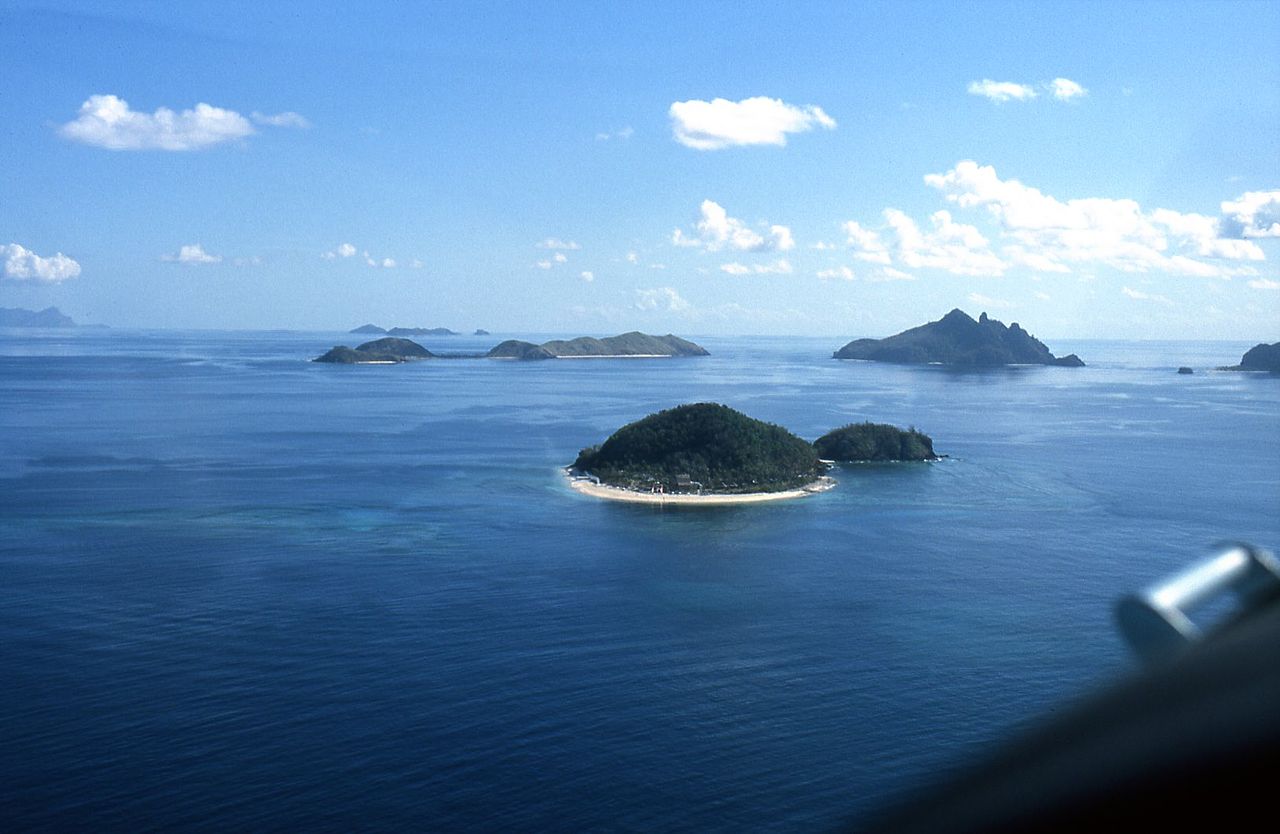
The easy Pacific introFiji carries the lowest barrier to Pacific island travel of anything on this list. The Yasawa and Mamanuca island clusters stay within day-boat reach, beaches are reliable, and village guesthouses provide authentic stays without premium pricing. Diving and snorkeling on soft coral reefs run world-class, and the pace gives visitors a real feel for Pacific life at roughly a third of French Polynesia’s cost. Check what a Fiji trip actually costs before assuming it is out of reach.
French Polynesia
The dream tierFrench Polynesia centers on Tahiti and Moorea as domestic hubs, with Bora Bora’s lagoons and the Tuamotu atolls for extended exploration. Overwater bungalows, pristine lagoons, and resort diving carry prices that exclude most mid-range budgets: USD 200 to 300 a day is realistic even without chasing luxury. The experience is singular. The cost is among the highest for any island destination on Earth. See the full spread across the 10 islands worth exploring.

Samoa
The raw, real PacificSamoa, split across Upolu and Savaii, retains village culture and a deliberate slowness that has escaped much of the rest of the Pacific. To Sua Ocean Trench delivers a dramatic freshwater pool, waterfalls and coastal villages punctuate both islands, and family-run guesthouses offer real insight into daily life. Samoa runs cheaper than Fiji and the Cook Islands, and the experience feels far less commodified. See what’s off the beaten path on Savaii for the deepest version of that.

Cook Islands
Small-scale and reachableRarotonga and Aitutaki anchor the Cook Islands, with Aitutaki’s lagoon and calm beaches pulling in beach-focused travelers. The islands are small enough to explore by bicycle or scooter, the pace stays deliberate, and the price sits moderate against the rest of the Pacific. Direct flights from New Zealand make a combined trip logical. See what USD 150 a day gets you on a mid-range trip.

Practical guidance before you book
Distance sets the terms for everything else in Oceania. Get the timing, seasons, and budget tier right and almost any pairing above works cleanly.
Distance equals time
Flights to Oceania typically run 15 to 25 hours in transit from North America or Europe, and internal flights between islands add days rather than hours. A realistic trip blocks two to three weeks minimum. Two weeks suits a single anchor (Australia or New Zealand) plus one island stopover; three weeks or more allows genuine depth or a comfortable split across multiple regions.
Seasons run flipped and tropical
Australia and New Zealand run summer from December to February, the peak season for both crowds and prices. March to May and September to November offer shoulder pricing with still-favorable conditions. The Pacific islands split differently: a wet season (November through April) with higher humidity and occasional cyclones, and a dry season (May to October) with stable weather. See the best places to visit by month before locking dates.
Cost stays high across the board
Airfare absorbs the largest single expense here. Australia and New Zealand run moderate to high daily costs, with Sydney and resort areas at the top end. Fiji, Samoa, and the Cook Islands offer mid-range budgets (USD 80 to 150 per day without luxury); French Polynesia stands alone at USD 200 to 300 per day. The real cost of travel guide breaks the tiers down further.
Combine smartly, skip the Pacific sweep
Pairing Australia with New Zealand is logical given the shared time zone and direct flights. Adding a single Pacific island stopover extends the trip meaningfully without expanding travel time much further. Visiting Fiji, Samoa, and the Cook Islands in one trip needs a month and several costly internal flights. Choose an anchor and commit to depth over coverage.
Explore the region on the map
Every country in Oceania links to a detailed travel guide on Pack Lightly, but clicking through them one at a time is slow across a region this spread out. The interactive country map below lets you click any nation to jump straight to its guide and see how far apart these places actually sit, which does more to set expectations than any paragraph can.
Country Map
Highlights, hidden gems, and attractions for every Oceania country, pinned on a free interactive map. No account, works on your phone.
Map not loading? Open the country map in a new tab.
Keep exploring
Where to go next
The six featured destinations
Plan the wider trip
Explore every region
Seven regional guides, one per continent. Pick where you are headed next and jump straight to the countries.
Common questions
01How long do I need for an Oceania trip?
Minimum two weeks, and that’s tight for a single anchor destination. Factor 2 to 3 days in transit, 1 to 2 days recovering from jet lag, and at least 7 to 10 days in the destination itself. Three weeks or longer allows multiple regions or a meaningful deep dive into one, plus buffer for weather or travel delays.
02When is the best time to visit Australia and New Zealand?
December through February is summer in both countries: warm days, reliable weather, and access to mountain hiking and beach swimming, alongside peak crowds and peak prices. March to May and September to November provide shoulder conditions with fewer visitors and milder pricing. June to August is winter, cooler with some snow in the mountains, ideal for budget travelers and ski season in New Zealand.
03Which Pacific island is easiest to reach?
Fiji is the most established tourist destination, offering the most flight options from Australia and New Zealand plus competitive accommodation and activity pricing. The Yasawa islands, accessed by day ferry, deliver island experiences without premium costs or elaborate logistics. The Cook Islands rank second for accessibility, with direct flights from New Zealand.
04Is Oceania expensive?
Yes, overall. Airfare is the dominant cost, and Australia and New Zealand run moderate-to-high daily expenses. The Pacific islands vary widely: Fiji, Samoa, and the Cook Islands are accessible on mid-range budgets (USD 100 to 150 per day), while French Polynesia requires premium spending (USD 200 to 300+ per day). Vanuatu and New Caledonia sit between these tiers. Oceania costs more than Southeast Asia or Central America, but competes with developed Western destinations.
05Australia or New Zealand for a first Oceania trip?
Australia rewards travelers comfortable with vastness and long drives between contrasts, but demands choosing a single region or risking superficial coverage. New Zealand compresses diverse landscapes into a drivable area and suits shorter timeframes: a road trip delivers genuine variety in one to two weeks. New Zealand is the more efficient choice; Australia demands more time. For a combined trip, pairing New Zealand (5 to 7 days) with Australia (5 to 7 days) plus an island stopover fills two to three weeks logically.
Photo credits: Photo: Maros M r a z (Maros) / Wikimedia Commons, CC BY-SA 3.0 · Photo: Bernard Spragg. NZ, CC0 via Wikimedia Commons · Photo: American / Wikimedia Commons, CC BY-SA 3.0 · Photo: Sergio Calleja (Life is a trip) / Wikimedia Commons, CC BY-SA 2.0 · Photo: Rickard Törnblad / Wikimedia Commons, CC BY-SA 4.0 · Photo: Patrick Nunn / Wikimedia Commons, CC BY-SA 4.0