



Documents and entry
Visa and entry requirements
The visa is rarely the hard part. Getting turned away for a passport that expires too soon, or a border authorization nobody told you about, is. Here is how entry actually works in 2026, and how not to get caught at the gate.
Most travelers never fill in a visa form. A strong passport waves you through the majority of the world on arrival, and the paperwork that remains is increasingly a five-minute web form. The trouble is that “you don’t need a visa” and “you can just show up” are not the same sentence, and the gap between them is where trips get derailed: a denied boarding for a passport with five months left, a border authorization that had to be filed before you flew, a digital arrival card you had never heard of.
The rules also moved recently. The United States repriced its ESTA, the United Kingdom rolled out a mandatory travel authorization, Europe’s ETIAS is coming, and a string of countries switched from paper visas to online systems. This page maps it in the order that matters at the airport: the five ways a country lets you in, the passport rules that get people turned back before they board, the new pre-arrival authorizations with real 2026 fees, and the long-stay routes worth knowing. The figures come from the dataset behind the Pack Lightly visa checker, covering 199 destinations and verified against official government portals.
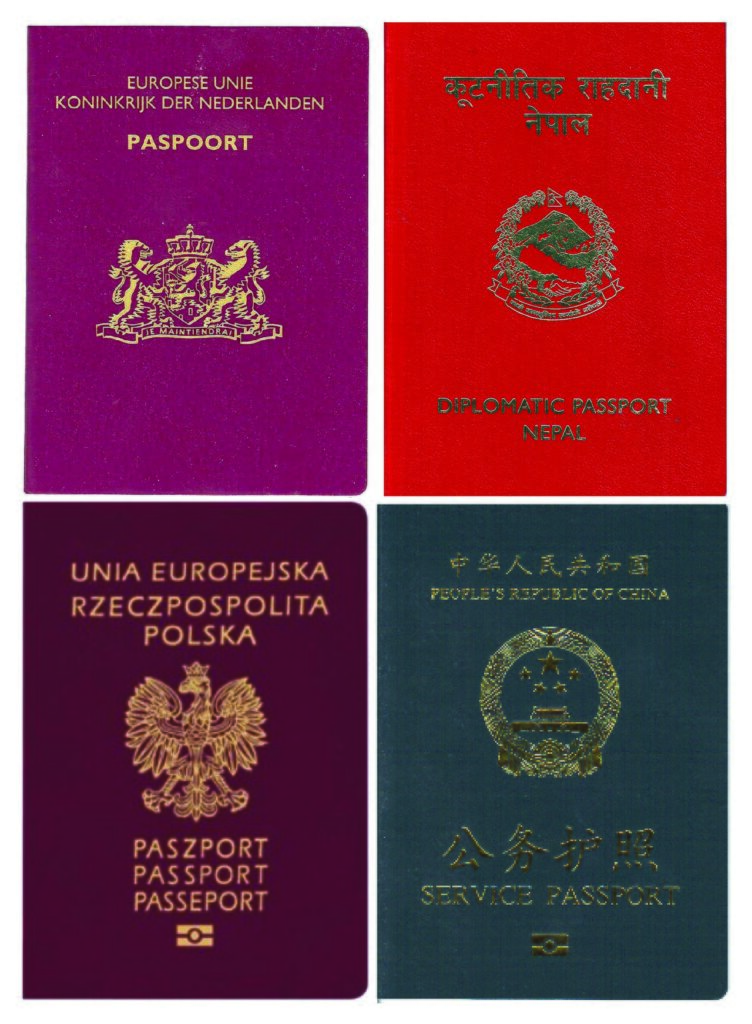
The five doors
The five ways a country lets you in
Behind every “do I need a visa” question sits one of five systems. Knowing which one your destination uses tells you exactly how much lead time you need and where the money and the risk sit. Most travelers meet the first three and never touch the last two.
Visa-free / exemption
Nothing to fileYou show up, get a stamp, and stay for a set window (often 30, 60 or 90 days). The easiest case, but not a blank cheque: the day limit is real, overstaying carries fines or bans, and a growing number of “visa-free” countries still want a digital arrival card filed first.
Travel authorization
Online, before you flyNot a visa, but mandatory: a pre-screening you file online days ahead (ESTA for the US, ETA for the UK and Canada, ETIAS for Europe soon). Approval is usually quick and lasts one to five years, but without it the airline will not let you board.
e-Visa
Apply online, get a PDFA real visa, applied for through a government website, approved by email, printed or saved to your phone. India, Vietnam, Egypt, Kenya and dozens more run on this. Allow a few business days, and only ever use the official portal, never a lookalike agent site.
Visa on arrival
Pay at the airportBuy the visa at a border desk on landing (Indonesia $35, Nepal $50, Laos $35). Convenient, but bring exact cash in dollars, expect a queue after a long flight, and check first that your nationality actually qualifies, since not every passport does.
Embassy or consulate visa
Apply in advance, in personThe old-fashioned route, still required for places like Russia, China and much of Central Africa: an application, supporting documents and sometimes an interview, weeks ahead. This is the one that needs real planning, so start the moment your flights are booked.
Not sure which applies?
One variable decides itThe door you walk through depends entirely on your passport plus your destination. The visa checker lower down resolves the exact one for your combination, across 199 destinations.
The border is not where most trips go wrong. The airline check-in desk is. Airlines are fined for carrying a passenger who gets refused entry, so they enforce the destination’s rules before you board, by the book.
Why the rules below catch people who genuinely did not need a visa
Rules that get you denied boarding
These are the traps that stop travelers who did everything else right. None is a visa; all are enforced at the gate. Check each against your own trip before you fly.
The six-month passport rule
Much of Asia and the Middle East requires your passport valid for six months beyond arrival. Five months and 29 days can mean a refused boarding. Check the expiry the day you book, not the day you fly.
Proof of onward travel
Visa-free entry often requires evidence you will leave: a return or onward ticket. Airlines check this at the gate for one-way travelers, and “I’ll book buses when I’m there” does not satisfy it.
Blank passport pages
Many countries demand one to two completely blank pages for the entry stamp. A passport full of stamps can be turned away even when everything else is in order.
Proof of funds and accommodation
Some borders ask for a booked first night or evidence you can support yourself. Rare to be checked, expensive to fail: have a hotel booking and a card ready.
Digital arrival cards
A newer trap. Thailand (TDAC), Malaysia (MDAC), Singapore and others now require a free online arrival form filed shortly before you land, separate from any visa. No card, delayed entry.
Transit visas
Changing planes can require its own visa if you pass through immigration or switch airports. Check the layover country, not just the destination.
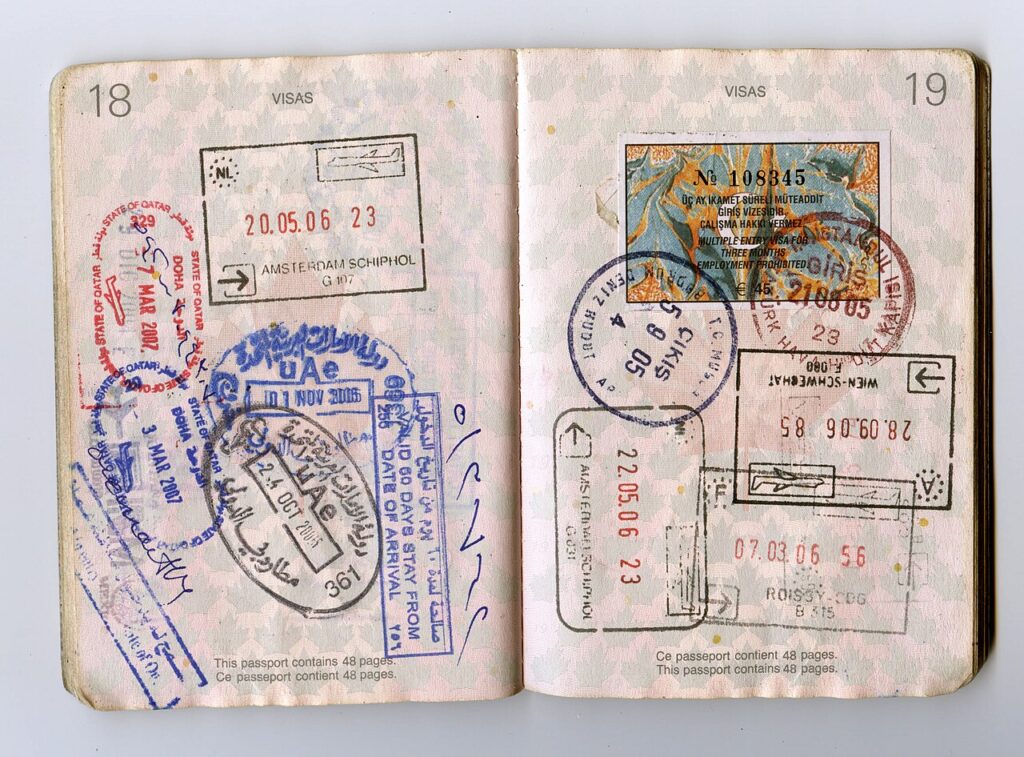
The new travel authorizations and their fees
The biggest change in recent years is that walking into a visa-free country increasingly means filing a quick online authorization first, and paying for it. These are not visas, they are pre-screenings, but skipping one means being turned away at check-in. Real 2026 fees and validity, from the visa checker’s dataset:
| Destination | System | Fee (2026) | Validity | Who needs it |
|---|---|---|---|---|
| United States | ESTA | $40.27 | 2 years, 90 days/stay | Visa Waiver nationals (most EU, UK, AU, JP) |
| United Kingdom | ETA | about $26 (£20) | 2 years, multi-entry | US, EU and most visa-exempt visitors |
| European Union | ETIAS | about €20 (planned) | 3 years (expected) | Visa-exempt non-EU visitors, from 2026 |
| Canada | eTA | about $5 (CAD 7) | 5 years, multi-entry | Visa-exempt fliers incl. EU and UK |
| Australia | ETA / eVisitor | about $13 (AUD 20); EU free | 1 year, multi-entry | US, UK, CA (ETA); EU/EEA (free eVisitor) |
| New Zealand | NZeTA + IVL | about $68 total | 2 years | Visa-waiver visitors; includes the tourism levy |
| Kenya | eTA | $30 (plus card fee) | 90 days from issue | Almost all visitors, replaced the visa |
| Israel | ETA-IL | about $7 | 2 years, multi-entry | Visa-exempt visitors, since 2025 |
Check the rule for your passport
Every rule on this page bends around one variable the guides gloss over: your specific passport. A Dutch, American and Brazilian traveler flying to the same country can face three different answers, three different fees and three different lead times. That is the one comparison worth making before you book anything, and it is exactly what the visa checker does. Pick your passport and destination and it returns the entry type, the maximum stay, the fee, the six-month and onward-ticket rules, and the official portal link, across 199 destinations.
Visa Checker
Enter your passport and destination for the entry type, maximum stay, fee, passport-validity rule and the official application link. 199 destinations, multiple passport perspectives, no account.
Open the visa checker
Planning the money side too? The trip budget calculator folds visa and authorization fees into the total, and getting data abroad covers the SIM you will want the moment you land.
Staying longer
Long-stay and digital-nomad visas
If a 30-day stamp is not enough, a wave of countries now sells a formal remote-work visa: live there for a year or more, legally, as long as your income clears a monthly threshold. The bar ranges from surprisingly low to firmly upper-middle, and the cheapest options are not the ones you would guess. A sample from the dataset, sorted by the income you need to show:
| Country | Visa | Income needed | Duration |
|---|---|---|---|
| Colombia | V Nomada Digital | from $684/month | 2 years |
| Ecuador | Digital Nomad Visa | from $1,350/month | 2 years |
| Brazil | VITEM XIV | from $1,500/month | 1 year, renewable |
| Uruguay | Digital Nomad Visa | from $1,500/month | 1 year, renewable |
| Montenegro | Digital Nomad Residence | from $1,650/month | 1 year, renewable |
| Georgia | Remotely from Georgia | from $2,000/month | 1 year, renewable |
| Malaysia | DE Rantau Nomad Pass | from $2,000/month | 1 year, up to 3 years |
| Bulgaria | Digital Nomad Residence | from $2,200/month | 1 year, renewable |
| UAE (Dubai) | Virtual Working Programme | from $3,500/month | 1 year |
Thresholds and paperwork shift often, and most schemes want proof of remote income, health insurance and a clean record. Treat this as the shortlist, then verify the current terms on the official immigration site before committing to a country.
Keep planning
Visa guides by country
Entry rules for popular destinations
Tools that help you plan
Common questions
01Do I need a visa if my passport is visa-free for a country?
Not a visa, but often something else. Visa-free means no visa application, yet many of these countries now require a travel authorization filed online before you fly (such as an ESTA, ETA or the coming ETIAS) or a free digital arrival card submitted shortly before landing. Visa-free also comes with a maximum stay and can still require proof of onward travel, so confirm those before assuming you can simply show up.
02Why does my passport need six months of validity?
Many countries, especially across Asia and the Middle East, require your passport to remain valid for at least six months beyond your arrival date, as a buffer in case you overstay or need to be sent home. Airlines enforce it at check-in because they are fined for carrying a passenger who is then refused entry. Check your expiry date when you book, not when you pack, so there is time to renew if you are inside the window.
03What is the difference between an e-visa and a travel authorization like ESTA?
An e-visa is an actual visa applied for and issued online, used by countries that require a visa but have moved the process off paper (India, Vietnam, Egypt). A travel authorization such as ESTA, the UK ETA or ETIAS is not a visa: it is a pre-screening for travelers who are already visa-exempt, confirming you are cleared to board. Both are filed online, but the e-visa grants entry rights while the authorization simply permits a visa-free traveler to fly.
04How far in advance should I apply for entry paperwork?
Authorizations like ESTA or the UK ETA are usually approved within minutes but can take up to 72 hours, so file at least three or four days ahead. E-visas typically take a few business days, and embassy visas can need weeks, so start those as soon as your flights are booked. Digital arrival cards are the exception: they are meant to be filed in the final days before travel, often within 72 hours of arrival.
05Are the paid visa websites in search results official?
Usually not. Many top search results for “ESTA,” “India visa” or “Vietnam e-visa” are third-party agents that charge three to five times the government fee for the same form, and some are outright scams. Always apply on the official government portal, which the visa checker links to directly for each destination. If a site’s fee looks far higher than the official one, close it.
06Can I work remotely on a tourist visa?
Officially, no, and a growing number of countries have created digital-nomad visas precisely so remote workers have a legal route. Tourist entry is for tourism, and working on it breaches the terms even if you are paid from home. For a stay of a few weeks it is a grey area many travelers sit in; for a longer base, the formal nomad visas (from around $684 a month of proven income in Colombia) give you legal residence, a longer stay and fewer questions at the border.
Photo credits: Photo: Normadic , User:Quistnix, बिजय पोख्रेल, and the PRC... / Wikimedia Commons, CC BY-SA 4.0 · Photo: Jon Rawlinson / Wikimedia Commons, CC BY 2.0 · Authorizations and arrival cards are filed days before you reach a board like this, not at it. Photo: Kgbo / Wikimedia Commons (CC BY-SA 4.0).