

At Manila’s San Agustin Church, the guard blocks entry to your sleeveless top. Later, sweat soaks your shirt on Boracay’s white sand under 87°F sun.
Packing for the Philippines means balancing tropical humidity with cultural respect. This list focuses on clothes that dry fast and cover up for temples. It shows how to stay comfortable and appropriate, while carrying less thanks to cheap laundry. The key is packing smart, so every item earns its spot and keeps you ready for beach, city, or church.
Key Takeaways
- Quick-dry shirts only — 70%+ humidity makes cotton soggy all day.
- Pack a lightweight scarf or shawl for San Agustin Church’s modest dress code.
- Laundry shops cost $1-2/kg; pack half your clothes and wash twice.
- No adapter needed — US plugs fit Philippine outlets directly.
- Bring reef-safe sunscreen — coral reefs need protection during snorkeling.
- Waterproof sandals handle wet streets and beach walks efficiently.
- Use a small daypack for temple visits and beach gear on island trips.
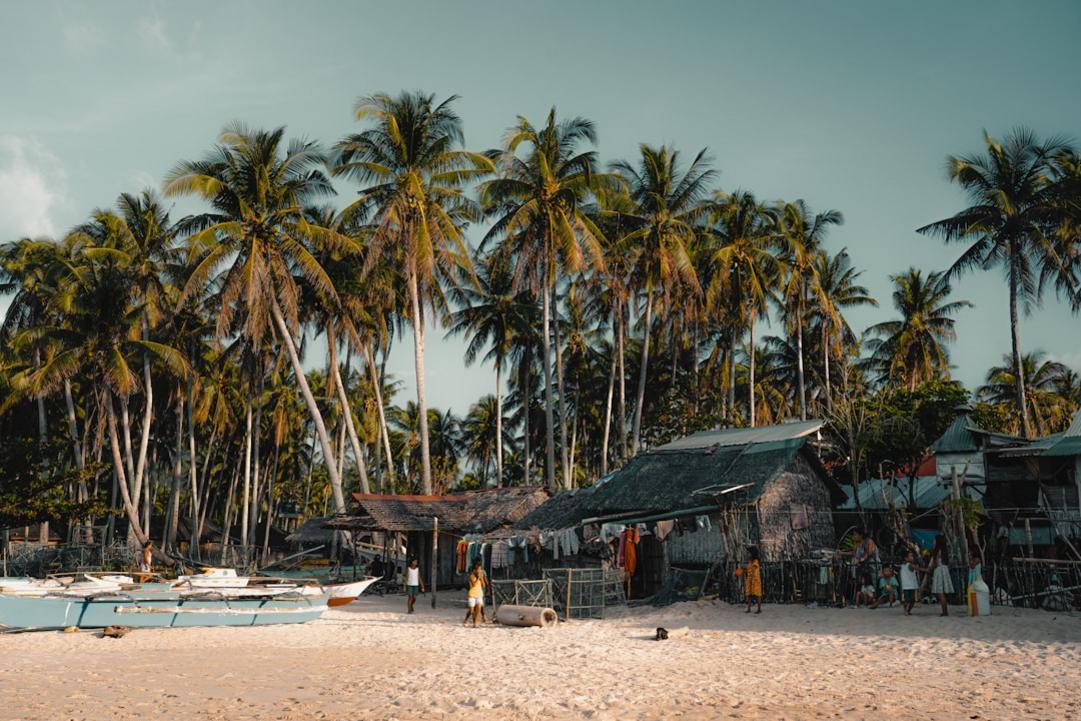
~40 items for a 14-day beach + temple + nature adventure trip
Recommended: backpack — Backpack fits quick-dry clothes and laundry schedule; easy for island hopping.
Best Time to Pack for Philippines
Build Your Philippines Packing List
Get a personalized checklist based on your exact travel dates, activities, and preferences.
Philippines Climate: Dry Season vs. Monsoon Season Packing
The dry season from December to April features average temperatures from 77°F/25°C to 88°F/31°C with rainfall below 50mm, especially in Manila and Cebu. Packing focuses on sun protection, lightweight fabrics, and minimal rain gear since showers are rare and humidity ranges 65%-75%. In contrast, the monsoon season from June to September brings heavy rainfall over 200mm monthly and humidity above 80%, particularly in Luzon and Mindanao. Packing shifts to waterproof gear, water-resistant daypacks, and quick-dry items to handle daily downpours and high humidity.
Monthly Temperature
Monthly Rainfall
Dry, sunny, pack sun gear and light rain protection
Very dry and warm, focus on sun protection and hydration
Hot with minimal rain, pack sun gear and breathable daypack
Hottest month, pack sun protection and sweat-resistant gear
Start of rains, pack waterproof gear and quick-dry bags
Heavy rains, waterproof gear and water-resistant bags required
Monsoon peak, pack full waterproof setup and quick-dry gear
Heavy rain continues, waterproof gear mandatory, pack extra dry bags
Monsoon ending, keep waterproof gear and quick-dry items handy
Rain lessens, pack light waterproof gear and sun protection
Transition month, pack both rain gear and sun protection
Dry season start, pack sun gear and minimal rain protection
Popular Season Packing Essentials (Dec-Apr)
- Sun hat
Protects from strong tropical sun during dry months - UV-protective sunscreen
Prevents sunburn under high UV index in Manila and Cebu - Light rain jacket
Lightweight protection for rare showers, easy to pack in carry-on - Sunglasses
Reduces glare and eye strain in bright, sunny conditions - Breathable daypack
Keeps gear cool and dry during hot, humid days - Reusable water bottle
Stays hydrated in heat, reduces plastic waste
Off-Season Packing Essentials (Jun-Sep)
Monsoon months demand waterproof gear and smart packing to stay dry.
- Heavy rain jacket
Essential for daily heavy downpours in Luzon and Mindanao - Dry bag
Protects electronics and documents from constant wet conditions - Waterproof daypack cover
Keeps daypack contents dry during heavy tropical rains - Waterproof phone case
Prevents water damage during sudden rainstorms - Quick-dry daypack
Dries fast after exposure to rain, reduces mildew risk - Packable umbrella
Compact option for quick shelter from frequent showers
Tip
Off-season travel lets you pack fewer sun items, saving space.

Clothing Checklist for Philippines
Pack lightweight, quick-dry clothing for hot, dry weather with 8 days of wear plus laundry. Include modest long sleeves for temples and a rain jacket for sudden showers. See /philippines/clothes/ for fabric and style details.
See the detailed clothing guide for Philippines for fabric and style recommendations.

Clothing9 items
city / trek / beach
all day
trek / walking
city / beach / trek
temple / trek / city
temple / sun protection
rain / trek
evening / aircon
hotel
Footwear3 items
Swimwear2 items
The Non-Negotiables: Documents & Money for Philippines
These documents are mandatory to enter and move smoothly through the Philippines. Missing any of these stops your trip before it starts.

Documents & Money11 items
US citizens get 30-day visa-free entry but passport must be valid 6 months beyond stay.
Carry photocopies separately for immigration and hotel check-in backup.
Airlines and immigration may ask for proof of onward travel or accommodation.
Philippines has limited healthcare outside major cities; insurance covers emergencies and evacuations.
Bring at least $100 USD cash to exchange; use BDO or BPI ATMs for reliable withdrawals.
Globe and Smart are top providers with best coverage for islands and cities.
Label bags clearly with your contact info; airport transfers can get chaotic.
Use for passport and cash security in crowded markets and transport hubs.
Required if renting motorbikes or cars outside Manila.
Strong tropical sun year-round demands high SPF to avoid burns during beach and nature days.
Mosquitoes carry dengue and malaria risks in rural and forest areas.
What Goes in Your Carry-On for a Philippines Flight
Philippine flights often include multiple connections and tropical climate demands quick access to hydration and sun protection. Carry-on setup ensures comfort and security.
Carry-On Checklist12 items
Keeps daily essentials organized and accessible during transfers and excursions.
Stay hydrated in tropical heat; refill at hotels or filtered stations.
Blocks noise and light on long flights and noisy island accommodations.
Keeps carry-on organized for quick access to important items.
Secures daypack or hostel lockers during multi-stop travel.
Charges devices on long island-hopping days with limited outlets.
Entertainment and communication on flights and ferries.
Sudden tropical showers common year-round, especially in afternoons.
Keeps toiletries organized and accessible in shared or small bathrooms.
For emergencies or delays, fresh clothes keep you comfortable.
Access to medicines can be limited in remote areas.
Local food options may be limited during travel days or in remote locations.
Electronics & Charging for US Plug Compatibility
Plug Advisory
US plugs work in most outlets in the Philippines, so no adapter is needed. Voltage is 220V, but most modern electronics handle this.
Electronics6 items
Frequent island hopping and outdoor activities mean limited charging access; keep devices powered all day.
Some remote accommodations may have different plug types despite US compatibility; small backup adapter covers all bases.
Charge several devices simultaneously in hotel rooms with limited outlets.
Long bus or ferry rides require entertainment and noise isolation.
Busy airports and multiple transfers increase risk of lost bags; track luggage easily.
Cables wear out or get lost quickly in humid, active environments.
Mobile Data
Mobile data is affordable and widely available; buy a local SIM or use an eSIM for instant connectivity. eSIM for Philippines
Toiletries for Hot, Humid Philippines
Local Buying Tip
Buy sunscreen, insect repellent, and wet wipes at 7-Eleven or Watsons pharmacies to save space and get local formulations.
Toiletries8 items
Basic hygiene items are widely available but personal preference matters.
Hot and humid climate means daily use to stay fresh.
Hotels sometimes provide low-quality products; travel sizes save weight and space.
Strong sun exposure year-round requires daily face protection.
Useful for quick freshening up after beach or travel days.
Sunburns happen easily; local heat and sun intensity are high.
Personal grooming is easier with familiar tools; local razors vary in quality.
Refill liquids from hotels or stores to save space and avoid single-use plastics.
Health & Medical Prep for Tropical Philippines
Health Notice
Mosquitoes carry dengue and other diseases; tap water is unsafe to drink; sun exposure is intense year-round.
Health & Medical7 items
Pharmacies may not stock specific meds; bring enough for entire stay plus extras.
Traveler’s diarrhea is common due to unfamiliar food and water.
Heat and diarrhea can cause dehydration quickly in tropical climate.
Useful for headaches, fever, or muscle aches after active days.
Insect bites and pollen can cause allergic reactions.
Minor cuts and scrapes happen during outdoor activities and island hopping.
Mosquito bites are frequent and itchy in tropical environment.

Travel Gear That Earns Its Weight in the Philippines
The Philippines demands gear that handles tropical heat, sudden rain, and wet environments. Expect humid jungle hikes, beach days, and snorkeling, so pack items that stay light, dry fast, and protect from sun and insects.
Travel Gear8 items
Heavy rains and water activities mean your electronics and clothes must stay dry on island trips and boat rides.
Quick-drying is vital for beach and jungle use where humidity prevents cotton towels from drying fast.
Sudden tropical downpours are common year-round, so a small umbrella beats bulky rain jackets in heat and humidity.
World-class snorkeling spots require your own mask for better fit and hygiene compared to rentals.
Rocky shorelines and coral reefs demand foot protection for snorkeling and beach trekking.
Power outages and early jungle starts make hands-free light essential for caves and trails.
Malaria and dengue risk in rural areas means a net is critical for safe sleep in budget or open-air accommodations.
High humidity and limited AC in many places make a battery-powered fan a comfort upgrade for hotel and hostel stays.
Packing Organization That Works in the Philippines
Packing Cubes
Use cubes to separate dry clothes from wet/swimwear and keep your bag organized through beach and jungle days.
Ziplock Bags
Store electronics and documents inside ziplocks to protect from humidity and sudden rain.
Laundry Bag
Keep dirty clothes separate and use local laundry services frequently to travel light.
Travel Laundry Soap
Hand wash swimwear and quick-dry shirts nightly to avoid overpacking.
Rain Cover Backpack
Protect your daypack from monsoon rains during island hopping and jungle treks.

Cultural Dress Code Quick Reference
Why Pack 7 Days of Clothes for 14 Days
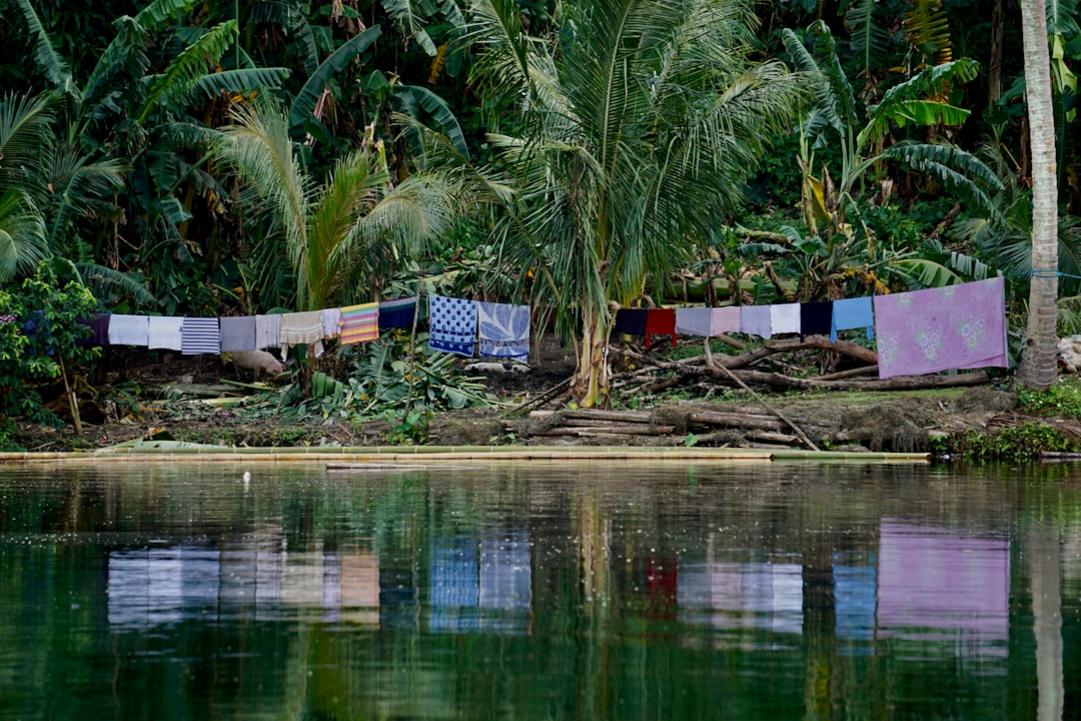
Laundry shops are widely available in all tourist towns and charge about $1-2 per kilogram, making frequent washing affordable. Most places offer a 24-hour turnaround, so packing half your clothes and washing mid-trip keeps your bag light. Hotel laundry services exist but typically cost more and take longer, so use Hotels in Philippines laundry only for urgent items or delicate fabrics.
Packing Impact
Pack half your clothes and plan to wash every 5-7 days to keep luggage light and fresh.
Packing Do’s & Don’ts for the Philippines
Do
- Roll clothes tightly instead of folding to maximize space and reduce wrinkles in the humid climate.
Rolling compresses fabric and fits better in carry-ons and daypacks, essential for tropical humidity.
- Place electronics, travel documents, and a change of clothes in your carry-on.
Flight delays or lost checked bags are common; this ensures essentials stay accessible.
- Photocopy your passport and store the copy separately from the original.
Local authorities may accept copies for routine ID checks, speeding up verification.
- Download offline maps and translation apps before arrival.
Internet can be spotty outside major cities; offline tools keep navigation and communication smooth.
- Weigh your bag the night before departure using a portable scale.
Avoid overweight fees and repacking stress at the airport.
- Use packing cubes to separate clean clothes from worn ones.
Humidity and sweating make it easy for worn clothes to smell and contaminate clean items.
Don’t
- Don’t pack all your clothes in one large compartment.
Humidity and sweat require separating worn from clean to prevent odors and mildew.
- Don’t wait until the last minute to pack or weigh your bags.
Rushed packing leads to forgotten items and overweight luggage.
- Don’t put all electronics and chargers in checked luggage.
Loss or damage risk is higher; keep valuable tech in carry-on.
- Don’t rely solely on hotel laundry services.
They are pricier and slower than local laundry shops, impacting your packing load.
- Don’t forget to waterproof your daypack or use rain covers.
Sudden tropical showers can soak gear and electronics quickly.
- Don’t neglect to label your luggage inside and out.
Lost bags are common; clear labels speed up recovery.
Skip These: 7 Items That Waste Space in Philippines
Pack for the trip you’re taking, not the trip you imagine; avoid these common heavy or useless items in the Philippines.
| Skip This | Why | Instead |
|---|---|---|
| Jeans | Jeans weigh around 900g and take over 18 hours to dry in the Philippines’ 82% average humidity, sticking uncomfortably to skin in tropical heat. | Two pairs of quick-dry travel pants weighing about 300g total dry in under an hour and breathe better. |
| Full-size towel | Hotels and hostels in the Philippines always provide towels, so carrying a 400g+ full-size towel adds unnecessary bulk. | A 150g microfiber towel fits in any daypack and dries quickly for beach and snorkeling days. |
| Cotton t-shirts | Cotton absorbs up to 7 times its weight in sweat and can take 3-4 hours to dry in humid conditions, making it uncomfortable during hot days. | Pack lightweight, quick-dry synthetic shirts (about 120g each) that dry in 30 minutes and wick sweat efficiently. |
| Too many dressy outfits | Philippine nightlife and dining are casual; heavy dress clothes add weight and take space without much use. | One smart-casual outfit under 300g covers upscale venues without bulk. |
| Laptop | A laptop adds 1.3kg and is bulky, while smartphones handle maps, bookings, and photos perfectly in the Philippines. | Use your phone with a portable charger (around 200g) for all digital needs. |
| Heavy hiking boots | Heavy boots weigh over 2kg and are unnecessary for most nature adventures; trails are mostly wet and muddy, requiring quick-dry footwear. | Pack lightweight trail runners or water shoes (~600g) that dry fast and handle slippery terrain. |
| Multiple pairs of socks | High humidity causes socks to stay damp and smell quickly; overpacking leads to heavy, wet laundry loads. | Two pairs of quick-dry socks (each ~50g) are enough with daily washing. |
Philippines Travel FAQ
1Are power adapters needed in the Philippines?
No adapter is needed. The Philippines uses plug types A, B, and C with a standard voltage of 220V and frequency of 60Hz, compatible with most US devices.
2Can I buy sunscreen and toiletries locally?
Yes, sunscreen, toiletries, and basic medicines are widely available in cities and tourist areas, but pack reef-safe sunscreen to protect coral reefs and avoid last-minute shopping stress.
3How many outfits should I pack for a 14-day trip?
Pack 5-6 quick-dry shirts and 3-4 bottoms. Laundry is easy and affordable, so re-wear and wash every 3-4 days to keep your bag light.
4Is rain gear necessary year-round in the Philippines?
Yes, pack a lightweight, packable rain jacket or poncho, especially if traveling during the rainy season (June to November). Sudden tropical showers are common even outside peak rain months.
5What should I keep in my carry-on for flights within the Philippines?
Keep your passport, phone, chargers, a light rain jacket, a refillable water bottle, and a small snack. Flights can be delayed, and airports have limited food options.
6Are there restrictions on bringing food or plants into the Philippines?
Yes, fresh fruits, vegetables, plants, and animal products are restricted. Check current customs rules before travel to avoid fines or confiscation.
7How should I handle laundry during my stay?
Laundry services are inexpensive and fast, often completed within 24 hours. Pack travel detergent for hand washing quick-dry clothes in your accommodation sink to reduce packing volume.
8What activities are recommended for beach and snorkeling days?
Snorkeling and diving are top activities; pack reef-safe sunscreen, a waterproof phone case, and a lightweight dry bag. Book tours in advance for popular spots like Palawan and Cebu. Tours in Philippines
Create Your Custom Philippines Checklist
Use the packing list generator to build a personalized checklist for Philippines — filtered by your travel dates, activities, and preferences.
Gear & Travel Partners
Packing CubesAmazon
Travel AdapterAmazon
Microfiber TowelAmazon
Cheap Flights to PhilippinesTrip.com
Hotels in PhilippinesBooking.com
eSIM for PhilippinesSaily
Tours in PhilippinesGetYourGuide
Via these links you support Pack Lightly at no extra cost to you.