

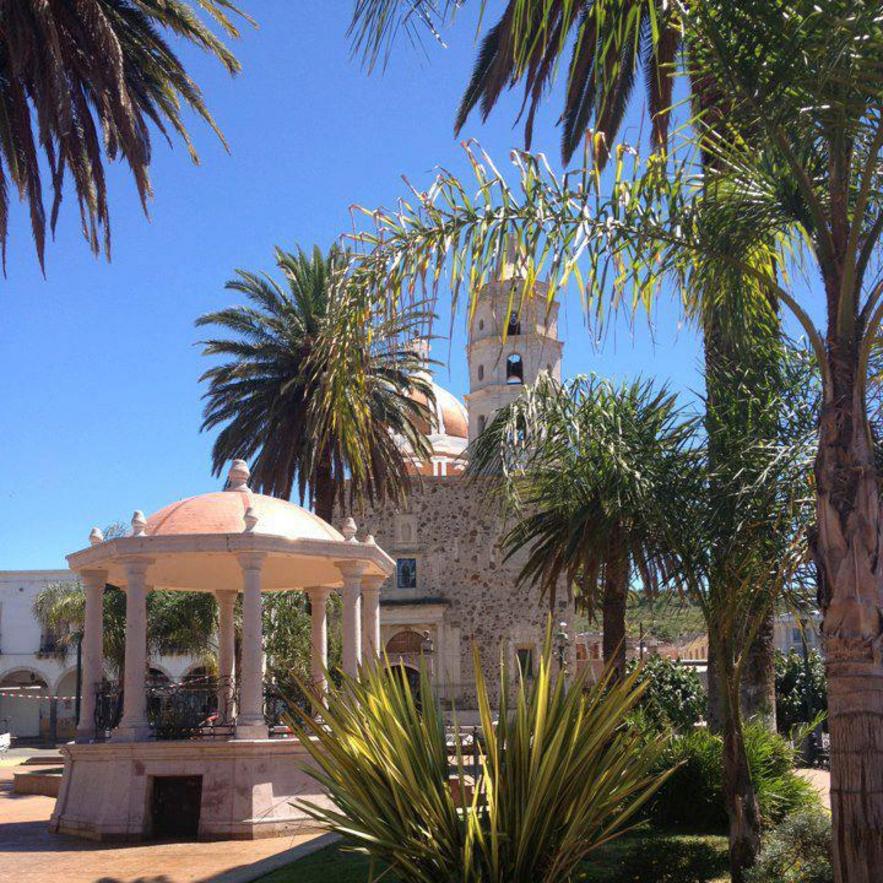
Sip a glass of Nebbiolo while watching the sun dip behind the vineyards at El Mirador viewpoint.
Valle de Guadalupe is Mexico’s premier wine region, located about 90 minutes south of the US border in northern Baja California. It draws visitors for its laid-back vineyard atmosphere and slow, sensory days around family-run wineries. The valley’s mild climate and sprawling vineyards create a perfect setting for relaxed afternoons tasting single-vineyard wines. With under 10,000 residents, it remains a quiet escape focused on quality over crowds. Expect slow meals paired with local wines and gentle sunset views that define the valley’s pace.
Visit the family-run wineries for single-vineyard tastings, enjoy sunset views at El Mirador, and explore the weekend farmers market for fresh local produce and crafts.
Key takeaways
- Visit El Mirador viewpoint for sunset, best from April to October evenings.
- Spend ~$25 (2026) for a guided tasting at a top family winery.
- Explore the Saturday morning farmers market for local cheeses and produce.
- Plan vineyard visits between 11:00 AM and 4:00 PM to avoid midday heat.
- Expect mild temperatures around 70°F in spring and fall, ideal for outdoor meals.
Why visit Valle de Guadalupe
Valle de Guadalupe stands apart from Baja’s beach towns like Ensenada or Rosarito by offering a calm, vineyard-dotted landscape where slow afternoons unfold over wine and food. The valley’s rolling hills and the Guadalupe River create a quiet backdrop for tasting single-vineyard wines and savoring farm-to-table meals. Unlike coastal spots known for nightlife, this region invites you to linger at cellar doors and watch sunsets over olive groves. The small village of Francisco Zarco anchors the valley’s relaxed pace and local charm.
- Explore single-vineyard wineries producing Mexico’s premier reds and whites, not mass-market labels.
- Dine at family-run kitchens serving Baja’s best paddock-to-plate menus, often paired with estate wines.
- Visit in late spring for fewer crowds and lush vineyard views before summer’s fog and rain arrive.
- Skip the busy weekend rush by booking weekday tastings in the lesser-known eastern wineries near Francisco Zarco.
Best for
You’ll appreciate Valle de Guadalupe if you want slow days centered on wine and food without the beach party scene. Solo travelers and small groups who enjoy quiet cellar doors and long, lazy meals will feel at home here.
Skip if
Skip Valle if you want lively nightlife or beach vibes—choose Ensenada for seafood markets and oceanfront bars instead.
Top things to do in Valle de Guadalupe
Valle de Guadalupe’s core experience revolves around its vineyards and slow, sensory moments among the vines. Start with wine tastings before unwinding into sunset meals and gentle explorations of its food-focused landscape.
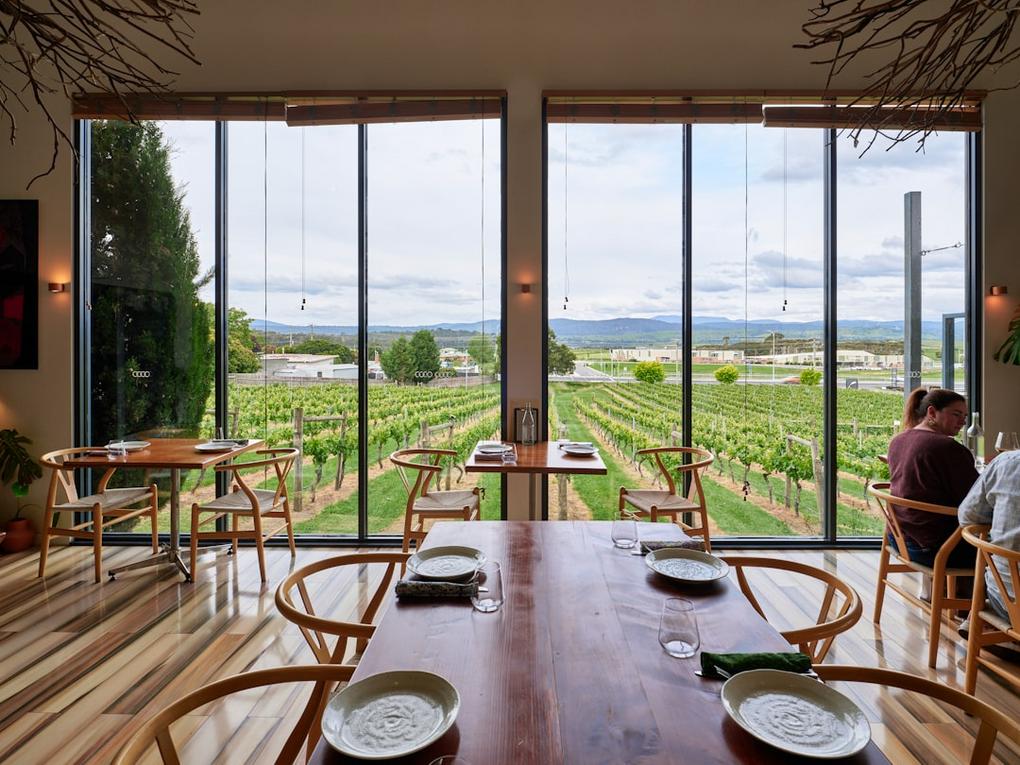
1. Wine Tasting at Boutique Wineries ·
Taste Mexico’s premier wines where they’re made, with a focus on single-vineyard expressions and innovative blends.
Spend hours sampling wines at one of the boutique wineries that emphasize terroir-driven production. Licensed tasting rooms offer guided sessions that explain grape provenance and winemaking techniques unique to this valley. The experience pairs well with slow sips on shaded patios overlooking rolling vineyards.
This beats generic tastings at large, commercial wineries—here, you get intimate access to winemakers and wines crafted with clear regional identity.
- When: Late morning or early afternoon, Monday through Saturday, March through November for best weather and open tastings.
- Cost: ~$20-$40, 2026
- Duration: 2-3 hours
- How to reach: Drive or take a rental car along Valle Road from the valley center; most tasting rooms are within a 5-10 minute drive from each other.
Insider tip: If closed
Visit the wine museum in the valley center to learn about local viticulture history and sample select wines indoors.
Solo female travel: Most tasting rooms are small and quiet, making them comfortable for solo visitors; late afternoon visits offer fewer crowds.
2. Sunset Dinner at a Vineyard Restaurant ·
Enjoy slow, locally sourced meals paired with wine, all set against the valley’s golden light at dusk.
Reserve a table at one of the vineyard restaurants known for paddock-to-plate menus featuring regional produce and seafood. The relaxed pace, combined with the sunset view over vines and distant hills, turns dinner into a sensory unwind. Expect dishes like wood-grilled fish or lamb with seasonal vegetables, paired with estate wines.
This is the way to savor the valley’s full flavor profile—food, wine, and landscape—over lingering hours, unlike quick tastings or market snacks.
- When: Plan for 6:30 PM to catch the sunset from April through October, when daylight lasts longest.
- Cost: ~$50-$75 per person, 2026
- Duration: 2-3 hours
- How to reach: Drive or taxi to the vineyard restaurants off Valle Road; parking is usually available on-site.
Insider tip: If closed
Try a casual meal at one of the food stalls near the valley center, focusing on local seafood and grilled specialties.
Solo female travel: Vineyard restaurants have attentive service and calm atmospheres, welcoming solo diners without hassle.
3. Explore the Local Farmers’ Market ·
Browse fresh regional produce, cheeses, and traditional staples in a lively setting where locals shop.
Head to the weekly farmers’ market held in the valley center, where growers and artisans sell seasonal fruits, handmade cheeses, and fresh herbs. This is the best place to find single-origin ingredients that appear on local menus. The market’s rhythm is unhurried, with vendors happy to share stories about their products’ provenance.
Markets give you direct access to the valley’s food roots, unlike restaurants where provenance can get lost in translation.
- When: Saturday mornings, ideally before 10:00 AM to catch the freshest picks and avoid midday heat.
- Cost: Free entry; purchases vary (~$5-$20 for produce, 2026)
- Duration: 1-2 hours
- How to reach: Walk or bike from central lodging; the market is within a short distance in the valley’s main plaza area.
Insider tip: If closed
Visit local grocery shops that stock valley cheeses and baked goods for a quieter shopping experience.
Solo female travel: The market is well-lit and busy in mornings, a safe and social environment for solo travelers.
4. Olive Oil Tasting and Mill Tour ·
Discover Valle de Guadalupe’s olive oil production, tasting fresh-pressed oils alongside local bread.
Join a guided tour at one of the family-run olive mills focusing on cold-pressed oils with distinct regional flavors. You’ll walk through the groves, watch pressing demonstrations, and sample oils paired with rustic breads and herbs. This offers a deeper connection to the valley’s agricultural diversity beyond wine.
Olive oil tasting complements wine visits by highlighting a quieter, artisanal side of the valley’s food production.
- When: Mornings from October through March, when olive harvest and pressing are active.
- Cost: ~$15-$25, 2026
- Duration: 1.5-2 hours
- How to reach: Reachable by rental car or taxi via the main valley road; mills are typically a short drive from the central area.
Insider tip: If closed
Attend a cooking class focusing on olive oil dishes offered by local chefs in the valley.
5. Stroll the Valley Vineyards at Dawn ·
Walk quiet vineyard trails in soft morning light, soaking up the valley’s calm before the day heats up.
Take an easy self-guided walk on one of the valley’s vineyard trails or dirt roads near tasting rooms. Early morning offers cooler temperatures and fewer people, perfect for slow observation of vine rows, wildflowers, and the distant Pacific coast haze. This is a sensory reset before indulging in food and wine later.
This offers a peaceful counterpoint to the valley’s tasting and dining crowds, grounding you in the landscape’s rhythm.
- When: Sunrise to 8:00 AM, especially in spring and fall for mild weather and clear skies.
- Cost: Free
- Duration: 1-2 hours
- How to reach: Start from lodging in the valley center or near tasting rooms, walking along Valle Road or adjacent vineyard paths.
Insider tip: If closed
Visit a nearby shaded café for a slow morning coffee and fresh bakery items instead.
Solo female travel: Early morning walks are safe and quiet; stick to main paths and avoid isolated areas.
6. Visit a Local Cheese Producer ·
Taste handcrafted cheeses made from local dairy farms, paired with valley wines for a full flavor profile.
Spend time at a small-scale cheese producer specializing in regional cheeses made from goat or cow milk. You’ll learn about the dairy’s paddock-to-plate process and sample cheeses alongside recommended wines. This experience adds depth to the valley’s food story beyond grapevines.
This is a grounded alternative to wine tasting, offering a tactile connection to the valley’s agricultural variety.
- When: Mid-morning visits Tuesday through Saturday, best from March to November when production peaks.
- Cost: ~$15-$30, 2026
- Duration: 1-2 hours
- How to reach: Reachable by rental car or taxi from the valley center on secondary roads; producers are often a short drive off the main route.
Insider tip: If closed
Sample valley cheeses at the farmers’ market or local restaurants with cheese-focused plates.
Book tours and tickets
Booking through these links supports Pack Lightly at no extra cost to you.
24 hours in Valle de Guadalupe
This day plan suits travelers who want to move at a relaxed pace, focusing on slow mornings with coffee and vineyard views, followed by a leisurely afternoon tasting and a calm evening meal. It fits perfectly with Valle de Guadalupe’s reputation as Mexico’s premier wine valley.
Morning
Start your day around 8:30 AM at a small vineyard tasting room where the morning light softens the rolling grapevines. Order a single-origin coffee sourced from nearby Baja coffee growers and pair it with fresh-baked bread from the on-site bakery. After sipping slowly, take a gentle stroll along the vineyard paths, soaking in the quiet. Avoid the midday crowds by skipping the busier tasting rooms until after lunch.
Afternoon
Head to one of the family-run wineries for a midday tasting session around 1:00 PM, focusing on their single-vineyard reds paired with local cheeses and cured meats. Lunch here is unhurried, centered on paddock-to-plate dishes that highlight Baja’s produce. Afterward, wander the nearby olive groves or the small artisan market in the valley’s central plaza to pick up local preserves and olive oils. This slow afternoon keeps you grounded in the valley’s food and wine roots without rushing.
Evening
For sunset, settle at a hillside terrace with panoramic views of the valley’s vineyards, where the golden hour stretches long and soft. Dinner is a seafood-focused meal at a rustic farm-to-table restaurant, emphasizing Baja fish and shellfish caught that morning. The evening atmosphere here is calm and intimate, perfect for unwinding with a glass of local wine as the stars emerge over the valley’s gentle hills.
If you have a second day
Spend the next day exploring the coastal fishing village about 30 miles / 48 km away to taste fresh seafood right at the source. Alternatively, book a slow-paced horseback ride through the vineyards to connect deeper with the landscape.
Best time to visit Valle de Guadalupe
Quick answer
Visit from April to June and October to early December for warm, dry weather ideal for wine tasting and slow outdoor meals.
| Months to go | April to June, October to early December |
|---|---|
| Months to avoid | July to September due to heavy rain and cooler temperatures disrupting vineyard visits and outdoor dining. |
Valle de Guadalupe enjoys its best weather from April through June and again from October to early December, with temperatures ranging from 64.7°F to 72.9°F. These months offer dry conditions perfect for lingering at cellar doors and enjoying sunset views without the interruption of rain. The summer months from July to September bring heavy rainfall, averaging up to 7.5 inches in July, which can muddy roads and limit outdoor activities. Winter months stay mild but cooler, around 58°F to 62°F, making slow, cozy meals indoors more appealing than long vineyard walks. The rain in summer also closes some dirt trails, so plan your hikes outside these months.
Average temperature (°F)
Monthly weather
cool dry, quiet season
cool dry, fewer crowds
warming up, light rain
warm dry, ideal for outdoors
warm dry, good vineyard visits
wet season starts, muddy trails
heavy rain, outdoor limits
wet, fewer visitors
wet, slow outdoor pace
cooler, drying out
cool dry, calm days
cool dry, quiet season
How to get to Valle de Guadalupe
Nearest airport
Tijuana International Airport (TIJ), about 45 miles / 72 km northwest, roughly 1.5 hours by car
From the airport
Rent a car at TIJ for the most flexible and efficient route, costing around $60-$80 per day (2026). Book directly at the airport rental counters for best rates and availability. Avoid taxis or shuttles; they run $70-$100 one way and rarely offer direct service to wineries.
Other ways to arrive
- San Diego, CA: Drive 70 miles / 112 km south via the border, about 2 hours, $15-$25 for border crossing fees plus rental car costs
- Ensenada: Take a local bus or colectivo 22 miles / 35 km east, around 45 minutes, $5-$10; good if already in Ensenada
- Mexicali: Drive 100 miles / 160 km west, about 2.5 hours, $50-$70 for rental car; less common but possible for cross-border travelers
Getting around Valle de Guadalupe
Driving is the dominant and smartest way to explore the valley, giving you access to scattered wineries and restaurants. Renting a car is essential for a solo traveler focused on food and wine without wasting time on unreliable transport.
- Rental car: Use for full freedom and timing control, around $60-$80 per day (2026).
- Taxi: Use only for short hops between close wineries or back to your lodging, expect $10-$20 per trip.
- Guided wine tours: Book for a relaxed day without driving, typically $100-$150 including tastings and transport.
- Colectivo or local bus: Very limited schedules, only practical if staying near the town center and visiting nearby spots, $3-$5 per ride.
Avoid
Avoid relying on taxis or public transport for winery hopping; distances and schedules don’t match a relaxed, food-focused itinerary.
Day trips from Valle de Guadalupe
These nearby destinations offer a change of pace and complement the valley’s slow food and wine vibe with coastal and cultural highlights.
Ensenada, Baja California
Fresh seafood markets and a lively harbor atmosphere.
Why: Skip the valley’s quiet for a morning at the fish market and street food stalls before returning for an afternoon tasting.
Skip if: Skip if you want to stay fully immersed in the valley’s relaxed pace.
La Bufadora Blowhole, Baja California
Natural ocean geyser and coastal views.
Why: Catch the dramatic water spouts and small local food stalls for a quick sensory break from wine tasting.
Skip if: Skip if you prefer to avoid tourist crowds or long drives.
Rosarito Beach, Baja California
Pacific coast beach time and casual seafood eateries.
Why: Combine a lazy beach afternoon with fresh fish tacos at local stands, adding a coastal contrast to the valley’s inland vibe.
Skip if: Skip if your trip is short or focused strictly on wine.
Combine Valle de Guadalupe with
Valle de Guadalupe fits naturally into a northern Mexico itinerary focused on food, wine, and coastal culture.
7-day Baja California culinary loop Tijuana → Valle de Guadalupe → Ensenada → Rosarito
Starts at the border, moves through the wine valley, then hits the coast for seafood and beach time, all within easy driving distances.
10-day US West Coast to Baja wine and food trail San Diego → Tijuana → Valle de Guadalupe → Ensenada → Mexicali
Cross from the US into Mexico, explore Mexico’s premier wine region, then dive into coastal and desert culinary scenes for variety.
5-day Baja adventure and relaxation Tijuana → Valle de Guadalupe → La Bufadora → Ensenada
Balances slow wine country days with short, scenic coastal stops for fresh seafood and natural sights.
Where to stay in Valle de Guadalupe
Valle de Guadalupe lodgings cluster mainly around the wine country roads near the town of Francisco Zarco and the northern valleys. Travelers focused on vineyard views and quiet mornings pick spots near the Ruta del Vino, while those wanting a short drive to Rosarito’s beaches stay closer to the coastal edges. The area around Calle Principal in Francisco Zarco offers the most walkable access to tasting rooms, food stands, and local markets.

Budget — Francisco Zarco near Calle Principal
Budget stays consist mostly of family-run guesthouses and simple cabins that offer basic comfort and a local vibe. These options lack amenities like pools or on-site dining but put you close to the main tasting routes without the tourist price.
Insider tip: Request rooms facing away from the main road to avoid early-morning delivery trucks and get quieter sleep.
Mid-range — Along Ruta del Vino between Francisco Zarco and San Antonio de las Minas
Mid-range includes boutique inns and vineyard lodges with tasteful decor and small pools, often paired with breakfast featuring local cheeses and honey. These properties balance charm and comfort but usually require a car for dinner or wine tastings.
Insider tip: Book midweek stays to snag lower rates and avoid weekend crowds at tasting rooms nearby.
Splurge — Hillsides overlooking the valley near Laja and El Porvenir
Splurge tier means designer boutique hotels and vineyard estates with private pools, chef-driven meals, and curated wine experiences on-site. These properties deliver a slow, indulgent pace but rarely sit within walking distance of the town center.
Insider tip: Reserve the sunset-facing suites for a private terrace view of the valley’s golden hour light.
Where not to stay
Avoid lodging along the highway just south of Francisco Zarco; traffic noise from trucks and early deliveries disrupts mornings and late nights.
Solo female travelers
Stay near Calle Principal in Francisco Zarco where street lighting and local shops keep the area active and safe after dark, plus easy access to daytime tasting rooms.
Book your stay
Booking through these links supports Pack Lightly at no extra cost to you.
Where to eat and drink in Valle de Guadalupe

Valle de Guadalupe’s food scene centers on Baja California’s seafood and slow-cooked meats, shaped by local fishermen and ranchers. The region’s influence from nearby Ensenada’s fishing port brings fresh fish like yellowtail and abalone, while its vineyards supply unique pairings. Markets around the valley highlight local cheeses and rustic breads, reflecting a paddock-to-plate ethos.
Must-try dishes
Sopa de Mariscos (Seafood Soup)
A rich broth loaded with freshly caught fish, shrimp, clams, and crab, simmered with local herbs and served steaming hot.
Insider tip: Order this early afternoon when the catch is freshest; avoid touristy spots on the main highway where soup is often reheated.
Cecina Enchilada (Spiced Dried Beef)
Thinly sliced, air-dried beef marinated in chile and local spices, lightly grilled and served with handmade tortillas and fresh salsa.
Insider tip: Pair with a glass of local red wine; skip overly commercialized tasting rooms that serve pre-packaged versions lacking depth.
Queso Ranchero (Ranch-style Cheese)
Fresh, hand-pressed cow’s milk cheese with a slightly salty tang, often served grilled or melted over local breads and vegetables.
Insider tip: Buy directly from producers for the freshest product; avoid supermarket brands that lose the cheese’s signature bite.
Fish Tacos de Pescado Estilo Baja (Baja-style Fish Tacos)
Hand-battered and fried local white fish tucked into corn tortillas with cabbage slaw, crema, and fresh lime.
Insider tip: Eat at lunchtime when fish is freshly fried; avoid spots serving frozen fish or heavy batter that masks flavor.
Local drinks
- Valle de Guadalupe Red WineTaste at family-owned wineries and vineyard tasting rooms along the main wine route.
Locally produced red wines, primarily Grenache and Cabernet Sauvignon, known for their balance and earthy notes from the valley’s soil. - Baja Craft BeerSample in taprooms near the valley’s main towns or at wine tasting venues that also feature local brews.
Small-batch lagers and ales brewed with local water and regional hops, offering a crisp alternative to wine.
How to eat like a local in Valle de Guadalupe
Lunch is the main meal here—most kitchens close by 4:00 PM and reopen as bars later. Plan your big meal around 1:00 PM to catch fresh seafood and just-cooked meats. Order dishes that highlight local seasonal ingredients rather than tourist tasting menus.
Dietary note
Vegetarian options are limited outside the main towns; focus on fresh salads, grilled local cheeses, and seasonal vegetables available at markets and wineries.
Daily budget for Valle de Guadalupe
Valle de Guadalupe sits at the higher end of Mexico’s mid-cost spectrum due to its boutique wineries and upscale dining. Prices rise from the influx of wine tourism and limited lodging options.
Shoestring
- lodging — stay in basic guesthouses or shared rooms outside the main valley
- food — eat at small local markets or taco stands around the outskirts
- transport — rent a bike or use infrequent local shuttles
- activities — self-guided vineyard walks or free tasting rooms
- buffer — small contingency for water or snacks
Trade-offs: You sacrifice comfort and convenience, relying on minimal transport and skipping guided tastings or winery tours.
Comfort
- lodging — book a mid-range boutique inn or private room in a vineyard guesthouse
- food — enjoy casual meals at well-regarded local eateries with regional wine pairings
- transport — rent a car or arrange private shuttles for winery visits
- activities — join guided wine tastings and cellar tours
- buffer — cover occasional splurges like artisanal snacks or souvenirs
Trade-offs: You get solid comfort and access but avoid the highest-end wineries and fine dining experiences.
Splurge
- lodging — stay at a luxury vineyard estate or boutique hotel with vineyard views
- food — dine at upscale restaurants featuring paddock-to-plate menus and premium local wines
- transport — private driver or premium car rental for flexible vineyard hopping
- activities — exclusive tastings, blending sessions, and private cellar tours
- buffer — cover tips, extra bottles, or spontaneous experiences
Trade-offs: You pay for exclusivity and comfort, but this level excludes ultra-luxury custom wine experiences that require advance booking.
Money-saver tip
Book lodging in the small towns just outside the main valley and rent a bike for short trips — it cuts transport costs and lets you explore quietly.
Splurge that’s worth it
Reserve a private blending session at a boutique winery to learn about the winemaking process firsthand — it justifies the premium with hands-on insight.
Skip to save
Skip the expensive wine tasting packages bundled with large groups; instead, visit smaller wineries individually for better value and a more personal experience.
Practical tips for Valle de Guadalupe
Money
| Cash or card | Carry cash for winery tastings and small eateries; cards work at larger wineries and restaurants but not everywhere. |
|---|---|
| ATMs | ATMs exist in nearby Ensenada and some spots in the valley; foreign cards usually work but expect ~3% fees. |
| Tipping | Tip 10-15% in restaurants; round up $1-$2 for winery staff if they pour or explain wines. |
Safety
Valle de Guadalupe feels relaxed and low-crime, but isolated roads get dark early; plan transport accordingly.
Local warnings:
- Strong sun demands sunscreen and hats even on cloudy days.
- Rural roads can be rough and unlit after dark.
- Summer rain months make some dirt roads slippery and slow.
Connectivity
| Mobile data | Cell coverage is patchy in parts of the valley; Telcel SIMs offer the widest coverage for data. |
|---|---|
| Wi-Fi | Most wineries and accommodations have wifi, but speeds vary; don’t rely on it for heavy streaming. |
Language
| Main language | Spanish |
|---|---|
| English level | English is common at wineries and tourist spots but limited in rural eateries and markets. |
Cultural notes
| Dress modestly when visiting local chapels or religious sites. |
| Ask permission before photographing people working in vineyards. |
| Greet with a polite ‘Buenos días’ or ‘Buenas tardes’ on arrival. |
Solo female travel
Solo female travelers find the valley welcoming and relaxed; daytime winery visits and village cafes feel safe.
| Neighborhood | Stay near the town of Francisco Zarco for easier access to restaurants and transport. |
|---|---|
| Transport | Arrange return rides before sunset; rideshare apps are unreliable, so book private transfers or taxis in advance. |
| Meeting people | Join communal tables at winery tasting rooms or local cafes around Francisco Zarco to meet other travelers. |
Frequently asked questions about Valle de Guadalupe
1Is Valle de Guadalupe worth visiting for wine lovers?
Yes — it’s Mexico’s premier wine region with over 100 wineries producing distinctive single-vineyard wines. Plan for tastings at boutique producers focused on terroir-driven reds and whites.
2How many days do you need in Valle de Guadalupe to explore the wine scene and food?
Book 3 to 4 days. Use the first day for slower winery visits and vineyard views, day two for food-focused stops at farm-to-table restaurants, and day three for relaxed tastings and sunset views.
3When is the best time to visit Valle de Guadalupe for wine and outdoor dining?
Spring and fall offer the best weather with highs in the 70s°F and minimal rain. Avoid summer’s wet season, which brings heavy afternoon showers and muddy roads.
4Do you need a car to get around Valle de Guadalupe?
Yes — renting a car is essential. Public transport is limited, and wineries spread across rural roads. A car lets you visit remote vineyards and dine at small farm kitchens off the main route.
5Is Valle de Guadalupe safe for solo female travelers?
Yes — the valley is quiet and welcoming, especially around the central wine corridor. Stay in the towns of San Antonio de las Minas or El Porvenir for safe evening walks and easy access to wineries.
6Can you actually drink the tap water in Valle de Guadalupe?
No — tap water is not potable. Stick to bottled water or filtered water provided at most wineries and restaurants to avoid stomach issues.
7What is the food like in Valle de Guadalupe?
Expect farm-to-table Baja cuisine with fresh seafood, local cheeses, and seasonal vegetables. Many restaurants source ingredients from nearby farms, offering dishes that pair naturally with local wines.
8Is it safe to walk around Valle de Guadalupe at night?
Yes — but limit walks to the small town centers after dark. Rural roads lack sidewalks and lighting, so use a car or taxi for late-night returns from vineyards or restaurants.