

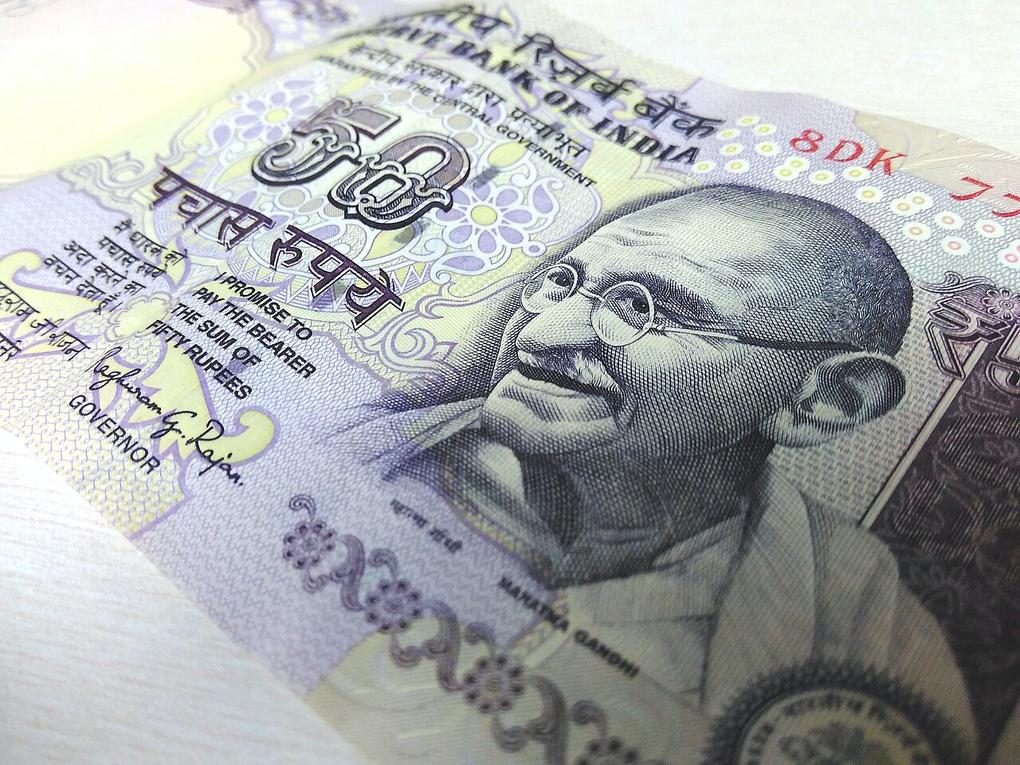
Live India exchange rates
Currency exchange rates fluctuate frequently in India. Use the to get live INR to USD rates and plan your cash withdrawals and exchanges accordingly. This tool helps you avoid overpaying and ensures you understand the exact value of your money before spending.
Currency Basics: India
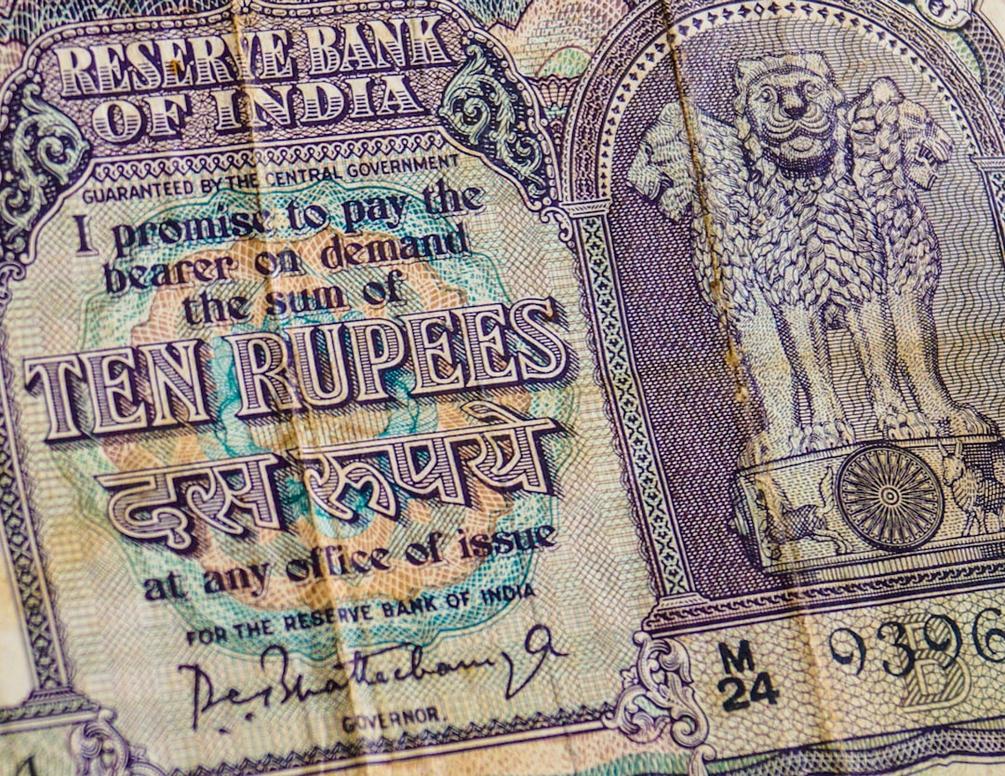
How Payment Works in India
mixed
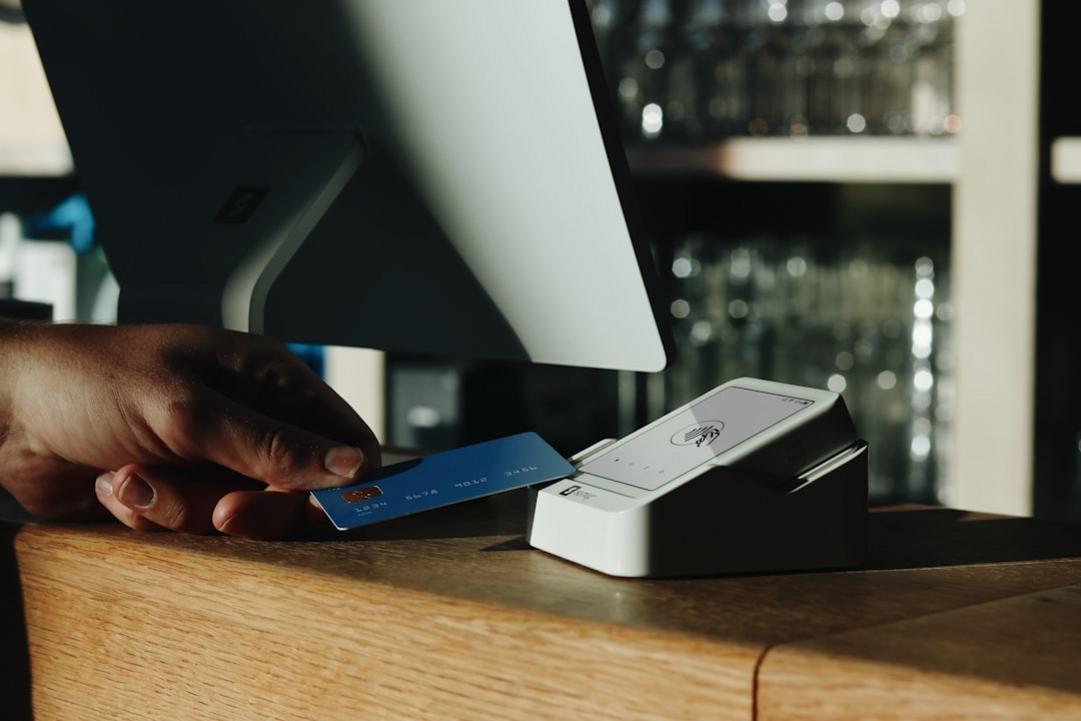
Visa and Mastercard enjoy broad acceptance in urban India, especially in hotels, restaurants, and major tourist hubs. Foreign cards often face issues in smaller towns or local markets where terminals may be offline or non-existent. Cash remains king in rural areas and religious sites, where digital payments infrastructure is scarce and vendors prefer immediate settlement. Tourists should carry a mix of cash and cards but prioritize cash for last-mile expenses such as local transport or street food.
Where you need cash
| Situation | Why cash-only |
|---|---|
| rural guesthouses | No card terminals or reliable internet connectivity restrict payment options to cash only. |
| temple entrance fees | Many religious sites rely on cash to avoid banking fees and maintain traditional donation practices. |
| minibus and shared taxi routes | Drivers and conductors operate informally without digital payment setups, requiring cash for quick transactions. |
| street food vendors | Small-scale vendors avoid card payments due to transaction fees and lack of POS devices. |
| local markets and bazaars | Sellers prefer cash to bypass card processing fees and ensure immediate payment without technical delays. |
Where cards work
| Situation | Caveat |
|---|---|
| international hotel chains | Some hotels add a 2-3% surcharge for foreign cards and require minimum spends for card use. |
| airports and airline counters | Cards work reliably but sometimes attract foreign transaction fees from issuing banks. |
| large restaurants in metro cities | Occasional network outages can delay card processing; cash is accepted as backup. |
| tourist attraction ticket counters | Card terminals exist but may not accept all international networks, especially Amex. |
| supermarkets and malls | Minimum purchase amounts may apply for card payments, limiting small transactions. |
Card network acceptance (Visa, Mastercard, Amex, UnionPay)
| Network | Coverage | Surcharge |
|---|---|---|
| Visa | Extensive in urban centers and tourist hotspots. | Typically 2-3% surcharge on foreign cards. |
| Mastercard | Widely accepted in large cities and modern retail outlets. | Similar surcharge as Visa; some outlets require minimum spend. |
| Amex | Limited acceptance mostly at premium hotels and upscale restaurants. | Higher surcharges, often 3-4%, and fewer terminals support Amex. |
| UnionPay | Very limited, mainly in select tourist areas catering to Chinese travelers. | Rarely accepted; no standard surcharge data. |
Digital wallets
| Wallet | How tourists can use it |
|---|---|
| Google Pay (Tez) | Tourists can use Google Pay by linking an international card without a local bank account, useful for QR code payments at larger merchants. |
| Paytm | Tourists can register with an international phone number and use Paytm wallet for online payments and some in-store merchants accepting QR codes. |
Wallets that don’t work for tourists
| Wallet | Barrier |
|---|---|
| BHIM UPI | Requires Indian bank account and Aadhaar-linked mobile number, making it inaccessible for tourists. |
| PhonePe | Functions only with Indian bank accounts and local mobile numbers, blocking tourist usage. |
Wise vs Revolut in India
Wise offers competitive exchange rates and low ATM withdrawal fees in India, typically charging a small fixed fee plus a percentage on currency conversion. It works reliably at most ATMs but can be blocked occasionally by Indian banks due to security flags. Revolut delivers excellent exchange rates but often restricts INR withdrawals and may block transactions without warning, limiting cash access. For travelers focused on cash withdrawals, Wise is the safer bet; for card payments, both perform comparably but monitor usage carefully.
ATMs & Currency Exchange
Best ATMs for foreign cards
| Bank / ATM | Why use it | Fee note |
|---|---|---|
| HDFC Bank | Widespread ATM network, reliable foreign card acceptance, especially in urban and semi-urban areas. | Foreign transaction fee around 1-2%, no additional local ATM withdrawal fee for foreign cards. |
| ICICI Bank | Large ATM presence nationwide, good for tourists withdrawing cash in cities and towns. | Foreign fee 1-2%, generally no surcharge on withdrawals from ICICI ATMs. |
| State Bank of India (SBI) | Largest bank network with ATMs in rural and urban areas, good for cash access outside metro zones. | Foreign card fees apply but no extra ATM surcharge; accepts most major card networks. |
ATMs to avoid
| ATM type | Why to avoid |
|---|---|
| Axis Bank | Higher local ATM withdrawal fees and occasional foreign card acceptance issues. |
| Private small regional banks | Limited ATM network, higher risk of surcharge fees, and unreliable foreign card acceptance. |
Withdrawal strategy
Withdraw 10,000 INR (~135 USD) per transaction to minimize fees and avoid frequent trips. Most ATMs have daily limits around 20,000 INR. Withdraw twice a week in cities; rural areas require larger cash reserves due to fewer ATMs. Use HDFC or ICICI ATMs to reduce foreign fees. Carry smaller denominations as 500 and 2000 INR notes are common but 100 INR notes ease small purchases.
Dynamic Currency Conversion — always decline
Dynamic Currency Conversion (DCC) at Indian ATMs prompts with: “Withdraw in USD or INR?” Always select Indian rupees (INR) to avoid unfavorable exchange rates and extra conversion fees. For example, the screen shows: “Do you want to withdraw 10,000 INR or $135 USD?” Choose INR to save money. Some point-of-sale terminals also offer DCC, but ATM DCC is the main concern for cash withdrawals.
Skimming & card fraud
Avoid standalone ATMs at Mumbai and Delhi airport terminals, convenience stores on tourist streets like Connaught Place, and ATMs near crowded markets such as Chandni Chowk. Check card slot for looseness or extra attachments, shield keypad with hand when entering PIN, and scan for hidden cameras above or beside the keypad. Use ATMs during daylight hours for added safety.
Currency exchange
| Where | Why it works |
|---|---|
| Authorized bank currency counters (e.g., SBI, HDFC) | Offer official exchange rates with transparent fees and no hidden charges. |
| Thomas Cook India | Reputable exchange chain with competitive rates and reliable service. |
Exchange counters to avoid
| Where | Why to avoid |
|---|---|
| Airport exchange booths | High commissions and poor exchange rates. |
| Hotel currency desks | Significantly worse rates and additional convenience fees. |
How much cash to carry
Carry about 30 USD (2,200 INR) in your day wallet for daily urban expenses like food, transport, and minor purchases. Keep a secure stash of 150 USD (11,000 INR) for rural travel or emergencies where card acceptance is limited. Rural areas require more cash due to scarce ATM access and fewer card-friendly vendors.
Emergency backup
Use two cards from different networks (Visa and Mastercard) to avoid total loss if one is blocked. Keep emergency cash hidden separately from your day wallet. If a card is blocked, contact your bank’s India-specific helpline immediately (e.g., HDFC: +91 22 6160 6161). Freeze cards instantly via apps like Wise or Revolut before calling home to minimize fraud risk.
Scams, Safety & Cash Handling
Common money scams in India
Taxi Meter Manipulation
How it works: Drivers switch off or tamper with meters, then quote inflated flat rates after the ride. Some use hidden devices to speed up the meter or claim detours were necessary.
How to avoid: Insist on the meter being on before starting. Use app-based taxis like Ola or Uber where fares are fixed and tracked. Avoid unmetered taxis, especially at airports and train stations.
Fake Police Money Inspection
How it works: Posing as police officers, scammers stop tourists claiming to check currency for counterfeit notes. They ‘confiscate’ genuine money and demand bribes to return it.
How to avoid: Ask for official ID and a receipt. Real police rarely conduct random currency checks on tourists. Avoid handing over cash or documents on the street.
Wrong-Change Trick
How it works: Shopkeepers or street vendors quickly give incorrect change, often shortchanging small denominations or mixing up notes to confuse tourists.
How to avoid: Count change carefully in front of the vendor. Familiarize yourself with Indian rupee (INR) notes and coins before transactions.
Counterfeit Passing
How it works: Fake INR notes, especially 500 and 2000 rupee denominations, circulate in tourist areas. Vendors or drivers may try to pass counterfeit notes as change.
How to avoid: Learn basic security features of INR notes. Use larger establishments for exchanges and payments. Refuse suspicious notes and pay with cards when possible.
Exchange Sleight of Hand
How it works: Money changers distract tourists during currency exchange, swapping genuine foreign currency with lower-value or fake bills.
How to avoid: Exchange money only at banks or authorized counters. Count and verify notes carefully before leaving the counter.
QR Sticker Over Legitimate Payment Codes
How it works: Scammers place fake QR code stickers over official digital payment codes in shops or taxis. Payment goes to their account instead of the vendor’s.
How to avoid: Confirm the amount and pay only after verifying the vendor’s displayed QR code. Use trusted apps with transaction notifications enabled.
Anti-theft carry method
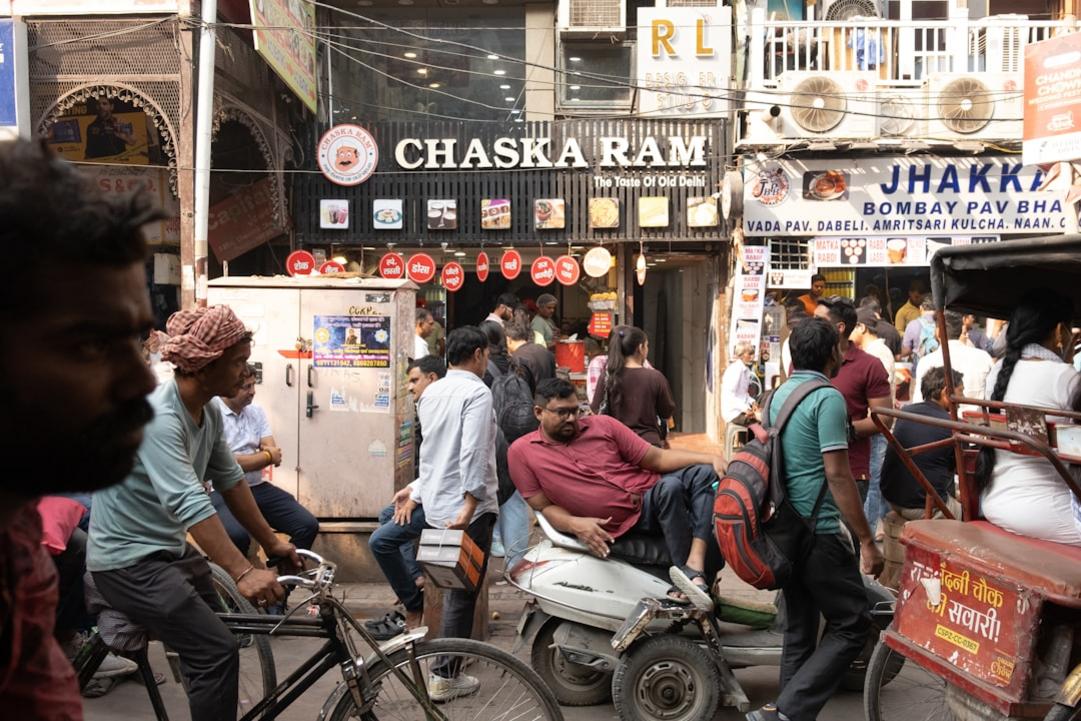
Use a neck wallet under your shirt in crowded metros and tourist hubs like Delhi and Mumbai. Pickpockets operate in packed trains and markets. Avoid backpacks or open bags. A neck wallet keeps cash and ID secure and accessible without drawing attention, crucial in dense crowds and busy bazaars.
The three-wallet system
Carry a dummy wallet with small-value INR notes (₹10-₹50) and a few coins to surrender if targeted. Use a day wallet with essential cards, some cash (₹100-₹500 notes), and ID in a front pants pocket or inside jacket. Store passports, extra cards, and large cash amounts in the hotel safe. Keep denominations practical for street vendors and transport fares.
Tipping in India
| Situation | Amount | Local norm |
|---|---|---|
| Restaurant / Sit-down Dining | 5-10% of bill (₹50-₹200), if no service charge included | Avoid tipping if a service charge (usually 5-10%) is already added; tipping is not mandatory. |
| Taxi or Private Driver | ₹20-₹50 ($0.25-$0.65) per ride or day | Do not tip drivers in app-based taxis unless service was exceptional. |
| Hotel Staff (Porter / Cleaner) | ₹20-₹50 per service | Avoid over-tipping; excessive tips can cause discomfort or create expectations. |
| Tour Guide or Day Trip Guide | ₹200-₹500 ($2.50-$6.50) per day | Do not tip if the guide is part of an all-inclusive package or group tour. |
| Massage or Spa | ₹50-₹150 ($0.65-$2) depending on service quality | Do not tip if a service charge is included; tipping is discretionary. |
Cash handling quirks
Indian rupee (INR) notes must be in good condition; torn or heavily worn bills are often refused, especially by banks and larger shops. Small denominations (₹10, ₹20, ₹50) are essential for street vendors and public transport. Breaking large notes (₹500, ₹2000) can be difficult in small shops or rural areas. Change is scarce in informal markets, so carry exact or smaller notes.
Bargaining
Bargaining is expected in street markets (Chandni Chowk, Jaipur bazaars), auto-rickshaw fares, and budget guesthouses. Typical negotiation margins range from 20% to 40%. Fixed-price stores, supermarkets, formal hotels, and religious sites do not allow bargaining and attempting it can offend vendors or staff.
Quick Reference
5 money rules for India
- Carry 2,000 and 500 Indian rupee (INR) notes for most transactions; smaller denominations are rarely accepted in busy markets and transport.
- Withdraw cash mainly from State Bank of India or HDFC Bank ATMs to avoid the typical 200 INR foreign card fee elsewhere.
- Avoid exchanging money at airport counters; local money changers in metro cities offer better rates for INR.
- Use contactless payments where possible in metro areas, but always have 500 INR notes ready for street vendors and autorickshaws.
- Declined card transactions often occur in rural or small-town ATMs; rely on major bank ATMs in Delhi, Mumbai, or Bangalore.
| Daily cash to carry | 30 USD (~2,500 INR) |
|---|---|
| Typical ATM fee | 200 INR per withdrawal |
| Standard tip % | 5-10% is common in restaurants; tipping is not expected for taxis or small services. |
| Best foreign card | Wise, due to low forex markup and wide ATM acceptance across India. |
| Worst money mistake | Using airport or hotel currency exchange counters with poor conversion rates. |
| Best wallet app for tourists | Google Pay, because it supports UPI payments widely accepted in India. |
| Must-carry denomination | 500 INR notes cover most street food, local transport, and small purchases. |
A street meal in India costs around 100-150 Indian rupees (INR), so carrying multiple 500 INR notes handles most food stops without waiting for change. Local bus fares often require 20 or 50 INR notes, so keep those handy for transport. For market purchases, 2000 INR notes are useful but less accepted in small shops, so combine with 100 and 50 INR notes for smooth transactions.
Frequently Asked Questions
1Should I exchange Indian rupees (INR) before arriving or after landing?
Exchange a small amount before arrival for immediate expenses, but convert most money after landing in metro city money changers or banks for better rates than airports.
2Is tipping expected in India?
Tipping 5-10% in restaurants is standard, but tipping taxi drivers or small service workers is not generally expected. Round up fares or leave small change for street vendors.
3What should I do if my card is blocked or declined in India?
Contact your card issuer immediately and try ATMs of major banks like SBI or HDFC in metro areas. Rural ATMs often have connectivity issues causing declines.
4Can foreign currency (USD, EUR, or other) be used directly in India?
No, Indian rupees (INR) are required for all transactions. Some tourist hotels accept USD but at poor rates. Always convert to INR before spending.
5How much cash should I carry for a typical day in India?
Around 2,500 INR (~30 USD) covers daily expenses including meals, transport, and small purchases in most cities.
6Are ATMs safe to use at night in India?
Use ATMs in well-lit, secure locations like bank branches or malls in cities such as Mumbai or Delhi. Avoid standalone ATMs in poorly lit or isolated areas after dark.
7Which app should I install before arriving in India?
Install Google Pay for easy UPI payments widely accepted across India, which reduces the need for cash in many urban areas.
8What if I only have large-denomination bills in India?
Large 2000 INR notes can be hard to break in small shops or transport. Carry smaller notes like 500 and 100 INR to avoid refusal or delays.