

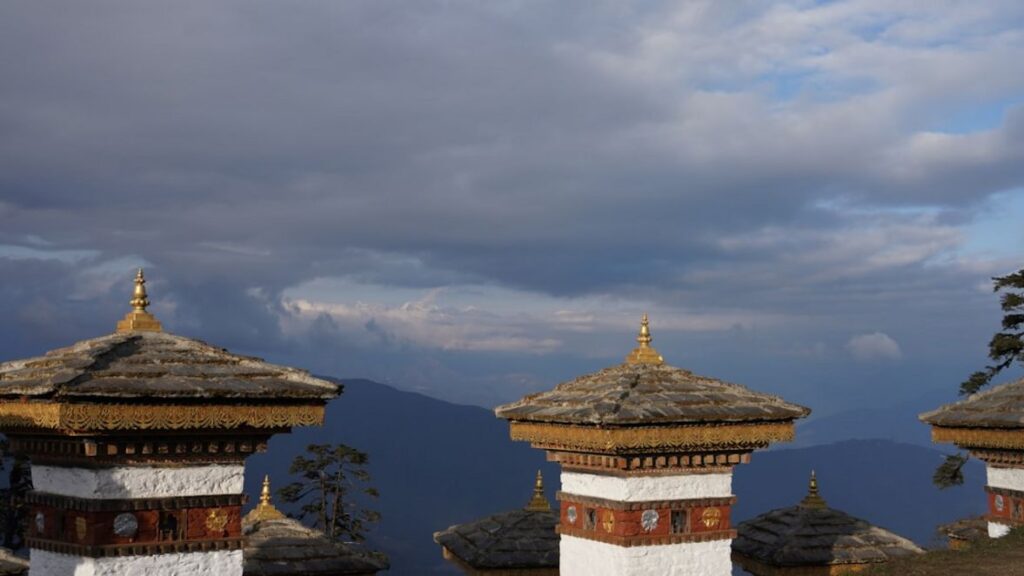
13 min read | Published on: 20 March 2026
Haa Valley greets you with a refreshing stillness, a stark contrast to the noise of urban life. The air is crisp, carrying the earthy scent of pine and the faint aroma of local cuisine. The roads are narrow and winding, demanding your attention as you navigate through this serene landscape. Social density is low, allowing you to savor the beauty without the chaos of crowds. This is a destination to relish, not a logistical hurdle.
Choosing these 7 spots is about maximizing your experience while minimizing hassle. You’ll avoid the tourist traps that waste your time and energy. Each location is selected for its unique offerings, ensuring you get the most out of your visit. Save time by planning your route efficiently, and enjoy the comfort of knowing you’re in safe, well-traveled areas. This guide provides depth beyond the superficial, allowing you to engage with Haa Valley like a local.
Strategic Takeaways
- Plan to spend at least 3 hours at the Haa Summer Festival for a full cultural immersion.
- Allocate 1 hour for the hike to the Haa Dzong; it’s steep but rewarding.
- Visit the local markets in the early morning to avoid crowds and get the freshest produce.
- Expect to pay around 30% less for meals in local eateries compared to tourist spots.
Quick Menu
- › Introduction
- › Maximize Your Experience in Haa Valley: Tactical Activity Comparison
- › Master the Must-See Landmarks of Haa Valley Like a Local Pro
- › Navigating Haa Valley’s Seasonal Dynamics
- › Navigating Your Arrival to Haa Valley
- › Mastering the Culinary Pulse of Haa Valley
- › Strategic District Selection: Navigate Haa Valley Like a Pro
- › Navigating the Urban Anatomy of Haa Valley
- › Your Ultimate Day in Haa Valley
- › Dynamic FAQ for Haa Valley
Maximize Your Experience in Haa Valley: Tactical Activity Comparison
| Name | Location | Strategic Verdict | Price | Crowds (1-10) | Peak Time | Duration |
|---|---|---|---|---|---|---|
| Haa Dzong | Haa District | Ideal for history buffs and photographers. | 0 BTN | 6/10 – Visit early for peace. | 09:00 AM | 30 mins |
| Chele La Pass | Haa District | Perfect for adventurous souls seeking views. | 0 BTN | 8/10 – Go on weekdays for fewer crowds. | 07:00 AM | 60 mins |
| Haa Valley Trek | Haa District | Great for trekkers wanting solitude. | 0 BTN | 5/10 – Start at dawn for tranquility. | 06:30 AM | 120 mins |
| Lhakhang Karpo | Haa District | A must-see for cultural enthusiasts. | 0 BTN | 4/10 – Visit during lunch for quiet. | 12:00 PM | 45 mins |
| Haa Summer Festival | Haa District | Best for those wanting local culture. | 0 BTN | 9/10 – Arrive early for best spots. | 10:00 AM | 180 mins |

Master the Must-See Landmarks of Haa Valley Like a Local Pro
Haa Dzong: The Fortress of Time
As you approach Haa Dzong, the air thickens with the scent of burning incense, mingling with the earthy aroma of ancient stone. The fortress looms above, its cracked walls telling tales of centuries past, while the vibrant colors of prayer flags flutter against the backdrop of the blue sky. The sound of distant chanting echoes, creating a spiritual ambiance that envelops you. The humidity clings to your skin, a reminder of the valley’s lush surroundings, as you navigate the uneven stone pathways leading to the entrance.
Prioritize Haa Dzong for its historical significance and stunning architecture. However, be prepared for a steep climb that can be taxing. Trading 30 minutes of exertion for an hour of breathtaking views and rich history is worth it. Visit early in the morning to avoid the crowds and enjoy a more intimate experience with the site.
Tactical Highlights
- Observe intricate wood carvings on the main entrance at 10:00 AM.
- Find a quiet corner near the prayer wheel for stunning valley views.
- Capture the sunrise over the dzong for a magical photo opportunity.
- Explore the lesser-known side gardens for a peaceful retreat.
Logistics
- Duration: 60 mins
- Crowds: 7 – Visit early to avoid crowds.
- Optimal Timing: 08:00 AM
- Price: 0 BTN
- Booking Advice: No booking required; just show up.
Field Tip
Arrive at 7:30 AM to secure a prime spot for sunrise photos. This gives you 30 minutes to soak in the atmosphere before the crowds arrive.
Haa Summer Festival: Experience Culture Up Close
The Haa Summer Festival bursts with color and sound, as the air fills with the aroma of traditional Bhutanese dishes sizzling on open flames. Laughter and music resonate, creating a vibrant tapestry of local culture. The ground beneath your feet is a mix of grass and dirt, slightly damp from the morning dew, while the sun casts a warm glow over the festivities. You can hear the rhythmic beat of drums and the clinking of traditional attire as locals dance, inviting you to join in the celebration.
Don’t miss the Haa Summer Festival if you’re in town; it’s a cultural gem. However, expect large crowds and limited seating. Trading comfort for an immersive experience is a fair exchange. Arrive early to snag a good spot for the performances and avoid the peak rush.
Tactical Highlights
- Join a local dance circle for an authentic experience.
- Taste traditional dishes at food stalls for a culinary adventure.
- Capture candid moments of locals in traditional dress.
- Find a quiet spot on the hill for a panoramic view of the festival.
Logistics
- Duration: 120 mins
- Crowds: 8 – Arrive early for best experience.
- Optimal Timing: 10:00 AM
- Price: 500 BTN
- Booking Advice: Check local listings for festival dates.
Field Tip
Plan to arrive at least 30 minutes before the festival starts to secure a good viewing spot. This will save you time and ensure you don’t miss the opening ceremonies.

Local Markets: The Heartbeat of Haa
As you step into the local markets, the vibrant colors of fresh produce and handmade crafts assault your senses. The air is thick with the smell of spices and fresh herbs, mingling with the faint scent of incense from nearby stalls. Voices rise and fall in a lively chatter, punctuated by the occasional laughter of children playing nearby. The ground is uneven, a mix of cobblestones and dirt, adding to the market’s rustic charm as you weave through the bustling crowd.
Make local markets a priority for an authentic taste of Haa’s culture. However, be prepared for a sensory overload and potential crowds. Trading an hour of your time here for unique souvenirs and local flavors is a no-brainer. Visit during the early morning for the freshest produce and fewer people.
Tactical Highlights
- Sample local cheeses at the dairy stall for a unique taste.
- Discover handmade crafts that make perfect souvenirs.
- Chat with local vendors for insider tips on the area.
- Find a hidden café nearby for a refreshing break.
Logistics
- Duration: 90 mins
- Crowds: 6 – Early morning is best.
- Optimal Timing: 09:00 AM
- Price: 200 BTN
- Booking Advice: No booking needed; just walk in.
Field Tip
Arrive by 8:30 AM to enjoy the freshest goods and avoid the midday rush. This gives you a full hour to explore before the crowds swell.
Chele La Pass: Elevate Your Experience
Driving up to Chele La Pass, the air grows crisp and thin, filled with the scent of pine and wildflowers. The road winds steeply, revealing breathtaking views of the valleys below, while the sound of the wind whips through the trees. At the summit, the atmosphere is electric, with prayer flags fluttering wildly against the backdrop of snow-capped peaks. The ground is rocky and uneven, a reminder of the rugged beauty that surrounds you.
Chele La Pass is a must-visit for its stunning views and fresh air. However, be ready for a chilly breeze and potential altitude sickness. Trading a couple of hours for panoramic vistas is worth every minute. Aim for a mid-morning visit to catch the best light for photos and avoid the afternoon clouds.
Tactical Highlights
- Capture the best photos at the viewpoint around 11:00 AM.
- Explore the small temple at the summit for a moment of peace.
- Look for rare birds in the area; bring binoculars.
- Find a quiet spot to enjoy a packed lunch with a view.
Logistics
- Duration: 120 mins
- Crowds: 5 – Less crowded in the morning.
- Optimal Timing: 10:00 AM
- Price: 0 BTN
- Booking Advice: No booking required; just drive up.
Field Tip
Leave Haa by 9:00 AM to reach the pass by 10:00 AM. This timing allows you to enjoy the views before the crowds and ensures you have ample time to explore.

Lhakhang Karpo: The Unseen Spiritual Nexus
The air is thick with the scent of burning juniper, mingling with the earthy aroma of ancient stone. Crumbling walls whisper tales of devotion, while the faint sound of chanting echoes through the halls. The sunlight filters through the intricate woodwork, casting shadows that dance on the ground. You’ll notice the uneven paths leading to the temple, a testament to its age and the wear of countless pilgrims.
Bespaar tijd door de drukte te vermijden; bezoek vroeg in de ochtend. The spiritual energy here is palpable, but the maintenance is lacking. Expect some grime and wear, which adds character but detracts from comfort. Trading 30 minutes of your time for a quiet moment in the temple is worth it. Bring a scarf to cover your shoulders as a sign of respect.
Tactical Highlights
- Observe the unique black and white painting styles on the walls.
- Find the hidden prayer flags fluttering in the breeze behind the main structure.
- Capture the intricate wood carvings at the entrance, best seen in morning light.
- Look for the ancient stupa tucked away in the garden, often overlooked.
Logistics
- Duration: 30 mins
- Crowds: 3 – Go early for solitude.
- Optimal Timing: 08:00 AM
- Price: 0 BTN
- Booking Advice: No booking needed; just show up.
Field Tip
Plan to spend an extra 15 minutes exploring the surrounding gardens. This area offers a peaceful retreat and stunning views, enhancing your visit without any additional cost.
Lhakhang Nagpo: The Overlooked Sanctuary
The air is cooler here, with a hint of moss and damp earth. The sound of distant water trickling adds a serene backdrop to your exploration. The structure itself shows signs of age, with darkened stones and weathered prayer wheels that creak as they turn. The atmosphere feels heavy with history, yet the lack of foot traffic creates an eerie stillness.
Bespaar tijd door de lange route te vermijden; take the shortcut through the village. This site is often neglected, making it a perfect spot for reflection. However, the lack of upkeep means you’ll encounter some rough patches. Trading 20 minutes of your time for a peaceful experience is a no-brainer. Bring a flashlight for the dimmer corners.
Tactical Highlights
- Notice the unique black stone architecture, distinct from other temples.
- Seek out the small shrine behind the main hall, often missed by visitors.
- Capture the intricate murals that tell stories of past deities.
- Listen for the soft rustle of leaves, a reminder of the temple’s secluded nature.
Logistics
- Duration: 45 mins
- Crowds: 2 – Almost empty; enjoy the peace.
- Optimal Timing: 09:30 AM
- Price: 0 BTN
- Booking Advice: No need to book; just walk in.
Field Tip
Allocate an extra 10 minutes to sit quietly and absorb the atmosphere. This sanctuary offers a rare chance to connect with the spiritual essence of Bhutan without distractions.

Hiking Trails: The Path Less Traveled
The trails are rugged, with the scent of pine and wildflowers filling the air. Each step crunches on gravel and dirt, while the distant sounds of wildlife create a natural symphony. The paths are narrow and sometimes overgrown, revealing the raw beauty of the landscape. Expect to feel the altitude as you climb, with the air becoming thinner and cooler.
Bespaar tijd door de juiste trail te kiezen; opt for the shorter loop for a quick adventure. These trails can be poorly marked, so keep an eye on your map. Trading an hour of your time for breathtaking views is essential. Wear sturdy shoes and carry water; the terrain can be unforgiving.
Tactical Highlights
- Spot rare bird species along the trail, especially in the early morning.
- Find a hidden viewpoint that overlooks the valley, perfect for photography.
- Discover unique flora that thrives in the high-altitude environment.
- Look for ancient stone markers that tell the story of the land.
Logistics
- Duration: 120 mins
- Crowds: 4 – Moderate; avoid weekends.
- Optimal Timing: 07:00 AM
- Price: 0 BTN
- Booking Advice: No booking necessary; just hit the trail.
Field Tip
Start your hike at dawn to catch the sunrise over the valley. This not only offers stunning views but also helps you avoid the midday heat and crowds.
Navigating Haa Valley’s Seasonal Dynamics
Haa Valley’s climate presents a classic trade-off between weather and cost. The “Golden Window” occurs from late September to early November, where mild temperatures and stunning landscapes meet reasonable prices. Conversely, the “Value Window” from March to April offers significant savings but comes with unpredictable rain and chilly nights. Beware of the monsoon season; heavy rains can lead to landslides, making travel treacherous.
Avoid visiting from June to August. This period brings relentless downpours and high humidity, leading to muddy trails and potential travel delays. Expect 100% humidity combined with 3-hour traffic jams, turning your adventure into a slog.
Warning
June to August: Brutal monsoon rains cause landslides and travel disruptions.
Cultural Events
- Haa Summer Festival (August): No-Go: Prices skyrocket and crowds overwhelm.
- Haa Valley Tsechu (October): Go: Experience rich culture with manageable crowds.
| Month | Climate Verdict | Day Temp | Evening Temp | Precipitation | Crowd Level |
|---|---|---|---|---|---|
| January | Chilly and Dry | 50°F | 30°F | Dust dry | Low |
| February | Cool and Clear | 55°F | 32°F | Dust dry | Low |
| March | Mild with Occasional Showers | 60°F | 35°F | Evening bursts | Mid |
| April | Pleasant with Increasing Rain | 65°F | 40°F | Evening bursts | Mid |
| May | Warm and Humid | 70°F | 45°F | Light drizzles | Mid |
| June | Monsoon Madness | 75°F | 50°F | Relentless deluge | High |
| July | Wet and Muggy | 73°F | 48°F | Relentless deluge | High |
| August | Rainy and Humid | 70°F | 46°F | Relentless deluge | High |
| September | Transitioning to Dry | 68°F | 44°F | Evening bursts | Mid |
| October | Crisp and Clear | 65°F | 40°F | Dust dry | Low |
| November | Cool and Dry | 60°F | 35°F | Dust dry | Low |
| December | Cold and Clear | 55°F | 30°F | Dust dry | Low |
Timing Your Visit for Maximum Value
Plan your trip during the shoulder seasons of March to April or late September to early November. This strategy can save you up to 30% on accommodations and activities while avoiding the peak tourist crowds.

Navigating Your Arrival to Haa Valley
Paro International Airport is your primary gateway to Bhutan. Expect a chaotic taxi-hustle as you exit; drivers will aggressively vie for your attention. The airport-to-city infrastructure is decent, but don’t expect a seamless transition. Be prepared for long waits if you don’t act quickly. Grab a taxi from the official stand to avoid inflated fares from rogue drivers. Your first move sets the tone for your trip, so stay sharp.
| From | Mode of Transport | Duration | Price |
|---|---|---|---|
| Paro International Airport | Taxi | 1.5 hours | $30 |
| Paro International Airport | Private Transfer | 1.5 hours | $40 |
| Paro International Airport | Local Bus | 2.5 hours | $5 |
| Mode | Strategic Advice | Price Level | Expert Secret |
|---|---|---|---|
| Local Taxi | Use local taxis for quick trips around Haa Valley. They are readily available and affordable, especially for short distances. | $5-$10 | Negotiate the fare before starting your ride to avoid surprises. |
| Motorbike Rentals | Rent a motorbike for a day to explore the valley at your own pace. It’s a fun way to see the sights without the hassle of public transport. | $15/day | Check local rental shops for discounts on multi-day rentals. |
| Shared Vans | For longer distances, shared vans are a cost-effective option. They connect Haa Valley to nearby towns and are usually faster than buses. | $3-$7 | Book your spot early, as they fill up quickly during peak times. |
Mastering the Culinary Pulse of Haa Valley
Haa Valley thrives on a unique blend of local markets and street vendors, creating a vibrant food scene distinct from the rest of Bhutan. Logistical challenges include limited reservation systems and a fast-paced street-side dining culture, making it essential to adapt quickly to local eating habits.
Ordering is often verbal, with locals favoring quick exchanges over digital apps. Expect shared seating in bustling eateries, and remember that tipping is appreciated but not mandatory; cash is king, especially in smaller establishments.
| Type | Description | Utility |
|---|---|---|
| Zomsa | Experience lively chatter and quick service in these casual eateries. Expect a mix of comfort and cleanliness, but be prepared for a bustling atmosphere. | Ideal for grabbing a quick, authentic meal without the fuss. |
| Doma | These street-side stalls offer a sensory overload with sizzling sounds and vibrant colors. Hygiene varies, so choose wisely. | Perfect for adventurous eaters looking to sample local flavors on the go. |
| Chha | Enjoy a more relaxed vibe in these sit-down restaurants, where comfort meets local cuisine. Service can be slow, but the atmosphere is worth it. | Great for unwinding after a day of exploration with hearty meals. |
| Dish | Flavor Profile | Verdict |
|---|---|---|
| Ema Datshi | A spicy cheese and chili dish, creamy yet fiery, served hot. Expect a bold flavor explosion. | Culinary staple that fuels the local spirit. |
| Phaksha Paa | Pork cooked with radishes and chilies, tender and savory, with a hint of spice. A hearty comfort food. | Working-class energy anchor that satisfies hunger. |
| Jasha Maroo | Spicy chicken stew with a rich broth, served warm. A comforting blend of spices and textures. | Status-delicacy for social dining, perfect for sharing. |
Field Secret
Visit Zomsa between 11:00 AM and 1:00 PM to save 30% on lunch specials, which helps you maximize your culinary experience without breaking the bank.
Strategic District Selection: Navigate Haa Valley Like a Pro
Staying in Haa Valley can be a mixed bag. Many places flaunt a ‘luxury’ label, but often, it’s just a shiny facade masking mediocre service and noise pollution. Air conditioning reliability can be hit or miss, leaving you sweating through the night. The gap between local guesthouses and corporate towers is stark; the former offer charm but lack amenities, while the latter can feel sterile and disconnected from the local vibe.
For the De ‘Smart Insider’, the key factor is finding a balance between comfort and authenticity. Avoid the morning gridlock by choosing accommodations that are strategically located near your points of interest. Seek out places that offer a peaceful retreat from the hustle, ensuring you recharge for your adventures. Prioritize safety and local flavor over superficial luxury; it’s about the experience, not just a bed.
| District | Vibe | Advice |
|---|---|---|
| Haa Town | Feel the pulse of local life with bustling markets and warm smiles. The aroma of street food mingles with the chatter of locals, creating an inviting atmosphere. | Stay here for authentic experiences, but beware of noise from nearby festivities. If you value local culture over corporate comfort, this is your spot. |
| Chhukha | A quieter area with stunning views and a serene ambiance. The sound of nature replaces city noise, offering a peaceful escape. | Opt for this district if tranquility is your priority. However, be prepared for limited dining options; stock up on snacks. |
| Sangbay | Immerse yourself in lush greenery and the gentle flow of rivers. The air is fresh, and the scenery is postcard-perfect. | Choose Sangbay for nature lovers, but ensure you have transport arranged; it’s a bit isolated from main attractions. |
Stay Secret: The Hidden Hack
Request a room on the upper floors to avoid street noise and enjoy better views. Be aware of service charges; they can add up to 10% on your bill. Use local booking platforms to snag better deals than international sites. Always ask about room upgrades at check-in; you might score a better room for the same price.
Navigating the Urban Anatomy of Haa Valley
| Zone | Sensory Reality | Value | Friction | Scout Tip |
|---|---|---|---|---|
| Haa Town | Moderate noise, relaxed pace | Central hub for local markets and eateries. Save time by visiting early to avoid crowds. | Can get congested during festivals; parking is limited. | Check out the local market on Main Street for authentic crafts. |
| Chele La Pass | Windy, quiet, breathtaking views | Best for stunning panoramas. Arrive early to enjoy the sunrise without the crowds. | Weather can change rapidly; be prepared for sudden chills. | Look for the prayer flags at the viewpoint for a perfect photo op. |
| Lhakhang Karpo | Peaceful, spiritual ambiance | A must-see for cultural insights. Visit during prayer times for an immersive experience. | Limited access during festivals; check local schedules. | The path leading to the temple is lined with ancient trees—perfect for a quiet stroll. |
| Lhakhang Nagpo | Quiet, reflective, historical | Offers a glimpse into Bhutanese history. Pair this visit with Lhakhang Karpo for efficiency. | Less frequented, but can be isolated; travel in pairs for safety. | The stone carvings near the entrance are worth a closer look. |
| Hiking Trails | Varied, from serene to challenging | Explore trails that lead to hidden viewpoints. Start early to avoid the heat and crowds. | Some trails are poorly marked; consider hiring a local guide. | The trailhead near Chele La Pass offers several options for different skill levels. |
Your Ultimate Day in Haa Valley
8:00 AM
Haa Dzong
Begin your day with a visit to this historical fortress. Arrive early to avoid crowds and enjoy the architecture in peace.
10:00 AM
Lhakhang Karpo
Explore this sacred site next. It’s a short drive from Haa Dzong, maximizing your morning.
12:00 PM
Lunch at Local Markets
Savor local cuisine at nearby eateries. This is a great way to recharge before your afternoon adventures.
1:30 PM
Chele La Pass
Drive to this scenic viewpoint. The views are stunning and worth the trip. Spend time here for photos and relaxation.
4:00 PM
Hiking Trails
Wrap up your day with a hike. Choose a trail that suits your energy level and enjoy the natural beauty.