

Costa Rica wins for most travelers due to better safety and simpler travel logistics.
Choose Peru if you have two weeks and want deeper culture on a tighter budget.
One country delivers safer, easier travel; the other offers deeper culture and lower costs.
You’re planning a Latin America trip and stuck between Costa Rica and Peru. Both promise nature, culture, and adventure. But the choice isn’t just about what looks good on Instagram. It’s about safety, budget, and how much time you want to spend navigating logistics. Costa Rica’s compact size means less travel hassle. Peru’s archaeological sites demand more planning and altitude adjustment. This decision shapes your entire trip experience — from how relaxed you feel to what you actually get to see and do.
This comparison matters because your trip length and comfort level depend on it. Costa Rica’s safety score is 75/100, far above Peru’s 55/100, which affects where you can go after dark. Peru’s daily budget can be $40 less, but you’ll spend more time moving between spots like Machu Picchu and Cusco. The visa rules for US citizens also differ: Costa Rica requires no visa, Peru allows 183 days visa-free. Keep reading to know which country fits your $80–200/day trip and travel style better.
Costa Rica’s higher safety score means fewer restrictions and more freedom at night.
Costa Rica vs Peru: Key Travel Differences
| Topic | Costa Rica | Peru |
|---|---|---|
| Safety | Pack Lightly safety score 75/100; San Jose safer after dark | Pack Lightly safety score 55/100; Lima and Cusco need caution |
| Daily Budget | $100–150/day for mid-range hotels and meals | $60–110/day with $20 street food and $30 hostels |
| Visa Requirements | No visa for US citizens, 90-day stay | No visa for US citizens, 183-day stay |
| Transport & Infrastructure | Compact country, 3-4 hour drives between spots | Longer distances, Cusco to Machu Picchu 4 hours by train |
| Nature & Landscape | Rainforest biodiversity near Arenal Volcano, beaches on Pacific coast | Andes mountains, Amazon basin, coastal desert near Lima |
| Cultural Depth | Modern culture, eco-tourism focus, smaller indigenous presence | Incan ruins, Quechua and Aymara languages, colonial cities |
| Planning Effort | Simple itinerary, fewer internal flights needed | Complex logistics, altitude acclimation, multiple transport modes |
| Accommodation Quality | 70/100 hotel quality; many eco-lodges and resorts | 60/100 hotel quality; basic hostels common outside Lima |
| Language Barrier | Spanish widely spoken; tourist areas English-friendly | Spanish plus Quechua and Aymara; less English outside cities |
| Best Time to Visit | Dry season Dec–Apr, temps 70s–80s°F in San Jose | May–Sep dry season, Lima temps 60s–70s°F, colder in Andes |
Best for Costa Rica
- Couples with $120/day for 7-day beach and volcano trip
- Solo travelers wanting easy transport and safety after dark
- Eco-tourists focused on rainforest and wildlife in one week
Best for Peru
- History buffs with 14+ days for Machu Picchu and Cusco
- Budget travelers with $70/day who can handle altitude
- Cultural explorers wanting indigenous languages and colonial cities
Key Takeaways for Choosing Costa Rica or Peru
- If you want safer nights and easy travel, choose Costa Rica — Pack Lightly safety score 75/100.
- If your budget is under $100/day and you want culture, choose Peru — Pack Lightly budgetFriendly 80/100.
- If you have only one week, choose Costa Rica — compact with fewer internal flights.
- If you want ancient ruins and indigenous culture, choose Peru — Pack Lightly culture 90/100.
- If you dislike altitude and complex logistics, choose Costa Rica — easier planning and lower elevation.
- If you want better hotel quality and eco-lodges, choose Costa Rica — Pack Lightly hotelQuality 70/100.
Pack Lightly Scores
11 categories scored from 0 (low) to 100 (high)
Costa Rica or Peru? Lock in your winner.
Use the interactive tool to compare scores across 11 travel categories tailored to your style. Factor in safety, budget, culture, and timing to pick the country that fits your trip perfectly.
What you’ll actually spend
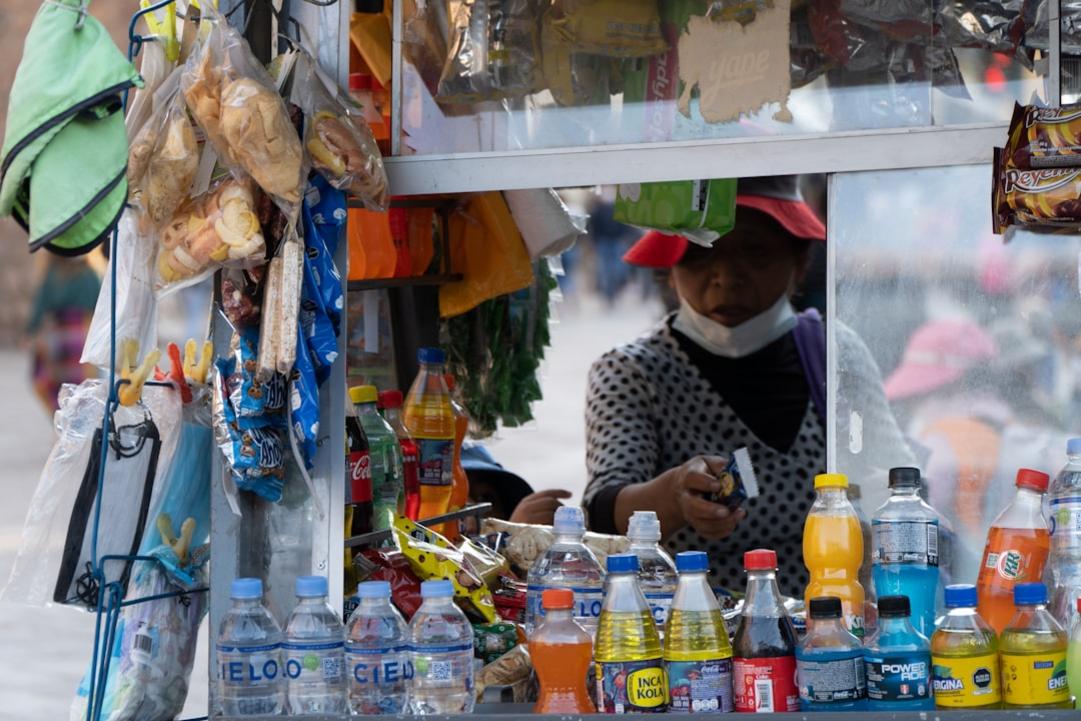
Peru is cheaper for mid-range travelers by about $21 per day. Costa Rica uses CRC (1 CRC = 0.002196 USD) while Peru uses PEN (1 PEN = 0.2908 USD). Splurge on guided tours in Peru for world-class archaeology; in Costa Rica, spend more on eco-lodges to get close to nature without the crowds.
Daily cost comparison
| Category | Costa Rica (CRC & USD) | Peru (PEN & USD) |
|---|---|---|
| Backpacker daily budget | 7,000–10,000 CRC ($15.37–$21.96) | 55–75 PEN ($15.99–$21.81) |
| Mid-range daily budget | 25,000–35,000 CRC ($54.90–$76.86) | 80–110 PEN ($23.26–$32.00) |
| Luxury daily budget | 70,000–110,000 CRC ($153.72–$241.56) | 200–300 PEN ($58.16–$87.24) |
| Street food meal | 1,200–1,800 CRC ($2.64–$3.95) | 6–10 PEN ($1.75–$2.91) |
| Restaurant meal | 6,000–10,000 CRC ($13.18–$21.96) | 15–25 PEN ($4.36–$7.27) |
| Local transport (per day) | 1,500–3,000 CRC ($3.29–$6.59) | 8–15 PEN ($2.33–$4.36) |
| Activities/tours (average) | 20,000–40,000 CRC ($43.92–$87.84) | 50–80 PEN ($14.54–$23.26) |
Peru wins on price across all budget levels, especially for food and transport. Costa Rica commands a premium for eco-tourism and comfort. Pack Lightly budgetFriendly: Costa Rica 55, Peru 80. Choose Peru if you want to stretch your money without sacrificing quality. Hotels Costa RicaHotels Peru
Pro tip: Book multi-day tours in Peru’s Sacred Valley for better rates and deeper experiences.
Watch out: Costa Rica’s park entrance fees add up quickly if you visit multiple reserves.
What you’ll eat
Costa Rica wins street food with simple, fresh dishes like gallo pinto ($3 at Mercado Central, San Jose) and chorreadas ($2). Peru’s street food is bolder but messier; anticuchos skewers run about $2.50 in Lima’s Surquillo Market. Costa Rica’s cleaner, more consistent street food scene edges Peru here.
Vegetarian options are stronger in Costa Rica, thanks to its reliance on rice, beans, and fresh veggies. Peru offers more variety overall but leans heavily on meat and seafood, making strict vegetarian or halal diets tougher. Gluten-free is doable in both but easier to navigate in Costa Rica.
Drink culture favors Peru for variety and quality. Pisco sour is a must-try ($5-$7 in Miraflores bars). Peru’s craft beer scene is growing, with brands like Cusqueña. Costa Rica sticks to local beers like Imperial and Imperial Light, widely available but less exciting. Both countries serve fresh fruit juices and coffee.
Dealbreaker foods: Costa Rica’s casado can be bland and repetitive if you stick to tourist spots. Peru’s ceviche sometimes uses raw fish that can upset sensitive stomachs. Avoid Lima’s overly touristy restaurants for ceviche; opt for local markets. In Costa Rica, skip roadside stalls without visible hygiene standards.
Food and drink face-off
| Category | Costa Rica | Peru |
|---|---|---|
| Signature dish | Gallo pinto (rice & beans breakfast, $3 at Mercado Central, San Jose) | Ceviche (marinated fish, $5 in Lima’s Surquillo Market) |
| Street food quality | Clean, simple, consistent; chorreadas and empanadas shine | Bold, flavorful but inconsistent; anticuchos popular but hygiene varies |
| Vegetarian-friendly | Strong with rice, beans, fresh veggies; easy to find options | Limited; meat and seafood dominate menus, harder for strict diets |
| Restaurant variety | Good mix of local and international; fewer gourmet spots | Wide range from street to fine dining; more diverse cuisine |
| Drink culture | Local beers like Imperial; fresh fruit juices common | Pisco sour standout; growing craft beer scene; quality coffee |
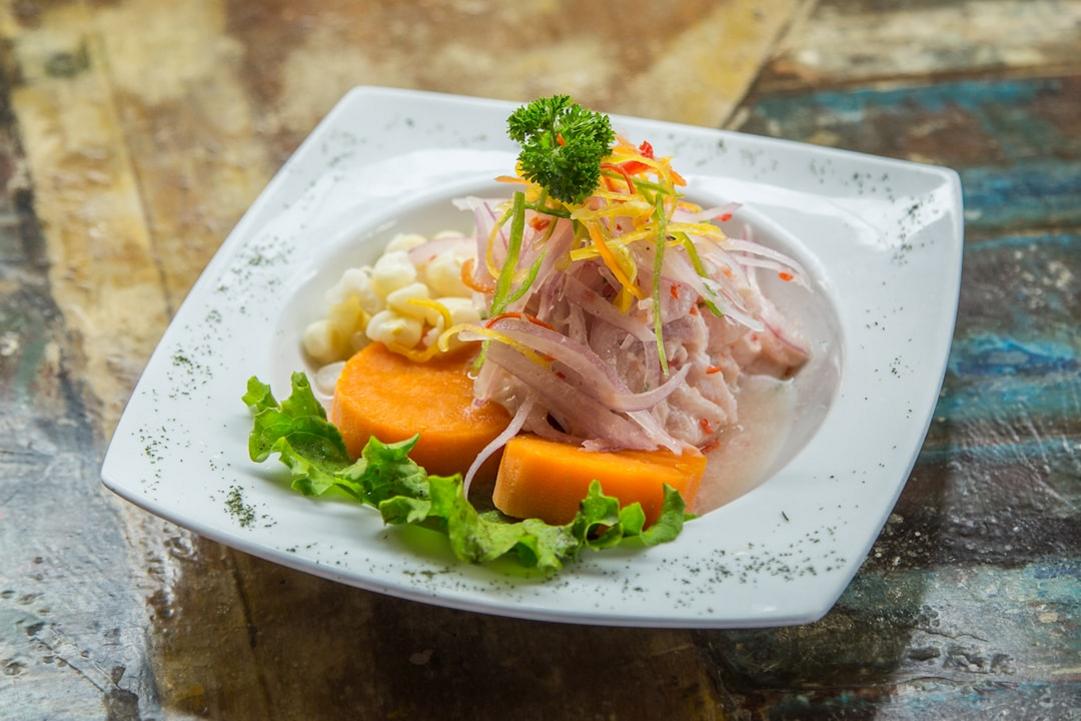
Ceviche
Fresh, affordable, and a staple of Peruvian street food culture
Insider tip: Order gallo pinto at Soda Tapia in San Jose for authentic, fresh breakfast under $4.
Where to sleep

Costa Rica scores higher on hotel quality with a 70 versus Peru’s 60. Expect polished mid-range hotels in San Jose’s Escalante neighborhood and beach resorts in Tamarindo. Peru’s best stays cluster in Lima’s Miraflores and Cusco’s historic center, though quality varies more. Book through platforms like Booking.com for verified reviews and deals. Hotels Costa Rica
Both countries have weak spots. Costa Rica’s Puerto Viejo can disappoint with overpriced, low-quality lodgings. Peru’s budget hostels in Cusco sometimes fall short on cleanliness and comfort. Even in winning countries, avoid last-minute bookings and unverified Airbnb listings. Hotels Peru
For quieter, less touristy stays, try Costa Rica’s Grecia or Peru’s Barranco district in Lima. These neighborhoods offer boutique guesthouses and local vibes without the crowds.
See full lodging breakdown by budget
Sleep options compared
| Type | Costa Rica | Peru |
|---|---|---|
| Budget hostels | Hostels in San Jose and La Fortuna, $15-$25/night, clean and social | Cusco hostels $10-$20/night, lively but variable cleanliness |
| Mid-range hotels | 3-star hotels in Escalante, $60-$100/night, reliable quality | Hotels in Miraflores, $50-$90/night, good amenities |
| Boutique stays | Small eco-lodges near Manuel Antonio, $120-$180/night | Boutique guesthouses in Barranco, $80-$150/night, artsy vibe |
| Luxury resorts | Beachfront resorts in Guanacaste, $250-$400/night | Upscale hotels in Lima, $200-$350/night |
| Alternatives | Airbnb cabins in Monteverde, $70-$120/night | Homestays in Sacred Valley, $40-$80/night |
Booking tip: Book at least 30 days ahead for best rates in Miraflores and Escalante neighborhoods.
What it actually feels like
Early morning in Manuel Antonio, the ocean breeze mixes with bird calls and the distant hum of the town waking up. Streets fill with surfers and hikers prepping for the day. You get a sense of nature on tap with easy access and tourist-ready services.
At dawn in Cusco’s Plaza de Armas, chilly Andean air meets the buzz of market vendors setting up. Stone streets echo footsteps of locals and tourists chasing history. The altitude hits early, and the city feels like a gateway to something much larger.
Costa Rica demands dealing with high season crowds in popular spots like Tamarindo and Monteverde, which can slow you down. Peru’s challenge is altitude and logistics—travel between Lima, Cusco, and the Sacred Valley is slower and requires acclimation.
Costa Rica delivers quick nature immersion with beaches and rainforests in one week. Peru offers deep archaeological exploration and mountain trekking that takes at least twice as long to digest fully.
Costa Rica highlights
- Manuel Antonio National Park(Central Pacific Coast)
Rainforest trails, white-sand beaches, and easy wildlife spotting near Quepos. - Arenal Volcano(La Fortuna)
Hike lava fields, soak in hot springs with volcano views. - Monteverde Cloud Forest Reserve(Monteverde)
Canopy tours and hanging bridges through dense misty forest. - Tamarindo Beach(Guanacaste)
Surf breaks and vibrant nightlife with restaurants and bars. - Corcovado National Park(Osa Peninsula)
Remote biodiversity hotspot for serious wildlife and jungle trekking.
Peru highlights
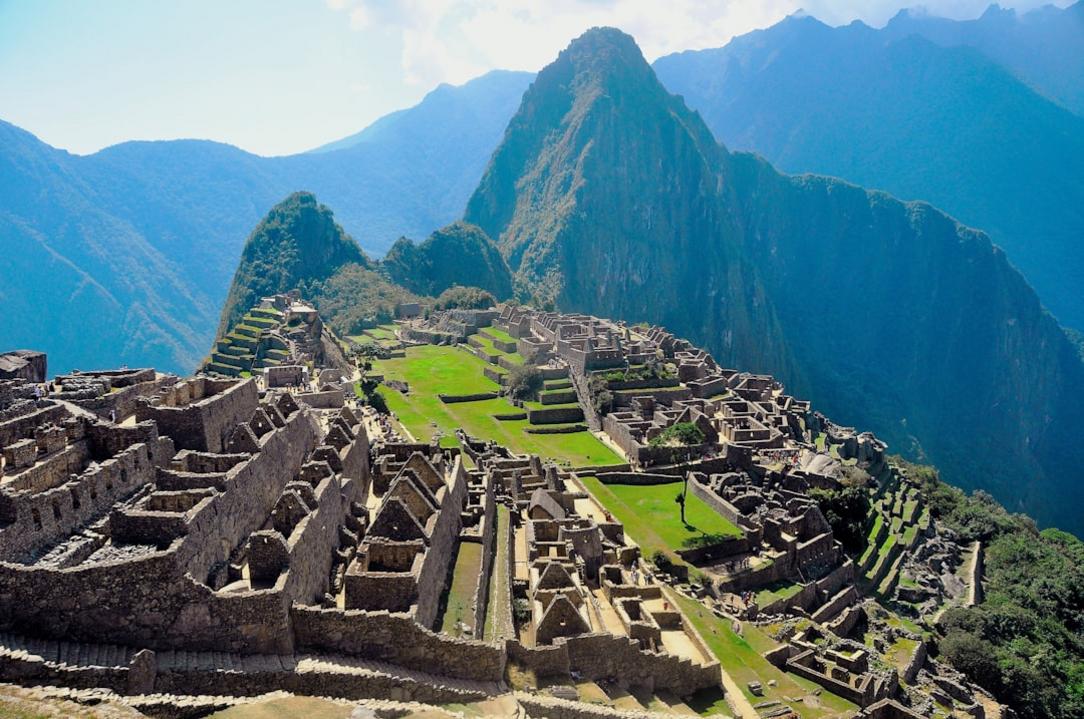
- Machu Picchu(Cusco Region)
Sunrise hike to the Inca citadel with panoramic mountain views. - Sacred Valley(Near Cusco)
Visit Pisac market, Ollantaytambo ruins, and traditional Andean villages. - Colca Canyon(Arequipa Region)
Spot condors soaring 10,000 feet above one of the world’s deepest canyons. - Lake Titicaca(Puno)
Explore floating Uros Islands and local indigenous communities. - Barranco District(Lima)
Street art, cafes, and nightlife in Lima’s bohemian neighborhood.
Ideal duration: Costa Rica: 7–9 days — compact nature and beach highlights fit a short trip · Peru: 12–15 days — altitude, travel time, and cultural sites need more time
Do
- Costa Rica: Hike trails in Manuel Antonio National Park early morning
- Costa Rica: Book a guided tour to Arenal Volcano hot springs
- Costa Rica: Surf or relax at Tamarindo Beach in late afternoon
- Peru: Acclimate in Cusco for 2 days before high-altitude treks
- Peru: Take the train from Ollantaytambo to Machu Picchu Pueblo
- Peru: Explore Barranco’s street art and local eateries in the evening
Don’t
- Costa Rica: Avoid peak crowds at Monteverde on weekends
- Costa Rica: Skip overly commercialized souvenir shops in San Jose
- Costa Rica: Don’t rely on public transport for remote areas like Corcovado
- Peru: Don’t rush Machu Picchu visit; avoid midday heat and crowds
- Peru: Skip Lima’s Miraflores for nightlife; Barranco is better
- Peru: Avoid high-altitude hikes without proper acclimation
Choose based on
- If you want quick nature and beaches, choose Costa Rica — easy access and polish
- If you want rich culture and archaeology, choose Peru — deeper history and sites
- If budget matters most, choose Peru — better value and food quality (score 80)
- If safety and ease of travel matter, choose Costa Rica — higher safety score (75)
Costa Rica trades off crowds for convenience; Peru demands altitude patience for cultural depth.
How you’ll move
Costa Rica is easier to navigate overall, with a touristInfrastructure score of 75 versus Peru’s 60. Both countries have limited options for inter-island or long-distance water travel; Costa Rica uses ferries mainly for Nicoya Peninsula access, while Peru relies on flights or buses for long distances. Domestic flights in both countries connect major hubs but expect delays and variable service quality.
Compare every transport option side-by-side
Costa Rica vs Peru transport modes compared
| Mode | Costa Rica | Peru | Practical Note |
|---|---|---|---|
| Domestic flights | Sansa and Nature Air cover main routes; flights often under 1 hour | LATAM and Sky Airline connect Lima to Cusco and beyond; flights 1–2 hours | Book 2+ weeks ahead on official airline sites for best prices; expect delays. |
| Buses | Frequent, cheap, but slow; main hubs San Jose and Liberia | Extensive network; long-distance buses are comfortable but slow in Andes | Use platforms like CheckMyBus or RedBus to book long routes early. |
| Trains | No passenger trains available | Limited tourist trains like Cusco to Machu Picchu; pricey and must book early | Book Inca Rail or PeruRail online weeks ahead for Machu Picchu access. |
| Taxi/ride-hailing | Uber and local taxis widely available; Uber safer and cheaper | Uber in Lima only; mostly local taxis with fixed fares outside Lima | Use Uber app in Costa Rica; in Peru, agree on fare before entering taxis. |
| Ferries | Ferries connect mainland to Nicoya Peninsula; infrequent but reliable | No regular ferries; flights or buses cover coast and islands | Book ferry tickets at port or online with Naviera Tambor for Nicoya trips. |
| Scooter rental | Common in beach towns; daily rates $25–40; best for short trips | Rare and not recommended due to traffic and road conditions | Use local rental shops in Costa Rica; helmets mandatory. |
| Bicycle rental | Popular in tourist centers; daily rates $10–20; good for flat areas | Limited in cities; Andes terrain tough for casual cycling | Rent via local shops or apps like Lime in Lima for e-bikes. |
Costa Rica wins for ease and efficiency with a touristInfrastructure score of 75, compared to Peru’s 60. Costa Rica’s Uber coverage, reliable ferries, and scooter options give you more control over local travel. Peru demands more planning, especially for trains and taxis, but offers extensive bus and flight networks for longer trips. Book early, know apps like Uber and CheckMyBus, and prepare for slower, less predictable rides in Peru. Book transport
App tip: Use Uber in Costa Rica; CheckMyBus for Peru long-distance buses.
How far English gets you
English is limited in both Costa Rica and Peru outside major tourist hubs. In Costa Rica, San José and beach towns like Tamarindo have decent English speakers. Peru’s Lima and Cusco offer better English access, but rural areas will challenge you. Download Google Translate for offline Spanish support. Expect slower communication in Peru’s Andes and Amazon regions.
App tip: Google Translate, iOS/Android, offline mode covers key Spanish phrases and instant camera translation.
Wifi, data, payments
Costa Rica’s wifi is reliable in cities and resorts but spotty in remote areas. Peru’s urban wifi is solid; expect slow or no coverage in the mountains. Buy local SIM cards easily at airports or shops; eSIM options save time and hassle. Both countries lean cash-heavy outside tourist zones, so carry small bills. Use eSIM Costa Rica for Costa Rica and eSIM Peru for Peru to get best eSIM deals.
eSIM picks:
Costa Rica: Airalo, $10 for 3GB data
Peru: Nomad, $15 for 5GB data
Cash rules in markets and taxis; credit cards work in hotels, restaurants, and larger stores.
When to go
When to go — month by month
Costa Rica
Peru
Costa Rica
Peru

Costa Rica’s dry season from December to April offers warm days and minimal rain. Peru stays dry and mild from May to October, especially in Lima and the coast. Costa Rica’s shoulder months in November and May are wetter but less crowded. Peru’s shoulder seasons can be colder or rainy in the highlands.
Full season-by-season climate breakdown
Seasonal climate comparison
| Season | Costa Rica | Peru | Best Pick | Notes |
|---|---|---|---|---|
| Winter (Dec–Feb) | Temps around 52–54°F in San Jose with moderate rain (80–146 mm). | Lima is warm and dry at 73–75°F with minimal rain (3–19 mm). | Peru | Peru offers clearer skies and warmer coastal weather in winter. |
| Spring (Mar–May) | Temps rise from 54°F to 63°F; rain drops sharply from 90 to 22 mm. | Temps drop from 73°F to 64°F; rain nearly zero (0.1–3.2 mm). | Costa Rica | Costa Rica’s spring has warmer temps and less rain than winter. |
| Summer (Jun–Aug) | Warmest temps 69–73°F; almost no rain (0.4–1.2 mm). | Cooler temps 60–61°F; almost no rain (0–1.1 mm). | Costa Rica | Costa Rica is warmer and drier in summer than Peru’s coast. |
| Fall (Sep–Nov) | Temps drop to 64–54°F; rain increases to 3–114 mm in November. | Temps rise from 61°F to 68°F; rain very low (0.2–19 mm). | Peru | Peru’s fall is dry and mild; Costa Rica’s rain returns in November. |
Climate tip: Visit Costa Rica right before dry season starts for fewer tourists and manageable rain.
The call
Peru wins for budget travelers and culture seekers with rich history and cheaper daily costs. Costa Rica takes nature lovers and ease-of-travel fans with better safety, infrastructure, and biodiversity. Choose Peru if you want archaeology and city life on a budget. Pick Costa Rica for compact eco-adventures and smoother logistics.
Country comparison
| Topic | Winner | Reason |
|---|---|---|
| Budget | Peru | ~$5.51/day cheaper mid-range travel options |
| Nature | Costa Rica | Higher biodiversity and better eco-tourism infrastructure |
| Culture | Peru | Stronger archaeological sites and cultural depth |
| Cities | Peru | More urban variety and historic city centers |
| Food & drinks | Peru | Superior culinary scene and diverse flavors |
| Accommodation | Costa Rica | Higher hotel quality and tourist-friendly options |
| Transport | Costa Rica | Better roads and easier airport connections |
| Safety | Costa Rica | Lower crime rates and safer tourist areas |
| Crowds | Costa Rica | Less crowded hotspots during peak season |
| Digital infrastructure | Costa Rica | More reliable internet and mobile coverage |
The bottom line
Costa Rica offers safer, smoother travel; Peru delivers richer culture and better value.
Budget travelers and history buffs pick Peru; nature lovers and first-timers pick Costa Rica.
Book your trip
Using these links supports Pack Lightly at no extra cost to you.
Your questions, answered
01Which country is cheaper to travel in 2026?
Peru is cheaper than Costa Rica by about $35 per day for mid-range travelers. Backpackers spend around $40-$50 daily in Peru versus $70-$80 in Costa Rica. Luxury travelers also get more value in Peru with similar amenities costing less.
02What is the best time to visit Costa Rica and Peru?
Costa Rica’s dry season from mid-December to April is ideal for beaches and rainforests. Peru’s best window is May to September for clear skies and trekking. Avoid Costa Rica’s heavy rains in September and Peru’s wet season in January-February.
03Is Costa Rica or Peru safer for solo travelers?
Costa Rica scores 75 in safety, making it safer for solo travelers than Peru’s 55. Tourist areas in Costa Rica have better infrastructure and fewer petty crime reports. Peru requires more caution, especially in Lima and remote regions.
04What are the visa requirements for US citizens visiting Costa Rica and Peru?
Both countries offer visa-free entry for US citizens for up to 90 days. Costa Rica requires proof of onward travel but no visa fees. Peru has no visa application or fees at arrival.
05Which country has better street food and local cuisine?
Peru leads with a food and drinks score of 85 versus Costa Rica’s 65. Peruvian dishes like ceviche and lomo saltado are internationally acclaimed. Costa Rica’s cuisine is simpler, focused on rice, beans, and fresh fruit.
06Which country offers better nature, hiking, and adventure activities?
Costa Rica edges out Peru with a 95 nature score and 90 active vacation score, thanks to its compact biodiversity and polished eco-tourism. Peru is strong too, especially for Andean trekking and archaeology, but altitude can slow you down.
07Can you realistically combine both countries in one trip?
Not for a short trip. Costa Rica fits a solid week with easy logistics. Peru needs at least two weeks to cover Lima, Cusco, and the Sacred Valley. Combining both requires 3+ weeks and budget for multiple flights.
08Which country is better for first-time visitors to Latin America?
Costa Rica is the safer, easier introduction with better tourist infrastructure (75 vs 60) and friendlier locals (90 vs 80). Peru demands more planning and altitude adjustment but rewards with richer culture and history.
Insider tip: Visit Costa Rica’s Nicoya Peninsula in March for fewer crowds and perfect beach weather—often overlooked by travelers focused on the dry season.


