


Morning light filters through the palms at Playa Maguana, where fishermen unload their daily catch.
Baracoa is Cuba’s oldest Spanish settlement, founded in the early 1500s, perched on the eastern tip of Guantánamo province. Its isolation by the mountain Farola road preserved a colonial grid and indigenous influences rarely seen elsewhere in Cuba. With a population under 20,000, the town’s streets pulse with local markets, craft workshops, and a slow rhythm shaped by its geography. Visitors come to walk El Yunque’s volcanic ridge, explore the central plaza’s colonial buildings, and visit the small fishing villages along the coast. This place demands time to understand its layered history and living traditions.
Hike El Yunque for historic views, explore the central plaza’s colonial architecture, and visit the fishing village of Boca de Miel for local life insights.
Key takeaways
- Hike El Yunque volcanic ridge, 2 miles / 3.2 km roundtrip, best before 10:00 AM
- Visit Baracoa central plaza, colonial buildings open 8:00 AM–6:00 PM daily
- Explore Boca de Miel fishing village, 5 miles / 8 km east by boat or taxi
- Shop local crafts at the Mercado de Artesanías, open 9:00 AM–4:00 PM
- Plan visits in dry season, November to April, for clearer mountain views
Why visit Baracoa
Baracoa stands apart from Santiago de Cuba and Holguín with its deep colonial roots and isolation behind the Farola mountain road. This easternmost town preserves Cuba’s oldest Spanish architecture, centered around its compact colonial plaza and the imposing El Yunque table mountain. Baracoa’s cultural rhythm pulses through its indigenous-influenced food markets and artisan workshops, offering a rare glimpse into Cuba’s original settlement beyond the usual tourist circuits.
- Explore the colonial plaza’s faded pastel buildings, the oldest standing structures in Cuba’s eastern tip.
- Join a weaving cooperative tour to see local artisans preserving indigenous craft techniques rarely found elsewhere in Cuba.
- Visit during the rainy season (May to October) for lush jungle hikes and fewer tourists, a local insider’s choice.
- Taste coconut-based dishes unique to Baracoa’s Afro-indigenous culinary heritage, not typical in western Cuba.
Best for
You’ll appreciate Baracoa if you want to understand Cuba’s colonial origins and indigenous influences without the crowds. Solo travelers comfortable with slow, rustic transport and cultural immersion will find it rewarding.
Skip if
Skip Baracoa if you want easy beach resorts or nightlife; Santiago de Cuba offers more urban energy and direct flights.
Top things to do in Baracoa
Baracoa’s oldest colonial streets and indigenous roots shape every experience here. Start with the local craft markets and cacao tours to grasp its unique heritage before exploring mountain trails or river trips.
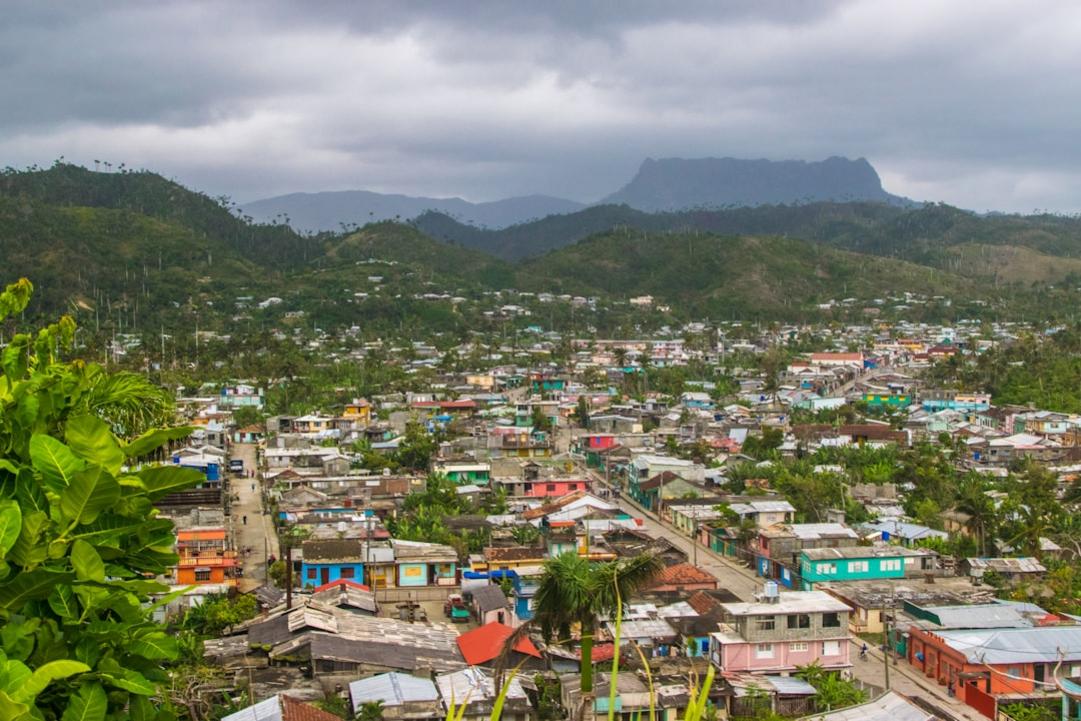
1. Cacao Plantation Tour and Tasting ·
Experience Baracoa’s claim as Cuba’s original cacao hub through a hands-on plantation visit and artisanal chocolate tasting.
Join one of the licensed guide outfits that take you through a working cacao plantation just outside town. Learn how cacao grows in this humid tropical climate, see traditional harvesting methods, and sample fresh chocolate made on site. This tour reveals Baracoa’s agricultural roots and local craft that larger Cuban cities lack.
This beats generic city markets or factory visits in Havana by connecting you directly to Baracoa’s oldest economic activity and indigenous-influenced farming methods.
- When: Morning tours run daily from 8:00 AM to 11:00 AM, best in dry months from December to April.
- Cost: ~$20, 2026
- Duration: Half day
- How to reach: Take a colectivo or taxi along the main road (Carretera Central) east of the town center, about 3 miles / 5 km from the plaza.
Insider tip: If closed
Visit the central craft market to see local cacao products and meet artisans instead.
Solo female travel: Group tours are common, and guides speak basic English; transportation options are reliable for solo travelers.
2. Walking the Colonial Old Town ·
Immerse yourself in Cuba’s oldest colonial architecture and street life along Baracoa’s compact historic center.
Stroll the grid of narrow streets lined with low pastel facades and wooden shutters, tracing the 16th-century Spanish settlement’s footprint. Stop at the modest cathedral and local plazas where vendors sell tropical fruits and handmade crafts. This walk reveals how isolation preserved Baracoa’s colonial character unlike anywhere else in Cuba.
The old town here feels more intact and lived-in than better-known colonial cities like Trinidad, offering a rawer slice of Cuban history and daily life.
- When: Morning or late afternoon for cooler temperatures; weekday mornings avoid local market crowds.
- Cost: Free
- Duration: 2 hours
- How to reach: All within easy walking distance from any accommodation in Baracoa’s center.
Solo female travel: Baracoa’s central streets are safe and active during daylight; evening walks should stick to well-lit areas near the main plaza.
3. Río Toa Nature Walk and Birdwatching ·
Explore Cuba’s most biodiverse river basin on foot with a local guide to see endemic birds and lush rainforest flora.
Book a half-day guided hike along trails near the Río Toa, the largest river in eastern Cuba. The path winds through tropical forest patches where you can spot Cuban trogons and other rare birds. The guides often share stories about indigenous Taíno influences on the landscape and plants.
Unlike the crowded national parks near Havana, this walk offers a quieter, more intimate connection to eastern Cuba’s original ecosystems and cultural history.
- When: Early morning between 7:00 AM and 10:00 AM to catch bird activity; best in dry season December to April.
- Cost: ~$15, 2026
- Duration: Half day
- How to reach: Arrange pickup with a local guide who will drive you 15 minutes south of town on the Carretera a Río Toa.
Insider tip: If closed
Visit the small ethnographic museum in town to learn about indigenous and colonial history.
Solo female travel: Guided groups commonly include solo travelers; guides provide transport and local insight.
4. Baracoa Craft Market and Food Stalls ·
Dive into local life by browsing handcrafted goods and sampling regional specialties at the town’s main market.
Spend an hour or two at the market near the central plaza, where vendors sell woven baskets, carved wood items, and fresh tropical fruits. Try the local specialty, cucurucho—a coconut, honey, and nut sweet wrapped in palm leaves—made only in this region. This market is a living snapshot of Baracoa’s artisanal heritage and everyday rhythms.
This market beats tourist-heavy souvenir shops by offering genuine local crafts and flavors tied directly to Baracoa’s history and environment.
- When: Open daily from 8:00 AM to 2:00 PM, best mid-morning weekdays for fewer crowds.
- Cost: Free to browse, snacks ~$2-$5
- Duration: 1-2 hours
- How to reach: Walk or bike to the market next to the main plaza in Baracoa’s center.
Insider tip: If closed
Visit a nearby family-run cafe for traditional coconut sweets and coffee.
Solo female travel: Market area is lively and safe during the day; keep belongings close in crowded spots.
5. Boat Trip to Playa Maguana ·
Combine coastal views and local fishing culture on a short boat ride to a quiet beach favored by Baracoa residents.
Hire a small motorboat from the Baracoa harbor for a 20-minute ride to Playa Maguana. Spend the day swimming, watching fishermen mend nets, and chatting with locals who escape here on weekends. The beach’s isolation and slow pace reflect Baracoa’s distance from Cuba’s tourist hubs.
This trip offers a cultural counterpoint to the typical resort beaches elsewhere in Cuba, showing how locals enjoy the coast.
- When: Weekdays from 10:00 AM to 4:00 PM avoid weekend crowds; best in dry season December to April.
- Cost: ~$25 round trip, 2026
- Duration: Half day
- How to reach: Walk 10 minutes to the harbor area on Calle 1ra, where boat operators await.
Insider tip: If closed
Walk the short coastal trail near town for views and local fishing activity.
Solo female travel: Boat operators are trusted locals; solo travelers should confirm return times before departure.
6. Visit to the Taíno Heritage Center ·
Discover Baracoa’s indigenous roots through exhibits and artifacts at the small local museum dedicated to Taíno culture.
Spend an hour exploring displays of Taíno pottery, tools, and ritual items in this modest but informative center near the main plaza. Staff often provide context on how Taíno traditions influenced Baracoa’s colonial and modern culture, bridging past and present in this isolated town.
Unlike larger Cuban cities where indigenous history is buried, this center keeps Baracoa’s original inhabitants front and center.
- When: Open weekdays 9:00 AM to 5:00 PM; closed Sundays; visit early to avoid midday heat.
- Cost: ~$5, 2026
- Duration: 1 hour
- How to reach: Walk 5 minutes from the central plaza along Calle Real until the small building on the left.
Insider tip: If closed
Attend a local storytelling session at a community center if available.
Book tours and tickets
Booking through these links supports Pack Lightly at no extra cost to you.
24 hours in Baracoa
This day plan suits travelers who want to dive into Baracoa’s colonial roots and local life, with a focus on heritage streets, markets, and a single cultural hike. It balances immersive history with manageable effort.

Morning
Start at dawn in the central plaza, where the morning light softens the colonial facades. Head straight to the lively Mercado de Baracoa to watch vendors set up fresh produce and tropical fruits unique to this region. Grab a strong Cuban coffee and a pastelito from a small bakery stall before wandering the narrow streets around Parque Independencia, noting the faded colonial architecture and old churches that mark Baracoa’s Spanish origins. This walk grounds you in the town’s oldest neighborhood, where locals still gather for morning errands and quiet chats.
Afternoon
After a light lunch at one of the family-run paladares near the plaza, set out for the main cultural hike along the trail to El Yunque, the iconic flat-topped mountain that looms over Baracoa. This 2-3 hour trek through tropical forest reveals the landscape that shaped the town’s isolation and colonial survival. Guides here share stories about the Taíno heritage intertwined with Spanish settlers. Return to town mid-afternoon and recover with fresh coconut water from a vendor near the waterfront, watching fishermen bring in their catch.
Evening
For sunset, walk to the waterfront promenade where the light hits the bay with a soft glow. Dinner calls for a seafood-focused meal at one of the small cevicherias on the central plaza, where you can order fish ceviche paired with a locally brewed lager. The evening air fills with the hum of local musicians playing traditional Cuban son nearby, while families and neighbors stroll the streets. This relaxed scene offers a chance to reflect on Baracoa’s layered history and enduring community spirit.
If you have a second day
Spend the next morning visiting a nearby indigenous weaving cooperative to see traditional craft methods still alive in the area. Follow this with a visit to the colonial-era fort ruins on the town’s edge for deeper context on Baracoa’s Spanish defense legacy.
Best time to visit Baracoa
Quick answer
Visit Baracoa from April to June or October to early December for warm, drier weather that suits exploring colonial streets and local markets.
| Months to go | April to June, October to early December |
|---|---|
| Months to avoid | July to September due to heavy rain and hurricane risk disrupting outdoor activities |
Baracoa stays warm year-round, with average temperatures between 75°F and 84°F. The dry months from April to June and October to early December offer the best conditions for walking the colonial town and visiting indigenous craft markets without frequent rain interruptions. July through September bring heavy rainfall and the highest hurricane risk, often closing trails and limiting outdoor visits. The wet season dampens the wildlife viewing window and makes the mountain Farola road less reliable. Cooler months like January and February remain pleasant but see slightly more rain, so plan indoor cultural visits accordingly.
Average temperature (°F)
Monthly weather
warm with moderate rain
warm, less rain, quieter
warming up, occasional showers
dry, ideal for walking
warm, mostly dry days
hot with some rain
heavy rain, hurricane risk
wettest month, trails closed
rain slows outdoor plans
rain easing, good for culture
drying out, market visits
cooler, moderate rain
How to get to Baracoa
Nearest airport
Frank País Airport (HOG), Holguín, about 110 miles / 180 km west of Baracoa
From the airport
The best way to reach Baracoa from Holguín airport is by booking a private shuttle or taxi in advance, costing around $100-$130 (2026) for the 4-hour drive via the Farola mountain road. This avoids unreliable public transport and ensures direct, comfortable access to the isolated town.
Other ways to arrive
- Santiago de Cuba by bus, 150 miles / 240 km, 5-6 hours, $20-$30
- Guantánamo by colectivo or bus, 45 miles / 70 km, 2-3 hours, $10-$15
- Camagüey by long-distance bus, 220 miles / 350 km, 8-9 hours, $25-$35
Getting around Baracoa
Walking dominates Baracoa’s compact colonial center, letting you absorb the town’s heritage streets and markets. For trips outside town, renting a bicycle or hiring a moto-taxi offers the best balance of freedom and local flavor.
- Walk for exploring the historic core and plazas, free and immersive.
- Rent a bicycle for short trips to nearby villages or river spots, around $5-$8 per day.
- Hire a moto-taxi for quick trips or to reach remote sites, expect $3-$7 per ride depending on distance.
Avoid
Avoid renting a car; the Farola road and local streets are rough and poorly maintained, making driving stressful and slow.
Day trips from Baracoa
These day trips deepen your understanding of Baracoa’s isolated colonial roots and surrounding indigenous landscapes.
El Yunque National Park
Climb the iconic flat-topped mountain that shaped Baracoa’s settlement history.
Why: The hike offers panoramic views and insight into the region’s biodiversity, connecting colonial history with natural heritage.
Cacao Cooperative Visit
See how local farmers maintain traditional cacao cultivation, a pillar of Baracoa’s economy since colonial times.
Why: You’ll learn about indigenous agricultural methods and taste chocolate made on-site, a cultural highlight missed by many.
Skip if: Not for travelers uninterested in agro-tourism or local foodways.
Playita de Cajobabo
Visit a small beach with colonial-era fishing traditions still alive in local families.
Why: This spot reveals how Baracoa’s coastal life shaped its cultural identity beyond the town center.
Skip if: Skip if focused solely on urban heritage; this is more about village life.
Combine Baracoa with
Baracoa’s isolation makes it a distinct final stop or detour on an eastern Cuba cultural route.
10-day Eastern Cuba heritage loop Santiago de Cuba → Guantánamo → Baracoa
This route follows the colonial and indigenous history eastward, with Baracoa as the oldest settlement providing a deep cultural capstone after vibrant city life.
14-day Cuba colonial circuit Havana → Trinidad → Santiago de Cuba → Baracoa
Start with Cuba’s major colonial cities, then push east to Baracoa for a less-touristed, historically layered finish that contrasts urban centers with remote village life.
Where to stay in Baracoa
Baracoa’s lodging clusters mainly around the historic town center and the nearby Playa Maguana beach. Choose the old town for colonial charm and walkability to markets and plazas, or the beach zone for quiet mornings and direct access to the coast. The eastern edge near the Farola road suits travelers who want quick trail access into the mountains.
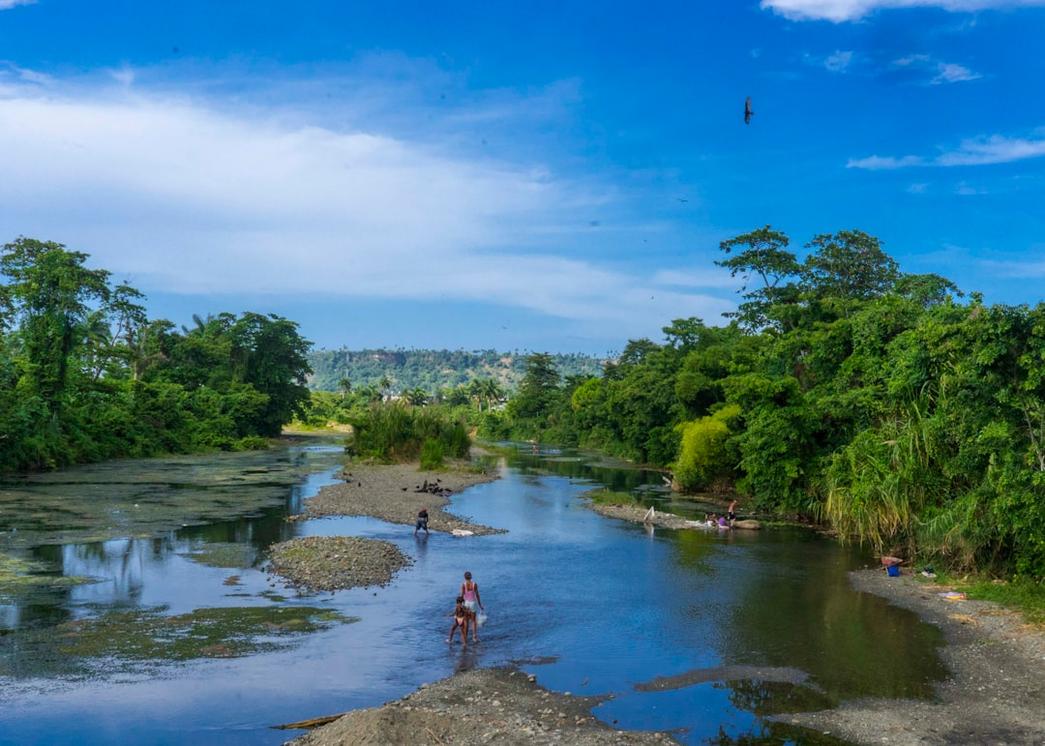
Budget — Old town near Calle Independencia
Basic guesthouses and small casas particulares dominate this tier, offering simple rooms with shared bathrooms and ceiling fans. These places get you close to the old town but often lack air conditioning and consistent hot water.
Insider tip: Request a room facing the interior courtyard to avoid street noise and catch the morning breeze.
Mid-range — Between Calle Maceo and the central plaza
Family-run guesthouses with private bathrooms and some air conditioning fill this tier, blending colonial architecture with modest comfort. Most are within walking distance of both the central plaza and local eateries, balancing convenience and quiet.
Insider tip: Book early for weekend stays during festivals; some guesthouses offer free bike rentals for exploring nearby neighborhoods.
Where not to stay
Avoid lodging along the main highway entrance on Avenida 24 de Febrero; traffic noise and occasional late-night truck engines disrupt sleep.
Solo female travelers
Choose guesthouses in the old town near the central plaza; these areas stay well-lit after dark with nearby cafes and a steady local presence that keeps streets active.
Book your stay
Booking through these links supports Pack Lightly at no extra cost to you.
Where to eat and drink in Baracoa
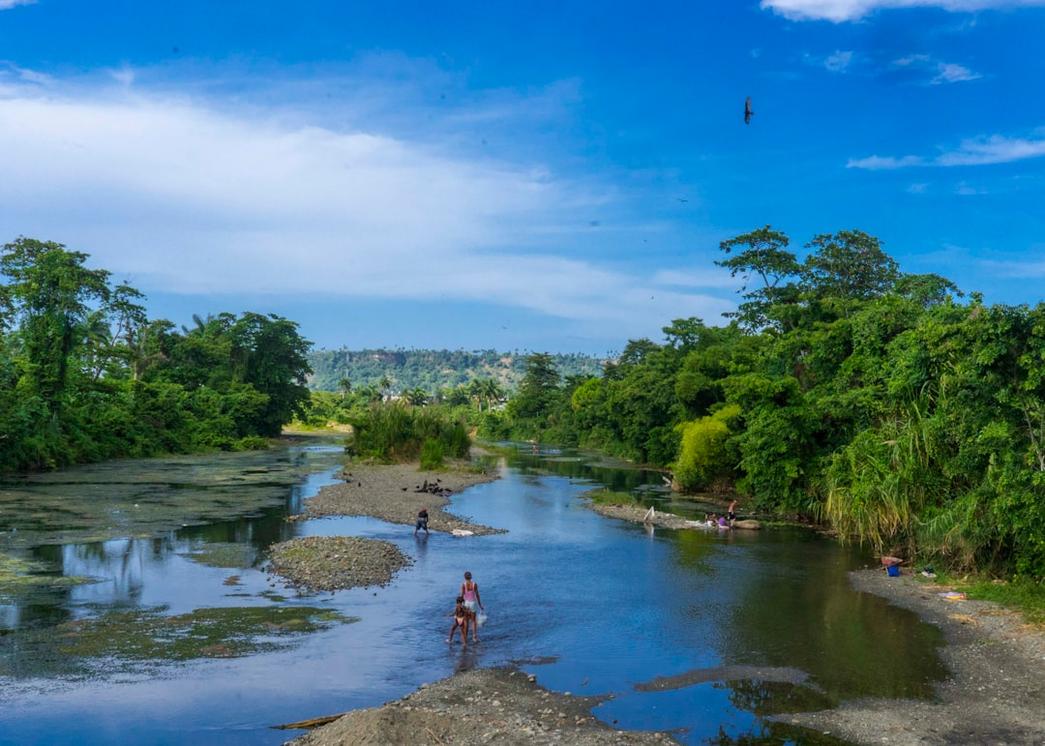
Baracoa’s food reflects its isolation and Afro-Indigenous roots, centered on fresh seafood and mountain-grown cacao. The local community relies heavily on the nearby fishing port and the unique use of coconut milk in savory dishes. The central market buzzes with vendors selling regional staples like guaba pods and native root vegetables.
Must-try dishes
Cucurucho
A traditional dessert made from shredded coconut, guava, and sugar wrapped in banana leaves.
Insider tip: Buy early in the day when freshly made; avoid versions sold late afternoon that tend to dry out and lose flavor.
Sopa Marinera (Seafood Soup)
A rich broth packed with fresh fish, crab, conch, and local shellfish simmered with coconut milk and mountain herbs.
Insider tip: Order it as a late lunch; the kitchens close early afternoon and the freshest catch is used before the evening.
Guaba Stew
A hearty stew featuring guaba pods, pork, yuca, and local root vegetables cooked slowly in a savory broth.
Insider tip: Ask for guaba stew in the early afternoon; it’s less common at night and often reserved for local workers.
Frita Baracoense (Baracoa-Style Fried Pork)
Marinated pork chunks fried with garlic, onions, and local herbs, served with cassava or plantains.
Insider tip: Order this for a late afternoon snack; avoid touristy spots serving reheated versions.
Local drinks
- Baracoa Cacao DrinkFind it in small cafés near the town center or at the market stalls selling regional products.
A thick, unsweetened hot chocolate made from locally grown cacao beans, prepared traditionally with water or coconut milk. - Coconut WaterStreet vendors near the fishing port or along the beach road offer the freshest coconuts.
Fresh coconut water served directly from green coconuts harvested locally along the coast.
How to eat like a local in Baracoa
Lunch is the main meal here, served between 12:00 PM and 2:00 PM; many kitchens close afterward and reopen as bars. Plan your day around this window to taste the freshest seafood and traditional stews.
Dietary note
Vegetarian options are limited and usually consist of root vegetable stews or coconut-based dishes; vegan and gluten-free travelers should prepare for minimal choices outside fresh fruit and coconut products.
Daily budget for Baracoa
Baracoa’s isolation and limited tourist infrastructure push prices slightly above Cuba’s average, especially for lodging and guided cultural tours. Expect to pay more for authentic local experiences and transport along the mountain Farola road.
Shoestring
- lodging — basic casa particular in residential neighborhoods
- food — local eateries serving regional staples like coconut bread and fish
- transport — shared minibuses or moto-taxis within town and to nearby sites
- activities — self-guided walks and free museum visits
- buffer — small emergency or snack fund
Trade-offs: Sacrifice comfort and private transport; expect simple rooms and limited English spoken.
Comfort
- lodging — mid-range casa particular with private bath near the historic center
- food — meals at well-reviewed paladares offering local dishes
- transport — occasional private taxi rides or organized group tours
- activities — guided visits to indigenous craft cooperatives and colonial landmarks
- buffer — flexibility for souvenirs or extra snacks
Trade-offs: Trade off some spontaneity for convenience and better lodging quality.
Splurge
- lodging — boutique-style casa particular or small hotel with river or sea views
- food — upscale dining featuring local seafood and specialty drinks
- transport — private driver for full-day excursions and airport transfers
- activities — private cultural tours, including visits to remote indigenous villages
- buffer — for unexpected extras or tipping
Trade-offs: Pay premium for exclusivity and personalized experiences; less immersion in spontaneous street life.
Money-saver tip
Book lodging directly with casa owners in the historic center to avoid inflated agency fees and get insider tips on local eateries.
Splurge that’s worth it
Invest in a private guided tour to the indigenous weaving cooperatives and colonial sites—this unlocks deep cultural context missed by group tours.
Skip to save
Avoid overpriced souvenir shops near the central plaza; local markets on side streets offer better prices and genuine crafts.
Practical tips for Baracoa
Money
| Cash or card | Bring cash in Cuban pesos or USD exchanged locally; cards rarely work in Baracoa due to limited banking infrastructure. |
|---|---|
| ATMs | ATMs exist but often reject foreign cards or run out of cash; rely on cash exchanges instead. |
| Tipping | Tip around 10% in restaurants; for example, leave $1–$2 on a $15 meal to match local expectations. |
Safety
Baracoa is low-crime with a relaxed vibe; avoid unlit streets after dark and keep valuables discreet in crowded markets.
Common scams:
- Taxi drivers quoting inflated fixed fares if not agreed upfront
- Overpriced souvenirs pushed by street vendors near the central plaza
Local warnings:
- Strong sun exposure requires sunscreen and hats, especially midday
- Mountain roads like the Farola can be narrow and winding; avoid night driving
- Rainy season can cause slippery trails around local waterfalls
Connectivity
| Mobile data | Mobile coverage is spotty outside town; buy a Cubacel SIM for basic 3G data in Baracoa but expect slow speeds. |
|---|---|
| Wi-Fi | Wi-Fi is limited to some guesthouses and the main plaza; expect slow, shared connections. |
Language
| Main language | Spanish |
|---|---|
| English level | English is rare outside tourism spots; basic Spanish phrases and patience go a long way. |
Cultural notes
| Dress modestly when visiting churches; shoulders and knees covered show respect |
| Ask permission before photographing locals, especially in indigenous or rural settings |
| Greet with a polite ‘buenos días’ or ‘buenas tardes’ when entering shops or homes |
Solo female travel
Solo female travelers find Baracoa welcoming and calm; daytime exploration is straightforward, and locals are friendly.
| Neighborhood | Stay near the central plaza for easy access to cafes and safe evening strolls. |
|---|---|
| Transport | Use official taxis arranged by your accommodation after dark rather than hailing on the street. |
| Meeting people | Meet locals and other travelers at the small cafés around the town square, where informal gatherings happen. |
Frequently asked questions about Baracoa
1How many days do you need in Baracoa?
Book at least 3 full days. Use day 1 to explore the colonial streets and local markets, day 2 for the indigenous village tours and craft workshops, and day 3 for the mountain trails or river excursions.
2Is Baracoa safe for solo female travelers?
Yes, Baracoa is safe for solo female travelers. Stick to the central neighborhoods like Calle Independencia and avoid poorly lit streets after 9 PM. Locals are welcoming, and taxis run until late.
3Do you need a car or 4×4 to visit Baracoa?
No car is required to explore Baracoa itself. The historic center is walkable. For excursions outside town, local guides provide transport, and the Farola mountain road is paved but narrow—avoid driving at night.
4What is the food like in Baracoa?
Expect hearty dishes featuring coconut, chocolate, and fresh seafood unique to this region. Try the local fish stew with coconut milk and the handmade chocolate sweets sold at the central plaza markets.
5Can you actually drink the water in Baracoa?
Skip tap water in Baracoa. Bottled water is widely available and cheap, around $0.50 per liter. Locals boil water or rely on filtered supplies, so carry your own bottle for day trips.
6How reliable is the road to Baracoa during the rainy season?
The Farola road remains open year-round but expect occasional closures after heavy rains from May to October. Plan extra travel time and book local transport rather than self-driving during this period.
7Where is the best place to buy local crafts in Baracoa?
Head to the artisan stalls near the central plaza and the small cooperative shops on Calle Maceo. These spots offer handmade woven baskets, wood carvings, and traditional hammocks directly from indigenous makers.
8Is Baracoa expensive compared to other parts of Cuba?
Baracoa runs slightly higher than average Cuban towns due to its isolation. Expect roughly $50-70/day for lodging, meals, and local transport, with family-run casas charging around $25-30/night.