

In Salmiya’s bustling streets, the scent of cardamom coffee mingles with the steady hum of Arabic chatter at diwaniya gatherings.
Kuwait’s culture stands apart from Saudi Arabia and the UAE through its politically active parliament, dissolved in 2024 by the Emir, and a Shia minority in the ruling class. Unlike neighbors, Kuwait enforces a total alcohol ban, shaping public and private life. Social inequality is stark, with the top 10% holding 48.4% of income, influencing access and status.
Never drink alcohol—Kuwait enforces a total ban tied to its unique diwaniya social culture and strict laws.
Key takeaways
- Cover shoulders and knees in public, especially in Jahra’s tribal areas.
- Use Careem or Uber for safe transport within Kuwait City after dark.
- Expect 10% service charge added in restaurants; no bargaining in malls.
- Avoid photographing women and military sites; alcohol possession is illegal.
- Diwaniya gatherings reflect Kuwait’s unique political and social identity.
History that shaped Kuwait today
- 1961 — Independence from Britain — Established sovereignty shaping national pride and governance structures.
- 1990 — Iraqi invasion and occupation — Deep trauma influencing security consciousness and regional distrust.
- 1980s — Rise of Islamic conservatism — Cemented social norms around gender and public behavior.
- 2006 — Introduction of parliamentary activism — Marked Kuwait as the Gulf’s most politically engaged state.
- 2024 — Emir dissolves parliament — Reinforced executive power and political uncertainty among citizens.
Resilience defines Kuwait’s social psyche, rooted in the 1990 Iraqi invasion trauma. The brutal occupation left collective scars that forged a survival instinct beyond mere endurance. This event engraved a shared memory of vulnerability and defiance that drives Kuwaiti interactions today. Locals prioritize security, loyalty, and cautious openness, especially toward outsiders, to protect social cohesion. Visitors will notice a reserved, sometimes guarded demeanor that can be mistaken for aloofness or unfriendliness. This behaviour stems from a collective need to safeguard community trust after a history of external threat. Tourists unaware of this context may interpret this as coldness, but it is a protective social mechanism shaped by the invasion’s lasting impact.
direct communication style
1961 independence fostered a national identity that values straightforwardness in political and social discourse.
For you as a traveler: You will hear blunt, unfiltered opinions in conversations, especially about governance and regional issues.
respect for authority
1980s Islamic conservatism reinforced obedience to religious and political leaders as a societal pillar.
For you as a traveler: Public deference to officials and elders is visible, with formal greetings and avoidance of public dissent.
cautious attitude toward outsiders
1990 invasion heightened wariness of foreigners, influencing tight social circles and selective trust.
For you as a traveler: Strangers may experience polite but distant interactions until trust is established.
slow-paced social time
2006 parliamentary activism created a culture of deliberation and patience in decision-making processes.
For you as a traveler: Meetings or social plans often start late and proceed with measured pace, reflecting thoughtful engagement.
Religion and spirituality
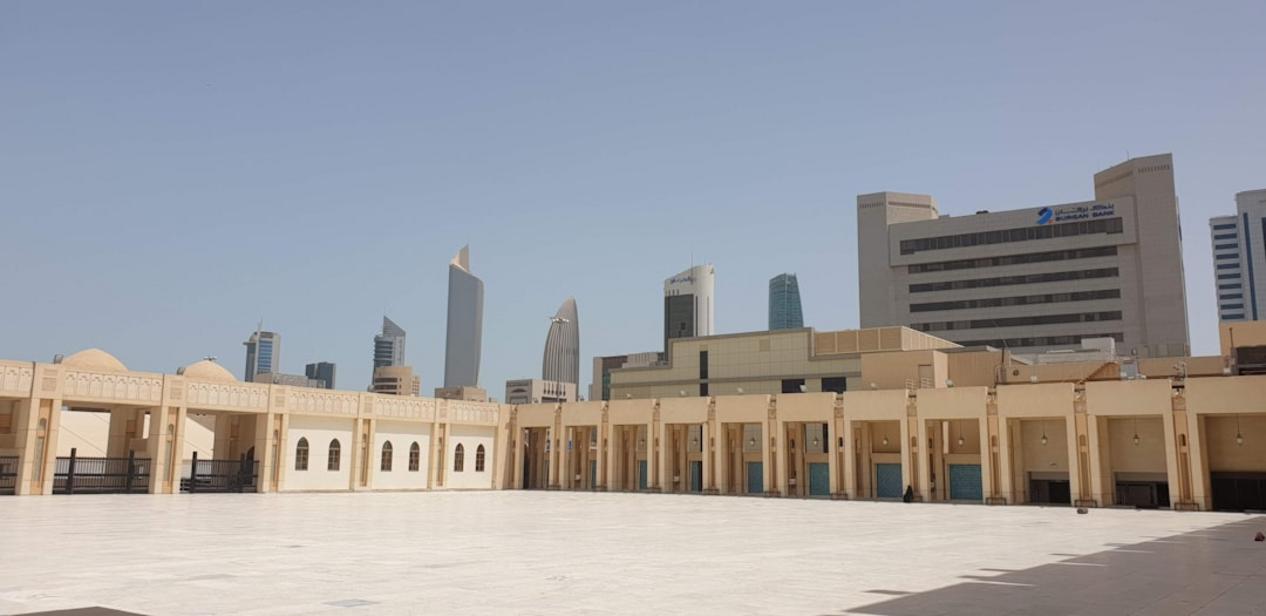
Religion shapes daily life in Kuwait visibly through architecture, sound, and public rhythms. The call to prayer echoes five times daily from minarets across Kuwait City, especially around the Grand Mosque and the Sharq district, marking pauses in city activity. The scent of oud and incense often drifts through markets and diwaniyas, reinforcing a sensory connection to Islamic tradition. Friday is the holy day, with many businesses closing or reducing hours during midday prayers. During Ramadan and Eid, public spaces and schedules shift noticeably, with evening gatherings and altered meal times. Christian communities gather in areas like Salmiya, where churches hold services that punctuate weekends with bell chimes. The religious presence is both audible and visible, from mosque domes dominating the skyline to the respectful quiet near worship centers. This religious rhythm is part of the city’s pulse, reflecting the 2020 census data on Kuwait’s diverse faith landscape.
| Religion | % | Core value | What you see |
|---|---|---|---|
| Muslim | 74.6% | Community, prayer, modesty | Call to prayer five times daily |
| Christian | 18.2% | Worship, fellowship, charity | Church bells in Salmiya on Sundays |
| Other (Hindu, Buddhist) | 7.2% | Meditation, ritual, respect | Small temples and shrines in expat neighborhoods |
At sacred sites
At Kuwait’s Grand Mosque and Imam Al-Sadiq Mosque, avoid photographing the buildings’ interiors and worshippers. Feet should point away from prayer rugs; do not touch heads or shoulders of worshippers. Use the right hand only when giving donations or receiving prayer beads. Interaction with imams is formal—greet with a slight nod, no physical contact unless initiated. At the Sulaibikhat military zone, photography is strictly forbidden, including nearby oil facilities. Women’s images are never to be taken in public or sacred spaces. Visitors must remove shoes before entering mosque prayer halls and maintain silence. These rules apply strictly at these sites and surrounding areas to avoid fines or denial of entry.
Religion affects everyday life in Kuwait, not just sacred sites. Prayer times pause business and traffic briefly five times daily. Friday midday closures are common, especially near mosques. Dress codes are enforced more strictly outside Kuwait City, with shoulders and knees covered. Food options reflect halal standards, and alcohol is banned entirely. In urban areas, religious observance blends with secular life, but rural or tribal areas show more conservative enforcement. Expect a city rhythm shaped around religious schedules and social norms throughout your visit.
Handle with care
Photographing local women anywhere in Kuwait is strictly forbidden and can lead to arrest.
How locals actually live
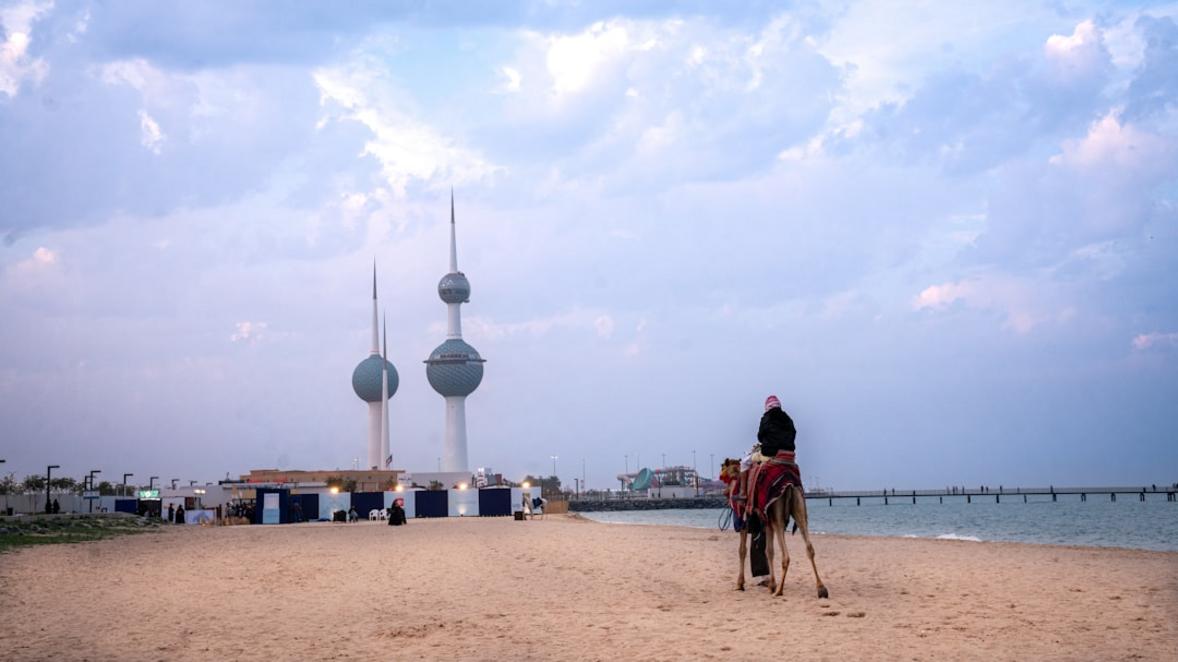
A median-income resident of Kuwait City typically lives in a modest apartment complex in the Salmiya or Hawally districts, known for their dense expat populations and accessible amenities. Most commute by car or taxi, avoiding peak traffic by leaving early. Breakfast costs around KWD 0.5 (~$1.60), often consisting of local flatbread with cheese or falafel and strong Arabic coffee from a nearby café. The workday runs from 8:00 AM to 4:00 PM in government or private-sector offices, with a midday break aligning with prayer times. After work, many stop for a quick shawarma or grilled chicken meal costing about KWD 1.2 (~$4). Evenings are spent at home or in local parks, sometimes visiting a diwaniya for socializing. Weekends focus on family outings to the Corniche or malls like The Avenues, balancing indoor air conditioning with outdoor heat. The median wage is KWD 350 (~$1,140), enough for a modest but stable lifestyle including rent, food, and transport within the city’s limits.
The wealth gap in Kuwait City is starkly visible between the affluent district of Kuwait City/central, home to government offices and Sabah-family institutions, and the working-class neighborhoods of Hawally or Salmiya, where many Egyptian and South Asian expatriates live in crowded conditions. The Gini coefficient remains unknown, but the top 10% controls 48.4% of income (WID 2022), showing concentrated wealth. Luxury high-rises and exclusive clubs sit just blocks from budget markets and informal housing. Tourists cross these worlds routinely: upscale dining and shopping in Kuwait City/central contrast with street food and souks in Salmiya, providing a glimpse into both economic realities without leaving the city’s core.
| Region | What's distinctive | What it means for you |
|---|---|---|
| Kuwait City/central | Government and financial core dominated by Sabah-family institutions. | Dress conservatively; expect formal business attire in many venues. |
| Salmiya/Hawally | Dense expat neighborhoods with Egyptian and South Asian majorities. | Use taxis or ride-hailing; bargaining common in local markets. |
| Jahra | Bedouin-origin tribal heartland with conservative social norms. | Wear modest clothing; avoid loud behavior and photography of locals. |
| Failaka Island | Pre-Islamic archaeology and post-1990 ruin-tourism focus. | Bring sun protection; limited services require self-sufficiency. |
Most Kuwaiti households in the capital are nuclear but often maintain close ties with extended family nearby. Renting dominates in Kuwait City, especially for median-income residents, due to high property prices and limited ownership options. Informal economy participation is low among nationals but higher among expatriates, particularly in service and construction sectors. Multigenerational living is more common outside the city center, reflecting tribal and family traditions.
Where your path crosses theirs
Tourists meet both income groups naturally by visiting street-food stalls in Salmiya and upscale malls like The Avenues. Ride-hailing drivers come from working-class backgrounds, while hotel concierges represent the affluent service sector. Night markets offer authentic local interactions, contrasting with rooftop bars in Kuwait City’s financial district. Tip drivers and market vendors in cash, modestly but respectfully; in luxury venues, follow standard 10-15% tipping. Bargain firmly but politely in markets; avoid haggling in formal shops to respect social norms.
Do's and don'ts in Kuwait
Do
- Tip 10% in restaurants; service often pre-added
Skipping tips can cause awkwardness; 10% is standard and expected.
- Bargain up to 20% at Souq Alubarakiya only
Malls have fixed prices; bargaining elsewhere wastes time and causes friction.
- Use Careem or Uber for transport after 9 PM
Public taxis lack regulation; app rides ensure safer, trackable trips at night.
- Cover shoulders and knees in Jahra tribal areas
Local tribal customs enforce strict dress codes; disrespect can cause social exclusion.
- Queue patiently at Al-Mubarakiya market entrances
Pushing leads to confrontations; locals expect orderly lines despite crowds.
- Ask explicit consent before photographing local women
Unpermitted photos can provoke legal issues and social backlash.
- Address Emir respectfully in conversation or writing
Lèse-majesté laws punish disrespect with fines or imprisonment.
Don't
- Don't criticize the Emir publicly or on social media
Lèse-majesté laws impose up to 7 years in prison.
- Don't photograph military or oil facilities under any circumstance
Strict legal bans with heavy penalties for security breaches.
- Don't discuss or mention stateless Bidoon population openly
Sensitive topic causing social and legal trouble for foreigners.
- Don't enter Jleeb Al-Shuyoukh or Hawally labour areas after dark
Known for higher crime rates and unsafe conditions at night.
- Don't photograph local women without explicit permission
Violates cultural norms and can lead to legal action.
- Don't attempt to bypass expat quota laws in employment
Violations cause visa denial and deportation risks.
- Don't wear sleeveless or short skirts in public areas
Dress code strictly enforced; violations cause public harassment.
For solo female travelers
Use Careem or Uber exclusively for nighttime transport in Kuwait City; these apps provide traceable, safer rides after dark. Avoid Jleeb Al-Shuyoukh and Hawally labour areas late at night due to higher safety risks. On everyday streets, no abaya is required but cover shoulders and knees strictly; lightweight, breathable fabrics like linen or cotton blends work best in 90% humidity and 100°F/38°C heat. Moderate harassment and staring happen but rarely escalate; staying composed and moving confidently controls interactions. Locals often use Diwaniya invitations to network and blend socially—travelers miss this key cultural access point, limiting deeper local connections.
For LGBTQ+ travelers
LGBTQ status in Kuwait remains illegal under Penal Code Article 193, punishable by up to 7 years imprisonment; Article 198 on cross-dressing was struck down in 2022 but recriminalized via other statutes by 2023-24. Urban PDA for same-sex couples is zero tolerated everywhere, including liberal districts like Salmiya, where discreet behavior is essential. Rural areas enforce stricter zero tolerance with active police enforcement. Trans individuals face particular targeting under new 2023 laws. Enforcement is active and penalties include imprisonment, fines, and harassment. Public displays of affection between same-sex couples result in immediate social and legal consequences.
For couples
Public displays of affection are limited in Kuwait. Holding hands is acceptable discreetly in restaurants and private beaches but frowned upon in public transport and near religious sites. Kissing or hugging openly is prohibited everywhere. Same-sex couples face stricter zero tolerance and zero PDA allowed under active enforcement, unlike different-sex couples who can show minimal affection discreetly. Overstepping leads to stares, verbal warnings, denied service, and potential fines or police intervention.
Traveling with kids
Children are welcomed in public spaces but kept close in crowded markets. Sidewalks in Kuwait City are uneven and often obstructed, making strollers difficult to use. Kid menus are rare and mostly found only in international chain restaurants. Breastfeeding in public is culturally sensitive; discreet nursing is best. Car seats are not legally enforced but recommended; helmets for child scooter riders are uncommon and not mandatory, increasing injury risk.
Frequently asked questions
1Do I tip at street-food stalls or casual restaurants in Kuwait?
Yes, expect a 10% service charge often already added in casual restaurants; tipping at street-food stalls is not mandatory but rounding up is appreciated.
2Is tap water in Kuwait safe to drink or should I stick to bottled water?
Tap water in Kuwait is generally safe but tastes chlorinated; bottled water is recommended for drinking to avoid stomach issues.
3Where can I bargain in Kuwait and where is it absolutely not allowed?
Bargaining is accepted up to 20% at Souq Alubarakiya. Malls and large stores have fixed prices—no bargaining allowed.
4Can I bring or consume alcohol or drugs in Kuwait after 2024?
Alcohol possession and consumption remain totally banned. Drug laws are strict with severe penalties. Enforcement increased post-2024.
5Should I remove my shoes when entering homes, temples, shops, or restaurants in Kuwait?
Shoes are removed when entering Kuwaiti homes and some mosques, but not typically in shops or restaurants.
6What is one key etiquette rule for public transport in Kuwait?
Priority seats on buses and taxis are strictly for women, elderly, and disabled; do not eat or talk loudly on the phone.
7What is a hand gesture to avoid in Kuwait to prevent offense?
Avoid showing the sole of your shoe or foot; it is considered highly disrespectful in Kuwaiti culture.
8What is one phrase worth learning for Kuwait travel and what does it do?
Learn the phrase that politely declines offers or invitations; it helps maintain respect and smooth social interactions.
9Can I photograph people, religious ceremonies, or police in Kuwait?
Never photograph local women, police, or military/oil facilities. Religious ceremonies require permission; rules vary—confirm locally.
10Is public affection allowed in Kuwait and who can show what where?
Public displays of affection are forbidden for same-sex couples and heavily restricted for opposite-sex couples; zero tolerance for same-sex PDA.
The bottom line
Kuwait blends a politically engaged Gulf identity with strict social norms, total alcohol ban, and a diwaniya culture unseen by most tourists.