

Watch the Chepe train curve past the viewpoint above Creel’s central plaza at golden hour.
Creel is a mountain town in Chihuahua state, serving as the gateway to Copper Canyon and the Chepe train route. At roughly 7,000 feet elevation, it draws hikers and outdoor adventurers ready to tackle canyon trails and alpine lakes. Located about 130 miles / 210 km west of Chihuahua city, Creel offers a rugged base for multi-day treks and summit hikes. The town’s role as the Copper Canyon train hub means you can combine rail travel with serious outdoor challenges. Expect crisp mountain air, pine forests, and a small-town vibe focused on physical adventure.
Hike the Basaseachic Falls trail for a challenging day, ride the Chepe train for canyon views, and explore Valle de los Monjes for rock formations and alpine terrain.
Key takeaways
- Chepe train departs daily from Creel station at 8:00 AM, ticket ~ $40 one way, 2026
- Basaseachic Falls hike requires 7 miles / 11 km round trip with 1,300 ft elevation gain
- Valle de los Monjes rock formations are 5 miles / 8 km northeast of Creel
- Best trekking season runs November through March for cooler, dry weather
- Local guide services start at ~$60 per day for multi-day Copper Canyon treks
Why visit Creel
Creel stands out as the gateway to Mexico’s Copper Canyon, unlike nearby Chihuahua city or Mazatlán, which focus on urban or beach scenes. This mountain town anchors the Chepe train route, delivering rugged alpine landscapes and canyon trails right outside town. The Valle de los Monjes rock formations offer a raw, physical playground for trekkers ready to push beyond typical hikes. Creel’s outdoor challenge beats the usual tourist stops, making it a base for serious adventure in the Sierra Madre.
- Start early with a steep hike to the Valle de los Monjes for a full day of scrambling and canyon views.
- Book a guided multi-day trek from Creel to remote Copper Canyon villages, bypassing touristy spots on the Chepe line.
- Use Creel as the last reliable supply point before long canyon descents, with well-stocked outdoor shops and gear rentals.
- Visit in late fall when the crowds thin and canyon trails open up after rainy season mudslides stop.
- Local guides know which narrow trails avoid the busy Chepe train crowds and deliver the best summit views.
Best for
Solo travelers comfortable with rough mountain roads and long hikes will thrive here. Creel suits those who prioritize physical challenge and alpine scenery over nightlife or luxury.
Skip if
Skip Creel if you want a polished resort vibe or beach access; head to Mazatlán for coastal adventures or Chihuahua city for urban culture.
Top things to do in Creel
Creel is the gateway to the Copper Canyon, and the best way to experience it is by hiking the canyon trails or riding the Chepe train. Start with a trek that lets you feel the canyon’s scale up close, then balance effort with exploring nearby natural wonders and local villages.
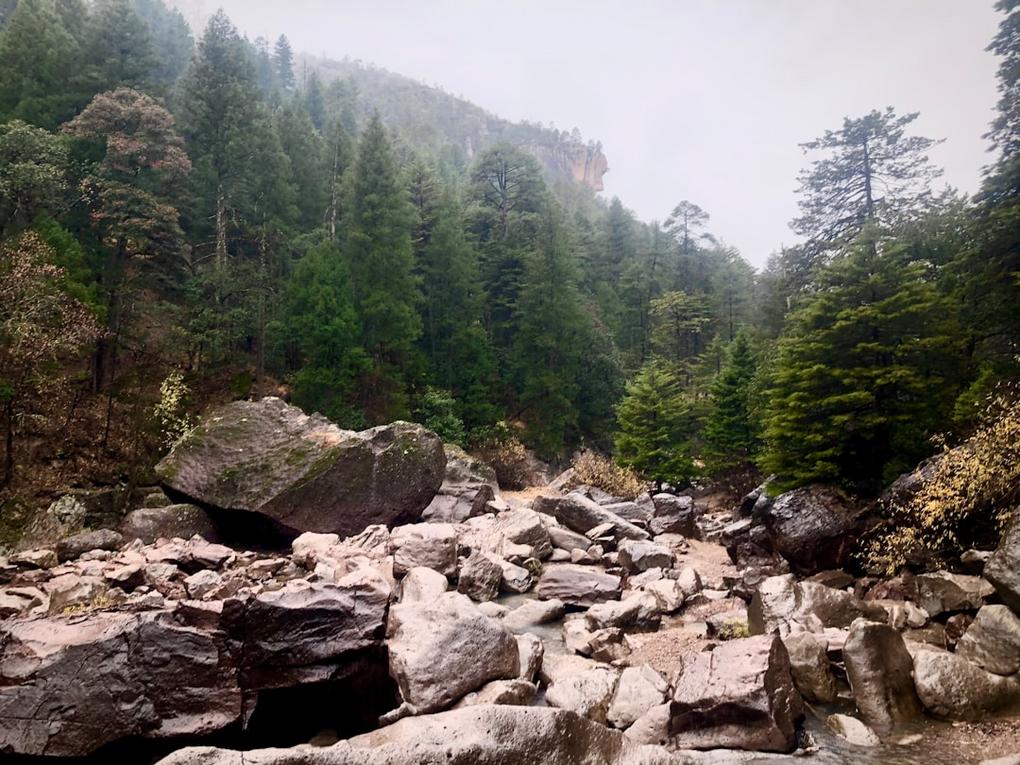
1. Hike the Copper Canyon Trails ·
The Copper Canyon hiking trails give you raw canyon views and serious elevation gain without the tourist crowds.
Pick one of the routes starting near Creel, like the Basaseachic or Cusarare trails, guided by one of the licensed trekking outfits in town. You’ll tackle steep descents and climbs, passing pine forests and indigenous Rarámuri villages, with jaw-dropping vistas at every switchback. The physical challenge matches the payoff in scenery and local culture.
This beats the Chepe train’s quick canyon glimpse by giving you full immersion on foot and the chance to push your limits on real mountain terrain.
- When: Morning departures from November through March avoid afternoon rains and maximize daylight.
- Cost: ~$60-$80, 2026
- Duration: Full day
- How to reach: Walk or take a short colectivo from Creel’s central plaza to trailheads near the town outskirts on Highway 16.
Insider tip: If closed
Explore the nearby Valle de los Monjes rock formations on foot instead.
Solo female travel: Licensed guides know the terrain and local customs, and group treks naturally form with other travelers.
2. Ride the Chepe Train to Divisadero ·
The Chepe train ride from Creel to Divisadero offers some of the most dramatic canyon views accessible without hiking.
Board the Chepe at Creel station for a 2-hour ride to Divisadero, where the canyon opens wide and you can walk the rim trails. The train winds through tunnels and over bridges, giving you canyon vistas framed by pine forests and rugged cliffs. It’s a high-effort day without the physical strain of a trek.
This is the fastest way to see multiple canyon perspectives if you want a day trip with less hiking but still crave canyon scale.
- When: Early morning departures ensure daylight at Divisadero and smooth connections back to Creel.
- Cost: ~$30-$50, 2026
- Duration: Half day
- How to reach: Walk 10 minutes to the Creel train station from town center on Avenida 5 de Febrero.
Insider tip: If closed
Take a guided 4×4 tour along nearby canyon viewpoints instead.
Solo female travel: The train is well-patrolled and popular with solo travelers; avoid late-night rides for better security.
3. Explore Valle de los Monjes by Foot ·
Valle de los Monjes offers dramatic rock formations that reward a moderate hike with unique geological shapes.
Take a 3-mile (5 km) loop trail through this valley of towering sandstone spires just 7 miles / 11 km from Creel. The trail weaves through narrow canyons and open meadows, with plenty of photo ops. Local guides add insight about the geology and indigenous culture nearby.
This is a solid alternative if canyon trails feel too intense or you want a focused half-day hike close to town.
- When: Morning or late afternoon when the light enhances the rock colors, especially from November to March.
- Cost: ~$15, 2026
- Duration: Half day
- How to reach: Take a colectivo or taxi from Creel’s plaza along Highway 16 to the valley’s parking area.
Insider tip: If closed
Visit the nearby Cusarare waterfall trail for a cooler, shaded walk.
4. Visit Cusarare Waterfall and Canyon ·
Cusarare waterfall trail offers a refreshing canyon hike with a chance to cool off in natural pools.
Follow a well-marked trail from the small village of Cusarare, about 8 miles / 13 km from Creel, down into a narrow canyon with a waterfall at the end. The trail involves moderate elevation loss and return climb, with shaded sections and rock formations. Local guides from Cusarare provide transport and context on the surrounding forest ecology.
This hike combines physical effort with a natural swimming spot, perfect for a post-trek cooldown without leaving the canyon vibe.
- When: Late morning to early afternoon during dry season months (November to March) to avoid slippery rocks.
- Cost: ~$20, 2026
- Duration: Half day
- How to reach: Arrange a taxi or colectivo from Creel along Highway 16 to Cusarare village, then walk the trailhead nearby.
Insider tip: If closed
Hike the Basaseachic trail for a longer, higher-altitude canyon trek.
Solo female travel: Daytime visits are common and safe; transport options are reliable when booked in advance.
5. Mountain Biking Around Creel ·
Mountain biking offers a fast-paced way to explore the rugged trails and pine forests surrounding Creel.
Rent a mountain bike from one of the shops in town and tackle trails leading out to the canyon rim and nearby valleys. Routes vary from technical descents to steady climbs, with options for a few hours or a full day. The terrain includes dirt roads, rocky paths, and forest singletrack, demanding solid bike handling skills.
This is the best active option if you want to cover more ground than hiking allows but still stay within Creel’s immediate surroundings.
- When: Early morning to avoid afternoon heat and maximize trail conditions, especially November through March.
- Cost: ~$25 for bike rental, 2026
- Duration: Half day to full day
- How to reach: Start from Creel’s center; many trails begin on the outskirts accessible by bike within minutes.
Insider tip: If closed
Switch to guided canyon hiking if trails are muddy or unsafe.
Solo female travel: Daylight rides on marked trails are straightforward; use a GPS app and helmet for safety.
Book tours and tickets
Booking through these links supports Pack Lightly at no extra cost to you.
24 hours in Creel
This day plan suits the physically prepared traveler ready for a solid trek and local recovery. It focuses on the Copper Canyon train hub’s rugged outdoors and town-side downtime.
Morning
Start at 5:00 AM with a guided hike to the nearby canyon viewpoint via a trusted local operator. The early light sharpens the canyon’s edges and keeps temperatures cooler while the trail climbs steadily. Pack boots and layers; the trek rewards with wide canyon views before Creel wakes. Return by 11:00 AM and grab a late breakfast at one of the small bakeries on the central plaza, where fresh bread and strong coffee fuel your afternoon.
Afternoon
Spend the afternoon riding the Copper Canyon train (Chepe) northbound for a few stops, focusing on the spectacular canyon views from the observation car. This half-day ride lets you experience the scale of the canyon without the full-day commitment. Back in Creel by 4:00 PM, eat lunch at a family-run eatery around the plaza serving regional dishes with hearty portions. Rest a bit before heading out.
Evening
Catch sunset at the nearby Mirador Barrancas, a short taxi ride from town, where canyon walls glow orange and the air cools off. For dinner, choose one of the casual local restaurants near the plaza offering grilled meats and vegetables—perfect to replace calories burned earlier. The town quiets by 8:00 PM, letting you enjoy a relaxed walk through the main streets or a nightcap at a small bar with local brews.
If you have a second day
Add a full-day guided trek to the Valley of the Monks for dramatic rock formations and a more challenging climb. Alternatively, spend the morning exploring nearby indigenous villages accessible by quick taxi rides.
Best time to visit Creel
Quick answer
Go from April to June or October to early December for dry, cool weather ideal for hiking and train travel.
| Months to go | April to June, October to early December |
|---|---|
| Months to avoid | July to September due to heavy rain and muddy trails |
Creel’s dry season from April to June and October to early December offers daytime highs around 70°F to 75°F, perfect for multi-day treks and canyon hikes. The rainy season from July to September brings frequent downpours that turn trails muddy and disrupt the Copper Canyon train schedule. Temperatures stay mild, but wet conditions limit outdoor activity. Winter months are cool but dry, with lows dipping near freezing, making early mornings chilly but trails accessible. Plan summit hikes early in the day to avoid afternoon showers during shoulder seasons.
Average temperature (°F)
Monthly weather
cool dry, low crowds
cool dry, good trekking
warming up, dry trails
dry perfect for hiking
warm dry, active season
warm with light rain
heavy rain, muddy trails
wettest month, trail closures
rain slows hiking
drying trails, cooler temps
cool dry, good for treks
cold mornings, dry days
How to get to Creel
Nearest airport
Chihuahua International Airport (CUU), about 110 miles / 180 km southeast of Creel
From the airport
Take a direct shuttle from Chihuahua airport to Creel for around $40-$50 (2026), booked at the airport shuttle desk or online in advance. This is the safest and most reliable option, avoiding multiple transfers and uncertain colectivo schedules.
Other ways to arrive
- El Fuerte by bus, 5 hours, $25-$35 (2026)
- Chihuahua city by bus, 6 hours, $20-$30 (2026)
- Divisadero by train (Chepe), 1 hour, $30-$45 (2026)
Getting around Creel
Local colectivos and shared vans dominate short-distance travel, but walking covers most of Creel’s compact center. Renting a motorcycle or bicycle suits active travelers wanting to explore nearby trails on their own schedule.
- Colectivo vans for trips outside town, $1-$3 per ride (2026)
- Walking for all town exploration and nearby sights, free
- Motorcycle rental for flexible day trips, around $25 per day (2026)
Avoid
Avoid renting cars unless experienced with rough dirt roads and narrow mountain passes.
Day trips from Creel
These day trips offer the best outdoor challenges and views after a day in Creel’s mountain hub.
Divisadero (Copper Canyon viewpoint)
Epic canyon views and hiking trails along the rim.
Why: You’ll get a more rugged, less touristy canyon experience than staying in Creel alone.
Basaseachic Falls National Park
Hiking to one of Mexico’s highest waterfalls with alpine forest scenery.
Why: The challenging trails and cooler mountain air reward you with solitude and fresh terrain beyond the train route.
Skip if: Skip if short on time or not prepared for a 6+ mile hike.
San Ignacio Mission
Cultural insight into local indigenous history and architecture.
Why: Offers a break from hiking with a quiet village atmosphere and easy trails nearby.
Combine Creel with
Creel fits naturally into a northern Mexico itinerary focused on rugged landscapes and indigenous culture.
7-day Copper Canyon trek and train loop Chihuahua → Creel → Divisadero → Creel → Chihuahua
This route uses Creel as the base for multi-day hikes and connects to the Chepe train for scenic canyon travel, balancing effort and transport.
10-day northern Mexico adventure Chihuahua → Creel → Basaseachic Falls → El Fuerte → Mazatlán
Combines mountain treks with river canyons and ends on the Pacific coast, offering varied terrain and transport options.
5-day Chihuahua cultural and nature loop Chihuahua → Creel → San Ignacio Mission → Chihuahua
Shorter loop focusing on indigenous culture and accessible hikes, ideal for a tighter schedule.
Where to stay in Creel
Creel’s lodging clusters around the central plaza and the train station area, the core for Copper Canyon access. Choose the plaza side for walkability and local life or the train station side for quick access to Chepe departures and trailheads. The northern edge offers quieter guesthouses if you want a break from town buzz.
Budget — Streets around the central plaza
Dorm-style hostels and simple guesthouses populate Creel’s budget tier, offering basic beds and shared bathrooms. These get you close to the central plaza but lack privacy and often have thin walls.
Insider tip: Request a room on the quieter side facing away from the main street to avoid late-night noise.
Mid-range — Near the train station and Avenida 5 de Febrero
Family-run guesthouses and small inns dominate the mid-range tier, blending local charm with private bathrooms and decent amenities. You get walkable access to restaurants and Chepe train departures without paying resort prices.
Insider tip: Book rooms facing the courtyard for cooler temperatures and less street noise.
Where not to stay
Avoid the strip along Avenida 16 de Septiembre after 11 PM; it fills with rowdy crowds from late-night bars and Chepe train parties.
Solo female travelers
Stay near the train station area where street lighting is consistent and local shops stay open late; mid-range guesthouses here have staff accustomed to solo travelers.
Book your stay
Booking through these links supports Pack Lightly at no extra cost to you.
Where to eat and drink in Creel
Creel’s food scene centers on the indigenous Tarahumara community’s mountain ingredients and cooking methods. Wild mushrooms, pine nuts, and trout from nearby streams shape local dishes. The central market bustles with vendors selling these fresh regional staples daily.
Must-try dishes
Trucha a la Creelense (Creel-style trout)
Freshwater trout grilled or fried with local pine nuts and wild herbs, served with handmade corn tortillas.
Insider tip: Go for lunch when kitchens serve fresh catch; avoid places that freeze their trout in advance.
Chilorio de res (Beef chilorio)
Slow-cooked shredded beef simmered in a spicy red chile sauce, served with corn tortillas and pickled onions.
Insider tip: Order early in the day for the freshest batch; some tourist spots water down the sauce.
Mushroom quesadillas
Corn tortillas filled with sautéed local wild mushrooms and cheese, cooked on a griddle and served with fresh salsa.
Insider tip: Try these during mushroom season (fall); vendors change prices and quality outside this window.
Local drinks
- PulqueTraditional pulquerías or market stalls in Creel’s central area.
A mildly fermented agave drink with a slightly sour, viscous texture. - Mountain herbal teaSmall cafes or family kitchens around the plaza.
Infusions made from local wild herbs and pine needles, often served hot.
How to eat like a local in Creel
Lunch is the main meal, served between 1:00 PM and 3:00 PM; most kitchens close by 4:00 PM and reopen only as casual bars in the evening. Order dishes with fresh trout or wild mushrooms during fall and early winter for peak quality.
Dietary note
Vegetarian options exist but rely heavily on mushrooms and corn-based dishes; vegan and gluten-free travelers should confirm ingredient details at kitchens due to common use of cheese and wheat flour.
Daily budget for Creel
Creel’s daily costs sit slightly above Mexico’s average due to its role as the gateway to Copper Canyon and the Chepe train, which draws steady tourist traffic and inflates lodging and activity prices.
Shoestring
- lodging — dorm bed or basic guesthouse room
- food — street food and local markets
- transport — local buses and shared taxis
- activities — self-guided hikes and free viewpoints
- buffer — small emergency fund or snacks
Trade-offs: Sacrifice comfort and private space, rely on public transport, and skip guided tours.
Comfort
- lodging — private room in a mid-range hotel or cabin
- food — casual restaurants with regional dishes
- transport — occasional taxi or shuttle
- activities — guided hikes, Chepe train tickets for short segments
- buffer — gear rental or minor extras
Trade-offs: Skip luxury lodging and full-day private guides but enjoy reliable comfort and some guided adventures.
Splurge
- lodging — boutique hotels or premium cabins
- food — upscale dining with local specialties
- transport — private transfers and taxis
- activities — full-day guided treks, Chepe train scenic trips, and specialized tours
- buffer — souvenirs and incidentals
Trade-offs: Pay a premium for comfort and convenience, but avoid ultra-luxury resorts outside town.
Money-saver tip
Book Chepe train tickets for single segments rather than full routes to save hundreds and plan hikes independently instead of paying for full-day guided tours.
Splurge that’s worth it
A full-day guided trek into Copper Canyon with a knowledgeable local guide delivers unmatched views and insider access worth the extra cost.
Skip to save
Skip pricey souvenir shops near the train station; local markets outside the center offer better prices and authentic crafts.
Practical tips for Creel
Money
| Cash or card | Carry cash for most purchases; card acceptance is limited outside hotels and some restaurants. |
|---|---|
| ATMs | ATMs work with major foreign cards but often charge ~ $5 per withdrawal; withdraw larger amounts to minimize fees. |
| Tipping | Tip 10-15% in restaurants; round up taxi fares by a dollar or two; guides expect ~$5 per day. |
Safety
Creel is a functional mountain town with low violent crime; stay alert in crowded markets and after dark in less busy streets.
Common scams:
- Taxi drivers overcharging tourists by ignoring the meter
- Fake tour guides offering cheaper Copper Canyon trips but delivering poor service
Local warnings:
- Altitude around 7,000 feet / 2,100 meters may cause mild symptoms; hydrate and pace hikes accordingly
- Roads to trailheads can be rough and narrow; avoid night driving outside town
- Strong sun exposure at altitude requires sunscreen and sunhat
Connectivity
| Mobile data | Telcel offers the best coverage in Creel; buy a local SIM on arrival for reliable data and calls. |
|---|---|
| Wi-Fi | Wi-Fi is spotty in cafes and lodgings; expect slow speeds and occasional outages, especially outside the central plaza. |
Language
| Main language | Spanish |
|---|---|
| English level | English is limited mostly to tourism workers; basic Spanish phrases get you much farther. |
Cultural notes
| Dress modestly when visiting churches or indigenous communities around Creel |
| Ask permission before photographing people, especially in Rarámuri villages |
| Use formal greetings (Buenos días, Buenas tardes) when entering shops or restaurants |
Solo female travel
Solo female travelers find Creel manageable with standard precautions; daytime exploration is straightforward, nighttime options are limited but safe in main areas.
| Neighborhood | Stay near the central plaza for easy access to transport and social spots. |
|---|---|
| Transport | Use authorized taxis from the plaza after dark; avoid walking alone on poorly lit streets. |
| Meeting people | Meet other travelers at hostels with communal dinners or the cafes around the central plaza that attract hikers and train passengers. |
Frequently asked questions about Creel
1How many days do you need in Creel?
Book 3 full days. Use day 1 to explore the town and acclimate, day 2 for the Copper Canyon train and nearby hikes, day 3 for a summit or lake trek.
2Is Creel safe for solo female travelers?
Yes. Stick to the central plaza and main streets after dark. The town is calm with low crime, and locals respect solo female travelers.
3Do you need a car or 4×4 to visit Creel?
No car required. The train and local colectivos cover most routes. For remote trailheads, book a trusted local guide or arrange transport through your lodging.
4What does a day in Creel cost?
Expect roughly $50-70/day in 2026. Budget $30 for lodging, $15 for food, and $10-15 for local transport and activities.
5Can you actually drink the water in Creel?
No. Tap water isn’t safe to drink. Buy bottled water or use a reliable filter for trekking and daily use.
6Where is the best place to start a Copper Canyon trek from Creel?
Start from the town center or the train station. Local guides recommend the route toward the Valle de los Hongos for a solid day trek with varied terrain.
7Is it safe to walk around Creel at night?
Yes, but limit walking to well-lit streets near the plaza after 8 PM. Avoid isolated areas and use taxis for late returns.
8What is the best season to visit Creel for hiking?
Visit from November to March for dry, cool weather ideal for trekking. Summer brings afternoon rain that can make trails slippery and less predictable.