

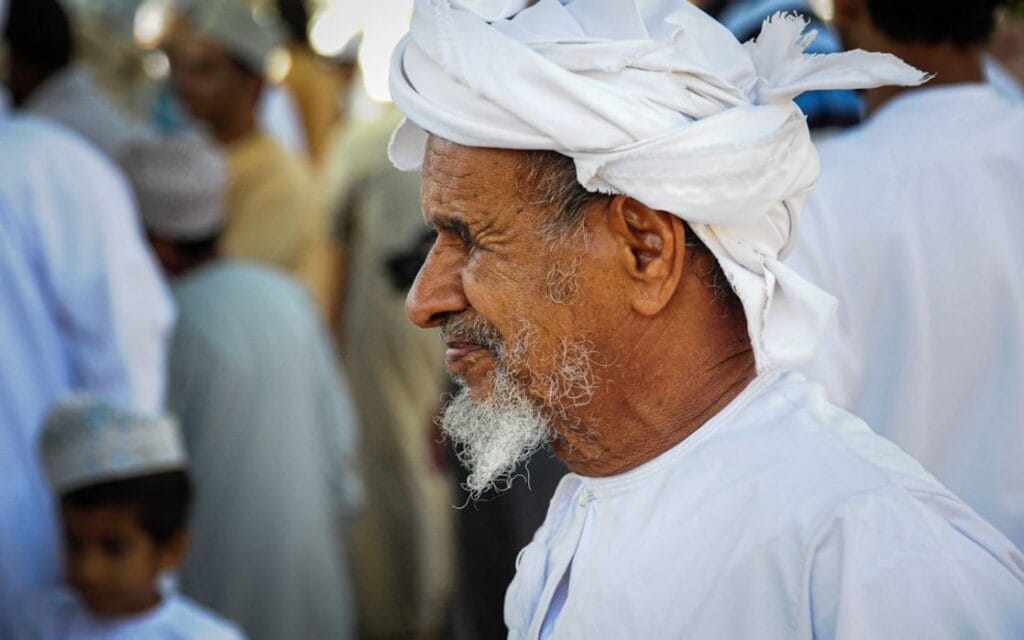
The warm aroma of kahwa fills a Muscat guesthouse kitchen where families gather around a shared platter of shuwa.
Oman’s food culture centers on slow-cooked stews, seafood, and aromatic rice, often flavored with frankincense and date molasses. Meals happen in family kitchens or guesthouses, where dishes like shuwa, halwa, and harees bring people together around shared platters. This approach favors intimacy and ceremony over restaurants, so expect fewer formal dining options but deeper connections. Plan to eat lunch as the main meal and keep dinners light and family-friendly. Booking a family-run guesthouse meal in Muscat or Salalah guarantees the most genuine setting.
Quick answer
Eat shuwa for slow-cooked lamb, halwa for frankincense-spiced sweets, harees for hearty wheat porridge, and sip kahwa coffee for social warmth. Try mishkak grilled meat for casual family lunches.
Key takeaways
- Book family-run guesthouse meals in Muscat or Salalah for authentic shared dining.
- Plan main meals at lunch with dishes like shuwa and harees for family-friendly portions.
- Expect daily eating budgets around $20-40 including guesthouse meals, 2026.
- Avoid late dinners; local families eat light meals by 7:00 PM.
- Order halwa as a dessert or snack flavored with frankincense and date molasses.
- Choose mishkak grilled meat stalls near central markets for casual, kid-friendly lunches.
Book a food tour or cooking class in Oman
Cooking classes, market tours, and street-food walks led by local hosts in Oman — skip the tourist menus and eat what locals actually eat.

Local Food & Drinks tool
Open the interactive Oman food map — every dish and drink in this guide, plotted on a map with what to order, where to find it, and what it costs.
Food Neighborhoods — Oman
Tap any pin to explore the neighborhood’s signature dish and local eating culture.
Eat with a local in Oman
Cooking classes, market tours, and street-food walks led by local hosts in Oman — skip the tourist menus and eat what locals actually eat.
Why Oman Eats the Way It Does

Oman’s food culture grew from its position on ancient Arabian trade routes and its coastal geography along the Arabian Sea. The frankincense trade shaped local flavors, blending aromatic spices with slow-cooked seafood and rice dishes. Hospitality centers every meal, where family and guests gather around shared platters, and coffee rituals cement social bonds. This intimate approach to dining reflects deep-rooted values of generosity and connection.
- Frankincense and date molasses flavor many traditional dishes, adding a distinct aromatic sweetness unique to Oman.
- Meals revolve around communal platters served all at once, emphasizing sharing and hospitality over individual portions.
- Omani dining prioritizes slow-cooked seafood and stews, contrasting with the quick grilling common in neighboring Gulf cuisines.
- Coffee drinking in Oman is a social ritual that anchors meals and invites extended conversation, not just a caffeine fix.
Best for: Families valuing intimate, shared meals with local hosts will get the most from Oman’s food culture. Prioritize dining in family-run guesthouses or communal settings to experience true Omani hospitality.
Must-try dishes in Oman

Shuwa (شواء)
Shuwa is a slow-cooked lamb dish wrapped in banana leaves and buried in a sand oven for up to two days. The meat absorbs aromatic spices and frankincense, resulting in tender, richly flavored bites with a subtle sweetness from date molasses. It arrives on a large platter, perfect for family-style sharing after a long communal wait.
Where to find it: Experience shuwa in family homes or traditional guesthouses where the ritual of preparation and serving is part of the hospitality.
Best for: special family gatherings or weekend meals
Majboos (مجبوس)
Majboos features fragrant rice cooked with saffron, dried lime, and frankincense-spiced meat, typically chicken or lamb. The dish balances savory and subtly sweet notes, with long grains absorbing the rich broth. It’s a centerpiece for communal dining, where everyone helps themselves from the shared platter.
Where to find it: Found in family-run kitchens and communal dining settings, especially in Muscat’s residential neighborhoods.
Best for: lunch with family or friends
Mashuai (مشوي)
Mashuai is grilled kingfish served with lemon rice and a side of fresh salad. The fish carries a smoky aroma from the charcoal, while the lemon rice adds a bright, acidic counterpoint. Locals often enjoy it as a lighter meal, emphasizing fresh seafood from Oman’s coast.
Where to find it: Commonly prepared in family homes near coastal areas or at seaside guesthouses where fresh fish is abundant.
Best for: light dinner or seafood lunch
Harees (هريس)
Harees blends cracked wheat and slow-cooked meat into a porridge-like consistency, seasoned with frankincense and mild spices. The dish is hearty and warming, often served during Ramadan or family celebrations. Its texture can surprise first-timers but pairs well with Omani bread to scoop.
Where to find it: Traditionally served in family kitchens and communal feasts, especially during religious occasions.
Best for: comfort food during cooler months
Qahwa (قهوة)
Qahwa is Omani spiced coffee brewed with cardamom and sometimes infused with frankincense smoke. It serves as the social anchor at every meal, poured from a dallah into small cups to signal hospitality and conversation. The light bitterness and aromatic notes invite lingering around the table.
Where to find it: Offered in family homes and guesthouses as part of the welcoming ritual throughout the day.
Best for: any social meal or after-dinner pause
Halwa (حلوى)
Halwa is a dense, sticky dessert flavored with rose water, saffron, frankincense, and date molasses. The texture is gelatinous and chewy, challenging for some but treasured by locals as a ceremonial sweet. It’s served in small portions, often alongside coffee during family visits.
Where to find it: Best enjoyed in family guesthouses or during festive gatherings where hospitality rituals are observed.
Best for: dessert or special occasion treat
Mashwi (مشوي)
Mashwi refers to skewered grilled meat, usually lamb or chicken, marinated with local spices and a touch of date molasses. The grilling imparts a smoky crust while keeping the interior juicy. It’s a casual dish often shared at family barbecues or communal picnics.
Where to find it: Commonly found in family-run outdoor gatherings or small communal kitchens where grilling is part of the social event.
Best for: family picnics or casual dinners
Mashboos Samak (مجبوس سمك)
Mashboos Samak is a seafood variation of majboos, featuring fish cooked with fragrant rice and dried lime. The dish balances the ocean’s freshness with the earthiness of spices and the subtle sweetness of date molasses. It’s a coastal favorite served family-style to highlight communal eating.
Where to find it: Best found in coastal family kitchens or seaside guesthouses serving fresh catch with traditional rice preparations.
Best for: seafood lovers at family meals
Laban (لبن)
Laban is fermented buttermilk used as a refreshing accompaniment to rich and spiced dishes. It cools the palate and aids digestion, often served in family meals alongside rice and meat platters. Its tangy flavor contrasts with the aromatic sweetness of frankincense and date molasses in the main dishes.
Where to find it: Served in family homes and communal meals across Oman as a standard side drink.
Best for: refreshing palate cleanser with heavy meals
Khubz (خبز)
Khubz is traditional Omani flatbread baked in clay ovens, often served fresh and warm to scoop up stews and rice dishes. Its slightly chewy texture and mild flavor make it essential for communal meals, linking every bite back to the shared platter. The bread’s simplicity balances the complex spices in the main dishes.
Where to find it: Baked daily in family kitchens and guesthouses, khubz accompanies almost every meal in communal settings.
Best for: all meals as a shared utensil
Sakhana (سخانة)
Sakhana is a fish stew simmered slowly with frankincense, tamarind, and dates, creating a sweet and sour flavor profile unique to Oman’s coast. The soft, flaky fish soaks up the aromatic broth, served in a communal bowl meant for sharing. This dish highlights the slow-cooked seafood tradition distinct from Gulf grilling styles.
Where to find it: Prepared mainly in coastal family homes and small guesthouses specializing in traditional Omani seafood.
Best for: lunch or dinner highlighting Omani coastal flavors
Halwa Al-Masoun (حلوى المسون)
Halwa Al-Masoun is a refined version of traditional halwa, prepared with extra rose water, saffron, and crushed nuts for a richer texture. This ceremonial sweet often accompanies coffee during important family visits and celebrations. Its sticky, fragrant layers require small bites and patience to savor properly.
Where to find it: Offered in family homes and communal guesthouses during formal hospitality rituals and festive occasions.
Best for: special celebrations and coffee rituals
Local drinks in Oman

Qahwa (قهوة)
Qahwa is Oman’s signature coffee, lightly spiced with cardamom and sometimes saffron, served in small cups without sugar. This brew carries a delicate aroma that balances earthiness with gentle floral notes. Locals serve it alongside dates or halwa, reinforcing the hospitality ritual.
When to drink it: Drink Qahwa throughout the day, especially before or after meals like Shuwa, to open conversation and welcome guests.
Where to find it: Find Qahwa in family homes, guesthouses, and communal gatherings where coffee rounds form the social anchor.
Laban (لبن)
Laban is a fermented yogurt drink offering a cool, tangy contrast to Oman’s spiced dishes. Its creamy texture refreshes the palate, especially alongside heavier rice or meat plates like Majboos. The drink supports digestion and complements the slow-cooked richness in Omani meals.
When to drink it: Serve Laban with lunch or dinner meals, particularly with Majboos or Mashwi, to balance spices and richness.
Where to find it: Laban appears in family-run kitchens and local markets, often homemade or freshly churned in village settings.
Date Molasses Juice
This sweet, syrupy juice made from date molasses embodies Oman’s use of native ingredients. Its deep caramel flavor carries subtle hints of frankincense when infused, delivering a layered taste that pairs well with spiced dishes. The juice serves as a natural energy boost and a family-friendly welcome drink.
When to drink it: Enjoy date molasses juice as a refreshing afternoon pick-me-up or alongside light meals and snacks.
Where to find it: Find it in family guesthouses and local markets where traditional syrups are freshly prepared and served.
Omani Beer
Omani Beer offers a mild, approachable lager style with a clean finish, fitting Oman’s moderate alcohol culture. It pairs best with grilled seafood or lighter fare like Mashwi, providing a refreshing counterpoint without overpowering subtle spices. Locally brewed versions emphasize smoothness over bitterness.
When to drink it: Drink Omani Beer during casual dinners or social gatherings, especially when sharing grilled dishes.
Where to find it: Available in licensed restaurants and hotel bars catering to international and local tastes.
Frankincense-Infused Tea
Frankincense-Infused Tea carries the essence of Oman’s iconic resin, lending a piney, slightly citrus aroma to the brew. This tea complements the slow-cooked stews and rice dishes by adding a fragrant note that echoes local spice blends. Its preparation varies by household, reflecting personal hospitality styles.
When to drink it: Serve this tea after meals or during social visits to extend the dining ritual with a fragrant finish.
Where to find it: Offered in family homes and some guesthouses where frankincense is used not just for scent but as a drink ingredient.
Where to eat in Oman

Omani meals revolve around family and communal dining, often in intimate home settings or guesthouses where frankincense-scented dishes bring everyone together. Expect slow-cooked stews and aromatic rice shared around a single platter. Prioritize family-run guesthouses and communal tables to experience the full hospitality ritual.
Primary setting: Family-run guesthouse dining
These guesthouses open their kitchens to visitors, serving meals in a communal setting where sharing platters is the norm. You join families or small groups around low tables or floor cushions, creating a relaxed, social atmosphere. Meals often come with a ceremonial coffee service, and prices are very reasonable, reflecting the home-cooked nature. Access usually requires a reservation or local introduction, emphasizing respect and reciprocity.
Traditional Omani paladars
These family-run eateries serve home-style dishes in a casual restaurant environment. They welcome children and strollers, making them practical for families. Prices remain moderate, and the focus stays on slow-cooked meals like Mashwi and Mashboos Samak.
Coastal fish markets with dining areas
Near fishing harbors, small dining spots serve freshly grilled seafood directly from the market. Expect lively, informal settings where you can order Mashuai and other seafood dishes. These spots offer a direct connection to Oman’s maritime food culture at affordable prices.
Tea houses
Tea houses provide a quiet spot for Frankincense-Infused Tea and light snacks like Halwa Al-Masoun. They are ideal for afternoon breaks and social coffee rituals, often family-friendly and stroller accessible.
| Type | Price range (2026) |
|---|---|
| Budget eats | Coastal fish markets and tea houses: $3–8 per meal, 2026 |
| Mid-range | Family-run guesthouses and paladars: $12–25 per person, 2026 |
| Splurge | Private home dining experiences with full ceremonial meals: $40–70 per person, 2026 |
Eat like a local in Oman
Meals in Oman revolve around long, shared gatherings in family-run guesthouses where hospitality shapes timing. Lunch is the main meal, often lasting 1.5 to 2 hours, with Shuwa or Majboos served family-style. Dinner tends to be lighter and earlier, focusing on social connection over speed.
- Use your right hand for eating and passing food — the left hand is considered unclean in this context.
- Wait for the host to invite you to start eating, especially when served Shuwa or Majboos in a family setting.
- Pour Qahwa for guests before serving yourself; refilling others’ cups shows respect and attentiveness.
- Eat from the shared platter without reaching across others; ask for dishes to be passed to maintain harmony.
- Leave a small amount of food on your plate to signal satisfaction, but avoid wasting large portions.
- Offer Halwa Al-Masoun and coffee as a sign of hospitality when hosting or visiting a family home.
Frequently asked questions about food and drinks in Oman
1Is shuwa worth trying or is it overhyped?
Yes, shuwa is worth trying for its slow-cooked lamb flavor and communal serving style. It requires patience since it cooks for up to two days, but the tender meat and frankincense aroma justify the wait.
2What does a day of eating in Oman cost?
Roughly $30–$65 per day in 2026 covers family-run guesthouse meals and market snacks. Expect $10–$15 for a shared lunch platter like majboos and $5–$10 for light dinners or snacks.
3Is Oman good for vegetarians or vegans?
No, vegetarian options are limited but available. Side dishes like sakhana vegetable stew and khubz flatbread work, and harees can sometimes be made meat-free on request.
4What is majboos exactly?
Majboos is a slow-cooked rice dish flavored with spices and often served with meat or seafood. It highlights Oman’s use of aromatic ingredients like frankincense and date molasses in a shared dining setting.
5Where can I find mashuai in Muscat?
Find mashuai grilled kingfish along Muttrah Corniche, Muscat’s seaside area known for fresh seafood stalls. Family-run paladars nearby also serve it with traditional rice.
6What should I drink with Omani dishes like harees or shuwa?
Sip qahwa coffee to complement slow-cooked dishes; its light bitterness balances rich flavors. Laban yogurt drink also refreshes the palate during heavier meals.
7Is Omani beer easy to find?
Yes, Omani beer is available in licensed hotels and some restaurants serving alcohol. It’s not common in family-run guesthouses but accessible in Muscat’s upscale dining venues.
8What are the biggest food mistakes tourists make in Oman?
Ordering individual portions instead of communal platters misses the social dining ritual. Also, skipping local coffee culture overlooks the key social anchor of meals.
9Can I eat safely at street stalls in Oman?
Yes, stalls around Muttrah Corniche and Salalah Fish Market maintain high hygiene standards. Choose busy vendors serving fresh seafood or grilled meats for the best quality.
10What is halwa al-masoun and when is it served?
Halwa al-masoun is a frankincense-spiced sweet served during special occasions and family gatherings. It’s a dense, sticky treat often shared alongside coffee as part of Omani hospitality.