


Singapore is a place where most visitors are better off not taking the wheel. With a road-death rate of just 2.8 per 100,000, the roads are well-maintained, but the traffic can be chaotic, particularly during peak hours. This means that relying on public transport is often the most efficient way to navigate the city.
This page will clarify that self-driving is not recommended for visitors, an International Driving Permit is required under the 1949 Geneva Convention, and alternatives to driving are thoroughly covered. Singapore drives on the left, which can be a challenge for those unfamiliar with it. Confident travelers should consider public transport options for a seamless experience.
The verdict
Most travelers should skip the rental in Singapore. The low road-death figure indicates safety, but the complexity of traffic makes public transport the smart default. Confident drivers with local experience may still manage, but it’s not necessary.
Essential tips
- Carry your permit. An International Driving Permit is required under the 1949 Geneva Convention.
- Drive on the left. Singapore drives on the left, which may be unfamiliar for many visitors.
- Avoid peak hours. Traffic congestion peaks during morning and evening rush hours, impacting travel time.
- Use public transport. The MRT and buses are efficient and cover most tourist destinations at low cost.
- Stay aware of seasonal hazards. Expect haze from August to October and heavy rain during the monsoon seasons.
- Know emergency numbers. In emergencies, call police at 999 and ambulance at 995.
- Plan for high costs. Owning or renting a car is expensive due to Certificate of Entitlement fees.
How the traffic flows
Driving in Singapore is straightforward, but understanding the unwritten rules is essential for a smooth experience. With low traffic difficulty and strict enforcement, foreign drivers may find themselves surprised by the local etiquette. The first five minutes on the road reveal a culture that respects right-of-way and signals, yet has its unique nuances. Expect to navigate immaculate roads while adhering to the local driving customs that ensure safety and efficiency. Familiarity with these nuances can prevent common missteps that tourists often make, enhancing your journey in this orderly environment.
RIGHT OF WAY
In Singapore, right-of-way rules are strictly followed, with vehicles yielding as per established traffic signs. At roundabouts, vehicles already in the circle have priority, which is crucial for foreign drivers to remember. You will often find that larger vehicles, such as buses, are given precedence, but this is balanced by the respect shown to all road users. Pedestrians also have designated crossings, and drivers must yield to them at these points. Understanding these rules will help you blend in seamlessly with local traffic.
SIGNALS AND THE HORN
In Singapore, using indicators is not just polite; it’s expected. Drivers signal their intentions clearly, and failure to do so can lead to misunderstandings. The horn is rarely used and is considered impolite unless absolutely necessary, such as to alert another driver of your presence. Headlights are used appropriately, primarily for signaling intentions in low visibility. This precise use of signals contributes to the overall orderliness of the traffic flow.
LANE DISCIPLINE AND FLOW
Lane markings are strictly adhered to in Singapore, with drivers expected to stay in their lanes unless overtaking. Merging is orderly, and vehicles typically maintain a steady pace, allowing for smooth transitions between lanes. Foreign drivers should hold their line and allow the flow of traffic to move around them, rather than weaving in and out. Undertaking is generally not practiced, and patience is key during peak hours when congestion can occur. Maintaining lane discipline is crucial for safety and efficiency.
ANTICIPATING THE ROAD
Always be alert for pedestrians at crossings, as they may step out unexpectedly, especially in busy areas. Look out for cyclists and scooters, which can weave through traffic, particularly in urban settings. During the monsoon season, be cautious of sudden rain that can affect visibility and road conditions. Maintaining a calm mindset helps in anticipating the flow of traffic and reacting appropriately to any sudden stops or changes. Night driving requires extra attention, as visibility decreases and pedestrians may be less visible.
Do
- Signal your intentions
Always use indicators when changing lanes or turning to communicate with other drivers.
- Yield to pedestrians
Stop at marked crossings and allow pedestrians to cross safely.
- Maintain lane discipline
Stay in your lane and avoid weaving through traffic to ensure a smooth flow.
- Stay calm in traffic
Practice patience during congested times and avoid aggressive driving behaviors.
- Use headlights appropriately
Turn on your headlights in low visibility conditions to enhance safety.
Do not
- Do not drink and drive
Singapore has a strict zero-tolerance policy for drinking and driving.
- Do not speed in towns
Adhere to speed limits, especially in urban areas where enforcement is strict.
- Do not engage with solicitors
Avoid interacting with anyone soliciting roadside bribes or assistance.
- Do not ride a scooter without a helmet
Always wear a helmet if you choose to ride a scooter for safety.
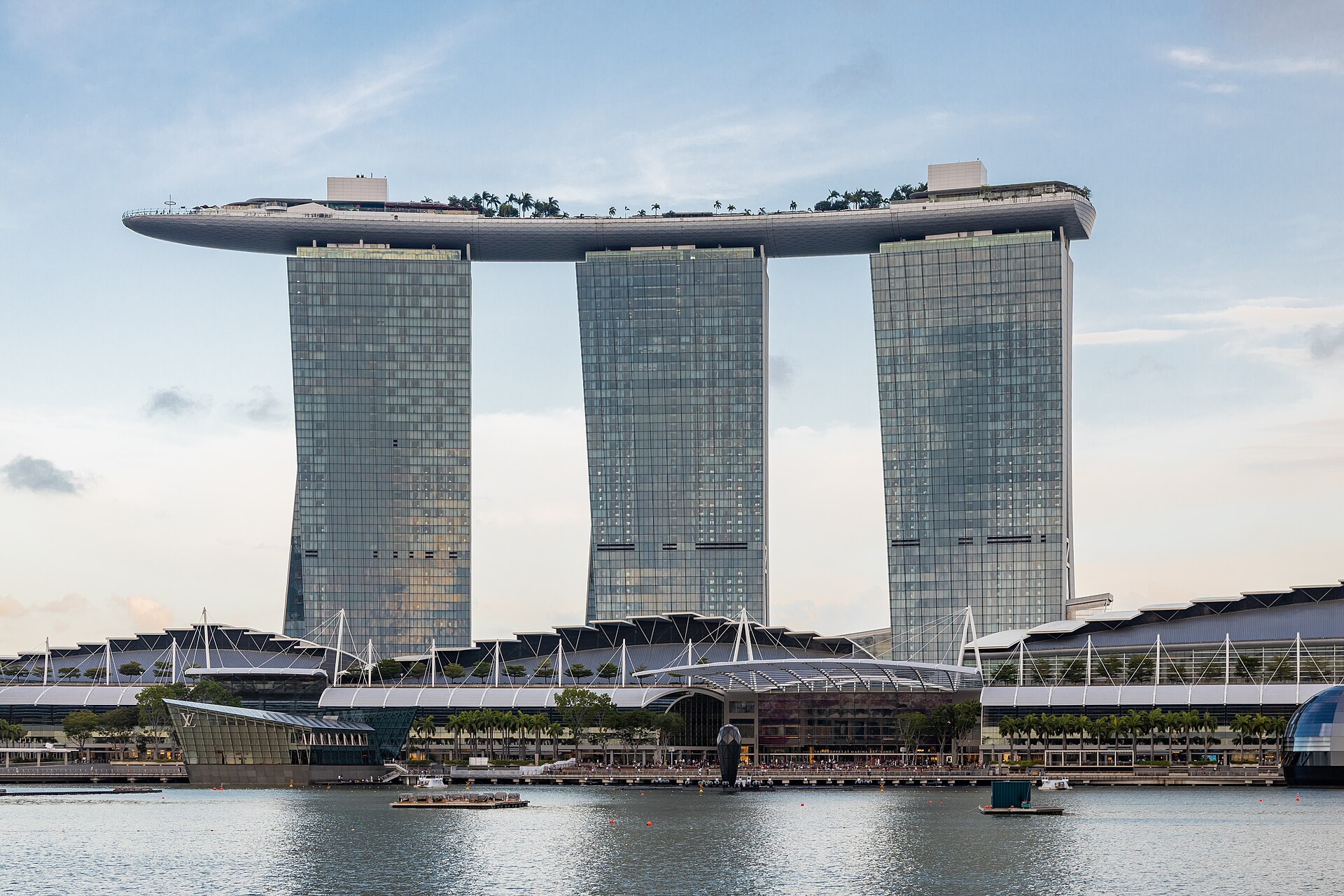
Road Conditions in Singapore
Roads in Singapore are immaculate and well-maintained, making driving generally easy. The country has excellent infrastructure, with minimal potholes and good lighting. However, during the monsoon season from November to January, expect heavy rain that can lead to temporary flooding on some roads. This can affect visibility and traction, so remain cautious during these months. Overall, the low traffic difficulty rating indicates that driving conditions are manageable for most travelers.
Traffic congestion typically peaks during weekday rush hours, particularly from 7:30 AM to 9:30 AM and 5:00 PM to 8:00 PM. Outside these hours, traffic flows more smoothly, especially in the evenings. Avoid driving late at night in rural areas due to poor lighting and potential wildlife on the roads. Plan your travel times to minimize delays and ensure a safer driving experience.
Key Traffic Facts
Here are essential traffic facts for driving in Singapore.
| Metric | Value | What it means for you |
|---|---|---|
| Driving side | Left | Drive on the left side of the road, following local rules. |
| Traffic intensity | low | Driving difficulty is low, making it easier for visitors. |
| Road deaths per 100k | 2.8 per 100k | Singapore has one of the lowest road fatality rates globally. |
| Self-drive verdict | Not recommended | Self-driving is rarely necessary due to excellent public transport. |
| Seasonal road hazard | monsoon (November-January) | Heavy rains can cause flooding and reduced visibility during this season. |
Traffic Rules and Limits
Traffic rules are strictly enforced in Singapore, and limits can vary. Always confirm current limits and signage locally.
Drink-driving
The typical legal blood-alcohol limit is around 0.08%. Enforcement is strict, with random checks by authorities. It is advisable to avoid drinking and driving entirely to ensure safety.
International Driving Permit Requirements
An International Driving Permit is required to drive legally in Singapore. This permit must accompany your home driving licence and is issued under the 1949 Geneva Convention. A permit under the 1968 Convention may not be accepted.
Carry your original home licence, the IDP, passport, and rental or insurance papers. The IDP is obtained in your home country, typically from the national automobile association, for a small fee in the USD range, and is valid for about a year. It cannot be issued once you are abroad.
Be aware that some travelers may encounter issues with convention mismatches or temporary local permits. Even with the IDP, consider whether driving is necessary given the excellent public transport options.
Before you go
- Obtain the IDP before traveling to Singapore
- Carry your original home driving licence
- Keep your passport handy while driving
- Have rental and insurance papers accessible
- Verify local driving regulations upon arrival

Transport options compared
For most visitors, public transport is the smart default, covering nearly all tourist destinations efficiently. The MRT is the backbone of the system, complemented by buses and taxis for areas not directly served. Relying on these modes avoids the hassle and expense of self-driving, making navigation straightforward and budget-friendly.
| Mode | Flexibility | Cost | Safety | Tip |
|---|---|---|---|---|
| MRT | High – connects major areas and attractions | Low, roughly 1-2 per trip | Very safe – strict enforcement and low accident rate | Purchase an EZ-Link card for convenience |
| Buses | Moderate – covers areas not on the MRT | Low, roughly 1-2 per trip | Very safe – reliable and well-maintained | Check routes in advance for best options |
| Metered taxi | High – door-to-door service available | Mid-range, typically 10-20 per ride | Moderate – safer than self-driving | Use a ride-hailing app for ease |
| Ride-hailing app | High – convenient and flexible | Mid-range, typically 10-20 per ride | Moderate – safer than self-driving | Book in advance during peak hours |
| Bicycle | Moderate – good for short distances | Low, roughly 5-10 per day for rentals | Moderate – watch for traffic | Use dedicated bike lanes when available |
Tolls and parking
Singapore has an Electronic Road Pricing (ERP) system that charges tolls on major roads during peak hours. Payment is made via a stored-value card linked to your vehicle. Parking is available in garages and on the street, but be aware that street parking can be limited. Always lock your vehicle and avoid leaving valuables visible to deter theft.
Fuel options
Fuel types available include petrol and diesel, with petrol grades typically being 92, 95, and 98 octane. Prices are around 1.50 to 2.00 per litre, but these can fluctuate. Electric vehicle charging stations are becoming more common, but filling up where stations are sparse is advisable.
Travelling with children
Do
- Always use a child seat in taxis and private cars.
- Ensure children wear helmets on bicycles and scooters.
- Keep children away from the traffic side when walking.
Do not
- Do not allow children to sit in the front seat until age 12.
- Avoid exceeding passenger limits on scooters.
Book transport the easy way
Compare and book buses, trains and transfers in one place, often cheaper than at the counter.

What to Do in a Road Incident
Ensure the scene is safe first. Call the emergency services using the numbers shown here if anyone is injured or if there’s significant damage. If in a rental vehicle, contact the rental company to report the incident. Photograph the scene for your records and exchange details with the other party involved. Notify your travel insurer to start the claims process as soon as possible.
Pro tip
Get a local SIM or eSIM for live maps and ride-hailing services. Download offline maps before your trip to navigate without data. This ensures you stay connected and can easily find transport options.
Driving FAQs for Singapore
1Do I need an International Driving Permit for Singapore?
Yes, an International Driving Permit is required for Singapore under the 1949 Geneva Convention. This permit must be carried alongside your home country driving license while driving in Singapore.
2Which side of the road do they drive on in Singapore?
In Singapore, driving is on the left side of the road. This is important to remember, especially if you are used to driving on the right, as it affects lane discipline and right-of-way rules.
3Is it safe to drive or rent a scooter in Singapore?
It is not recommended to self-drive in Singapore due to the low road-death rate of 2.8 per 100k, indicating a very safe driving environment. However, the strict enforcement of traffic laws means that driving can be safe if you are cautious and follow the rules.
4Can I use ride-hailing apps in Singapore?
Yes, ride-hailing apps are widely used in Singapore and are a convenient way to get around. They provide an efficient alternative to driving yourself and are generally affordable.
5Is it cheaper or smarter to hire a driver in Singapore?
Hiring a driver can be smarter than renting a car in Singapore due to the high costs associated with car ownership and rental. With excellent public transport options, hiring a driver or using ride-hailing services often proves more economical.
6Can I drive in Singapore on my home license?
You cannot drive in Singapore on your home license alone; you must have an International Driving Permit in addition to your home license. This requirement ensures that you meet local driving regulations.
7What are the speed limits in Singapore?
Speed limits in Singapore typically range from 50 km/h in urban areas to 90 km/h on expressways. It’s crucial to adhere to these limits, as enforcement is strict and penalties for violations can be severe.
8What is the safest way to get around Singapore?
The safest way to get around Singapore is to use the MRT or public buses. These options are efficient, affordable, and cover virtually all tourist destinations without the stress of driving.
Speed limits, alcohol limits and fuel prices are typical figures and change over time. Confirm the current rules and local signage before you drive.
Some links on this page are affiliate links. We may earn a small commission at no extra cost to you when you use them.
Hero image: This Photo was taken by Supanut Arunoprayote. Feel free to use any of my images, but pl… (CC BY 4.0), via Wikimedia Commons. Other photos via Unsplash and Wikimedia Commons.