

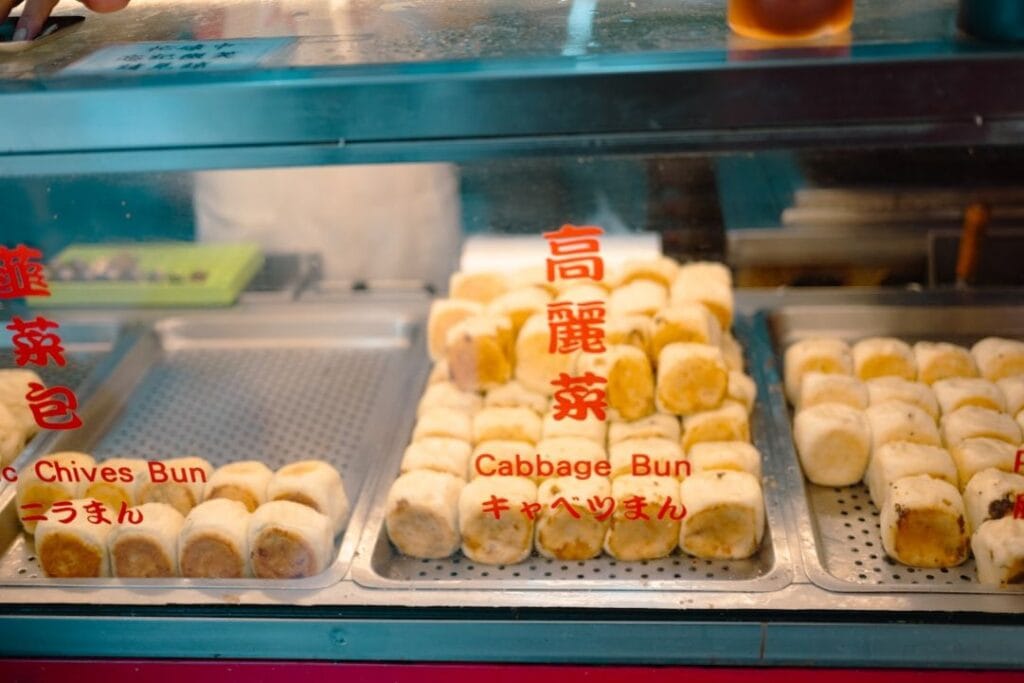
The clink of chopsticks and quiet murmur fill Taipei’s refined restaurant dining rooms as soup dumplings arrive steamed hot.
Taiwan’s food culture blends Fujian roots, Japanese influence, and indigenous flavors, shaping a dining scene focused on chef-driven restaurants. Signature dishes like xiao long bao and beef noodle soup anchor menus, while oolong tea accompanies meals with ritual precision. The restaurant scene demands reservations for popular spots, rewarding diners with structured service and curated tasting menus. The trade-off: skipping street stalls means missing spontaneous night market soup dumplings, but you gain a focused, elevated meal experience. Book ahead for dinners in Taipei’s Da’an or Zhongshan districts to secure a seat at tables where tea and dumplings meet culinary craft.
Quick answer
Eat xiao long bao for delicate soup dumplings, beef noodle soup for hearty flavor, and braised pork rice for comfort. Drink oolong tea for tradition and bubble tea for local innovation.
Key takeaways
- Dine in Taipei’s Da’an district for chef-driven restaurants and refined tasting menus.
- Order xiao long bao and beef noodle soup for lunch or dinner in sit-down restaurants.
- Plan ~$30-60/day for restaurant meals in mid-range to upscale settings, 2026.
- Book dinner reservations at popular Taipei restaurants at least 3 days ahead.
- Skip touristy night market stalls for soup dumplings; choose established dining rooms instead.
- Pair meals with locally produced oolong tea served in traditional teahouses or restaurants.
Book a food tour or cooking class in Taiwan
Cooking classes, market tours, and street-food walks led by local hosts in Taiwan — skip the tourist menus and eat what locals actually eat.

Local Food & Drinks tool
Open the interactive Taiwan food map — every dish and drink in this guide, plotted on a map with what to order, where to find it, and what it costs.
Food Neighborhoods — Taiwan
Tap any pin to explore the neighborhood’s signature dish and local eating culture.
Eat with a local in Taiwan
Cooking classes, market tours, and street-food walks led by local hosts in Taiwan — skip the tourist menus and eat what locals actually eat.
Why Taiwan eats the way it does

Taiwan’s food culture grew from its island geography, blending Fujianese roots with Japanese colonial influence and indigenous flavors. The rise of restaurant dining in the 20th century shaped a culture where meals are social rituals, marked by fixed courses and attentive service. This structured dining reflects Taiwan’s urban growth and middle-class aspirations, turning eating out into a refined occasion. Tea culture and local spirits complement these meals, emphasizing pairing and ceremony.
- Soy sauce and rice anchor most dishes, linking humble street food to refined restaurant plates.
- Sequential courses with distinct tasting portions define the dining rhythm, unlike simultaneous dish sharing common in neighbors.
- Night markets serve soup dumplings as a staple, pairing them with tea to balance flavors and digestion.
- Japanese colonial legacy introduced precise culinary techniques and a respect for seasonal ingredients rarely seen elsewhere in Taiwan.
Best for: You get the most from Taiwan’s food culture by prioritizing chef-driven restaurants with tasting menus that highlight regional ingredients and tea pairings. Solo diners or friends benefit from fixed-course meals where service and timing elevate the experience.
Must-try dishes in Taiwan

Xiao Long Bao (小籠包)
Xiao Long Bao are delicate soup dumplings filled with seasoned pork and a rich broth that bursts upon biting. These dumplings trace their roots to Jiangnan cuisine but have been perfected in Taiwan’s fine dining restaurants, where dough thinness and broth clarity matter. Pairing them with light tea balances their richness and aids digestion, a ritual embedded in local night market culture that translates seamlessly into formal dining. The skill lies in folding dozens of tiny pleats while maintaining a juicy interior.
Where to find it: Experience xiao long bao in sit-down restaurants specializing in soup dumplings, often within Taipei’s restaurant districts.
Best for: ideal for a multi-course tasting menu starter
Beef Noodle Soup (牛肉麵)
Beef noodle soup features tender braised beef chunks, chewy wheat noodles, and a savory broth enriched with soy sauce and spices. This dish reflects Taiwan’s ability to elevate humble ingredients through slow cooking and balanced seasoning. Variations include clear broth or spicy red oil, but the restaurant versions emphasize precise layering of flavors and presentation. The beef is often sourced from local farms, ensuring quality that supports the dish’s hearty profile.
Where to find it: Find beef noodle soup as a mainstay on restaurant menus focused on Taiwanese classics with chef-driven refinement.
Three-Cup Chicken (三杯雞)
Three-cup chicken combines equal parts soy sauce, rice wine, and sesame oil to create a fragrant, caramelized glaze over tender chicken pieces. The dish originated in southern Taiwan and showcases the balance of sweet, salty, and aromatic flavors. Fresh basil leaves added at the end intensify the fragrance, a technique that chefs carefully time to preserve their brightness. It pairs well with steamed rice served in formal dining settings where each ingredient’s provenance is highlighted.
Where to find it: Available in sit-down Taiwanese restaurants emphasizing traditional regional dishes with refined plating.
Best for: best for dinner paired with rice and seasonal vegetables
Oyster Omelette (蚵仔煎)
Oyster omelette blends fresh oysters with a starchy batter and eggs, pan-fried to a slightly crispy finish and topped with a tangy sweet sauce. This dish is a night market staple that has been elevated in restaurants by using premium oysters and refined sauce recipes. The texture contrast between the chewy omelette and tender oysters is crucial, and chefs often adjust starch levels for balance. Though commonly casual, the restaurant approach highlights ingredient quality and plating precision.
Where to find it: Found on menus of restaurants specializing in Taiwanese night market classics served with a polished presentation.
Braised Pork Rice (滷肉飯)
Braised pork rice features finely chopped pork belly slow-cooked in soy sauce, sugar, and spices, served over steamed rice. This simple dish has roots in Taiwanese home cooking but is refined in restaurants where chefs control fat rendering and seasoning for a balanced mouthfeel. The pork is often sourced from local farms, and the soy sauce used reflects regional fermentation styles. Served as a course in tasting menus, it anchors the meal with its umami depth.
Where to find it: Available in Taiwanese restaurants offering traditional dishes with chef-driven techniques and ingredient transparency.
Best for: great as a comforting lunch or casual dinner option
Bubble Milk Tea (珍珠奶茶)
Bubble milk tea combines strong brewed black tea with creamy milk and chewy tapioca pearls, creating a sweet, textured drink. This beverage emerged from Taiwan’s tea culture and has been elevated in cafes that source single-origin teas and craft their own tapioca from local cassava. The balance between tea bitterness and milk sweetness is key, and freshly cooked pearls distinguish the best versions. It complements meals by offering a refreshing contrast to savory dishes.
Where to find it: Enjoy bubble milk tea in tea houses and specialty cafes focused on tea quality and artisanal preparation.
Best for: ideal as an afternoon drink or dessert accompaniment
Local drinks in Taiwan

Taiwanese Oolong Tea (台灣烏龍茶)
Taiwanese Oolong Tea undergoes a meticulous semi-oxidation process that yields a floral aroma and complex flavor layers. Varieties like Dong Ding and Alishan highlight mountain terroir, with a balance of sweetness and slight roastiness. This tea’s delicate bitterness and smooth finish cut through rich dishes, making it a dining essential. Tea masters often brew it in small, precise infusions to reveal evolving notes.
When to drink it: Serve during or between courses to cleanse the palate, especially alongside Xiao Long Bao and Braised Pork Rice.
Where to find it: Available in fine dining restaurants with tasting menus and specialty tea houses hosting formal tea service.
Taiwanese Rice Wine (米酒)
Taiwanese Rice Wine, crafted from glutinous rice and traditional fermentation, offers a sweet, mellow profile with subtle umami. Often served warm, it complements the umami depth of dishes like Three-Cup Chicken. Regional producers in central Taiwan maintain artisanal methods, preserving a clean, slightly fruity character without harshness. This drink also appears in cooking, infusing sauces with gentle acidity and aroma.
When to drink it: Best enjoyed as a digestivo after hearty meals or paired with slow-cooked dishes to enhance savoriness.
Where to find it: Found in higher-end restaurants and specialty liquor stores focused on local artisanal products.
Where to eat in Taiwan

Taiwan’s dining scene centers on sit-down restaurants where fixed menus and course pacing shape the meal. Expect polished service, reservations for popular spots, and a tipping culture that rewards attentiveness. This structured approach highlights chef-driven interpretations of local dishes alongside refined presentations of staples like Xiao Long Bao and Beef Noodle Soup.
Primary setting: Sit-down local restaurant
These restaurants range from casual neighborhood spots to upscale venues with chef tasting menus. Dress is casual but neat; reservations secure the best tables, especially for dinner. Prices vary widely but tipping 10% is standard for good service. Expect menus with detailed descriptions and a focus on signature dishes served in courses.
Night market food stall
Night markets offer a lively, informal setting with dozens of vendors clustered together. Order at the counter and eat standing or at shared tables. Prices are low, and the atmosphere is noisy and bustling. This is the place to sample street versions of Xiao Long Bao and Braised Pork Rice without the formality.
Tea house
Tea houses provide a calm, refined space to enjoy Taiwanese Oolong Tea alongside light snacks or small plates. They emphasize tea ceremony and slow sipping, contrasting the busy restaurant scene. Prices are moderate and tipping is uncommon here.
Specialty dessert shop
These shops focus on sweets like Bubble Milk Tea and shaved ice desserts. They operate mostly in afternoons and evenings, perfect for a break after a meal. Expect casual seating and quick service at mid-range prices.
| Type | Price range (2026) |
|---|---|
| Budget eats | Night market food stalls: $3–8 per dish, 2026 |
| Mid-range | Sit-down local restaurants: $15–30 per person, 2026 |
| Splurge | Chef-driven tasting menus at upscale restaurants: $60–120 per person, 2026 |
Eat like a local in Taiwan
Taiwanese dining revolves around fixed meal windows, especially dinner between 6:00 PM and 9:00 PM, which serves as the main social occasion. Reservations matter at sit-down local restaurants, where multi-course meals unfold over 1.5 to 2 hours. Breakfast and lunch are quicker but still structured, with many locals visiting dedicated restaurants or tea houses rather than grazing all day.
- Use chopsticks properly—never stick them upright in rice, as it resembles funeral rites.
- Pour Taiwanese Oolong Tea for others before filling your own cup, showing respect and attentiveness.
- When sharing dishes like Xiao Long Bao, use the soup spoon provided to avoid spilling hot broth.
- Wait for the host or eldest person to start eating before digging into shared plates at sit-down local restaurants.
- Place used chopsticks on the chopstick rest or neatly on your bowl’s edge to avoid disrespect.
- Pour Taiwanese Rice Wine for your dining companions rather than yourself, maintaining social harmony.
Frequently asked questions about food and drinks in Taiwan
1Is Xiao Long Bao worth trying or is it overhyped?
Yes, Xiao Long Bao delivers delicate soup dumplings with a rich broth that justifies the hype. Expect a balance of thin dough and flavorful soup, especially at night market stalls like Raohe Street Night Market.
2What does a day of eating in Taiwan cost?
Roughly $30 to $65 per day covers sit-down local restaurants and night market snacks in 2026. Expect to pay around $4 for a serving of Braised Pork Rice and $8 to $12 for Beef Noodle Soup in refined settings like Dihua Street.
3Is Taiwan good for vegetarians or vegans?
No, vegetarian options require care. Dishes like Braised Pork Rice and Three-Cup Chicken are off-limits, but simple vegetable stir-fries or steamed greens work. Bubble Milk Tea is vegetarian-friendly but watch for gelatin or dairy in desserts.
4Where can I find the best Beef Noodle Soup in Taipei?
Dihua Street in Taipei hosts refined local restaurants specializing in Beef Noodle Soup. This neighborhood combines traditional ingredients with chef-driven preparation, making it the prime spot for this hearty dish.
5What should I drink with Xiao Long Bao?
Taiwanese Oolong Tea pairs perfectly with Xiao Long Bao. The tea’s floral notes cut through the richness of the soup dumplings and aid digestion, a pairing well known in night market settings.
6Is Taiwanese Rice Wine easy to find and drink?
Yes, Taiwanese Rice Wine is widely available in restaurants and specialty shops. It’s often served during celebrations and pairs well with savory dishes like Three-Cup Chicken.
7What are the biggest food mistakes tourists make in Taiwan?
Skipping night market soup dumplings and ignoring tea pairings wastes the best local flavor combos. Also, ordering multiple dishes at once misses the sequential tasting rhythm common in sit-down local restaurants.
8What should I eat on my first night in Taiwan?
Start at Raohe Street Night Market with Xiao Long Bao and a cup of Oolong Tea. This sets the tone with classic Taiwanese snacks and the essential soup dumpling-tea balance.
9Can I eat safely at street stalls in Taiwan?
Yes, street stalls in neighborhoods like Fengjia Night Market maintain high hygiene standards. Tap water is not safe, so stick to bottled drinks and freshly cooked foods.
10What does Braised Pork Rice taste like and where is it best found?
Braised Pork Rice offers comforting, savory pork over rice with soy sauce depth. Fengjia Night Market in Taichung serves this dish authentically amid diverse street food options.