


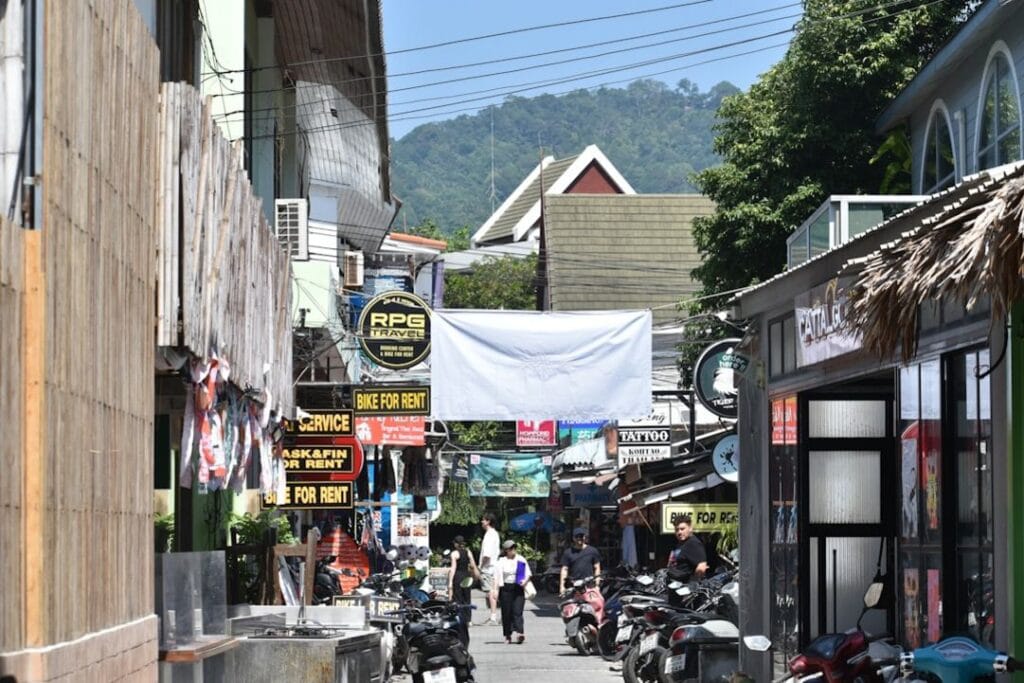
Thailand is a place where most visitors are better off not taking the wheel. With a road-death rate of 32.7 per 100,000, it ranks among the highest in the world. The chaotic traffic, especially in urban areas, can be overwhelming for those unfamiliar with local driving customs. Most tourist fatalities involve rented scooters, making it crucial to reconsider how to get around safely.
This page provides a clear verdict on whether to drive or not, confirming that an International Driving Permit (IDP) is required under the 1949 Geneva Convention. Expect to find alternative transport options that are safer and more efficient. Driving on the left side of the road adds to the complexity, especially for solo female travelers looking to navigate the streets confidently.
The verdict
Most travelers should skip the rental in Thailand. With a road-death figure of 32.7 per 100,000, the risks are significant, making alternatives like Grab or public transport the smart choice. Confident drivers with local experience may still manage, but caution is essential.
Essential tips
- Carry your permit. An International Driving Permit is required for driving in Thailand, following the 1949 Geneva Convention.
- Drive on the left. Traffic flows on the left side of the road, which can be confusing for foreign drivers.
- Beware the scooters. Scooters are prevalent and often weave through traffic, posing a significant risk to drivers.
- Avoid night driving. Road conditions can be hazardous after dark, increasing the risk of accidents.
- Expect high road deaths. Thailand has a road-death rate of 32.7 per 100,000, making it one of the most dangerous countries for driving.
- Use Grab for convenience. Consider using Grab, a popular ride-hailing app, for safer and hassle-free travel.
How the traffic flows
Driving in Thailand is a high-difficulty experience, with a road-death rate of 32.7 per 100,000 people, one of the highest globally. The chaotic flow of traffic, dominated by scooters, means that the written rules only scratch the surface of what you need to know. Expect a blend of overtaking, weaving, and a lack of strict adherence to traffic signals. Foreign drivers quickly realise that larger vehicles and scooters often dictate the pace, making it essential to adapt quickly to survive. The unwritten rules of the road can be a shock, especially for those used to more orderly driving environments. Understanding these dynamics is crucial; the scooter is the trip’s biggest health risk, not the food. Prepare to navigate a system where safety often feels secondary to the hustle of daily life.
RIGHT OF WAY
In Thailand, the larger or faster vehicle typically has the right of way, regardless of traffic signs. This means that scooters often weave in and out of traffic, expecting cars to yield. If you are driving a larger vehicle, be prepared to assert your presence, but also be cautious of smaller scooters darting in front of you. The unwritten rule here is that the more committed vehicle takes priority, so anticipate sudden lane changes and be ready to adjust your position accordingly.
SIGNALS AND THE HORN
In the chaotic Thai traffic culture, the horn serves as an announcement rather than a warning. Drivers use it to signal their presence, especially when overtaking or merging. Indicators may be ignored, so do not rely solely on them to gauge a driver’s intentions. High beams are often used to indicate a desire to overtake, which can be confusing for foreign drivers. Expect to navigate a landscape where communication is primarily through sound rather than signals.
LANE DISCIPLINE AND FLOW
Lane markings in Thailand are often treated as suggestions rather than rules. Expect vehicles to merge and weave without strict adherence to lanes, especially in congested areas. Hold your line but remain flexible; other drivers may cut in unexpectedly. It’s essential to maintain a calm demeanor and let the flow of traffic move around you. Do not attempt to enforce lane discipline; instead, focus on anticipating the movements of those around you.
ANTICIPATING THE ROAD
Stay alert for pedestrians stepping out unexpectedly, scooters cutting in, and sudden stops from vehicles ahead. The calm, steady-pace mindset is crucial for navigating the unpredictable nature of Thai roads. Be particularly cautious during the monsoon season, as heavy rains can create hazardous conditions. Always scan the road ahead for potential hazards, including livestock on rural roads and erratic driving behaviors from other road users.
Do
- Honk to announce
Use your horn to make your presence known, especially when overtaking or merging.
- Make eye contact
Establish eye contact with other drivers to gauge their intentions before proceeding.
- Stop at marked crossings
Always stop at pedestrian crossings, even if pedestrians are not visible.
- Overtake only on straights
Only attempt to overtake on straight stretches of road where visibility is clear.
- Stay calm in jams
Maintain composure during traffic jams; aggressive driving can escalate tensions.
Do not
- Do not drink-drive
Thailand has a zero-tolerance policy for drinking and driving; avoid alcohol completely.
- Do not speed in towns
Respect speed limits in urban areas, where pedestrians and scooters are common.
- Do not engage with solicitors
Avoid interacting with anyone soliciting money or bribes at the roadside.
- Do not ride a scooter without a helmet
Always wear a helmet when riding a scooter, as enforcement of helmet laws is inconsistent.
- Do not assume pedestrians have right of way
Be cautious, as pedestrians may not always have the right of way where you expect it.
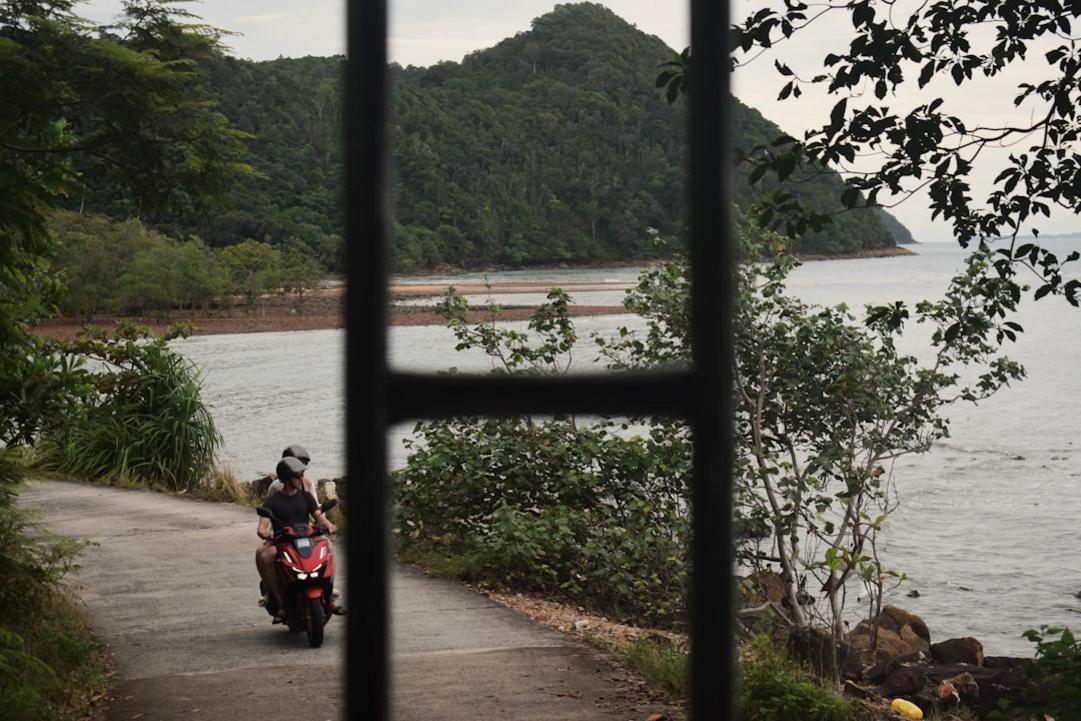
Road Conditions in Thailand
Road surfaces vary significantly across Thailand. Major highways are generally in good condition, but rural roads can be poorly maintained, featuring potholes and uneven surfaces. Lighting is often inadequate, especially in remote areas, making night driving risky. During the monsoon season from May to October, heavy rainfall can lead to flooding and further deteriorate road conditions. This contributes to the high traffic difficulty rating, as many tourists face challenges navigating these unpredictable roads.
Traffic congestion peaks during rush hours, typically from 7 AM to 9 AM and 5 PM to 8 PM in major cities like Bangkok. Outside these hours, traffic eases, but rural roads can still pose risks due to poor lighting and the presence of animals. Avoid driving at night to reduce the chances of accidents caused by fatigue or unexpected obstacles.
Traffic Facts in Thailand
Here are key traffic facts that every driver should know.
| Metric | Value | What it means for you |
|---|---|---|
| Driving side | Left | Drive on the left side of the road to comply with local laws. |
| Traffic intensity | high | Expect challenging driving conditions due to high traffic volume. |
| Road deaths per 100k | 32.7 per 100k | Thailand has one of the highest road fatality rates globally. |
| Self-drive verdict | Not recommended | Self-driving is not advisable due to high road risks. |
| Seasonal road hazard | monsoon (May-October) | Expect road flooding and hazards during the monsoon season. |
Traffic Rules and Limits
Traffic rules are enforced to varying degrees, and limits may change. Always verify current limits and signage locally.
Drink-driving
The typical legal blood-alcohol limit is around 0.05%. Enforcement includes random checks, so it is safest to avoid drinking and driving altogether.
International Driving Permit Requirements
An International Driving Permit is required to drive legally in Thailand. This permit is issued under the 1949 Geneva Convention and must accompany your home driving licence. Without it, you risk being fined or having your rental agreement voided.
Carry essential documents including your original home licence, the IDP, passport, and rental papers. Obtain the IDP in your home country before departure, usually through the national automobile association, for a small fee in the USD range. The IDP is valid for about a year and cannot be issued once you are abroad.
Be aware that some rental companies may require additional documents or impose age restrictions. Even with an IDP, consider whether driving is the best option given the road conditions.
Before you go
- Obtain the IDP before your trip starts.
- Carry your original home driving licence.
- Keep your passport handy while driving.
- Have rental and insurance papers accessible.
- Verify local driving rules upon arrival.
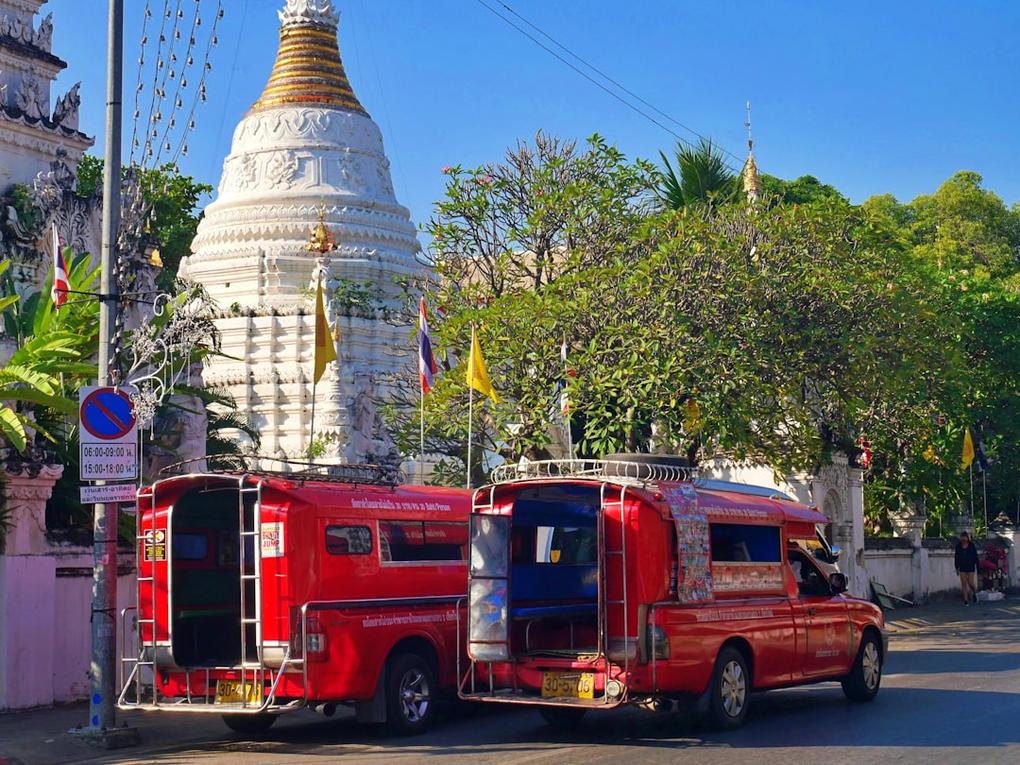
Transport options compared
For most visitors, these are the smart default options for getting around Thailand. Rely on ride-hailing apps and metered taxis for urban travel, while trains and intercity coaches cover longer distances effectively. Avoid self-driving due to high road fatalities and chaotic traffic conditions. Use these modes to navigate safely and efficiently without the stress of driving.
| Mode | Flexibility | Cost | Safety | Tip |
|---|---|---|---|---|
| Ride-hailing app | High – convenient for urban and suburban areas. | Low, roughly 5-15 per ride | Moderate – safer than self-driving. | Use a popular app like Grab for ease. |
| Metered taxi | Moderate – covers urban areas well. | Low, roughly 10-20 per ride | Moderate – safer than self-driving. | Ensure the meter is running before the trip. |
| Intercity coach | Moderate – connects major cities and towns. | Budget, around 10-30 per trip | Moderate – safer than self-driving. | Book tickets in advance for popular routes. |
| Train | Moderate – links key cities and regions. | Budget, around 10-50 per trip | Moderate – safer than self-driving. | Check schedules ahead of time for best times. |
| Private driver | High – tailored journeys available. | Mid-range, roughly 30-70 per day | Moderate – safer than self-driving. | Negotiate the fare before starting the trip. |
Tolls and parking
Major roads in Thailand can be tolled, typically payable by cash or prepaid cards. Urban areas often have limited parking options, with street parking being common but not always secure. Use garages where available, and avoid leaving valuables in sight to deter theft. Prices for parking can vary, so check local signs for guidance.
Fuel options and prices
Petrol and diesel are the main fuel types available, with petrol grades typically including 91 and 95 octane. Electric vehicle charging stations are sparse, so plan accordingly. Pay at the pump with cash or card, and always fill up when you can, especially in rural areas where stations may be infrequent. Prices are typically around 1-1.5 per litre.
Travelling with children
Do
- Always use a helmet on scooters.
- Use a child seat in cars for safety.
- Keep children off the traffic side of the vehicle.
Do not
- Do not exceed the passenger limit on scooters.
- Do not allow children to ride in the front seat until age 12.
Book transport the easy way
Compare and book buses, trains and transfers in one place, often cheaper than at the counter.
What to do in a road incident
Make the scene safe first by moving to a secure location if possible. Call the emergency services using the numbers shown here for police and ambulance assistance. If you are in a rental vehicle, contact the rental company to report the incident. Photograph the scene and exchange details with any other parties involved. Notify your travel insurer about the incident to ensure coverage for any potential claims.
Pro tip
Get a local SIM or eSIM for live maps and ride-hailing services, as this can significantly ease navigation and transport logistics. Download offline maps before your trip to avoid connectivity issues, especially in rural areas. A translation app can also be invaluable given the low English proficiency in Thailand.
Driving FAQs for Thailand
1Do I need an International Driving Permit for Thailand?
Yes, an International Driving Permit is required for Thailand under the 1949 Geneva Convention. Without it, you risk fines and complications with local authorities if stopped while driving.
2Which side of the road do they drive on in Thailand?
In Thailand, they drive on the left side of the road. This can be challenging for those used to driving on the right, so be cautious and aware of your surroundings.
3Is it safe to drive or rent a scooter here in Thailand?
It is not safe to rent a scooter in Thailand due to the high road-death rate of 32.7 per 100,000 people, which is among the highest in the world. Most tourist fatalities involve rented scooters, making it a significant risk.
4Can I use ride-hailing apps in Thailand?
Yes, ride-hailing apps like Grab are widely used in Thailand and provide a safer alternative to self-driving or renting scooters. They are convenient and often more affordable than traditional taxis.
5Is it cheaper or smarter to hire a driver in Thailand?
Hiring a driver is often smarter and can be cost-effective compared to the risks of self-driving. Given the chaotic traffic and high accident rates, using a local driver allows you to relax and enjoy the scenery without the stress of navigating.
6Can I drive on my home licence in Thailand?
You cannot drive on your home licence in Thailand; an International Driving Permit is mandatory. Driving without the proper documentation can lead to fines and legal issues.
7What are the speed limits in Thailand?
Speed limits in Thailand typically range from 50 km/h in urban areas to 90 km/h on rural roads and up to 120 km/h on highways. However, always verify local regulations as they can change.
8What is the safest way to get around Thailand?
The safest way to get around Thailand is to use ride-hailing services or public transport rather than driving yourself. Given the high road-death rate and chaotic traffic conditions, opting for a local driver or public transport is the best choice.
Speed limits, alcohol limits and fuel prices are typical figures and change over time. Confirm the current rules and local signage before you drive.
Some links on this page are affiliate links. We may earn a small commission at no extra cost to you when you use them.