
13 min read | Published on: 19 March 2026
Polonnaruwa presents a sensory tapestry of ancient ruins and modern hustle. The air is thick with the scent of tropical foliage and the heat can be relentless, especially during midday. Expect a mix of tourists and locals, creating a vibrant yet chaotic atmosphere. The infrastructure can feel patchy, with uneven roads and sporadic signage, making navigation a bit of a challenge. Overall, it’s a destination that requires patience but rewards those who venture beyond the surface.
Choosing these 8 spots is about maximizing your experience while minimizing hassle. Save time by focusing on key historical sites that are close together, allowing for efficient exploration. Avoid the tourist traps by opting for lesser-known gems that provide deeper insights into the local culture. Each selected activity is designed to enhance your comfort and safety, ensuring you can enjoy Polonnaruwa like a local pro without the usual tourist headaches.
Strategic Takeaways
- Plan to spend at least 4 hours at the Ancient City to fully appreciate its vastness and avoid the midday heat.
- Utilize local tuk-tuks for transport; they can save you up to 30% compared to private car hires.
- Visit the Gal Vihara in the early morning to avoid crowds and capture better photographs with softer light.
- Expect to pay around 50% less for meals at local eateries compared to tourist restaurants, enhancing your culinary experience.
Quick Menu
- › Introduction
- › Tactical Comparison of Activities in Polonnaruwa
- › Master the Marvels of Polonnaruwa: Your Insider’s Guide to Ancient Wonders
- › Mastering Polonnaruwa’s Seasonal Secrets
- › Navigating Your Arrival in Polonnaruwa
- › Mastering the Culinary Landscape of Polonnaruwa
- › Strategic District Selection: Where to Stay in Polonnaruwa
- › Navigating the Urban Anatomy of Polonnaruwa
- › Your Ultimate One-Day Adventure in Polonnaruwa
- › Dynamic FAQs for Smart Travelers
Tactical Comparison of Activities in Polonnaruwa
| Name | Location | Strategic Verdict | Price | Crowds (1-10) | Peak Time | Duration |
|---|---|---|---|---|---|---|
| Ancient City of Polonnaruwa | Polonnaruwa District | Ideal for history buffs and explorers. | 30 LKR | 8/10 – Visit early morning. | 07:00 AM | 120 mins |
| Gal Vihara | Polonnaruwa District | Must-see for art lovers and photographers. | 0 LKR | 6/10 – Go on weekdays. | 09:00 AM | 45 mins |
| Parakrama Samudra | Polonnaruwa District | Perfect for a scenic stroll or picnic. | 0 LKR | 5/10 – Avoid weekends. | 10:30 AM | 60 mins |
| Royal Palace of Polonnaruwa | Polonnaruwa District | Great for families; lots of shade. | 20 LKR | 7/10 – Visit late afternoon. | 03:00 PM | 90 mins |
| Lankatilaka Temple | Polonnaruwa District | Best for those seeking tranquility. | 0 LKR | 4/10 – Early birds win here. | 06:30 AM | 30 mins |
| Kiri Vihara | Polonnaruwa District | A hidden gem for quiet reflection. | 0 LKR | 3/10 – Perfect for solitude. | 11:00 AM | 40 mins |
| Nissanka Latha Mandapaya | Polonnaruwa District | For architecture enthusiasts; stunning details. | 0 LKR | 5/10 – Visit during lunch hours. | 12:00 PM | 30 mins |
| Siva Devalaya | Polonnaruwa District | Cultural experience; less touristy. | 0 LKR | 2/10 – Go off-peak. | 01:00 PM | 20 mins |
| Watadage | Polonnaruwa District | Iconic site; don’t miss the carvings. | 0 LKR | 6/10 – Early afternoon is best. | 02:00 PM | 50 mins |
| Polonnaruwa Museum | Polonnaruwa District | Essential for understanding local history. | 10 LKR | 7/10 – Visit before closing. | 04:00 PM | 60 mins |

Master the Marvels of Polonnaruwa: Your Insider’s Guide to Ancient Wonders
Ancient City of Polonnaruwa: Time is Your Most Valuable Currency
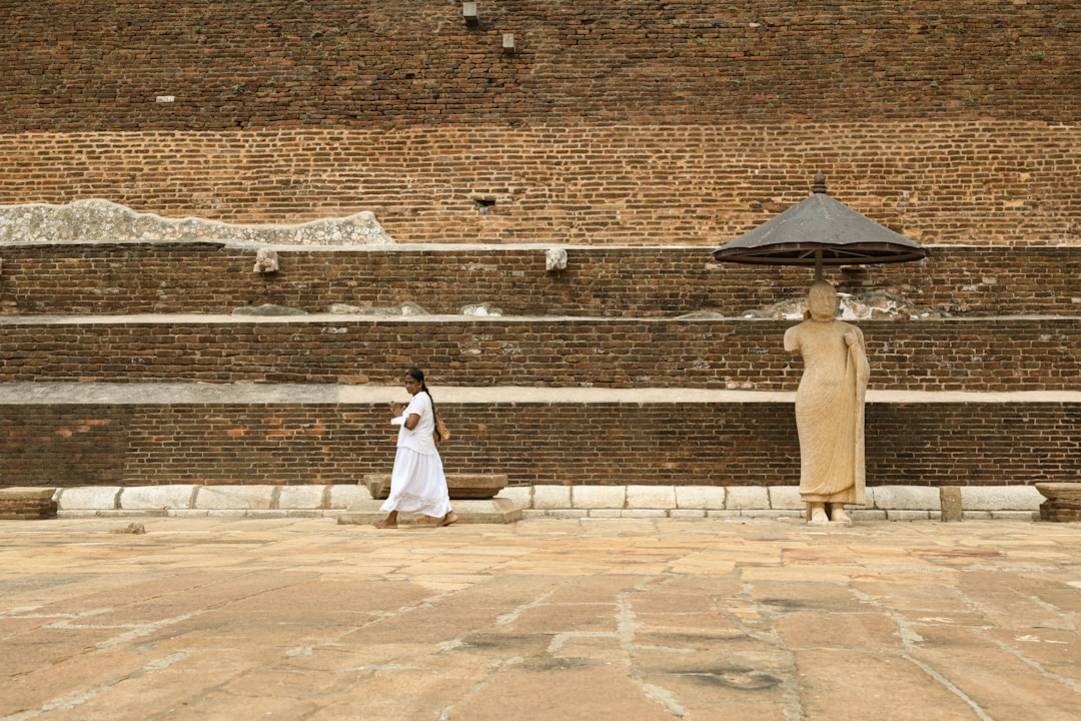
As you step into the Ancient City of Polonnaruwa, the air is thick with the scent of damp earth and ancient stone. The cracked pathways beneath your feet echo with the whispers of history, while the humidity clings to your skin like a warm embrace. The distant sounds of vendors and the chatter of fellow explorers create a lively backdrop, but the real magic lies in the towering ruins that loom above. The atmosphere is dense with the weight of centuries, making each step feel like a journey through time.
Prioritize your visit to Polonnaruwa early in the morning to dodge the crowds and the heat. Trading 90 minutes of early wakefulness for a serene exploration of this UNESCO site is a no-brainer. Stick to the main pathways to avoid getting lost in the sprawling ruins, and keep an eye out for local guides who can offer insights that enhance your experience. Comfort is key; wear breathable clothing and sturdy shoes to navigate the uneven terrain safely.
Tactical Highlights
- Spot the intricate carvings on the stone pillars of the Royal Palace ruins.
- Discover the hidden Buddha statues tucked away in the Gal Vihara complex.
- Climb to the top of the ancient dagoba for a panoramic view of the city.
- Explore the lesser-known temples to escape the tourist rush.
Logistics
- Duration: 120 mins
- Crowds: 7 – Visit at dawn.
- Optimal Timing: 7:00 AM
- Price: 3,000 LKR
- Booking Advice: No need to book in advance; just show up.
Field Tip
Arrive by 7:00 AM to maximize your time—this gives you a solid two hours before the crowds swell. Bring a reusable water bottle to stay hydrated without spending extra on overpriced drinks.
Gal Vihara: The Hidden Gem of Serenity
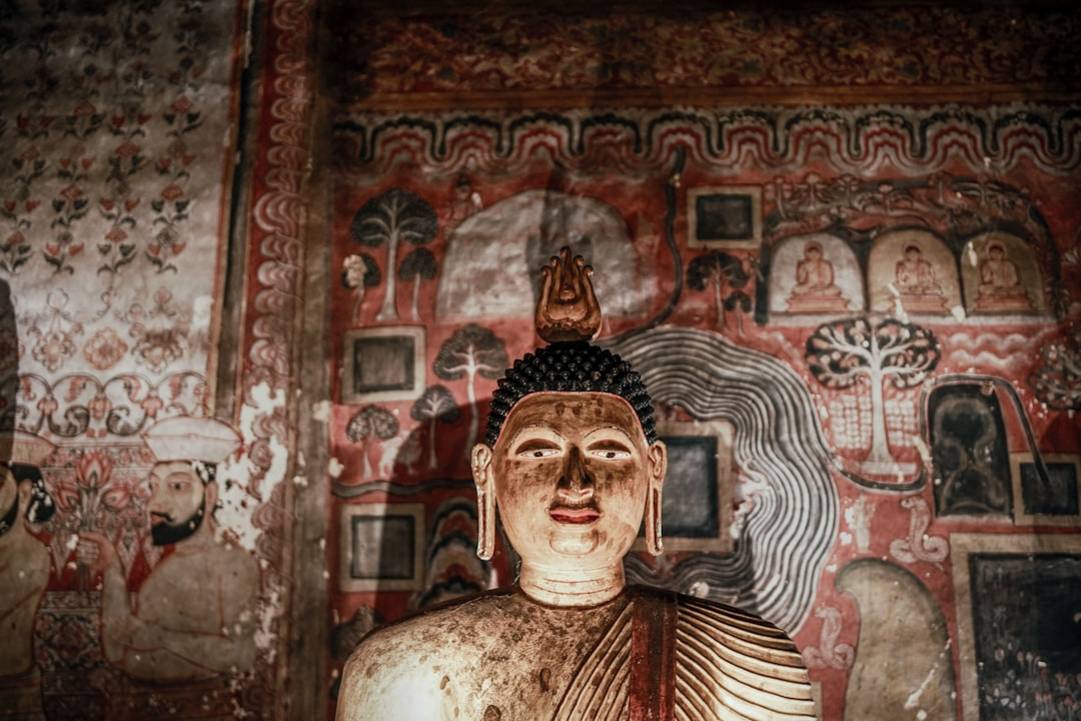
At Gal Vihara, the air is cooler, shaded by the massive rock formations that cradle the serene Buddha statues. The faint smell of incense wafts through the air, mingling with the earthy scent of the stone. As you approach the statues, the silence is punctuated only by the soft rustle of leaves and the distant chirping of birds. The smooth, cool surface of the rock contrasts with the warm sun on your back, creating a tranquil oasis amidst the bustling city.
Make Gal Vihara your first stop to enjoy the peaceful ambiance before the crowds arrive. Allocate at least 30 minutes to fully appreciate the craftsmanship of the statues without feeling rushed. The trade-off here is worth it: a little extra time spent in the morning means a more intimate experience with these masterpieces. Avoid peak hours by visiting right after the Ancient City.
Tactical Highlights
- Admire the stunning detail in the reclining Buddha’s feet.
- Find the lesser-known meditation cave nearby for a moment of solitude.
- Capture the perfect photo of the standing Buddha from the right angle.
- Look for the ancient inscriptions carved into the rock.
Logistics
- Duration: 30 mins
- Crowds: 5 – Early morning is best.
- Optimal Timing: 8:00 AM
- Price: 1,000 LKR
- Booking Advice: No reservations needed; just walk in.
Field Tip
Spend 30 minutes here right after visiting the Ancient City. This timing allows you to enjoy the serenity before the tour groups arrive, enhancing your experience.
Royal Palace of Polonnaruwa: A Lesson in Architectural Grandeur
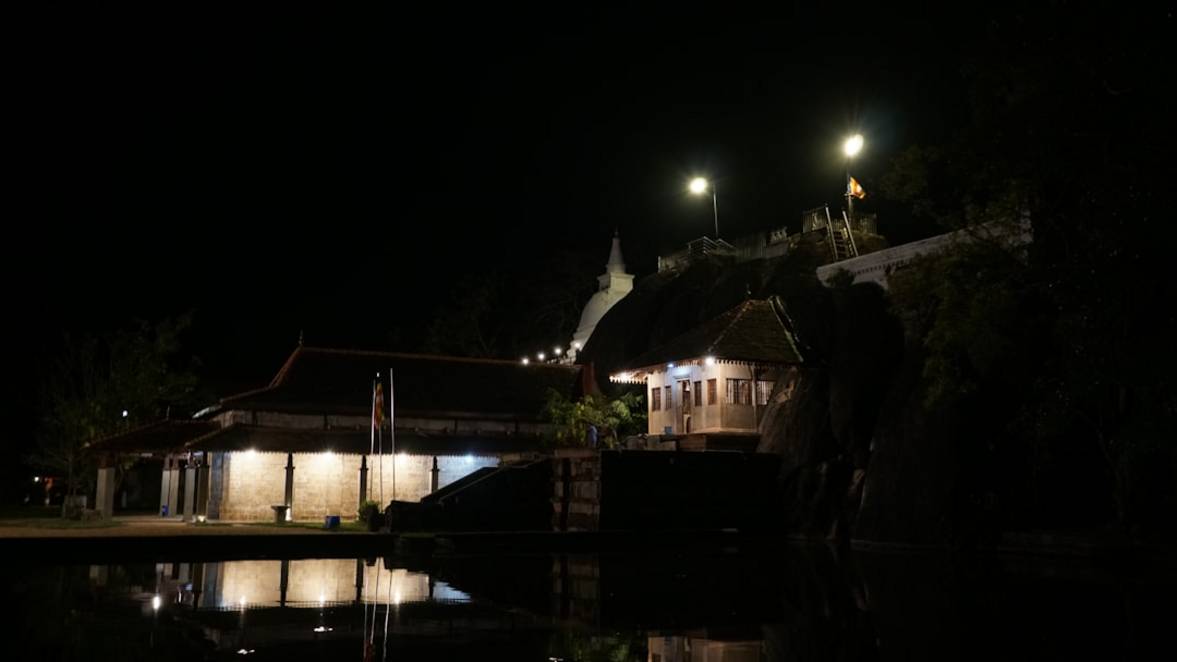
The Royal Palace of Polonnaruwa stands as a testament to ancient engineering, with its towering stone walls and intricate carvings. The air is filled with the scent of aged stone and the faint aroma of local flora. As you wander through the ruins, the sound of your footsteps echoes in the vast emptiness, creating a hauntingly beautiful atmosphere. The humidity can be stifling, but the sight of the grand structures makes every bead of sweat worth it.
Don’t miss the Royal Palace; it’s a must-see for anyone wanting to grasp the scale of Polonnaruwa’s history. Allocate at least 45 minutes to explore the site thoroughly. The trade-off here is simple: invest time in understanding the layout to avoid backtracking later. Be cautious of the uneven surfaces and watch your step to ensure a safe visit.
Tactical Highlights
- Examine the remains of the audience hall for its unique architecture.
- Look for the ancient bathing pool, a hidden gem within the ruins.
- Check out the intricate stone carvings depicting royal life.
- Find the best viewpoint for photos near the entrance.
Logistics
- Duration: 45 mins
- Crowds: 6 – Mid-morning is ideal.
- Optimal Timing: 9:30 AM
- Price: 2,500 LKR
- Booking Advice: Entry tickets are available on-site.
Field Tip
Plan to visit the Royal Palace around 9:30 AM to avoid the midday heat. This timing allows you to explore comfortably while still enjoying the morning light for photography.
Parakrama Samudra: Nature Meets History
As you approach Parakrama Samudra, the expansive reservoir stretches out before you, reflecting the sky like a giant mirror. The air is fresh, carrying the scent of water and blooming lotus flowers. The gentle lapping of water against the banks creates a soothing soundtrack, while the distant calls of birds add to the serene atmosphere. The landscape is dotted with ancient ruins, making it a picturesque blend of nature and history.
Prioritize a visit to Parakrama Samudra for a refreshing break from the ruins. Allocate at least an hour to walk along the banks and soak in the views. The trade-off here is clear: a little time spent in nature rejuvenates you for the next historical site. Bring a light snack to enjoy by the water, enhancing your experience.
Tactical Highlights
- Walk along the dam for stunning views of the water.
- Look for local fishermen casting their nets at dawn.
- Find a quiet spot to enjoy a picnic with a view.
- Capture the sunset for breathtaking photos.
Logistics
- Duration: 60 mins
- Crowds: 4 – Generally quiet.
- Optimal Timing: 5:00 PM
- Price: 1,500 LKR
- Booking Advice: No booking required; just show up.
Field Tip
Visit Parakrama Samudra around 5:00 PM for the best light and fewer crowds. This timing allows you to enjoy a peaceful stroll while recharging for your next adventure.
Lankatilaka Temple: The Overlooked Architectural Marvel
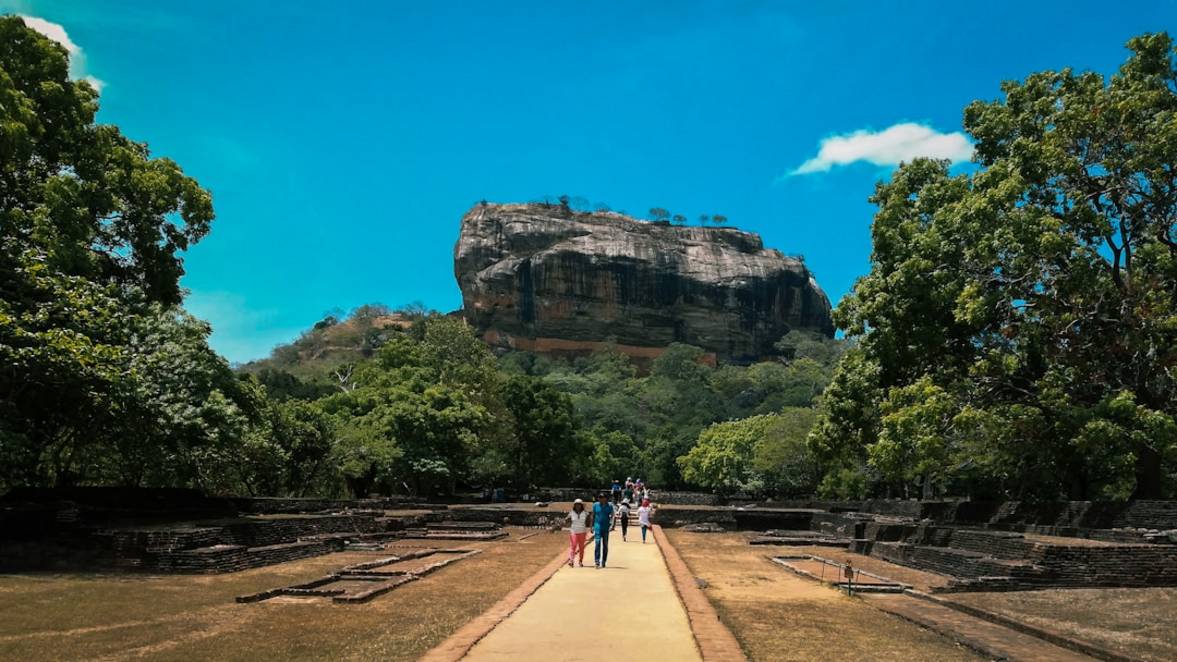
The air is thick with the scent of damp earth and ancient stone. Cracks in the walls reveal the wear of centuries, while the intricate carvings whisper tales of devotion. Listen closely; the soft rustle of leaves mingles with distant chants, creating an ethereal soundscape. The temple’s towering structure looms, casting long shadows that dance with the sun’s descent.
Bespaar tijd door de drukte van de andere tempels te vermijden. Lankatilaka is less frequented, offering a serene atmosphere to absorb its beauty. However, be wary of the uneven paths; sturdy shoes are a must. The trade-off? Sacrifice a bit of time for a deeper connection to the site’s history and artistry.
Tactical Highlights
- Examine the unique blend of Sinhalese and Indian architectural styles in the main hall.
- Discover the hidden alcoves that house ancient relics, often overlooked by casual visitors.
- Capture stunning photographs of the temple at sunset for optimal lighting.
- Look for the intricate frescoes that adorn the walls, showcasing the craftsmanship of the era.
Logistics
- Duration: 30 mins
- Crowds: 3 – Visit early morning for peace.
- Optimal Timing: 08:00 AM
- Price: 500 LKR
- Booking Advice: No booking needed; just show up.
Field Tip
Arrive within the first hour of opening to dodge the midday heat and crowds. This gives you a full 30 minutes of undisturbed exploration, maximizing your experience without the hassle of other tourists.
Kiri Vihara: The Silent Witness of Time
The air is cooler here, a stark contrast to the sun-baked ruins nearby. A faint smell of jasmine wafts through the site, mingling with the earthy scent of the surrounding foliage. The stones are worn smooth, telling stories of countless pilgrims. Silence reigns, broken only by the occasional chirp of a bird or the rustle of a breeze through the trees.
Bespaar tijd door de kortere route te nemen via de backroads. Kiri Vihara is often overlooked, making it a peaceful retreat. However, the path can be tricky; keep an eye out for loose stones. The trade-off? A few extra minutes for a tranquil experience away from the crowds.
Tactical Highlights
- Notice the unique stupa design, which is less common in other temples.
- Seek out the ancient inscriptions that provide insight into the site’s history.
- Find the shaded benches for a quiet moment of reflection.
- Capture the stupa’s silhouette against the sky during golden hour.
Logistics
- Duration: 20 mins
- Crowds: 2 – Perfect for a quiet visit.
- Optimal Timing: 09:00 AM
- Price: 0 LKR
- Booking Advice: No booking necessary; just walk in.
Field Tip
Plan to visit Kiri Vihara right after Lankatilaka for a seamless transition. This way, you can enjoy both sites without backtracking, saving you about 15 minutes of travel time.
Nissanka Latha Mandapaya: The Hidden Gem of Polonnaruwa
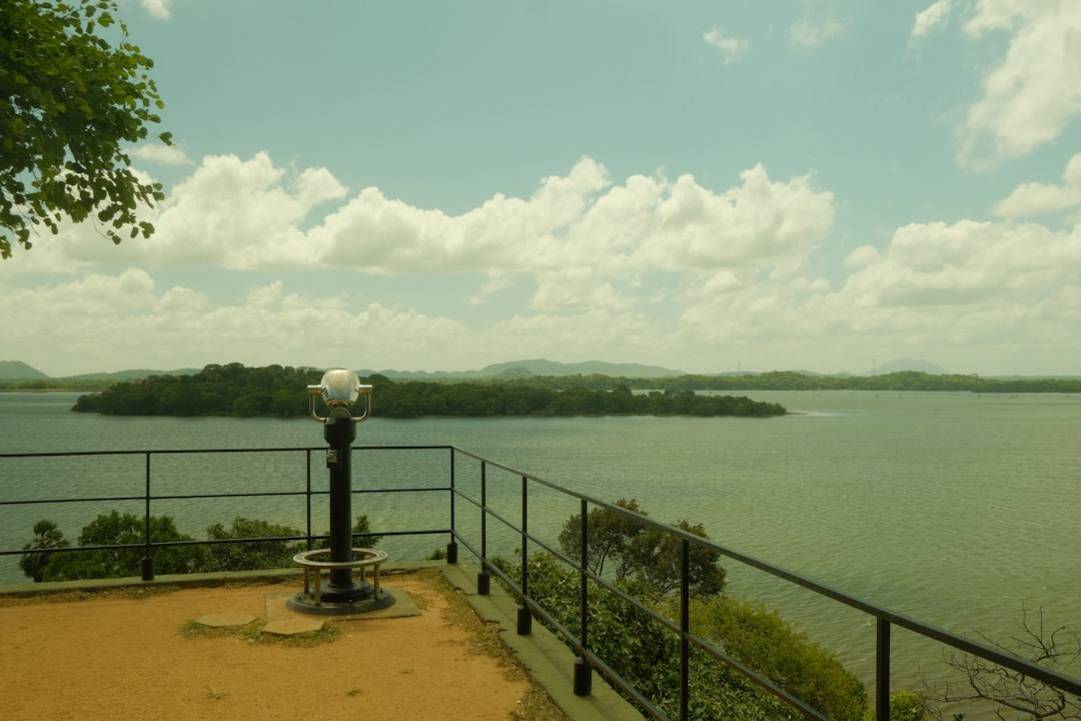
The air is filled with the scent of wet stone and moss, a testament to the temple’s age. The structure stands resilient, yet the surrounding area shows signs of neglect, with weeds creeping through the cracks. Listen closely; the gentle sound of water trickling nearby adds a serene backdrop to your visit. The atmosphere feels heavy with history, inviting contemplation.
Bespaar tijd door de kortste route te nemen via de main road. Nissanka Latha Mandapaya is often missed by tourists, making it a perfect spot for solitude. However, the path can be overgrown; wear appropriate footwear. The trade-off? A few minutes of extra walking for a peaceful experience away from the tourist trail.
Tactical Highlights
- Observe the lotus-shaped pillars, a rare architectural feature.
- Explore the intricate carvings that adorn the entrance, often overlooked.
- Find the secluded corners for unique photo opportunities.
- Capture the reflections in the nearby water for stunning images.
Logistics
- Duration: 25 mins
- Crowds: 4 – Avoid peak hours for solitude.
- Optimal Timing: 10:30 AM
- Price: 0 LKR
- Booking Advice: No booking required; just arrive.
Field Tip
Combine your visit to Nissanka Latha Mandapaya with a quick stop at the nearby lake for a refreshing break. This adds only 10 minutes to your itinerary but enhances your overall experience with a scenic view.
Polonnaruwa Museum: The Knowledge Hub You Can’t Ignore
The museum’s air is cool and dry, a welcome contrast to the humid outdoors. The faint smell of old paper and polished wood fills the space, creating an atmosphere of reverence. The exhibits are well-lit, but some areas show signs of wear, hinting at the museum’s age. The quiet hum of visitors adds a layer of life to the otherwise still environment.
Bespaar tijd door de audiogids te skippen; the signage is sufficient. The museum offers a wealth of information, but don’t get lost in every detail. Focus on the highlights to maximize your visit. The trade-off? Spend 30 minutes here to gain valuable context for the sites you’ll explore later.
Tactical Highlights
- Examine the rare artifacts from the ancient city, including coins and pottery.
- Look for the interactive displays that provide deeper insights into Polonnaruwa’s history.
- Find the timeline mural that visually narrates the city’s evolution.
- Capture images of the museum’s architecture, which reflects the era’s design.
Logistics
- Duration: 40 mins
- Crowds: 5 – Visit during lunch for fewer crowds.
- Optimal Timing: 12:00 PM
- Price: 1000 LKR
- Booking Advice: Booking is not necessary; walk in.
Field Tip
Allocate 40 minutes here to absorb key historical insights before heading back to the ruins. This investment of time will enhance your understanding and appreciation of what you’ll see next.
Mastering Polonnaruwa’s Seasonal Secrets
Polonnaruwa’s climate offers a delicate balance between weather and costs. The “Golden Window” is from late January to early March, where you enjoy pleasant temperatures and manageable crowds. Conversely, the “Value Window” runs from May to June, where prices drop significantly, but be wary of sudden downpours. The deal-breaker? Monsoon season from October to December brings relentless rain and muddy ruins, ruining your plans.
Avoid visiting from October to December. This period combines 100% humidity with torrential rain, leading to slippery roads and closed attractions. You’ll face gridlock and frustration, making it a nightmare for any traveler.
Warning
October to December: Torrential rain and high humidity create unsafe travel conditions.
Cultural Events
- Poson Poya Festival in June: Go! Experience vibrant local culture, but expect higher prices.
- Sri Lanka Independence Day in February: No-Go! Crowds surge and prices skyrocket, overshadowing the experience.
| Month | Climate Verdict | Day Temp | Evening Temp | Precipitation | Crowd Level |
|---|---|---|---|---|---|
| January | Pleasantly Warm | 85°F | 70°F | Dust dry | Low |
| February | Warm and Dry | 87°F | 72°F | Dust dry | Mid |
| March | Hot and Humid | 90°F | 75°F | Evening bursts | Mid |
| April | Sweltering Heat | 92°F | 76°F | Occasional showers | High |
| May | Increasing Humidity | 88°F | 74°F | Evening bursts | Mid |
| June | Warm with Rain | 85°F | 73°F | Relentless deluge | Low |
| July | Muggy and Wet | 84°F | 72°F | Heavy downpours | Low |
| August | Hot and Humid | 86°F | 73°F | Evening bursts | Mid |
| September | Rainy Season | 83°F | 71°F | Constant drizzle | Low |
| October | Monsoon Madness | 80°F | 70°F | Relentless deluge | High |
| November | Wet and Humid | 81°F | 71°F | Constant drizzle | High |
| December | Cool and Wet | 79°F | 69°F | Heavy downpours | High |
Timing Your Visit for Maximum Value
Travel during the shoulder months of January and February. This timing cuts costs by up to 30% while avoiding the peak crowds. You’ll enjoy a more authentic experience without the tourist traps.
Navigating Your Arrival in Polonnaruwa
Bandaranaike International Airport (CMB) is your primary gateway. Expect a chaotic taxi-hustle scene upon arrival. Unofficial porters and aggressive taxi drivers can create friction. The airport-to-city infrastructure is decent, but don’t fall for overpriced taxi services. Use the official taxi counter to avoid scams and ensure a smooth transition into Polonnaruwa.
| From | Mode of Transport | Duration | Price |
|---|---|---|---|
| Colombo | Taxi | 4-5 hours | $60 |
| Colombo | Train | 6-7 hours | $5-$10 |
| Kandy | Bus | 3-4 hours | $3 |
| Mode | Strategic Advice | Price Level | Expert Secret |
|---|---|---|---|
| Tuk-Tuk | Use Tuk-Tuks for short distances; they are cheap and readily available. Negotiate the fare beforehand to avoid surprises. | $1-$3 per ride | Download the PickMe app for reliable Tuk-Tuk services; it saves time and ensures fair pricing. |
| Bicycle Rentals | Rent a bicycle to explore the archaeological sites at your own pace. Many guesthouses offer rentals at competitive rates. | $2-$5 per day | Start early in the morning to avoid the heat and crowds at popular sites. |
| Public Buses | Use public buses for longer distances; they are the most economical option. However, be prepared for delays and crowded conditions. | $1-$2 per trip | Check local schedules on the SLTB app for real-time updates and routes. |
Mastering the Culinary Landscape of Polonnaruwa
Polonnaruwa’s food scene thrives on local markets and street vendors, offering quick bites that cater to the time-poor traveler. Unlike larger cities, the reservation culture is minimal, allowing for spontaneous dining experiences that maximize your time.
Ordering is typically verbal, with cash being king at many spots. Expect shared seating in bustling eateries, and remember to tip around 10% if service isn’t included.
| Type | Description | Utility |
|---|---|---|
| Kade | Kades are lively roadside stalls with high turnover and a casual vibe. Expect a bit of noise and a no-frills approach to hygiene, but the food is fresh and fast. | Ideal for grabbing quick, authentic meals without breaking the bank. |
| Hotel Restaurant | These establishments offer a more comfortable dining experience with air conditioning and a quieter atmosphere. However, they can be pricier and slower than street options. | Perfect for a relaxed meal after a day of exploring, balancing comfort with local flavors. |
| Café | Cafés in Polonnaruwa provide a cozy spot for light meals and refreshments. They are generally clean and offer a slower pace, making them great for a break. | Great for a quick coffee or snack while planning your next adventure. |
| Dish | Flavor Profile | Verdict |
|---|---|---|
| Kottu Roti | A stir-fried mix of chopped roti, vegetables, and spices, often served hot and spicy. Expect a satisfying crunch with each bite. | A working-class energy anchor that fuels your day. |
| Pol Sambol | A spicy coconut relish with a kick, served fresh and zesty. Perfect for adding flavor to any meal. | A must-try condiment that elevates local dishes. |
| Hoppers | Crispy, bowl-shaped pancakes made from fermented rice flour, often served with a runny egg. Light and slightly tangy. | A status-delicacy for social dining, perfect for sharing. |
Field Secret
Visit local Kades during lunch hours to save up to 30% on popular dishes, which are often discounted for the busy crowd.
Strategic District Selection: Where to Stay in Polonnaruwa
Polonnaruwa’s accommodation scene is a mixed bag. You’ll find a surge in ‘boutique-label inflation’—places that claim luxury but deliver mediocre experiences. Noise pollution is rampant, especially near busy roads, and the reliability of air conditioning can be hit or miss. The gap between local guesthouses and corporate towers is glaring; the former often offer charm but lack amenities, while the latter can feel sterile and disconnected from the local vibe.
For the De ‘Smart Insider’, the key factor is location. Escape the morning gridlock by choosing a spot that’s central yet quiet. Prioritize comfort and safety over flashy amenities. A strategic location not only saves time but also enhances your overall experience, allowing you to explore the ancient city without the hassle of long commutes.
| District | Vibe | Advice |
|---|---|---|
| Ancient City Area | Feel the weight of history as you walk among ancient ruins. The air is thick with stories, and the atmosphere is both serene and awe-inspiring. | Stay here to be steps away from the main attractions. Avoid the tourist traps by exploring early in the morning before the crowds arrive. |
| New Town | Experience the hustle and bustle of local life. Street vendors and markets create a lively, sensory overload. | Choose this area for a taste of local culture, but be wary of noise and traffic. Opt for accommodations that are slightly off the main roads. |
| Lake View | Enjoy tranquil views and a refreshing breeze from the lake. The ambiance is peaceful, perfect for unwinding after a day of exploration. | Select a lakeside spot for a serene escape, but ensure it’s equipped with reliable amenities to avoid discomfort. |
| Heritage Quarter | Immerse yourself in the charm of colonial architecture and lush gardens. The area feels like a step back in time. | Stay here for a unique experience, but be prepared for limited dining options. Plan meals ahead to avoid frustration. |
Stay Secret: The Hidden Booking Hack
Book through local platforms to save on service charges—typically around 10% less than international sites. Request a room on the upper floors to avoid street noise and enjoy better views. Always ask for a room facing away from the main road for a quieter experience.
Navigating the Urban Anatomy of Polonnaruwa
| Zone | Sensory Reality | Value | Friction | Scout Tip |
|---|---|---|---|---|
| Ancient City Center | Moderate noise, steady pace | Maximize time by starting early; the ruins are less crowded in the morning. | Tourist traps can inflate costs; avoid guided tours unless necessary. | Check out the entrance to the Royal Palace for a quick photo op. |
| Parakrama Samudra | Tranquil, slow pace | Perfect for a scenic break; walk the perimeter for stunning views. | Limited dining options; pack snacks to avoid hunger pangs. | The viewpoint at the eastern edge offers the best sunset. |
| Gal Vihara Area | Quiet, reflective | Visit during off-peak hours for a peaceful experience with the statues. | Limited shade; bring a hat and water to stay cool. | The large Buddha statue is a must-see; arrive early for fewer crowds. |
| Lankatilaka Temple | Moderate noise, cultural pace | Combine with Kiri Vihara for a cultural double-header; they’re close together. | Beware of local vendors; negotiate prices. | The path leading to the temple has beautiful flora; take your time. |
| Polonnaruwa Museum | Quiet, educational | Start here to gain context about the ruins; it enhances your visit. | Limited opening hours; check ahead to avoid disappointment. | The museum’s garden is a great spot for a quick rest. |
Your Ultimate One-Day Adventure in Polonnaruwa
8:00 AM
Polonnaruwa Museum
Start your day with context; it opens early and is less crowded.
9:30 AM
Ancient City of Polonnaruwa
Explore the ruins; they’re best enjoyed in the morning light.
11:00 AM
Gal Vihara
Marvel at the statues; they’re a highlight of the city.
1:00 PM
Lankatilaka Temple
Combine with Kiri Vihara for a cultural immersion.
3:00 PM
Parakrama Samudra
Relax and enjoy the views; it’s a perfect way to wind down.