
Choose between tropical warmth and lower costs or European flair and cooler weather.
Colombia beats Argentina on daily costs and tropical weather. Expect $50 to $90 per day in Colombia versus $80 to $150 in Argentina. Colombia’s average temperature in Bogota hovers around 58°F year-round, making it a steady, mild escape. Argentina’s Buenos Aires swings from 48°F in July to 77°F in February, with more seasonal shifts. US citizens don’t need a visa for either country for stays under 90 days. Colombia’s Pack Lightly budget friendliness score is 80/100, while Argentina scores 75/100, reflecting Colombia’s stronger value for travelers focused on affordability and warmth.

Argentina offers more developed tourist infrastructure with a Pack Lightly score of 70/100 versus Colombia’s 65/100, making it easier to navigate for first-timers. Argentina’s safety score edges Colombia’s by 5 points, but both require street-smart caution in major cities. Argentina’s European influence shapes Buenos Aires nightlife and cuisine, while Colombia’s Medellin and Cartagena deliver tropical heat and active vacation options. Colombia’s friendliness score of 90/100 beats Argentina’s 80/100, meaning locals are more welcoming, but Argentina’s hotel quality score of 70/100 tops Colombia’s 65/100, rewarding those who prioritize comfort.
Insider tip: Medellin’s coworking spaces run $150/month, half Buenos Aires’ price for similar setups.
Colombia’s higher budget friendliness score means travelers get more value for daily expenses compared to Argentina.
Colombia vs Argentina: Key Travel Differences
| Topic | Colombia | Argentina |
|---|---|---|
| Budget level | $50-$90/day in Bogota and Medellin | $80-$150/day in Buenos Aires and Patagonia |
| Climate & seasons | Steady 58°F in Bogota year-round | 48°F in July, 77°F in Feb in Buenos Aires |
| Visa requirements | US citizens: no visa, 90-day stay | US citizens: no visa, 90-day stay |
| Safety | Pack Lightly safety score 55/100, caution in cities | Pack Lightly safety score 60/100, slightly safer urban areas |
| Transport & infrastructure | Medellin metro + buses, $1.20 rides | Buenos Aires subway + buses, $0.75 rides |
| Food & cuisine | Street arepas $1.50, fresh tropical fruit markets | Steak dinners $15-$25, Malbec wine tastings |
| Accommodation quality | Hostels $10-$20, midrange hotels $40-$70 | Hostels $15-$25, midrange hotels $60-$100 |
| Digital nomad suitability | Medellin coworking $150/month, reliable Wi-Fi | Buenos Aires coworking $300/month, slower Wi-Fi |
| Nightlife | Salsa clubs in Cali, $5 cover charges | Buenos Aires tango shows $30-$50 tickets |
| Nature & landscape | Amazon jungle tours, $50/day guided trips | Patagonia treks, $100+ multi-day hikes |

Best for Colombia
- Couples with $70/day for 2-week tropical city + beach trip
- Solo travelers wanting coworking in Medellin under $200/month
- Food lovers chasing street arepas and fresh fruit markets
Best for Argentina
- Steak fans with $120/day for Buenos Aires dining and wine
- Hikers prepared for $100+/day Patagonia multi-day treks
- Travelers wanting easier transport and hotel comfort in cities
Colombia vs Argentina: Key Travel Takeaways
- If you want lower daily costs, choose Colombia — Pack Lightly budget friendliness score 80/100.
- If you prefer cooler seasonal weather, choose Argentina — Buenos Aires ranges from 48°F to 77°F annually.
- If safety is your priority, choose Argentina — Pack Lightly safety score 60/100 versus Colombia’s 55/100.
- If you need better hotel quality, choose Argentina — Pack Lightly hotel quality score 70/100.
- If you want friendlier locals, choose Colombia — Pack Lightly friendliness score 90/100.
- If you plan to work remotely, choose Colombia — Medellin coworking costs half Buenos Aires prices.
Pack Lightly Scores
11 categories scored from 0 (low) to 100 (high)
Pinpoint your best travel time
Use the interactive tool to compare Colombia and Argentina by season. Filter by your travel dates to see how costs, weather, and crowds stack up across 11 key categories.
What you’ll actually spend

Colombia is cheaper for mid-range travelers by about $12 per day. Prices use COP and ARS with exact rates: 1 COP = 0.00027774 USD, 1 ARS = 0.00073528 USD. Colombia’s lower cost reflects its cheaper food, transport, and accommodation. Argentina costs more but offers stronger tourist infrastructure and a more European vibe.
Daily cost breakdown (local currency and USD)
| Category | Colombia (COP / USD) | Argentina (ARS / USD) |
|---|---|---|
| Backpacker daily budget | 50,000–70,000 COP / $13.89–$19.44 | 2,000–3,000 ARS / $1.47–$2.21 |
| Mid-range daily budget | 120,000–160,000 COP / $33.33–$44.44 | 6,000–9,000 ARS / $4.41–$6.62 |
| Luxury daily budget | 400,000–600,000 COP / $111.11–$166.66 | 20,000–30,000 ARS / $14.71–$22.05 |
| Street food meal | 3,000–5,000 COP / $0.83–$1.39 | 150–300 ARS / $0.11–$0.22 |
| Restaurant meal | 15,000–30,000 COP / $4.16–$8.33 | 1,000–1,500 ARS / $0.74–$1.10 |
| Local transport (per day) | 7,000–10,000 COP / $1.94–$2.77 | 300–500 ARS / $0.22–$0.37 |
| Activities/tours (average) | 60,000–100,000 COP / $16.66–$27.77 | 3,000–4,500 ARS / $2.20–$3.31 |
| Hidden costs (visas, tipping, fees) | Most US citizens need no visa; tipping 10% customary | No visa for US citizens; tipping 10–15% standard |
Colombia beats Argentina on price across backpacker to luxury levels. Argentina’s stronger tourist infrastructure pushes costs higher. Colombia’s budgetFriendly score is 80, Argentina’s 75, confirming Colombia’s edge. Choose Colombia to save daily on meals, transport, and tours. Hotels ColombiaHotels Argentina
Pro tip: Use Bogotá’s TransMilenio for cheap, fast city transport.
Watch out: Currency fluctuations hit Argentina’s costs hard; watch for hidden ATM fees.
What you’ll eat

Colombia wins the street food battle. Expect arepas for about $1.50 in Medellin’s markets and empanadas for under $2. Argentina’s choripán runs $3-$5 in Buenos Aires, but it’s pricier and less varied on the street. Colombia’s street food is cheaper, fresher, and more diverse.
Vegetarian options are stronger in Argentina thanks to Buenos Aires’ growing plant-based scene. Colombia lags with limited vegetarian and halal choices outside major cities. Gluten-free is patchy everywhere, but Argentina’s restaurants generally offer more variety and clearer menus.
Argentina leads in drink culture. Malbec wine is everywhere, with bottles starting around $8 locally. Buenos Aires bars serve craft beers like Antares for $4-$6. Colombia’s aguardiente and Club Colombia beer are solid but less internationally recognized. Argentina’s social drinking scene is more developed and accessible.
Colombia vs Argentina food face-off
| Category | Colombia | Argentina |
|---|---|---|
| Signature dish | Bandeja Paisa – hearty plate with beans, rice, pork, and plantain | Asado – traditional Argentine barbecue with various grilled meats |
| Street food quality | Fresh, affordable, diverse (arepas, empanadas, buñuelos) | Good but pricier, focused on meats (choripán, provoleta) |
| Vegetarian-friendly | Limited outside big cities, mostly rice and beans | Growing options, especially in Buenos Aires’ neighborhoods |
| Restaurant variety | Wide regional variety but fewer upscale vegetarian venues | More international and vegetarian options, good gluten-free labeling |
| Drink culture | Aguardiente, Club Colombia beer, casual local bars | Malbec wine, craft beers, vibrant bar scene |
Bandeja Paisa
Filling, iconic dish under $6 in a major city
Insider tip: Try arepas de choclo at Mercado de San Alejo, Medellin, for $1.50 each.
Where to sleep

Argentina edges out Colombia on hotel quality with a score of 70 versus 65. Buenos Aires neighborhoods like Palermo and Recoleta offer polished mid-range hotels and boutique stays around $70-$150 per night. Colombia’s Medellin neighborhoods El Poblado and Laureles provide solid options from $40-$100, with a focus on modern hostels and boutique hotels. Use platforms like Booking.com and Airbnb for best deals. Hotels Colombia
Both countries have weak spots. Colombia’s Cartagena can be overpriced and touristy with inconsistent quality, especially in Getsemaní. Argentina’s Buenos Aires has cheaper hostels in San Telmo but with mixed reviews on cleanliness and noise. Always check recent reviews before booking. Hotels Argentina
See full lodging breakdown by budget
Typical lodging options compared
| Type | Colombia | Argentina |
|---|---|---|
| Budget hostels | Dorm beds $10-$15 in Medellin’s El Poblado, clean and social | Dorm beds $15-$20 in Buenos Aires’ San Telmo, lively but noisy |
| Mid-range hotels | Hotels $50-$100 in Laureles with modern amenities | Hotels $70-$150 in Palermo, more polished and spacious |
| Boutique stays | Boutique guesthouses $80-$130 in Medellin’s El Poblado | Boutique hotels $100-$180 in Recoleta, stylish and central |
| Luxury resorts | Limited luxury, mostly boutique hotels in Cartagena from $200 | Upscale options in Buenos Aires and Patagonia starting $250 |
| Alternatives | Airbnb apartments $30-$80 in Medellin and Bogota | Airbnb $50-$120 in Buenos Aires, often better value than hotels |

Booking tip: Book Buenos Aires hotels 2-3 months ahead for best rates, especially in Palermo.
What it actually feels like

A typical day in Colombia starts with early morning light over Bogotá’s Candelaria district. Streets buzz with vendors selling fresh arepas and strong coffee. By afternoon, Medellín’s mild climate invites outdoor cafés and street art strolls in El Poblado.
Buenos Aires wakes slowly with tango music spilling from San Telmo bars. By noon, Palermo’s leafy parks fill with locals sipping mate. Evening brings crowded parrillas in Recoleta, where steak and Malbec dominate the scene.
Colombia demands patience with uneven infrastructure and occasional safety checks, especially outside major cities. Argentina tests your budget with higher prices and slower public transport, but offers better hotel quality and easier navigation in Buenos Aires.
Colombia highlights
- Candelaria(Bogotá): Walk colonial streets filled with street art, local cafes, and museums.
- Medellín Metrocable(Medellín): Ride cable cars over hillside neighborhoods for city and nature views.
- Tayrona National Park(Santa Marta): Hike jungle trails to secluded Caribbean beaches with clear blue water.
- Guatapé(Antioquia): Climb El Peñol rock for panoramic views of colorful lakes and town.
Argentina highlights
- La Boca(Buenos Aires): Explore colorful streets and tango dancers along Caminito alley.
- Iguazú Falls(Misiones Province): Experience massive waterfalls from multiple viewpoints and boat rides.
- Palermo Soho(Buenos Aires): Shop boutiques, enjoy street art, and dine in trendy restaurants.
- Bariloche(Patagonia): Ski or hike in alpine forests and lakeside scenery.
Ideal duration: Colombia: 10–14 days — covers cities, coast, and nature comfortably · Argentina: 12–16 days — allows time for cities and Patagonia adventures
What to do in Colombia & Argentina
Colombia
- Explore street art and cafes in Bogotá’s Candelaria
- Take Medellín Metrocable for city views
- Hike to beaches in Tayrona National Park
Argentina
- Walk tango streets in La Boca
- Visit Iguazú Falls from the Argentine side
- Dine at parrillas in Palermo Soho
What to skip in Colombia & Argentina
Colombia
- Avoid Cartagena’s overly touristy Old Town at night
- Skip overcrowded beaches in Santa Marta on weekends
- Don’t rely on informal taxis outside main cities
Argentina
- Avoid late-night travel outside Buenos Aires
- Skip overpriced tourist restaurants near Plaza de Mayo
- Don’t expect fast public transport outside Buenos Aires
Choose based on
- If you want budget-friendly outdoor activities, choose Colombia — budgetFriendly 80
- If you prefer European-style cities and steak, choose Argentina — foodAndDrinks 85
- If you prioritize safety and hotel quality, choose Argentina — safety 60
- If you want warmer tropical weather, choose Colombia — nature 85
Colombia demands patience with infrastructure but rewards with warmth and affordability; Argentina costs more but delivers comfort and style.
Real safety picture

Argentina is safer than Colombia with Pack Lightly scores of 60 versus 55. Colombia’s safety issues cluster in certain neighborhoods of Bogota and Medellin. Argentina’s risks are lower but still present in Buenos Aires’ La Boca at night. Both countries require vigilance around petty theft and scams.
See detailed safety factors table
Safety factors compared
| Factor | Colombia | Argentina | Practical tip |
|---|---|---|---|
| Pickpocketing | Common in Bogota’s La Candelaria and Medellin’s city center. | Frequent in Buenos Aires’ Retiro station and Florida Street. | Use the app ‘Bsafe’ to share location and avoid crowded spots. |
| Tourist scams | Fake taxi drivers near El Dorado Airport and street vendors overcharge. | Overpriced taxi rides from Ezeiza Airport and fake currency scams in San Telmo. | Book official taxis via ‘Easy Taxi’ or ‘Cabify’ apps. |
| Solo female traveler safety | Avoid walking alone at night in Medellin’s Comuna 13 and Bogota’s San Victorino. | Safe in Palermo and Recoleta but avoid dark streets in La Boca after dark. | Use rideshares after dark and stay in well-reviewed accommodations. |
| Health risks | Dengue fever risk in coastal areas; drink bottled water to avoid stomach issues. | Low risk for tropical diseases; tap water safe in Buenos Aires but avoid rural areas. | Download ‘CDC TravWell’ for up-to-date health alerts. |
| Road safety | Poor road conditions and aggressive driving common outside major cities. | Better road infrastructure but watch for reckless drivers in Buenos Aires traffic. | Use reputable bus companies like Expreso Bolivariano or Andesmar. |
| Natural disasters | Occasional landslides in mountainous regions during rainy season (April-November). | Rare earthquakes; winter storms can disrupt Patagonia travel. | Check local weather apps like ‘Windy’ before heading to remote areas. |
Scam spotlight: Bogota’s La Candelaria district
How it works: Fake guides offer tours, then demand extra payment or disappear with deposits.
How to avoid: Book tours through verified agencies on ‘GetYourGuide’ or ‘Viator’.
Watch out: Paying for unlicensed taxi rides can cost $50+ and lead to robbery or detainment.
Insider tip: Local SIM cards with data are cheap and essential for navigation and emergency calls.
Visa and entry costs compared
Both Colombia and Argentina allow US citizens visa-free entry with zero cost. Neither country requires extra digital entry systems like ETIAS or TDAC, making border crossing straightforward. Expect a 90-day stay limit in both countries.
Full visa & entry requirements table
Visa and entry details
| Factor | Colombia | Argentina | Practical note |
|---|---|---|---|
| Visa requirement | No visa required for US citizens. | No visa required for US citizens. | Just carry a valid US passport. |
| Visa type & cost | Visa-free, cost: free. | Visa-free, cost: free. | No fees or payments needed before arrival. |
| Application process | No application needed; just passport. | No application needed; just passport. | No online or embassy steps required. |
| On-arrival option | Entry granted at airport or land border. | Entry granted at airport or land border. | Have proof of onward travel ready. |
| Max stay & extension | 90 days, extensions possible at Migracion Colombia offices. | 90 days, extensions possible at Dirección Nacional de Migraciones. | Start extension process at least 15 days before expiry. |
| Digital entry systems (TDAC/ECD/ETIAS/eTravel) | None required. | None required. | No additional digital registration or declarations needed pre-arrival. |
Visa rules change frequently; always check official government sites before travel. Secondary entry systems, if introduced, may update independently of visa policies. for unexpected travel disruptions.
How you’ll move
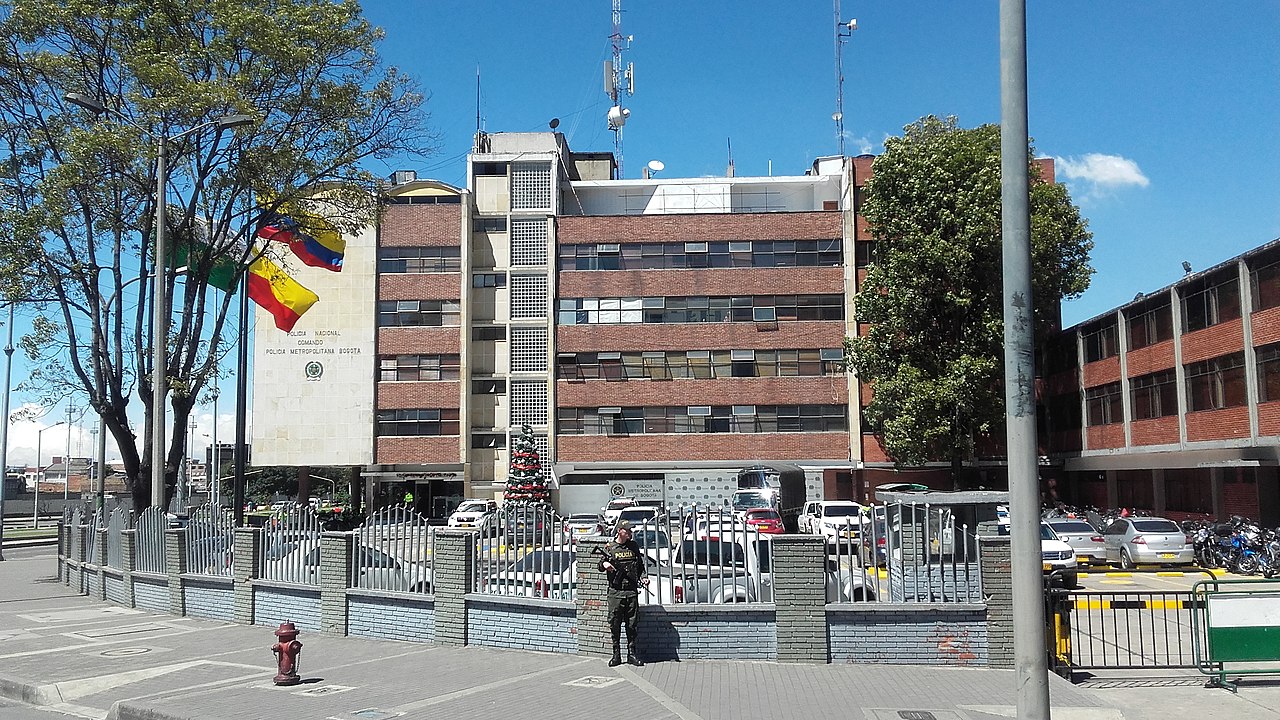
Argentina is easier to navigate overall, with a Pack Lightly touristInfrastructure score of 70 versus Colombia’s 65. Both countries offer solid domestic flight networks, but Argentina’s bus system is more comfortable and widespread. Colombia’s chaotic urban traffic and limited train options put more pressure on road travel.
Compare every transport option side-by-side
Colombia vs Argentina transport modes and tips
| Mode | Colombia | Argentina | Practical Note |
|---|---|---|---|
| Domestic flights | Good coverage with Avianca and LATAM; flights often under $70 for 1-2 hour hops. | Strong network via Aerolíneas Argentinas and LATAM; expect $80-$120 for longer distances. | Book flights 2+ weeks ahead on Despegar or directly on airline sites for best fares. |
| Buses | Extensive but often cramped; premium companies like Expreso Brasilia offer sleeper buses. | More comfortable and reliable with companies like Andesmar and Chevallier; longer routes have Wi-Fi. | Use Plataforma10.com.ar in Argentina and RedBus.co in Colombia to compare schedules and prices. |
| Trains | Very limited to tourist lines, no major intercity service. | Mostly nonexistent outside Buenos Aires commuter lines; no long-distance trains. | Avoid relying on trains; buses and flights dominate intercity travel in both countries. |
| Taxi/ride-hailing | Use Beat or DiDi; taxis can be unsafe if hailed on street, especially at night. | Use Cabify or Uber; street taxis are common but negotiate or insist on meter. | Always book ride-hailing apps to avoid scams and unsafe rides in both countries. |
| Ferries | Limited mostly to Cartagena and island routes; not essential for inland travel. | Mainly tourist routes in Tigre delta near Buenos Aires; no major transport role. | Ferries are niche; don’t plan main routes relying on them in either country. |
| Scooter rental | Available in Medellin and Cartagena; cheap and good for quick city trips. | Rare and mostly unavailable; Buenos Aires favors bikes or taxis. | Use Grin in Medellin for electric scooters; helmets are mandatory by law. |
| Bicycle rental | Bogota’s bike-share system (EnCicla) is solid; some cities have dedicated lanes. | Buenos Aires has ecological bikes; limited bike lanes outside city center. | Rent bikes via Lime in Buenos Aires and use EnCicla app in Bogota for best options. |
| Budget route — cheapest A-to-B connection | Bogota → Medellin by bus, $15, 9 hours; cheapest but long and basic. | Buenos Aires → Cordoba by bus, $30, 10 hours; more comfortable but pricier. | Book buses 3-7 days in advance on RedBus.co or Plataforma10.com.ar for lowest prices. |
Argentina wins for comfort and coverage, scoring a 70 in Pack Lightly touristInfrastructure versus Colombia’s 65. Flights are comparably priced, but Argentina’s bus system is far superior for longer trips. Colombia’s urban transport is more fragmented and riskier, especially taxis. Budget travelers pay less in Colombia, but Argentina’s efficiency saves time and stress Book transport.
App tip: Use RedBus.co for buses in Colombia, Plataforma10.com.ar in Argentina.
Sample routes:
Colombia: Bogota → Medellin, bus, $15, 9 hours
Argentina: Buenos Aires → Cordoba, bus, $30, 10 hours
How far English gets you
English is rare outside tourist hubs in both Colombia and Argentina. Bogotá and Medellín offer some English speakers, but once you leave big cities, expect zero English. Buenos Aires has more English, especially in restaurants and hostels, but rural Argentina won’t help you. Use Google Translate or Duolingo to bridge gaps fast. Knowing a few Spanish phrases will save time and frustration.
App tip: Google Translate app, iOS and Android, works offline and handles Spanish slang well.
Essential phrases cheat sheet
| English | Colombia | Argentina | When to use |
|---|---|---|---|
| How much does this cost? | ¿Cuánto cuesta esto? | ¿Cuánto cuesta esto? | Use when shopping or negotiating prices anywhere. |
| Where is the bathroom? | ¿Dónde está el baño? | ¿Dónde está el baño? | Ask this in restaurants, stores, or public places. |
| I don’t speak Spanish well. | No hablo bien español. | No hablo bien español. | Use this to set expectations in conversations. |
Wifi, data, payments
Both countries have decent wifi in hotels and cafes, but expect slow speeds outside major cities. Mobile data is affordable and reliable in urban areas; rural zones can drop coverage. Use eSIM Colombia for Colombia and eSIM Argentina for Argentina to get instant data without swapping SIMs. Credit cards work well in Buenos Aires and Bogotá but carry cash in smaller towns and markets.
eSIM picks:
Colombia: Airalo, $10 for 1GB Colombia data
Argentina: Nomad, $15 for 1GB Argentina data
Cash dominates in smaller towns, street markets, and local transport in both countries.
When to go

Colombia shines from December through March with warm, drier weather. Argentina’s best stretch is October to April, avoiding cold winters. Colombia’s shoulder months offer more stable weather year-round, while Argentina’s shoulder seasons bring chill and wet spells.
Full season-by-season climate breakdown
Seasonal climate overview
| Season | Colombia | Argentina | Best Pick | Notes |
|---|---|---|---|---|
| Winter (Dec–Feb) | Temps steady around 58–61°F, rainfall low except November spike; mostly dry. | Warmest months, 75–77°F average, moderate rain; ideal for Buenos Aires city and coast. | depends | Colombia is cooler but drier; Argentina warmer but wetter. |
| Spring (Mar–May) | Temps around 58–60°F, rain peaks in April and May with 4–5 inches monthly. | Temps drop from 72°F to 53°F; March is wettest with nearly 11 inches rain. | Colombia | Colombia’s rain is moderate; Argentina gets cold and very wet. |
| Summer (Jun–Aug) | Coolest months, 56–57°F average, rain drops after May, very dry by July and August. | Coldest months, 48–57°F average, July driest with less than 1 inch rain. | Colombia | Colombia is mild and less rainy; Argentina is coldest and dry. |
| Fall (Sep–Nov) | Temps rise to 58–60°F, rain spikes sharply in November with over 9 inches. | Temps warm from 60°F to 71°F, rain varies but mostly moderate. | depends | Colombia gets heavy rain in November; Argentina warms up with less rain. |
Climate tip: Visit Colombia late January for low rain and pleasant temps before high season hits.

The call
Argentina wins overall for culture, food, and city life. Colombia takes it for budget, warmth, and ease of travel. Choose Argentina if you want European flair and top-tier steak. Pick Colombia for tropical weather, friendlier prices, and safer streets.
Country showdown by category
| Topic | Winner | Reason |
|---|---|---|
| Budget | Colombia | ~$5.51/day cheaper mid-range travel costs |
| Nature | tie | Both offer diverse landscapes and outdoor activities |
| Culture | Argentina | Richer arts scene and European-influenced heritage |
| Cities | Argentina | Buenos Aires excels in infrastructure and urban experience |
| Food & drinks | Argentina | Superior steak and wine, strong culinary reputation |
| Accommodation | Argentina | Higher quality hotels and more options |
| Transport | tie | Both have decent networks; Argentina’s distances are bigger |
| Safety | Argentina | Slightly better safety scores and lower petty crime risk |
| Crowds | Colombia | Less tourist congestion outside major cities |
| Digital infrastructure | Colombia | Medellin leads with faster internet and coworking spaces |
Argentina edges Colombia for culture and comfort; Colombia wins for budget and warmth.
Budget travelers and digital nomads prefer Colombia. Culture and food lovers lean Argentina.
Book your trip
Using these links supports Pack Lightly at no extra cost to you.
Your questions, answered
01Which country is cheaper to visit in 2026?
Colombia is cheaper by about $46 per day on average. Mid-range travelers spend around $70/day in Colombia versus $116/day in Argentina. Backpacker budgets favor Colombia too, with $30-$40 less daily cost.
02What is the cheapest month to visit Colombia and Argentina?
Visit Colombia in September for the best deals and fewer crowds. Argentina’s cheapest month is May, right before winter hits, with lower hotel rates and airfare.
03How safe are Colombia and Argentina for solo travelers?
Argentina scores slightly better on safety (60 vs 55). Buenos Aires and Mendoza are generally safe with common-sense precautions. Colombia’s cities like Medellin are improving but require more street smarts.
04What are the visa requirements for US citizens visiting these countries?
No visa required for US citizens in either country. Both allow a 90-day stay with no fees or advance applications needed.
05Which country has better street food and local cuisine?
Argentina edges out Colombia with a score of 85 vs 80, thanks to its steak, empanadas, and wine culture. Colombia offers diverse tropical fruits and arepas but Argentina delivers a richer food experience.
06Which country is better for nature, hiking, and adventure?
Both score equally high (85), but Colombia’s tropical climate offers jungle treks and Caribbean beaches, while Argentina shines with Patagonia’s glaciers and Andes hikes. Choose based on climate preference.
07Can you realistically combine Colombia and Argentina in one trip?
Yes, but expect long flights (6+ hours) and distinct climates. Plan at least 3 weeks to avoid rushed itineraries and enjoy both countries fully.
08Which country is better for digital nomads and coworking?
Colombia wins here with Medellin’s strong digital nomad scene, reliable wifi, and affordable coworking spaces. Argentina’s Buenos Aires has good infrastructure but higher costs and slower visa options.
Insider tip: Avoid Colombia’s rainy season (April-May) to save on costs and enjoy better weather in both countries.


