
Choose Peru for infrastructure and culture, Bolivia for raw landscapes and budget travel.
Peru and Bolivia offer two very different South America experiences, but your choice shapes everything. Peru pulls ahead with better tourist infrastructure scoring 60/100, making it easier to navigate cities like Lima and Cusco. US citizens do not need a visa for either country, but Peru’s safety score of 55/100 matches Bolivia’s, so neither is risk-free. Peru’s daily budget ranges from $50 to $120, while Bolivia is cheaper at $30 to $80. If your trip depends on smooth logistics and reliable services, Peru is the clear pick. The country’s top draw, Machu Picchu, attracts over 1.5 million visitors yearly, reflecting its accessibility and global appeal.

Bolivia demands more effort but rewards with unique landscapes like the Salar de Uyuni salt flats at 12,000 feet elevation. Its tourist infrastructure score is 40/100, meaning fewer organized tours and rougher transport options. Bolivia’s budget friendliness scores 90/100, so you can stretch $30 a day on local markets and basic hostels. The best time to visit Bolivia is May through October, the dry season, while Peru’s best weather runs from May to September. If you want fewer crowds and raw nature, Bolivia delivers, but prepare for altitude challenges and less English spoken outside La Paz. The insider tip: Uyuni salt flats tours start around $70, half the price of Machu Picchu guided hikes.
Insider tip: Uyuni salt flats tours start at $70, about half the cost of Machu Picchu guided hikes.
This shows Peru’s superior tourist infrastructure and global draw compared to Bolivia’s more remote sites.
Peru vs Bolivia: Key Travel Differences
| Topic | Peru | Bolivia |
|---|---|---|
| Budget level | $50-$120 daily, Lima street food $3-$5 | $30-$80 daily, Uyuni tours $70 |
| Top destinations | Machu Picchu tickets $70, Cusco city tours | Salar de Uyuni tours $70, La Paz markets |
| Tourist infrastructure | 60/100, reliable buses, frequent flights Lima-Cusco | 40/100, limited transport, rough roads |
| Nature & landscape | Amazon rainforest tours $100+, Andes treks | Salt flats, high-altitude deserts, $70 tours |
| Food & cuisine | Ceviche $5, street markets, diverse options | Salteñas $1, simpler fare, fewer international choices |
| Accommodation quality | Mid-range hotels $40-$80, hostels $10-$20 | Basic hostels $5-$15, fewer mid-range hotels |
| Crowds in peak season | Machu Picchu can reach 5,000 visitors/day | Salar de Uyuni less crowded, max 200/day |
| Transport & infrastructure | Frequent flights, tourist buses, taxis | Limited flights, rough jeep rides common |
| Safety | Safety score 55/100, pickpocket risk in cities | Safety score 55/100, altitude sickness risk |
| Visa requirements | US citizens no visa up to 183 days | US citizens no visa up to 90 days |

Best for Peru
- Couples with $100/day for 2-week Machu Picchu + city trip
- Solo travelers who want reliable transport and services
- Food lovers spending $5-$10 per meal in Lima markets
Best for Bolivia
- Backpackers with $40/day for 2-week Uyuni + highlands trip
- Adventure seekers ready for rough roads and altitude
- Budget travelers wanting $30/day local food and hostels
Peru vs Bolivia: Key Takeaways for Travelers
- If you want easier travel logistics, choose Peru — tourist infrastructure score 60/100.
- If you prioritize budget over comfort, choose Bolivia — budget friendliness score 90/100.
- If you want iconic culture and food, choose Peru — food and drinks score 85/100.
- If you want raw nature and fewer crowds, choose Bolivia — nature score 85/100.
- If you need a visa-free stay over 90 days, choose Peru — US citizens get 183 days.
- If you want better accommodation options, choose Peru — hotel quality score 60/100.
Pack Lightly Scores
11 categories scored from 0 (low) to 100 (high)
Still unsure which country fits your trip?
Use the interactive tool to compare Peru and Bolivia across 11 key categories. It weights scores based on your travel style and priorities to reveal your best match.
What you’ll actually spend

Bolivia is cheaper than Peru for mid-range travelers by about $12 per day. Peru uses PEN with 1 PEN = 0.2917 USD; Bolivia uses BOB with 1 BOB = 0.1447 USD. Pack Lightly scores budgetFriendly: Peru 80, Bolivia 90, showing Bolivia’s stronger cost advantage.
Daily cost comparison Peru vs Bolivia
| Category | Peru (PEN/USD) | Bolivia (BOB/USD) |
|---|---|---|
| Backpacker daily budget | 50–70 PEN ($14.59–$20.42) | 90–120 BOB ($13.02–$17.36) |
| Mid-range daily budget | 120–180 PEN ($35.00–$52.51) | 200–260 BOB ($28.94–$37.62) |
| Luxury daily budget | 350–500 PEN ($102.10–$145.85) | 600–800 BOB ($86.82–$115.76) |
| Street food meal | 5–8 PEN ($1.46–$2.33) | 8–12 BOB ($1.16–$1.74) |
| Restaurant meal | 25–40 PEN ($7.29–$11.67) | 40–60 BOB ($5.79–$8.68) |
| Local transport (per day) | 10–15 PEN ($2.92–$4.38) | 15–25 BOB ($2.17–$3.62) |
| Activities/tours (average) | 80–150 PEN ($23.34–$43.76) | 120–180 BOB ($17.36–$26.05) |
Bolivia wins on price for backpackers and mid-range travelers thanks to lower daily costs across the board. Peru is pricier but offers better tourist infrastructure and more restaurant options. Pack Lightly budgetFriendly: Peru 80, Bolivia 90. Use Hotels Peru for Peru and Hotels Bolivia for Bolivia to find deals.
Pro tip: Book Uyuni tours directly in Uyuni for cheaper rates than online or in La Paz.
Watch out: Altitude sickness treatment and oxygen can add unexpected expenses in Bolivia.
What you’ll eat

Peru wins street food with ceviche and anticuchos at Lima’s Mercado de Surquillo, costing $2-$4 per snack. Bolivia’s salteñas and anticuchos run $1-$3 but lack Peru’s variety and polish.
Vegetarian options are stronger in Peru, especially in Lima and Cusco, with quinoa dishes and veggie ceviche. Bolivia offers fewer choices outside La Paz, and gluten-free options are rare in both countries.
Peru’s drink scene is more accessible with pisco sour and craft beers like Cusqueña. Bolivia’s chicha and singani are local but harder to find outside traditional bars. Peru wins for drink variety and availability.
Food and drink comparison
| Category | Peru | Bolivia |
|---|---|---|
| Signature dish | Ceviche – fresh fish marinated in lime, found in Lima markets. | Salteñas – baked meat pastries popular in La Paz street stalls. |
| Street food quality | High variety and consistent quality in Lima and Cusco. | Good but limited variety, mostly La Paz and Sucre. |
| Vegetarian-friendly | Strong options with quinoa, potatoes, and veggie ceviches. | Limited options, mostly potatoes and corn dishes. |
| Restaurant variety | Wide range from local to upscale in Lima and Cusco. | Fewer upscale choices; mostly traditional Bolivian fare. |
| Drink culture | Pisco sour, Cusqueña beer widely available and popular. | Singani and chicha common but less accessible to tourists. |
Ceviche
Affordable, fresh, and a staple street dish in Peru.
Insider tip: Try anticuchos at La Paz’s Mercado Lanza for authentic Bolivian street flavor under $3.
Where to sleep

Peru offers better hotel quality with a Pack Lightly score of 60 versus Bolivia’s 40. Lima’s Miraflores and Cusco’s historic center have reliable mid-range and boutique hotels. Bolivia’s best stays cluster in La Paz’s Sopocachi and Sucre’s city center but expect fewer polished options. Use Hotels Peru for Peru bookings and Hotels Bolivia for Bolivia.
Bolivia struggles with infrastructure outside main cities; expect gaps in service and amenities in tourist hubs like Potosí. Peru also has weak spots in remote areas like Huaraz, where lodging can be basic. Booking platforms like Airbnb sometimes overpromise in Bolivia, so stick to well-reviewed hotels in main neighborhoods.
See full lodging breakdown by budget
Typical lodging options
| Type | Peru | Bolivia |
|---|---|---|
| Budget hostels | Hostels in Lima’s Miraflores, $10-$20 per night, clean and social. | Hostels in La Paz’s Sopocachi, $8-$15, basic but safe. |
| Mid-range hotels | Hotels in Cusco’s historic center, $50-$90, good amenities. | Hotels in Sucre, $40-$70, fewer modern facilities. |
| Boutique stays | Boutique hotels in Lima’s Barranco, $80-$150, stylish and central. | Limited boutique options, some in La Paz’s Zona Sur. |
| Luxury resorts | Luxury hotels in Lima and Sacred Valley, $150-$300 per night. | Few luxury options, mostly in La Paz, $120-$250. |
| Alternatives | Airbnb and guesthouses in Cusco and Lima, reliable and varied. | Guesthouses in Sucre, less consistent quality. |
Booking tip: Book Lima hotels in Miraflores at least 2 weeks ahead for best rates.
What it actually feels like

Early morning in Cusco’s Plaza de Armas fills with locals and tourists grabbing coffee and street snacks amid colonial buildings. The air is crisp, and vendors set up for the day while Andean music drifts from nearby cafes.
In La Paz, the afternoon sun hits the steep streets of El Alto with vendors shouting their wares and traffic weaving through narrow alleys. The altitude hits hard, and the city’s raw energy feels intense and unfiltered.
Peru’s tourist infrastructure smooths logistics but crowds at Machu Picchu and popular sites slow you down. Bolivia demands patience with rough roads and fewer English speakers, yet rewards with fewer tourists and deep cultural immersion.
Peru highlights
- Machu Picchu(Cusco Region): Explore sunrise views on the Inca Trail or train routes to the ruins.
- Lake Titicaca(Puno): Boat trips to Uros floating islands and Taquile Island with local communities.
- Colca Canyon(Arequipa Region): Spot Andean condors soaring above one of the world’s deepest canyons.
- Barranco District(Lima): Street art, cafes, and nightlife in Lima’s bohemian neighborhood.
Bolivia highlights
- Salar de Uyuni(Potosí Department): Visit the world’s largest salt flat with surreal reflections and desert landscapes.
- Death Road(La Paz): Bike the dangerous Yungas Road with steep cliffs and jungle views.
- Tiwanaku Ruins(La Paz Department): Archaeological site with pre-Inca monumental stone structures and history.
- Valle de la Luna(La Paz): Walk among bizarre rock formations shaped by erosion in a desert valley.
Ideal duration: Peru: 10–14 days — enough for key sites plus side trips. · Bolivia: 7–10 days — highlights are concentrated but require travel time.
What to do in Peru & Bolivia
Peru
- Hike or train to Machu Picchu early morning
- Take a boat tour on Lake Titicaca
- Visit Colca Canyon for condor sightings
- Explore Lima’s Barranco neighborhood at night
Bolivia
- Bike Death Road before noon for safety
- Tour Salar de Uyuni with a reputable guide
- Visit Tiwanaku ruins with a local guide
- Explore La Paz’s Witches’ Market and street food
What to skip in Peru & Bolivia
Peru
- Skip touristy souvenir markets in Cusco
- Avoid overcrowded midday Machu Picchu visits
- Don’t rely only on Lima for Peruvian food
- Avoid Puno city center after dark
Bolivia
- Avoid night travel on rural roads
- Skip La Paz city center at night
- Don’t attempt Uyuni without altitude prep
- Avoid unreliable tour operators in Uyuni
Choose based on
- If you want easier logistics and better infrastructure, choose Peru — score 60 touristInfrastructure.
- If you want top nature experiences with fewer tourists, choose Bolivia — nature score 85 vs 90.
- If you prioritize food and urban culture, choose Peru — foodAndDrinks score 85 vs 60.
- If budget is key, choose Bolivia — budgetFriendly score 90 vs 80.
Peru’s convenience comes with crowds; Bolivia’s rawness demands patience but delivers solitude.
Real safety picture

Both Peru and Bolivia score equally on safety with a Pack Lightly rating of 55. Peru offers better tourist infrastructure, which often translates to more reliable security in popular areas. Bolivia’s lower infrastructure means you must be more cautious in cities like La Paz and Santa Cruz.
See detailed safety factors table
Safety factors compared
| Factor | Peru | Bolivia | Practical tip |
|---|---|---|---|
| Pickpocketing | Common in Lima’s historic center and Miraflores, especially on crowded buses. | Frequent in La Paz’s Witches’ Market and crowded markets like Mercado Lanza. | Use the app ‘Bsafe’ to share your location and avoid carrying valuables in back pockets. |
| Tourist scams | Fake taxi drivers near Jorge Chávez Airport often overcharge or take longer routes. | Unofficial guides at Uyuni train station charge for nonexistent services. | Book official taxis via the ‘Beat’ app in Peru and confirm prices in advance in Bolivia. |
| Solo female traveler safety | Safe in tourist areas but avoid isolated spots in Lima after dark. | Exercise extra caution at night in La Paz neighborhoods like El Alto. | Use rideshare apps instead of hailing taxis on the street after dark. |
| Health risks | Altitude sickness common in Cusco and Puno; stay hydrated and ascend gradually. | Higher altitude in La Paz and Uyuni increases risk; carry altitude meds. | Download ‘Altitude Sickness Guide’ app to monitor symptoms and remedies. |
| Road safety | Bus crashes reported on routes to the Sacred Valley; choose reputable companies. | Mountain roads near La Paz are narrow with frequent landslides. | Book buses with companies like Cruz del Sur in Peru and avoid night travel in Bolivia. |
| Natural disasters | Earthquakes occur but rarely cause major damage in tourist zones. | Heavy rains can cause flooding and road closures during rainy season. | Check weather updates on ‘AccuWeather’ app before planning outdoor trips. |
Scam spotlight: Miraflores district, Lima
How it works: Taxi drivers quote inflated fares or take longer routes after airport drop-offs.
How to avoid: Use the official ‘Beat’ app or pre-book airport transfers through your hotel.
Watch out: Paying for unofficial Uyuni salt flat tours can cost $50+ with no service delivered.
Insider tip: In Peru, avoid carrying your passport daily; leave it secured at your hotel.
Visa & entry requirements
US citizens do not need a visa to enter Peru or Bolivia, and both offer visa-free entry for up to 90 days at no cost. Neither country requires additional digital entry systems or registrations, making paperwork straightforward. Always confirm current rules before travel.
Full visa & entry requirements table
Visa details at a glance
| Factor | Peru | Bolivia | Practical note |
|---|---|---|---|
| Visa requirement | No | No | Visa-free entry for US citizens in both countries. |
| Visa type & cost | Visa-free, Gratis | Visa-free, Gratis | No visa fees for stays up to 90 days. |
| Application process | None required | None required | Just present a valid US passport at entry. |
| On-arrival option | Not applicable | Not applicable | No visa on arrival needed. |
| Max stay & extension | 90 days, extensions possible via immigration offices | 90 days, extensions possible via immigration offices | Extensions require in-person application and fees. |
Visa rules can change without notice; always check official government websites before travel. Secondary entry systems are not required but monitor updates on embassy sites. for unexpected travel issues.
How you’ll move
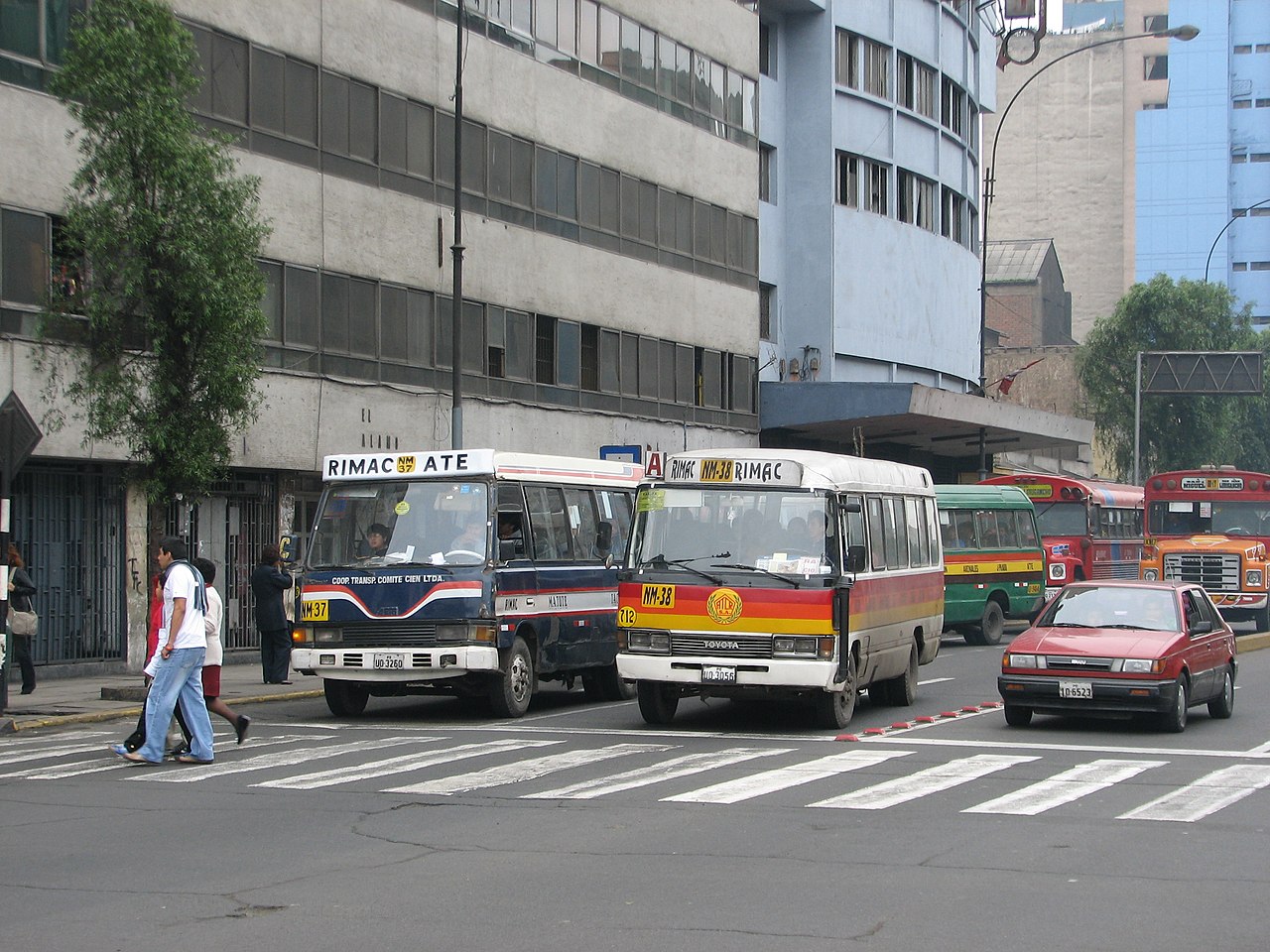
Peru is easier to get around with a Pack Lightly touristInfrastructure score of 60, compared to Bolivia’s 40. Peru offers more frequent domestic flights, better long-distance buses, and a functional train network. Bolivia’s transport options are more limited and slower, which adds to travel time and planning.
Compare every transport option side-by-side
Comparing transport options in Peru and Bolivia
| Mode | Peru | Bolivia | Practical Note |
|---|---|---|---|
| Domestic flights | Multiple daily flights between Lima, Cusco, Arequipa, and smaller cities via LATAM, Sky Airline, and Viva Air. | Limited flights mainly from La Paz to Santa Cruz and Sucre via Boliviana de Aviación; fewer daily options. | Book domestic flights on Sky Airline app or LATAM website 2-3 weeks ahead for best prices. |
| Buses | Extensive network with companies like Cruz del Sur and Oltursa offering modern, comfortable buses with reserved seating. | Buses are the main option but often older and less comfortable; companies like Trans Copacabana run key routes. | Use busbud.com or redbus.pe to book Peru buses; in Bolivia, buy tickets at terminals a day in advance. |
| Trains | Limited but scenic routes like the Cusco to Machu Picchu train by PeruRail and Inca Rail. | No passenger trains of note; freight trains operate but are not for tourists. | Book Machu Picchu trains 1 month ahead on PeruRail to avoid sold-out trains. |
| Taxi/ride-hailing | Uber and Beat operate reliably in Lima and Cusco; taxis are metered in cities but negotiate upfront outside. | Ride-hailing apps like Easy Taxi exist but coverage is patchy; taxis require negotiation and cash. | Use Uber or Beat in Peru cities for fixed fares; carry small bills for taxi rides in Bolivia. |
| Ferries | Limited ferry options, mainly on Lake Titicaca between Puno and islands. | Regular and cheap ferries connect Copacabana to Isla del Sol on Lake Titicaca. | Buy ferry tickets on arrival; boats leave when full, so arrive early in Bolivia. |
| Scooter rental | Available in tourist hubs like Cusco and Lima; daily rates around $25-$35. | Rare and unreliable; not recommended due to road conditions and traffic. | Rent scooters via local shops in Peru; always wear a helmet and check insurance. |
| Bicycle rental | Common in Cusco and Lima with options for daily and multi-day rentals, $10-$20/day. | Limited rentals mostly in La Paz; roads and altitude make biking challenging. | Use apps like Lime or local shops in Peru; in Bolivia, plan routes carefully due to elevation. |
Peru wins hands down for getting around with a Pack Lightly touristInfrastructure score of 60 versus Bolivia’s 40. Flights and buses run more frequently and reliably in Peru, while train options add value for Machu Picchu visitors. Bolivia’s slower buses and scarce flights make travel longer and less comfortable. Book transport on apps like Sky Airline and busbud.com to save time and money Book transport.
App tip: Use Sky Airline app for Peru flights and busbud.com for bus tickets.
Sample routes:
Peru: Lima → Cusco, flight, $70, 1h 20m
Bolivia: La Paz → Sucre, bus, $15, 10h
How far English gets you
English is limited in both Peru and Bolivia. In Lima and Cusco, you’ll find more English speakers, especially in tourism spots. Outside major cities, Spanish dominates and indigenous languages like Quechua and Aymara are common. Bolivia’s rural areas are tougher for English speakers. Use Google Translate to bridge the gap when locals don’t understand.
App tip: Google Translate app, iOS and Android, works offline and handles Spanish plus indigenous languages well.
Wifi, data, payments
Peru offers decent wifi in hotels and cafes, especially in Lima and Cusco, but rural areas slow down. Bolivia’s wifi is patchier, even in cities like La Paz and Sucre. Mobile data is affordable in both countries; buy local SIMs or use eSIMs like eSIM Peru in Peru and eSIM Bolivia in Bolivia for quick setup. Cash rules in markets and small shops, so carry some bolivianos or soles.
eSIM picks:
Peru: Claro Peru, $15 for 3GB
Bolivia: Entel Bolivia, $12 for 3GB
Cash is king in street markets, taxis, and small restaurants in both countries.
When to go

Peru’s best months run April through October, with dry, mild weather ideal for hiking and cities. Bolivia’s driest months are June through August, but its shoulder seasons are less forgiving. Peru offers a more reliable climate window and easier travel conditions in the shoulder months. Bolivia’s rainy season can disrupt plans outside the core dry months.
Full season-by-season climate breakdown
Seasonal climate comparison
| Season | Peru | Bolivia | Best Pick | Notes |
|---|---|---|---|---|
| Winter (Dec–Feb) | Temperatures around 73–76°F with minimal rain (3–18 mm). | Cooler temps 60–63°F with heavy rain (82–144 mm). | Peru | Avoid Bolivia’s wettest months; Peru stays dry and warm. |
| Spring (Mar–May) | Temps drop from 74°F to 64°F; rain near zero (0.1–8 mm). | Temps steady 63–63°F; rain drops sharply from 98 to 1.7 mm. | Peru | Peru’s dry weather and warmer temps make spring ideal. |
| Summer (Jun–Aug) | Coolest temps 60–59°F; almost no rain (0–1.1 mm). | Cool temps 54–57°F; very low rain (0–7 mm). | tie | Both countries are dry but Bolivia is colder at altitude. |
| Fall (Sep–Nov) | Temps rise from 60°F to 68°F; rain stays very low (0.2–1.9 mm). | Temps rise from 62°F to 63°F; rain increases (10–100 mm). | Peru | Peru’s dry fall beats Bolivia’s increasing rains. |
Climate tip: Late April avoids crowds and rain in Peru’s highlands and coast.

The call
Peru wins overall for most travelers thanks to better weather, infrastructure, and cultural variety. Bolivia is cheaper and less crowded but demands more effort and altitude tolerance. Choose Bolivia if budget and solitude trump convenience. Peru’s stronger transport and digital access make it easier for first-timers. Both require US citizens to get a visa on arrival or online, but Peru’s safety and comfort edge is clear.
Category showdown
| Topic | Winner | Reason |
|---|---|---|
| Budget | Bolivia | ~$5.51/day cheaper mid-range spending |
| Nature | Peru | More diverse landscapes and protected parks |
| Culture | Peru | Richer heritage with better-preserved sites |
| Cities | Peru | More developed urban centers and amenities |
| Food & drinks | Peru | Higher quality and international recognition |
| Accommodation | Peru | Better hotel options and quality |
| Transport | Peru | More reliable and extensive connections |
| Safety | tie | Similar safety concerns and precautions needed |
| Crowds | Bolivia | Fewer tourists and less commercialized sites |
| Digital infrastructure | Peru | Better internet and mobile coverage |
Peru is the smarter pick for most travelers seeking convenience and variety.
Budget travelers and solitude seekers pick Bolivia. Those wanting comfort, culture, and varied experiences pick Peru.
Book your trip
Using these links supports Pack Lightly at no extra cost to you.
Your questions, answered
01Which country is cheaper in 2026?
Bolivia is cheaper with a daily mid-range budget around $35-$50, compared to Peru’s $45-$70. Backpacker budgets show a $10 gap favoring Bolivia, making it best for tight wallets.
02What are the visa requirements for US citizens in Peru and Bolivia?
Both Peru and Bolivia waive visas for US citizens for stays up to 90 days. No fees or applications are required prior to arrival.
03Which country is safer for solo travelers?
Peru edges out Bolivia slightly with a safety score of 55 vs. 55 but better tourist infrastructure (60 vs. 40). Stick to Lima, Cusco, and well-known routes to avoid petty crime.
04Which country offers better street food and local cuisine?
Peru dominates with an 85 food and drinks score, thanks to Lima’s vibrant culinary scene and diverse regional dishes. Bolivia’s food is more basic and less varied.
05Can you realistically combine Peru and Bolivia in one trip?
Yes. Many travelers link Machu Picchu in Peru with Salar de Uyuni in Bolivia. Expect altitude challenges and slower transport but well worth the effort.
06Which country is better for nature, hiking, and adventure?
Peru leads with a 90 nature score, offering the Inca Trail, Amazon jungle, and Colca Canyon. Bolivia has strong adventure too but less infrastructure and a lower 85 score.
07Which country suits first-time visitors better?
Peru is the better pick. It has more tourist infrastructure, higher hotel quality (60 vs. 40), and friendlier cities for newcomers.
08What is the best time to visit Peru vs Bolivia?
May through September is best for both countries to avoid rain and extreme cold. Peru’s coastal areas warm up earlier, while Bolivia’s highlands stay chilly year-round.
Insider tip: Combine Peru’s culture and cuisine with Bolivia’s raw landscapes for a balanced trip—start in Peru to acclimate before tackling Bolivia’s altitude.


