


Watch local artists at the Wurrumiyanga art center crafting bold screen prints under the midday sun.
Tiwi Islands lie about 34 miles / 55 km north of Darwin in Australia’s Northern Territory. This indigenous-owned island group is home to roughly 2,500 Tiwi people. Visitors come mainly to engage with Tiwi Aboriginal art traditions, especially screen printing, and to witness the island’s unique football culture. The islands’ villages offer a rare chance to experience living indigenous culture firsthand, with community-led tours and markets. The dry season from May to September offers the best weather for exploring the islands’ heritage and craft.
Explore Wurrumiyanga’s art screen-printing studios, join a local Tiwi football game, and visit the vibrant community markets for cultural insight.
Key takeaways
- Wurrumiyanga art center open daily 9 AM–4 PM for studio tours and purchases
- Football matches run weekends May to September, the dry season
- Tiwi Islands lie roughly 34 miles / 55 km north of Darwin
- Community markets in Pirlangimpi operate Saturdays from 8 AM to noon
- Ferry from Darwin costs around $65 USD round-trip in 2026
Why visit Tiwi Islands
Tiwi Islands stand apart from Darwin and Kakadu by offering direct access to indigenous-owned art communities and distinct Tiwi cultural life. The islands’ art centers showcase screen-printing studios where local artists craft designs rooted in Tiwi heritage. Milikapiti village, with its vibrant markets and community events, anchors the cultural experience. This trip focuses on understanding Tiwi traditions through village visits and craft workshops rather than typical nature tours.
- Explore Tiwi art centers featuring screen-printing studios run by local artists preserving ancestral designs.
- Visit Milikapiti for community markets and seasonal ceremonies that reveal daily Tiwi social life.
- Book a guided village tour with an indigenous operator to learn about Tiwi history and contemporary challenges.
- Travel between May and September to avoid wet season disruptions and catch football matches central to Tiwi identity.
Best for
Solo travelers who want immersive indigenous culture and village life will thrive here. Those who prefer slow, meaningful walks and hands-on art workshops over nightlife or large crowds will connect deeply.
Skip if
Skip Tiwi Islands if seeking conventional Australian wildlife or luxury resorts; choose Kakadu for nature safaris or Darwin for urban amenities.
Top things to do in Tiwi Islands
The Tiwi Islands invite you to engage directly with Indigenous-owned art studios and village life, revealing the deep cultural roots of the community. Start with a visit to the art centers, where local artists create powerful screen prints that reflect Tiwi identity.
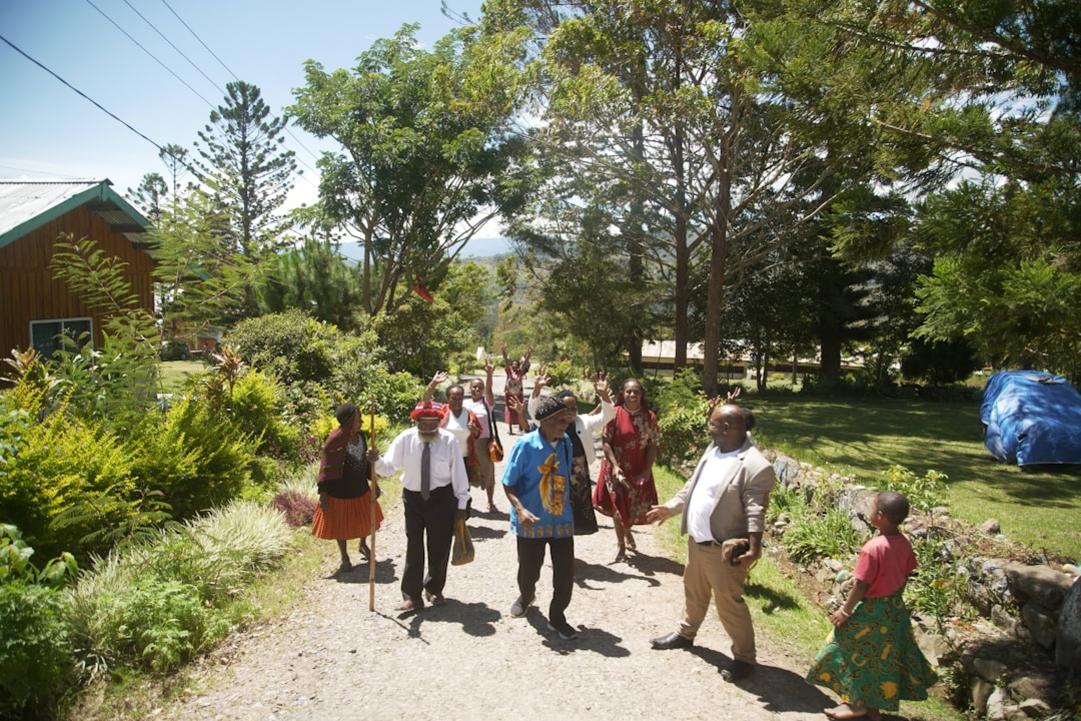
1. Tiwi Art Centres and Screen-Printing Studios ·
Experience Tiwi culture firsthand by watching artists craft iconic screen prints and owning a piece of their stories.
Visit one of the licensed Tiwi art centers on Bathurst or Melville Island to see artists at work on vibrant screen prints and carvings. Walk through the galleries, meet artists directly, and learn about the stories behind each design rooted in Tiwi heritage. The centers operate as Indigenous-owned cooperatives, making this an authentic cultural exchange.
This is the core cultural interaction on the islands; unlike generic souvenir shops, these studios connect you to living Tiwi traditions and community livelihoods.
- When: Mornings from 9:00 AM to 12:00 PM on weekdays, especially May through September when the dry season keeps travel smooth.
- Cost: ~$15 for entry and guided talk, 2026
- Duration: 2 hours
- How to reach: Take a local shuttle or taxi from the main settlement center to the art center, usually within a 10-15 minute drive on sealed roads.
Insider tip: If closed
Explore the local community market stalls for handcrafted items and informal artist interactions.
Solo female travel: Day visits are well-supported by local transport; guides and staff are welcoming and accustomed to solo travelers.
2. Guided Village Walk and Cultural Storytelling ·
Walk through a Tiwi village with a local guide to understand everyday life, customs, and history from an insider perspective.
Join a licensed guide for a walk through one of the main Tiwi villages, where you visit community centers, see traditional meeting places, and hear stories about Tiwi ancestry and land. This immersive experience highlights how Tiwi people live today while honoring their past. It’s an intimate way to grasp the social fabric that shapes the islands.
Village walks deliver context and depth beyond museums or galleries, offering direct connection to living culture and current community rhythms.
- When: Late mornings on weekdays during the dry season (May to September) for the best chance of community activities.
- Cost: ~$25 for guide and entry, 2026
- Duration: 3 hours
- How to reach: Arrange pickup from your accommodation or the central township; most villages are accessible by sealed roads within 10 miles / 16 km.
Insider tip: If closed
Visit the Tiwi Islands Cultural Museum for exhibits on history and traditional crafts.
Solo female travel: Group tours run regularly and include community liaison; solo travelers find the environment open and safe.
3. Tiwi Islands Football Match Experience ·
Witness the passion for Australian Rules Football that unites the Tiwi community in a vibrant local match.
Attend a local football game at one of the island grounds to see how sport shapes identity and community pride. The matches are loud, colorful, and packed with local fans, offering a chance to engage with locals and understand an important social ritual. Food stalls and casual conversations create a lively atmosphere.
This event reveals a major cultural pillar often overlooked by tourists who focus only on art, providing a raw, social experience.
- When: Match days usually fall on weekends during the dry season (May to September); check local schedules in advance.
- Cost: Free entry
- Duration: 2-3 hours
- How to reach: Reach the football ground by taxi or shuttle from the main settlement, typically under 10 miles / 16 km travel.
Insider tip: If closed
Visit a local community center to learn about Tiwi sports culture through photos and stories.
Solo female travel: Football grounds are community hubs with friendly crowds; night matches may require pre-arranged transport.
4. Local Food Market and Bush Tucker Sampling ·
Taste Tiwi flavors and bush ingredients at a community food market featuring Indigenous vendors.
Visit the local market where Tiwi vendors sell traditional bush foods and fresh seafood alongside contemporary snacks. Sample native fruits, smoked fish, and small dishes that offer insight into Tiwi culinary practices. The market also serves as a social gathering spot where you can chat with producers about their food traditions.
Food markets provide a direct sensory link to the land and culture, going beyond restaurants to authentic local flavors.
- When: Mornings on market days, often Fridays or Saturdays during the dry season (May to September).
- Cost: Varies by item, typically $5-$15, 2026
- Duration: 1-2 hours
- How to reach: Walk or take a short taxi ride from the main village center to the market area.
Insider tip: If closed
Purchase bush food products at the art centers or community shops.
Solo female travel: Markets are safe, well-attended by locals, and good for solo travelers to blend in and connect.
5. Tiwi Islands Shell Necklace Workshop ·
Learn traditional Tiwi shell necklace making from local artisans in a hands-on workshop.
Participate in a workshop led by Tiwi women who teach the art of crafting shell necklaces, a significant cultural practice. The session includes gathering shells, stringing techniques, and understanding the symbolism behind designs. This interactive activity offers insight into Tiwi craftsmanship and its role in ceremonies.
Workshops let you engage actively with culture, unlike passive viewing; it deepens understanding through making and story-sharing.
- When: Book during the dry season months, preferably mornings when artisans are most available.
- Cost: ~$40 including materials, 2026
- Duration: 2 hours
- How to reach: Reach the workshop location by shuttle or taxi from the main settlement, typically less than 10 miles / 16 km.
Insider tip: If closed
Visit the art centers to watch artisans create but without hands-on participation.
Solo female travel: Workshops are small, welcoming groups with no gender restrictions; solo travelers often find it easy to join.
Book tours and tickets
Booking through these links supports Pack Lightly at no extra cost to you.
24 hours in Tiwi Islands
This day plan suits you if you want to dive into Tiwi Islands’ living culture, focusing on indigenous art and community life. It fits perfectly with a curiosity-driven visit that respects the island’s heritage and rhythms.

Morning
Start your morning at the Wurrumiyanga art center just after 8:00 AM, where you can watch local artists at work on traditional screen-printing. The morning light brings these vivid designs to life, and the quiet buzz of creative focus sets a thoughtful tone. Grab a coffee from the small café nearby, then walk the streets of Wurrumiyanga to see murals that tell stories of Tiwi ancestors and football heroes, grounding your visit in local identity.
Afternoon
After a solid cultural immersion, spend midday with a guided tour of a Tiwi art cooperative, where you’ll meet artists and learn how their work connects to ceremony and land. Break for lunch at a family-run eatery serving simple, fresh seafood dishes, like barramundi caught that morning. The afternoon calls for a visit to the local market, where you can browse handwoven baskets and carved wood pieces, meeting vendors who live the island’s traditions daily.
Evening
Head to the beach on the island’s northern shore for a sunset that frames the ocean with quiet reflection, a perfect backdrop for the day’s cultural immersion. Dinner comes from a modest open-air grill where locals gather, offering grilled fish and root vegetables with a side of storytelling around the fire. The evening hums with community life, a low-key close that respects the island’s rhythms and your day’s learning.
If you have a second day
Spend your next day visiting the Tiwi Islands Football League grounds to see how sport shapes community life. Then, join a weaving workshop to deepen your understanding of Tiwi craft traditions.
Best time to visit Tiwi Islands
Quick answer
Visit from April to June or October to early December for warm, mostly dry weather and active indigenous art events.
| Months to go | April to June, October to early December |
|---|---|
| Months to avoid | January to March due to heavy rain and daily storms that limit outdoor activities |
The Tiwi Islands stay warm year-round, with average temperatures between 75.8°F and 83.1°F. The wet season from January through March brings heavy rain and daily storms, making art tours and village visits harder to schedule. April to June offers lower rainfall (under 5 inches) and clearer skies, ideal for exploring indigenous art studios and local culture. The dry season months from July to September are cooler and very dry but can feel less lively as some community activities slow down. October to early December heats up again with moderate rain, reopening cultural events and markets before the wet season returns.
Average temperature (°F)
Monthly weather
hot, very wet, limited outdoor
hot, heavy rain, less access
wet season peak, muddy trails
warm, drying out, cultural tours
pleasant dry, art studio visits
cool dry, best village access
coolest, very dry, quiet
dry, clear skies, cultural calm
warming, dry, local events restart
hot, light rain, art markets
hot, increasing rain, mixed access
hot, heavy rain returns
How to get to Tiwi Islands
Nearest airport
Darwin International Airport (DRW), about 30 miles / 48 km south of Tiwi Islands
From the airport
Take the ferry from Cullen Bay Marina in Darwin to Tiwi Islands, costing around $50 USD (2026) one way. Book ferry tickets online or at the marina terminal; skip airport taxis to Cullen Bay—Grab or rideshare costs under $15 and saves time.
Other ways to arrive
- Darwin → Tiwi Islands by charter flight, 15 minutes, $200-$300 USD (2026)
- Darwin → Tiwi Islands by private boat charter, 1-2 hours, $150-$250 USD (2026)
Getting around Tiwi Islands
Local travel relies on community vehicles and walking between sites. Renting a 4WD is best for exploring remote art centers and villages on your own schedule.
- 4WD rental + self-drive: best for flexibility around dirt roads, ~$80/day USD (2026)
- Community shuttle vans: use for scheduled trips between main settlements, ~$10 per ride USD (2026)
- Walking: practical within villages and art centers, free
Avoid
Avoid relying on taxis or ride apps; they are rare and expensive on the islands.
Day trips from Tiwi Islands
These day trips deepen your understanding of the region’s indigenous culture and natural surroundings beyond the main islands.
Darwin, Northern Territory
Explore museums and galleries with Aboriginal art collections and learn about local history.
Why: Darwin offers context on Tiwi culture within broader Northern Territory indigenous heritage.
Skip if: Skip if you want to focus solely on Tiwi Islands’ indigenous-owned art.
Bathurst Island Cultural Village, Tiwi Islands
Visit a Tiwi community to experience traditional art-making and ceremonies firsthand.
Why: This trip connects you directly with Tiwi artists and elders, enriching your island visit.
Melville Island Bush Walks, Tiwi Islands
Discover native plants and sacred sites with local guides explaining cultural significance.
Why: Walking with Tiwi guides reveals layers of meaning behind the landscape you’d miss solo.
Skip if: Skip if you prefer art-focused activities only.
Combine Tiwi Islands with
Tiwi Islands fit naturally into a Northern Australia itinerary focused on indigenous culture and heritage.
7-day Northern Territory indigenous culture loop Darwin → Tiwi Islands → Kakadu National Park → Katherine
This route connects Tiwi Islands’ indigenous-owned art with Aboriginal rock art and cultural sites inland, using Darwin as your transport hub.
10-day Top End art and culture circuit Darwin → Tiwi Islands → Arnhem Land → Nhulunbuy
Link Tiwi Islands’ art studios with Arnhem Land’s remote indigenous communities for a deep dive into Australia’s indigenous art centers.
Where to stay in Tiwi Islands
Accommodation clusters around the main community on Bathurst Island, especially near Wurrumiyanga town center, where you access local art centers and markets. The northern coast offers quieter beachside spots, while some prefer staying close to the airstrip for quick arrivals and departures.
Budget — Wurrumiyanga town center
Basic dorm-style rooms or shared cabins run by local families offer affordable stays with a strong community vibe but limited amenities. These places focus on proximity to cultural hubs more than comfort or privacy.
Insider tip: Request a cabin on the quieter side of town near the art studio to avoid noise from community events.
Mid-range — Northern beach area near Wurrumiyanga
Simple beach cabanas and family-run guesthouses provide modest comfort with easy access to the coastline and cultural workshops. Expect basic facilities but a chance to connect with Tiwi artists and locals.
Insider tip: Book early for dry season stays to secure beachfront spots that locals favor for peaceful evenings.
Where not to stay
Avoid the fringe areas east of Wurrumiyanga airstrip where temporary workers stay; accommodations there lack cultural connection and are noisy during early mornings.
Solo female travelers
Stay near the Wurrumiyanga town center where street lighting and local foot traffic keep evenings well-lit and safe for solo female travelers.
Book your stay
Booking through these links supports Pack Lightly at no extra cost to you.
Where to eat and drink in Tiwi Islands
Tiwi Islands cuisine centers on fresh seafood and bush ingredients tied to Tiwi Aboriginal culture. The islands’ coastal waters provide mud crabs and barramundi, while traditional methods like smoking and earth-oven cooking remain vital. Local community markets on Bathurst and Melville Islands showcase seasonal produce and hand-printed bush spices.
Must-try dishes
Barramundi with bush tomato relish
Grilled or smoked barramundi served with a tangy relish made from locally foraged bush tomatoes and native herbs.
Insider tip: Go for the smoked version in the late morning market stalls; avoid overly touristy setups that serve frozen fillets.
Tiwi smoked mud crab
Fresh mud crab smoked over eucalyptus wood, served with a side of wild greens or native pepper leaf salad.
Insider tip: Buy early in the day to get freshly smoked crab; avoid packaged crab sold in mainland-run venues.
Wurraki (bush yam) roasted in earth oven
Bush yam slow-cooked in a traditional earth oven, served sliced with native saltbush leaves.
Insider tip: Attend a local community feast or cultural day to try this cooked authentically; avoid commercial versions that mimic but lack the earth oven flavor.
Local drinks
- Bush plum cordialCommunity markets and indigenous art centers on Melville Island offer homemade bush plum cordial.
A sweet, tangy cordial made from native bush plums, prized for its refreshing flavor and local significance.
How to eat like a local in Tiwi Islands
Plan meals around community market days, especially weekends in Wurrumiyanga and Pirlangimpi, where fresh seafood and bush ingredients arrive early. Locals eat main meals mid-morning or early afternoon; many kitchens close by late afternoon, reopening only as social spots in the evening.
Dietary note
Vegetarian options are limited due to seafood and bush meat focus; bring snacks or confirm availability at community kitchens in advance.
Daily budget for Tiwi Islands
Tiwi Islands’ costs sit slightly below Australia’s average due to limited tourist infrastructure and indigenous-owned operations that keep prices fair but options scarce.
Shoestring
- lodging — basic family-run cabins or dorm-style community stays
- food — simple meals from local stores or community kitchens
- transport — shared boat rides or local shuttles
- activities — self-guided walks and free art gallery visits
- buffer — small emergency fund or occasional extras
Trade-offs: You give up private lodging and guided cultural tours, relying on community-run basics and minimal transport options.
Comfort
- lodging — mid-range cabins with private bathrooms and some amenities
- food — meals at indigenous-owned cafes or small eateries
- transport — private boat transfers or arranged shuttles
- activities — guided art studio visits and cultural workshops
- buffer — flexibility for souvenirs or extra activities
Trade-offs: You skip high-end accommodations and private charter tours but enjoy comfortable stays and curated cultural access.
Splurge
- lodging — premium eco-lodges or boutique stays with local art integration
- food — meals featuring local ingredients at higher-end venues
- transport — private charters and personalized transfers
- activities — exclusive art workshops, private ceremonies, and island tours
- buffer — extra for tipping, gifts, or spontaneous experiences
Trade-offs: You pay a premium for exclusivity and comfort but may miss out on the raw community vibe of simpler stays.
Money-saver tip
Book cultural tours directly through indigenous art centers instead of third-party operators to save up to 30% and support local ownership.
Splurge that’s worth it
Invest in a private art workshop with Tiwi artists—this deep dive into screen-printing and carving connects you directly to the island’s living heritage.
Skip to save
Avoid pricey packaged tours from Darwin that bundle multiple islands; they inflate costs and limit time on Tiwi Islands themselves.
Practical tips for Tiwi Islands
Money
| Cash or card | Carry cash for local markets and remote areas; cards work in some shops but not everywhere on the islands. |
|---|---|
| ATMs | No ATMs on the islands; withdraw enough cash in Darwin before departure to avoid running out. |
| Tipping | Tipping is uncommon but appreciated for guided tours; leave around $5 (2026) for a half-day cultural tour. |
Safety
Tiwi Islands feel low-risk for crime but plan for strong sun and tropical insects. Respect local customs to avoid friction.
Local warnings:
- Prepare for sandflies near mangroves and beaches, especially at dawn and dusk.
- Strong sun exposure requires sunscreen and hats year-round.
- Unpaved roads can get slippery after rain; avoid night driving.
Connectivity
| Mobile data | Mobile coverage is patchy; Telstra SIM offers the best chance of signal but expect outages outside main settlements. |
|---|---|
| Wi-Fi | WiFi is limited to a few accommodations and community centers; plan offline activities accordingly. |
Language
| Main language | Tiwi language |
|---|---|
| English level | English is widely spoken in settlements and by guides, enough for clear communication during tours and stays. |
Cultural notes
| Ask permission before photographing people or artwork; some art is sacred and restricted. |
| Dress modestly when visiting community centers or attending ceremonies. |
| Avoid discussing local politics or land issues unless invited. |
Solo female travel
Solo female travelers find Tiwi Islands welcoming but should stay within community areas after dark.
| Neighborhood | Focus stays around Wurrumiyanga, the largest community with guest accommodations and local art centers. |
|---|---|
| Transport | Arrange transport through hosts or tour operators; avoid walking alone at night outside main settlements. |
| Meeting people | Join community art workshops or football matches to meet locals and other travelers. |
Do
- Book tours directly with Tiwi-owned operators to support local livelihoods.
- Respect artwork copyrights by purchasing only from official studios.
- Follow guide instructions to protect sacred sites and cultural practices.
Don’t
- Do not touch or photograph sacred art without explicit permission.
- Avoid buying souvenirs from unauthorized sellers off the islands.
- Do not disturb natural habitats or wildlife during visits.
Frequently asked questions about Tiwi Islands
1How do you get to Tiwi Islands from Darwin?
Fly from Darwin Airport to Tiwi Islands via a local air service. Flights take about 30 minutes and land on Bathurst or Melville Island. Booking ahead is essential as flights run a few times weekly.
2Is Tiwi Islands safe for solo female travelers?
Yes, Tiwi Islands are safe for solo female travelers when staying in indigenous-owned accommodations and following local guidance. Evening transport is limited, so plan arrivals before dark in places like Wurrumiyanga.
3What is the best time to visit Tiwi Islands for art and culture?
Visit between May and September when dry weather makes island access easier and art centers operate fully. This period aligns with community events and football season, offering deeper cultural connection.
4Do you need a car or 4×4 to visit Tiwi Islands?
No personal vehicle is necessary since most visitors join guided tours or use local transport. Roads are mainly unpaved, so rentals are rare and best avoided unless arranged through community operators.
5Can you swim in the waters around Tiwi Islands?
Yes, but swim only in designated safe areas near communities like Wurrumiyanga. Saltwater crocodiles inhabit the region, so check local advice before entering any water.
6What are the local customs or cultural rules in Tiwi Islands?
Respect indigenous protocols by asking permission before photographing people or art studios. Avoid entering restricted sacred sites, and support Tiwi-owned galleries and businesses to honor local ownership.
7Is tap water safe to drink on Tiwi Islands?
No, tap water is not safe to drink. Bring bottled water or buy from local shops in Wurrumiyanga and Milikapiti to stay hydrated during your visit.
8What does a day in Tiwi Islands cost on average?
Expect roughly $120 per day in 2026, including guided tours ($80), meals ($25), and local transport or entry fees ($15). Staying in community-run guesthouses supports indigenous businesses but can add to costs.