

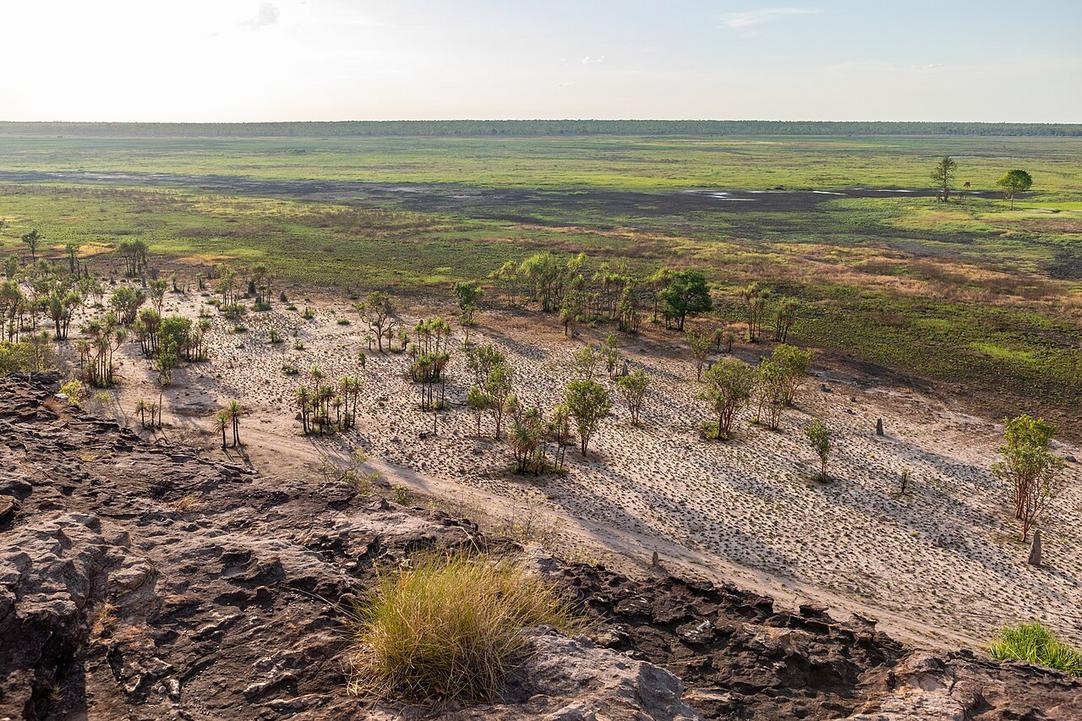
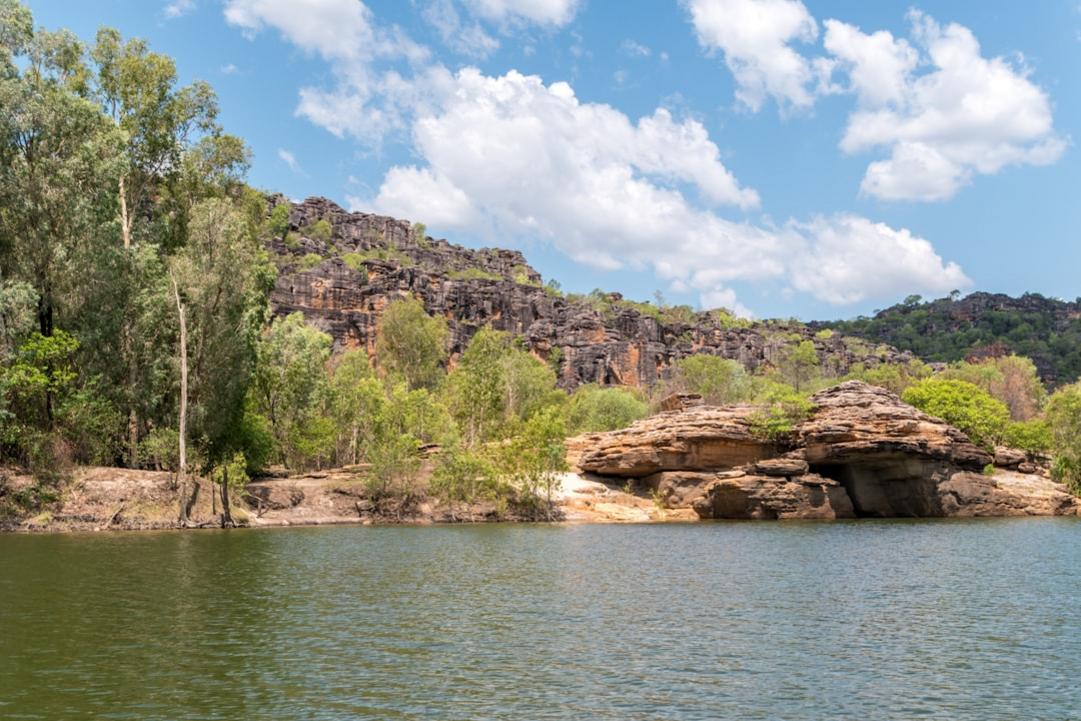
The sharp scent of wet earth rises from Yellow Water billabong at dawn, where crocs glide silently beneath the mirrored surface.
Kakadu National Park in Australia’s Northern Territory spans nearly 8,000 square miles / 20,700 km² of wetlands, escarpments, and floodplains. Visitors come for the Aboriginal rock art galleries at Ubirr and Nourlangie, and the saltwater crocodiles cruising the Yellow Water wetlands. The park lies about 100 miles / 160 km east of Darwin, with the Jabiru township and Cooinda lodge areas serving as main bases. This is an adventure destination where effort pays off: expect early starts, rugged trails, and guided boat tours. Unlike coastal parks, Kakadu’s wildlife encounters focus on crocodiles and birdlife rather than marine activities. Booking a certified naturalist guide is essential to access the best spots and understand the cultural context. The park’s size demands planning — staying inside the buffer zones near wildlife-rich wetlands maximizes sightings and reduces daily driving.
Book guided walks at Ubirr for rock art insight, take Yellow Water boat cruises to spot saltwater crocs, explore Jim Jim Falls by 4WD trek, and visit Nourlangie for Aboriginal history and wildlife viewing.
Key takeaways
- Book Yellow Water cruises early morning for best croc sightings, ~$50 per trip, 2026.
- Stay inside Kakadu’s buffer zone near Cooinda for quick access to wetlands and wildlife.
- Hire a certified naturalist guide for Ubirr and Nourlangie rock art tours, $75-$100, 2026.
- Jim Jim Falls requires 4WD access; plan for a full-day trek starting before 8:00 AM.
- Avoid the wet season (November-April) when many roads and trails close due to flooding.
- Jabiru township offers limited dining; bring snacks or plan meals around lodge kitchens.
- Park entry fees run about $40 for a 3-day pass, required for all visitors, 2026.
Why visit Kakadu National Park
Kakadu National Park stands apart from neighboring Litchfield National Park and Nitmiluk National Park through its vast biodiversity and rich Aboriginal rock art heritage. Unlike Litchfield’s waterfalls or Nitmiluk’s gorges, Kakadu offers the iconic Yellow Water Billabong, a unique wetland ecosystem teeming with wildlife. The park’s sprawling landscapes showcase a fusion of ancient culture and diverse habitats, framed by the seasonal floodplains that define its rhythm. This Layout_variant lens reveals Kakadu as a layered experience, where natural features and cultural sites interweave across time and terrain.
- Home to Ubirr, a rock art site with some of Australia’s oldest Aboriginal paintings dating back over 20,000 years.
- Seasonal floodplains create dynamic ecosystems visible during the wet season, attracting diverse birdlife and crocodiles.
- Managed jointly by Aboriginal traditional owners and Parks Australia, ensuring authentic cultural preservation and visitor education.
- Yellow Water Billabong cruises offer intimate wildlife encounters not found in neighboring parks’ drier landscapes.
Best for
Kakadu appeals to travelers seeking immersive cultural experiences combined with wildlife viewing, especially those comfortable with remote, rugged environments. Nature lovers, photographers, and those interested in Indigenous history will find the layered landscape rewarding.
Skip if
If you prefer easily accessible waterfalls and short hikes, Litchfield National Park is a better choice with less travel time and more developed visitor facilities.
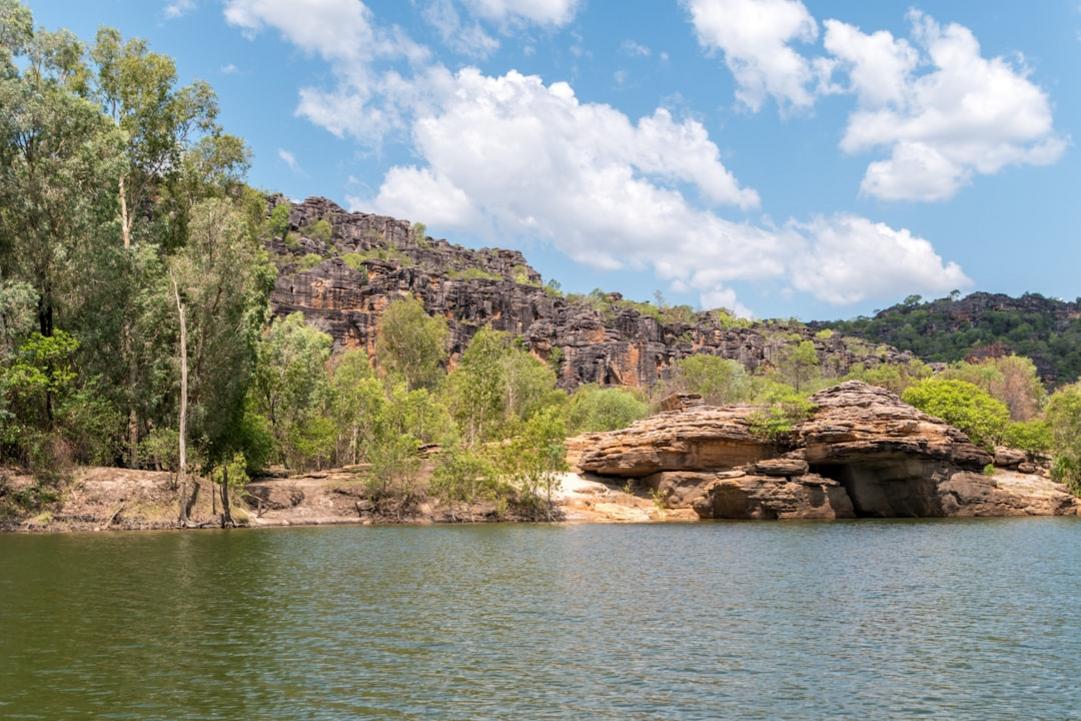
Top things to do in Kakadu National Park
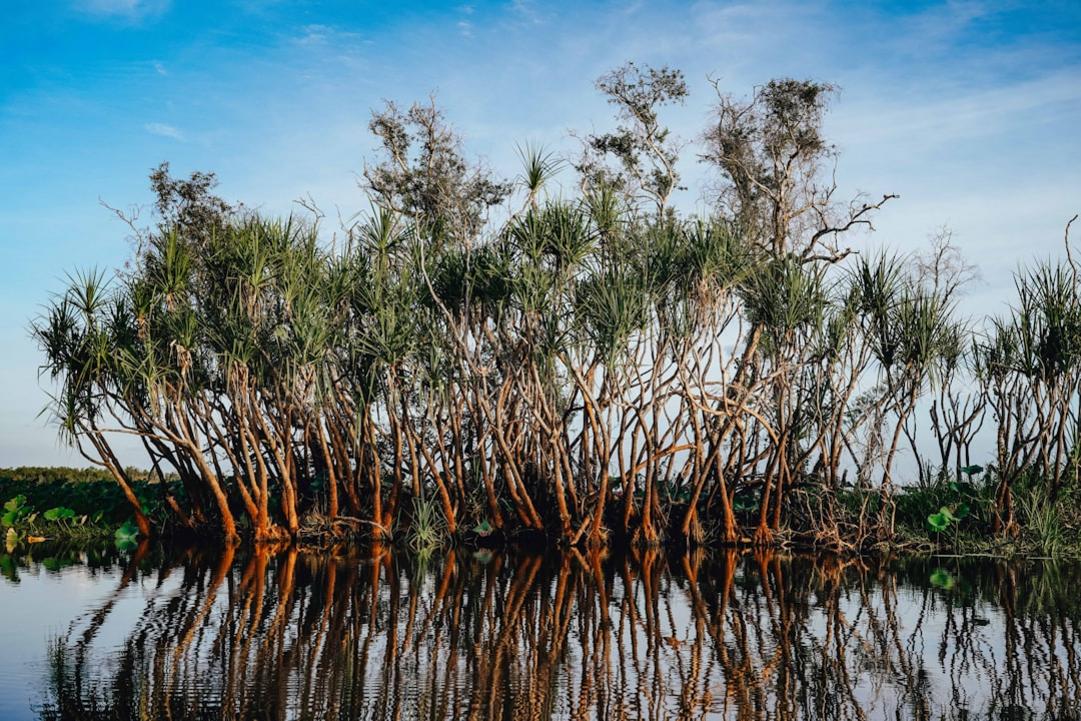
1. Yellow Water Billabong Cruise ·
Experience the iconic wetlands and spot abundant wildlife on a serene boat cruise through Kakadu’s Yellow Water Billabong.
This cruise takes you along the Yellow Water Billabong aboard a comfortable boat operated by one of the licensed guide outfits in Jabiru. As you glide through the expansive wetlands, you’ll see saltwater crocodiles, jabirus, and a variety of other bird species in their natural habitat. The calm waters and early morning or late afternoon light provide excellent photo opportunities and a peaceful atmosphere. The guides share insights about the ecology and cultural significance of the area. Book on GetYourGuide.
This cruise offers a more relaxed and wildlife-focused experience compared to the more physically demanding walks or rock art sites. It’s ideal for those who want to see Kakadu’s famous wetlands from a unique vantage point.
- When: Early morning or late afternoon, especially from May to October when wildlife is most active and the weather is cooler.
- Cost: ~$80
- Duration: 2 hours
- How to reach: From Jabiru, take the sealed road south on the Kakadu Highway to the Yellow Water Billabong access point near Cooinda. The cruise operator’s jetty is a short walk from the parking area.
Insider tip: If closed
If the cruise is unavailable, visit the nearby Yellow Water Walkway for a chance to see similar wildlife on foot.
2. Ubirr Rock Art Site ·
Explore ancient Aboriginal rock art galleries with spectacular views over the Nadab floodplain at Ubirr.
At Ubirr, you walk along well-maintained trails to discover rock shelters covered in Aboriginal paintings that date back thousands of years. The site is managed within Kakadu National Park and features detailed depictions of animals, spirit beings, and traditional stories. After exploring the galleries, you can climb the lookout for sweeping views over the Nadab floodplain and floodwaters. The interpretive signs help visitors understand the cultural context of the art.
Ubirr offers a combination of rich cultural heritage and panoramic scenery, making it more visually diverse than other rock art sites like Nourlangie.
- When: Visit in the morning or late afternoon to avoid the midday heat, ideally between May and September for dry weather and clear skies.
- Cost: Free
- Duration: 1-2 hours
- How to reach: From Jabiru, drive northeast on the Kakadu Highway for about 40 km to the Ubirr car park, then walk the short trails to the galleries.
Insider tip: If closed
If Ubirr is closed, head to Nourlangie Rock Art Site for similar Aboriginal paintings and viewpoints.
3. Nourlangie Rock Art and Lookout ·
Discover powerful Aboriginal rock paintings and panoramic vistas from the Nourlangie lookout.
Nourlangie features extensive rock art galleries illustrating stories of ancestral beings and local wildlife, accessible via several walking paths from the car park. The site also includes the Anbangbang Billabong walk, where you can spot birds and native plants. A climb to the Nourlangie lookout rewards visitors with sweeping views across Kakadu’s escarpment and woodland. Rangers often provide interpretive information about the cultural significance of the art and landscape.
Nourlangie is more accessible and offers a broader range of walks and viewpoints compared to Ubirr, making it suitable for visitors wanting varied experiences in one location.
- When: Morning or late afternoon in the dry season from May to September for comfortable walking conditions and best light for viewing rock art.
- Cost: Free
- Duration: 2-3 hours
- How to reach: Drive east from Jabiru on the Kakadu Highway for about 30 km to the Nourlangie car park, then follow the marked trails to the rock art sites and lookout.
Insider tip: If closed
If Nourlangie is closed, visit Ubirr Rock Art Site for a similar cultural experience.
4. Jabiru Wetlands Walks ·
Take gentle walks through the wetlands near Jabiru to spot birds and enjoy peaceful nature close to the park’s main hub.
The Jabiru Wetlands consist of easy walking trails that meander through freshwater and seasonal wetlands just outside the town center. These walks are excellent for birdwatching, with species like magpie geese and herons commonly seen. The trails are flat and well-marked, making them accessible for all fitness levels. Benches and shaded areas provide spots to rest and take in the tranquil environment.
These walks are convenient for visitors staying in Jabiru who want a quick nature escape without traveling far, unlike other more remote Kakadu sites.
- When: Any time of day, but early morning or late afternoon from May to October offers the best bird activity and cooler temperatures.
- Cost: Free
- Duration: 1-2 hours
- How to reach: From the center of Jabiru, the wetlands walk trailheads can be reached on foot or by a short drive along Kakadu Highway toward the park’s visitor facilities.
5. Maguk (Barramundi Gorge) Swimming Hole ·
Relax and cool off in the crystal-clear plunge pool beneath a scenic waterfall at Maguk.
Maguk is a hidden gem featuring a refreshing plunge pool fed by a waterfall, accessible via a 1.5 km walk from the car park. The trail passes through woodland and open forest, offering opportunities to spot wildlife along the way. Upon arrival, swimmers can enjoy the cool, clear water surrounded by cliffs and lush vegetation. The swimming area is popular during the dry season when water levels are safe and inviting.
This swimming hole is less crowded and more secluded than other popular spots like Gunlom, providing a peaceful environment for a swim.
- When: Visit between May and September during the dry season when the water is clean and safe for swimming; mornings are best to avoid heat and crowds.
- Cost: Free
- Duration: Half day
- How to reach: Drive on the Kakadu Highway from Jabiru heading south, then turn onto the gravel road leading to the Maguk car park. The walk to the swimming hole starts from there.
Insider tip: If closed
If Maguk is closed or water levels are unsafe, try the Gunlom Falls swimming area further south in the park.

6. Jim Jim Falls Guided Tour ·
Join a guided 4WD tour to access the spectacular Jim Jim Falls, one of Kakadu’s most dramatic natural landmarks.
This tour is run by one of the licensed 4WD guide outfits in Kakadu, who take you on a rugged drive along Jim Jim Road to the base of the falls. Once there, you can hike partway up the escarpment or swim in the plunge pool beneath the cascading water, surrounded by towering cliffs and lush vegetation. The guides share insights about the geology and local wildlife, making the experience both adventurous and educational. Book on GetYourGuide.
This guided tour offers access to Jim Jim Falls that is otherwise difficult due to rough roads and seasonal closures, unlike self-driving which requires a high-clearance 4WD and local knowledge.
- When: Best visited during the dry season from May to September when the road is open and the falls are flowing, ideally in the morning to avoid midday heat.
- Cost: ~$150
- Duration: Full day
- How to reach: From the Kakadu Visitor Centre near Jabiru, you travel west along the sealed Arnhem Highway then turn onto the unsealed Jim Jim Road; the tour vehicle handles this terrain.
Insider tip: If closed
If Jim Jim Falls access is closed, a visit to nearby Twin Falls by boat is a good alternative.
7. Guided Indigenous Cultural Experience ·
Gain insights into Aboriginal culture, bush tucker, and traditional stories with an expert local guide.
Led by an Aboriginal guide from one of the local communities, this experience takes you through sacred sites and bushland around Kakadu. You learn about traditional hunting and gathering techniques, sample bush foods, and hear Dreamtime stories that explain the landscape and its creatures. The walk is both informative and respectful, providing a deep connection to the land and its people. Book on GetYourGuide.
Choosing a guided Indigenous cultural tour over a self-guided visit ensures authentic interpretation and respect for sensitive sites, unlike generic park tours.
- When: Available year-round, but best in the cooler months from April to October during mornings to avoid heat and maximize comfort.
- Cost: ~$80
- Duration: 2-3 hours
- How to reach: Most tours depart from the Bowali Visitor Centre or nearby Jabiru and include transport by minibus or 4WD to the cultural sites.
Insider tip: If closed
If this tour is unavailable, visiting the Warradjan Aboriginal Cultural Centre offers exhibits and some cultural context.
8. Kakadu Wildlife Safari ·
Embark on a wildlife-focused safari to see crocodiles, wallabies, and a myriad of bird species in their natural habitat.
Operated by one of the specialist wildlife tour companies, this safari involves guided drives and boat cruises through Kakadu’s floodplains and billabongs. You have close-up opportunities to observe saltwater crocodiles basking on riverbanks, agile wallabies in the bush, and vibrant birdlife including jabirus and magpie geese. The guides provide detailed commentary on the ecology and behavior of the animals, enhancing the wildlife viewing experience. Book on GetYourGuide.
This safari is preferable to self-guided wildlife spotting because the expert guides know the best locations and times to see elusive species safely and respectfully.
- When: Ideal during the dry season from May to September, especially early morning or late afternoon when animals are most active.
- Cost: ~$120
- Duration: Half day
- How to reach: Tours usually depart from Jabiru or the Bowali Visitor Centre, accessible via the sealed Arnhem Highway and local roads.
Insider tip: If closed
If wildlife safaris are cancelled, a visit to the Mamukala Wetlands bird hide offers excellent birdwatching opportunities.
9. Gunlom Plunge Pool ·
Enjoy a refreshing swim in the natural infinity pool atop Gunlom Falls with breathtaking views over the park.
Gunlom Plunge Pool is accessed by a steep but well-maintained walking track from the car park at Gunlom campground. At the top, you find a crystal-clear natural infinity pool perched on the escarpment edge, offering panoramic views over Kakadu’s woodlands and floodplains. Many visitors swim here to cool off and relax, often spotting birds and wallabies nearby. The track can be challenging under hot conditions but rewards you with a spectacular swimming spot.
This natural pool is a more scenic and less crowded alternative to the nearby but more commercialized waterfalls like Maguk or Twin Falls.
- When: Best during the dry season from May to September, preferably in the morning or late afternoon to avoid the midday heat and crowds.
- Cost: Free
- Duration: 2-3 hours including walk
- How to reach: From Jabiru, drive south on Kakadu Highway then turn onto the gravel Gunlom Road; the plunge pool is a short walk from the car park.
Insider tip: If closed
If the Gunlom track is closed due to weather or maintenance, visit Maguk Falls for swimming instead.
48 hours in Kakadu National Park
This two-day plan is designed for travelers who want to experience Kakadu National Park’s diverse landscapes at a thoughtful pace, blending iconic sights with local rhythms. Tailored for the Layout_variant A traveler, it balances early starts with relaxed afternoons and carefully chosen dining spots to savor the park’s unique flavors.
Day 1
Morning
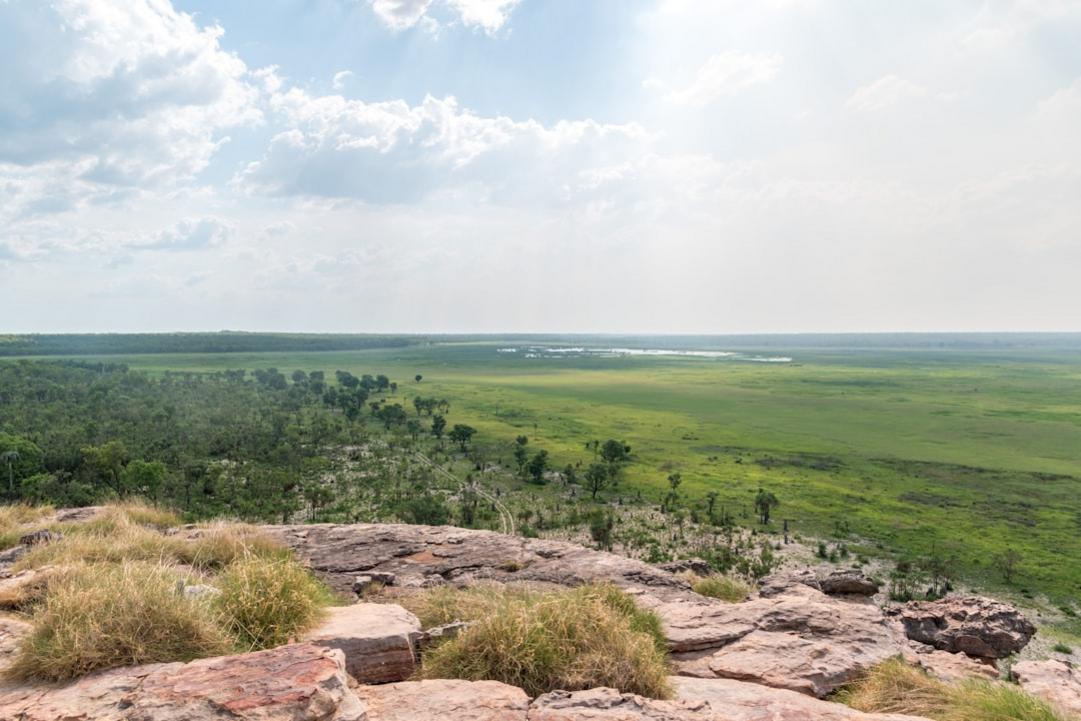
Rise early to catch the soft golden light spilling across the ancient rock art galleries at Ubirr, arriving just as the crowds are thin and the morning air is cool. Strolling the elevated paths here before 9 AM means you’ll enjoy the best views over the Nadab floodplain without the midday heat or jostling visitors. After soaking in the panorama, swing by the nearby Anbinik Café for a strong coffee and a light breakfast, grabbing a window seat to watch the park slowly come alive.
Afternoon
Post-lunch, head to the Yellow Water Billabong cruise, timing your departure around 2 PM to avoid the larger early-morning groups and catch the changing light on the water. The slower afternoon pace allows the wildlife to become more active, and the softer shadows bring out the vivid colors of the wetlands. Once back on dry land, unwind with a gentle walk around the nearby Mamukala Wetlands, where the late afternoon sun illuminates the birdlife perfectly, making it a serene counterpoint to the earlier adventure.
Evening
As dusk approaches, drive out to the Gubara Pools for a peaceful sunset swim, the rocky pools cooling down just as the sun dips behind the escarpment. For dinner, settle into the Cooinda Lodge’s restaurant, where you can enjoy a locally inspired barramundi dish paired with a chilled glass of regional white wine, all while reflecting on the day’s encounters in a relaxed, intimate setting.
Day 2
Morning
Start your day pre-dawn, gathering your gear for the guided Yellow Water sunrise walk, which offers a quieter, more immersive experience than the boat cruise. The soft pink light filtering through the paperbarks and the chorus of waking birds provide a magical atmosphere. After the walk, reward yourself with a breakfast at the Warradjan Cultural Centre café, where you can savor freshly baked damper alongside bush tomato jam, a taste deeply tied to the land’s Indigenous heritage.
Afternoon
Switch gears with a visit to the Nourlangie Rock area, exploring its rock art sites and the nearby Nawurlandja Lookout. Arriving just after lunch helps avoid the late-morning rush, and the walk to the lookout is a manageable effort that delivers expansive views over the Arnhem Land escarpment. Pause afterward at the Anbangbang Billabong for a slow, shady stroll, perfect for cooling down and birdwatching in the dappled light of the afternoon.
Evening
For your final evening, head into Jabiru’s small but lively dining precinct. Choose the rustic Wild Mango Café, where you can feast on a spicy crocodile tail curry that’s both adventurous and comforting. After dinner, take a slow walk around the Jabiru town lake, the quiet reflections on the water a gentle end to your Kakadu adventure.
If you have a third day
If you had an extra day, I’d recommend a morning visit to the less-visited Mamukala Wetlands boardwalk at dawn for a peaceful birdwatching session, followed by a stop at a local Indigenous art workshop near Jabiru to see traditional painting techniques in action. This blend of nature and culture rounds out the Kakadu experience beyond the usual highlights.
Best time to visit Kakadu National Park
Quick answer
The best time to visit Kakadu National Park is from April to June and October to early December, when temperatures are moderate and wildlife viewing is excellent before the heavy rains and extreme heat set in.
| Months to go | April to June, October to early December |
|---|---|
| Months to avoid | January to March due to heavy rains and trail closures, and July to September because of cooler nights and fewer wildlife sightings. |
Kakadu National Park experiences a tropical climate with distinct wet and dry seasons that greatly influence outdoor activities. From April to June, temperatures range from 73°F to 91°F, offering warm days and manageable humidity, ideal for hiking and wildlife spotting before the wet season begins. October to early December sees temperatures between 75°F and 92°F, with the landscape drying out and wildlife becoming more visible around waterholes. The wet season from January to March brings heavy rains, averaging over 11 inches per month, causing many trails and attractions to close, which limits access and activities. During the cooler dry months of July to September, temperatures can drop to lows around 59°F, and while the weather is pleasant, wildlife is less active, making this period less optimal for nature-focused visits.
Average temperature (°F)
Monthly weather
Heavy rains, many closures
Wettest month, limited access
Rain eases, some closures
Start of dry, good for hiking
Dry season, wildlife viewing
Cooler, ideal for exploring
Cool nights, less wildlife
Dry and cool, quieter park
Warming up, wildlife returns
Hotter, good wildlife viewing
Increasing rain, still accessible
Rain returns, trail closures

How to get to Kakadu National Park
Nearest airport
Darwin International Airport (DRW), approximately 3 hours by road (~250 km) to Kakadu National Park
From the airport
From Darwin International Airport, the most practical way to reach Kakadu National Park is by rental car, which offers flexibility for exploring the park at your own pace. Alternatively, you can take a metered taxi or book a shuttle service from the airport to Jabiru township, the main hub within Kakadu. Rental cars typically cost around ~$70 per day (2024) and can be booked online in advance; taxis and shuttles range from ~$150 to $200 (2024) one way.
Other ways to arrive
- From Katherine by rental car: ~3 hours, ~$60–80 (2024), ideal for travelers coming from the south.
- From Darwin by long-distance coach: multiple departures daily, ~4.5 hours, ~$40–60 (2024), a budget-friendly option with limited stops.
- From Pine Creek by private transfer or taxi: ~2 hours, ~$100–130 (2024), convenient for those connecting from the Stuart Highway.
- From Jabiru via regional tour operators: half-day to full-day tours available from Darwin, including transport and guided visits, ~$150–250 (2024).
Getting around Kakadu National Park
The dominant way to explore Kakadu National Park is by private vehicle, as public transport within the park is very limited. For most visitors, renting a car is the best choice to access remote sites and manage time efficiently. Guided tours are also popular for those who prefer not to drive.
- Rental car: best for full flexibility and reaching remote attractions, costs around ~$70 per day (2024).
- Guided tours: ideal for those wanting expert insights without driving, prices range from ~$100 to $250 per day (2024).
- Bicycle: suitable only for short distances near Jabiru or campground areas, free to low cost if renting locally.
- Walking: useful for short trails and viewing platforms within the park, free.
- Taxi or private transfer: limited availability, mainly for transfers between accommodations and visitor centers, typically expensive (~$100+ per trip).
Avoid
Avoid relying on public transport within the park, as services are infrequent and do not connect major sights effectively.
Day trips from Kakadu National Park
These day trips offer excellent opportunities to explore unique destinations beyond Kakadu National Park, enriching your Northern Territory experience. Each is reachable within a half- or full-day excursion, perfect for visitors based in or near the park.
Litchfield National Park
Waterfalls, swimming holes, and monsoon forest walks
Why: Litchfield offers stunning waterfalls and natural swimming spots that contrast beautifully with Kakadu’s rugged landscapes, making it a refreshing and scenic day trip. The park’s well-maintained walking trails and accessible swimming areas are perfect for families and nature lovers.
Adelaide River
Crocodile jumping cruises and WWII history
Why: Famous for its thrilling jumping crocodile tours and rich wartime history, Adelaide River offers a unique wildlife and cultural experience just outside Kakadu. The cruises provide close-up views of saltwater crocodiles in their natural habitat.
Mary River Wetlands
Birdwatching and wetland wildlife tours
Why: The Mary River Wetlands are renowned for exceptional birdwatching and diverse wetland ecosystems, offering visitors a chance to see rare species and abundant wildlife in a peaceful setting. Guided boat tours enhance the experience with expert knowledge.
Combine Kakadu National Park with
Extend your Northern Territory adventure by combining Kakadu with these multi-night destinations, each offering distinct landscapes and cultural experiences. These routes provide logical travel flows and enrich your itinerary beyond day trips.
Kakadu to Arnhem Land to Nhulunbuy Kakadu National Park, Arnhem Land, Nhulunbuy
This route explores the remote and culturally rich Arnhem Land region, culminating in Nhulunbuy, the main town on the Gove Peninsula, offering indigenous art and coastal scenery over several nights.
Kakadu to Katherine to Nitmiluk National Park Kakadu National Park, Katherine, Nitmiluk National Park
Travel south to Katherine and spend multiple nights exploring Nitmiluk Gorge and surrounding attractions, combining river activities with cultural tours and hiking.
Kakadu to Darwin to Tiwi Islands Kakadu National Park, Darwin, Tiwi Islands
After Kakadu, head to Darwin for urban comforts before taking a multi-day trip to the Tiwi Islands, known for indigenous culture, art, and unique island landscapes.
Where to stay in Kakadu National Park
Kakadu National Park offers a variety of lodging zones that cater to different traveler preferences. For those seeking proximity to nature and river views, the Cooinda area near the Yellow Water Billabong is popular. Visitors wanting a quieter, more remote experience often choose the Jabiru township, which serves as the park’s administrative and service hub. The Nourlangie region appeals to travelers interested in Aboriginal rock art and walking trails. For a more immersive wilderness stay, some opt for campgrounds near the East Alligator River. These distinct zones split by access to natural features, cultural sites, and amenities help visitors tailor their stay to their interests and comfort levels.

Jabiru
Budget travelers typically find simple, family-run cabins or basic campgrounds around Jabiru township. These accommodations offer clean, no-frills rooms and easy access to local shops and eateries but lack luxury amenities and extensive services. Staying here provides a convenient base for exploring park highlights without breaking the bank. However, expect modest facilities and shared bathrooms in some options.
Insider tip: In Jabiru, cabins on the southern end of Jabiru Drive tend to be quieter and receive more morning sun compared to those near the main highway, which can get busy during peak hours.
Cooinda
Mid-range stays often consist of comfortable lodges or boutique eco-resorts in the Cooinda area, offering river-view rooms and access to guided tours like Yellow Water cruises. These properties balance comfort with nature immersion, featuring amenities such as pools, restaurants, and tour desks. While not ultra-luxurious, they provide a relaxing environment with easy access to key attractions. Some lack extensive spa or high-end dining options, but the atmosphere is authentic and peaceful.
Insider tip: At Cooinda, rooms facing the billabong offer spectacular wildlife views at dawn, so request these when booking to enhance your experience.
Nourlangie
For those seeking a splurge, boutique wilderness lodges near Nourlangie provide exclusive access to cultural sites and private guided walks. These upscale properties emphasize privacy, luxury amenities, and personalized service, including gourmet meals and spa treatments. The setting often includes panoramic views of escarpments and access to walking trails right from the doorstep. However, these lodges are limited in number and book out well in advance.
Insider tip: Nourlangie lodges often have suites with balconies facing the escarpment; booking these rooms early ensures the best sunset views and tranquility.
Where not to stay
Avoid the area immediately adjacent to the park’s main entrance along Kakadu Highway, as it experiences heavy traffic and noise from tour buses and commercial vehicles during the day.
Solo female travelers
Solo female travelers should consider staying in the Cooinda area, where mid-range lodges offer well-lit pathways, communal dining areas, and a strong social vibe that encourages interaction while maintaining privacy and security.
Booking through these links supports Pack Lightly at no extra cost to you.
Where to eat and drink in Kakadu National Park

Kakadu National Park’s food scene is deeply shaped by its rich Indigenous heritage and the unique bounty of the Top End’s wetlands and woodlands. The local cuisine highlights native bush ingredients such as barramundi and bush tomatoes, prepared in traditional Aboriginal styles that differ markedly from mainstream Australian fare. Visitors can explore community-run eateries and cultural tours that showcase authentic Indigenous foodways, alongside seasonal markets offering wild-harvested produce. This distinct blend of ancient culinary traditions and regional ingredients sets Kakadu apart as a destination for genuine local flavors.
Must-try dishes
Barramundi Yawulyu (Barramundi cooked in traditional Arnhem Land style)
Fresh barramundi fillets grilled or baked with native herbs and bush spices as prepared by the local Bininj/Mungguy communities.
This dish represents a community-specific dish, rooted in the Indigenous culinary traditions of Kakadu’s Bininj/Mungguy people, who sustainably harvest barramundi from nearby wetlands and rivers.
Insider tip: A must-try for experiencing the authentic taste of Kakadu’s waterways, rich with cultural significance.
Kakadu Plum Salad
A fresh salad featuring the tangy, vitamin C-rich Kakadu plum, combined with local greens and bush tomatoes.
Anchored as a regional ingredient plus local producer dish, the Kakadu plum is endemic to this region and used by local cafés like Anbinik Restaurant in Jabiru, showcasing native bushfoods in modern dishes.
Insider tip: Refreshing and uniquely tangy, this salad highlights the extraordinary flavors of Kakadu’s bush.
Magpie Goose Roast
Roasted magpie goose, a native waterbird traditionally hunted and prepared by local Aboriginal communities.
This is a community-specific dish tied to Indigenous hunting and cooking traditions within Kakadu National Park’s Aboriginal ranger programs and cultural festivals.
Insider tip: An adventurous dish that offers a rare taste of Kakadu’s traditional game birds.
Wild Honey from Kakadu’s Bush Bees
Raw, unprocessed wild honey harvested from native bees in Kakadu’s woodlands.
A local-only producer brand, the Kakadu honey is collected by Indigenous suppliers such as the Ngurrungurrudjba community, prized for its distinctive floral notes from native flora.
Insider tip: Perfect for a sweet souvenir, this honey captures the essence of Kakadu’s wild landscapes.
Billy Tea with Lemon Myrtle
Traditional Australian billy tea brewed over an open fire and infused with lemon myrtle leaves native to the Kakadu region.
This drink specialty is tied to the region’s culinary category of native herbal infusions, served by local tour operators and cultural centres as part of bush tucker experiences.
Insider tip: A warming, aromatic experience that connects you directly to Kakadu’s bush traditions.
Local drinks
- Kakadu Plum CordialOffered at local cafés like Anbinik Restaurant and the Bowali Visitor Centre café.
A refreshing non-alcoholic drink made from the Kakadu plum, known for its tart and fruity flavor. - Bush Lemon Myrtle Iced TeaCommonly served at cultural centres and community cafés throughout Kakadu National Park.
Cold brewed lemon myrtle tea, a native herbal infusion popular in the Top End for its citrus aroma and cooling effect.
Where to eat – by neighborhood
Jabiru Township
The main service hub for Kakadu visitors, Jabiru offers community cafés, Indigenous-run eateries, and cultural centres serving native bush foods.
Insider tip: Join a ranger-guided bush tucker tour departing from Jabiru to taste authentic Indigenous ingredients in their natural setting.
Gunlom Picnic Area
A scenic spot with modest food stalls and picnic facilities where locals gather to enjoy simple grilled barramundi and bush snacks after swimming in the waterfalls.
Insider tip: Bring your own fresh produce from Jabiru markets and grill alongside locals at the communal BBQs.
Dietary note
Vegetarian and vegan options can be limited outside Jabiru township, but many cultural centres offer plant-based native dishes like wattleseed breads and bush tomato salads; gluten-free travelers should inquire locally due to traditional preparation methods.
Daily budget for Kakadu National Park
Kakadu National Park’s daily costs are somewhat unique within Australia due to its remote location and limited accommodation options, which tend to drive prices higher than typical urban areas. Additionally, many activities require guided tours or park permits, adding to the overall daily expenses.
Shoestring
- lodging – camping or budget cabins in Jabiru or nearby
- food – self-catering or takeaway meals from local stores
- transport – shared shuttle services or fuel cost for carpooling
- activities – self-guided walks and free park entry days
- buffer – miscellaneous expenses or small park fees
Trade-offs: Sacrificing comfort and convenience, shoestring travelers rely on camping and minimal guided activities to keep costs down.
Comfort
- lodging – mid-range lodges or motels in Jabiru
- food – casual dining at local cafes and pubs
- transport – rental car or organized small-group tours
- activities – guided day tours and cultural experiences
- buffer – incidental costs or park permits
Trade-offs: Comfort travelers enjoy better accommodation and guided activities but still need to budget carefully for transport and meals.
Splurge
- lodging – upscale eco-lodges or resort stays
- food – fine dining and premium local cuisine
- transport – private transfers or luxury 4WD tours
- activities – exclusive guided tours, wildlife cruises, and cultural shows
- buffer – souvenirs and unexpected expenses
Trade-offs: Splurge travelers get premium comfort and exclusive experiences but pay a significant premium for remote location logistics.
Money-saver tip
Book shared shuttle transfers and camp at designated sites to drastically reduce transport and lodging costs without missing out on the park’s highlights.
Splurge that’s worth it
Investing in a private guided 4WD tour is worth the splurge for unparalleled access to remote areas, expert insights, and wildlife spotting opportunities.
Skip to save
Avoid overpriced souvenir shops near park entrances where items are marked up; instead, buy local crafts in nearby towns or markets.
Practical tips for Kakadu National Park
Money
Cash or card. While most visitor centers, lodges, and tour operators in Kakadu accept cards, some remote shops and Aboriginal art centers still operate on a cash-only basis. It’s wise to carry some cash, especially when visiting small communities like Jabiru or Cooinda.
ATMs. ATMs are available in Jabiru and at the Bowali Visitor Centre, but they can be limited and occasionally out of service. Foreign cards may incur fees, so use a card with no foreign transaction fees, such as Wise or Charles Schwab, to minimize costs.
Tipping. Tipping is not customary in Kakadu National Park; rounding up your bill or leaving a small tip of $1–2 AUD at cafes or for exceptional tour guides is appreciated but not expected.
Safety
Kakadu is a vast wilderness area with natural hazards rather than urban crime concerns. Travelers should be prepared for strong sun, dehydration risks, and variable road conditions, especially on unsealed roads. Emergency services can be distant, so plan accordingly and inform someone of your itinerary.
Local warnings:
- Beware of aggressive sandflies near waterholes during the wet season; use insect repellent and wear long sleeves.
- Strong sun exposure requires daily high-SPF sunscreen and a hat, even on cloudy days.
- Some swimming spots have dangerous crocodile populations; always heed warning signs and avoid swimming where prohibited.
Connectivity
Mobile data. Mobile coverage is patchy outside Jabiru and a few main tourist sites; Telstra offers the best coverage in Kakadu, with prepaid SIMs starting around $30 AUD for 10GB. Consider purchasing your SIM in Darwin before heading into the park.
Wi-Fi. WiFi is limited and mostly available only at lodges and the Bowali Visitor Centre in Jabiru. Outside these areas, reliable internet access is rare.
Language
Main language: English. English level: English is the primary language used in all tourism services and signage, so communication is straightforward in visitor centers and tours. In remote Aboriginal communities, some locals may speak traditional languages, but basic English is usually understood.
Cultural notes
- Always ask permission before photographing Aboriginal people or sacred sites; some areas are culturally restricted.
- Dress modestly when visiting cultural centers or community events, avoiding beachwear or revealing clothing.
- Respect ‘Sorry Business’ periods—local mourning times—when some sites or communities may be closed to visitors.
- Avoid discussing sensitive topics such as land rights or politics with local Aboriginal people unless they bring it up.
Solo female travel
Solo female travelers in Kakadu should be prepared for limited nightlife and transport options after dark, especially outside Jabiru. The park is quiet in the evenings, with few public transport services, so self-driving or arranged tours are common. Accommodation tends to be in lodges or campgrounds, where social opportunities are modest but friendly.
- Transport: If staying in Jabiru, plan your return from evening tours carefully, as shuttle services often end by early evening; booking tours with included transport is recommended.
Do
- Support local Aboriginal-owned businesses and art centers to contribute directly to the community.
- Join guided tours led by Indigenous rangers to learn about traditional land management and culture.
- Stick to marked trails and respect cultural site boundaries to protect sensitive areas.
Don’t
- Do not remove rocks, plants, or artifacts from cultural sites.
- Avoid entering restricted areas marked as sacred or closed by traditional owners.
- Do not photograph or film ceremonies or sites without explicit permission.
Frequently asked questions about Kakadu National Park
1Is Kakadu National Park worth visiting?
Yes, Kakadu is Australia’s largest national park and offers stunning waterfalls, ancient Aboriginal rock art, and diverse wildlife. Spending at least 3 days lets you experience highlights like Jim Jim Falls and Ubirr.
2What is the best time to visit Kakadu National Park?
The dry season from May to September is best, with sunny days and accessible roads. Wet season floods many areas from November to April, limiting access but showcasing dramatic waterfalls.
3Do I need a 4×4 to explore Kakadu?
Yes, a 4×4 is essential for reaching remote spots like Jim Jim and Twin Falls, especially during the shoulder months of the dry season when some roads remain rough.
4Is Kakadu safe for solo female travelers?
Yes, Kakadu is generally safe for solo female travelers, especially during daylight hours. However, remote areas require caution and preparation due to wildlife and limited mobile coverage.
5Can you swim safely in Kakadu’s waterfalls?
No, swimming is only safe in designated areas like Maguk and Gunlom pools. Many waterfalls, including Jim Jim Falls, have strong currents and crocodile risks, so always check local signage.
6Why is Kakadu National Park famous for Aboriginal rock art?
Kakadu hosts one of the world’s largest collections of Aboriginal rock art, with sites like Ubirr and Nourlangie showcasing paintings dating back over 20,000 years, reflecting rich Indigenous culture.
7Are roads and boats reliable in Kakadu during the wet season?
No, most roads and boat tours close from November to April due to flooding. The park largely shuts down except for a few accessible areas, making the dry season the only reliable time for full access.
8What should I avoid doing in Kakadu National Park?
Avoid swimming in unmarked waterways due to saltwater crocodiles, do not disturb Aboriginal sites, and never feed wildlife. Respect local customs and follow park guidelines strictly.
9How far is Kakadu from Darwin and can I visit as a day trip?
Kakadu is about 3 hours’ drive from Darwin. A day trip is possible but very rushed; at least 2-3 days are recommended to fully appreciate the park’s vast landscapes and cultural sites.