


The salty breeze mixes with roasted coffee aromas at the Opera Kitchen overlooking Sydney Harbour.
Sydney, Australia’s largest city with roughly 5 million residents, combines iconic harbor landmarks with a Pacific surf culture. Visitors come for the Opera House, the historic Rocks district, and the beachside neighborhood of Bondi. The city’s layered heritage reveals itself in museums, colonial streets, and indigenous art. Unlike Melbourne’s café scene, Sydney’s food culture leans more on waterfront dining and fresh seafood markets. The city’s sprawling layout means staying in the historic Rocks or Surry Hills puts you close to cultural sites and local life. Expect a city where harbor views and surf culture shape daily rhythms more than high-rise interiors or nightlife.
Walk the Royal Botanic Garden for harbor views and native plants, explore the Rocks for colonial history, surf or stroll Bondi Beach, visit the Museum of Contemporary Art for local art, and take a ferry to Manly for a mix of village feel and ocean access.
Key takeaways
- Book the morning slot at the Royal Botanic Garden to avoid crowds and catch harbor light.
- Stay in the Rocks for colonial architecture and easy access to ferry terminals.
- Catch the Bondi to Coogee coastal walk in the afternoon for ocean views and local cafes.
- Reserve a spot on the Manly ferry early to secure a seat during peak hours.
- Plan ~$60-$120/day for mid-range food and transport, 2026.
- Visit the Museum of Contemporary Art on a weekday afternoon to skip weekend lines.
- Use Opal card for public transport; daily cap limits costs around $16, 2026.
- Avoid weekend evenings in Darling Harbour due to tourist crowds and inflated prices.
Why visit Sydney
Sydney stands apart from Melbourne, Brisbane, and Auckland with its iconic harbor landmarks and Pacific surf culture. The Sydney Opera House and Harbour Bridge define the cityscape, while Bondi Beach anchors its surf scene. The historic Rocks neighborhood reveals colonial layers alongside bustling markets and craftspeople. Unlike Melbourne’s art-focused streets or Brisbane’s subtropical vibe, Sydney’s waterfront neighborhoods pulse with a mix of heritage and active coastal life. The Royal Botanic Garden offers a green retreat framed by harbor views, blending urban culture with nature’s edge. This combination of heritage sites and surf culture creates a distinctive rhythm unique in the region.
- Explore the Rocks for well-preserved colonial architecture and weekend artisan markets near Circular Quay.
- Bondi Beach draws Pacific surfers year-round, offering lessons and local surf culture beyond tourist crowds.
- Royal Botanic Garden’s harbor-side trails link historic plant collections with views of Sydney Opera House.
- Sydney’s ferry network doubles as daily transport and a scenic route connecting diverse waterfront neighborhoods.
- Unlike Melbourne’s laneways, Sydney’s historic streets focus on harbor access and outdoor dining scenes.
- Local insight: Most travelers miss the weekday morning markets at The Rocks, which offer fresh produce and crafts without the weekend rush.
Best for
Solo travelers and culture seekers who prioritize heritage sites and neighborhood walks will thrive here. Those who appreciate combining museums with coastal surf culture find Sydney’s rhythm rewarding.
Skip if
Skip Sydney if nightlife or cutting-edge arts dominate your agenda; Melbourne offers a deeper urban arts scene and more vibrant evening culture.

Top things to do in Sydney
Sydney’s iconic harbor landmarks anchor a city shaped by colonial heritage and Pacific surf culture. Start with a walk through The Rocks to connect with Sydney’s layered history alongside artisan markets. This set of activities highlights how harbor-side neighborhoods, museums, and coastal life create a cultural rhythm unique to Sydney.

1. The Rocks historic district walk ·
Explore Sydney’s best-preserved colonial streets with artisan markets and waterfront views near Circular Quay.
Walk the cobblestone lanes of The Rocks, starting around George Street and Playfair Street, where sandstone buildings from Sydney’s 18th-century colonial era still stand. Browse weekend artisan markets along Kendall Lane and enjoy views of the waterfront near Circular Quay. The area reveals layers of convict history alongside contemporary galleries and pubs. Stop by the Museum of Contemporary Art nearby for a cultural contrast. The uneven pavement requires sturdy shoes but rewards with a tangible sense of Sydney’s colonial past.
This walk offers a more concentrated colonial experience than the broader Sydney CBD, which feels more modern and commercial. The Rocks combines history with active local markets in a way the nearby Darling Harbour does not.
- When: Weekends from 9:00 AM to 3:00 PM for the markets, or weekday mornings for quieter streets. Spring and fall offer mild weather for wandering.
- Cost: Free
- Duration: 2 hours
- How to reach: Walk from Circular Quay station or take a short ferry ride to Circular Quay Wharf, then enter The Rocks via Playfair Street or George Street.
Insider tip: If closed
Visit the nearby Museum of Sydney for colonial history exhibits indoors.
2. Sydney Opera House guided tour ·
Take a deep dive into the architecture and history of Sydney’s defining landmark on a guided tour.
Join one of the licensed guided tours that start at the main entrance on Bennelong Point. The guides explain the engineering feats behind the iconic sails and the complex political history of its construction. The tour includes backstage access to the Concert Hall and Drama Theatre, revealing how performances come together. The experience highlights the building’s role in Sydney’s cultural life beyond its striking appearance. Booking ahead is essential, especially for morning slots when the light on the sails is best for photos. Book on GetYourGuide.
Booking a guided tour here beats just viewing from outside or self-guided apps, which miss the backstage stories and architectural insights that bring the building alive.
- When: Book morning tours between 9:00 AM and 11:00 AM to avoid crowds and catch the best light on the harbor.
- Cost: ~$40, 2026
- Duration: 1 hour
- How to reach: Walk from Circular Quay station south along the waterfront promenade or take a short bus ride to Bennelong Point.
Insider tip: If closed
Visit the nearby Royal Botanic Garden for harbor views and botanical history.
3. Royal Botanic Garden harbor-side walk ·
Follow trails lined with historic plant collections and uninterrupted views of the Opera House and Harbour Bridge.
Enter the Royal Botanic Garden from Mrs Macquarie’s Road and follow the Cadi Jam Ora trail along the harbor edge. The walk passes historic plant collections, including native species and rare exotics planted since the 19th century. Multiple viewpoints offer framed shots of the Opera House and Harbour Bridge from secluded lawns and rocky outcrops. The garden’s heritage plaques explain early colonial botanical experiments and indigenous plant uses. Stop at the Calyx for current exhibitions on botanical science and art installations.
This walk offers a quieter, more contemplative harbor perspective than the busy Circular Quay promenade and focuses on Sydney’s colonial botanical history.
- When: Late morning on weekdays to avoid groups, or late afternoon for softer light and cooler temperatures year-round.
- Cost: Free
- Duration: 1.5 hours
- How to reach: Walk east from Martin Place station or take a short bus to Mrs Macquarie’s Road entrance near the Art Gallery of New South Wales.
Insider tip: If closed
Visit the nearby Art Gallery of New South Wales for indoor cultural exhibits.
4. Australian Museum visit ·
Discover Indigenous artifacts and natural history exhibits that unpack Sydney’s cultural foundations.
Explore the Australian Museum on College Street in the historic Darlinghurst neighborhood, focusing on Indigenous Australian collections and natural history. The museum’s Aboriginal and Torres Strait Islander galleries showcase artifacts that tell the story of Sydney’s First Nations people. Natural history exhibits include local fauna and geological specimens that explain the region’s formation. Temporary exhibitions often highlight contemporary Indigenous artists or environmental issues relevant to Sydney. The building itself is a heritage site with architectural details from the 19th century.
This museum offers deeper Indigenous context than other city museums, which often focus on broader Australian history or art without Sydney-specific focus.
- When: Weekdays from 10:00 AM to 4:00 PM to avoid school groups; check for temporary exhibition schedules.
- Cost: ~$15, 2026
- Duration: 2 hours
- How to reach: Walk from Museum station or take a bus along College Street toward Darlinghurst.
Insider tip: If closed
Visit the nearby Art Gallery of New South Wales for Indigenous art collections.

5. Bondi Beach surf lesson for beginners ·
Join a morning surf lesson to connect with Sydney’s Pacific surf culture beyond the tourist crowds.
Meet your instructor at the southern end of Bondi Beach near the Icebergs Pool, where many local surf schools operate. The lesson starts with a safety briefing and basic technique on the sand, followed by guided practice in gentle morning waves. The small class sizes focus on personal feedback, and instructors emphasize ocean awareness as much as riding waves. After the lesson, grab a coffee at one of the cafes along Campbell Parade. Early mornings offer smaller crowds and cleaner surf conditions. Book on GetYourGuide.
This lesson spot avoids the crowded northern Bondi strip and offers a more local surf vibe than the beginner lessons at Manly Beach.
- When: Book lessons at 7:00 AM or 8:00 AM to catch smaller waves and avoid afternoon wind chop, best from October to April.
- Cost: ~$70, 2026
- Duration: 2 hours
- How to reach: Take a bus from Sydney CBD along Campbell Parade or walk 15 minutes from Bondi Junction train station plus a short bus.
Insider tip: If closed
Try a stand-up paddleboarding lesson at nearby Bronte Beach if surf conditions are rough.
Solo female travel: Women-only group lessons are available on request; book early as these fill fast in high season.
6. Sydney Harbour Bridge climb ·
Climb the Harbour Bridge for panoramic views and a hands-on encounter with Sydney’s engineering icon.
Join a guided climb starting at the Pylon Lookout on Cumberland Street in The Rocks. The climb suits all fitness levels and includes safety gear and a briefing. Ascend the steel arches via ladders and catwalks, with guides sharing engineering details and Sydney history en route. At the summit, enjoy 360-degree views of the harbor, Opera House, and city skyline. Descend the same way, stopping at the Pylon Lookout museum for additional context. The climb runs year-round but requires booking in advance. Book on GetYourGuide.
This climb offers a physical connection to the bridge’s structure that viewing from below or walking across the pedestrian path does not provide.
- When: Book morning climbs between 8:00 AM and 11:00 AM for cooler temperatures and clearer views, avoid windy days.
- Cost: ~$180, 2026
- Duration: 3.5 hours
- How to reach: Walk from Circular Quay through The Rocks neighborhood to Cumberland Street near the Pylon Lookout entrance.
Insider tip: If closed
Walk the pedestrian path across the Harbour Bridge for free views of the city and harbor.
7. Museum of Contemporary Art Australia ·
Visit this waterfront museum in Circular Quay to see Indigenous and Pacific contemporary art exhibitions.
The Museum of Contemporary Art Australia sits right on Circular Quay, offering sweeping harbor views alongside its galleries. The museum focuses heavily on Indigenous and Pacific contemporary art, with rotating exhibitions that highlight current voices and issues. Walk through galleries featuring painting, sculpture, and multimedia works that challenge traditional narratives. The rooftop café offers a quiet spot to reflect while watching the ferries pass by.
This museum provides a sharper focus on Indigenous and Pacific contemporary art compared to the Art Gallery of New South Wales, which leans more toward classical and international collections.
- When: Visit mid-morning on weekdays to avoid weekend crowds and enjoy natural light in the galleries during spring and fall.
- Cost: ~$12, 2026
- Duration: 2 hours
- How to reach: Walk from Sydney’s historic Rocks neighborhood or take a short ferry to Circular Quay, then stroll 5 minutes along the waterfront to the museum entrance.
Insider tip: If closed
Explore the Aboriginal and Torres Strait Islander collections at the Art Gallery of New South Wales in The Domain.
8. Ferry ride to Manly Beach ·
Take a scenic ferry through Sydney Harbour to Manly, blending harbor views with a laid-back beach village.
The ferry from Circular Quay to Manly Beach offers one of Sydney’s best harbor views, including the Opera House and Harbour Bridge framed by water. Upon arrival, explore Manly’s relaxed village streets, local surf shops, and casual cafés. Walk the Corso from the ferry terminal to the beach, where you can watch surfers or join a beginner’s lesson. This trip blends urban harbor scenes with coastal lifestyle in under an hour each way.
The ferry ride itself is a highlight, unlike beach buses or trains, giving waterfront panoramas and a direct link to Manly’s surf culture.
- When: Catch the morning ferry on weekdays to avoid weekend crowds and enjoy calm harbor waters, especially in spring or fall for mild weather.
- Cost: ~$8 round trip, 2026
- Duration: Half day
- How to reach: Board the ferry at Circular Quay Wharf 3, accessible on foot from the historic Rocks or the central business district.
Insider tip: If closed
Visit Bondi Beach by bus or train for a similar beach vibe without the ferry experience.
Solo female travel: The ferry is busy but well-staffed; daytime trips have a visible security presence and open decks for safe, comfortable travel.

9. Newtown neighborhood street art walk ·
Explore colorful murals and creative street art while sampling local cafés in this inner-west neighborhood.
Newtown’s streets brim with large-scale murals and spontaneous street art, reflecting the suburb’s countercultural roots and diverse community. Wander King Street and its side lanes to find works by local and international artists, then pause at cafés serving specialty coffee and inventive brunch dishes. The area’s vibe blends urban grit with creative energy, making it a perfect afternoon stroll after a museum visit. Independent bookstores and vintage shops add texture to the walk.
Newtown’s street art stands out because it’s integrated into an active, eclectic neighborhood, unlike dedicated art parks or galleries that isolate works from daily life.
- When: Explore on a weekday morning or early afternoon to enjoy open cafés and less crowded streets, best in spring or fall when outdoor seating is pleasant.
- Cost: Free
- Duration: 2-3 hours
- How to reach: Take a short ride from the Sydney CBD by train to Newtown Station, then walk south along King Street to start the art walk.
Solo female travel: Newtown’s streets are lively and well-patrolled during daylight hours; avoid late evenings in less busy side streets.
10. Barangaroo Reserve coastal walk ·
Stroll along this reclaimed waterfront park with Indigenous cultural installations and harbor outlooks.
Barangaroo Reserve transforms reclaimed industrial land into a waterfront park with native plantings and walking paths hugging Sydney Harbour. The walk features interpretive signage explaining the Gadigal people’s connection to the land, alongside public art by Indigenous artists. Views stretch across the water to the city skyline and the Sydney Harbour Bridge. The path connects to the historic Rocks district, making it a natural extension of a cultural day out.
Barangaroo Reserve offers a fresh take on Sydney’s harbor walks by combining environmental restoration with Indigenous storytelling, unlike the more commercial Circular Quay promenade.
- When: Walk in the late afternoon for softer light and cooler temperatures, especially outside summer’s peak heat months.
- Cost: Free
- Duration: 1-2 hours
- How to reach: Reach Barangaroo Reserve by walking west from Wynyard Station or catching a bus to Hickson Road, adjacent to the park entrance.
Insider tip: If closed
Walk the Royal Botanic Garden’s harbor-side paths for similar views and outdoor greenery.
11. Sydney Fish Market tour and tasting ·
Join a guided tour to learn about Sydney’s seafood trade and sample fresh catches at the market.
This guided tour takes you behind the scenes at Sydney Fish Market, the largest seafood market in the Southern Hemisphere. Learn about the daily auction process, meet fishmongers, and sample fresh oysters, prawns, and local fish varieties. The market buzzes with early morning activity, showcasing the city’s connection to the Pacific. The tasting session pairs the seafood with local wines or craft beers for a fuller flavor profile. Book on GetYourGuide.
The guided tour adds context and access to areas visitors usually miss, unlike self-guided visits where the market can feel overwhelming and chaotic.
- When: Book early morning tours, typically starting before 8:00 AM on weekdays, to catch the auction and freshest catches.
- Cost: ~$45-$60, 2026
- Duration: 2 hours
- How to reach: Take a short taxi or bus ride from the Sydney CBD to Blackwattle Bay, near Pyrmont, where the market is located.
Insider tip: If closed
Visit a local seafood restaurant in the historic Rocks district for fresh catches without the market tour.
12. Chinatown food walk in Haymarket ·
Taste authentic Asian flavors on a guided walk through Sydney’s historic Chinatown district.
This guided food walk explores Haymarket’s bustling Chinatown, sampling dumplings, hand-pulled noodles, and traditional desserts from family-run eateries. The tour navigates busy streets packed with markets, bakeries, and herbal shops, offering insight into the neighborhood’s immigrant history. Stops include hidden laneway stalls and modern Asian fusion cafés, balancing old-school flavors with contemporary twists. The guide explains culinary techniques and ingredients unique to Sydney’s Asian communities. Book on GetYourGuide.
A guided walk cuts through the overwhelming choices and points out authentic spots that casual visitors often miss, unlike wandering Chinatown alone.
- When: Book afternoon or early evening tours Wednesday through Saturday when most vendors are open and the market energy is high.
- Cost: ~$50, 2026
- Duration: 2.5 hours
- How to reach: Walk from Central Station to Haymarket in under 10 minutes or catch any city bus stopping on George Street near Market Street intersection.
Insider tip: If closed
Explore food stalls at Paddy’s Markets nearby for a DIY taste of the area’s offerings.
Solo female travel: The area is lively and well-populated during tour hours; guides keep groups tight, enhancing safety and local engagement.
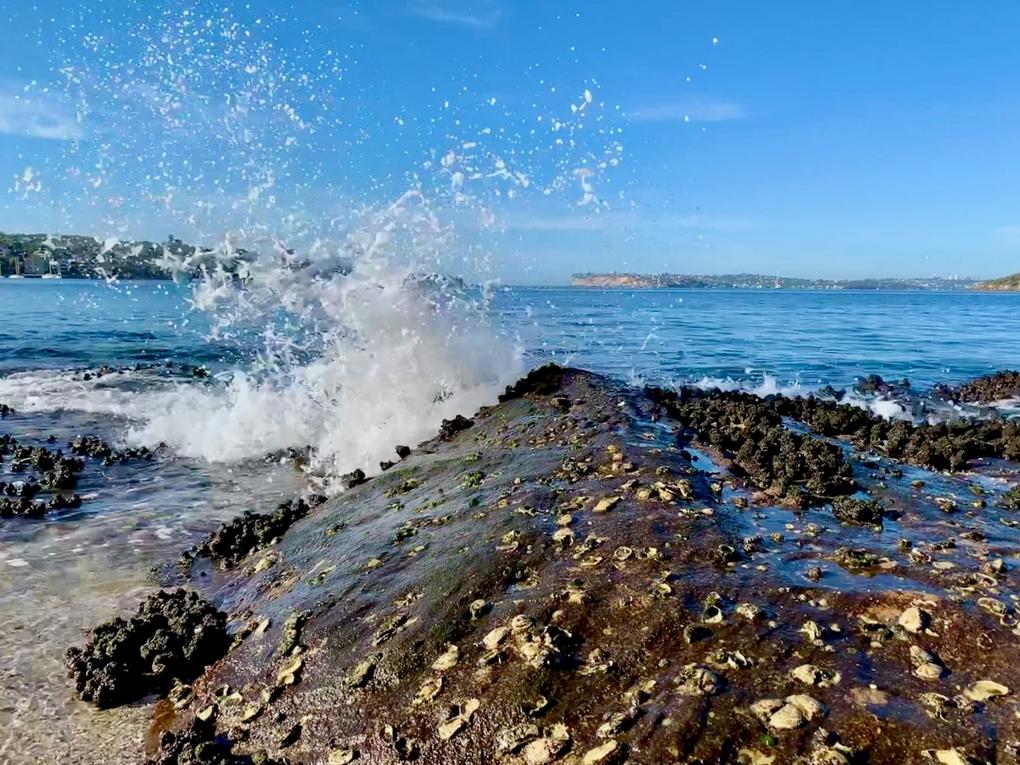
13. Artisan markets at The Rocks weekday morning ·
Shop fresh produce and crafts at quieter weekday markets in The Rocks, avoiding weekend crowds.
The weekday artisan markets at The Rocks offer a chance to browse fresh produce, handmade crafts, and local specialty foods without the weekend rush. Located along George Street and nearby laneways, these stalls showcase Sydney’s small-scale producers and artisans. The atmosphere is relaxed, letting you chat directly with vendors and pick up unique souvenirs or snacks. It’s a low-key way to experience The Rocks’ historic streets during a less busy time.
Choose this if you want a calmer market visit than the weekend, focusing on fresh local goods and crafts in a historic setting.
- When: Weekday mornings, ideally Tuesday to Thursday, between 8:00 AM and 12:00 PM.
- Cost: Free
- Duration: 1-2 hours
- How to reach: Walk from Circular Quay ferry terminal about 0.3 miles / 0.5 km southwest or take a short bus ride to The Rocks precinct.
Insider tip: If closed
Explore the weekend markets at Paddington for local crafts and food instead.
14. Susannah Place Museum visit ·
Step inside a preserved 19th-century terrace house to see working-class Sydney life from colonial times.
Susannah Place Museum preserves a row of four terrace houses in The Rocks, offering a rare glimpse into Sydney’s working-class past. The rooms are furnished with period pieces and personal artifacts, revealing daily life from the 1840s onward. Docents share stories about the families who lived here, connecting you with the social history behind Sydney’s colonial expansion. The modest scale and detailed interiors make this a focused, intimate cultural stop.
Pick this for a hands-on, neighborhood-level look at Sydney’s colonial working-class history, away from grander sites.
- When: Open Tuesday to Sunday, 10:00 AM to 4:00 PM; avoid public holidays for quieter visits.
- Cost: ~$5-$7, 2026
- Duration: 1 hour
- How to reach: Walk 0.4 miles / 0.6 km from Circular Quay through The Rocks district to Gloucester Street.
Insider tip: If closed
Visit the Museum of Sydney for broader colonial history exhibits.
15. Sydney Jewish Museum ·
Explore Jewish history and culture in Sydney through personal stories and exhibitions near Darlinghurst.
The Sydney Jewish Museum presents exhibitions on Jewish life, the Holocaust, and migration stories in Sydney’s context. Located near Darlinghurst, it combines archival displays with multimedia presentations and personal testimonies. The museum also highlights contributions of Jewish Australians to Sydney’s cultural and social fabric. Its thoughtful curation offers depth beyond the city’s more general historic sites, connecting global history with local narratives.
Ideal for those wanting detailed cultural context on Sydney’s Jewish community and its historical impact.
- When: Open Tuesday to Sunday, 10:00 AM to 5:00 PM; quieter weekday mornings are best.
- Cost: ~$12, 2026
- Duration: 2 hours
- How to reach: Take a short bus or taxi ride from Sydney central business district to the Darlinghurst area, about 1.5 miles / 2.4 km east.
Insider tip: If closed
Visit the nearby Australian Museum for broader cultural exhibits.
16. Paddington Markets on Saturday ·
Browse local crafts and fashion at this weekend market in a historic terrace neighborhood.
Held every Saturday in the Paddington neighborhood, these markets focus on Australian-made crafts, jewelry, and independent fashion designers. Set near the old Paddington Town Hall, the market blends heritage terrace architecture with a creative crowd. Food stalls offer fresh local produce and artisan treats, making it a good spot for lunch or casual browsing. The vibe is laid-back but lively, with a strong emphasis on local creativity.
Pick this for weekend shopping that combines heritage surroundings with emerging local designers and food vendors.
- When: Saturday mornings from 10:00 AM to 4:00 PM, best early for the full selection.
- Cost: Free entry
- Duration: 2-3 hours
- How to reach: Take a direct bus or taxi from Sydney city center to Oxford Street, Paddington, about 2 miles / 3.2 km southeast.
Insider tip: If closed
Explore The Rocks markets on weekday mornings for crafts and fresh produce.

17. Guided Indigenous cultural tour in Barangaroo ·
Join a local guide to learn about the Gadigal people’s connection to Sydney Harbour and its landscape.
This guided tour focuses on the Gadigal people’s deep ties to Sydney Harbour, especially around Barangaroo. Local Indigenous guides explain traditional uses of the land, cultural practices, and stories tied to the harbor’s natural features. The walk includes stops at significant sites, blending history with contemporary Indigenous perspectives. It adds meaningful context to the waterfront’s rapid urban development and highlights ongoing cultural heritage. Book on GetYourGuide.
Choose this for an Indigenous-led perspective on Sydney’s harbor landscape beyond the usual tourist stops.
- When: Book morning tours from Tuesday to Saturday, ideally before 11:00 AM for cooler conditions.
- Cost: ~$40-$50, 2026
- Duration: 2 hours
- How to reach: Walk or take a short ferry or bus ride from Circular Quay to Barangaroo, about 1 mile / 1.6 km west.
Insider tip: If closed
Visit the nearby Australian Museum’s Aboriginal exhibits for Indigenous context.
18. Historic Fort Denison visit ·
Take a short ferry to this former defense island with colonial heritage and harbor views.
Fort Denison sits on a small island in Sydney Harbour, once a penal site and later a defense installation. The ferry ride itself offers excellent views of the Opera House and Harbour Bridge. On the island, explore the Martello tower and learn about 19th-century military history through guided tours. The site’s combination of natural harbor vantage points and colonial architecture makes it a compact cultural outing. Book on GetYourGuide.
Perfect for those who want a short excursion with layered colonial history and iconic harbor perspectives.
- When: Ferries run daily, best mid-morning to early afternoon to avoid the strongest sun and crowds.
- Cost: ~$25-$30 including ferry, 2026
- Duration: 2-3 hours
- How to reach: Catch a ferry from Circular Quay, about 0.6 miles / 1 km from the city center; the ride takes roughly 15 minutes.
Insider tip: If closed
Walk the nearby Dawes Point area for harbor views and colonial-era structures.
19. State Library of New South Wales reading room visit ·
Spend a quiet afternoon in the heritage reading room near Macquarie Street, a hub for local history research.
The State Library’s Mitchell Library reading room offers a calm, elegant space with high ceilings and wood paneling, perfect for research or quiet reflection. It contains extensive archives on New South Wales history, including maps, manuscripts, and photographs. Visitors can access exhibitions on Sydney’s development and enjoy the architectural details of the heritage building. This stop suits those interested in deepening their understanding of Sydney’s written and visual history.
Ideal for history buffs or anyone wanting a peaceful cultural space beyond the usual museum crowds.
- When: Open weekdays 9:30 AM to 5:00 PM; afternoons are quieter than mornings.
- Cost: Free
- Duration: 1-2 hours
- How to reach: Walk 0.5 miles / 0.8 km east from Sydney central station along Macquarie Street or take a short bus ride.
Insider tip: If closed
Visit the nearby Museum of Sydney for local history exhibits.
72 hours in Sydney
This three-day plan suits travelers who want to explore Sydney’s cultural landmarks, neighborhoods, and heritage at a steady pace. It fits solo or paired visitors focused on history, local life, and the city’s iconic harbor scenes.
Day 1
Morning
Start early with the Sydney Opera House guided tour to catch the soft morning light illuminating its sails. Arrive by 8:30 AM to avoid the midday crowds and book a spot at the nearby waterfront café for a strong flat white before the tour. Walk through the Royal Botanic Garden afterward, following the harbor-side trails that offer clear views of the Opera House and Harbour Bridge as the city wakes.
Afternoon
Head into The Rocks historic district for a slow exploration of colonial streets and artisan markets, especially quieter on weekday mornings but still lively by early afternoon. Stop for lunch at a family-run kitchen near the waterfront, where you can try simple fresh seafood dishes for around $20-$25, 2026. After lunch, stroll to the Australian Museum to see Indigenous artifacts and natural history collections, pacing the visit to avoid fatigue.
Evening
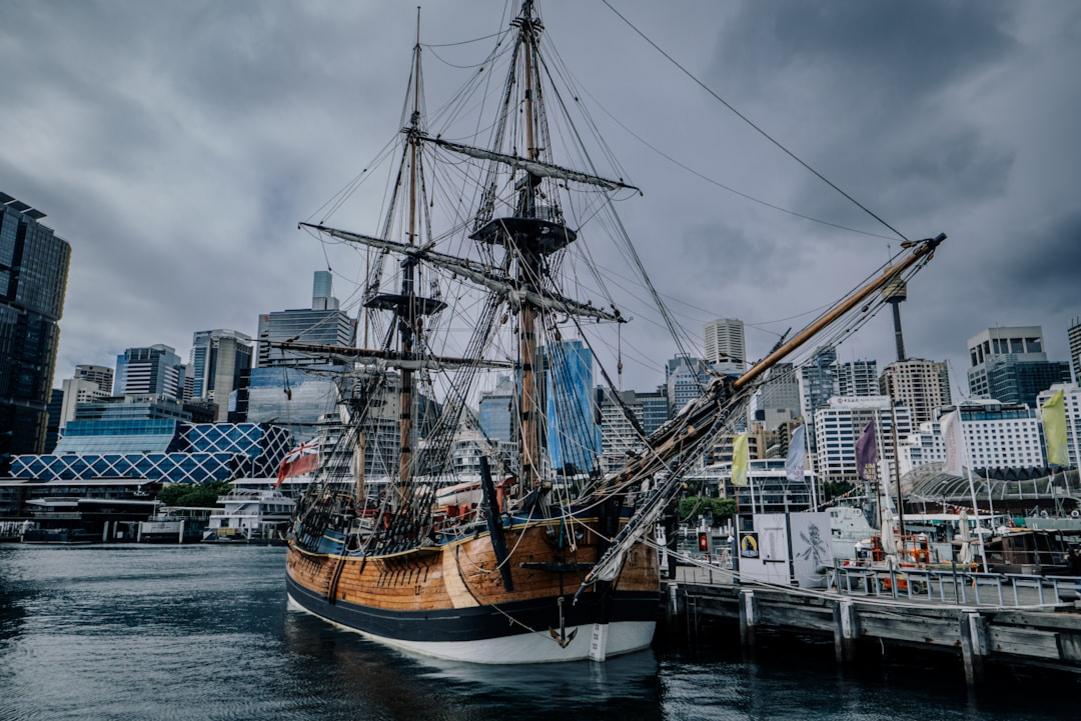
Cross to Dawes Point for the Sydney Harbour Bridge climb at sunset, booking the 5:00 PM slot to catch the golden hour on the cityscape. After descending, walk to a nearby bistro in the historic Millers Point neighborhood for dinner featuring modern Australian cuisine with a harbor view. Finish with a slow-paced walk back along the waterfront under the city lights.
Day 2
Morning
Rise early and take the ferry from Circular Quay to Manly Beach, boarding by 7:30 AM to enjoy the calm harbor waters and avoid the mid-morning rush. Once there, join a Bondi Beach surf lesson for beginners adapted to Manly’s gentler breaks, connecting directly with Sydney’s Pacific surf culture without the Bondi crowds. Grab a casual brunch at a café near the beach promenade specializing in avocado toast and strong coffee.
Afternoon
Return to Circular Quay and visit the Museum of Contemporary Art Australia, focusing on Indigenous and Pacific exhibitions. Walk to Barangaroo Reserve for a coastal stroll in the late afternoon, timing it to enjoy the natural light on the reclaimed waterfront park and the Indigenous cultural installations. Stop at a seafood stall in Barangaroo for a light snack of fresh oysters or prawns before heading back to the city center.
Evening
Spend the evening in the inner-west neighborhood of Newtown, known for its colorful street art and lively café scene. Choose a casual dinner spot serving fusion Asian dishes with a local twist, priced around $25-$30, 2026. End the night with a slow walk through the main streets, avoiding late-night crowds but soaking up the creative energy.

Day 3
Morning
Start your day at the Paddington Markets on Saturday morning, arriving by 9:00 AM to shop local crafts and fashion before the crowds swell. Pair this with a visit to the Susannah Place Museum in The Rocks afterward to contrast working-class colonial life with the contemporary market vibe. Take a mid-morning coffee break at a terrace café on Oxford Street, known for its quiet atmosphere and good espresso.
Afternoon
Spend the afternoon at the Sydney Jewish Museum near Darlinghurst, engaging with personal stories and exhibitions that highlight a lesser-known cultural layer of the city. Follow this with a visit to the State Library of New South Wales reading room on Macquarie Street for a quiet hour of reflection among heritage architecture and local history resources. This slower cultural rhythm allows recovery after two active days.
Evening
For your final evening, dine in the Haymarket district’s Chinatown, timing your meal to avoid the early dinner rush around 7:30 PM. Opt for an authentic Asian food walk or a small group guided tasting if available, sampling dishes like hand-pulled noodles or dumplings at modest prices (~$20-$30, 2026). Finish with a relaxed stroll back to your guesthouse through nearby Darling Square, where the city hums softly after dark.
If you have a fourth day
Add a deeper dive into the maritime heritage by visiting the historic Fort Denison via a short ferry from Circular Quay, combining colonial defense history with harbor views. Alternatively, join a guided Indigenous cultural tour in Barangaroo to learn directly from Gadigal guides about Sydney Harbour’s original custodians and landscape connections.
Best time to visit Sydney
Quick answer
Visit Sydney from April to June or October to early December for mild weather and fewer crowds, ideal for exploring heritage sites and neighborhoods.
| Months to go | April to June, October to early December |
|---|---|
| Months to avoid | January to March due to heat and high rain, July to September for cooler temperatures and occasional wet days. |
Sydney’s climate shifts from hot, humid summers to mild, dry falls and springs, perfect for cultural exploration. April to June offers comfortable highs around 64-70°F, ideal for walking the historic Rocks district or visiting museums without sweating through layers. October to early December warms up to 68-75°F, opening outdoor heritage walks and garden visits before summer crowds arrive. January through March brings highs near 79-82°F with increased rain, which can disrupt outdoor neighborhood strolls and market visits. Winter months, July to September, cool to highs around 61-64°F, sometimes dampening outdoor activities but still manageable for indoor cultural sites. This rhythm suits travelers focused on Sydney’s colonial history and urban culture rather than beach or surf seasons.
Average temperature (°F)
Monthly weather
Hot, humid, frequent showers
Warm with scattered rain
Warm, rain still common
Mild, drier, good for walking
Cooler, low rain days
Cool, crisp, ideal for museums
Cool, occasional wet days
Chilly, manageable rain
Mild, some rain
Warming, good for outdoor walks
Warm, mostly dry
Warm, some showers
Time it around
Vivid Sydney — May to June — a city-wide light, music, and ideas festival transforming landmarks and neighborhoods

How to get to Sydney
Nearest airport
Sydney Kingsford Smith Airport (SYD), about 8 miles / 13 km from Sydney city center
From the airport
Take the airport train from the domestic or international terminals directly to Central Station in about 15 minutes for around $18, 2026. This is the fastest and most reliable option. Alternatively, use a metered taxi or rideshare app for roughly $45-$60 depending on traffic, which can take 25-40 minutes. Booking the train ticket is easiest via the Opal card or mobile app at the station.
Other ways to arrive
- From Melbourne by domestic flight, about 1.5 hours, ~$80-$120, 2026
- From Brisbane by domestic flight, about 1.5 hours, ~$90-$130, 2026
- From Canberra by car or bus, roughly 3 hours, ~$40-$70, 2026
- From Newcastle by train, about 2.5 hours, ~$25-$40, 2026
Getting around Sydney
Sydney’s public transport network centers on trains, buses, and ferries, all accessible via the Opal card. For your profile, the train combined with ferries offers the best balance of speed and scenic routes. Walking between neighborhoods in the historic center works well for afternoons and evenings.
- Train – Use for fast travel between suburbs and the city center; fares around $3-$5 per trip with Opal card.
- Ferry – Take for harbor views and access to beaches like Manly; fares roughly $7-$10 per trip.
- Bus – Use for areas not served by train; fares similar to trains but slower in peak traffic.
- Light rail – Connects central neighborhoods like Darling Harbour; fares $3-$5 per trip.
- Walking – Ideal for The Rocks, Circular Quay, and the CBD; free and often faster than short transit rides.
- Rideshare or taxi – Use late at night or for direct airport transfers; fares vary widely, expect $20-$50 within city limits.
Avoid
Avoid peak-hour buses on George Street due to heavy congestion and delays.
Day trips from Sydney
Sydney’s location offers several distinct day trips that deepen understanding of the region’s heritage and natural beauty. These trips provide a break from the city’s urban rhythm with accessible cultural and coastal highlights.
Blue Mountains National Park
Explore dramatic sandstone cliffs, eucalyptus forests, and Aboriginal heritage sites.
Why: The Three Sisters rock formation and Scenic World rides offer immersive views and cultural context. Local guides explain the indigenous significance often missed by casual visitors.
Skip if: Not interested in nature or hiking.
Hunter Valley
Visit Australia’s oldest wine region for cellar doors and gourmet food.
Why: Beyond wine tasting, the region features historic towns with colonial architecture and artisan producers. A guided tour adds context to the wine’s connection to local history.
Skip if: Avoid if wine tasting is not appealing.
Kiama and the South Coast
See the Kiama Blowhole and coastal villages with colonial roots.
Why: This trip combines natural coastal phenomena with small-town heritage. Walking the Kiama Harbour and visiting local markets reveals the area’s maritime history.
Skip if: Limited time or prefer inland trips.
Royal National Park
Hike Australia’s oldest national park with Aboriginal rock engravings and coastal lookouts.
Why: Less crowded than Blue Mountains, it offers coastal walks and cultural sites close to Sydney. The Wattamolla Beach picnic area is a local favorite for a relaxed afternoon.
Skip if: Prefer urban or winery experiences.
Combine Sydney with
Extend your trip beyond Sydney by linking it with other Australian destinations that offer complementary cultural and natural experiences. These multi-night routes allow a deeper dive into the region’s heritage and lifestyle.
Sydney to Melbourne via Canberra Sydney, Canberra, Melbourne
This route connects Sydney’s harbor culture with Canberra’s political heritage and Melbourne’s arts scene, offering a layered view of Australia’s urban identities.
Sydney to Brisbane and Gold Coast Sydney, Gold Coast, Brisbane
Travel north to experience Sydney’s harbor alongside the Gold Coast’s surf culture and Brisbane’s evolving arts neighborhoods, balancing city life with beach vibes.
Sydney to Tasmania (Hobart and Launceston) Sydney, Hobart, Launceston
Fly to Tasmania for a contrast of Sydney’s urban heritage with Tasmania’s colonial history, indigenous culture, and wilderness, ideal for a multi-day cultural and nature mix.

Where to stay in Sydney
Sydney divides into distinct neighborhoods that suit different travel styles. The historic Rocks district puts you steps from the harbor and colonial architecture. Darlinghurst offers lively nightlife and a creative food scene near the city center. For beach access and surf culture, Bondi and Manly deliver active, outdoor vibes. Surry Hills attracts design-conscious travelers with boutique shops and cafes. Barangaroo combines waterfront modernity with cultural landmarks. Newtown provides a grittier, artsy alternative with vintage shops and street art. Each area offers a unique rhythm, from historic streets to coastal trails, shaping your daily itinerary.

Newtown
Budget stays in Sydney mostly consist of hostel dorms or shared rooms in guesthouses. These properties focus on central locations rather than luxury, often near the city center or Newtown. Expect basic amenities and communal kitchens, with social atmospheres ideal for solo travelers or groups. Privacy and quiet can be limited, but proximity to public transport balances that. Avoid beachside budget spots to save money and time on transport.
Insider tip: Choose hostels on King Street in Newtown for a balance of nightlife access and quieter backstreets, avoiding the main drag after 11 PM.
Surry Hills
Mid-range lodging centers on boutique hotels and serviced apartments offering more comfort and privacy. These properties often sit in Darlinghurst or Surry Hills, blending walkability to city sights with access to cafes and nightlife. Rooms typically include private bathrooms, small kitchenettes, and stylish interiors. You’ll get quieter streets and better local integration than downtown hotels, but still close enough for quick ferry or train rides. The vibe fits travelers who want cultural immersion without sacrificing convenience.
Insider tip: Request a room facing the quieter back streets of Surry Hills rather than the main thoroughfares to avoid late-night noise from bars and restaurants.
The Rocks
Splurge accommodations revolve around luxury hotels and high-end boutique properties in the Rocks and Barangaroo. Expect historic buildings converted to hotels with harbor views, or sleek modern towers with spa facilities and fine dining. These stays place you steps from Sydney’s iconic landmarks and the waterfront. Service levels rise sharply, with concierge, room service, and premium amenities. This tier suits travelers prioritizing comfort, location, and a refined urban atmosphere over budget.
Insider tip: Book rooms overlooking Sydney Harbour Bridge or the Opera House early, as these views command premium rates and sell out quickly in The Rocks.
Local institution: The Fullerton Hotel Sydney — a landmark luxury hotel blending heritage architecture with modern comfort in The Rocks.
Where not to stay
Avoid the area around Central Station after dark; it becomes a hub for late-night crowds and transient activity, which can feel unsafe for solo travelers.
Solo female travelers
Opt for hostels or guesthouses in Newtown with strong social atmospheres and well-lit streets, plus easy transit connections to central Sydney for evening returns.
Booking through these links supports Pack Lightly at no extra cost to you.
Neighborhoods in Sydney
Sydney’s neighborhoods form distinct zones shaped by geography and history, from the harbor’s edge to inland streets. The harbor and colonial grid anchor The Rocks, while coastal surf culture defines Bondi and Manly. Inner-city areas like Surry Hills and Newtown blend residential life with creative scenes, each with a clear identity tied to its streets and rhythms.
The Rocks
The Rocks centers on preserved sandstone colonial buildings and narrow cobblestone lanes that recall early Sydney. It mixes heritage tourism with an older local community, and weekday mornings feel quieter before the tourist flow peaks. The area balances commercial shops with museums and historic pubs, all overlooking Sydney Harbour.
Surry Hills
Surry Hills blends Victorian terraces and warehouse conversions with a creative, design-conscious population. It pulses with independent boutiques and galleries, attracting a mix of young professionals and artists. The area remains lively after dark, with a nightlife scene fueled by cocktail bars and late-night eateries.
Newtown
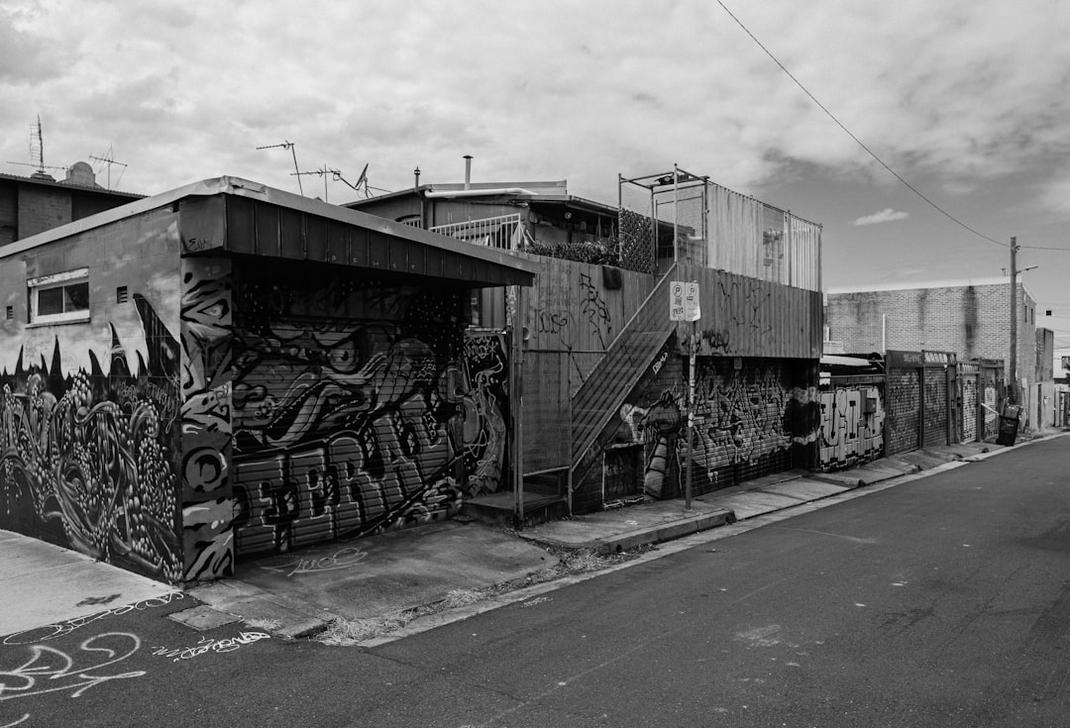
Newtown carries a gritty, artsy vibe with a mix of Victorian-era housing and street art-covered walls. It hosts a diverse community, including students, artists, and longtime locals. The area’s energy peaks in the evening with live music venues and alternative bars, though some streets quiet down after midnight.
Barangaroo
Barangaroo is Sydney’s modern waterfront district, featuring sleek glass towers, public parks, and cultural landmarks. It’s a business and leisure hub with a polished, contemporary feel, attracting office workers by day and visitors to its dining precincts by night. The area integrates open green spaces with urban development along the harbor.
Bondi
Bondi centers on its famous beach and surf culture, framed by 20th-century beachside apartments and casual commercial streets. It attracts a mix of young locals, tourists, and outdoor enthusiasts. The area’s rhythm follows the surf and sun, with a laid-back daytime atmosphere that shifts to casual dining and bars in the evening.
Manly
Manly combines a seaside village feel with mid-century residential streets and a busy ferry terminal. It balances tourist activity with a strong local community centered on surf culture and outdoor recreation. The town’s layout funnels visitors from the harbor into a compact commercial strip near the beach.
Where to eat and drink in Sydney

Sydney’s food scene centers on its harbor and coastal setting, with a strong focus on fresh seafood from nearby waters and vibrant multicultural influences. The city’s proximity to the Pacific Ocean shapes a distinct seafood tradition, especially in neighborhoods like The Rocks and Surry Hills. Sydney’s Lebanese and Mediterranean communities add depth to its culinary identity, while local producers emphasize native ingredients like finger lime and Warrigal greens. Markets such as the Sydney Fish Market showcase the city’s seafood heritage and connect you directly to the source.
Must-try dishes
Sydney Rock Oyster
A native oyster variety prized for its briny, slightly sweet flavor.
Harvested from the local coastal waters around Sydney’s harbor and Botany Bay, it represents Sydney’s Pacific seafood tradition and is a city-specific seasonal delicacy.
Insider tip: Order these raw at a waterfront spot in The Rocks for the freshest taste paired with sparkling local wine.
Lamb Kebab with Za’atar
Slow-roasted lamb spiced with za’atar, served in flatbread with pickled vegetables.
Reflects Sydney’s large Lebanese community and the city’s Mediterranean culinary influence centered in neighborhoods like Newtown and Surry Hills.
Insider tip: Skip touristy spots and hit Newtown’s late-night food stalls for the best lamb kebabs with a local twist.
Barramundi with Warrigal Greens
Grilled native barramundi fish served with sautéed Warrigal greens, a native Australian leafy vegetable.
Showcases native ingredients sourced from New South Wales and highlights Sydney’s modern dining focus on local produce and indigenous flavors.
Insider tip: Order this dish in Surry Hills for a refined taste of Sydney’s coastal and native culinary heritage.
Flat White Coffee
Espresso with finely textured milk foam, a coffee style developed in Australia and New Zealand.
Sydney’s thriving third-wave coffee scene, especially in Surry Hills and Newtown, has perfected this local favorite and elevated it to a cultural staple.
Insider tip: Grab a flat white from an independent cafe in Surry Hills to experience Sydney’s coffee culture beyond chains.
Sydney Fish Market Sashimi Platter
A selection of ultra-fresh, locally caught fish served raw, including kingfish, tuna, and squid.
The Sydney Fish Market is one of the largest working seafood markets in the Southern Hemisphere, anchoring Sydney’s seafood scene with unmatched freshness and variety.
Insider tip: Visit early morning for the best selection and pair sashimi with a cold local beer at the market’s casual spots.
Local drinks
- Craft Beer from Young HenrysTaprooms and bars in Newtown, where Young Henrys has its brewery and a strong local following.
Locally brewed craft beers with bold flavors from a well-known Sydney brewery. - Australian Sparkling WineUpscale waterfront restaurants in The Rocks and Barangaroo.
High-quality sparkling wine produced in the nearby New South Wales wine regions, favored in Sydney’s dining scene.
Where to eat – by neighborhood
The Rocks
Historic harborfront quarter with seafood restaurants, colonial pubs, and weekend food markets.
Insider tip: Order fresh oysters and seafood platters at lunchtime to avoid the evening tourist rush.
Surry Hills
Trendy district known for modern Australian bistros, specialty coffee shops, and native ingredient-focused menus.
Insider tip: Book ahead for dinner at popular spots and try dishes featuring local produce like Warrigal greens.
Newtown
Eclectic, artsy neighborhood with diverse street food, Middle Eastern eateries, and craft beer bars.
Insider tip: Head to late-night food stalls for authentic lamb kebabs and sample local craft beers on tap.
Barangaroo
Modern waterfront precinct with upscale dining, seafood restaurants, and vibrant bar scenes.
Insider tip: Opt for waterfront dining in the late afternoon to catch harbor views with your meal.
Restaurants worth knowing
Quay
Tetsuya’s
The Grounds of Alexandria
Local markets
| Sydney Fish Market | Monday to Saturday, 7:00 AM–4:00 PM – Fresh seafood, including oysters, sashimi, and live crustaceans. |
|---|---|
| Paddy’s Markets | Friday to Sunday, 10:00 AM–6:00 PM – Local fresh produce, street food stalls, and multicultural snacks. |
| Carriageworks Farmers Market | Saturday, 8:00 AM–1:00 PM – Organic fruits, vegetables, artisanal cheeses, and baked goods. |
Dietary note
Sydney offers a wide range of vegetarian and vegan options across neighborhoods like Surry Hills and Newtown, with many restaurants clearly labeling gluten-free dishes.
Daily budget for Sydney
Sydney ranks among the priciest Australian cities, with daily costs driven by high lodging and dining prices near the harbor and historic districts. Expect to pay a premium for central locations where heritage and local life intersect.
Shoestring
- lodging – dorm bed or budget guesthouse in The Rocks or Surry Hills
- food – casual market meals, food trucks, or takeaway from local bakeries
- transport – Opal card for buses and trains within central zones
- activities – self-guided walks, free museums, and low-cost site entry
- buffer – occasional coffee or small extras
Trade-offs: Sacrifice private rooms for dorms or shared guesthouses and rely on self-guided cultural walks to keep costs low.
Comfort
- lodging – private room in a boutique guesthouse in The Rocks or Surry Hills
- food – casual sit-down lunches and dinners at local family-run eateries
- transport – daily Opal card cap for convenient travel across ferry and train routes
- activities – guided tours at key heritage sites and museums
- buffer – occasional snacks or souvenirs
Trade-offs: Opt for guesthouses over hotels to stay in historic neighborhoods without sacrificing comfort or local atmosphere.
Splurge
- lodging – upscale boutique hotel or heritage property near Circular Quay
- food – dinners at acclaimed local restaurants with regional Australian menus
- transport – taxis or rideshares for evening returns and airport transfers
- activities – premium guided tours including Opera House backstage or Aboriginal cultural experiences
- buffer – wine tastings or gallery entries
Trade-offs: Paying for location and exclusivity means skipping budget options, but gains access to premium heritage and cultural experiences.
Money-saver tip
Use the Opal card’s daily cap and combine ferry rides with walking tours around The Rocks to cut transport and activity costs simultaneously.
Splurge that’s worth it
Book the Opera House backstage tour for a rare look inside Sydney’s iconic architecture paired with expert local storytelling.
Skip to save
Avoid overpriced harbor cruises marketed as sightseeing; instead, take public ferries for authentic views at a fraction of the cost.

Practical tips for Sydney
Money
Cash or card. Sydney favors card payments in most cafes, shops, and public transport, but small markets and some family-run food stalls in Newtown still prefer cash. Carry small bills for these spots and occasional tramkerker tips.
ATMs. ATMs are widely available in The Rocks, Surry Hills, and near major transit hubs, but foreign cards often incur fees around 2-3%. Using a card with no foreign transaction fees like Wise or Charles Schwab reduces costs.
Tipping. Tipping is not mandatory but appreciated for exceptional service, usually 10% in sit-down restaurants. For example, leave $5 on a $50 dinner bill if the waiter goes beyond basic service.
Safety
Sydney feels controlled and orderly, but street harassment can occur in nightlife-heavy areas after midnight. Solo travelers should stay alert around busy bars and late-night venues, especially on weekends.
Where to walk at night. The Rocks and Surry Hills are safe for evening walks with well-lit streets and active foot traffic. Avoid wandering late at night in parts of Newtown, especially around King Street past midnight, where street confrontations sometimes happen.
Common scams:
- Taxi drivers overcharging tourists by taking longer routes
- Fake charity collectors near major landmarks
- ATM skimming devices at standalone machines in less busy areas
Local warnings:
- Strong UV exposure year-round—use sunscreen even on cloudy days
- Rip currents at Bondi Beach require swimming between flagged areas
- Uneven cobblestone streets in The Rocks can trip inattentive walkers
Connectivity
Mobile data. Coverage is excellent across Sydney, including beaches and inner suburbs. Opt for a Telstra or Optus prepaid SIM with plans starting around $20 for 10GB, 2026 prices.
Wi-Fi. Most cafes and guesthouses in Surry Hills and The Rocks offer reliable Wi-Fi, but expect spotty connections in Newtown’s older buildings. Barangaroo’s newer developments have strong public Wi-Fi zones.
Late-night transit. Sydney’s trains stop around midnight; night buses cover some routes but run infrequently after 12:30 AM. After late nights, rideshare or taxis become essential, especially returning from Newtown or Bondi.
Language
Main language: English. English level: English is the default language in all tourist and local interactions. In neighborhoods like The Rocks and Barangaroo, expect clear, standard English; in Newtown, some locals use slang or informal speech but communication remains easy.
Cultural notes
- Avoid discussing politics or immigration in casual conversations, as these topics can be sensitive
- Respect Indigenous heritage sites around Sydney by not climbing or touching rock art
- Dress casually but neatly in restaurants and cultural venues; no need for formal wear
- Ask before photographing people in markets or private events, especially in Indigenous communities
Solo female travel
Solo female travelers find Sydney manageable with lively daytime street life and plenty of cafes. Nightlife can get intense in Newtown and Darlinghurst, so plan transport ahead. Hostels and guesthouses in Surry Hills and The Rocks offer social atmospheres without compromising safety.
- Neighborhood: Choose accommodation in The Rocks or Surry Hills for safer, well-lit streets and easier late-night returns.
- Transport: Book rideshares in advance after 11 PM from Newtown or Bondi, as public transit options dwindle and streets can be quiet.
Frequently asked questions about Sydney
1Is the Sydney Opera House guided tour worth it?
Yes, the guided tour offers detailed architectural and cultural context you won’t get on your own. It lasts about an hour and lets you access areas off-limits to casual visitors. Skip it only if pressed for time, but it enriches your understanding of this iconic landmark.
2Should I stay in The Rocks or Surry Hills for a cultural experience?
Choose The Rocks for colonial architecture and proximity to ferry terminals, ideal if you want historic streets and harbor views. Surry Hills suits those who prefer a lively neighborhood with cafes, galleries, and boutique shops. Both offer authentic local life but cater to different daily rhythms.
3Should I do the Susannah Place Museum visit or skip to the Sydney Opera House guided tour?
Skip the Susannah Place Museum if short on time; it’s niche and appeals mostly to history buffs focused on colonial working-class life. The Opera House tour delivers a broader cultural impact and iconic Sydney imagery, better for first-timers prioritizing major landmarks.
4What does a typical day cost in Sydney for food and transport?
Plan around $60 to $120 per day in 2026 for mid-range meals and public transport. Using an Opal card caps daily transport costs near $16, while meals at local markets or family kitchens keep food affordable without sacrificing quality.
5Can you surf at Bondi Beach as a beginner?
Yes, Bondi Beach has surf schools offering lessons for beginners with rental gear included. The beach’s consistent waves and lifeguard presence make it a solid choice to learn surfing safely, especially in the warmer months from November to March.
6Is the Museum of Contemporary Art Australia worth visiting on a weekday afternoon?
Yes, visiting on a weekday afternoon avoids weekend crowds and lets you explore contemporary Australian and Indigenous art at your own pace. Entry is free, making it a cost-effective way to deepen your cultural understanding beyond colonial history.
7Is Sydney safe for solo female travelers, especially in neighborhoods like Newtown and Surry Hills?
Yes, Sydney is safe for solo female travelers in Newtown and Surry Hills, with well-lit streets and active nightlife. Public transport runs late, but booking rideshares after dark adds extra convenience and control.
8Why is the Bondi to Coogee coastal walk recommended for an afternoon activity?
The walk offers uninterrupted ocean views and access to local cafes perfect for a late lunch or coffee break. Starting mid-afternoon means fewer crowds and golden light on the cliffs, making it a cultural stroll through Sydney’s surfside lifestyle.
9How reliable is public transport from Sydney Airport to the city center?
Public transport from Sydney Airport is reliable and affordable via train or bus, with trains taking about 15 minutes to Central Station. Using an Opal card reduces costs and avoids taxi surcharges, saving roughly $20-$25 compared to airport taxis.
10What local dishes should I try to understand Sydney’s food culture?
Try Sydney Rock Oysters fresh at the fish market, Barramundi with Warrigal Greens for local seafood flavors, and a Flat White coffee at a harbor-side café. These dishes showcase Sydney’s coastal harvest and café culture rooted in its harbor and surf lifestyle.