

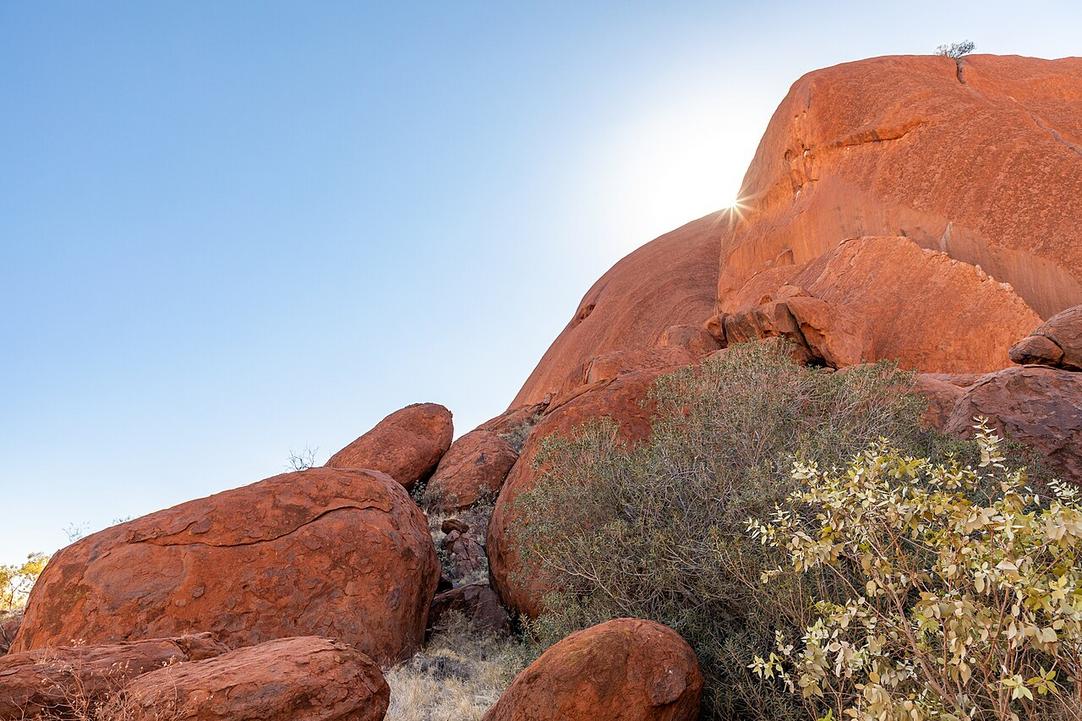
The dry rustle of spinifex grass blends with the warm desert air at the Mutitjulu Waterhole trailhead.
Uluru is a sandstone monolith rising from the red desert of Australia’s Northern Territory, sacred to the Anangu people. Visitors focus on the Uluru-Kata Tjuta National Park, which includes the rock itself, the nearby Kata Tjuta domes, and the cultural center at Yulara. The park sits roughly 230 miles / 370 km southwest of Alice Springs. Uluru offers deep cultural insight through guided walks and storytelling, but it lacks the urban amenities of larger Australian towns. The area’s quiet villages like Yulara serve mostly as visitor hubs rather than lively neighborhoods. The focus here is on heritage and ritual, not nightlife or modern city comforts. Plan your days to catch the desert dawn light on Uluru’s surface and book guided tours at the cultural center to understand Anangu traditions and law.
Start with the Mutitjulu Waterhole walk for Anangu stories, visit the Cultural Center for indigenous art and history, explore Kata Tjuta’s Walpa Gorge for geological context, join a guided Mala walk to learn sacred law, and attend the Field of Light installation after dark for a contemplative experience.
Key takeaways
- Book guided Mala or Mutitjulu walks at the Cultural Center in Yulara to access Anangu knowledge.
- Arrive at Uluru sunrise from Yulara for the best light and fewer crowds at the base walk.
- Stay in Yulara village for proximity to the park and cultural facilities, not nightlife.
- Reserve Field of Light tickets in advance; the installation runs year-round after sunset.
- Carry at least 2 liters of water per person on all hikes; desert heat spikes midday.
- Avoid climbing Uluru; it is closed permanently out of respect for Anangu wishes.
- Visit Kata Tjuta’s Walpa Gorge in the morning to avoid afternoon heat and catch clear views.
- Plan ~$60-$120/day for mid-range accommodation, meals, and park access fees, 2026.
Why visit Uluru
Uluru stands apart from the Great Barrier Reef, Sydney Harbor, and the Blue Mountains by centering the sacred Anangu red rock in a desert setting. Unlike the coastal bustle of Sydney or the tropical reefs off Queensland, Uluru offers a deep cultural connection through the Uluru-Kata Tjuta National Park. The Field of Light installation and Mutitjulu Waterhole provide distinct layers of indigenous heritage and natural history. The nearby Kata Tjuta domes add geological complexity beyond the monolith itself. This destination demands attention at dawn when the rock’s red hues shift, revealing its spiritual significance to the Anangu people.
- Explore the Anangu-guided Mala Walk to learn firsthand indigenous stories and law around Uluru.
- Experience the Field of Light art installation after sunset, a desert lightscape unlike anywhere else.
- Visit Mutitjulu Waterhole for a rare glimpse of desert flora and ancestral rock art panels.
- Skip climbing Uluru; the Anangu discourage it, emphasizing respect and cultural preservation.
- Stay in Yulara’s small-scale lodgings near the park, avoiding resort strip crowds common in other parks.
- Unlike Kakadu or Litchfield, Uluru’s desert environment reveals Aboriginal culture through rock art and oral tradition, not water-based ecosystems.
Best for
Solo travelers focused on indigenous culture and heritage will find Uluru rewarding. Those who prefer structured, respectful cultural tours and quiet evenings under desert skies will thrive here.
Skip if
If seeking nightlife or coastal activities, skip Uluru for Sydney or Cairns instead. Uluru’s remote desert focus isn’t for travelers wanting urban comforts or beach time.
Top things to do in Uluru
Uluru’s sacred red rock anchors a deep indigenous heritage that shapes every visit. The Anangu-guided Mala Walk reveals the rock’s spiritual stories at dawn when its colors shift. After dark, the Field of Light installation offers a striking contrast, blending desert tradition with modern artistry.
1. Anangu-guided Mala Walk ·
Join an Anangu guide to hear firsthand stories and laws tied to Uluru’s sacred rock formations.
The Mala Walk begins at the base of Uluru near the Mala car park, following a well-marked trail that passes significant rock art sites and sacred caves. An Anangu guide shares stories of creation, traditional laws, and the significance of specific formations along the walk. The guide explains how the Anangu people interact with the land, emphasizing respect for the rock’s spiritual power. The walk lasts about 1.5 hours, offering a slow pace to absorb the environment and listen closely to the storytelling. This experience happens within the Uluru-Kata Tjuta National Park, where only licensed guides lead to protect cultural integrity. Book on GetYourGuide.
This walk stands out because it is led by an Anangu guide, providing direct cultural context that self-guided tours or ranger talks cannot match.
- When: Start early morning between 7:00 AM and 9:00 AM to avoid heat and crowds, especially April to September when temperatures are milder.
- Cost: ~$55, 2026
- Duration: 1.5 hours
- How to reach: Walk or drive from the Uluru village area along the Lasseter Highway to the Mala car park at Uluru’s base; the trailhead is clearly signed.
Insider tip: If closed
Visit the Uluru Cultural Centre to learn about Anangu culture through exhibits and multimedia presentations.
2. Field of Light installation ·
Experience the desert’s night transformed by thousands of solar-powered lights spreading around Uluru.
Located near the base of Uluru, the Field of Light installation features over 50,000 solar-powered stems that bloom as darkness falls. The lights cover a large area along the desert floor, creating an otherworldly glow against the red sand and the silhouette of Uluru. Visitors arrive by shuttle from the nearby resort area, where guided tours explain the artist’s vision and the installation’s connection to the desert environment. The experience includes a sunset viewing before entering the light field, making the transition from daylight to illuminated night a key part of the visit. This outdoor art piece runs seasonally, with clear skies enhancing the visual impact.
Unlike other nighttime activities, this installation uniquely combines art, technology, and the desert landscape without disturbing the natural or cultural setting.
- When: Book for just after sunset, usually between 6:30 PM and 8:30 PM depending on season, from March through November for the clearest skies.
- Cost: ~$65, 2026
- Duration: 2 hours
- How to reach: Take the dedicated shuttle from the Ayers Rock Resort area; the shuttle departs from the main visitor center road near Yulara village.
Insider tip: If closed
Attend a sunset viewing at the designated Uluru sunset viewing area to watch the rock’s colors change as night falls.
Solo female travel: Shuttles run until about 10:00 PM; book your return transport in advance to avoid walking in the dark.
3. Mutitjulu Waterhole visit ·
Explore the rare desert oasis with ancestral rock art and native flora beside Uluru’s base.
Mutitjulu Waterhole lies at Uluru’s eastern base, accessible via a short walk from the Mala car park. The waterhole is a vital source of life in the arid environment and features rock art panels that reflect ancestral stories tied to the site. Along the shaded path, native plants adapted to desert conditions grow, and interpretive signs explain their cultural and ecological roles. The walk offers a quiet moment to observe the environment that sustains local wildlife and connects Anangu traditions to the land. Water levels vary seasonally, so the presence of water can range from a full pool to a dry basin.
This visit offers a closer look at Uluru’s living environment and ancestral art, unlike the broader cultural centers or summit views.
- When: Morning hours between 7:00 AM and 10:00 AM are best to avoid heat and crowds; avoid midday when direct sun reduces comfort.
- Cost: Free
- Duration: 45 minutes
- How to reach: Walk from the Uluru base parking area near the Mala car park along the well-marked trail; the path is flat and suitable for most fitness levels.
Insider tip: If closed
Walk the Kuniya Walk trail to the Kantju Gorge for another waterhole and rock art experience.
4. Uluru Cultural Centre ·
Delve into Anangu culture, art, and history through exhibits and storytelling at this official park center.
The Uluru Cultural Centre sits within the national park, a short drive from the village center, offering detailed exhibits on Anangu history, language, and customs. Inside, visitors find local artworks, multimedia presentations, and educational displays explaining the significance of Uluru and Kata Tjuta. Staff and Anangu cultural advisors are available to answer questions and share stories that would be missed on a purely outdoor visit. The center also offers workshops and opportunities to purchase art directly supporting Anangu artists. The building’s architecture respects the landscape, blending with the desert environment without dominating it.
This center provides the most comprehensive cultural context for Uluru beyond guided walks, with access to original artworks and Anangu voices.
- When: Visit during park opening hours, ideally mid-morning or mid-afternoon to avoid the busiest times at the base trails.
- Cost: Free
- Duration: 1-2 hours
- How to reach: Drive or take a shuttle from Yulara village along the Lasseter Highway; the center is clearly signposted within the park entrance area.
Insider tip: If closed
Explore the nearby Maruku Arts gallery in Yulara for contemporary Anangu art and cultural products.
5. Sunrise viewing at Uluru ·
Watch the rock’s colors evolve with the desert dawn, a daily ceremony of light and shadow.
The sunrise viewing area lies a short drive from the village along the Lasseter Highway, offering unobstructed views of Uluru as the sun rises behind it. Visitors gather early to see the rock’s sandstone surfaces change from deep purples to brilliant reds and oranges as sunlight hits the monolith. The quiet desert air and gradual light shift create a contemplative atmosphere, often accompanied by the sound of desert birds waking. This viewing spot is designed for easy access, with benches and interpretive signs explaining the rock’s geology and significance. The experience lasts about 30 minutes but requires arriving well before dawn.
Sunrise reveals color changes and desert light not visible during the day or at sunset, offering a distinct perspective on Uluru’s presence.
- When: Arrive 30-45 minutes before official sunrise year-round; the best months for clear skies are May through September.
- Cost: Free
- Duration: 30-45 minutes
- How to reach: Drive or take a shuttle from Yulara village along the main park road to the marked sunrise viewing car park; parking fills quickly on peak days.
Insider tip: If closed
Attend the sunset viewing area on the rock’s western side for a similar but later-day color display.
Solo female travel: Early morning shuttle services operate from Yulara; confirm last return times to avoid walking alone in the dark.
6. Kuniya Walk to the Mutitjulu Waterhole ·
Follow a short trail that reveals rock art and native plants along the base of Uluru.
This easy trail skirts the base of Uluru, leading directly to the Mutitjulu Waterhole, a site sacred to the Anangu people. Along the way, interpretive signs explain native plants and the significance of rock art panels visible on the cliff faces. The walk offers a quiet chance to connect with the landscape’s living stories and ancient survival techniques. Expect sparse shade, so bring water and start early to avoid midday heat.
Choose this over the longer base walk for a focused glimpse at Anangu culture and natural history without the time commitment of a full circuit. It’s more intimate and less crowded than the main Uluru climb.
- When: Start early morning from 7:00 AM to 9:00 AM or late afternoon after 4:00 PM to avoid the heat, especially from May to September when temperatures are mildest.
- Cost: Free
- Duration: 1 hour
- How to reach: Walk from the Uluru-Kata Tjuta Cultural Centre along the Mala Walk path, following signs for the Kuniya Walk. The trailhead is accessible via the main road inside the park.
Insider tip: If closed
Explore the Mala Walk trail for another short cultural walk with rock art and Anangu stories.
7. Visit the Maruku Arts dot painting workshop ·
Learn traditional dot painting techniques from Anangu artists in a hands-on cultural session.
At the Maruku Arts center near the Cultural Centre, attend a workshop led by Anangu artists who explain the meaning behind dot painting symbols and techniques. You receive materials and guidance to create your own piece while hearing stories tied to the designs. This session bridges art with cultural knowledge, offering insight into Anangu worldview and law. Workshops typically last about 90 minutes and run daily with small groups. Book on GetYourGuide.
This workshop provides direct engagement with Anangu artists, unlike general art galleries or souvenir shops. It supports the community economically and deepens understanding beyond passive viewing.
- When: Book morning or early afternoon sessions between 9:00 AM and 3:00 PM, year-round except on major holidays.
- Cost: ~$40, 2026
- Duration: 1.5 hours
- How to reach: Walk or take a short shuttle from the Ayers Rock Resort area to the Cultural Centre, where Maruku Arts is located on the park’s entrance road.
Insider tip: If closed
Visit the Maruku Arts galleries to browse and purchase artworks directly without the workshop.
8. Walpa Gorge walk at Kata Tjuta ·
Explore the dramatic domes of Kata Tjuta and their cultural significance on a shaded gorge trail.
Walpa Gorge walk threads between towering sandstone domes, revealing natural formations shaped over millions of years. The trail offers shade and cooler temperatures compared to Uluru’s exposed base walks. Interpretive signage explains the Anangu creation stories linked to this landscape. The trail ends at a narrow gorge where native plants thrive in pockets of moisture. The walk reveals a different geological and cultural perspective than Uluru itself.
Walpa Gorge offers a cooler, less trafficked alternative to Uluru’s base walks, with a stronger focus on landscape geology and Anangu stories tied to Kata Tjuta’s formation.
- When: Visit early morning from 7:00 AM to 10:00 AM or late afternoon from 4:00 PM, especially from April through September when conditions are best.
- Cost: Free with park entry
- Duration: 1–1.5 hours
- How to reach: Drive or take a shuttle from Uluru township west along the Lasseter Highway for about 23 miles / 37 km to Kata Tjuta carpark, then walk the signed trail into the gorge.
Insider tip: If closed
Walk the Valley of the Winds trail at Kata Tjuta, which offers longer views and cultural insights if Walpa Gorge is inaccessible.
9. Evening indigenous storytelling at the Cultural Centre ·
Attend nightly sessions where Anangu elders share oral histories and traditions after sunset.
Each evening, the Cultural Centre hosts Anangu elders who recount stories tied to Uluru’s creation and its spiritual significance. These sessions provide context to the rock’s sacred status and explain ceremonial practices connected to the land. The setting is informal, often outdoors near the main building, allowing questions and interaction. This storytelling grounds your visit in local knowledge, connecting you to the Anangu worldview directly after daylight fades.
This event offers cultural depth unavailable at daytime activities. It replaces passive museum visits with live, oral transmission of heritage from the custodians themselves.
- When: Attend at sunset, roughly 6:30 PM to 7:30 PM year-round, but confirm times locally as they vary seasonally.
- Cost: Free
- Duration: 1 hour
- How to reach: Walk from any accommodation within the Ayers Rock Resort area to the Uluru-Kata Tjuta Cultural Centre, located just inside the park entrance on the main road.
Insider tip: If closed
Explore the Cultural Centre’s permanent exhibits on Anangu culture and history indoors.
Solo female travel: The Cultural Centre is well-lit and staffed during evening sessions, making solo attendance comfortable and accessible.
10. Visit the Mutitjulu Aboriginal community art galleries ·
Browse artworks by local Anangu artists, supporting community culture and economy directly.
Mutitjulu community galleries showcase paintings, crafts, and textiles created by local Anangu artists living near Uluru. These galleries operate on a small scale and are often run by community members who explain the stories behind each piece. Proceeds go directly to supporting cultural preservation and livelihoods. Visiting these galleries offers a chance to acquire meaningful art and learn about ongoing cultural practices beyond the national park’s commercial outlets.
Supporting Mutitjulu galleries invests directly in the local community, unlike larger tourist shops. The art carries contemporary cultural relevance rather than just souvenirs.
- When: Open weekdays from 9:00 AM to 4:00 PM, best visited in the cooler months from April to October when walking distances are more comfortable.
- Cost: Free entry; purchases vary
- Duration: 30 minutes to 1 hour
- How to reach: Reach Mutitjulu village by driving south from Uluru along the Lasseter Highway for about 2 miles / 3 km, or arrange a taxi from the resort area.
Insider tip: If closed
Visit the Cultural Centre galleries for Anangu art if Mutitjulu galleries are closed.
11. Explore Yulara village’s indigenous craft markets ·
Shop handmade crafts and artworks from Anangu artists in this small desert village marketplace.
The indigenous craft markets in Yulara offer direct access to handmade artworks and crafts by Anangu artists. You’ll find woven baskets, paintings, and carved objects that reflect the desert’s cultural landscape. This market functions as a community hub where artists sell their work without middlemen, ensuring authenticity and fair compensation. Browsing here provides insight into artistic traditions connected to Uluru’s sacred environment.
Choose this market if you want to support local artists directly and explore cultural craftsmanship beyond the usual souvenir shops.
- When: Visit in the morning or early afternoon, when most vendors are present, especially between April and October when tourism peaks.
- Cost: ~$20-$150, 2026
- Duration: 1-2 hours
- How to reach: Walk or take a short shuttle from Yulara’s main accommodation area; the craft market sits near the village center.
Insider tip: If closed
Browse the cultural galleries inside the Uluru Cultural Centre for Anangu art and stories.
12. Guided walk around the base of Uluru ·
Take a slower, unhurried walk with a guide explaining the rock’s features and cultural sites.
This guided walk unfolds the stories carved into Uluru’s base, highlighting sacred sites, ancient rock art, and natural formations. The guide shares Anangu perspectives and explains the significance of specific locations, offering context missed on solo walks. The pace stays relaxed, letting you absorb the cultural landscape without the rush. It’s a deeper dive into the connection between the land and its traditional custodians. Book on GetYourGuide.
Ideal if you want cultural depth and storytelling over physical challenge, focusing on heritage rather than speed or distance.
- When: Book morning tours starting around sunrise or late afternoon to avoid midday heat and catch soft desert light.
- Cost: ~$60-$80, 2026
- Duration: 3-4 hours
- How to reach: Depart from Yulara village by shuttle or taxi; the walk begins at the designated Uluru base car park near the Cultural Centre.
Insider tip: If closed
Use the self-guided audio app from the Cultural Centre to explore the base with curated cultural commentary.
13. Visit the Field of Light artist’s studio in Yulara ·
Discover insights into Bruce Munro’s creative process behind the Field of Light installation.
Visiting the artist’s studio near Yulara reveals the inspiration and techniques behind the Field of Light, the solar-powered light installation surrounding Uluru. You see sketches, prototypes, and materials that shaped the luminous display. This visit offers a behind-the-scenes glimpse into blending contemporary art with desert spirituality. It’s a quiet space connecting creative practice with the environment’s stillness.
Pick this for a cultural layer that connects modern artistic interpretation with Uluru’s spiritual landscape.
- When: Afternoon visits before sunset work best, aligning with the installation’s evening activation hours during cooler months.
- Cost: ~$25-$40, 2026
- Duration: 1-1.5 hours
- How to reach: Reach the studio by taxi or shuttle from Yulara village; it’s located a short drive from the main accommodation zone.
Insider tip: If closed
Attend the Field of Light installation itself after dark for the full immersive experience.
14. Attend a didgeridoo performance in Yulara ·
Hear traditional music live, connecting with indigenous soundscapes after dark in the village.
Didgeridoo performances in Yulara happen in intimate settings where musicians play live, weaving ancient rhythms that echo the desert’s spirit. The performances often include storytelling and explanations of the instrument’s cultural role. Listening after dark adds an atmospheric layer, connecting you with Anangu traditions through sound. It’s a rare chance to experience living indigenous music beyond recorded tracks. Book on GetYourGuide.
This suits travelers seeking indigenous cultural expression through music tied directly to the Uluru region’s heritage.
- When: Evening shows usually start around 7:00 PM, running more frequently in the cooler months from May through September.
- Cost: ~$30-$50, 2026
- Duration: 1-1.5 hours
- How to reach: Walk or take a short shuttle from Yulara’s central area to the venue hosting the performance, often a cultural center or lodge space.
Insider tip: If closed
Visit the Uluru Cultural Centre’s multimedia exhibits featuring traditional music and dance recordings.
72 hours in Uluru
This three-day plan guides you through Uluru’s cultural and natural heritage with a focus on Anangu traditions and desert landscapes. It suits travelers who prefer deep cultural context and paced exploration over rushed sightseeing.
Day 1
Morning
Start just before dawn at the designated Sunrise viewing at Uluru to catch the desert light shift on the rock’s surface. Arrive early to claim a front-row spot near the eastern viewing platform, where the sun’s first rays ignite the red sandstone. Follow this with the Anangu-guided Mala Walk, which opens mid-morning and offers direct cultural storytelling when the air is cooler and quieter.
Afternoon
Head to the Uluru Cultural Centre around lunch to explore exhibits and pick up an Anangu dot painting workshop at Maruku Arts. Eat at the café inside the center, choosing from simple, locally inspired dishes like roasted desert vegetables and bush spices, priced around $15-$20, 2026. The afternoon is best spent at the Mutitjulu Waterhole visit, a shaded spot with ancestral rock art that’s cooler and less crowded after midday heat peaks.
Evening
Return to the base area for the Field of Light installation at dusk. Book tickets in advance for the early evening slot to avoid the late-night crowds. End the night with dinner at a casual grill-style restaurant in Yulara village, ordering grilled barramundi or kangaroo steak to sample regional flavors. The atmosphere is relaxed, with low lighting and indigenous art decorating the walls.
Day 2
Morning
Wake early for the Kuniya Walk to Mutitjulu Waterhole, starting just after sunrise to avoid heat on the trail. This short walk reveals rock art and native plants along Uluru’s base with fewer visitors before 9 AM. Grab coffee and a quick bite at the Yulara village bakery afterward, where locals pick up flat whites and savory pastries around 7:30 AM.
Afternoon
Make the 30-minute drive to Kata Tjuta for the Walpa Gorge walk. The shaded gorge trail offers a physically moderate challenge through dramatic domes, with cooler temperatures in the afternoon’s shadow. Pack a picnic lunch from Yulara’s fresh produce market to enjoy at one of the picnic shelters near the trailhead, saving time and money on-site dining.
Evening
Attend the Evening indigenous storytelling at the Cultural Centre in Uluru’s park after sunset. The session starts around 7 PM, featuring Anangu elders sharing oral histories by firelight. Afterward, walk to a nearby casual eatery in Yulara specializing in bush tucker-inspired small plates and sip a native pepperberry cocktail to wind down in a low-key setting.
Day 3
Morning
Begin with a visit to Yulara village’s indigenous craft markets as they open mid-morning around 9:30 AM. Browse handmade artworks and crafts directly from Anangu artists, a quieter time before tourist groups arrive. Follow with a slow, guided walk around the base of Uluru, booked for late morning when the sun brightens the rock’s features but the temperature remains manageable.
Afternoon
Explore the Field of Light artist’s studio in Yulara early afternoon to understand the creative process behind the installation. This visit offers a quieter contrast to the evening light show and deepens appreciation for the artwork. For lunch, choose a café in Yulara offering fresh salads with native ingredients, keeping the meal light for the afternoon.
Evening
Cap the trip with a didgeridoo performance in Yulara village starting around 7 PM. The live music creates an intimate connection to indigenous soundscapes in a small venue setting. Dine nearby at a restaurant featuring slow-cooked desert lamb and local vegetables, savoring a final meal that highlights regional ingredients with a relaxed pace.
If you have a fourth day
Spend a fourth day hiking a longer trail around Uluru’s southern side, focusing on less-visited rock formations and sacred sites with a private guide. Alternatively, dive deeper into Anangu cultural practices with a full-day workshop on traditional bush medicine and storytelling not covered in the main itinerary.
Best time to visit Uluru
Quick answer
Visit Uluru from April to June or October to early December for mild temperatures and clear skies ideal for cultural walks and Anangu heritage tours.
| Months to go | April to June, October to early December |
|---|---|
| Months to avoid | July to September due to cold nights and potential trail closures; December to February for extreme heat and summer storms. |
Uluru’s desert climate swings between hot summers and cool winters, shaping how you experience the sacred site and its cultural activities. From April to June, daytime highs hover around 77°F to 85°F, perfect for walking the base trail and visiting the cultural center without overheating. October to early December warms up to the mid-80s and low 90s but remains manageable before the intense summer heat arrives. July through September brings cold nights often dropping near freezing, which can limit early morning outdoor rituals and some guided walks. The summer months from December to February reach highs above 95°F with occasional storms, making daytime outdoor activities uncomfortable and sometimes forcing closures of certain trails. This seasonal rhythm affects when you can fully engage with Anangu storytelling, rock art viewing, and village life around the park.
Average temperature (°F)
Monthly weather
Hot with summer storms
Hot, occasional rain
Warming, less rain
Mild, dry, ideal
Cool, very dry
Cool, crisp mornings
Cold nights, clear days
Cold nights, sunny days
Warming, dry
Warm, mostly dry
Hot, occasional showers
Hot, summer storms
How to get to Uluru
Nearest airport
Ayers Rock Airport (AYQ), 6 miles / 10 km from Uluru
From the airport
Take the public airport shuttle or a metered taxi from Ayers Rock Airport to Uluru’s Yulara resort area. The shuttle costs around ~$15-$20, 2026, and runs multiple departures daily, bookable at the terminal. Renting a car at the airport offers flexibility for exploring the park and surrounding areas.
Other ways to arrive
- From Alice Springs by rental car, 175 miles / 280 km, about 4.5 hours, ~$100-$130 for car rental plus fuel, no direct public transport.
- From Alice Springs by regional coach bus, 5-6 hours, ~$50-$70, limited schedules, book in advance.
- From Darwin by domestic flight to Ayers Rock Airport, 2.5 hours flight plus airport transfer, ~$150-$250 one way, 2026 prices.
- From Coober Pedy by rental car, 250 miles / 400 km, roughly 5 hours, ~$120-$150 for car rental plus fuel.
Getting around Uluru
Most visitors rely on rental cars to move between Uluru, Kata Tjuta, and Yulara village. Walking suits short distances within the resort area, but a car is essential for accessing park entrances and remote walks.
- Rental car – best for full control over timing and access to all park sites, ~$70-$90 per day, 2026.
- Bicycle – use on designated paths around Yulara and some park areas, ideal for short trips, rental ~$20 per day.
- Shuttle bus – limited routes between Yulara and key park points, useful if avoiding driving, ~$15 per trip.
- Walking – practical within Yulara village and short cultural center visits, free.
- Taxi – available but expensive and scarce, ~$30-$50 for short trips within Yulara.
Avoid
Avoid relying on taxis for park access; they are costly and infrequent. Public transport options outside shuttles are minimal.
Day trips from Uluru
Exploring beyond Uluru reveals more of the Red Centre’s cultural and geological diversity. These day trips offer insight into Aboriginal heritage and remote desert landscapes accessible within a few hours’ drive.
Kings Canyon
Hiking the rim walk and exploring ancient sandstone formations.
Why: The canyon’s dramatic cliffs and waterholes contrast Uluru’s monolith, with a strong Aboriginal cultural presence in the area. The drive rewards with desert scenery and stops at remote roadhouses.
Skip if: Not suited if you prefer minimal driving or have limited time; the round trip demands a full day.
Curtin Springs Station
Visiting a working cattle station with Aboriginal art displays and local stories.
Why: Curtin Springs offers a grounded look at life in the outback, including indigenous perspectives rarely found in tourist spots. The station’s small gallery and guided tours add cultural depth beyond Uluru itself.
Skip if: Skip if focused solely on natural landmarks; this is a cultural and rural experience.
Mount Conner Lookout
Viewing a flat-topped mesa often mistaken for Uluru from the highway.
Why: Mount Conner’s stark profile and surrounding salt flats offer a different geological story. It’s a quick stop with photographic appeal and a chance to understand the region’s varied landforms.
Skip if: Skip if pressed for time or uninterested in geological contrasts.
Combine Uluru with
Extend your Red Centre journey by combining Uluru with other iconic destinations in Australia’s Northern Territory. These multi-night routes deepen your understanding of Aboriginal culture and desert landscapes.
Uluru to Alice Springs Uluru – Kings Canyon – West MacDonnell Ranges – Alice Springs
Traveling from Uluru to Alice Springs via Kings Canyon and the West MacDonnell Ranges offers a layered experience of Indigenous culture, geology, and desert ecosystems. Each stop provides distinct walks, cultural sites, and small community encounters.
Uluru to Katherine and Nitmiluk National Park Uluru – Alice Springs – Katherine – Nitmiluk National Park
This route moves from the desert heart to the tropical Top End, combining Uluru’s sacred rock with Katherine’s river gorges and Aboriginal rock art. It suits travelers seeking cultural variety and contrasting landscapes over several days.
Uluru to Darwin via Tennant Creek Uluru – Tennant Creek – Katherine – Darwin
Heading north from Uluru toward Darwin includes stops at Tennant Creek’s mining history and Katherine’s natural parks. This route balances outback culture with the Top End’s tropical environment for a comprehensive Northern Territory itinerary.
Where to stay in Uluru
Uluru’s lodging clusters around a few key zones that reflect its unique cultural and natural setting. The Ayers Rock Resort area is the main base, offering proximity to the park entrance and visitor center. Nearby Yulara Village provides walkable access to shops and dining, ideal for mid-range travelers. The outlying Curtin Springs Station zone suits those wanting a quieter, rural vibe near cattle station culture. The Mutitjulu community area near the base of the rock holds cultural significance but limited lodging options. For a more immersive experience, some travelers opt for small guesthouses along Lasseter Highway. The remote and sacred nature of Uluru limits urban-style neighborhoods, but these zones split accommodation by convenience, cultural context, and access to trails.
Yulara Village
Budget options near Yulara Village focus on hostel dorms and simple cabins. These properties provide basic comfort and easy access to the resort’s amenities but lack the privacy and design touches of pricier hotels. Expect communal kitchens and shared bathrooms, with a strong backpacker vibe. This tier suits solo travelers and those prioritizing park access over luxury.
Insider tip: Request a dorm room on the west side of Yulara Village to avoid afternoon heat and get quieter evenings away from the main road traffic.
Ayers Rock Resort
Mid-range lodging clusters in Ayers Rock Resort, offering family-run guesthouses and boutique-style motels. These properties balance comfort with cultural respect, often incorporating Indigenous art and local materials. Expect private rooms with air conditioning and easy shuttle access to Uluru-Kata Tjuta National Park. They lack the exclusivity of luxury hotels but provide more character and quiet than the budget tier.
Insider tip: Book early for rooms facing the desert sunset; these offer a direct view of Uluru’s glow at dusk, a detail many guides overlook.
Ayers Rock Resort
Luxury stays focus on the exclusive Ayers Rock Resort hotels with design hotels and high-end lodges that emphasize Indigenous culture and desert aesthetics. These properties offer spacious rooms, fine dining, and curated cultural tours. They put you steps from the park entrance with premium amenities but come at a steep price premium. This tier suits travelers wanting comfort without sacrificing connection to the sacred landscape.
Insider tip: Request a room on the northern side of the resort to catch the first morning light on Uluru before the crowds arrive at the park.
Local institution: Sails in the Desert — the landmark luxury hotel combining desert-modern design with Indigenous art and premium services since the 1980s.
Where not to stay
Avoid lodging along Lasseter Highway east of Yulara; noise from passing tour buses and trucks peaks from mid-afternoon through evening.
Solo female travelers
Choose dorms or private cabins in Yulara Village with 24-hour reception and secure keycard access; this area stays well-lit and active into the evening, easing night returns.
Booking through these links supports Pack Lightly at no extra cost to you.
Where to eat and drink in Uluru
Uluru’s food scene centers on ingredients and traditions linked to the Anangu people and the surrounding desert environment. Native bush foods like quandong fruit and witchetty grubs influence local menus, offering flavors distinct from typical Australian fare. Yulara Village serves as the main dining hub, blending Indigenous-inspired dishes with contemporary Australian cooking. The close connection to Uluru-Kata Tjuta National Park shapes food offerings around seasonal and cultural respect. Expect meals that reflect desert ecology and Indigenous stewardship rather than standard tourist fare.
Must-try dishes
Bush Tomato Chutney
A tangy condiment made from native desert bush tomatoes.
This chutney highlights a regional ingredient harvested sustainably by Anangu communities, linking food to local ecology and culture.
Insider tip: This chutney adds an earthy, sun-dried fruit punch that locals prize but tourists often overlook.
Kangaroo Tail Stew
A slow-cooked stew using kangaroo tail, rich in flavor and tender texture.
Kangaroo tail is a traditional Anangu ingredient rarely found outside the region, prepared in ways passed down through generations.
Insider tip: The stew delivers a deep connection to Anangu culinary heritage, far from typical Aussie kangaroo steaks.
Quandong Pavlova
A twist on the classic Australian dessert featuring native quandong fruit instead of standard berries.
Quandong fruit grows wild around Uluru and is integrated into this dessert to showcase local flavors with a familiar form.
Insider tip: This dessert blends local fruit’s tartness with the airy sweetness of pavlova, a subtle but clever regional signature.
Witchetty Grub Tasting
A sample platter featuring witchetty grubs, an edible native insect high in protein.
Witchetty grubs are a traditional bush food central to Anangu diet and culture, rarely available outside desert communities.
Insider tip: This tasting is an entry into desert food culture, not a casual snack—definitely a cultural palate-expander.
Damper Bread with Native Seeds
Traditional Australian campfire bread baked with native seeds and bush herbs.
Locally sourced seeds and herbs from the desert make this damper unique to the Uluru region’s Indigenous cooking style.
Insider tip: The bread’s texture and flavors reflect desert plants, elevating a simple staple into a local culinary statement.
Local drinks
- Quandong GinAvailable at select bars and the resort’s main pubs in Yulara Village.
A craft gin infused with native quandong fruit, delivering a tart, fruity note. - Bush TeaServed in cultural centers and cafes around the Ayers Rock Resort area.
An herbal infusion brewed from native desert plants like lemon myrtle and wattleseed.
Where to eat – by neighborhood
Yulara Village
The main cluster for dining, mixing Indigenous-inspired dishes with contemporary Australian options in cafes and casual restaurants.
Insider tip: Order dishes featuring native bush ingredients at smaller family-run spots rather than resort hotel restaurants.
Ayers Rock Resort
Home to higher-end dining and Indigenous cultural restaurants focusing on traditional cooking methods and local produce.
Insider tip: Book a table for an Indigenous-led dinner experience to understand the cultural context behind the food.
Curtin Springs Station
A rural outpost offering hearty meals with a focus on cattle station cuisine and occasional native bush food specials.
Insider tip: Try the station’s home-cooked meals after a day exploring the outback, especially the kangaroo dishes.
Mutitjulu Community Area
Limited but culturally significant dining options, often centered on Indigenous community-run cafes showcasing traditional recipes.
Insider tip: Visit community cafes during cultural events for authentic Anangu food presentations.
Restaurants worth knowing
Talinguru Nyakunytjaku Dining
Wintjiri Arts Café
Outback Pioneer Kitchen
Local markets
| Yulara Craft and Produce Market | Fridays and Saturdays, 9:00 AM–2:00 PM – Fresh bush food products, native spices, and handmade Indigenous crafts. |
|---|---|
| Ayers Rock Resort Farmers Market | Sundays, 8:00 AM–12:00 PM – Local fruits, bush herbs, and specialty cured meats from the region. |
Dietary note
Vegetarian and vegan options exist but are limited due to the focus on native meats and bush foods; notify restaurants in advance for gluten-free needs.
Daily budget for Uluru
Uluru’s remote location and status as a sacred site push daily costs above typical Australian regional towns. Expect higher prices for lodging and activities due to limited options and park fees.
Shoestring
- lodging – basic dorm or camping near Yulara
- food – groceries or casual takeaway from the local store
- transport – shuttle bus or shared transfers within the resort area
- activities – self-guided walks and free cultural center entry
- buffer – small contingency for water or park entry fees
Trade-offs: Sacrificing private rooms and guided tours saves money but limits cultural context and comfort.
Comfort
- lodging – mid-range guesthouse in Yulara village
- food – meals at local cafes with some traditional dishes
- transport – private shuttle or rental bike for short trips
- activities – one guided cultural tour or Field of Light entry
- buffer – miscellaneous expenses like souvenirs or extra water
Trade-offs: Better lodging and guided context add value but increase daily spend noticeably.
Splurge
- lodging – upscale lodge or resort with desert views
- food – premium dining with native ingredients
- transport – private transfers and optional scenic flights
- activities – exclusive guided tours and cultural experiences
- buffer – tipping, extras, and incidentals
Trade-offs: Luxury accommodations and curated experiences elevate the trip but more than double the comfort tier cost.
Money-saver tip
Buy groceries and cook at the Yulara campground kitchen to avoid inflated cafe prices and extend your budget.
Splurge that’s worth it
Booking a guided sunrise tour around Uluru with an Anangu guide adds deep cultural insight that justifies the premium price.
Skip to save
Skip the overpriced airport taxi; use the official shuttle bus from Ayers Rock Airport to Yulara for about one-third the cost.
Practical tips for Uluru
Money
Cash or card. Most businesses in Uluru accept cards, especially around Ayers Rock Resort and Yulara Village. Some small food stalls in Mutitjulu Community Area still operate cash-only, so keep some on hand.
ATMs. ATMs are available mainly in Yulara Village and the resort area but charge foreign transaction fees around 3-5%. Using a card with no foreign transaction fees like Wise or Charles Schwab reduces extra costs.
Tipping. Tipping is not customary but appreciated for exceptional service. Leaving $2-$5 for a tour guide or restaurant server fits local expectations.
Safety
Uluru’s remote setting limits urban crime, but the desert environment demands respect for conditions. Travelers should plan for heat and limited emergency services rather than street crime.
Where to walk at night. Yulara Village and Ayers Rock Resort zones are safe for evening walks with good lighting and staff presence. Avoid wandering alone after dark in Mutitjulu Community Area due to limited lighting and cultural sensitivity. Curtin Springs Station is quiet but isolated, so plan transport carefully after sunset.
Common scams:
- Overpriced unofficial tours sold near the park entrance
- Taxi drivers charging flat fees well above metered rates
- Fake souvenir sellers outside official shops
Local warnings:
- Sun exposure is intense year-round; carry sunscreen and water
- Desert roads have limited lighting—avoid nighttime driving
- Respect cultural restrictions around Uluru base; climbing is prohibited
Connectivity
Mobile data. Telstra offers the best coverage around Uluru, including inside the national park, with prepaid SIMs starting around $30 for 5GB. Opt for Telstra over Optus or Vodafone for reliable signal.
Wi-Fi. Wi-Fi is limited to accommodations and the visitor center in Yulara Village. Cafes in the resort area sometimes offer Wi-Fi but expect slow speeds and interruptions.
Late-night transit. Public transit ends early; no night buses run after 8 PM. After dark, rely on resort shuttles or pre-booked taxis from Yulara Village and Ayers Rock Resort.
Language
Main language: English. English level: English is widely spoken in tourist and resort areas, including guides and staff. In Mutitjulu Community Area, some residents speak Pitjantjatjara, so patience helps when communicating outside tourist zones.
Cultural notes
- Do not climb Uluru; it is sacred to the Anangu people and officially prohibited.
- Ask permission before photographing Indigenous people or cultural sites.
- Dress modestly when visiting Mutitjulu Community Area and cultural centers.
- Avoid discussing sensitive topics like land rights or sacred rituals unless invited.
Solo female travel
Solo female travelers find Yulara Village and Ayers Rock Resort accommodating with secure lodging and friendly staff. Evening activities are limited; most social interaction happens in resort lounges or guided tours. Mutitjulu Community Area offers cultural depth but limited nightlife and requires respectful behavior.
- Neighborhood: Choose Yulara Village for safer evening walks and easier access to transport after dark.
- Transport: Pre-book taxis or resort shuttles for any travel after sunset; public transport stops early.
- Meeting people: Join guided cultural tours or workshops in the resort area to meet others in a structured setting.
Do
- Support Anangu-owned tours and cultural centers to contribute directly to the community.
- Follow all park guidelines to protect sacred sites and natural features.
- Learn about Anangu culture respectfully through official programs.
Don’t
- Do not climb Uluru or enter restricted areas around the rock.
- Avoid buying souvenirs from unlicensed sellers to prevent exploitation.
- Do not photograph sacred ceremonies or sites without explicit permission.
Frequently asked questions about Uluru
1Is the Anangu-guided Mala Walk worth it?
Yes, the Mala Walk offers direct access to Anangu stories and sacred law, making it the best way to understand Uluru’s cultural depth. Skip unguided walks here—they lack the context that transforms the site from a rock to living heritage.
2Yulara Village or Ayers Rock Resort — where should I stay?
Choose Yulara Village for proximity to the Cultural Center and a quieter, more authentic visitor hub. Ayers Rock Resort caters more to resort-style travelers with larger hotels, but it lacks the cultural focus that defines Yulara.
3Should I do the guided walk around the base of Uluru or attend the Field of Light installation?
Do the base walk first to ground yourself in Anangu traditions and the rock’s physical presence. Save the Field of Light for evening—it’s contemplative and highlights the desert’s vastness but lacks cultural narrative.
4What is the best time to visit Uluru for sunrise viewing?
Visit between May and September for cooler mornings and clear skies that enhance Uluru’s red hues at dawn. Arrive early—before 6:00 AM—to avoid crowds and catch the full desert light shift.
5How much does a day at Uluru typically cost?
Plan for roughly $60 to $120 per day in 2026, covering park entry, mid-range accommodation in Yulara, meals, and a guided walk. Booking Field of Light tickets or workshops adds around $40 to $70 per experience.
6Is it safe to hike the Kuniya Walk to the Mutitjulu Waterhole solo?
Yes, the Kuniya Walk is a short, well-marked trail close to the Cultural Center, suitable for solo travelers with basic desert preparation. Carry at least 2 liters of water and avoid midday heat for a comfortable visit.
7What local dishes should I try around Uluru?
Try Bush Tomato Chutney and Kangaroo Tail Stew for true regional flavors, plus Quandong Pavlova for dessert. These dishes connect directly to Anangu food traditions and desert ingredients.
8Can I climb Uluru or is it still allowed?
No, climbing Uluru is permanently closed out of respect for Anangu wishes. Focus on guided walks and cultural programs to engage with the rock’s significance instead.
9Are there reliable transport options from Alice Springs to Uluru?
Yes, several daily bus and shuttle services run between Alice Springs and Yulara, taking roughly 5 hours. Renting a car offers flexibility but is not required if sticking to the main visitor hubs.
10Is English widely spoken in Yulara and the Uluru-Kata Tjuta National Park area?
Yes, English is the primary language for visitors and staff at Yulara and the Cultural Center. Some Anangu guides also share stories in their native language, enriching the cultural context.
Estimate your daily budget
See realistic daily costs by tier and category.