

Live Uzbekistan exchange rates
Exchange rates for the Uzbek som (UZS) fluctuate regularly. Use the tool currency converter for live updates before exchanging or withdrawing money. This helps you track the best conversion timing and avoid overpaying on fees or poor rates.
Currency Basics: Uzbekistan

How Payment Works in Uzbekistan
cash-king
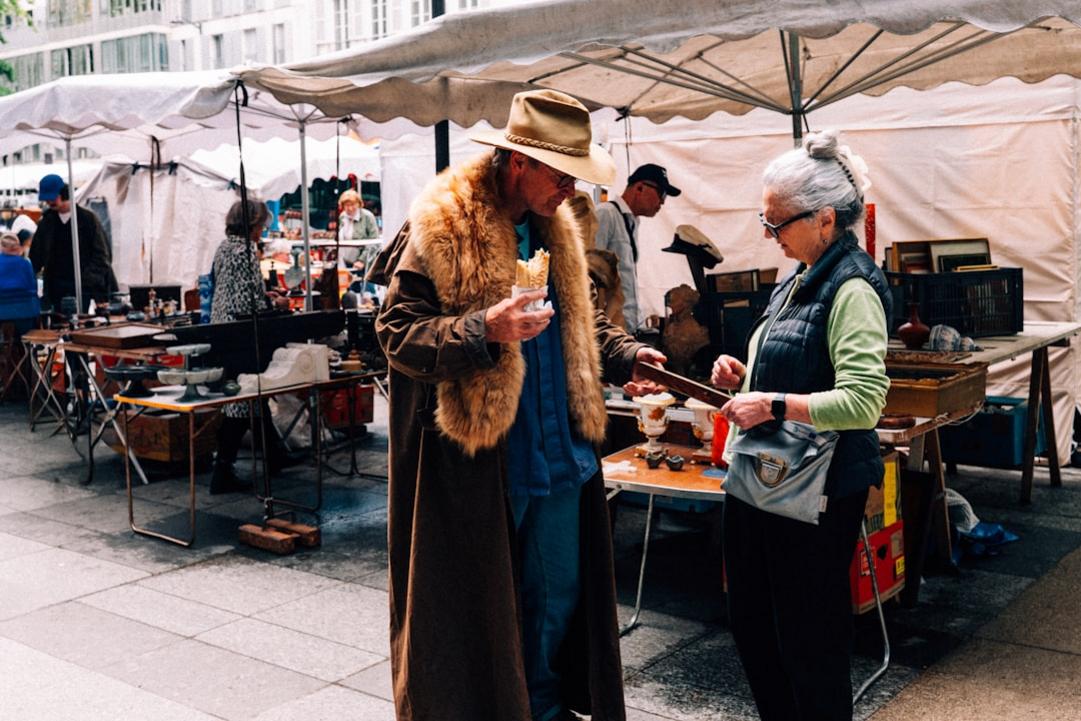
Uzbekistan remains a cash-first country for travelers. Outside major hotels and some restaurants, cash is the only accepted form of payment. Most rural areas and local markets have no card terminal infrastructure, so relying on cash is non-negotiable for daily expenses.
Foreign cards work selectively in large cities like Tashkent and Samarkand. Expect frequent declines or offline terminals in smaller towns. ATM availability is improving but often limited to bank branches, so plan withdrawals carefully.
Tourists should withdraw substantial sums at major banks early in their trip. Smaller shops, markets, and transport options almost never accept cards, so carry enough Uzbekistani som (UZS) for at least a few days of spending.
Where you need cash
| Situation | Why cash-only |
|---|---|
| rural guesthouses | No POS terminals or mobile data connectivity make card payments impossible. |
| local bazaars and street vendors | Sellers operate cash-only to avoid transaction fees and lack card acceptance infrastructure. |
| minibus and shared taxi routes | Drivers collect fares in cash; no digital payment options or terminals exist. |
| small cafes and roadside eateries | Informal businesses avoid card terminals due to cost and unreliable internet. |
| entry fees for some historical sites | Ticket offices often lack card readers and prefer cash to speed up transactions. |
Where cards work
| Situation | Caveat |
|---|---|
| major hotels in Tashkent and Samarkand | Some hotels add a 3-5% surcharge on foreign card payments. |
| upscale restaurants in large cities | Card terminals may require minimum spends around $10-$15. |
| ATMs at bank branches in urban centers | Withdrawal fees can be high, and some ATMs reject certain foreign cards. |
| larger supermarkets in Tashkent | Card readers occasionally malfunction or limit transactions to local cards. |
| tourist agencies and some guided tours | Card acceptance varies; confirm in advance and expect a small foreign transaction fee. |
Card network acceptance (Visa, Mastercard, Amex, UnionPay)
| Network | Coverage | Surcharge |
|---|---|---|
| Visa | Widely accepted in major cities at hotels, ATMs, and larger merchants. | 3-5% foreign transaction fee common; some ATMs charge fixed withdrawal fees. |
| Mastercard | Good acceptance in urban centers similar to Visa but slightly fewer ATMs support it. | 3-5% surcharge applies; occasional ATM rejections reported. |
| American Express | Very limited acceptance, mostly in high-end hotels and a few restaurants. | Surcharges can reach 5-7%; many merchants do not accept Amex at all. |
| UnionPay | Rarely accepted outside Chinese tourist hubs; minimal presence in Uzbekistan. | No widespread acceptance; cash remains necessary. |
Digital wallets
| Wallet | How tourists can use it |
|---|---|
| Wise Multi-currency Wallet | Activate online before arrival; use linked Wise card at supported ATMs and merchants accepting Mastercard. |
| Revolut | Set up account abroad; use Revolut card for ATM withdrawals and shops with Mastercard acceptance. |
Wallets that don’t work for tourists
| Wallet | Barrier |
|---|---|
| Click | Requires Uzbek national ID and local SIM registration, inaccessible for tourists. |
| Payme | Local bank account mandatory; app registration tied to Uzbek phone numbers. |
Wise vs Revolut in Uzbekistan
Wise and Revolut both offer solid options for Uzbekistan but differ in execution. Wise provides slightly better exchange rates and transparent ATM fees, though some Uzbek ATMs block prepaid cards occasionally. Revolut offers convenience and instant top-ups but often applies dynamic currency conversion, increasing costs. Neither card guarantees 100% acceptance; carry backup cash. For frequent cash withdrawals, Wise’s fee structure is more predictable and favored by travelers here.
ATMs & Currency Exchange
Best ATMs for foreign cards
| Bank / ATM | Why use it | Fee note |
|---|---|---|
| Kapital Bank | Widely available ATMs with reliable foreign card acceptance and low/no local withdrawal fees. | Typically charges no local ATM fees; foreign bank fees may apply. |
| Asaka Bank | Strong network coverage in Tashkent and major cities; accepts Visa and Mastercard without issues. | No local fees on withdrawals; exchange rates competitive compared to Uzbek-German Bank. |
| Ipoteka Bank | Good ATM availability in urban centers; stable connection for international cards. | Minimal local fees, better rates than Uzbek-German Bank ATMs. |

ATMs to avoid
| ATM type | Why to avoid |
|---|---|
| Uzbek-German Bank | Terrible exchange rates and high fees; avoid all Uzbek-German Bank ATMs in Tashkent. |
| Private Bank ATMs in bazaars | Often offer poor rates and higher fees; private exchangers in bazaars give +25% better rates but are risky and unregulated. |
Withdrawal strategy
Withdraw 100,000 Uzbek som (~$9) per transaction to avoid hitting ATM limits and reduce cumulative fees. Uzbek ATMs often limit withdrawals to around 300,000-500,000 som (~$27-$45) per transaction. Frequent withdrawals every 3-4 days balance cash availability with fee minimization. Avoid Uzbek-German Bank ATMs due to poor rates; use Kapital or Asaka Bank ATMs in major urban areas only.
Dynamic Currency Conversion — always decline
Dynamic Currency Conversion (DCC) appears on Uzbek ATMs as a prompt: “Withdraw in USD or Uzbek som (UZS)?” Always select Uzbek som (UZS) to avoid inflated conversion rates. For example, the screen will show “Choose currency: 1. USD 2. UZS.” Selecting USD triggers DCC with poor rates. No widespread app-based DCC schemes have been reported in Uzbekistan.
Skimming & card fraud
High-risk ATMs include those at Tashkent International Airport terminals, standalone machines near Chorsu Bazaar, and ATMs inside convenience stores or small bars. Check card slot for looseness or unusual attachments, shield keypad with your hand while entering PIN, and scan for hidden cameras above or around the ATM. Avoid using ATMs late at night or in poorly lit areas.
Currency exchange
| Where | Why it works |
|---|---|
| Bank counters at Kapital Bank branches | Offer official rates with transparent fees and reliable service. |
| Uzbekistan National Bank exchange offices | Government-backed exchange offices with competitive rates and no hidden fees. |
| Authorized currency exchange booths inside Tashkent International Airport | Regulated booths with fixed rates, safer than street exchangers. |
Exchange counters to avoid
| Where | Why to avoid |
|---|---|
| Hotel front desk currency exchange | Marked up rates and poor conversion; avoid exchanging here. |
| Private bazaar exchangers offering +25% better rates | Unregulated, high risk of counterfeit currency and scams. |
| Airport arrival hall unofficial kiosks | Extremely poor rates and aggressive upselling. |
How much cash to carry
Carry about $30 (330,000 UZS) in your day-wallet for city expenses like meals and transport. In rural areas, reduce to $15 (165,000 UZS) due to fewer cash-only vendors. For nightlife or dining out in Tashkent, carry an additional $20 (220,000 UZS). Keep a secure stash of $200 (2,200,000 UZS) separate from daily cash for emergencies or larger purchases.
Emergency backup
Use two cards: a primary Visa or Mastercard from a major bank and a backup card stored separately. Keep $100 (1,100,000 UZS) emergency cash hidden in your accommodation. If a card is blocked, contact your bank’s Uzbekistan support line or freeze cards instantly via Wise or Revolut apps. Before calling home, try local SIM-based banking apps or visit Kapital Bank branches for urgent assistance.
Scams, Safety & Cash Handling
Common money scams in Uzbekistan
Counterfeit Passing
How it works: Fake Uzbek som (UZS) bills or damaged foreign currency are passed in busy markets or by street vendors. These notes look worn or slightly altered but are rejected at banks or larger stores.
How to avoid: Only accept crisp, clean bills with clear watermarks and security threads. Exchange money at official banks or licensed exchange offices. Avoid street money changers.
Exchange Sleight of Hand
How it works: Money changers or vendors count your money quickly, swapping higher denominations for lower ones or shortchanging you during busy moments.
How to avoid: Count your money slowly and loudly in front of the exchanger. Use official exchange points with visible rates and receipts.
Taxi Meter Manipulation
How it works: Drivers claim meters are broken and quote inflated flat rates or take longer routes to increase fares.
How to avoid: Insist on meter use or agree on a fare before entering. Use ride-hailing apps where available or official taxi stands.
Wrong-Change Trick
How it works: Cashiers or vendors give incorrect change, often confusing tourists with similar-looking Uzbek som notes or coins.
How to avoid: Learn local denominations and count change carefully before leaving the counter. Avoid paying with large bills for small purchases.
Fake Police Money Inspection
How it works: Individuals posing as police officers stop tourists, claiming to check for counterfeit notes and demand cash fines or bribes on the spot.
How to avoid: Ask for official identification and refuse on-the-spot fines. Report suspicious encounters to real police or embassy.
Currency Confusion (Mixing Denominations)
How it works: Vendors or drivers confuse tourists by mixing old and new som notes or coins with similar colors and sizes, causing overpayment.
How to avoid: Familiarize yourself with current official currency series. Always check notes carefully before paying or receiving change.
Anti-theft carry method
Use a neck wallet under your shirt in Uzbekistan’s crowded bazaars and public transport. Pickpocketing targets tourists in tight spaces like Tashkent metro and Chorsu Market. Money belts are less practical due to heat and quick access needs. Avoid backpacks or open bags in busy areas; keep valuables close and concealed.
The three-wallet system
Carry a dummy wallet with small Uzbek som (UZS) notes under 10,000 and a few coins to appear genuine in street scams. The day wallet holds medium denominations (20,000–50,000 UZS) and cards, kept in a front pocket or zipped inner jacket pocket. Store large bills and passports in the hotel safe. Uzbek som notes are large and colorful; keep bills flat and crisp for easy handling.
Tipping in Uzbekistan
| Situation | Amount | Local norm |
|---|---|---|
| restaurant/sit-down dining | 2,000–5,000 UZS ($0.20–$0.50) | Tipping above 10% is unusual; rounding up or leaving small change is common. |
| taxi or private driver | 1,000–3,000 UZS ($0.10–$0.30) | Do not tip if the driver refuses to use the meter or overcharges. |
| hotel staff (porter/cleaner) | 1,000–3,000 UZS ($0.10–$0.30) | Avoid excessive tipping; a small thank-you is sufficient. |
| tour guide or day trip guide | 10,000–20,000 UZS ($1–$2) | Tipping is expected but avoid large sums that may cause dependence. |
| massage or spa | 5,000–10,000 UZS ($0.50–$1) | Tipping is appreciated but not mandatory; do not tip if service is poor. |
Cash handling quirks
Uzbek som (UZS) notes must be crisp and free of tears or heavy markings; many vendors refuse worn bills. Small denominations (1,000–5,000 UZS) are scarce outside major cities, so break larger bills at banks or official exchanges. Change is often unavailable in taxis or small shops, so carry exact amounts when possible.
Bargaining
Bargaining is expected in bazaars like Chorsu and craft markets, with typical margins of 10–30%. Negotiate fares for shared taxis or private drivers outside official stands. Accommodation prices in guesthouses may allow some negotiation. Fixed-price stores, supermarkets, and religious sites do not permit bargaining and attempting it causes offense.
Quick Reference
5 money rules for Uzbekistan
- Uzbekistan’s local currency, the Uzbek som (UZS), is issued in large denominations; carry 10,000 UZS notes for common purchases as smaller notes can be scarce outside major cities.
- ATMs in Uzbekistan typically charge a 15,000 UZS (about $1.50) fee per withdrawal; plan withdrawals accordingly to avoid excessive fees.
- Currency exchange is best done at authorized banks or official exchange offices in Tashkent and major tourist hubs to avoid poor rates and counterfeit som notes.
- Cash is king in Uzbekistan, especially outside Tashkent; many markets and small vendors do not accept cards, so keep enough som on hand for daily expenses.
- Avoid exchanging money with street vendors or unofficial exchangers; Uzbekistan enforces strict currency controls and unofficial rates often involve scams or counterfeit notes.
| Daily cash to carry | Around $40 USD (about 440,000 UZS) |
|---|---|
| Typical ATM fee | 15,000 UZS (~$1.50) per withdrawal |
| Standard tip % | 5-10% tipping is customary in restaurants; small tips or rounding up is usual for taxis and guides. |
| Best foreign card | Wise, for low currency conversion fees and wide ATM acceptance in Uzbek banks. |
| Worst money mistake | Exchanging som outside official banks or at the airport leads to poor rates and risk of fake notes. |
| Best wallet app for tourists | Revolut, as it supports Uzbek som conversions and notifies on ATM fees specific to Uzbekistan. |
| Must-carry denomination | 10,000 UZS notes, ideal for markets, taxis, and small eateries where smaller change is often unavailable. |
A typical street meal in Uzbekistan costs about 20,000 UZS, so carrying 10,000 UZS notes handles most food stops without waiting for change. A 50,000 UZS note covers taxi rides or entry fees comfortably. For souvenir shopping at bazaars, 1,000 UZS notes are useful to pay exact amounts and avoid receiving large change. These denominations balance convenience and acceptance across urban and rural areas.

Frequently Asked Questions
1Should I exchange Uzbek som (UZS) before arriving or after landing?
Exchange a small amount of Uzbek som at the airport for immediate expenses, then use official banks or exchange offices in Tashkent for better rates and safer transactions.
2Is tipping expected in Uzbekistan?
Yes, tipping 5-10% in restaurants is standard. For taxis and guides, rounding up the fare or giving small tips is common and appreciated.
3What should I do if my card is blocked or declined in Uzbekistan?
Contact your bank immediately and try ATMs from Uzsberbank or Ipoteka Bank, which have better compatibility with foreign cards. Carry backup cash in Uzbek som for emergencies.
4Can foreign currency (USD, EUR, or other) be used directly in Uzbekistan?
No, Uzbek som is required for most transactions. Some high-end hotels may accept USD, but local markets, taxis, and smaller vendors only accept UZS.
5How much cash should I carry for a typical day in Uzbekistan?
Carry around $40 worth of Uzbek som (about 440,000 UZS) to cover meals, transport, and small purchases, especially outside Tashkent where card acceptance is limited.
6Are ATMs safe to use at night in Uzbekistan?
ATMs in central Tashkent and popular tourist areas are generally safe at night, especially those inside bank branches or shopping centers. Avoid isolated ATMs in smaller towns after dark.
7Which app should I install before arriving in Uzbekistan?
Install Revolut for currency conversion alerts and ATM fee notifications tailored to Uzbekistan’s banking system, helping manage spending and withdrawals efficiently.
8What if I only have large-denomination bills in Uzbekistan?
Large bills like 100,000 UZS are hard to break in markets and taxis; exchange some for 10,000 or 20,000 UZS notes at banks or official exchange offices to avoid payment issues.