

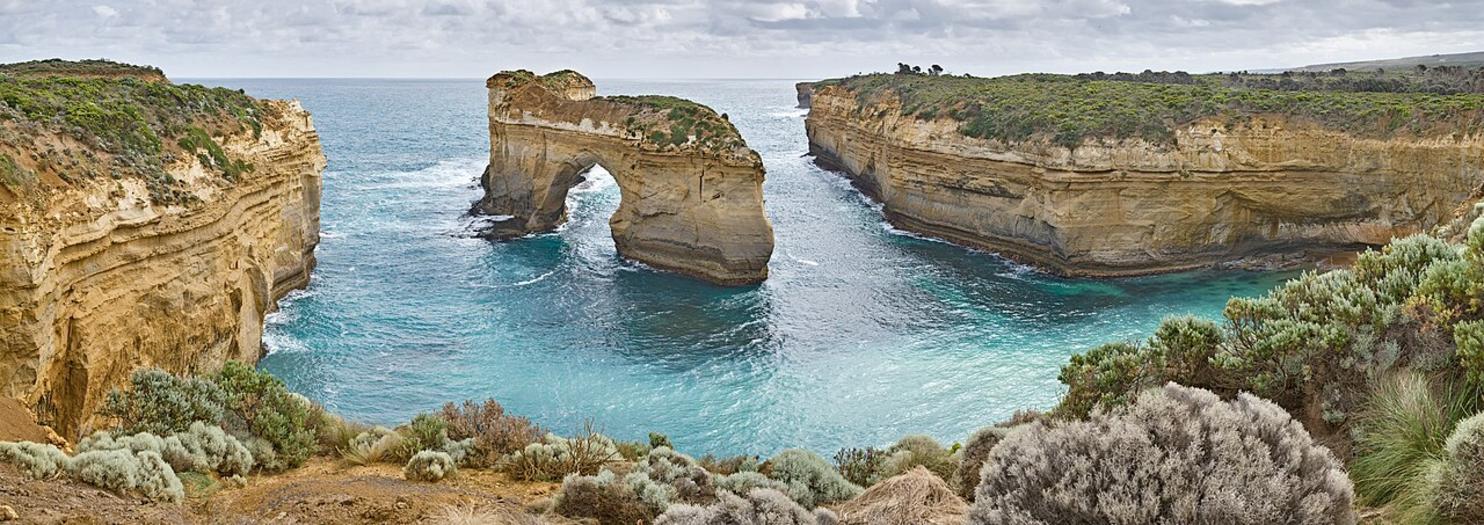
Hear waves crash against the limestone cliffs at Gibson Steps, the salty breeze mixing with eucalyptus from nearby trees.
Great Ocean Road stretches along Victoria’s southern coast, offering a 150-mile / 240 km drive past iconic limestone stacks and surf beaches. Visitors come for the Twelve Apostles’ dramatic cliffs and Bells Beach’s renowned surf breaks. The towns of Lorne and Apollo Bay provide quiet bayside guesthouses and fresh seafood spots. This route delivers slow coastal days with swim-friendly beaches and easy hikes, unlike busier city escapes. The road’s charm lies in its natural rhythm, but limited public transport means renting a car is essential. Expect fewer nightlife options than Melbourne, but more peaceful mornings and sunsets. Plan your stops carefully to maximize daylight and avoid crowds at key viewpoints.
Drive the Twelve Apostles for dramatic coastal views, surf at Bells Beach for consistent waves, hike the Great Otway National Park trails for quiet nature, and relax in Apollo Bay’s bayside guesthouses for fresh seafood and swimming.
Key takeaways
- Book accommodations in Lorne or Apollo Bay early for summer ($100-$150/night, 2026).
- Drive the Great Ocean Road early morning to avoid midday crowds at Twelve Apostles.
- Rent a car; public transport along the route is minimal and infrequent.
- Visit Bells Beach midweek for quieter surf conditions and better parking.
- Snorkel or swim at Apollo Bay’s sheltered beaches; water temps average 74°F (23°C) in summer.
- Pack layers; coastal mornings can drop to mid-50s°F (13°C) even in summer.
- Allow 2 full days to cover key stops without rushing, including Great Otway hikes.
Why visit Great Ocean Road
The Great Ocean Road stands apart from other iconic Australian coastal drives like the Pacific Coast Highway in New South Wales and the Coral Coast in Western Australia by offering a uniquely rugged and dramatic seascape. Unlike these neighbors, it features the world-famous Twelve Apostles limestone stacks rising majestically from the Southern Ocean. The route’s coastal cliffs, lush rainforests, and charming towns such as Lorne create a varied layout that blends natural grandeur with accessible stops. This distinctive combination appeals to travelers seeking both adventure and comfort along one continuous scenic corridor.
- The Twelve Apostles limestone stacks are a geological marvel shaped by 10 million years of erosion along the Southern Ocean coast.
- Great Ocean Road is the world’s longest war memorial, built by returned soldiers between 1919 and 1932, linking history with stunning landscapes.
- The Otway Fly Treetop Walk offers a unique rainforest canopy experience unavailable on other Australian coastal drives.
- Seasonal whale migrations between May and October provide rare wildlife sightings directly visible from coastal lookouts.
- Unlike other routes, the Great Ocean Road’s layout includes multiple accessible towns like Apollo Bay, blending nature with local culture.
Best for
Solo adventurers and couples who appreciate a scenic drive with diverse natural features will love the Great Ocean Road’s blend of rugged coastline and comfortable stops. Families with school-age children who enjoy outdoor activities but prefer well-developed infrastructure will also find it ideal.
Skip if
Travelers seeking vibrant nightlife or urban cultural scenes should skip the Great Ocean Road and instead explore Melbourne’s city center for a more cosmopolitan experience.

Top things to do in Great Ocean Road
1. Twelve Apostles ·
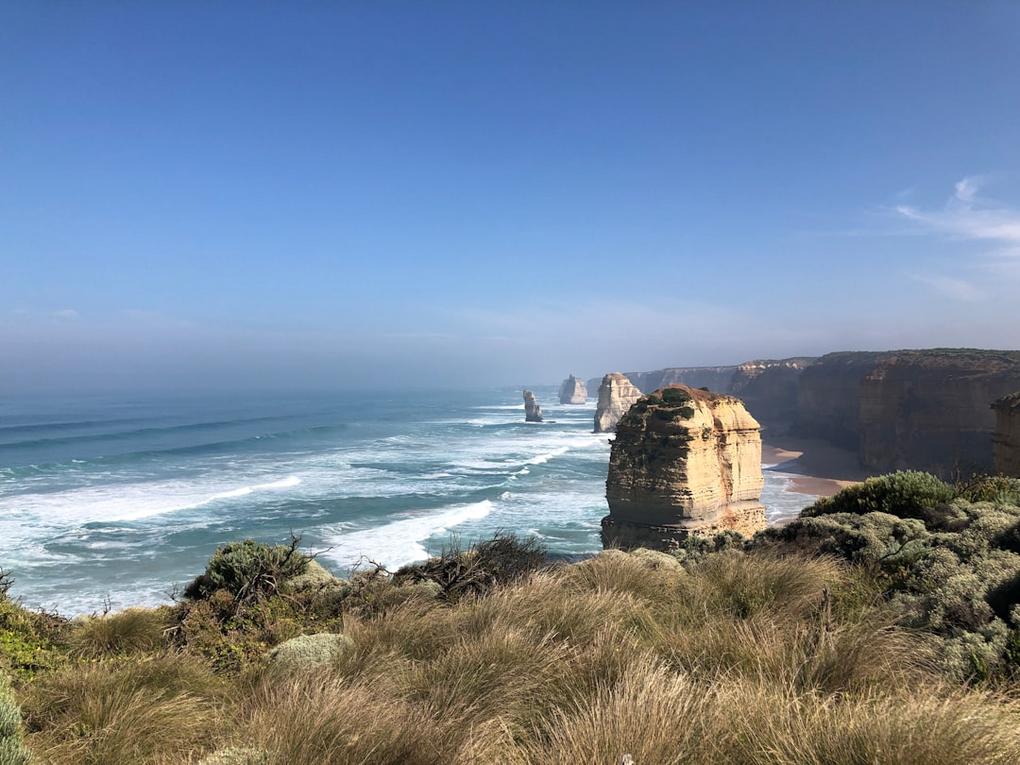
Witness the majestic limestone stacks rising dramatically from the Southern Ocean, defining the Great Ocean Road’s iconic coastline.
The Twelve Apostles are a series of towering limestone stacks located off the shore of Port Campbell National Park. Visitors can walk along the designated boardwalks and viewing platforms to admire the impressive formations from different angles, especially from the Gibson Steps lookout. The sound of crashing waves and the salty ocean breeze enhance the dramatic coastal scenery. The site is accessible year-round and offers photographic opportunities at sunrise and sunset when the light transforms the landscape.
This site is the symbol of the Great Ocean Road and offers a more dramatic and accessible coastal view compared to nearby rock formations like Loch Ard Gorge, which is more enclosed and less expansive.
- When: Early morning or late afternoon for softer light and fewer crowds; best visited between November and March for clearer skies.
- Cost: Free
- Duration: 1-2 hours
- How to reach: From the Great Ocean Road centre, drive west along the Princes Highway to the Port Campbell National Park carpark near the lookout; parking is available on-site.
Insider tip: If closed
Visit the nearby Gibson Steps beach for a closer view of the cliffs and ocean if the main viewing platforms are closed.
2. Loch Ard Gorge ·
Explore the stunning gorge with its crystal-clear waters and hear the fascinating shipwreck history that surrounds this natural amphitheater.
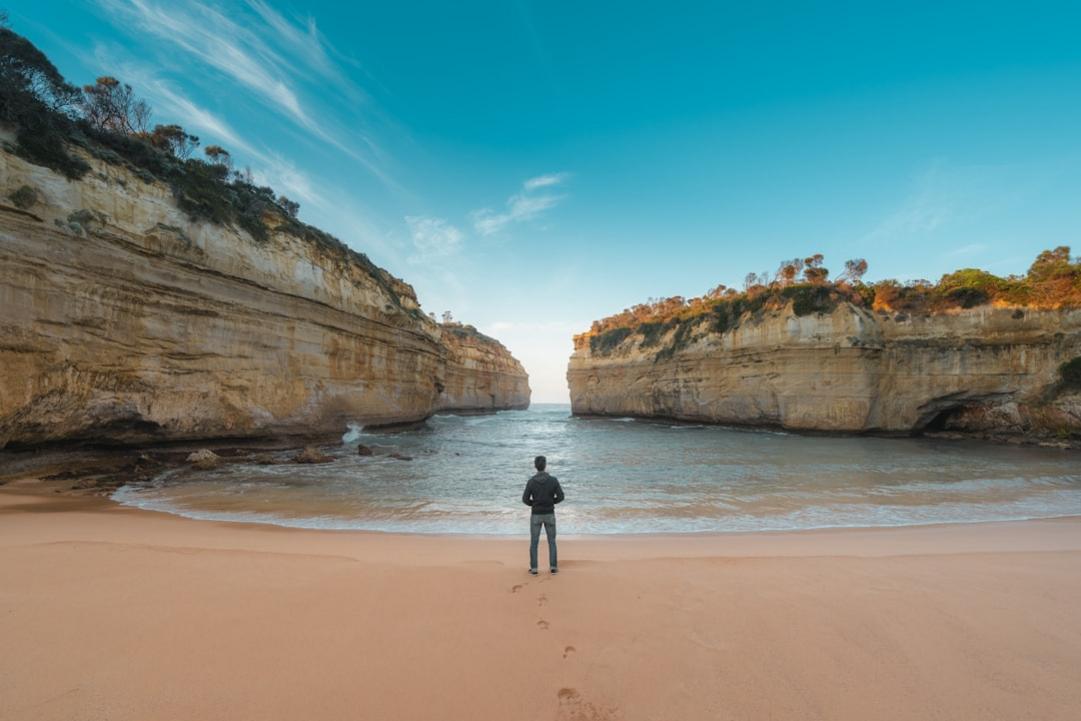
Loch Ard Gorge is a sheltered cove framed by towering cliffs and sandy beaches, named after the shipwreck of the Loch Ard. Visitors can walk down to the beach via a steep trail from the main viewing platform, where you can explore the rock formations and tidal pools. Interpretive signs provide historical context about the 1878 shipwreck and the survivors’ story. The calm waters and sheltered environment make this spot ideal for a peaceful stroll and photography.
Loch Ard Gorge offers a more intimate and historically rich experience compared to the open vistas of the Twelve Apostles, ideal for those interested in maritime history and sheltered beach walks.
- When: Mid-morning to early afternoon for good lighting and safer beach access; spring through autumn (September to April) are best for pleasant weather.
- Cost: Free
- Duration: 1-2 hours
- How to reach: Drive west along the Great Ocean Road to the Loch Ard Gorge carpark within Port Campbell National Park; short walk from parking to the lookout and beach access.
Insider tip: If closed
If the gorge is closed due to weather or maintenance, visit the nearby Thunder Cave for a coastal cave experience.
3. Great Otway National Park Waterfalls ·
Relax amid lush rainforest and discover spectacular waterfalls like Hopetoun Falls and Erskine Falls, perfect for gentle walks and nature immersion.
Great Otway National Park encompasses dense temperate rainforest where visitors can follow well-marked trails to several waterfalls. Hopetoun Falls offers a short, easy walk to a wide cascade plunging into a rocky pool, while Erskine Falls involves a longer trail descending into a fern-filled valley with a dramatic 30-meter drop. Birdwatching and spotting native wildlife like lyrebirds and wallabies are common along these trails. The cool, shaded environment provides a refreshing contrast to the coastal heat.
These waterfalls provide a lush, forested alternative to the coastal scenery of the Twelve Apostles, appealing to visitors who prefer shaded walks and wildlife spotting over ocean views.
- When: Visit in the cooler morning hours to avoid crowds and see waterfalls at their fullest after winter rains; best from May to October.
- Cost: Free
- Duration: Half day
- How to reach: From the Great Ocean Road, turn inland at Lavers Hill or Apollo Bay and follow signage to Great Otway National Park carparks near Hopetoun or Erskine Falls; short walks from parking areas.
Insider tip: If closed
If trails to these waterfalls are closed, the nearby Maits Rest rainforest walk offers a shorter accessible forest experience.
4. Bells Beach ·
Enjoy the legendary surf beach known for its powerful waves and vibrant atmosphere, ideal for watching expert surfers or a peaceful beach stroll.
Bells Beach is famous worldwide as a premier surfing destination, hosting annual competitions that draw top surfers. Visitors can watch surfers tackle the strong, rolling waves from the cliffside viewing areas or walk along the sandy shoreline during calmer conditions. The beach is surrounded by heathland and offers picnic spots and walking tracks along the cliffs. The energetic atmosphere during surf events contrasts with the tranquil setting on quieter days.
Bells Beach offers a distinct surfing culture experience and dynamic ocean activity compared to the calmer, scenic beaches like Gibson Steps, appealing to those interested in sport and coastal lifestyle.
- When: Surf season peaks from March to October; best viewing times are mid-morning to afternoon when waves are consistent and light is optimal.
- Cost: Free
- Duration: 1-3 hours
- How to reach: From the Great Ocean Road, access Bells Beach via Bells Boulevard near Torquay; parking available near the surf club and cliffside lookouts.
Insider tip: If closed
If access is restricted due to surf competitions or weather, nearby Jan Juc Beach offers a quieter alternative for beach walks.
5. Sunset at Gibson Steps ·
Descend the iconic steps to the beach and experience breathtaking sunsets framed by towering cliffs and ocean vistas.
Gibson Steps provide direct access from the clifftop down to the beach where visitors can walk along the sand beneath the towering limestone cliffs. The steps themselves are a highlight, offering a thrilling descent and stunning views back towards the Twelve Apostles. At sunset, the sky often lights up in vibrant colors, illuminating the cliffs and ocean. The beach is ideal for photography, quiet reflection, or a peaceful stroll with the sound of waves breaking nearby.
This spot offers a more immersive coastal experience than viewing the Twelve Apostles from above, allowing visitors to be right at sea level among the cliffs during sunset.
- When: Arrive at least an hour before sunset for the best light and to avoid descending in darkness; best months are October to March for clearer skies.
- Cost: Free
- Duration: 1 hour
- How to reach: From the Great Ocean Road, park at the Gibson Steps carpark near Princetown and follow the marked trail down the steps to the beach.
Insider tip: If closed
If the steps are closed due to safety concerns, the nearby Twelve Apostles viewing platforms provide elevated sunset views.
6. 12 Apostles Helicopter Scenic Flight ·
See the Great Ocean Road’s dramatic coastline and the Twelve Apostles from a thrilling aerial perspective.
Take off from one of the licensed helicopter operators near Port Campbell for a breathtaking flight along the Great Ocean Road coastline. From above, you’ll see the iconic limestone stacks of the Twelve Apostles rising from the Southern Ocean, as well as rugged cliffs and sweeping beaches. The experience offers a unique vantage point that reveals the scale and natural beauty of this world-famous region. Book on GetYourGuide.
This helicopter flight offers a rare aerial perspective that cannot be matched by road views or lookout platforms, unlike regular sightseeing tours.
- When: Mid-morning or late afternoon to catch the best light for photos, from October to April when weather is most stable.
- Cost: ~$230
- Duration: 20 minutes
- How to reach: Reach the departure point by car or shuttle from the center of Great Ocean Road towns like Apollo Bay or Port Campbell, usually along the Great Ocean Road highway.
Insider tip: If closed
Take a coastal walk or drive to the Twelve Apostles lookout platforms for stunning sea views.

7. Great Ocean Road Wildlife Tour ·
Spot native Australian wildlife including koalas, kangaroos, and colorful birds on a guided tour through the region’s forests and reserves.
Join one of the licensed guide outfits in town for a wildlife tour through the Otways and nearby national parks. You’ll walk or ride in a small group to see koalas perched in eucalyptus trees, kangaroos grazing in open fields, and a variety of native birds. Guides share insights about the animals’ habits and the local ecosystem, enriching the experience beyond simple spotting. Book on GetYourGuide.
This tour focuses on expert-led wildlife encounters, unlike self-guided drives where spotting animals can be hit-or-miss and less informative.
- When: Early morning or late afternoon year-round, as animals are most active during these cooler parts of the day.
- Cost: ~$75
- Duration: 3 hours
- How to reach: Tours typically depart from central locations along the Great Ocean Road such as Apollo Bay or Lorne, accessible by rental car or local shuttle services.
Insider tip: If closed
Visit wildlife sanctuaries or koala reserves in the region for guaranteed animal sightings.
8. Kayaking on the Barwon River ·
Paddle peacefully along the calm waters of the Barwon River, enjoying scenic views and abundant birdlife.
Rent a kayak from one of the local outfitters along the Barwon River near Geelong and paddle through tranquil waters lined with native trees and bird species. The gentle current and sheltered environment make it suitable for beginners and families. Along the way, you can spot waterbirds and enjoy peaceful views of the surrounding parklands. Book on GetYourGuide.
This activity offers a calm and scenic paddling experience different from the ocean surf or river rapids, ideal for those seeking relaxation and wildlife observation.
- When: Morning or late afternoon in spring through autumn for calm waters and moderate temperatures.
- Cost: ~$40
- Duration: 2 hours
- How to reach: Access the Barwon River kayak launch points via rental car or local transport from towns along the Great Ocean Road, traveling inland toward Geelong and following signs to the river parks.
Insider tip: If closed
Try a stand-up paddleboarding session on the nearby ocean beaches if river conditions are unsuitable.
9. Apollo Bay Food and Wine Tour ·
Taste local gourmet produce and wines on a guided culinary tour celebrating the region’s rich food culture.
Join a guided food and wine tour departing from Apollo Bay that visits boutique wineries, artisan producers, and gourmet eateries along the coast. You’ll sample fresh seafood, cheeses, and hand-crafted wines while learning about the region’s agricultural heritage. The tour often includes behind-the-scenes visits and opportunities to meet local chefs and vintners. Book on GetYourGuide.
Unlike self-guided tastings, this tour provides curated experiences and insider access to small producers that are otherwise difficult to visit independently.
- When: Late morning or early afternoon from October to May when vineyards and producers are most active.
- Cost: ~$120
- Duration: 4 hours
- How to reach: Easily reached by car or local shuttle from the center of Apollo Bay along the Great Ocean Road, with pickup often included in the tour price.
Insider tip: If closed
Explore local farmers’ markets or beachfront cafes in Apollo Bay to sample regional specialties.
10. Surf Lesson at Anglesea ·
Learn to surf the gentle waves of Anglesea Beach with expert instructors suited for beginners.
Book a beginner surf lesson with one of the licensed surf schools at Anglesea Beach, known for its mellow waves and safe conditions. Instructors provide all necessary gear and teach you basic paddling, standing, and wave reading techniques. The small class sizes ensure personalized attention while you enjoy the scenic beach environment. Book on GetYourGuide.
Anglesea’s gentle surf and professional schools make it the ideal spot for first-timers compared to more challenging nearby breaks.
- When: Morning sessions are best from November to March when water is warmer and waves are consistent but small.
- Cost: ~$70
- Duration: 2 hours
- How to reach: Anglesea Beach is accessible by car from central Great Ocean Road towns via the Great Ocean Road highway and local roads; parking is available near the surf schools.
Insider tip: If closed
Try a stand-up paddleboarding lesson or swimming at a nearby sheltered beach if surf conditions are unfavorable.
Solo female travel: Some surf schools offer women-only group lessons on request; booking in advance is recommended.
11. Great Ocean Road Rainforest Walks ·
Discover peaceful walking trails through ancient rainforest, perfect for a gentle outdoor adventure close to nature.
Explore serene walking trails such as the Maits Rest Rainforest Walk near Apollo Bay, where you wander boardwalks through towering eucalyptus and fern-filled gullies. The forest is home to diverse birdlife and lush plant species, offering a quiet retreat from coastal scenery. These self-guided walks are easy and suitable for all fitness levels.
Rainforest walks provide a contrasting experience to the coastal vistas, immersing visitors in the region’s ancient natural heritage without needing a guide.
- When: Any time of year, but spring and autumn offer mild temperatures and vibrant foliage.
- Cost: Free
- Duration: 1 hour
- How to reach: Reach trailheads by car or local shuttle from towns like Apollo Bay, following signs off the Great Ocean Road to the Otway ranges.
48 hours in Great Ocean Road
This two-day plan is designed for travelers who want to experience the iconic coastal beauty and local culture of the Great Ocean Road at a relaxed, thoughtful pace—starting each day with a slow wake-up and coffee before stepping out. Perfect for those following Layout_variant A, it balances immersive nature moments with charming towns and memorable meals, without rushing or overexerting.

Day 1
Morning
After waking up with the gentle morning light filtering in, head straight to a beachfront café in Lorne where you can savor a rich flat white while watching early surfers catch the dawn waves. Take a slow stroll along the pier before the crowds arrive, then make your way to the Great Otway National Park for the morning’s marquee effort: the Erskine Falls walk. Aim to start before 10 AM to avoid the midday heat and enjoy the waterfall’s mist in the freshest air.
Afternoon
Post-walk, settle into a laid-back lunch at a garden-side eatery in Apollo Bay, choosing a table shaded by native trees where you can recover with local seafood dishes and a cold craft beer. Spend the early afternoon exploring the coastal boardwalk, then drive the short distance to the iconic Twelve Apostles for the afternoon light—arriving before 3 PM to beat the late-afternoon tourist surge and capture the best photos with the sun illuminating the limestone stacks from the northwest.
Evening
Wrap up the day by driving a little further west to Port Campbell, timing your arrival for an easy sunset from the Gibson Steps viewpoint, where the colors deepen over the rugged cliffs. For dinner, book a table at a family-run Italian trattoria in town known for its fresh pasta and regional wines, enjoying a relaxed meal that unwinds the day’s adventures with a warm, local vibe.
Day 2
Morning
Rise early and skip the coastal crowds with a pre-dawn visit to the historic town of Warrnambool, starting with a slow heritage walk through the old port precinct just as the morning market opens. Grab a strong coffee and a freshly baked pastry at a bakery favored by locals, then browse the stalls before the heat sets in.
Afternoon
Spend the afternoon on a gentler note with the Great Ocean Road Wildlife Helicopter Tour, an entirely different way to see the region’s dramatic coastline and native fauna, followed by a late lunch at a waterside bistro in nearby Killarney featuring farm-to-table produce and seasonal dishes. This change of pace offers a fresh perspective and a restful break from yesterday’s exertions.
Evening
As dusk falls, return to Warrnambool’s lively main street for a casual dinner crawl: start with tapas and local wines at a cozy wine bar, then hop to a bustling Asian-fusion noodle spot tucked down a laneway, finishing with dessert from a vintage ice cream parlor. This evening’s rhythm is all about savoring neighborhood flavors and mingling with the locals in a slower, sociable tempo.
If you have a third day
If you had a third day, I’d recommend exploring the lesser-known inland hinterlands to the north, visiting small farming villages and their artisan markets, or joining a morning fishing charter from a quiet coastal hamlet not covered in the main day trips. This would add a fresh cultural layer and a taste of the region’s rural heartland.
Best time to visit Great Ocean Road
Quick answer
April to June and October to early December offer the best weather for hiking and wildlife spotting, with mild temperatures and lower rainfall.
| Months to go | April to June, October to early December |
|---|---|
| Months to avoid | July to September due to cooler temperatures and increased rain making hiking less enjoyable. |
The Great Ocean Road is best explored in the shoulder seasons of autumn and spring when temperatures range from 50°F to 68°F, providing comfortable conditions for hiking and wildlife viewing. During these months, rainfall is moderate, which keeps the trails accessible and the wildlife active without the intense heat or heavy rains of summer. Winter months from July to September bring cooler temperatures often dipping to 46°F, combined with increased rainfall, which can close some trails and reduce wildlife sightings. Summer months can be warmer, reaching up to 72°F in December, but also bring more tourists and occasional showers that may disrupt outdoor activities. Visiting in April to June or October to early December ensures you avoid the coldest and wettest periods, while still enjoying the natural beauty and open wildlife windows along the coast.
Average temperature (°F)
Monthly weather
Warm and moderately rainy
Warm with occasional showers
Mild with moderate rain
Cooler, good for hiking
Mild and less rainy
Cool, trails mostly open
Cool and wet, less ideal
Chilly with frequent rain
Cool, improving weather
Mild and pleasant
Warmer, good for wildlife
Warm with some showers
How to get to Great Ocean Road
Nearest airport
Melbourne Airport (MEL), approximately 100 km / 1.5-2 hours drive to the start of Great Ocean Road
From the airport
The most straightforward way to reach Great Ocean Road from Melbourne Airport is by renting a car, which offers flexibility to explore at your own pace. Alternatively, you can take the SkyBus from the airport to Melbourne city center (~$20 USD, 2024, book online), then catch a regional coach or shuttle service to towns along the Great Ocean Road, though this is less direct and takes longer. Taxi or rideshare options are available but tend to be expensive (~$150+ USD, 2024) and are not recommended for long-distance travel.
Other ways to arrive
- From Melbourne city center by regional coach, approximately 3 hours, cost band ~$25-40 USD
- From Avalon Airport (AVV), about 120 km away, rental car recommended, 2-hour drive, cost band ~$40-60 USD
- From Geelong by car or bus, roughly 1.5 hours, cost band ~$15-30 USD
- From Ballarat by rental car or bus, around 2.5 hours, cost band ~$30-50 USD
Getting around Great Ocean Road
The dominant way to explore Great Ocean Road is by car, which provides the freedom to stop at numerous scenic points and small towns along the route. For visitors without a car, local shuttle tours and regional buses offer alternatives but are less flexible. For most travelers, renting a car is the best choice to fully experience the coastline and attractions at their own pace.
- Rental car – best for full flexibility and access to all sights, cost ~ $50-80 USD per day
- Guided shuttle tours – ideal for those who prefer not to drive, cost ~ $70-120 USD per day
- Regional buses – useful for budget travelers on fixed routes, cost ~ $15-30 USD per trip
- Bicycle – suitable for experienced cyclists on shorter segments, cost varies
- Taxi or rideshare – practical for short hops within towns, cost varies but generally expensive for long distances
Avoid
Avoid relying solely on public transport for the entire Great Ocean Road route due to infrequent services and limited coverage.
Day trips from Great Ocean Road
These day trips offer excellent opportunities to explore destinations beyond the Great Ocean Road, adding variety and depth to your visit. Each is reachable within a half- or full-day excursion, providing unique experiences that complement the coastal journey.
Grampians National Park
Hiking, wildlife spotting, and Aboriginal rock art.
Why: The Grampians offer spectacular mountain scenery and diverse wildlife, making it a rewarding natural escape from the coast. Its extensive walking trails and cultural sites provide a rich contrast to the seaside environment.
Ballarat
History and heritage, especially the Gold Rush era.
Why: Ballarat’s Sovereign Hill outdoor museum vividly recreates the gold mining past, offering interactive experiences and a glimpse into 19th-century life. It’s an engaging cultural day trip from the coastal region.
Mount Macedon
Gardens, lookouts, and cool-climate scenery.
Why: Mount Macedon features beautiful gardens, walking trails, and panoramic views, providing a peaceful inland retreat with a different landscape from the coast. It’s ideal for nature lovers and garden enthusiasts.
Combine Great Ocean Road with
Extending your trip beyond the Great Ocean Road allows you to experience more of Victoria’s diverse landscapes and cultural highlights. These multi-night routes offer logical progressions to inland and urban destinations for a richer itinerary.
Great Ocean Road to Melbourne via Ballarat Great Ocean Road – Ballarat – Melbourne
This route combines coastal scenery with historical exploration in Ballarat before arriving in Melbourne, balancing nature and city experiences over several days.
Great Ocean Road to Grampians and Bendigo Great Ocean Road – Grampians National Park – Bendigo
After the coastal drive, head inland to the Grampians for nature and hiking, then continue to Bendigo for rich gold rush heritage and vibrant arts scenes.
Great Ocean Road to Yarra Valley and Melbourne Great Ocean Road – Yarra Valley – Melbourne
Combine the scenic coastal drive with a wine country experience in Yarra Valley before finishing in Melbourne, ideal for food and wine enthusiasts.
Where to stay in Great Ocean Road
The Great Ocean Road offers a variety of lodging zones that cater to different traveler preferences. Torquay, known for its surf beaches and vibrant town center, attracts beach lovers and social travelers looking for walkability and nightlife. Lorne is a quieter, more scenic spot ideal for families and couples seeking river views and proximity to waterfalls. Apollo Bay appeals to nature enthusiasts and hikers due to its trailhead access and charming historic town center. For those wanting a peaceful retreat closer to the ocean but away from crowds, Wye River offers a serene coastal village vibe with quiet beaches and forest walks.
Torquay
Budget travelers will find affordable hostel dorms and simple beach cabins in Torquay, perfect for surfers and backpackers who prioritize location over luxury. These accommodations provide basic amenities and a lively communal atmosphere but lack private bathrooms and extensive services. Staying here keeps you close to the famous Bells Beach and the bustling main street, making it easy to connect with fellow travelers. However, expect minimal soundproofing and shared facilities.
Insider tip: In Torquay, budget hostels along Surf Coast Highway tend to have noisier common areas; request a room towards the rear buildings for quieter nights.
Lorne
Mid-range options in Lorne include family-run guesthouses and boutique hotels offering river views and cozy interiors. These properties balance comfort and charm, providing private bathrooms, on-site dining, and easy access to local cafes and shops. Lorne’s walkable center and proximity to scenic trails make it ideal for couples and small groups. While not lavish, these accommodations often feature personalized service and pleasant outdoor spaces.
Insider tip: Guesthouses near the Erskine River in Lorne offer quieter stays than those on the main street, which can get busy during weekends.
Apollo Bay
For a luxurious experience, Apollo Bay’s upscale resorts and river-view condos provide spacious rooms, spa facilities, and gourmet dining. These properties cater to travelers seeking tranquility combined with premium amenities and stunning coastal scenery. Expect impeccable service, private balconies, and easy access to both the beach and hiking trails. Though pricier, these stays create memorable experiences with a focus on relaxation and nature immersion.
Insider tip: In Apollo Bay, riverfront condos on Great Ocean Road’s eastern edge have quieter evenings than those nearer the town center, which hosts occasional festivals.
Where not to stay
Avoid the stretch along Great Ocean Road near Eastern View, as it is exposed to heavy traffic noise and lacks convenient dining or entertainment options after dusk.
Solo female travelers
Solo female travelers should consider mid-range guesthouses in Lorne, where the well-lit town center and friendly local cafes create a safe and welcoming environment with good social opportunities.
Booking through these links supports Pack Lightly at no extra cost to you.
Where to eat and drink in Great Ocean Road

The Great Ocean Road region offers a distinctive coastal culinary experience shaped by its abundant seafood and artisan producers. The nearby Southern Ocean provides fresh rock lobster and flathead, which local restaurants prepare with a simple, rustic style that highlights the region’s natural flavors. The food culture here is also influenced by a vibrant community of craft brewers and boutique wineries nestled in the hinterlands. Key food hubs like Apollo Bay and Lorne showcase fresh catch markets and family-run eateries that emphasize local ingredients and sustainable fishing.
Must-try dishes
Apollo Bay Rock Lobster Platter
A generous serving of freshly caught Southern Rock Lobster, often grilled or served cold with lemon and native herbs.
This dish is anchored by the regional ingredient Southern Rock Lobster, caught daily by local fishers operating out of Apollo Bay, making it a true regional ingredient + local producer specialty.
Insider tip: Nothing beats the lobster here—freshness and simplicity shine through every bite.
Great Ocean Road Flathead Tacos
Crispy fried flathead fillets served in soft corn tortillas with a zesty native finger lime mayo and fresh local greens.
A city signature dish unique to Lorne’s beachside eateries, blending local seafood with a casual, coastal dining style distinctive to this neighborhood (category: city signature).
Insider tip: A fresh, tangy twist on seafood tacos that locals swear by after a day on the beach.
Otway Hinterland Pinot Noir
A delicate, cool-climate pinot noir wine grown and bottled by boutique vineyards in the Otway Ranges hinterland.
This drink specialty highlights the region’s emerging wine industry with local-only brands like Forrest Estate, making it a distinct regional ingredient + local producer offering.
Insider tip: Perfectly pairs with fresh seafood and embodies the terroir of the Great Ocean Road’s cool climate.
Lorne Craft Beer Selection
A curated range of craft beers brewed by small local breweries featuring native botanicals and coastal-inspired flavors.
Lorne is known for its craft beer scene, with breweries like Lorne Brewing Co. pioneering city-known culinary category: craft beer culture.
Insider tip: The perfect way to unwind after exploring the coastline, with flavors you won’t find elsewhere.
Indigenous Wattleseed Damper
A traditional damper bread infused with native wattleseed, offering a nutty, aromatic flavor unique to the region.
This community-specific dish celebrates the Gunditjmara people’s culinary heritage and is featured in cultural tours and local markets near Warrnambool.
Insider tip: A rare taste of indigenous tradition that connects you to the land and its original custodians.
Local drinks
- Otway Coffee Roasters Single OriginCafés in Apollo Bay and Lorne, with flagship locations like Otway Coffee Roasters’ own café in Apollo Bay.
Locally roasted single-origin coffee beans from Otway Coffee Roasters, known for their smooth, rich flavor profiles. - Great Ocean Road GinDistilleries and bars in Apollo Bay, especially at Great Ocean Road Distillery.
Artisan gin distilled using native botanicals sourced from the Otway Ranges, including lemon myrtle and coastal pepperberry.
Where to eat – by neighborhood
Apollo Bay Harborfront
A cluster of seafood shacks, fishmongers, and casual dining spots focused on fresh catch from the Southern Ocean.
Insider tip: Order the catch-of-the-day straight from the fishmongers and enjoy it picnic-style by the pier.
Lorne Esplanade
A lively strip of beachside cafés, craft beer pubs, and casual eateries offering inventive takes on local seafood and snacks.
Insider tip: Visit on a weekday morning for a quieter coffee and flathead taco combo away from weekend crowds.
Forrest Village
A quaint hinterland village with boutique wineries, artisan food producers, and small farm-to-table restaurants showcasing Otway ingredients.
Insider tip: Book a tasting flight at Forrest Estate and pair it with local cheeses for a true hinterland experience.
Local markets
| Apollo Bay Fishermen’s Co-op Market | Saturdays, 7am–12pm – Freshly caught rock lobster, flathead, and seasonal shellfish direct from local fishers. |
|---|
Dietary note
Great Ocean Road eateries commonly accommodate gluten-free and pescatarian diets given the seafood focus; however, vegan options may be limited outside larger towns.
Daily budget for Great Ocean Road
The Great Ocean Road is a renowned Australian coastal drive known for its stunning natural scenery and outdoor activities, which can push daily costs higher than typical regional areas. While accommodation and food remain relatively affordable, transport and activities tend to be pricier due to the remote and tourist-focused nature of the region.
Shoestring
- lodging – budget hostel or basic motel
- food – groceries and takeaway meals
- transport – shared shuttle or local bus
- activities – self-guided hikes and free lookouts
- buffer – incidental expenses or occasional treats
Trade-offs: Sacrificing comfort and convenience for lower costs means relying on basic lodging and minimal paid activities.
Comfort
- lodging – mid-range hotels or well-rated B&Bs
- food – casual dining at local cafes and pubs
- transport – rental car for flexible travel
- activities – guided tours or paid entry sites
- buffer – small extras or souvenirs
Trade-offs: Balancing comfort and experience, this tier offers better lodging and transport but limits splurges on premium activities.
Splurge
- lodging – luxury coastal resorts or boutique hotels
- food – fine dining and specialty local cuisine
- transport – private transfers or premium car rentals
- activities – exclusive tours, helicopter rides, or wildlife encounters
- buffer – shopping, tips, and spontaneous experiences
Trade-offs: High costs provide exceptional comfort and unique experiences but may limit the length of stay or frequency of activities.
Money-saver tip
Use the Apollo Campervan rental option to combine transport and lodging, which can significantly reduce overall costs while offering flexibility.
Splurge that’s worth it
Booking a helicopter tour over the Twelve Apostles is a premium splurge that delivers unforgettable panoramic views worth every dollar.
Skip to save
Avoid overpriced souvenir shops near major lookouts; instead, buy locally made crafts in nearby towns for better value and authenticity.
Practical tips for Great Ocean Road
Money
Cash or card. Most businesses along the Great Ocean Road accept cards, especially in larger towns like Lorne and Apollo Bay. However, some smaller cafes and market stalls in remote areas still operate on a cash-only basis, so carrying some Australian dollars is wise.
ATMs. ATMs are available in major towns such as Torquay, Lorne, and Apollo Bay, but can be sparse in between. Foreign cards may incur fees depending on your bank; using a card with no foreign transaction fees like Wise or Charles Schwab is recommended.
Tipping. Tipping is not customary in Australia, including along the Great Ocean Road; rounding up the bill or leaving a small tip for exceptional service (around $2–5 AUD) is appreciated but not expected.
Safety
The Great Ocean Road is generally safe for travelers, but be mindful when driving as the road has many winding sections and narrow bridges. Wildlife such as kangaroos and koalas can appear suddenly on or near the road, especially at dawn and dusk, so stay alert. Swimming at beaches requires caution due to strong currents and limited lifeguard coverage outside main towns.
Local warnings:
- Strong sun exposure demands daily sunscreen and hats, even on cloudy days.
- Beware of sudden weather changes causing slippery roads and reduced visibility.
- Some beaches have dangerous rip currents; swim only at patrolled beaches like Bells Beach.
Connectivity
Mobile data. Mobile coverage along the Great Ocean Road is patchy in rural stretches but reliable in towns like Lorne and Apollo Bay. Telstra is the recommended local provider for best coverage, with prepaid SIMs starting around $30 AUD for 10GB.
Wi-Fi. Wi-Fi is commonly available in cafes and accommodations within towns but can be slow or unavailable in remote areas. Lorne is one of the few spots where you can reliably find free, decent-speed Wi-Fi.
Language
Main language: English. English level: English is the main language spoken, and tourists will have no trouble communicating in towns and tourist spots. In more remote areas, locals also speak English, though some may use regional slang or accents that take a moment to get used to.
Cultural notes
- Respect local Indigenous heritage sites by not climbing or disturbing marked areas.
- Photography of private properties and people without permission is discouraged.
- Greeting with a simple ‘hello’ or ‘g’day’ is common and appreciated.
- Avoid political discussions about land rights or immigration unless invited.
Solo female travel
Solo female travelers will find the Great Ocean Road welcoming but should prepare for limited public transport after dark outside main towns. Street life is quiet in the evenings, with most socializing happening in cafes or pubs. Hostels and guesthouses in Lorne and Apollo Bay offer decent social opportunities, but expect a laid-back, low-key vibe rather than nightlife.
- Neighborhood: Stay in central Lorne rather than the outskirts, as it offers safer, well-lit streets and easier access to amenities.
- Transport: Car hire is the most practical way to explore; public buses run infrequently and stop early, so plan evening returns accordingly.
- Meeting people: The Apollo Bay Surf Coast Hostel has a friendly common area where solo travelers often meet others, especially during summer.
Frequently asked questions about Great Ocean Road
1Is the Great Ocean Road worth visiting?
Yes, the Great Ocean Road is one of Australia’s most iconic coastal drives, featuring stunning landmarks like the Twelve Apostles and pristine beaches. It offers a unique combination of natural beauty, wildlife, and cultural heritage.
2How many days do I need to explore the Great Ocean Road properly?
At least 2 full days are needed to experience the main highlights from Torquay to Warrnambool comfortably. For a deeper exploration including hikes and wildlife spotting, plan 3 to 4 days.
3What is the best time to visit the Great Ocean Road for sightseeing?
Summer (December to February) offers the best weather with warm temperatures and minimal rain, ideal for beach activities and coastal walks. Spring (September to November) is also excellent with fewer crowds and blooming wildflowers.
4Do I need a car or 4×4 to drive the Great Ocean Road?
A standard car is sufficient as the entire Great Ocean Road is sealed and well-maintained. A 4×4 is not necessary unless you plan to explore off-road tracks inland or remote beaches.
5Is it safe to visit the Great Ocean Road at night?
No, it is not recommended to drive the Great Ocean Road at night due to winding roads and wildlife crossing. Most attractions close by dusk, so plan to arrive and depart during daylight hours.
6Can you swim or surf along the Great Ocean Road?
Yes, beaches like Bells Beach are world-famous for surfing, while calmer spots such as Apollo Bay are great for swimming. Always check local conditions and warnings, especially during winter months.
7Why is the Great Ocean Road known for the Twelve Apostles?
The Twelve Apostles are limestone stacks rising dramatically from the Southern Ocean, formed over millions of years by erosion. They are the most photographed and iconic natural feature along the Great Ocean Road.
8What is the rainy season on the Great Ocean Road?
The wettest months are June to August during the Australian winter, bringing cooler temperatures and occasional heavy rain. Summer remains largely dry and sunny, making it the preferred season.
9Is the Great Ocean Road experience expensive compared to other Australian destinations?
No, the Great Ocean Road offers a range of budget options including camping and affordable motels. Dining and tours can be mid-range, but overall it is cheaper than major cities like Sydney or Melbourne.