


Live Azerbaijan exchange rates
Exchange rates for the Azerbaijani manat (AZN) fluctuate regularly. Use the live currency conversion tool at to get accurate, real-time rates before exchanging or withdrawing money.
Currency Basics: Azerbaijan
How Payment Works in Azerbaijan
mixed
Visa and Mastercard cards work reasonably well in Baku and larger tourist hubs, but acceptance outside urban centers is spotty. Many mid-range restaurants, hotels, and shops take cards, but expect occasional terminal outages or minimum spend rules. Cash remains the baseline for markets, small vendors, and transport, where cards are often refused or terminals are nonexistent.
Foreign cards sometimes trigger extra scrutiny at ATMs and payment points. Smaller businesses prefer cash to avoid card fees and connectivity issues. Tourists should keep enough Azerbaijani manat (AZN) on hand for rural excursions or roadside purchases. Card acceptance improves steadily in modern venues, but outside the capital, cash dominates.
Tourists can rely on Visa and Mastercard in Baku for most expenses but should withdraw cash before venturing into remote areas. Using ATMs at banks rather than standalone machines reduces the risk of card blocks or poor exchange rates.
Where you need cash
| Situation | Why cash-only |
|---|---|
| rural guesthouses | No card terminal infrastructure due to limited connectivity and low transaction volumes. |
| local markets and street vendors | Small vendors avoid card fees and lack terminals, preferring cash-only transactions. |
| minibus and shared taxi routes | Informal cash payments are standard; no electronic fare collection systems exist. |
| small roadside cafes and tea houses | Low-cost businesses operate cash-only to avoid payment processing costs. |
| museum and historical site entrances outside Baku | Limited digital payment infrastructure and preference for cash to simplify collections. |
Where cards work
| Situation | Caveat |
|---|---|
| hotels and larger restaurants in Baku | Minimum spend often required; some places add a 2-3% surcharge. |
| ATMs of major banks in urban areas | Higher withdrawal fees and occasional card blocking for foreign-issued cards. |
| supermarkets and shopping malls in Baku | Occasional connectivity issues may cause temporary card rejection. |
| car rental agencies in major cities | Foreign cards accepted but require pre-authorization hold on funds. |
| some petrol stations near highways | Limited terminals accepting foreign cards; cash preferred for small stations. |
Card network acceptance (Visa, Mastercard, Amex, UnionPay)
| Network | Coverage | Surcharge |
|---|---|---|
| Visa | Widely accepted in Baku and large towns; reliable at major ATMs. | Typically 2-3% surcharge at hotels and upscale restaurants. |
| Mastercard | Good coverage in urban centers; accepted at most banks and retail chains. | Surcharge similar to Visa; some merchants require minimum spend. |
| Amex | Limited acceptance mostly in high-end hotels and international chains. | Higher surcharges up to 4-5%; many places do not accept Amex. |
| UnionPay | Sparse acceptance, mostly limited to major hotels and select ATMs. | Higher fees and low merchant coverage make it unreliable for tourists. |
Digital wallets
| Wallet | How tourists can use it |
|---|---|
| Revolut | Activate with international number; top up in USD/EUR and spend AZN with competitive FX rates; no local SIM or bank needed. |
| Wise | Use Wise card linked to multi-currency account; withdraw AZN at major bank ATMs with low fees; no local registration required. |
Wallets that don’t work for tourists
| Wallet | Barrier |
|---|---|
| MilliON | Requires local phone number and Azerbaijani bank account for full functionality. |
| Portmanat | Linked to local banks and national ID; tourists cannot register without residency. |
Wise vs Revolut in Azerbaijan
Wise and Revolut both serve tourists well in Azerbaijan but differ in ATM fees and exchange rates. Wise offers low fixed fees for ATM withdrawals at major banks, with exchange rates close to mid-market. Revolut provides superior FX rates on card payments but charges for ATM withdrawals beyond free limits. Neither card faces blocking issues, but Wise’s physical card is accepted more consistently at Azerbaijani ATMs.
Revolut’s app handles currency conversion smoothly, ideal for daily spending in AZN. Wise is better for withdrawing cash without surprises. Combining both cards covers most scenarios, especially outside Baku where cash remains king.
ATMs & Currency Exchange
Best ATMs for foreign cards
| Bank / ATM | Why use it | Fee note |
|---|---|---|
| ASB Bank | Reliable ATM network in Baku with consistent foreign card acceptance and minimal downtime. | Foreign card fee 1-2%, competitive compared to peers. |
| Kapital Bank | Widely available ATMs in urban centers, especially Baku; supports major international cards with stable connectivity. | Foreign card fee 1-2%, avoid multiple small withdrawals to reduce fees. |
| AccessBank | Good coverage in Baku and some regional towns, low local ATM fees, and strong foreign card compatibility. | No local withdrawal fee; foreign card fees vary by issuer. |
| International Bank of Azerbaijan | Reliable ATMs in Baku with robust security features and high withdrawal limits. | Foreign card fees apply, but network reliability offsets cost. |
ATMs to avoid
| ATM type | Why to avoid |
|---|---|
| Unibank ATMs | Higher local fees and frequent reports of foreign card declines. |
| Standalone convenience store ATMs outside Baku | Unreliable connectivity and elevated risk of skimming or malfunction. |
Withdrawal strategy
Withdraw 200 USD equivalent (~340 AZN) per transaction to balance foreign card fees (1-2%) and local ATM limits. Avoid multiple small withdrawals since ASB and Kapital Bank ATMs charge per transaction fees. Carry cash reserves for the Caucasus interior where card acceptance is limited. Use Baku ATMs for card payments and withdrawals, minimizing cash exposure.
Dynamic Currency Conversion – always decline
Dynamic Currency Conversion (DCC) appears on Azerbaijani ATMs as a screen prompt asking: “Charge in USD or Azerbaijani manat (AZN)?” Always select Azerbaijani manat (AZN) to avoid unfavorable exchange rates and extra conversion fees. For example, a prompt might read: “Do you want to withdraw 200 USD or 340 AZN?” Choose 340 AZN to pay in local currency.
Skimming & card fraud
High-risk ATMs include those at Heydar Aliyev International Airport terminals, tourist-heavy streets like Nizami Street in Baku, and standalone machines in convenience stores or bars around the city center. Perform a 10-second check: wiggle the card slot for looseness, ensure the keypad has a shield, and scan for hidden cameras above or around the ATM. Avoid night withdrawals in poorly lit or isolated locations.
Currency exchange
| Where | Why it works |
|---|---|
| Bank counters (Kapital Bank, AccessBank) | Offer official exchange rates with transparent fees and no commission. |
| Licensed exchange offices in Baku city center | Regulated by the Central Bank of Azerbaijan, providing fair rates and secure transactions. |
Exchange counters to avoid
| Where | Why to avoid |
|---|---|
| Airport exchange booths | High commission fees and poor exchange rates. |
| Hotel front desk currency exchange | Unfavorable rates and additional hidden fees. |
How much cash to carry
Carry 100 USD equivalent (~170 AZN) in your day wallet for city expenses like transport, small meals, and tips. Keep a secure stash of 300 USD (~510 AZN) for rural travel or the Caucasus interior where card usage is limited. Baku accepts cards widely, so cash needs drop significantly in the capital.
Emergency backup
Use two cards from different networks (Visa and Mastercard) to avoid total loss if one is blocked. Keep emergency cash (50 USD equivalent) separate from your main wallet. If a card is blocked, contact your bank’s emergency line immediately. Use apps like Wise or Revolut for instant card freeze. Before calling home, attempt local bank branches (Kapital Bank or ASB) for urgent cash advances.
Scams, Safety & Cash Handling
Common money scams in Azerbaijan
Taxi meter manipulation
How it works: Drivers switch off or reset meters mid-ride, charging inflated flat rates. Some claim the meter is broken or ‘not working’ and demand cash over the meter fare.
How to avoid: Always insist the driver uses the meter from the start. Use reputable taxi apps or pre-agreed fares. Refuse rides from unmarked or unofficial taxis.
Fake police money inspection
How it works: Fake officers stop travelers, claiming to check for counterfeit money. They confiscate cash or demand fines for ‘illegal’ bills.
How to avoid: Ask for official identification and refuse to hand over money on the spot. Report suspicious stops to real authorities or embassy contacts.
Wrong-change trick
How it works: Cashiers or vendors intentionally give incorrect change, often confusing similar-looking denominations of the Azerbaijani manat (AZN).
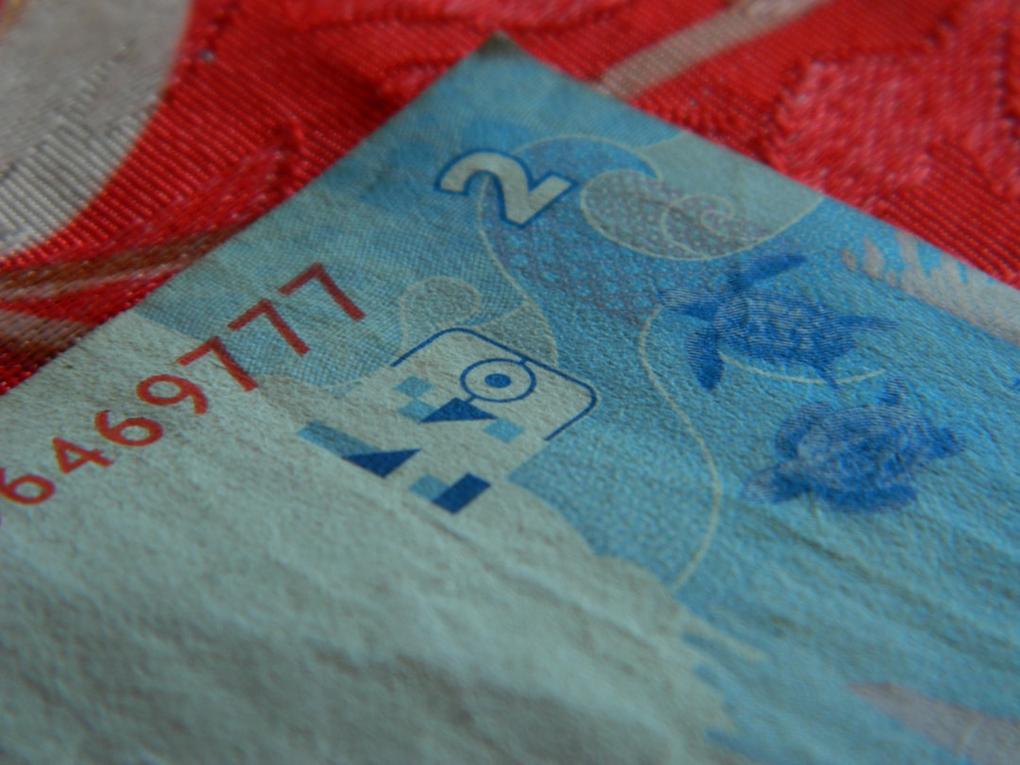
How to avoid: Count change carefully before leaving. Learn to recognize manat notes and coins, especially 1, 5, and 10 AZN bills.
Exchange sleight of hand
How it works: Currency exchangers or street vendors swap your larger bills for smaller or counterfeit notes during the transaction.
How to avoid: Use official exchange offices or banks. Avoid street exchangers. Inspect bills closely before and after the exchange.
Transport surcharge bait
How it works: Minibus or taxi drivers claim extra fees for luggage or ‘special routes’ after you board, demanding immediate cash payment.
How to avoid: Confirm all charges before boarding. Use official transport or apps with fixed fares. Refuse unexpected surcharges.
Currency confusion (mixing denominations)
How it works: Vendors exploit travelers unfamiliar with manat denominations by mixing bills and coins, causing overpayment or shortchange.
How to avoid: Familiarize yourself with manat denominations and colors. Always count payments and change carefully.
Anti-theft carry method
Use a neck wallet under your shirt in Azerbaijan’s crowded Baku metro and busy tourist spots. Pickpocketing targets travelers in tight spaces and markets. Money belts are less practical due to heat and comfort. Avoid backpacks or rear pockets, as street-level snatch theft occurs near transport hubs and nightlife areas.
The three-wallet system
Carry a dummy wallet with small manat notes (1-5 AZN) and some coins to hand over in scams or theft attempts. Keep your day wallet with essential cards, a moderate amount of cash (10-20 AZN), and ID in a front pants pocket or inside jacket pocket. Store your safe wallet with passports, large cash amounts, and backup cards securely in your hotel safe.
Tipping in Azerbaijan
| Situation | Amount | Local norm |
|---|---|---|
| restaurant/sit-down dining | 5-10% of bill (usually 1-3 AZN, about $0.60-$1.80) | Tipping above 10% is unusual; some restaurants include a service charge. |
| taxi or private driver | Round up to nearest 1-2 AZN ($0.60-$1.20) | Do not tip aggressively; drivers expect small rounding only. |
| hotel staff (porter/cleaner) | 1-2 AZN ($0.60-$1.20) per service | Avoid over-tipping; staff may refuse large tips. |
| tour guide or day trip guide | 5-10 AZN ($3-$6) | Never tip before the tour ends; guides may refuse tips if offered too early. |
| massage or spa | 5-10% of service cost (1-3 AZN, $0.60-$1.80) | Tipping is discretionary; do not insist or expect large tips. |
Cash handling quirks
Azerbaijani manat (AZN) notes must be in good condition; torn or heavily worn bills are often rejected. Small denominations (1, 5, 10 AZN) are essential for everyday transactions and tipping. Larger bills can be hard to break in small shops or markets. Always carry small bills and coins. Change is not always available in taxis or street vendors, so prepare exact amounts when possible.
Bargaining
Bargaining is expected in open-air markets like Taza Bazaar and for private taxi rides or local guesthouses. Typical negotiation margins range from 10% to 30%. Fixed-price stores, supermarkets, and formal restaurants do not allow bargaining. Religious sites and museums have strict fixed fees; attempts to negotiate there are considered rude.
Quick Reference
5 money rules for Azerbaijan
- ATMs in Azerbaijan charge about $3-$5 USD per withdrawal for foreign cards; use bank branches like Kapital Bank or AccessBank to minimize fees.
- The Azerbaijani manat (AZN) is issued in 1, 5, 10, 20, 50, and 100 AZN notes; carrying 20 AZN bills covers most daily cash needs efficiently.
- Cash is king in local markets and rural areas; many small vendors won’t accept cards or large bills over 50 AZN.
- Currency exchange offices in Baku’s city center offer better rates than airport counters; avoid exchanging on the street to prevent counterfeit manat.
- Tipping 5-10% in restaurants is standard but rounding up small bills is common in taxis and cafes.
| Daily cash to carry | 30 USD (~51 AZN) |
|---|---|
| Typical ATM fee | 3-5 USD per withdrawal |
| Standard tip % | 5-10% in restaurants; rounding up small bills in taxis and cafes |
| Best foreign card | Wise, for low conversion fees and transparent manat exchange rates at ATMs |
| Worst money mistake | Exchanging manat on the street or at airport counters with poor rates |
| Best wallet app for tourists | Monobank app, widely accepted and supports local bank transfers |
| Must-carry denomination | 20 AZN note |
A typical metro ride in Baku costs about 0.30 AZN, so keeping small coins or 1 AZN notes handles transport easily [ESTIMATE]. A street meal usually costs around 10-15 AZN, making 20 AZN bills convenient for food stops without requiring change [ESTIMATE]. Local market purchases often range between 5-20 AZN, so carrying 20 AZN notes covers most transactions smoothly [ESTIMATE].

Frequently Asked Questions
1Should I exchange Azerbaijani manat (AZN) before arriving or after landing?
Exchange manat after landing. Airport rates in Baku are less favorable than city exchange offices like those near Fountain Square. Avoid street exchangers to prevent counterfeit bills.
2Is tipping expected in Azerbaijan?
Yes, tipping 5-10% in restaurants is customary. For taxis and cafes, rounding up the fare or bill is common and appreciated.
3What should I do if my card is blocked or declined in Azerbaijan?
Contact your bank immediately. Use ATMs from major banks like Kapital Bank or AccessBank, which have better connectivity. Carry backup cash to avoid being stranded.
4Can foreign currency (USD, EUR, or other) be used directly in Azerbaijan?
No. Only Azerbaijani manat (AZN) is accepted for everyday transactions. Some hotels may accept USD or EUR, but this is rare and usually at poor exchange rates.
5How much cash should I carry for a typical day in Azerbaijan?
Carrying about 30 USD (~51 AZN) daily covers transport, meals, and small purchases comfortably without relying heavily on cards.
6Are ATMs safe to use at night in Azerbaijan?
ATMs in well-lit, busy areas of Baku like Nizami Street or near major hotels are safe at night. Avoid standalone machines in isolated locations.
7Which app should I install before arriving in Azerbaijan?
Install the Monobank app for easy local payments and bank transfers. It supports Azerbaijani banks and is widely accepted by merchants.
8What if I only have large-denomination bills in Azerbaijan?
Large bills (50 or 100 AZN) are hard to break in markets and taxis. Exchange or break them at bank branches or larger stores to avoid payment refusal.