


Sip fresh coffee at the plaza cafe while watching locals trade in Coroico’s central market.
Coroico is a subtropical valley town in Bolivia’s Yungas region, known as the end of the old Death Road from the Andes into the Amazon basin. Sitting roughly 50 miles / 80 km northeast of La Paz, it draws visitors seeking slow days among lush greenery and river sounds. The town’s modest population lives quietly, with family-run guesthouses and small farms shaping daily life. Coroico’s charm lies in its laid-back pace, perfect for unwinding after the rugged mountain descent and soaking in subtropical warmth.
Explore Coroico’s central market for local flavors, relax at riverside family cabins, and visit the viewpoint overlooking the Yungas valley for calm, scenic afternoons.
Key takeaways
- Visit the central market daily from 8:00 AM to 2:00 PM for fresh produce and local crafts.
- Stay in family-run cabins along the Coroico River for $15–$25 per night, 2026 prices.
- Hike the short trail to the Mirador de la Cruz viewpoint for sunset views over the valley.
- Plan your trip between May and October for dry weather and clearer skies.
- Reach Coroico by a 2-hour drive from La Paz, covering about 50 miles / 80 km.
Why visit Coroico
Coroico sits at the subtropical end of the old Death Road, offering a slow-paced retreat unlike the high-altitude bustle of La Paz or the Amazon gateway of Rurrenabaque. Its leafy streets and riverside spots provide a calm contrast to the Andes’ sharp edges. The town’s location in the Yungas valley creates a warm, humid atmosphere perfect for lingering at local cafes or watching the sunset over the green hills.
- Rest in family-run cabins along the Coroico River, where the pace slows and the jungle hums softly.
- Explore the old Death Road’s final stretch on foot or bike, avoiding the typical tourist rush on the upper sections.
- Visit the small plaza in the early morning for fresh fruit markets and quiet local chatter before day-trippers arrive.
- Experience the Yungas’ rainy season (December–March) when waterfalls swell and the valley feels truly alive, yet most guides overlook this window.
Best for
Solo travelers comfortable with rough roads who want to unwind in a warm valley will find Coroico ideal. It suits those craving a few slow days among locals without nightlife distractions.
Skip if
Skip Coroico if you want city nightlife or quick access to Amazon tours; head to Rurrenabaque instead for more organized jungle trips and lively evenings.
Top things to do in Coroico
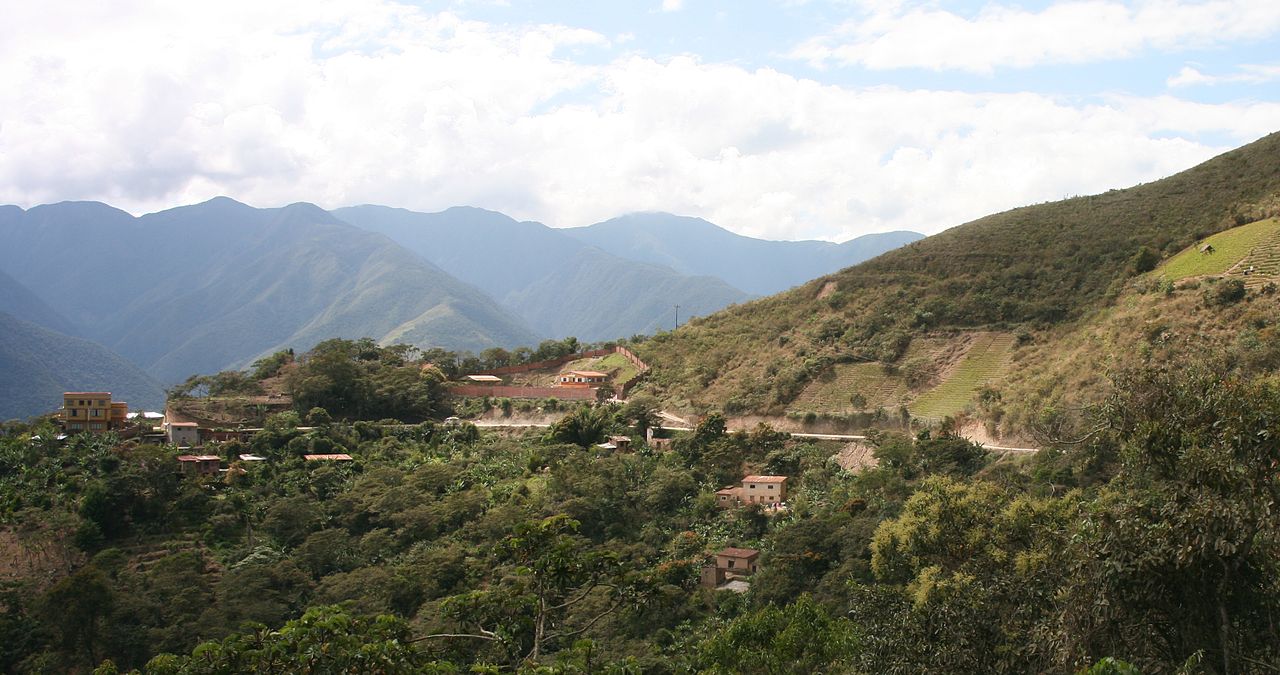
Coroico invites you to slow down at the edge of the Yungas valley with gentle hikes and riverside afternoons. Start with the peaceful trails around the town that reveal why this subtropical valley was the final stop on the old Death Road.
1. Walk the Yungas Valley Trails ·
These easy valley trails offer peaceful views and a deep connection to Coroico’s subtropical setting.
Choose from well-marked paths that meander through coffee plantations, avocado groves, and small farms. The trails stay low in elevation, letting you settle into a slow pace while spotting birds and local farmers working their land. Licensed guides in town offer gentle half-day options that end with a riverside rest stop.
Unlike the Death Road biking tours that demand effort and adrenaline, these trails let you savor the valley’s calm and stay close to Coroico’s village rhythm.
- When: Morning hours between 8:00 AM and 11:00 AM offer cooler temperatures and clearer light, best from May through September.
- Cost: ~$15, 2026
- Duration: Half day
- How to reach: Walk or rent a bike from town center; trails start within 10 minutes walking along the main valley road.
Insider tip: If closed
Visit the local botanical garden near the central plaza for a shaded, quiet nature stroll.
Solo female travel: Trails are well-traveled by locals and tourists alike; daytime walking is straightforward and safe.
2. Riverside Relaxation at Coroico River ·
Spend slow afternoons beside the Coroico River, where calm pools and small beaches invite quiet breaks.
Walk down to the riverbanks just outside town to find shaded spots perfect for reading or picnics. Locals fish here, and you can watch them work or join a casual game of cards with nearby families. The river’s gentle flow contrasts with the steep valley walls, making it a quiet, grounding spot.
This beats the busy town plaza for a relaxed, sensory experience where the river’s sound and the valley’s warmth take over.
- When: Late afternoons between 3:00 PM and 6:00 PM when the sun softens and temperatures drop slightly, year-round.
- Cost: Free
- Duration: Flexible, from 1 hour to a full afternoon
- How to reach: Walk 15 minutes downstream from the central plaza along the main road toward the river crossing.
Insider tip: If closed
Spend time on the covered terrace of a café overlooking the valley if rain or high water closes river access.
Solo female travel: The river area is frequented by families and friendly locals; daylight visits are comfortable and social.
3. Visit the Local Coffee Farms ·
Explore family-run coffee farms to see how the valley’s subtropical climate shapes Bolivia’s coffee culture.
Take a short guided walk through one of the small coffee plantations near town, learning about traditional harvesting and processing methods. Tastings happen in rustic farmhouses where owners share their stories. These visits reveal a slower pace of life tied to the land and the valley’s microclimate.
This offers a hands-on, sensory dive into Coroico’s agricultural backbone, unlike generic market visits that feel rushed and commercialized.
- When: Morning tours start between 8:30 AM and 10:30 AM, best from June to October during the dry season.
- Cost: ~$20, 2026
- Duration: 2 hours
- How to reach: Arrange transport or walk 20 minutes from town center along the paved road toward the farms.
Insider tip: If closed
Try coffee tastings at a local café in town that sources directly from nearby growers.
Solo female travel: Farm tours are small-group and family-run, offering a welcoming environment for solo travelers.
4. Sunset at Mirador de la Virgen ·
Catch calm valley views and soft evening light from the hilltop shrine just outside Coroico.
A short uphill walk leads to the Mirador de la Virgen, where you watch the sun dip behind the lush Yungas slopes. The site is quiet in the evening, with local families often gathering for prayer or conversation. This spot offers a moment of stillness and perspective over the valley’s subtropical greenery.
This is a peaceful alternative to busy viewpoints along the Death Road, focusing on calm and reflection rather than thrills.
- When: Plan to arrive by 5:30 PM to catch sunset, especially from May through September when days are shorter.
- Cost: Free
- Duration: 1 hour
- How to reach: Walk 20 minutes uphill from the central plaza along the main road; the path is well marked.
Insider tip: If closed
Visit a nearby café with a balcony view if the weather is overcast or rainy.
Solo female travel: The trail is safe and well known locally; evening visits are common and comfortable.
5. Thermal Baths near Coroico ·
Soak in natural thermal pools for a restorative experience after days in the valley’s warm sun.
Located roughly 30 minutes outside Coroico, the thermal baths offer mineral-rich waters in a rustic setting surrounded by subtropical forest. Small family-run facilities provide changing rooms and simple refreshments. This is a mellow way to unwind and connect with the valley’s natural hot springs without crowds.
Compared to active hiking or biking, the thermal baths provide a slow, sensory reset that fits Coroico’s relaxed vibe perfectly.
- When: Mid-afternoon visits work best, from 2:00 PM to 5:00 PM, year-round but especially during the dry season.
- Cost: ~$10, 2026
- Duration: Half day
- How to reach: Take a colectivo or taxi from town center along the main road toward the thermal springs; expect a 30-minute ride on paved and gravel roads.
Insider tip: If closed
Spend extra time relaxing at the riverside or in a shaded café if the baths are closed for maintenance or rain.
Solo female travel: Thermal sites are popular with locals and solo travelers alike; daytime visits are fine, but avoid late evenings.
Book tours and tickets
Booking through these links supports Pack Lightly at no extra cost to you.
24 hours in Coroico
This day plan suits travelers craving slow moments in a subtropical Yungas valley town. It balances easy mornings, a relaxed afternoon, and mellow evenings, perfect for unwinding after the old Death Road journey.

Morning
Start your day around 8:00 AM with coffee at one of the small cafes near the central plaza, where the morning light filters softly through the trees. Take a slow stroll through the leafy streets of the town, watching locals set up their market stalls and hearing birdsong from the surrounding forest. Visit the small craft stalls to see woven goods and simple pottery, then pause by the plaza fountain for a quiet moment before the day heats up.
Afternoon
After a relaxed morning, head to a family-run outdoor restaurant on the edge of town around noon for a lunch of fresh tropical fruit and grilled chicken, paired with fresh juice. Spend the early afternoon at the nearby riverbank, dipping your feet in cool water or reading in the shade under palm trees. Avoid rushing; let the humid air and gentle river sounds slow your pace before a short walk back through the village’s quiet lanes.
Evening
As the sun lowers, find a viewpoint on the western edge of Coroico to watch the valley’s light soften into warm golds and greens. Return to town for dinner at a small local eatery serving simple rice and vegetable dishes with locally grown herbs. The evening feels calm, with most locals winding down early, so take a slow walk back to your guesthouse under starry skies and listen to the night sounds of the jungle valley.
If you have a second day
Spend a morning visiting the coffee plantations on the outskirts, learning about the farming process from local families. In the afternoon, take a gentle hike along one of the old Death Road viewpoints for quiet river views and cooler air.
Best time to visit Coroico
Quick answer
Visit from April to June and October to early December for dry, mild weather ideal for slow days and valley views.
| Months to go | April to June, October to early December |
|---|---|
| Months to avoid | January to March due to heavy rain and muddy trails that limit outdoor relaxation. |
Coroico’s subtropical valley climate offers its best weather from April to June and October to early December when temperatures range from the mid-60s to low 80s °F. These months bring drier skies, perfect for lingering on porch hammocks or gentle walks through the village. The rainy season peaks from January through March, with heavy downpours that turn dirt roads to mud and close some trails, making slow travel less enjoyable. Temperatures stay warm year-round, but the humidity spikes in the wet months, which dampens outdoor options. The shoulder months balance warmth and dryness, opening windows for relaxed afternoons by the river or quiet hikes in the surrounding Yungas valley.
Average temperature (°F)
Monthly weather
humid wet, trails muddy
heavy rain, limited outdoor time
wet, slow travel conditions
drier, good for slow days
dry and mild, ideal for relaxing
cool dry, peaceful valley time
coolest month, very dry
dry, good for slow walks
warming up, mostly dry
pleasant, light showers possible
increasing rain, quieter village
rain returns, slower pace
How to get to Coroico
Nearest airport
El Alto International Airport (LPB), about 50 miles / 80 km from Coroico
From the airport
Take a shared shuttle or colectivo from El Alto airport to La Paz city center (~$10, 2026). From La Paz, book a direct minibus or colectivo to Coroico (~$15, 2026) at the main terminal; this is the fastest and most reliable route.
Other ways to arrive
- La Paz city, minibus, 3 hours, ~$15-$20, 2026
- Underground Yungas road by motorcycle taxi from Chulumani, 1.5 hours, ~$20, 2026
- Taxi from El Alto airport directly to Coroico, 2.5 hours, ~$80-$100, 2026
Getting around Coroico
Walking dominates in Coroico’s compact center, perfect for slow days. For longer trips, moto-taxis offer quick, affordable rides and local interaction.
- Walk – best for exploring the town center and nearby viewpoints, free
- Moto-taxi – use for trips to nearby villages or steep hills, ~$1-$3 per ride, 2026
- Shared minibus – take for travel between Coroico and surrounding towns, ~$5-$10, 2026
Avoid
Avoid renting cars; dirt roads and narrow streets make driving stressful and unnecessary.
Day trips from Coroico
These day trips extend your stay with quiet nature and local village life beyond Coroico’s center.
Chulumani
A peaceful Yungas town with coffee plantations and river views.
Why: Chulumani offers a slower pace and riverside trails that contrast Coroico’s busier plaza.
Skip if: Skip if you prefer to stay fully off-grid without transport hassle.
Coripata
Small farming village with traditional markets and fruit orchards.
Why: Coripata’s market mornings give a real sense of local life away from tourist spots.
Yungas Road viewpoint
Lookouts over the old Death Road descent into the Amazon basin.
Why: Early morning visits avoid crowds and capture the valley’s misty calm.
Skip if: Skip if you want to avoid any tourist traffic or motorbike noise.
Combine Coroico with
Coroico fits naturally into a Bolivia trip focused on Andean transitions to the Amazon basin.
7-day La Paz to Amazon loop La Paz → Coroico → Rurrenabaque
Start in high-altitude La Paz, descend through Coroico’s subtropical valley, then reach the Amazon gateway at Rurrenabaque for jungle exploration.
10-day Yungas and Lake Titicaca circuit La Paz → Coroico → Chulumani → Copacabana
Travel from the Andes down into the Yungas valleys, then continue west to Lake Titicaca’s calmer shores for a mix of mountain and lake slow travel.
Where to stay in Coroico
Coroico’s lodging splits between the central village near the main plaza and the quieter outskirts along the Yungas valley slopes. Most travelers pick the central area for walkable access to shops and restaurants, while a few opt for hillside cabins for peaceful mornings and river views. The main street zone offers easy connection to trails and local markets, making it the practical base for slow travel here.
Budget — Central village near the main plaza
Dorm-style rooms and simple family-run guesthouses dominate the budget tier, offering basic comfort without AC or hot water. Expect rustic charm with shared bathrooms and a social vibe, but limited privacy and no frills.
Insider tip: Request a room on the back side away from street noise and morning market bustle for better sleep.
Mid-range — Hillside near the Yungas river
Mid-range stays include wooden cabins and small guesthouses with private bathrooms and sometimes hot water, perched on valley slopes. These offer quiet mornings, river views, and easy access to walking trails without sacrificing comfort.
Insider tip: Book early for riverside cabins with balconies; they fill fast during high season but reward with serene sunsets.
Where not to stay
Avoid the strip along the main road entering Coroico; it gets loud late at night from passing trucks and local nightlife crowds, disrupting sleep for light sleepers.
Solo female travelers
Choose a guesthouse in the central plaza area with good street lighting and staff on-site at night; these spots offer the safest, most welcoming environment for solo female travelers.
Book your stay
Booking through these links supports Pack Lightly at no extra cost to you.
Where to eat and drink in Coroico
Coroico’s food reflects its subtropical Yungas setting with fresh tropical fruits and river fish shaping local plates. The Afro-Bolivian community influences cooking styles, especially around the central market where regional produce shines. Expect lighter, fresher meals than the high-altitude staples of Bolivia’s altiplano.
Must-try dishes
Pescado a la Parrilla (Grilled River Fish)
Fresh river fish marinated with local herbs and grilled over open coals, served with yuca and tropical salad.
Insider tip: Skip the touristy spots on the main plaza; the best grilled fish comes from the riverside stalls early afternoon when fish is freshest.
Chairo Yungueño (Yungas-style Chairo Soup)
A hearty soup made from local potatoes, corn, and smoked beef, flavored with herbs from the Yungas valleys.
Insider tip: Order this midday when kitchens prepare it fresh; avoid late afternoon when leftovers lose their depth of flavor.
Humintas de Maíz Dulce (Sweet Corn Humintas)
Steamed corn dough mixed with fresh cheese and wrapped in corn husks, steamed until soft and fragrant.
Insider tip: Grab these fresh in the morning as a snack or light breakfast; avoid buying late in the day when they become dry.
Local drinks
- MocochinchiTry mocochinchi at juice stands in the central plaza or near the market where vendors serve it fresh daily.
A cold drink made from dried peach skins boiled with cinnamon and sugar, served chilled. - Yungas CoffeeSmall cafes near the town center serve Yungas coffee brewed fresh, often alongside simple pastries.
Coffee grown in the Yungas valleys known for its mild acidity and nutty flavor.
How to eat like a local in Coroico
Lunch is the main meal, typically served from 12:00 PM to 2:00 PM with family-run kitchens closing early afternoon. Order your biggest meal then and avoid evenings when many places shut or switch to selling snacks and drinks only.
Dietary note
Vegetarian options are limited as most dishes feature meat or fish; stick to fresh fruit, corn-based snacks, and ask explicitly for vegetable-only preparations at market stalls.
Daily budget for Coroico
Coroico’s daily costs sit slightly above Bolivia’s low-cost average due to its remote Yungas location and growing eco-tourism draw. Expect modest price bumps for lodging and activities compared to La Paz.
Shoestring
- lodging — basic family-run guesthouse with shared bathroom
- food — simple local meals from market stalls or small eateries
- transport — shared minibuses or moto-taxis within town
- activities — self-guided hikes or free viewpoints
- buffer — small emergency fund or bottled water
Trade-offs: You’ll sacrifice comfort and privacy, relying on basic facilities and skipping guided tours.
Comfort
- lodging — private room in a quiet guesthouse with hot water
- food — mix of local restaurants and occasional fresh juices
- transport — private moto-taxi rides or occasional car hire
- activities — guided nature walks and entrance fees
- buffer — souvenirs, snacks, or unexpected expenses
Trade-offs: You’ll enjoy better amenities but still limit splurges on dining and private transport.
Splurge
- lodging — boutique eco-lodge or cabin with views and private bath
- food — meals at top local restaurants with fresh regional produce
- transport — private car hire for day trips
- activities — full-day guided tours including Yungas valleys and waterfalls
- buffer — tips, drinks, and occasional extras
Trade-offs: You’ll pay a premium for privacy and curated experiences but skip luxury hotel extras like spa services.
Money-saver tip
Book lodging directly with family-run guesthouses in town rather than through online platforms to avoid 20-30% markups.
Splurge that’s worth it
Pay for a full-day guided tour to the surrounding Yungas valleys and waterfalls — the local guides know quiet trails and viewpoints inaccessible on your own.
Skip to save
Avoid pricey souvenir shops near the plaza; instead, buy crafts directly from artisans in the village outskirts for better prices and authenticity.
Practical tips for Coroico
Money
| Cash or card | Bring cash in Bolivianos; card acceptance is extremely limited outside the main plaza and some lodges. |
|---|---|
| ATMs | ATMs exist near the central plaza but often run out or reject foreign cards; carry backup cash for remote areas. |
| Tipping | Leave a 10% tip at restaurants when service is good; rounding up small bills for guides or drivers is appreciated. |
Safety
Coroico is low-crime but uneven road conditions require caution; stay alert on steep, unpaved paths especially after rain.
Local warnings:
- Mountain roads can be slippery and narrow; avoid night driving.
- Sun intensity is high—use sunscreen and a hat.
- Sandflies are active near riverbanks at dusk; insect repellent is necessary.
Connectivity
| Mobile data | Mobile coverage is spotty outside town; Tigo SIM cards offer the best data reliability in Coroico. |
|---|---|
| Wi-Fi | Wi-Fi is slow and intermittent in most guesthouses; expect better connections at cafes near the main plaza. |
Language
| Main language | Spanish |
|---|---|
| English level | English is rare beyond tourism spots; basic Spanish phrases will get you through daily interactions. |
Cultural notes
| Dress modestly when visiting local churches; avoid shorts and tank tops. |
| Ask permission before photographing people, especially in rural areas. |
| Greet locals with a handshake and a nod; avoid political topics. |
Solo female travel
Solo female travelers find Coroico welcoming but should stick to well-traveled streets after dark.
| Neighborhood | Stay near the central plaza for easy access to shops, eateries, and safer evening walks. |
|---|---|
| Transport | Use shared minibuses during the day; avoid hitchhiking or walking isolated roads at night. |
| Meeting people | Meet locals and travelers at the small cafes around the plaza where community boards post events and gatherings. |
Frequently asked questions about Coroico
1How do you get to Coroico from La Paz?
Take a shared minibus or private taxi from La Paz to Coroico via the Yungas Road. The trip takes around 3.5 to 4 hours on a winding mountain road. Book transport early to avoid overcrowding.
2Is Coroico safe for solo female travelers?
Yes, Coroico is safe for solo female travelers who stick to the central plaza and main streets after dark. Avoid isolated trails at night and use registered taxis for late returns.
3Can you swim in rivers near Coroico?
Yes, several rivers around Coroico have calm swimming spots, especially near small villages outside town. Avoid swimming after heavy rain due to strong currents and water quality concerns.
4What is the food like in Coroico?
Expect simple, hearty Bolivian dishes with fresh produce from the Yungas valley. Try grilled trout at family-run eateries and fresh fruit juices made from local tropical fruits.
5Do you need a 4×4 to visit Coroico?
No, a 4×4 is not necessary. Regular cars and minibuses navigate the paved and gravel roads fine, but expect slower speeds on rough stretches, especially during the rainy season.
6Is it safe to walk around Coroico at night?
Walking around the central plaza and main streets at night is generally safe. Stay in well-lit areas and avoid poorly lit neighborhoods or isolated paths after dark.
7What does a day in Coroico cost?
Roughly $40-60/day covers lodging in a family-run guesthouse (~$20), meals (~$10-15), and local transport or activities (~$10-15). Prices rise slightly in peak season.
8Are there any health risks specific to Coroico?
Yes, mosquito-borne illnesses like dengue and chikungunya are present. Use insect repellent and mosquito nets. Tap water is unsafe; drink bottled or boiled water only.
Estimate your daily budget
See realistic daily costs by tier and category.