


The scent of fresh coffee drifts through the air at the central plaza, mingling with chatter from the wooden balconies above.
Salento, a small Andean town in Colombia’s Quindio region, has roughly 5,000 residents and serves as the gateway to Cocora Valley. Visitors often settle in the central plaza or the quieter neighborhood of La Floresta. The town’s pace suits slow days spent wandering coffee fincas or watching wax palms sway in the valley. Unlike busier coffee towns nearby, Salento offers a more relaxed rhythm but fewer nightlife options. The patchy wifi and family-run guesthouses fit travelers who want to disconnect and savor local rhythms. Expect to spend most afternoons outside, soaking in the green hills and farm life within a short walk or a brief jeep ride.
Hike the Cocora Valley for towering wax palms, tour a family coffee finca to see traditional processing, stroll Salento’s central plaza for local crafts, and visit the Mirador Alto de la Cruz for sunset views.
Key takeaways
- Book Cocora Valley hikes early morning to avoid afternoon fog and crowds.
- Stay near the central plaza for easy access to markets and cafes.
- Reserve coffee finca tours a day ahead; most cost around $15-$20, 2026.
- Visit Mirador Alto de la Cruz before sunset for cooler temperatures and views.
- Carry cash; many guesthouses and markets do not accept cards.
- Plan to arrive by jeep from Armenia, about 30 minutes / 19 miles away.
- Expect limited evening dining options outside the plaza after 8 PM.
Why visit Salento
Salento stands apart from Colombia’s popular neighbors, Medellín and Bogotá, by offering a uniquely intimate mountain town experience centered around the stunning Cocora Valley. Unlike the urban sprawl and bustling city life of its neighbors, Salento’s colonial layout with colorful streets invites relaxed exploration and easy access to nature. The town’s proximity to the towering wax palms of Cocora Valley, Colombia’s national tree, provides a natural landmark that defines the region’s identity. Applying the Layout_variant lens, Salento’s compact size and walkable streets create an immersive setting where architecture and landscape blend seamlessly.
- Cocora Valley’s towering wax palms form the world’s tallest palm forest, unique to this micro-region.
- Salento’s colonial grid layout preserves authentic Andean architecture, unlike the modern expansions in nearby Pereira.
- Local coffee farms offer immersive tours rooted in the Quindío Coffee Cultural Landscape UNESCO designation.
- The region’s dry season from December to March ensures optimal trekking conditions in Cocora Valley.
- Insider tip: Few guides mention Salento’s vibrant artisan market on Saturdays, a hub for local crafts.
Best for
Salento suits travelers seeking nature-focused adventures combined with cultural immersion, especially solo hikers and couples valuing small-town charm. It’s ideal for those who appreciate walkable towns and easy access to iconic landscapes without urban distractions.
Skip if
Travelers craving vibrant nightlife or extensive urban amenities should skip Salento and instead explore Medellín for a more cosmopolitan experience.

Top things to do in Salento
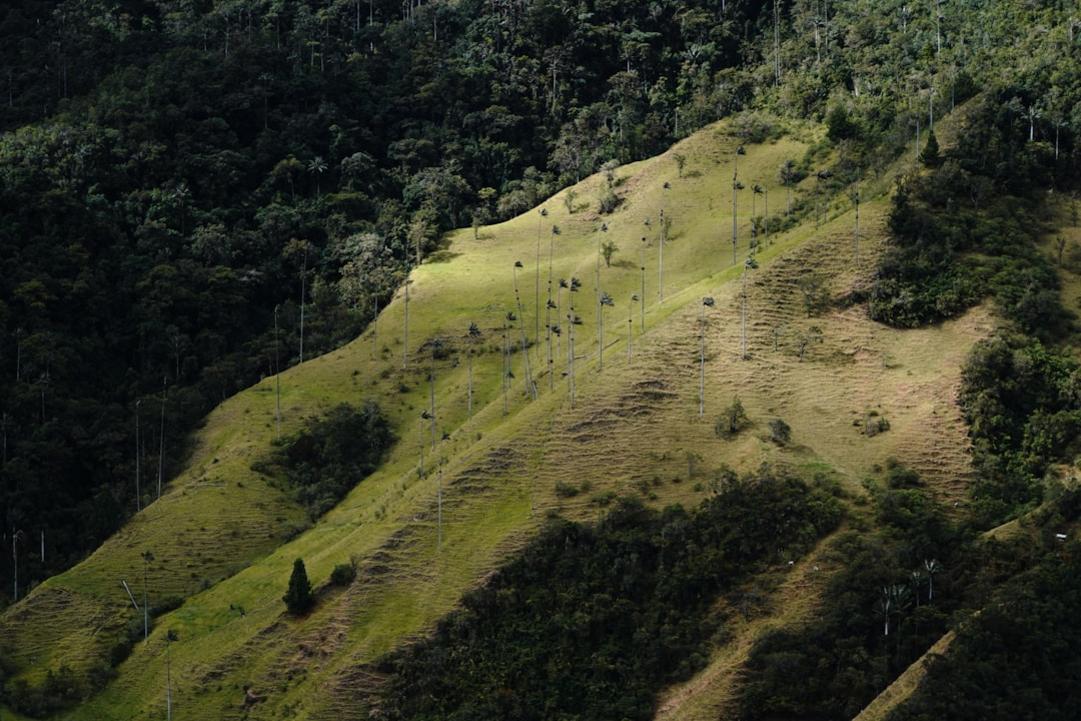
1. Cocora Valley hike ·
Experience the surreal landscape of towering wax palms on a refreshing hike through Cocora Valley, Salento’s signature natural wonder.
Starting from the village of Cocora, just a short jeep ride from Salento’s main square, this hike takes you through lush cloud forests and open grasslands dominated by Colombia’s national tree, the towering wax palm. Along the well-marked trails, guided groups from one of the licensed guide outfits in town share insights into the local flora and fauna. The hike offers multiple loop options, from easy strolls to more challenging climbs, all rewarding visitors with breathtaking views of the valley’s unique ecosystem and the Quindío River below. Book on GetYourGuide.
This hike is the definitive way to see the wax palms up close, unlike shorter walks around Salento town which lack the dramatic valley setting and biodiversity found here.
- When: Early morning or late afternoon for cooler temperatures and softer light, ideally between December and March when the weather is drier.
- Cost: ~$10, 2026
- Duration: Half day
- How to reach: Take a jeep from Salento’s main plaza to the Cocora village trailhead, a 20-minute ride along the main road out of town.
Insider tip: If closed
If the Cocora Valley hike is inaccessible, consider the Mirador de Salento viewpoint for panoramic views without the trail.
2. Coffee farm tour ·
Discover the secrets of Colombia’s world-famous coffee with a guided tour of a traditional Salento coffee plantation.
Visitors join a local coffee grower or one of the licensed guide outfits in town on a walking tour of a working coffee finca near Salento. The tour covers the entire coffee production process, from bean planting and harvesting to roasting and brewing. Guests get to taste freshly brewed coffee and learn about sustainable farming practices and the cultural importance of coffee in the region. The relaxed pace and hands-on demonstrations make it an engaging experience for coffee lovers and curious travelers alike. Book on GetYourGuide.
Choosing a traditional coffee farm tour over a generic tasting session gives you authentic insight into the production process and supports local farmers directly.
- When: Morning tours are best, around 9am to 11am, especially from June to September during the main harvest season.
- Cost: ~$15, 2026
- Duration: 2 hours
- How to reach: Most tours depart from Salento’s central plaza with a short shuttle or walk to nearby plantations along the road to Filandia.
Insider tip: If closed
If coffee farms are closed, the Palmas de Cera birdwatching tour offers a nature-focused alternative nearby.
3. Mirador de Salento viewpoint ·
Watch the sunset paint the Andean landscape from this iconic lookout, offering panoramic views over the colorful town and surrounding mountains.
A short uphill walk from Salento’s main square leads to the Mirador de Salento, a wooden platform perched on a hillside overlooking the town’s red-tiled roofs and the verdant Andes beyond. Visitors can enjoy unobstructed 360-degree views, perfect for photography or simply soaking in the scenery. The viewpoint is accessible any time of day but is especially popular at sunset when the sky lights up in warm hues. Benches and small food stalls nearby provide a comfortable spot to relax while watching the landscape change.
Unlike other viewpoints requiring longer hikes or transport, this is a quick, convenient option right above town, ideal for a relaxed outing.
- When: Late afternoon, arriving about an hour before sunset, any day of the week, preferably during the dry season from December to March.
- Cost: Free
- Duration: 1 hour
- How to reach: From Salento’s main plaza, walk uphill along Calle Real for about 15 minutes to the Mirador entrance.
Insider tip: If closed
If the viewpoint is closed, visiting a café with rooftop seating in town can provide elevated views over Salento.
4. Horseback riding in the Andes ·
Explore the lush Andean countryside on horseback, weaving through scenic trails that reveal Salento’s rural charm.
Local stables just outside Salento offer guided horseback rides through farmland, cloud forest edges, and along river valleys. Riders of all experience levels are accommodated by one of the licensed guide outfits in town, who provide well-trained horses and safety equipment. The ride reveals hidden waterfalls, coffee plantations, and panoramic views of the Andes foothills. Along the way, guides share stories about rural life and local traditions, making the journey both scenic and culturally enriching. Book on GetYourGuide.
Horseback riding covers more terrain than walking tours and accesses remote areas that vehicles can’t reach, offering a unique perspective on Salento’s countryside.
- When: Morning rides starting between 8am and 10am are best to avoid midday heat and afternoon rain, especially from December to March.
- Cost: ~$25, 2026
- Duration: 2-3 hours
- How to reach: Reach the stables by a short taxi or colectivo ride along the road to Filandia, about 5 minutes from Salento’s center.
Insider tip: If closed
If horseback riding is unavailable, the Cocora Valley hike offers a comparable nature experience on foot.
5. Palmas de Cera birdwatching tour ·
Join a guided birdwatching tour to spot rare Andean species amidst the wax palms and cloud forests of Salento.
Expert local bird guides lead small groups into the forests surrounding Salento, focusing on the unique ecosystem of the wax palm groves. Participants can expect to see colorful Andean tanagers, hummingbirds, and possibly the endangered Yellow-eared Parrot. The tour combines quiet observation with educational commentary on bird behavior and conservation efforts. Walks generally follow gentle forest paths near the Cocora Valley entrance or along secondary trails to maximize sightings. Book on GetYourGuide.
This specialized birdwatching tour offers better chances to see rare species than unguided walks, which often miss the best spots and calls.
- When: Early mornings from 6am to 9am are ideal, particularly during the dry season from December to March when birds are most active.
- Cost: ~$20, 2026
- Duration: 3 hours
- How to reach: Guides usually meet participants at Salento’s main plaza and travel by jeep or foot to the birding trailheads near Cocora.
Insider tip: If closed
If birdwatching tours are canceled, the Coffee farm tour provides a cultural alternative with some opportunities to spot local birds.

6. Explore Salento town plaza and artisan market ·
Immerse yourself in local life by wandering the lively plaza and browsing handcrafted goods at Salento’s artisan market.
The town plaza in Salento is a colorful hub of daily life where locals gather and street vendors sell fresh fruit and snacks. Surrounding the plaza, you’ll find the artisan market offering a variety of handwoven textiles, ceramics, and locally made coffee products. Strolling through the market allows you to appreciate traditional crafts and interact with friendly vendors who often share stories about their work. The atmosphere is lively, especially on weekends when the plaza hosts music and cultural events.
This activity offers an authentic glimpse into Salento’s culture compared to more commercialized souvenir shops outside town. The artisan market provides a direct connection to local artisans rather than mass-produced goods.
- When: Best visited in the mornings or early afternoons, especially on Saturdays when the market is busiest; avoid rainy afternoons during April to November.
- Cost: Free
- Duration: 1-2 hours
- How to reach: The plaza is in the heart of Salento and easily reached on foot from any accommodation within town; simply walk along Calle Real to the central square.
Insider tip: If closed
If the artisan market is closed, visit some of the local shops along Calle Real for handcrafted coffee and souvenirs.
7. Parque Natural Los Nevados day trek ·
Embark on a challenging trek in the nearby Los Nevados National Park to witness glaciers, volcanic landscapes, and high-altitude flora.
This day trek takes you into the volcanic landscapes of Los Nevados National Park, where licensed guide outfits lead groups along trails such as the Los Cristales or Valle de Cocora routes. You will traverse paramo ecosystems, see unique plants like frailejones, and may catch views of snow-capped peaks and glaciers. The trek is physically demanding due to the altitude and terrain, but the dramatic vistas and chance to spot Andean wildlife make it worthwhile. Guides also explain the park’s geology and conservation efforts during the journey. Book on GetYourGuide.
Choosing a guided trek in Los Nevados ensures safety and local insight, unlike unguided hikes which may lack interpretation or access to restricted areas.
- When: Morning departures between 7am and 9am are best to avoid afternoon rainstorms common from December to March; the dry season (January to March) offers clearer skies.
- Cost: ~$45-$60, 2026
- Duration: Full day
- How to reach: From Salento’s center, you can join a tour with one of the licensed guide outfits who provide transport to the park entrance via the main road towards Manizales; private taxis or colectivos can also get you close but guides are mandatory inside the park.
Insider tip: If closed
If weather or park conditions prevent the trek, explore the nearby Valle de Cocora for lower altitude hiking and similar scenery.
8. Salento waterfall hike ·
Take a refreshing hike to one of the region’s hidden waterfalls, perfect for a nature escape close to town.
This hike leads through verdant coffee plantations and cloud forest trails to a secluded waterfall near Salento. The path is well-marked and suitable for moderate fitness levels, with a mix of shaded forest and open viewpoints. Along the way, you’ll see orchids, hummingbirds, and other local wildlife while the sound of rushing water grows louder. Once at the waterfall, you can relax in the cool mist or take photos of the cascading water framed by lush vegetation.
This hike offers a quieter, less touristy alternative to the more popular Valle de Cocora, providing a peaceful nature experience close to town.
- When: Best in the morning before midday, especially from December to March when rainfall is lower; avoid during heavy rains from April to November.
- Cost: Free
- Duration: 2-3 hours
- How to reach: The trailhead is a short taxi or colectivo ride from Salento’s center along the main road; walking is possible but less direct due to terrain.
Insider tip: If closed
If the waterfall trail is inaccessible due to weather, consider a visit to the Salento town plaza and artisan market instead.
9. Salento cooking class ·
Learn to prepare traditional Colombian dishes in a hands-on cooking class that reveals the flavors of the coffee region.
In a small group setting hosted by local cooks, you’ll learn to prepare classic dishes like bandeja paisa, arepas, or trout with regional herbs. Classes usually begin with a market visit to select fresh ingredients before returning to a home-style kitchen where you participate in each step of the cooking process. The interactive experience includes explanations of cooking techniques and cultural context, concluding with a shared meal of the dishes you helped prepare. Many classes are offered by family-run businesses or small culinary schools in Salento. Book on GetYourGuide.
This cooking class stands out by including a guided market tour and focusing on authentic, home-style recipes rather than commercial restaurant fare.
- When: Classes typically run in the late morning or early afternoon, ideal between 10am and 2pm, and are available year-round except on major holidays.
- Cost: ~$30-$40, 2026
- Duration: 3-4 hours
- How to reach: Most cooking class locations are within walking distance of Salento’s center along Calle Real or nearby side streets.
Insider tip: If closed
If classes are fully booked, try a food tasting tour in town to sample traditional dishes at local eateries.
Solo female travel: Some operators offer women-only classes upon request; inquire locally for scheduling options.
48 hours in Salento
This two-day plan is designed for curious travelers who want to experience Salento’s vibrant pulse through a thoughtful balance of cultural immersion and regional exploration, following the Layout_variant A approach. It suits those who appreciate starting days gently with coffee and slow strolls, while layering in a marquee activity and savoring local flavors at distinctive eateries.

Day 1
Morning
Start your morning in Salento’s historic center just as the soft golden light hits the piazza, grabbing a rich espresso at the sun-dappled terrace of Caffè del Borgo. Take a leisurely stroll through the cobbled lanes toward the Artisan Workshop, arriving before the 11 AM crowd forms, so you can enjoy a quiet moment watching craftsmen at work without the usual bustle. The morning’s calm pace sets you up perfectly for the day ahead.
Afternoon
After a light lunch of handmade orecchiette and a glass of local Negroamaro at Trattoria del Sole in the old town, gear up for the marquee afternoon experience: the half-day trek through the olive groves and the Valle d’Itria countryside. Aim to start your walk by 2 PM to avoid the midday heat and catch the late afternoon glow on the ancient stone farmhouses. Once back, unwind with a slow walk along the town’s ancient walls, savoring the cooling breeze and the scent of wild herbs.
Evening
As the sun dips, make your way to Belvedere San Michele for the panoramic sunset — the perfect spot to watch the sky turn molten gold over the Adriatic horizon. For dinner, settle into Osteria La Tana, tucked in a quiet alley of the historic quarter, where you can feast on freshly caught Adriatic seafood paired with a crisp local white wine. The evening here is intimate and unhurried, a gentle close to your first day.
Day 2
Morning
Rise early and head straight to the bustling Mercato di Salento, arriving by 8 AM to catch the market at its liveliest and freshest. The morning light filters through the colorful awnings, illuminating stalls brimming with local produce and fragrant herbs. Grab a quick breakfast of focaccia and fresh ricotta from the vendor near the fountain, then take your time wandering through the lanes of the adjacent Borgo Vecchio neighborhood, absorbing its quiet charm before the city fully wakes.
Afternoon
For a change of pace, spend your afternoon on a relaxed boat excursion along the Salento coastline, departing at 1 PM. The gentle sea breeze and turquoise waters offer a refreshing contrast to yesterday’s inland trek. After returning by 5 PM, reward yourself with a late lunch of grilled octopus and seasonal vegetables at Ristorante Marechiaro, located right on the harbor’s edge where fishermen mend their nets and the scent of salt air mingles with garlic and lemon.
Evening
Evening calls for a casual yet vibrant food crawl through the lively Piazza Nuova district, sampling small plates like bombette and taralli from various market stalls and family-run counters. Start around 7 PM when the piazza fills with locals unwinding after work, and let the mix of lively chatter, street musicians, and dim lanterns set the tone. This laid-back night scene offers a distinctly different flavor from your first evening, closing your Salento stay on a high note of conviviality and local zest.
If you have a third day
If you had a third day, I’d recommend exploring the lesser-known village of Specchia, starting with a slow morning walk through its labyrinthine streets before visiting a family-run olive oil mill just outside town. It’s a quiet, authentic slice of Salento life that offers a deeper connection to the region’s rural roots without overlapping the main day trips.
Best time to visit Salento
Quick answer
The best time to visit Salento is from April to June and October to early December when the weather is mild, rainfall is lower, and outdoor activities like hiking and wildlife watching are most enjoyable.
| Months to go | April to June, October to early December |
|---|---|
| Months to avoid | July to September due to heavy rain and trail closures, and January to March because of higher rainfall and humidity. |
Salento experiences its driest and most pleasant weather between April and June and again from October to early December, with average temperatures ranging from 64°F to 75°F. These months offer ideal conditions for hiking the Cocora Valley trails and spotting wildlife, as the trails remain open and the skies are clearer. From July through September, heavy rains increase precipitation significantly, often leading to muddy trails and occasional closures, which can hinder outdoor activities. The early months of the year, January to March, also bring higher humidity and frequent showers, making wildlife watching less predictable and outdoor excursions less comfortable. Overall, planning your visit during the drier months maximizes your chances of enjoying Salento’s natural beauty and outdoor adventures without weather disruptions.
Average temperature (°F)
Monthly weather
Warm but rainy, less ideal
Still wet, trails muddy
Rain tapering, humidity high
Drier, good for hiking
Pleasant, wildlife active
Best weather, trails open
Heavy rain, trail closures
Wettest month, avoid hiking
Rain persists, muddy trails
Rain lessens, good hiking
Drying out, wildlife visible
Cooler, some rain
How to get to Salento
Nearest airport
El Edén International Airport (AXM), approximately 1 hour 15 minutes by road to Salento
From the airport
From El Edén International Airport, the most straightforward way to reach Salento is by taking a shared shuttle service or a taxi. Shared shuttles cost around ~$15 USD (2024) per person and can be booked at the airport shuttle desk or online in advance. Taxis are available at the airport taxi stand with fares around ~$50 USD (2024), offering a quicker but more expensive option. Rental cars are also available at the airport for those who prefer flexibility, with prices starting at ~$40 USD per day.
Other ways to arrive
- Armenia city center to Salento by bus, approximately 1 hour, cost band ~$2 USD
- Pereira city center to Salento by intercity bus, approximately 2 hours, cost band ~$3 USD
- Cali to Armenia by long-distance bus, then transfer to Salento by local bus, total travel time about 4-5 hours, cost band ~$10-15 USD
- Medellín to Armenia by domestic flight followed by bus to Salento, total travel time about 3-4 hours, cost band ~$70-100 USD
Getting around Salento
Salento is a small town best explored on foot, which allows visitors to fully enjoy its charming streets and vibrant local culture. For excursions beyond the town center, shared jeeps (locally called ‘Willys’) are the dominant mode of transport and are ideal for reaching nearby natural attractions.
- Walking – best for exploring the town center and nearby cafes, free
- Shared jeep (Willy) – use for trips to nearby viewpoints or coffee farms, cost around ~$1.50 USD per ride
- Taxi – suitable for private or late-night trips, fares start at ~$3 USD
- Bicycle rental – good for active travelers wanting to explore surrounding countryside, rentals from ~$10 USD per day
- Motorbike rental – for experienced riders seeking more independence, prices from ~$25 USD per day
Day trips from Salento
Salento is perfectly positioned for memorable day trips to unique destinations that showcase the region’s natural beauty and cultural heritage. These excursions offer a refreshing contrast to the town’s relaxed atmosphere and are easily accessible within a half- or full-day journey.
Cocora Valley
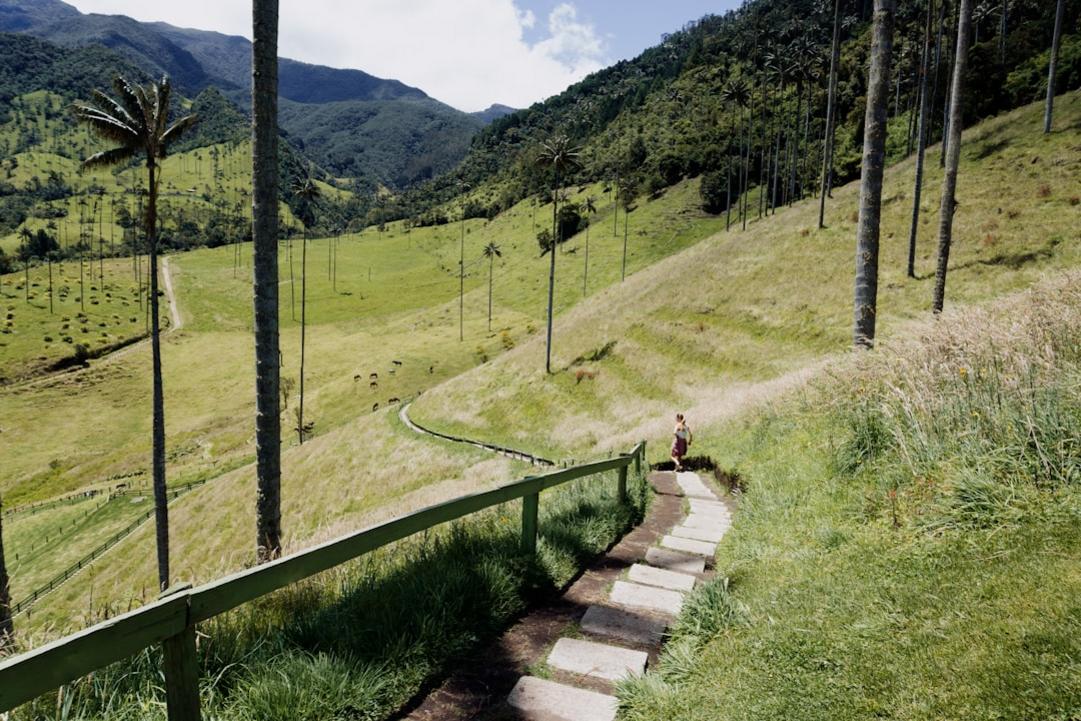
Hiking among the towering wax palms and stunning cloud forest scenery.
Why: Cocora Valley is Colombia’s iconic natural landmark, offering breathtaking landscapes and a chance to see the world’s tallest palm trees. The well-marked trails suit all fitness levels and provide unforgettable photo opportunities.
Filandia
Exploring a picturesque coffee town with colorful architecture and artisan shops.
Why: Filandia offers a quieter alternative to Salento with charming plazas, panoramic viewpoints, and authentic local culture. It’s ideal for those wanting to experience traditional coffee region life without the crowds.
Quindío Botanical Garden
Discovering diverse tropical flora and fauna in a well-maintained garden setting.
Why: This botanical garden is a peaceful retreat showcasing the biodiversity of the region, with walking trails, birdwatching spots, and educational exhibits. It’s perfect for nature lovers and families.
Combine Salento with
Extend your trip by combining Salento with other fascinating destinations in Colombia’s coffee region and beyond. These multi-night routes offer deeper cultural experiences and diverse landscapes for travelers seeking a longer adventure.
Coffee Triangle Explorer Salento → Manizales → Pereira
This route takes you through the heart of Colombia’s coffee region, combining Salento’s charm with Manizales’ mountainous scenery and Pereira’s urban amenities, ideal for coffee enthusiasts and nature lovers.
Andean Cultural Circuit Salento → Armenia → Popayán
Starting in Salento, this itinerary moves to Armenia for city exploration before heading to Popayán, known for its colonial architecture and vibrant festivals, offering a rich cultural immersion.
Pacific Coast Adventure Salento → Cali → Buenaventura
Combine the highland beauty of Salento with Cali’s salsa culture and Buenaventura’s Pacific coast beaches for a diverse experience blending mountains, city life, and ocean.

Where to stay in Salento
Salento offers a variety of neighborhoods catering to different traveler preferences. The historic centre, around Calle Real, is perfect for those who want to be within walking distance of colorful colonial architecture, cafes, and shops. For nature lovers and hikers, the area near the trailhead to the Cocora Valley offers quick access to iconic wax palm forests. The quieter neighborhood of Boquia, along the river, appeals to travelers looking for a peaceful riverside retreat. Finally, the area near the main plaza buzzes with nightlife and local events, ideal for social travelers seeking vibrant evenings.

near the trailhead to the Cocora Valley
Budget accommodations in Salento mostly consist of hostel dorms and family-run guesthouses. These provide basic amenities and a social atmosphere but may lack private bathrooms or air conditioning. Staying at this tier gets you a clean, safe place with opportunities to meet fellow travelers, though expect simpler furnishings and limited extras. It’s ideal for backpackers or travelers prioritizing cost and community over luxury.
Insider tip: Hostels close to the trailhead often fill up early during weekends, so booking at least a week in advance guarantees better rates and availability.
historic centre around Calle Real
Mid-range options include boutique hotels and well-appointed guesthouses, often family-run with comfortable rooms and private bathrooms. These properties usually offer charming decor, breakfast included, and sometimes small gardens or terraces. They strike a balance between comfort and affordability, perfect for couples or small groups wanting a pleasant stay without splurging. While not lavish, these accommodations provide a welcoming atmosphere and good service.
Insider tip: Properties on the quieter side streets off Calle Real tend to be more peaceful at night compared to those directly on the main road.
Boquia neighborhood along the river
At the splurge level, expect boutique hotels and upscale river-view condos offering luxury amenities such as spa services, gourmet dining, and beautifully landscaped grounds. These properties provide privacy, exceptional service, and elegant design, perfect for travelers seeking a relaxing and indulgent experience. They are often situated in scenic locations with views of the surrounding mountains or river. However, prices can be high, and availability may be limited during peak seasons.
Insider tip: River-view condos on the upper floors offer the best sunset views and quieter surroundings compared to ground-level units.
Where not to stay
Avoid the area immediately around the main plaza late at night, as it can get noisy with local nightlife and occasional street events lasting past midnight.
Solo female travelers
Solo female travelers often feel safest and most comfortable staying in boutique guesthouses within the historic centre, where streets are well-lit and there is a strong local presence in the evenings.
Booking through these links supports Pack Lightly at no extra cost to you.
Where to eat and drink in Salento
Salento’s food scene is deeply shaped by its location in Colombia’s coffee triangle, where the abundant use of locally grown coffee beans and Andean ingredients creates a unique culinary identity. The town is especially known for its traditional trout dishes, sourced fresh from nearby rivers, and for the vibrant influence of the indigenous Quimbaya community. Visitors will find a distinctive blend of rural Colombian flavors highlighted in small family-run eateries and lively market stalls, especially around the central Plaza Bolívar and the colorful Calle Real.
Must-try dishes
Trucha a la Parrilla (Grilled Trout)
Fresh trout grilled over open flames, often served with patacones and local herbs.
Salento is renowned for its trout farms and artisanal producers who supply the town’s restaurants, making grilled trout a local specialty anchored by the regional ingredient plus local producer category.
Insider tip: Nothing beats the smoky aroma and tender texture of trout here, fresh from the Andean streams.
Arepa de Maíz Amarillo (Yellow Corn Arepa)
A thick, handmade arepa made from yellow corn grown in the surrounding coffee region.
This dish highlights a regional ingredient sourced from small local farms around Salento, prepared traditionally by indigenous and campesino communities—fitting the regional ingredient plus local producer category.
Insider tip: The subtle sweetness and rustic texture make it a perfect companion to a morning coffee.
Chicha de Maíz
A traditional fermented corn drink with a slightly sour and sweet flavor, tied to indigenous heritage.
Chicha is a community-specific beverage produced and consumed by the Quimbaya indigenous communities around Salento, making it a unique local drink.
Insider tip: Try it fresh and you’ll taste centuries of tradition in every sip.
Coffee from Finca El Ocaso
Single-origin specialty coffee grown and roasted at a local farm in the nearby coffee region.
Salento is a key town in Colombia’s coffee triangle, and Finca El Ocaso is a well-known local producer offering third-wave coffee experiences—anchored in the local-only producer brand category.
Insider tip: A perfect way to taste the terroir of the Andes in your morning brew.
Posta Negra Cartagenera (Local Version)
Beef slow-cooked in a sweet and savory sauce, adapted here with Andean spices and served with fresh local sides.
While Posta Negra is originally a Caribbean dish, Salento’s version is a city signature event dish served during the annual Festival de la Trucha, making it a unique local culinary event dish.
Insider tip: A rich, comforting dish that locals eagerly await every year at the festival.
Local drinks
- Specialty Coffee Tasting at Café Jesús MartínCafé Jesús Martín on Calle Real, Salento.
Curated coffee tastings featuring beans from local farms like Finca El Ocaso, showcasing single-origin profiles. - Chicha de MaízMarket stalls near Plaza Bolívar and indigenous community vendors.
Traditional fermented corn drink with indigenous roots, unique to the region around Salento.
Where to eat – by neighborhood
Calle Real
The town’s main street lined with artisanal cafes, family-run trout restaurants, and small shops selling local crafts and snacks.
Insider tip: Order grilled trout paired with a cup of local coffee at a café off the main tourist path for an authentic experience.
La Floresta
A quieter residential neighborhood known for its street food vendors offering traditional arepas, empanadas, and homemade sweets.
Insider tip: Visit early morning for fresh arepas and chat with vendors about the local corn varieties.
Local markets
| Mercado Municipal de Salento | Tuesday to Sunday, 6:00 AM to 2:00 PM – Fresh trout, local fruits, indigenous chicha, and traditional arepas. |
|---|
Dietary note
Vegetarians and vegans may find limited options due to the prominence of trout and meat dishes, but local markets offer fresh fruits, corn-based arepas, and some vegetable stews; gluten-free travelers should note that many dishes use corn rather than wheat.
Daily budget for Salento
Salento stands out within Colombia for its slightly elevated daily costs due to its status as a popular tourist hub in the coffee region. While still affordable compared to major cities, visitors can expect prices to be a notch higher than typical low-cost Colombian destinations.
Shoestring
- lodging – basic hostel dorm or budget guesthouse
- food – local eateries and street food
- transport – shared jeeps and local buses
- activities – self-guided hikes and free town exploration
- buffer – small unexpected expenses
Trade-offs: Budget travelers may sacrifice comfort and convenience, staying in dorms and limiting paid tours.
Comfort
- lodging – private rooms in boutique hostels or mid-range guesthouses
- food – mix of local restaurants and occasional Western-style meals
- transport – occasional taxi rides and jeep transfers
- activities – guided hikes, coffee farm tours, and cultural experiences
- buffer – miscellaneous expenses or small splurges
Trade-offs: Comfort travelers enjoy private accommodation and guided activities but may limit high-end dining or premium tours.
Splurge
- lodging – boutique hotels or luxury eco-lodges
- food – gourmet dining and specialty coffee tastings
- transport – private transfers and taxis
- activities – exclusive tours, horseback riding, and premium experiences
- buffer – souvenirs and incidental costs
Trade-offs: Splurgers enjoy top-tier comfort and experiences but face significantly higher costs compared to other Colombian destinations.
Money-saver tip
Use the local shared jeep (Willys) system for transport between Salento and nearby attractions to save on taxi fares.
Splurge that’s worth it
Booking a private guided coffee farm tour with tastings and a traditional lunch offers a rich cultural experience well worth the premium price.
Skip to save
Avoid overpriced souvenir shops in the town center; instead, buy handcrafted goods directly from artisans in nearby villages.
Practical tips for Salento
Money
Cash or card. In Salento, cash remains king for most transactions, especially in local markets and small eateries where card terminals are rare. Larger hotels and some upscale restaurants accept cards, but always carry Colombian pesos for day-to-day expenses and transport.
ATMs. ATMs are available in Salento’s main square and near the bus terminal, but they can run out of cash on busy days. Foreign cards may incur fees, so use cards with no foreign transaction fees like Wise or Charles Schwab for withdrawals when possible.
Tipping. Tipping is appreciated but not obligatory in Salento; rounding up the bill or leaving about 5,000 COP (~$1.25 USD) in a café or restaurant is a common gesture of thanks.
Safety
Salento is generally safe for travelers, but petty theft can occur in crowded areas like the main plaza and bus stops. The town is small and walkable, but avoid wandering alone after dark on poorly lit rural paths outside the center.
Common scams:
- Overcharging by informal taxi drivers who do not use meters.
- Street vendors insisting on inflated prices for souvenirs after initial agreement.
Local warnings:
- Strong sun at high altitude requires sunscreen and hydration.
- Unpaved roads around Salento can be slippery and uneven during rainy season.
- Sandflies are common near riverbanks and forest trails, especially at dusk.
Connectivity
Mobile data. Mobile coverage in Salento is decent but can be spotty in rural areas outside town. The main Colombian carriers like Claro and Movistar offer prepaid SIM cards for around 20,000 COP (~$5 USD) with data packages suitable for short stays.
Wi-Fi. Wi-Fi is available in most hostels and cafés but can be slow or unreliable during peak hours. The area around the main plaza has the best connectivity for working or streaming.
Language
Main language: Spanish. English level: English is spoken by some younger locals working in tourism, especially in hostels and restaurants near the main plaza. Outside these zones, expect minimal English and prepare some basic Spanish phrases.
Cultural notes
- Dress modestly when visiting churches; shoulders and knees should be covered.
- Always ask permission before photographing locals, especially campesinos working in fields.
- Greeting with a handshake or a light cheek kiss is common; avoid overly familiar gestures with strangers.
- Avoid discussing Colombia’s internal conflicts or drug trade with casual acquaintances.
Solo female travel
Solo female travelers in Salento will find a relaxed atmosphere during the day, with friendly locals and a small tourist community. Evening options are limited; many places close early, and public transport is sparse after dark, so plan your return accordingly. Hostels offer social spaces but tend to be quiet compared to larger cities.
- Neighborhood: Stay near the main plaza or along Calle Real for well-lit streets and easy access to eateries and transport.
- Transport: Arrange your return from hikes or rural areas before sunset, as shared jeeps (willys) stop running early and taxis can be scarce.
- Meeting people: The hostel El Viajero has a women-only dorm that fills quickly during high season; book in advance if this is a priority.
Frequently asked questions about Salento
1Is Salento worth visiting?
Yes, Salento is worth visiting for its stunning Cocora Valley, vibrant coffee culture, and colorful colonial architecture. It offers a unique blend of nature and culture that few other Colombian towns match.
2How many days should I spend in Salento?
Spend at least 2 to 3 days to fully enjoy the Cocora Valley hike, explore the town, and visit nearby coffee farms. This timeframe balances outdoor activities with relaxation.
3What is the best time to visit Salento for hiking and outdoor activities?
The best time is from December to March and July to August when the weather is dry and trails are accessible. Avoid April to June due to heavy rains that can make hiking difficult.
4Do I need a car or 4×4 to get around Salento and Cocora Valley?
No, a car is not necessary. Local jeeps called ‘Willys’ run regularly from Salento to Cocora Valley and nearby coffee farms, making transportation easy and affordable.
5Is Salento safe for solo female travelers?
Yes, Salento is generally safe for solo female travelers, especially during the day. Standard precautions apply at night, but violent crime is rare in this tourist-friendly town.
6Can you swim or surf in Salento?
No, Salento is inland with no beaches or surf spots. The main outdoor draw is hiking in Cocora Valley and exploring coffee plantations, not water sports.
7Why is Salento known for its coffee culture?
Salento lies in Colombia’s coffee triangle and hosts numerous traditional coffee farms where visitors can learn about and taste world-class Arabica coffee. This heritage shapes the town’s identity.
8Is Salento expensive compared to other Colombian destinations?
No, Salento is relatively affordable. A full day including meals, transport, and entrance fees costs roughly $25-$35 USD, cheaper than Medellín or Bogotá but slightly higher than remote rural towns.
9Are there any unique customs or cultural rules to know in Salento?
Yes, locals appreciate polite greetings and respect for traditional coffee farming practices. Avoid loud behavior in town and always ask before photographing people on farms.