


Sip coffee at the shaded tables of Plaza San Juan de Dios as afternoon light filters through colonial arches.
Camagüey is a UNESCO-listed colonial city in central Cuba, known for its maze-like streets and large clay tinajones water jars. Founded in the early 1500s, it has a population around 300,000. Visitors come to explore its winding alleys, historic plazas, and artisan workshops. The old town’s layout reflects a deliberate design to confuse pirates centuries ago. Walking these streets reveals local life and centuries-old architecture, making culture the real draw here.
Walk the labyrinthine streets to discover tinajones, visit Plaza San Juan de Dios for colonial architecture, and tour local craft workshops for cultural insight.
Key takeaways
- Explore over 300 winding alleys in Camagüey’s UNESCO old town.
- Visit Plaza San Juan de Dios, open daily from 8:00 AM to 8:00 PM.
- See large clay tinajones used historically for water storage.
- Join artisan workshops near the central plaza for hands-on craft tours.
- Plan visits between November and April for dry weather averaging 75°F.
Why visit Camagüey
Camagüey stands out from Havana and Trinidad with its labyrinthine colonial streets that challenge navigation and reveal unexpected courtyards. The city’s UNESCO-listed old town showcases winding alleys lined with large clay tinajones water jars, a rare urban feature. Explore the Plaza San Juan de Dios neighborhood to see how locals live amid centuries-old architecture. This city invites you to slow down and read its walls, markets, and murals for a deep cultural connection.
- Navigate the maze-like streets designed to confuse pirates, a unique urban layout unlike Havana’s grid or Trinidad’s compact plaza.
- Visit the Plaza San Juan de Dios for local craftspeople and daily market life, capturing Camagüey’s living heritage beyond tourist spots.
- Discover the tinajones—giant clay water jars scattered across courtyards, a practical tradition still visible in homes and public spaces.
- Experience Camagüey in late fall when rain lessens and streets clear, avoiding the heavy tourist flow that swamps Havana and Trinidad.
Best for
Travelers who want to understand colonial urban life through its physical form and local rhythms will thrive here. Solo travelers comfortable with walking irregular streets and cultural explorers who prefer slow afternoons in plazas will find Camagüey rewarding.
Skip if
If nightlife or straightforward sightseeing dominate your priorities, skip Camagüey and head to Havana for vibrant evenings or Trinidad for compact historic charm.
Top things to do in Camagüey
Camagüey’s winding alleys and colonial charm unfold through immersive cultural activities. Start with the labyrinthine old town walk to grasp how locals shaped this UNESCO city.
1. Explore Camagüey’s Old Town Labyrinth ·
Navigate the twisting colonial streets that reveal Camagüey’s layered history and local life.
Spend hours walking the UNESCO-listed old town’s narrow alleys, discovering hidden plazas, large clay water jars (tinajones), and centuries-old churches. Licensed walking guides or a self-guided map help you understand how the winding layout once protected the city from pirates. Stop at artisan shops and local cafes tucked inside the maze.
This hands-on street exploration beats the typical plaza stroll by revealing the city’s defensive design and everyday rhythms missed on main squares.
- When: Morning or late afternoon to avoid midday heat, best from November to April.
- Cost: Free or ~$15 for a licensed guide, 2026
- Duration: 2-3 hours
- How to reach: Start from Parque Agramonte in central Camagüey and walk; the old town is fully walkable with no need for transport.
Solo female travel: The old town is lively and safe during daylight; streets are well-traveled by locals and tourists alike.
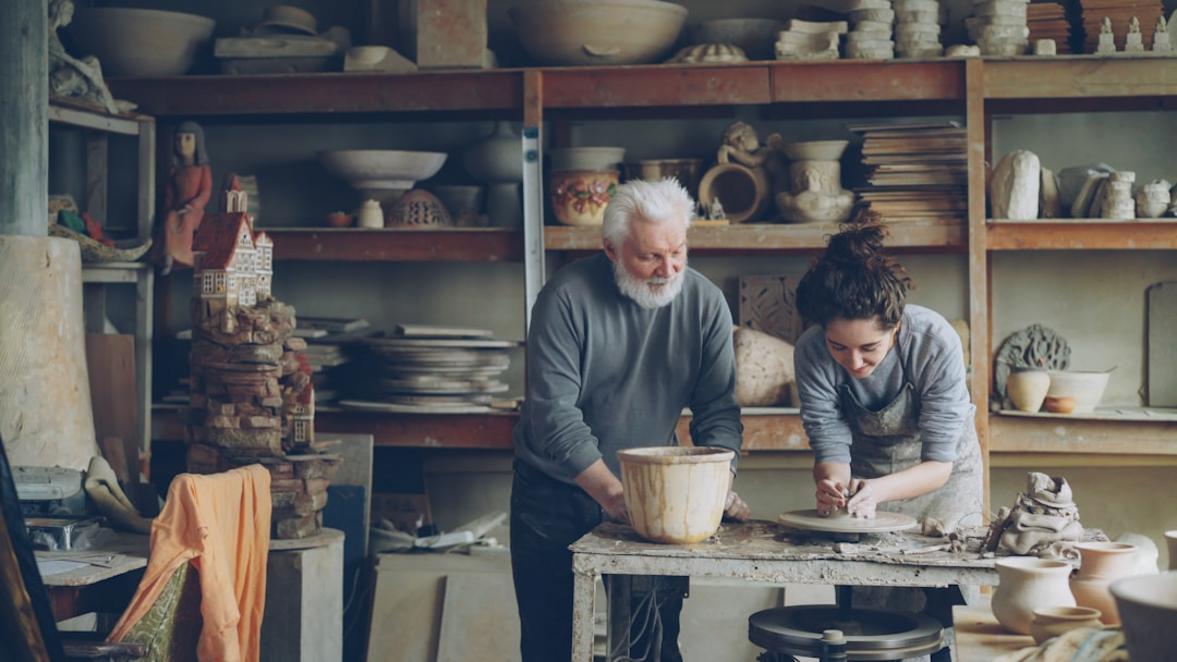
2. Visit the Local Pottery Workshops ·
See how Camagüey’s iconic tinajones are still hand-crafted by artisans using traditional methods.
Tour one of the family-run pottery workshops near the historic center, where you watch clay water jars shaped and fired as they have been for centuries. You can buy small pieces directly from the potters and learn about the jars’ role in the city’s water storage history.
This experience connects you to Camagüey’s unique material heritage more deeply than a museum visit or market browsing.
- When: Weekdays between 9:00 AM and 4:00 PM, avoiding rainy season May to October.
- Cost: ~$5-$10 for entry and small purchases, 2026
- Duration: 1-2 hours
- How to reach: Walk or take a short taxi ride from central Camagüey; workshops cluster within 1 mile / 1.6 km of the old town.
Insider tip: If closed
Visit the regional museum’s pottery exhibit inside the city’s cultural center.
Solo female travel: Workshops are family-run and welcoming; daytime visits are common and safe.
3. Attend a Traditional Cuban Music Performance ·
Experience live son and trova music in an intimate local venue where music is woven into daily life.
Head to a small cultural house or café hosting live music in the evenings, featuring local guitarists and percussionists playing traditional Cuban styles. The venues are informal, often inside colonial buildings with wooden balconies overlooking narrow streets.
This beats tourist-focused dance shows by offering authentic interaction with musicians and locals in a neighborhood setting.
- When: Evenings from 7:00 PM onward, especially Thursday to Saturday nights, year-round.
- Cost: ~$10 cover charge, 2026
- Duration: 2-3 hours
- How to reach: Walk from central Camagüey or take a short taxi ride to the cultural neighborhood around Plaza del Gallo.
Insider tip: If closed
Listen to live radio broadcasts or catch impromptu street performances near the plaza.
Solo female travel: Venues are popular with locals and tourists; stick to well-lit areas and taxis for night travel.
4. Shop the Mercado Agropecuario ·
Dive into everyday Cuban life at the bustling local market selling fresh produce, crafts, and street food.
Wander through this lively market on the city’s edge, where farmers and artisans sell vegetables, tropical fruits, and handmade goods. The market reflects Camagüey’s rural connections and offers a snapshot of daily commerce outside tourist zones.
This market feels more genuine than tourist markets in Havana, revealing local foodways and informal social exchanges.
- When: Mornings, especially weekdays before noon, best in dry season November to April.
- Cost: Free entry, purchases vary
- Duration: 1-2 hours
- How to reach: Take a colectivo or taxi 2 miles / 3.2 km east of the old town along Carretera a Florida.
Insider tip: If closed
Visit the central plaza’s artisan stalls for crafts and snacks.
Solo female travel: Market is busy and crowded; keep belongings secure and stay alert but it’s a typical urban environment.
5. Explore the Museo Provincial Ignacio Agramonte ·
Learn about Camagüey’s colonial past and revolutionary history inside a well-preserved colonial mansion.
This museum showcases artifacts from the city’s founding through the Cuban independence wars, including colonial furniture, weapons, and art. It sits in a quiet plaza surrounded by colonial homes, offering a calm cultural counterpoint to the busy streets.
This museum provides context for the old town’s streets and buildings, unlike generic history stops elsewhere in Cuba.
- When: Open weekdays 9:00 AM to 5:00 PM, best visited in cooler morning hours.
- Cost: ~$6 entry, 2026
- Duration: 1-1.5 hours
- How to reach: Walk from Parque Agramonte, about 0.5 miles / 0.8 km west of the old town core.
Insider tip: If closed
Visit a local gallery or cultural center showing contemporary Camagüey artists.
Solo female travel: The museum is quiet and regularly visited by locals; daytime visits are straightforward and safe.
Book tours and tickets
Booking through these links supports Pack Lightly at no extra cost to you.
24 hours in Camagüey
This day plan suits travelers who want to dive deep into Camagüey’s winding colonial streets and local crafts, anchored in its UNESCO-listed heritage. It’s tailored for those who appreciate slow, immersive cultural discovery with one solid afternoon effort.

Morning
Start your morning around 8:00 AM at the central market near Plaza San Juan de Dios, where locals sell fresh produce and handcrafted goods. Watch morning light filter through the narrow alleys as vendors set up their stalls. Grab a strong Cuban coffee and a pastelito from a small bakery on Calle República, then take a slow walk through the maze-like streets around Plaza del Carmen, noticing the large clay tinajones that break up the squares. By 11:00 AM, head toward the nearby artisan workshops where you can see local potters shaping traditional ceramics.
Afternoon
Spend the early afternoon on a guided tour of the weaving cooperative on Calle Santa María, learning about regional textile traditions and the social history behind them. Have lunch at a family-run paladar near Plaza de los Trabajadores, ordering ropa vieja with plantains and black beans, typical of this part of Cuba. After lunch, walk to the Casa Natal de Ignacio Agramonte to understand Camagüey’s revolutionary past through its preserved colonial rooms and artifacts. This cultural deep dive requires steady walking but rewards with layered history and local stories.
Evening
As the sun lowers, take a seat at one of the small plazas like Plaza del Gallo, where locals gather for live music and conversation. Choose a table facing the old colonial facades to watch the warm light soften the clay walls. Dinner should be light—try a fresh seafood dish at a nearby paladar with a cold local lager. The evening vibe is relaxed but lively, with street musicians and couples strolling the twisting alleys under soft yellow lamps.
If you have a second day
Use the extra day to visit the Museo Provincial Ignacio Agramonte for colonial art and artifacts. Then, explore the peripheral neighborhoods to see how daily life extends beyond the UNESCO core.
Best time to visit Camagüey
Quick answer
Visit Camagüey from April to June or October to early December for warm, manageable weather and fewer rain interruptions.
| Months to go | April to June, October to early December |
|---|---|
| Months to avoid | May to September due to heavy rain and high humidity that disrupt outdoor exploring and walking the old town. |
Camagüey’s climate shifts between warm, wetter months and drier, comfortable periods. April to June offers temperatures from 78.7°F to 80.6°F with moderate rain, allowing you to explore the winding alleys without constant downpours. October to early December cools slightly to around 75.2°F to 78.7°F, with less rain and more stable skies, perfect for walking the colonial streets and visiting markets. The heavy rains from May through September, with up to 6.9 inches in May, can make outdoor activities soggy and less enjoyable. The city’s unique water jars (tinajones) and narrow streets feel more accessible when rain days drop below 20 per month.
Average temperature (°F)
Monthly weather
cool dry, good walking weather
dry and mild, fewer crowds
pleasant warmth, light showers
warm with some rain, lively streets
hot, heavy rain disrupts tours
hot and humid, frequent showers
hottest month, rain still common
peak heat, afternoon storms
humid, heavy rain limits walking
cooler but wet, quieter streets
pleasant, rain tapering off
mild, dry, good for walking
How to get to Camagüey
Nearest airport
Ignacio Agramonte International Airport (CMW), about 8 miles / 13 km from Camagüey center
From the airport
Take a taxi from Ignacio Agramonte International Airport directly to the city center for about $15-$20 (2026). Booking at the airport taxi stand is simplest and most reliable; avoid unofficial offers outside arrivals.
Other ways to arrive
- Havana, Cuba – Bus – 6 hours, ~$30-$40 (2026)
- Santiago de Cuba, Cuba – Bus – 5 hours, ~$25-$35 (2026)
- Santa Clara, Cuba – Train – 3 hours, ~$10-$15 (2026)
Getting around Camagüey
Walking dominates inside the old town’s winding alleys and plazas. For longer distances, taxis offer the best balance of convenience and safety for solo travelers.
- Walk – best for exploring the UNESCO old town’s maze-like streets, free.
- Taxi – use for trips outside the center or after dark, fares run $3-$5 per ride (2026).
- Bici-taxi (pedicab) – good for short scenic rides in the historic district, costs about $1-$2 (2026).
Avoid
Avoid renting a car; narrow, uneven streets and limited parking make driving a hassle.
Day trips from Camagüey
These trips offer cultural and natural contrasts to Camagüey’s colonial core, enriching your understanding of central Cuba.
Santa María Beach
Relaxing on one of Cuba’s longest sandy beaches with local seafood shacks nearby.
Why: The quiet beach and fresh catch stand in sharp contrast to Camagüey’s dense urban alleys.
Skip if: Skip if you prefer urban culture over coastal downtime.
Guáimaro
Visiting the historic site of Cuba’s 1869 Constitution signing during the Ten Years’ War.
Why: Offers a direct link to Cuba’s independence history beyond Camagüey’s colonial architecture.
Florida Town
Exploring a smaller colonial town with artisan markets and traditional Cuban street life.
Why: Less touristy than Camagüey, providing a rawer look at rural Cuban culture.
Skip if: Skip if short on time or focused on Camagüey’s urban heritage.
Combine Camagüey with
Camagüey fits neatly into a central Cuba route focused on heritage cities and colonial history.
10-day Central Cuba heritage loop Havana → Santa Clara → Camagüey → Santiago de Cuba
This route moves eastward through Cuba’s colonial and revolutionary landmarks, with Camagüey as the atmospheric mid-point for its labyrinth streets and local culture.
7-day Colonial cities tour Trinidad → Cienfuegos → Camagüey
Link these three colonial cities to compare different urban layouts and cultural vibes, ending in Camagüey’s uniquely maze-like old town.
Where to stay in Camagüey
Choose lodging near the historic center to explore the UNESCO old town’s winding alleys on foot. For quieter nights, the residential neighborhoods around Calle República offer calm streets. Beach stays are limited but possible near Santa Lucía, about 30 miles / 50 km north, if you want a break from town.
Budget — Historic center around Plaza San Juan de Dios
Basic guesthouses and casa particulares with shared bathrooms offer the cheapest entry to Camagüey’s colonial heart. These places get you close to plazas but often lack air conditioning or strong Wi-Fi.
Insider tip: Request a room on the courtyard side to avoid street noise late at night.
Mid-range — Around Calle República and nearby side streets
Family-run guesthouses with private bathrooms and some air conditioning dominate this tier, blending colonial charm with comfort. They put you within a short walk of the old town’s maze of alleys and local eateries.
Insider tip: Book early for a room overlooking a tinajón (large clay water jar) courtyard for a quieter stay and local vibe.
Where not to stay
Avoid the stretch along Avenida Carlos Manuel de Céspedes after 11 PM; it fills with loud crowds from bars and street parties, disrupting sleep and local calm.
Solo female travelers
Stay in family-run guesthouses near Plaza San Juan de Dios where hosts are known for hospitality and the streets stay well-lit and busy until 10 PM.
Book your stay
Booking through these links supports Pack Lightly at no extra cost to you.
Where to eat and drink in Camagüey
Camagüey’s food reflects its inland location and colonial past, focusing on pork, beans, and corn with slow-cooked techniques. The local use of clay tinajones for storing water also influences traditional cooking styles. The central market showcases regional produce from the surrounding plains, shaping a distinctive flavor profile compared to Cuba’s coastal seafood hubs.
Must-try dishes
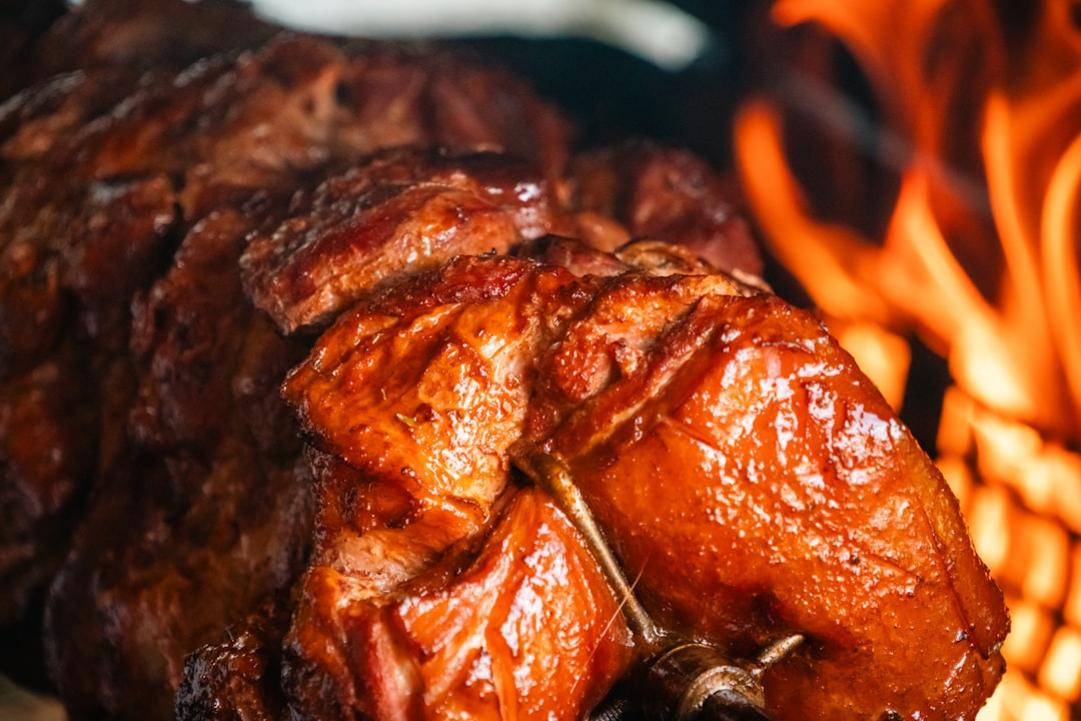
Cerdo Asado (Roast Pork)
Pork marinated in a garlic, sour orange, and local spice mix, slow-roasted until tender and served with rice and black beans.
Insider tip: Order this dish for lunch between 12:00-2:00 PM when it’s freshly roasted; avoid tourist spots around the bus terminal where it’s reheated.
Moros y Cristianos (Black Beans and Rice)
A classic Cuban dish of black beans cooked with white rice, garlic, and spices, served as a hearty side or main.
Insider tip: Pair with roast pork or fried plantains for a filling meal; skip places that serve it as a side only, seek full plates.
Caldo Gallego Camagüeyano (Hearty Bean and Greens Soup)
A thick soup featuring beans, local greens, pork chunks, and root vegetables simmered slowly for depth.
Insider tip: Best eaten on cooler mornings; locals often add a splash of lime juice to brighten the flavor.
Local drinks
- GuarapoStreet vendors around the central market sell this refreshing drink, especially mid-morning.
Freshly pressed sugarcane juice, served chilled and often with a squeeze of lime. - Cuban Coffee (Café Cubano)Small corner cafés in the old town’s maze of alleys prepare this classic with local roasted beans.
Strong espresso sweetened with sugar during brewing, served in small cups.
How to eat like a local in Camagüey
Lunch is the largest meal and happens between 12:00 and 2:00 PM; many family kitchens close afterward and reopen only as bars. Plan your day around this window to enjoy fresh, home-style cooking instead of reheated food.
Dietary note
Vegetarian options are limited since local cuisine relies heavily on pork and beans; focus on rice, beans, and vegetable soups, but confirm ingredients due to common use of pork broth.
Daily budget for Camagüey
Camagüey’s daily costs sit low within Cuba but lean slightly higher than rural areas due to its UNESCO old town status and tourist interest. Expect informal exchange rates closer to reality, not official ones.
Shoestring
- lodging — basic casa particular in less touristy alleys
- food — local paladares serving regional dishes
- transport — local buses or shared taxis within town
- activities — self-guided walking tours of the winding streets
- buffer — small emergencies or water bottles
Trade-offs: You give up air conditioning and private bathrooms, plus limited English at lodging.
Comfort
- lodging — mid-range casa particular with private bath in the historic center
- food — meals at popular local restaurants with some variety
- transport — occasional taxi rides and bus tickets
- activities — guided tours or museum entrances
- buffer — souvenirs or extra snacks
Trade-offs: You skip luxury amenities but enjoy comfortable rooms and curated cultural experiences.
Splurge
- lodging — boutique casa particular or small hotel in the colonial core
- food — upscale dining with cocktails
- transport — private taxis or car hires
- activities — private guided tours and cultural workshops
- buffer — tips, extras, and unexpected expenses
Trade-offs: You pay a premium for privacy and personalized cultural immersion but avoid mass tourism spots.
Money-saver tip
Book your casa particular directly through local contacts or community networks in Camagüey’s old town to avoid agency markups.
Splurge that’s worth it
Invest in a private guided walking tour of the labyrinthine alleys combined with a visit to a local artisan’s workshop for deep cultural insight.
Skip to save
Skip the overpriced horse-drawn carriage rides around the plaza—they’re tourist traps with inflated prices and little historical context.
Practical tips for Camagüey
Money
| Cash or card | Bring cash in USD or euros to exchange; cards rarely work outside major banks and often face high fees. |
|---|---|
| ATMs | ATMs exist near the central plaza but often reject foreign cards or run out of cash; rely on exchanging cash instead. |
| Tipping | Tip 10% in restaurants; round up taxi fares by a dollar or two; small tips for hotel staff are appreciated. |
Safety
Camagüey feels controlled with low violent crime; watch your belongings in crowded plazas and avoid wandering dark alleys late.
Common scams:
- Taxi drivers overcharge by ignoring the meter or inflating flat rates
- Street vendors pressuring tourists to buy overpriced souvenirs
Local warnings:
- Strong sun exposure calls for sunscreen and hats during midday
- Cobblestone streets can be slippery when wet—wear sturdy shoes
Connectivity
| Mobile data | Coverage is spotty in alleys but solid near main squares; buy a local Cubacel SIM for best rates and access. |
|---|---|
| Wi-Fi | WiFi is mostly limited to hotels and some cafes; expect slow speeds and frequent disconnections. |
Language
| Main language | Spanish |
|---|---|
| English level | English is rare outside tourist spots; basic Spanish phrases help navigate daily interactions. |
Cultural notes
| Dress modestly when visiting churches, covering shoulders and knees |
| Ask permission before photographing people, especially elders |
| Greet with a polite handshake or light cheek kiss among locals |
Solo female travel
Solo female travelers generally blend in well; daytime exploration is straightforward, and locals are respectful.
| Neighborhood | Stay around the central plaza area for lively streets and easier navigation after dark. |
|---|---|
| Transport | Use official taxis with meters or arrange rides through your accommodation at night. |
| Meeting people | Meet locals and other travelers at the cultural centers hosting evening music or dance events. |
Frequently asked questions about Camagüey
1How many days do you need in Camagüey?
Book 3 full days to explore the maze-like old town, visit local markets, and join a pottery or weaving workshop. Add a day if you want to dive deeper into the colonial churches and plazas.
2Is Camagüey safe for solo female travelers?
Yes, Camagüey is safe for solo female travelers, especially in the historic center and neighborhoods like El Centro. Stick to well-lit streets after dark and use registered taxis or rideshares.
3Why is Camagüey known for its winding alleys and tinajones?
Camagüey’s labyrinthine street layout was designed to confuse pirates, while the large clay tinajones stored rainwater before modern plumbing. These features shape the city’s unique colonial character.
4Can you actually drink the water in Camagüey?
Skip tap water in Camagüey. Bottled water costs around $1 per liter, widely available in shops and markets. Locals rely on filtered water, so carry your own supply when walking the alleys.
5Do you need a car to visit Camagüey?
No car needed. The old town’s narrow, winding streets are best explored on foot or by bike. Taxis and local buses cover trips outside the center efficiently.
6What is the food like in Camagüey?
Expect traditional Cuban dishes with regional twists. Try the pork-based meals and fresh seafood at family-run paladares near the central plaza. Street snacks like empanadas are also common.
7Where is the nearest airport to Camagüey?
Ignacio Agramonte International Airport lies about 8 miles / 13 km south of the city center. It serves domestic flights and some international connections, making it the main entry point.
8Is it safe to walk around Camagüey at night?
Yes, the historic center stays lively after dark with locals and visitors mingling. Stick to main plazas and avoid poorly lit back alleys to stay in control.