


The Sunday market in Cacao buzzes with fresh Asian produce and sizzling noodle stalls under open-air tents.
Cacao is an inland village in the Roura commune, settled by Hmong refugees from Laos in 1977. It holds a lively Sunday market known for Asian produce and noodle stalls. Located roughly 25 miles / 40 km from Cayenne, Cacao offers a chance to explore a unique cultural enclave. The village’s layout and market reflect its Hmong heritage, making it a focused destination for understanding local refugee history and community life. The market runs every Sunday, drawing visitors keen on food and crafts tied to this distinct heritage.
Visit the Sunday market for Hmong produce and noodles, walk the village streets to see refugee heritage, and explore local craft stalls for cultural insight.
Key takeaways
- Sunday market runs 8:00 AM to 2:00 PM with fresh Asian produce and noodle stalls
- Cacao lies about 25 miles / 40 km south of Cayenne, accessible by local bus
- The village was settled by Hmong refugees in 1977, population around 2,000
- Visit between August and October for lower rainfall and easier market access
- Expect to spend around $10-$15 on market meals and crafts, 2026 prices
Why visit Cacao
Cacao stands apart from nearby towns like Cayenne and Kourou by offering a rare glimpse into a Hmong refugee village settled in 1977. This inland community hosts a lively Sunday market filled with Asian produce and noodle stalls, reflecting its unique cultural roots. The village’s grid layout and market atmosphere provide a focused cultural snapshot unlike the coastal urban centers. Exploring Cacao reveals a distinct layer of French Guiana’s diverse heritage beyond the usual colonial and rainforest narratives.
- Visit the Sunday market for fresh Asian vegetables and hand-pulled noodles, a direct link to the Hmong settlers’ legacy.
- Walk the village’s organized grid streets to see how traditional Hmong architecture blends with local French Guianese elements.
- Experience the market’s busiest season from November to February when produce variety peaks, often overlooked by other guides.
- Spot local artisans crafting textiles and basketry, preserving skills introduced by the original refugee community.
Best for
Cacao suits travelers who want to understand refugee heritage through everyday life and market culture. Solo travelers comfortable with rustic transport and slow village rhythms will appreciate its quiet authenticity and cultural depth.
Skip if
Skip Cacao if looking for nightlife or beach vibes; opt for Cayenne instead, which offers more urban amenities and larger cultural institutions.
Top things to do in Cacao
Cacao’s identity centers on its Hmong refugee roots, visible in its lively Sunday market and Asian-influenced food stalls. Start with the market to grasp the village’s unique cultural mix before exploring local crafts and the surrounding natural trails.
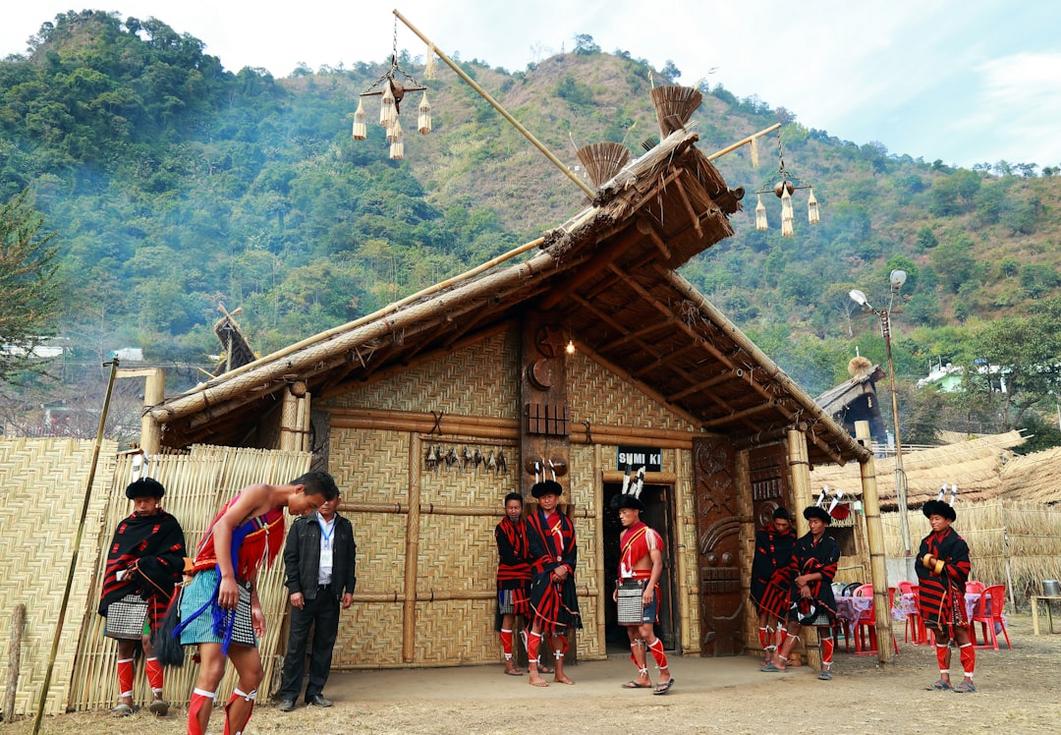
1. Sunday Market at Cacao ·
This weekly market offers a rare chance to experience the Hmong refugee community’s Asian produce and noodle stalls firsthand.
The Sunday market transforms the village into a bustling hub of fresh herbs, vegetables, and hand-pulled noodles. Vendors sell distinctive ingredients imported or grown locally, reflecting the Hmong agricultural heritage. Walking through the stalls, you hear Lao and Thai languages, tasting dishes that reveal the community’s journey and adaptation.
The market’s cultural depth beats generic village markets nearby by connecting you directly with the Hmong diaspora’s culinary and farming traditions.
- When: Sunday mornings from 7:00 AM to 1:00 PM, best between 8:00 and 11:00 AM for full stall variety.
- Cost: Free entry; food and produce prices vary, typically $2-$8, 2026
- Duration: 2-3 hours
- How to reach: Walk or bike via Route de Roura from the village center; the market is a short 5-minute walk from the main crossroads.
Insider tip: If closed
Visit local roadside stalls selling Asian herbs and snacks along Route de Roura on weekdays.
Solo female travel: The market is busy and well-patrolled on Sundays, making it comfortable for solo female visitors during daylight hours.
2. Hmong Cultural Cooperative Tour ·
Join a cooperative-led visit to learn traditional weaving, cooking, and farming techniques preserved by the Hmong community.
Local cooperatives offer guided tours through small farms and weaving workshops where you see how the Hmong maintain their crafts. The experience includes a cooking demonstration of Lao-inspired dishes using ingredients from the village gardens. These tours run by village members provide direct insight into daily life and cultural survival.
This cooperative tour goes beyond surface-level observations, unlike generic craft markets, by connecting you with artisans sharing history and skills.
- When: Weekdays, mornings between 9:00 AM and 12:00 PM; booking a day ahead is recommended.
- Cost: ~$20, 2026
- Duration: 2 hours
- How to reach: Reach the cooperative centers by walking 10 minutes from the center along Rue du Marché or arrange a short taxi ride from the market area.
Insider tip: If closed
Explore the village’s small community museum near the market for cultural context if tours are unavailable.
Solo female travel: Cooperative tours are in small groups with local guides, making them suitable for solo travelers seeking meaningful interaction.
3. Walking the Village Grid and Asian Food Stalls ·
Explore Cacao’s village layout and sample noodle stalls that reflect the Hmong refugee influence on local street food.
Stroll the compact grid of Cacao’s streets, noting the modest wooden houses and small gardens. Numerous street stalls serve hand-pulled noodles, sticky rice, and herbal teas with flavors distinct from coastal French Guiana. This walk offers a chance to observe daily life and the fusion of Southeast Asian flavors with local ingredients.
Walking the village gives context to the Sunday market and cooperative tours, unlike just visiting a single site or restaurant.
- When: Late mornings or early afternoons, Monday through Saturday, when stalls operate and the village is active.
- Cost: Free to roam; food stalls $3-$7 per dish, 2026
- Duration: 1-2 hours
- How to reach: Start from the village center near the market and walk along Rue de l’Église and Rue du Marché to cover the main grid.
Solo female travel: The village streets are quiet but safe during daytime; street vendors are welcoming to solo visitors.
4. Nature Trail near Cacao ·
Walk a short trail through the countryside around Cacao to see local flora and farmland shaped by the Hmong community.
A marked nature path leads from the village outskirts into patches of secondary forest and cultivated fields. The trail reveals how the refugees adapted their farming techniques to the tropical environment, with signs explaining crops and plants. Expect peaceful rural scenery and occasional bird calls.
This trail offers a calm contrast to the village bustle and connects to the agricultural story that defines Cacao’s identity.
- When: Mornings before 11:00 AM or late afternoons; avoid midday heat and heavy rain in May-June.
- Cost: Free
- Duration: 1.5-2 hours
- How to reach: Walk or bike 0.5 miles / 0.8 km east on Route de Roura, then follow trail signs near the village edge.
Insider tip: If closed
Visit the small local garden plots near the cooperative center as a shorter alternative.
Solo female travel: Trail is quiet but well-marked; solo travelers should carry water and phone for remote sections.
5. Visit the Village Church and Community Center ·
See the modest church and community center that serve as social anchors for Cacao’s residents and Hmong traditions.
The village church on Rue de l’Église hosts occasional services blending Christian and Hmong elements. Nearby, the community center organizes cultural events and workshops. Visiting these sites offers insight into how faith and community cohesion support the refugee population’s cultural continuity.
Unlike larger religious sites in French Guiana, these venues reflect a localized fusion of belief and identity specific to Cacao.
- When: Weekday afternoons; Sunday mornings for church services if attending.
- Cost: Free
- Duration: 30-45 minutes
- How to reach: Located on Rue de l’Église within a 10-minute walk from the village center.
Solo female travel: The area is quiet and safe; community events welcome respectful visitors.
Book tours and tickets
Booking through these links supports Pack Lightly at no extra cost to you.
24 hours in Cacao
This day plan suits travelers drawn to heritage and local life, focusing on the Hmong refugee village’s unique market and cultural traces. It moves deliberately through the morning market, a traditional lunch, and a calm evening in the village.
Morning
Start at the Sunday market by 8:00 AM, when the stalls brim with fresh Asian produce and Hmong noodle vendors fire up their woks. The market pulses with locals trading herbs, spices, and vegetables brought from nearby gardens. Walk slowly through the narrow aisles, noticing the Lao-style baskets and fabrics that hint at the village’s origins. By 11:00 AM, the crowd thickens, so grab a seat at a noodle stall early to avoid the midday rush.
Afternoon
After the market, take a walk inland through the village streets to observe traditional wooden houses and small weaving cooperatives where local artisans still practice Laotian crafts. Stop for lunch at a small family-run eatery serving grilled fish with sticky rice—a staple reflecting the blend of local and refugee influence. Spend the afternoon visiting the cooperative, where you can see the hand-spinning and dyeing processes that sustain village traditions, then rest in the shaded village square watching daily life unfold.
Evening
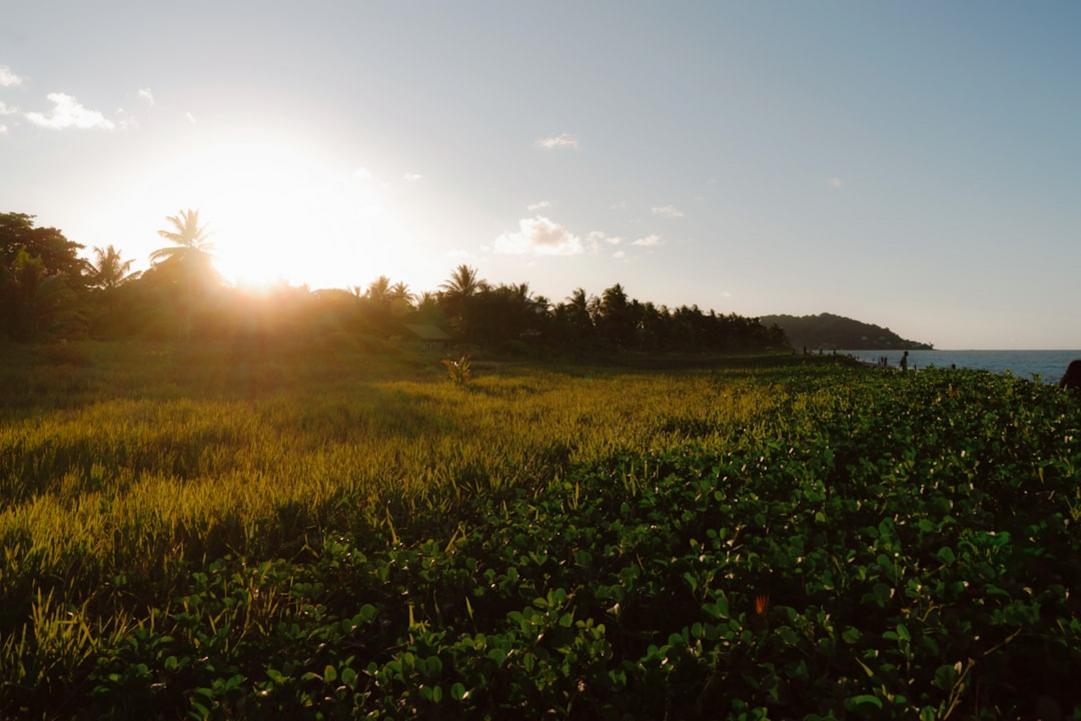
As the sun lowers, head out to the edge of the village where open fields catch the fading light. This quiet spot offers a chance to reflect on the community’s history as you watch the sky deepen. For dinner, choose a simple outdoor stall near the market square offering grilled meats and fresh vegetables, accompanied by local fruit juices. The evening hums softly with conversation and occasional laughter, a peaceful close to a culturally rich day.
If you have a second day
Use the next morning to join a guided walk deeper into the surrounding countryside, where you can visit family farms and learn about traditional Hmong agriculture. This adds context to the market’s produce and the village’s continued connection to the land.
Best time to visit Cacao
Quick answer
Visit from September to early December for lower rain, warmer temperatures, and easier market exploration.
| Months to go | September to early December |
|---|---|
| Months to avoid | May to July due to heavy rain and persistent wet conditions |
Cacao experiences consistently warm temperatures around 76°F to 81°F year-round, but rainfall varies dramatically. The wettest months from May to July bring heavy rain that can disrupt outdoor market visits and village walks. The drier period from September to early December offers the clearest skies and easier access to the Sunday market, where Asian produce and noodle stalls thrive. April and August have moderate rain but remain manageable for exploring. The steady warmth means no cold season closures, but the heavy rain months make walking and outdoor activities less comfortable.
Average temperature (°F)
Monthly weather
warm wet, frequent showers
warm wet, steady rain
warm wet, heavy showers
humid wet, challenging walks
very wet, outdoor disruption
heavy rain, muddy trails
wet conditions, slow market
moderate rain, improving access
warm dry, best market visits
warm dry, easy village walks
warm wet, market still active
humid wet, slower pace
How to get to Cacao
Nearest airport
Cayenne – Félix Eboué Airport (CAY), about 37 miles / 60 km from Cacao
From the airport
Take a taxi from Félix Eboué Airport to Cacao for around $70-$90, 2026; this is the fastest and most direct option. Public buses run infrequently and take over 2 hours, so skip them unless on a tight budget and flexible schedule.
Other ways to arrive
- From Cayenne city, take a regional bus heading inland; travel time is about 1.5 hours, cost around $10-$15, 2026.
- From Saint-Laurent-du-Maroni, hire a private car or taxi for a 3-hour drive costing $100-$130, 2026.
- Arrange a rental car at the airport for flexibility; expect $60-$80 per day, 2026, but prepare for some unpaved roads near Cacao.
Getting around Cacao
Walking covers most of Cacao’s compact village center and Sunday market. For exploring beyond, renting a scooter or car offers control and comfort given limited local transit.
- Walk – ideal for the village center and Sunday market, free and easy.
- Scooter rental – best for quick trips to nearby farms or the river, around $20-$30 per day, 2026.
- Taxi – use for longer trips or if carrying purchases; negotiate fares upfront, expect $10-$20 per short trip, 2026.
Avoid
Avoid relying on public buses within Cacao; service is sporadic and not suited for tight schedules.
Day trips from Cacao
These day trips reveal the surrounding landscape and deepen understanding of local history and culture beyond the village.
Sinnamary
Explore colonial architecture and the Sinnamary River’s natural setting.
Why: Sinnamary offers a quieter, historically layered contrast to Cacao’s refugee village atmosphere.
Skip if: Not essential if focused solely on indigenous and refugee culture in Cacao.
Kaw Marshes Nature Reserve
See wetlands wildlife and traditional fishing communities.
Why: The reserve’s ecosystem provides context for the region’s environmental challenges and local livelihoods.
Roura
Visit the commune center to compare village life and markets.
Why: Roura’s colonial roots and market offer a complementary perspective to Cacao’s Hmong heritage.
Skip if: Skip if Sunday market day overlaps with Cacao’s market.
Combine Cacao with
Cacao fits into a French Guiana itinerary focused on cultural diversity and inland village life.
7-day Cultural and Nature Loop Cayenne → Cacao → Sinnamary → Kaw Marshes → Roura → Cayenne
This loop balances urban history, refugee village culture, and natural reserves with manageable drives and varied experiences.
5-day Inland Village Circuit Cacao → Roura → Sinnamary → Cayenne
Focuses on inland communities with a strong cultural identity, allowing deeper engagement with local markets and heritage.
Where to stay in Cacao
Cacao’s lodging clusters around the village center and the nearby Sunday market area, where you get close access to local life and Hmong cultural influences. Choose guesthouses near the main village streets for walkability and market access, or opt for quieter stays on the village outskirts for more calm. The beach area lies farther east and offers few but simple cabanas for those prioritizing ocean proximity over cultural immersion.

Budget — Central village streets near the Sunday market
Basic guesthouses and small family-run lodgings offer simple rooms with minimal amenities but direct access to the Sunday market and village life. These often lack air conditioning and private bathrooms but put you steps from local produce stalls and noodle vendors.
Insider tip: Request rooms facing away from the main road to avoid early-morning market noise.
Mid-range — Side streets off the main village square
Modest guesthouses with private bathrooms and sometimes air conditioning provide quiet comfort a short walk from village hubs. These properties blend local character with better facilities, ideal for spending afternoons exploring the market then retreating to calm rooms.
Insider tip: Book early on weekends to secure spots during the busy Sunday market days.
Where not to stay
Avoid lodging along the narrow road east of the village center close to the riverbank, which floods during heavy rains and has poor drainage, making access difficult in the wet season.
Solo female travelers
Stay near the central village streets where street lighting extends past 9 PM and local shops stay open into the evening, providing safer, more active surroundings after dark.
Book your stay
Booking through these links supports Pack Lightly at no extra cost to you.
Where to eat and drink in Cacao
Cacao’s food scene reflects its Hmong refugee roots, blending Southeast Asian flavors with local Amazonian ingredients. The Sunday market showcases fresh Asian vegetables and noodle dishes unique to this inland village. Expect a distinct mix of Lao-style cooking alongside French Guianese staples.
Must-try dishes
Lao-style noodle soup (Khao Piak Sen)
A thick rice noodle soup with chicken or pork broth, fresh herbs, and lime, served steaming hot.
Insider tip: Arrive early Sunday morning for the freshest broth and avoid stalls that reheat leftovers later in the afternoon.
Grilled pacu fish with cassava
Freshwater pacu fish grilled over charcoal, served with boiled cassava and a spicy Creole sauce.
Insider tip: Ask for the smaller-sized pacu grilled whole; it’s more tender and less oily than the larger fish often served to tourists.
Hmong-style stir-fried morning glory
Water spinach quickly stir-fried with garlic, chili, and fermented fish sauce.
Insider tip: Pair this with sticky rice or noodle dishes for a balanced meal; avoid places that overcook the greens into mush.
Local drinks
- Tamarind juiceFresh juice stands at the Sunday market and small roadside vendors in Cacao.
A tart, refreshing juice made from tamarind pods, lightly sweetened and served chilled. - Herbal teas infused with local Amazonian leavesFamily kitchens and market stalls during weekend markets.
Hot or iced herbal infusions using leaves native to the surrounding rainforest, often with medicinal properties.
How to eat like a local in Cacao
Plan to eat your main meal around 12:00 PM on Sunday during the market day, when fresh Hmong dishes and river fish appear. Many kitchens close early the rest of the week, so Sunday is the best time to sample authentic flavors.
Dietary note
Vegetarian options are limited due to the meat- and fish-focused Hmong and Creole dishes; ask for vegetable stir-fries or noodle soups without meat but expect few fully vegan choices.
Daily budget for Cacao
Cacao’s daily costs sit below French Guiana’s average due to its rural setting and limited tourist infrastructure. Expect lower lodging and food prices but factor in transport costs since options are sparse.
Shoestring
- lodging — basic guesthouse or shared dorm
- food — local noodle stalls and market snacks
- transport — shared taxis or infrequent local buses
- activities — Sunday market visit and self-guided village walks
- buffer — small emergency or occasional treats
Trade-offs: Sacrifice comfort and privacy with minimal amenities and limited transport flexibility.
Comfort
- lodging — private room in a family-run guesthouse
- food — meals at local eateries with some variety
- transport — occasional private taxis or arranged rides
- activities — guided tours of the village and cultural visits
- buffer — extra for souvenirs or unexpected expenses
Trade-offs: You get more comfort and flexibility but still rely on limited transport and basic facilities.
Splurge
- lodging — upgraded private lodging with better amenities
- food — meals including drinks at nicer local restaurants
- transport — private driver or arranged excursions
- activities — private cultural tours and market experiences
- buffer — for souvenirs, tips, or last-minute needs
Trade-offs: High cost mainly goes to lodging and transport; the village’s limited luxury options cap the splurge experience.
Money-saver tip
Buy fresh produce and snacks directly from the Sunday market stalls instead of small shops; prices drop by nearly half and the selection is fresher.
Splurge that’s worth it
Hiring a local guide for a full Sunday market tour with explanations of Hmong traditions and produce origins adds valuable depth worth the extra cost.
Skip to save
Avoid paying for private transport arranged through guesthouses at inflated rates; instead, negotiate shared taxis or use local buses when possible.
Practical tips for Cacao
Money
| Cash or card | Carry cash primarily; card acceptance is very limited outside the Sunday market and a few small shops. |
|---|---|
| ATMs | There are no reliable ATMs in Cacao; withdraw cash in Cayenne before arrival to avoid issues. |
| Tipping | Tipping is uncommon but appreciated for exceptional service; leave around $1-$2 for market vendors or guides. |
Safety
Cacao is a quiet village with low crime; stay alert after dark as street lighting is minimal in some areas.
Local warnings:
- Expect strong sun exposure; bring sun protection for market visits.
- Sandflies can be persistent near the village edges, especially at dawn and dusk.
Connectivity
| Mobile data | Mobile coverage is patchy inland; Orange SIM cards provide the best signal but expect slow speeds. |
|---|---|
| Wi-Fi | Wi-Fi is scarce outside guesthouses; do not rely on cafes for consistent internet access. |
Language
| Main language | French |
|---|---|
| English level | English is rarely spoken; basic French phrases will help, especially at the market and local shops. |
Cultural notes
| Dress modestly when visiting the village and market, respecting local customs. |
| Ask permission before photographing people, especially elders and market vendors. |
Solo female travel
Solo female travelers can navigate Cacao confidently during the day; avoid walking alone after dark due to limited lighting.
| Neighborhood | Stay near the village center close to the Sunday market for better evening activity and safer walking routes. |
|---|---|
| Transport | Arrange transport back to your accommodation before sunset, as public options disappear early and street lighting is sparse. |
| Meeting people | Meet locals and other travelers at the Sunday market’s noodle stalls, where conversations naturally start over food. |
Frequently asked questions about Cacao
1How do you get to Cacao from Cayenne?
Take a taxi or arrange a private ride from Cayenne, about 25 miles / 40 km away. Public buses run infrequently and can be unreliable, so plan for a car or taxi costing around $40-$50 one way, 2026.
2Is Cacao safe for solo female travelers?
Yes, Cacao is safe for solo female travelers. The village is small, quiet, and locals are welcoming. Stick to the central market area and main roads, especially after dark.
3What is the food like in Cacao?
Cacao’s Sunday market offers fresh Asian produce and noodle stalls reflecting its Hmong refugee heritage. Expect simple, flavorful dishes featuring herbs, rice noodles, and tropical vegetables unique to this inland village.
4Can you visit Cacao year-round?
Yes, you can visit year-round. The heaviest rain falls from May to June, but the village remains accessible. Dry months from August to October offer the most comfortable weather for market visits and village walks.
5Do you need a car or 4×4 to visit Cacao?
No 4×4 is needed. A regular car or taxi handles the paved roads well. The route from Cayenne is straightforward and maintained, even during the rainy season.
6Are there any health risks specific to Cacao?
Yes, mosquito-borne illnesses like dengue are present. Use insect repellent and wear long sleeves in the evening. Tap water is not safe; rely on bottled water for drinking and brushing teeth.
7Is it safe to walk around Cacao at night?
No, avoid walking alone after dark. The village is quiet with limited street lighting. Use taxis or rides arranged by your accommodation if out late.
8Why is Cacao known for its Sunday market?
Cacao’s Sunday market stands out for its strong Hmong influence, offering Asian vegetables, herbs, and noodle dishes rarely found elsewhere in French Guiana. It’s a cultural snapshot of the village’s refugee roots.