


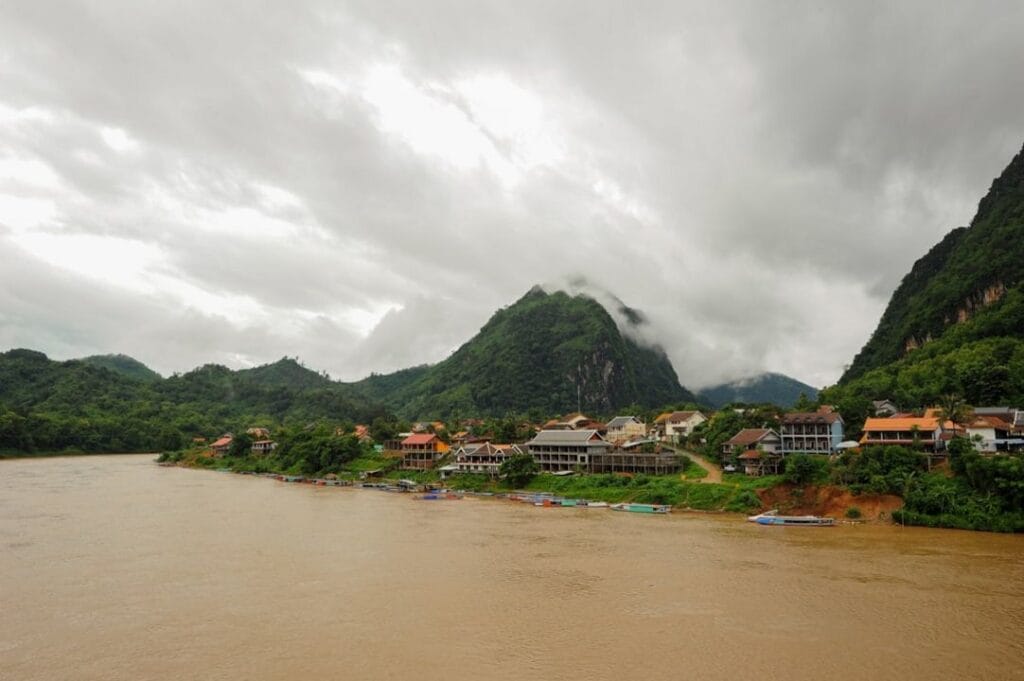
Morning incense smoke curls through Luang Prabang’s temple alleys, mingling with monks’ chants and river jasmine scents.
Laos’s culture stands apart from Thailand and Vietnam through its deep Theravada Buddhist majority and strict one-party rule. Unlike neighbors, Laos still deals with UXO from its bombing legacy, shaping social and political realities. 8 highlights economic inequality influencing cultural dynamics.
Always cover shoulders and knees at temples; embrace the bo pen nyang (no worries) attitude despite strict state controls.
Key takeaways
- Remove shoes before entering any home or wat (Buddhist temple).
- Arrange hotel pickups; limited night transport in Vientiane.
- Bargain gently at Talat Sao and night markets, start 70-80%.
- Avoid photos of military zones; Luang Prabang temples restrict photography.
- Sinh skirts signal respect in northern Luang Prabang’s monk-heavy areas.
History that shaped Laos today
- 1975, Pathet Lao establishes one-party rule, centralized control shapes cautious public expression and social order.
- 1893, French protectorate begins, colonial infrastructure introduced but strict control limited Lao autonomy.
- 1953, Buddhism formally recognized in the constitution, religious practice given legal standing, influencing laws and daily life.
- 1964, Start of US bombing campaign, deep trauma from unexploded ordnance (UXO) affects rural communities.
- UXO clearance, UXO Lao leads national clearance efforts, with international partners supporting since the 1990s, ongoing legacy impacts development and safety perceptions.
Cautious reserve dominates Lao social interaction, rooted in the 1975 Pathet Lao one-party consolidation. The regime’s tight control over speech and behavior created a collective memory of self-censorship and careful communication. This shaped a culture where silence and subtlety replace confrontation. Tourists will notice locals often avoid direct criticism or sensitive topics, preferring polite neutrality. This stems from decades of political surveillance and fear of repercussions. Visitors unfamiliar with this background may misread this as aloofness or disinterest, when it is a strategic social adaptation preserving harmony and safety.
indirect communication
1893 French colonial rule imposed hierarchical communication patterns.
For you as a traveler: Locals often imply meaning rather than state it outright, requiring careful listening.
respect for authority
1953 constitutional recognition of Buddhism reinforced hierarchical social order.
For you as a traveler: Officials and elders receive unquestioned deference in public and private settings.
hospitality to outsiders
1964 US bombing and isolation fostered cautious but genuine openness to foreigners.
For you as a traveler: Visitors experience warm but measured friendliness, especially in rural areas.
slow social pace
2019 ongoing UXO clearance limits rapid development and encourages patience.
For you as a traveler: Daily life moves deliberately; expect delays and a relaxed rhythm in transactions.
Religion and spirituality
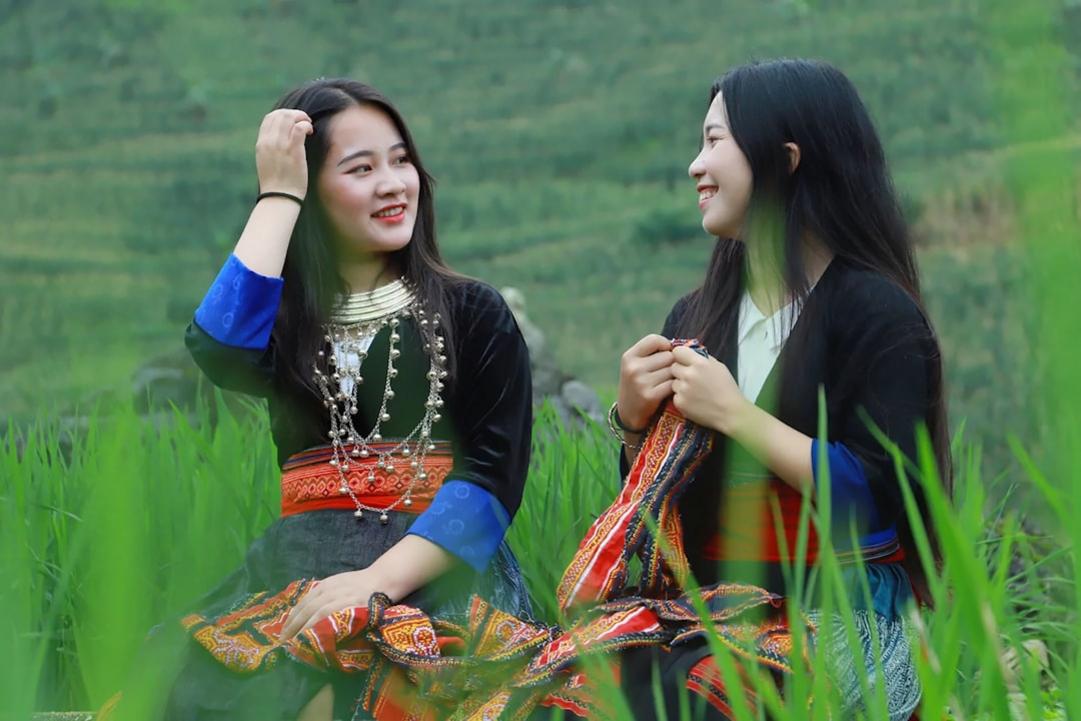
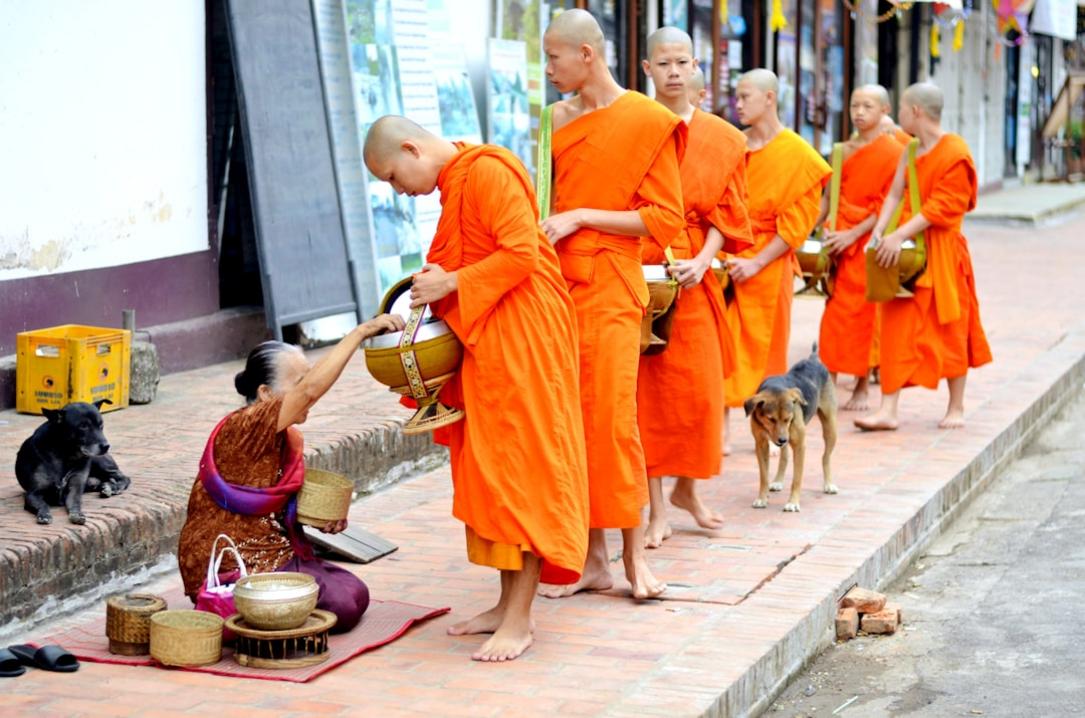
Religion shapes much of the sensory and cultural landscape tourists encounter in Laos, especially in Vientiane and Luang Prabang. Buddhist temples like Pha That Luang and Wat Si Saket dominate the skyline with golden stupas and intricate murals. Visitors hear the rhythmic chanting of monks at dawn and the tolling of temple bells marking prayer times. Early mornings and late afternoons often bring the scent of incense and jasmine, signaling active worship. Buddhist holy days, particularly on full moon dates, can quiet markets and streets as locals attend ceremonies. In Vientiane’s That Luang area, festival seasons such as That Luang Festival bring vibrant processions, while in Luang Prabang’s old town, daily alms-giving rituals are a visible spiritual practice. This religious presence is not just architectural but a lived, audible, and aromatic part of daily life, reflecting deep-rooted traditions documented in the 2015 census.
| Religion | % | Core value | What you see |
|---|---|---|---|
| Buddhist (64.7%) | 64.7% | compassion, mindfulness, karma | monk chanting and alms-giving rituals |
| Other/no religion (33.6%) | 31.4% | diverse beliefs, animist and ethnic minority traditions, secularism | varies widely by region; state activity is officially secular |
| Christian | 1.7% | (1.7%) | small church services in urban areas |
| 2.2% |
At sacred sites
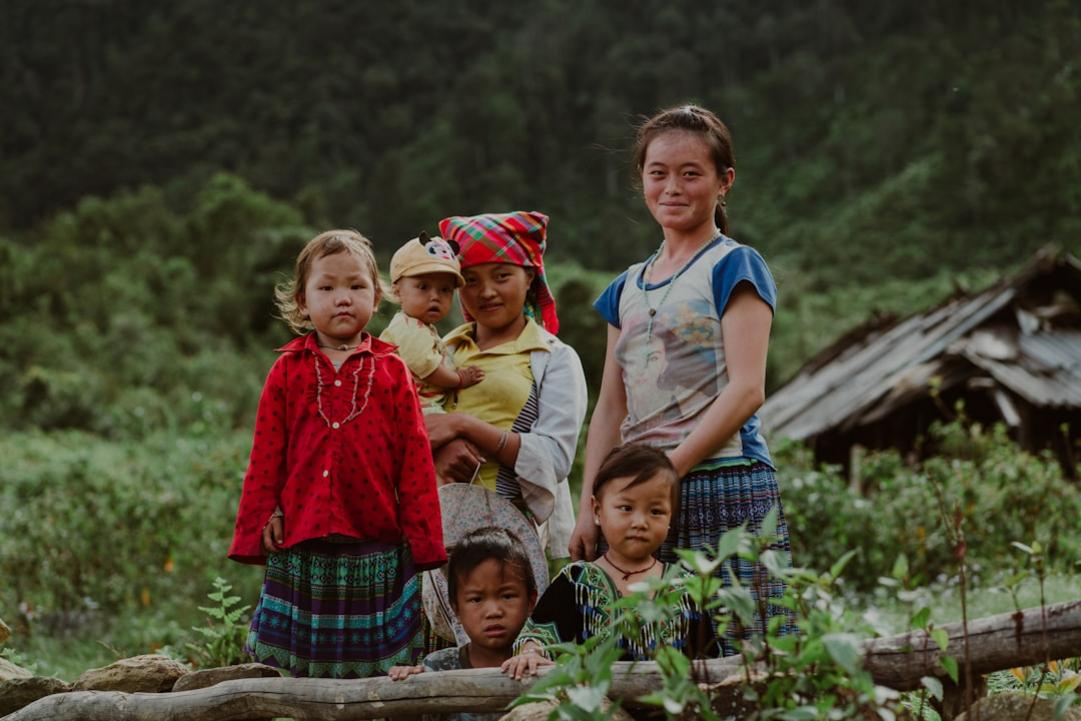
At That Luang, remove your shoes before entering the grounds and avoid pointing your feet toward the main stupa; sitting cross-legged with hands pressed together is welcomed when locals are praying. Donations go into designated boxes, generally using the right hand or both hands together. Photography rules vary by ceremony; check for posted signage or ask staff. In Hmong villages, always ask permission before taking photos; respect requests to avoid images. Government buildings and areas near the Chinese rail border and military installations restrict photography, and posted signs mark the boundaries. At Wat Si Saket in Vientiane, keep your voice low when passing monks, avoid touching their robes, and donate discreetly.
temple-only, and rules vary by site. Religion primarily affects tourists when entering sacred sites or during major festivals. Outside temples, daily life in cities like Vientiane runs secular with minimal religious interruption except on Buddhist holy days when some shops close. Dress conservatively near temples but casual wear is fine in urban markets. Rural areas may require more modest clothing due to ethnic traditions, but food and social interactions remain largely unaffected by religion hour-to-hour.
Handle with care
Photography is restricted at That Luang Festival ceremonies and near government and military zones in Vientiane; check local signage, as rules and enforcement vary by site.
How locals actually live
A median-income resident of Vientiane, earning LAK 2.5M (~$115) monthly, typically lives in a modest concrete house in the Sikhottabong or Chanthabouly districts. The house often has a tin roof and a small courtyard. Commutes are usually by motorbike or shared tuk-tuk, covering short distances in the city’s low-traffic streets. Breakfast costs about LAK 10,000 (~$0.45) and consists of sticky rice with a side of grilled pork or a bowl of khao piak sen (rice noodle soup) from a street vendor. The workday runs from 8 a.m. to 5 p.m., often in government offices, small shops, or informal trade. Evenings are quiet, with dinner at home or a local eatery, spending roughly LAK 20,000 (~$0.90) on simple dishes like laap or tam mak hoong (papaya salad). Weekends mix family visits, temple attendance, or resting in the Mekong riverside parks. Social life is low-key, reflecting the steady, reserved pace of urban Lao life.
The wealth gap in Vientiane is visible between the upscale Ban Phonthan district and the adjacent informal settlements near the Nam Ngum River. Ban Phonthan features gated villas, manicured gardens, and luxury cars. Across a few blocks, wooden shacks and crowded market stalls mark the working-class zone. 1% of income (WID 2022). This sharp divide is evident in infrastructure quality and daily life pace. Tourists experience both worlds easily since popular sites like That Luang and the Morning Market attract visitors from all backgrounds, crossing class lines naturally through shared public spaces and commerce.
| Region | What's distinctive | What it means for you |
|---|---|---|
| Vientiane/plains | Lao Loum ethnic majority, Theravada Buddhist mainstream. | Dress modestly for temple visits; motorbike common for transport. |
| Luang Prabang/north | Former royal capital, monk-heavy, UNESCO heritage city. | Attend morning alms ceremony; expect stricter temple dress codes. |
| Highlands | Khmu, Hmong, Akha minority villages with distinct languages and customs. | Prepare for cooler nights; bring sturdy shoes for trekking. |
| South (Pakse, Bolaven) | Try local coffee farms; bargaining common in markets. |
Most Lao households in Vientiane are multigenerational, with grandparents, parents, and children living together. Informal economy work, including street vending and casual labor, accounts for roughly 60% of urban employment. Homeownership is common but often involves inherited or self-built houses rather than formal mortgages. Renting is less frequent and mostly limited to expatriates or transient workers. This housing pattern supports strong family ties and shared financial responsibilities.
Where your path crosses theirs
Tourists in Vientiane cross income lines daily: eating street food stalls in the Morning Market versus dining in upscale malls; riding Grab motorbikes driven by working-class locals while interacting with hotel concierges in luxury lodgings; shopping at night markets alongside informal vendors, then visiting rooftop bars with wealthy patrons. Tip Grab drivers 10-15% in cash; bargain firmly but politely in markets without pushing too hard. Respect the quiet professionalism of service staff and avoid overt displays of wealth in informal settings to keep interactions smooth.
Etiquette and the behavior code
The default greeting: The default greeting is a slight bow with palms pressed together at chest height; men shake hands in business, but women rarely initiate handshakes. A full phrase and pronunciation guide lives on the Laos language page.
Dining
Use a spoon in your right hand and fork in your left; forks push food onto the spoon, which is the main eating utensil. Rice is served sticky or steamed; never shovel rice directly with your hands. The host usually pays; to signal the check, quietly catch the server’s eye or gesture subtly. Splitting the bill is uncommon and may offend. Street meals cost about 10,000–20,000 LAK ($1–$2), while restaurants range from 40,000–100,000 LAK ($4–$10). Drinking alcohol is social and common but never to excess at meals; guests should wait for the host to pour or toast first. At home, avoid drinking before elders or monks; it’s seen as disrespectful.
What to wear where
| Context | Requirement | Why |
|---|---|---|
| temple/sacred-site | Cover shoulders and knees with lightweight cotton or linen; no sleeveless or shorts; no hats indoors. | Entry denied and social offense for disrespecting sacred sites. |
| beach/resort | Swimwear only on the beach; cover up with quick-dry synthetics off the sand; no topless sunbathing. | Local disapproval and possible fines for public indecency. |
| government/formal | Wear collared shirts and long pants or skirts in breathable cotton; no flashy prints; no hats indoors. | Refusal of service or embarrassment in official settings. |
| everyday/street | Lightweight, breathable fabrics like cotton blends or moisture-wicking synthetics; shorts and t-shirts common; sandals or sneakers. | Avoid heat exhaustion and blend with urban casual in Vientiane. |
Photography rules
Photography is restricted during That Luang ceremonies and near government buildings in Vientiane, and forbidden at military or border zones along the Chinese rail line; look for posted signage. In Hmong villages, always ask permission before photographing; refusal must be respected. Avoid photographing monks without their consent. Photographing military personnel, police, or border areas can lead to camera confiscation. Taking pictures of individuals without permission is socially offensive and can cause confrontation. Always check local signage and respect no-photo zones.
Gestures to avoid
Do not point your feet at people or religious objects; it is offensive and rude. Never touch anyone’s head, especially monks or elders, as it is disrespectful. Avoid using your left hand for giving or receiving items; it is considered unclean. Pointing directly at people with your finger is impolite and aggressive. Do not beckon someone with a finger curled upward; use the whole hand palm-down instead to avoid insult.
Temple / mosque conduct
Remove shoes before entering any temple; place them neatly outside. Ensure shoulders and knees are covered with natural fabrics; no hats or sunglasses indoors. Approach the main altar calmly and quietly from the front, never from behind. Do not touch Buddha statues or monks’ robes. Make donations by placing money in designated boxes with the right hand or both hands together. Avoid direct eye contact or conversation with monks unless they initiate; do not touch or hand items directly to them. Sit cross-legged or with feet tucked away, keeping your head lower than monks and elders at all times.
Do's and don'ts in Laos
Do
- Cover shoulders and knees at Wat Si Saket temple
Failure to do so denies entry and disrespects local Buddhist customs.
- Ask permission before photographing Luang Prabang temples
Photography restrictions protect sacred spaces and avoid fines or confiscation.
- Tip guides $10-15 per day in Luang Prabang
Fair tipping secures quality service and respects local livelihoods.
- Start bargaining at 70% of asking price at Talat Sao market
Proper bargaining avoids overpaying and aligns with local market norms.
- Use Grab app for night transport after 9 PM in Vientiane
Limited night transport options require reliable, safe rides after dark.
- Wear a sinh skirt in northern villages like Luang Prabang
Sinh signals respect and eases interactions in monk-heavy, traditional areas.
- Queue patiently at Vientiane bus stations during morning rush
Respecting personal space avoids conflict and confusion in crowded terminals.
Don't
- Don't photograph military zones near Chinese rail lines
Strict bans enforce national security laws with possible detention.
- Don't discuss Hmong secret war history openly in villages
Sensitive topic risks social exclusion or local distrust.
- Don't visit UXO-contaminated rural areas without a guide
Unexploded ordnance causes serious injury or death.
- Don't attend government events banned in central Vientiane
Illegal gatherings risk arrest under one-party LPRP rule.
- Don't photograph That Luang ceremonies without official consent
Ceremony restrictions protect religious sanctity; violations provoke fines.
- Don't enter Hmong villages without prior invitation
Uninvited entry disrespects local customs and can cause conflict.
- Don't discuss LPRP political leadership in public spaces
Criticism risks surveillance, interrogation, or legal repercussions.
For solo female travelers
Use Grab app for night transport after 9 PM in Vientiane to ensure safe rides. Avoid quiet riverbank Vientiane after dark and tubing Vang Vieng solo, as these areas lack reliable transport and have low foot traffic. On everyday streets, lightweight cotton or linen tops and loose pants work best; avoid synthetic fabrics that trap humidity above 90%. Harassment is very low in Laos, allowing comfortable movement in public. Locals often carry small cash in a coin pouch for tuk-tuk drivers, a practice travelers miss that speeds up bargaining and avoids awkward change moments.
For LGBTQ+ travelers
LGBTQ status in Laos is not explicitly criminalized, though there is no marriage equality or formal legal recognition for same-sex couples as of 2026. Public displays of affection (PDA) are tolerated discreetly in urban areas like Vientiane’s Sisattanak district and Luang Prabang, but rural areas expect avoidance of PDA. Unmarried foreign-Lao couples can face restrictions, including shared hotel rooms sometimes being refused. Social friction is minimal in cities but can arise quietly in conservative rural communities.
For couples
Holding hands and brief hugs are acceptable in restaurants and public transport but avoid kissing or overt affection near religious sites like That Luang or Wat Xieng Thong. Beaches allow relaxed behavior but stay discreet in rural areas. Same-sex couples experience the same social tolerance levels as different-sex couples in Vientiane and Luang Prabang, but rural areas expect discretion. Overstepping can lead to stares, subtle service denial, or requests to leave public spaces.
Traveling with kids
Kids are welcomed in public spaces across Laos, especially in markets and parks, but loud behavior can attract attention. Vientiane sidewalks are uneven and narrow, limiting stroller use outside main tourist areas. Kid menus are rare except at international hotel restaurants. Breastfeeding in public is culturally accepted with modesty. Car seats for children are not legally enforced; helmets for child scooter passengers are uncommon but recommended for safety.
Frequently asked questions
1Do I tip at street-food stalls or casual restaurants in Laos?
Tipping at street-food stalls or casual restaurants is not expected. For upscale restaurants, leave about 10% if service is good. Tuk-tuk drivers or porters appreciate small rounding up or 10-20k LAK respectively, but no pressure to tip in casual settings.
2Is tap water safe to drink in Laos or should I stick to bottled water?
Tap water is not safe to drink. Always use bottled water or boil tap water before drinking. Bottled water is inexpensive and widely available in cities and tourist areas.
3Where is bargaining acceptable in Laos and where should I avoid it?
Bargaining is accepted at Talat Sao and night markets; start offers at 70-80% of the asking price. Avoid bargaining in malls, which have fixed prices. Always agree on tuk-tuk fares before the ride. Some guesthouses accept bargaining in low season.
4Are alcohol and drugs legal in Laos as of 2026?
Alcohol is legal and widely available, but public drunkenness is frowned upon. Drugs remain illegal with strict penalties. No recent legalization changes post-2024. Laos enforces drug laws firmly despite the bo pen nyang culture.
5In which places am I required to remove my shoes in Laos?
Shoes must be removed before entering homes and Buddhist temples (wats). Shops and restaurants generally allow shoes, but some traditional eateries may ask you to remove them. Always look for cues or ask quietly.
6What is one important public transport etiquette rule in Laos?
Do not eat or drink on public buses or shared tuk-tuks. Keep voices low on phones and respect priority seating for elderly, pregnant women, or disabled passengers.
7What is a hand gesture to avoid in Laos to prevent offense?
Avoid pointing your feet at people or religious objects; feet are considered unclean. Also, do not point with your index finger; instead, use the whole hand to gesture politely.
8What is one phrase worth learning before visiting Laos?
Learn the polite greeting phrase that accompanies a slight bow with palms pressed together. It opens doors, shows respect, and smooths interactions in daily life and markets.
9Can I take photos of people, religious ceremonies, or police in Laos?
Photography of That Luang ceremonies is restricted in places, and government buildings or police should not be photographed. Ask permission before photographing Hmong villages. Avoid military or border Chinese rail zones entirely.
10Is public affection acceptable in Laos, especially for unmarried couples?
Public displays of affection (PDA) should be discreet. Vientiane and Luang Prabang tolerate modest PDA, but rural areas do not. Unmarried foreign-Lao couples face restrictions; shared hotel rooms are technically illegal.
The bottom line
Laos blends a bo pen nyang no-worries culture with strict one-party state controls, requiring respectful navigation of social etiquette, sensitive history, and legal boundaries.