
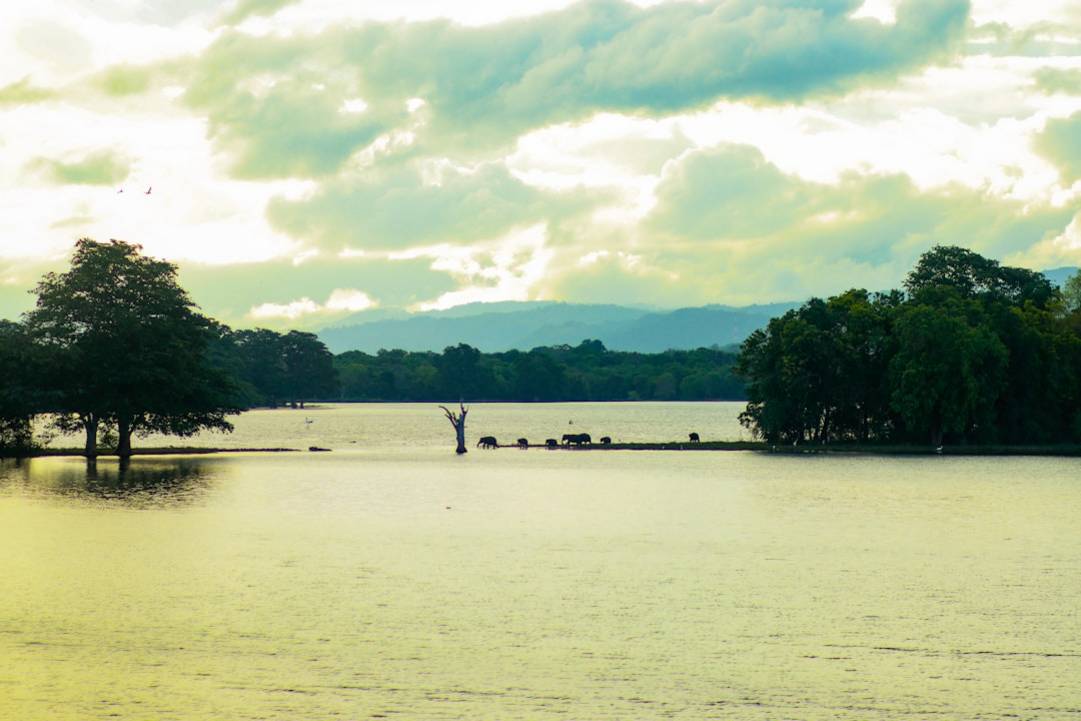
Sri Lanka packs an incredible variety of wildlife into one compact island. From majestic elephants roaming national parks to elusive leopards hiding in dense forests, this country is a wildlife lover’s dream come true. You don’t need weeks to experience it — smart planning lets you check off the best animals fast and stress-free.
This guide cuts through the noise. It shows you where and when to find Sri Lanka’s iconic creatures, how to spot them like a local pro, and what tours deliver the highest chances without wasting your precious time. Get ready to maximize your wildlife adventure with insider tips that keep comfort and safety front and center.
| Animal | Location | Spotting Chance | Best Season |
|---|---|---|---|
| Asian Elephant | Udawalawe National Park | Very High | December to April |
| Sri Lankan Leopard | Yala National Park | Moderate | February to June |
| Sloth Bear | Wilpattu National Park | Low to Moderate | March to September |
| Purple-faced Langur | Sinharaja Forest Reserve | High | Year-round |
| Saltwater Crocodile | Madu River | Moderate | November to April |
| Sri Lankan Elephant | Minneriya National Park | Very High | July to October |
| Indian Star Tortoise | Bundala National Park | Moderate | January to March |
Asian Elephant
The Asian Elephant is one of Sri Lanka’s most iconic wildlife stars. You’ll find them roaming freely in Udawalawe National Park, where large herds gather around waterholes especially during the dry season. These gentle giants usually keep a respectful distance from humans but can be curious if approached calmly. Booking a guided jeep safari is the smartest way to spot them efficiently and safely, avoiding the crowds and maximizing your viewing time. Early morning or late afternoon tours offer the best light and animal activity, plus cooler temperatures for your comfort.
- Best time: December to April
- Cost: $40–$60 per jeep safari
- Tour type: Guided jeep safari
- Tip: Bring binoculars and water; expect dusty roads
Sri Lankan Leopard
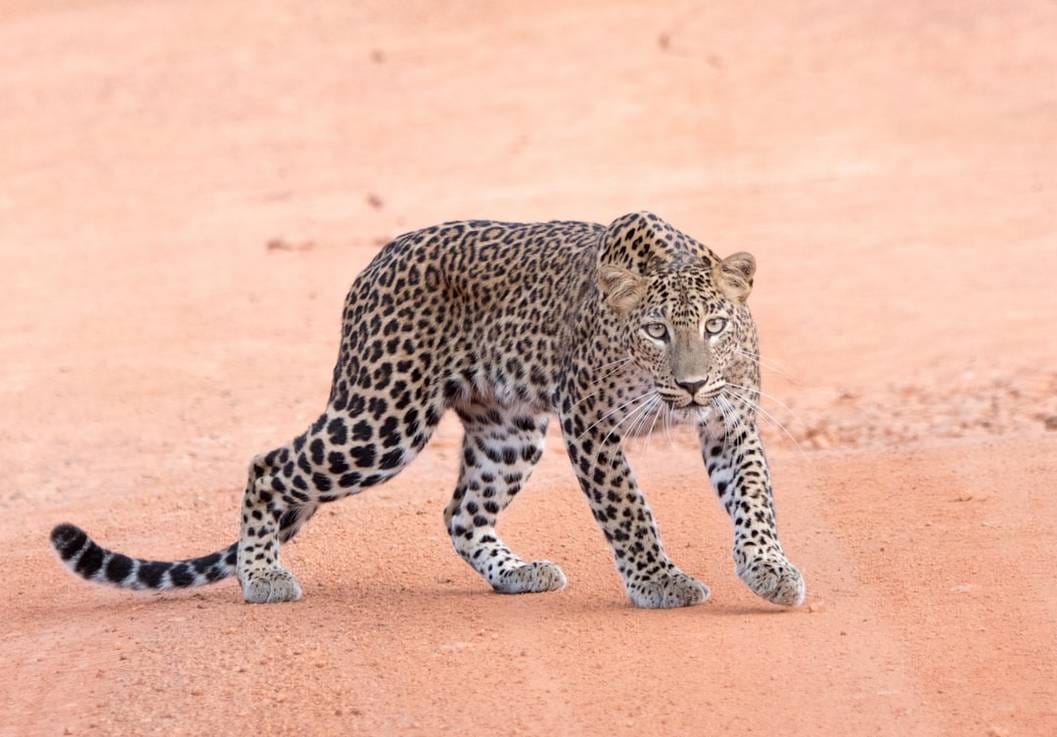
Sri Lankan Leopards are elusive but the ultimate wildlife prize here. Yala National Park is your best bet, with moderate chances to spot these majestic cats. Leopards tend to avoid humans but may be glimpsed resting in trees or stalking prey at dawn and dusk. Opt for a private jeep tour with an experienced guide who knows the leopard’s favorite haunts. This approach saves you time and increases your odds while keeping encounters safe and respectful. Avoid noisy groups and keep a safe distance to protect both you and the animal.
- Best time: February to June
- Cost: $50–$80 per jeep safari
- Tour type: Private guided jeep tour
- Tip: Stay quiet and patient for best sightings
Sloth Bear
Sloth Bears are shy and nocturnal, making them a challenge to spot. Wilpattu National Park offers the best chance, especially during the dry months when bears roam in search of termites. They generally avoid human contact but can be seen from a distance on early morning safaris. Choose a small-group tour focused on wildlife tracking to boost your chances. Bring insect repellent and wear neutral colors to blend in. Keep your expectations realistic but know that spotting a sloth bear is a rare and rewarding highlight.
- Best time: March to September
- Cost: $45–$70 per safari
- Tour type: Small-group wildlife tracking
- Tip: Use insect repellent and stay alert at dawn
Purple-faced Langur
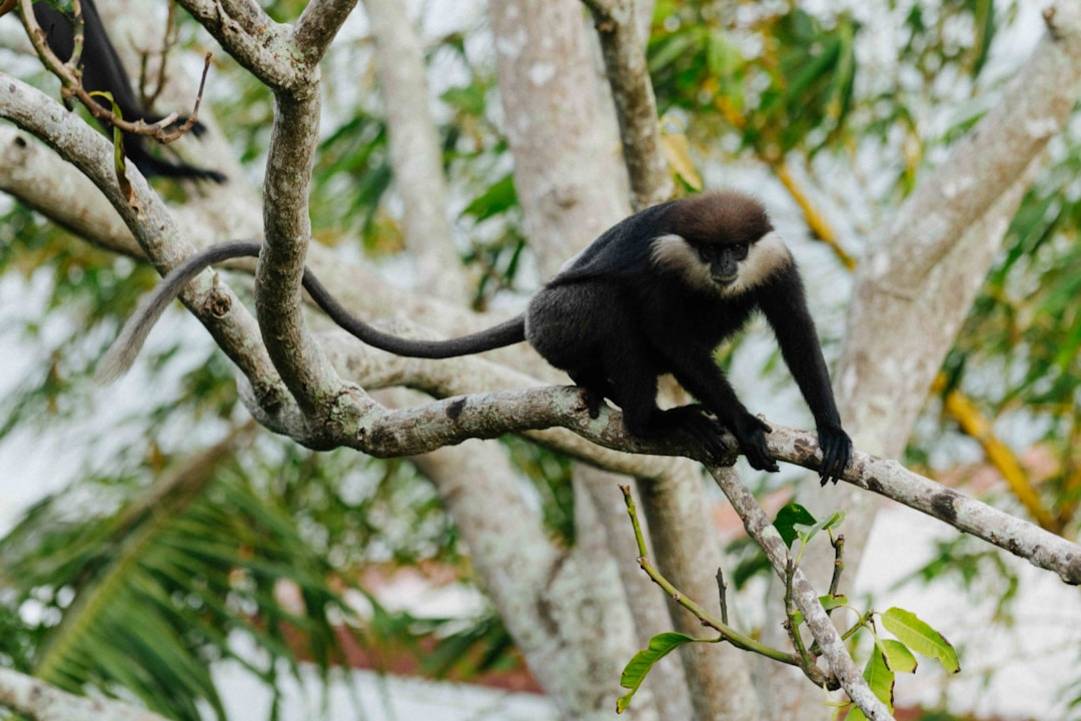
The Purple-faced Langur is a striking monkey species native to Sri Lanka’s rainforests. Sinharaja Forest Reserve is the hotspot to see these agile primates swinging through the canopy. They are fairly tolerant of humans but keep a respectful distance to avoid stress. Guided walking tours through the forest trails provide the best experience, combining wildlife spotting with birdwatching and lush scenery. Early morning walks maximize your chances while keeping the forest cool and peaceful. Wear sturdy shoes and bring water for comfort.
- Best time: Year-round
- Cost: $25–$40 for guided walks
- Tour type: Guided forest walking tour
- Tip: Wear sturdy shoes and bring water
Saltwater Crocodile
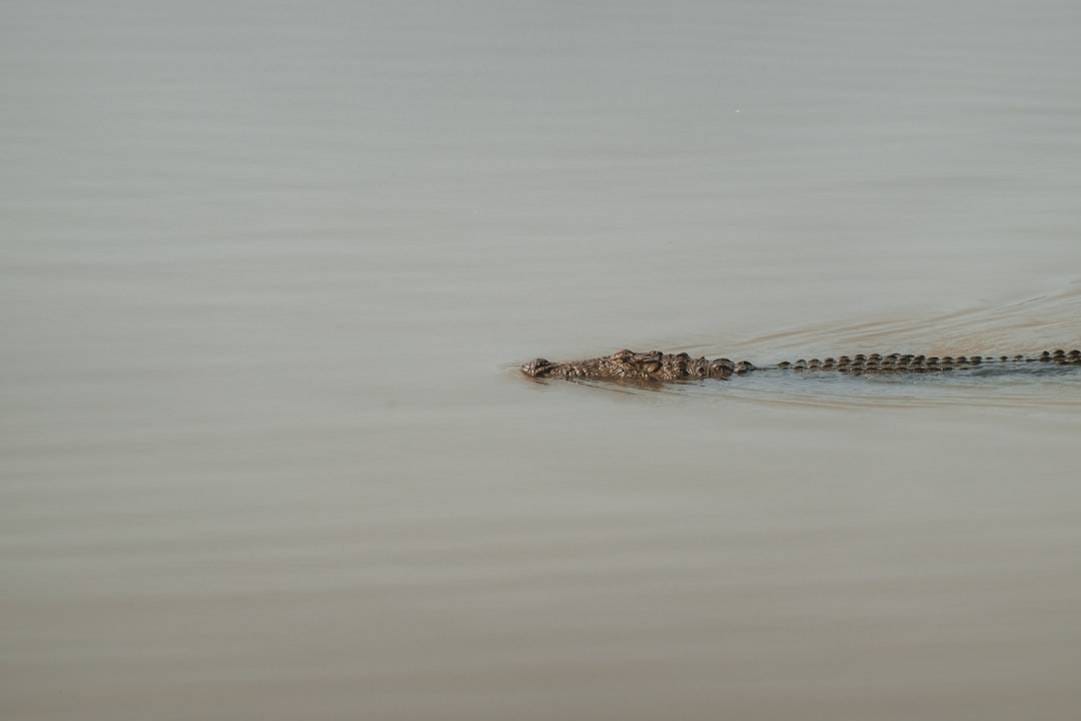
Saltwater Crocodiles lurk in Sri Lanka’s coastal rivers and mangroves, with Madu River being a prime location. These powerful reptiles can be spotted sunning on riverbanks or silently gliding through water. They are dangerous and unpredictable, so always stay in the boat and follow your guide’s instructions. Boat tours here offer a unique mix of wildlife and local village culture. Visit in the dry season when crocodiles are more visible. Keep your camera ready but respect safety rules to avoid risky encounters.
- Best time: November to April
- Cost: $30–$50 per boat tour
- Tour type: Guided boat safari
- Tip: Never leave the boat or dangle limbs in water
Sri Lankan Elephant
Sri Lankan Elephants are a subspecies unique to the island, known for their impressive size and gentle nature. Minneriya National Park hosts the famous 'Elephant Gathering' from July to October, when hundreds come to drink and bathe. This seasonal spectacle is a must-see and best experienced via guided jeep safari. Arrive early to avoid crowds and capture stunning photos. The park’s dry terrain makes spotting easier but prepare for dusty conditions. Respect the animals’ space and keep noise levels low to enhance your viewing comfort.
- Best time: July to October
- Cost: $40–$70 per jeep safari
- Tour type: Guided jeep safari
- Tip: Arrive early for best light and fewer crowds
Indian Star Tortoise
The Indian Star Tortoise is a small but fascinating reptile found in Bundala National Park. Its distinctive star-patterned shell makes it a favorite for wildlife photographers. These tortoises move slowly and are often spotted in dry scrublands and grasslands. Bundala’s guided nature walks or jeep safaris increase your chances of seeing them. Visit during the dry months when tortoises are more active. Handle with care if allowed, and never disturb their natural habitat. This low-key animal adds variety to your Sri Lankan wildlife checklist.
- Best time: January to March
- Cost: $20–$40 per guided tour
- Tour type: Guided nature walk or jeep safari
- Tip: Respect habitat and avoid touching animals
Street Animals in Sri Lanka
Street animals are a common sight in Sri Lanka’s urban and rural areas. While many are harmless, some can pose health risks or cause accidents, especially on busy roads. Knowing which animals to watch out for and how to interact safely helps you avoid unnecessary troubles during your trip.
| Animal | Risk | Advice |
|---|---|---|
| Stray Dogs | Can be aggressive or carry rabies | Avoid petting or feeding; keep a safe distance and seek immediate medical help if bitten |
| Monkeys | May snatch food or belongings; can bite | Do not feed or provoke; secure your belongings and stay calm if approached |
| Street Cats | Low risk but can carry fleas or diseases | Avoid close contact and wash hands after any interaction |
| Cattle (Free-roaming) | Can block traffic and cause accidents | Drive carefully near herds; do not attempt to touch or scare them |
| Wild Birds | Minimal risk but may carry parasites | Observe from a distance; avoid disturbing nests |
Safety in Nature
- Watch out for sudden weather changes, especially heavy rain causing slippery trails
- Avoid hiking alone in remote areas; always inform someone about your route
- Beware of venomous snakes and insects; wear closed shoes and use insect repellent
- Stay on marked paths to prevent encounters with wild animals
- Do not drink untreated water from streams or rivers; stick to bottled or boiled water
- Carry a basic first aid kit for emergencies
Do's & Don'ts
| Do's | Don'ts |
|---|---|
| Respect local customs and traditions at all times | Do not feed wild or street animals |
| Use reusable water bottles to reduce plastic waste | Avoid touching or disturbing wildlife habitats |
| Support local businesses and artisans | Never buy products made from endangered species |
| Ask permission before photographing people | Don’t litter or damage natural sites |
| Dispose of trash responsibly and recycle when possible | Avoid loud noises that can disturb locals and animals |
Essential Packing List
- Lightweight, breathable clothing for hot weather
- Comfortable walking shoes with good grip
- Insect repellent with DEET
- Reusable water bottle with filter
- Basic first aid kit (bandages, antiseptic, painkillers)
- Sunscreen with high SPF
- Hat and sunglasses for sun protection
- Portable phone charger
- Copies of important documents (passport, insurance)
- Cash in small bills for tipping and small purchases
Frequently Asked Questions
Is it safe to walk around at night in Sri Lanka?
Stick to well-lit, busy areas after dark. Avoid isolated streets or parks. Use reliable transport like registered taxis or ride-sharing apps to stay safe.
Which vaccinations do I need before traveling to Sri Lanka?
Ensure your routine vaccines are up to date, plus Hepatitis A, Typhoid, and Tetanus. Consult a travel health clinic for personalized advice based on your itinerary.
How can I avoid tourist trap tours?
Book tours through official operators or trusted travel platforms. Read recent reviews and avoid last-minute street offers that seem too cheap or pushy.
What’s the best way to spot wildlife safely?
Join guided safaris with licensed guides. Keep a safe distance and don’t feed or provoke animals.
Are there any dangerous animals I should watch out for?
Yes, watch for snakes and leeches in forests. Always wear proper footwear and follow guide instructions.
Can I swim in natural water bodies?
Avoid swimming in unknown rivers or lakes due to strong currents and waterborne diseases. Stick to designated swimming spots.
What should I do if I get bitten by an animal?
Clean the wound immediately with soap and water. Seek medical attention as soon as possible, especially for dog or monkey bites.
Is tap water safe to drink in Sri Lanka?
Tap water is generally not safe. Always drink bottled or properly filtered water to avoid stomach issues.