


Visit Taiwan between October and November for warm, less humid weather and fewer crowds, avoiding the heavy rain and typhoon risk of spring.
Taiwan’s weather flips the usual tropical script: October shines as the best month with highs of 82°F / 28°C and moderate humidity, while May drags as the worst with 268mm of rain and oppressive 82% humidity. This subtropical island dodges the worst typhoons by timing your visit right, making late fall a surprisingly dry and pleasant window. How exactly does Taiwan’s climate shape these ideal travel months?
Taiwan’s weather is shaped by the East Asian monsoon, mountainous terrain, and its latitude just north of the Tropic of Cancer. Spring brings heavy rain and typhoon threats as warm, moist air flows from the southwest, while autumn’s northeast monsoon cools and dries the air. The island’s climate zones vary: northern Taipei faces cooler, wetter winters, while southern areas stay warmer year-round. Unlike many neighbors, Taiwan’s typhoon season peaks late summer but winds down by October, making timing crucial.
This guide ranks every month with verified weather data, highlighting pitfalls like spring’s downpours and summer’s oppressive heat. It also identifies optimal months for city exploration, temple visits, and hiking. The verdict section will help you choose between beating crowds or maximizing weather comfort, with clear tradeoffs based on your travel style.
The Bottom Line
For repeat travelers focused on culture and slow travel, October to November offers the best balance of weather and crowd control, outperforming the wetter, busier spring months.
Compare Countries Month-by-Month
Use Pack Lightly’s best-travel-time worldmap to compare Taiwan’s climate and crowds against other countries month-by-month, helping you pinpoint the perfect window for your next cultural or hiking adventure.
Quick Facts
- October: 82°F / 28°C highs and 14 rain days provide warm, manageable weather for outdoor activities.
- May: 268mm rain and 19 rain days make it the wettest, most humid month to avoid.
- March – April: Peak crowds raise prices and fill temples and hiking trails.
- July – September: Off-season heat above 90°F / 32°C and frequent storms drop prices significantly.
- Taiwan’s autumn monsoon shifts weather to drier, cooler conditions unique compared to neighbors.
- Solo female travelers find October – November safer and more comfortable with fewer crowds and moderate humidity.
Monthly Weather Overview
| Month | Rating | Day Temp | Night Temp | Sun Hours | Rainfall | Humidity | UV | Crowds |
|---|---|---|---|---|---|---|---|---|
| January | 4★ | 66°F (19°C) | 56°F (13.5°C) | 152 | 52mm | 78% | 4 | Low |
| February | 4★ | 69°F (21°C) | 58°F (14.3°C) | 140 | 79mm | 81% | 6 | Low |
| March | 3★ | 74°F (23°C) | 60°F (15.6°C) | 207 | 124mm | 80% | 7 | High |
| April | 3★ | 78°F (26°C) | 66°F (18.6°C) | 224 | 123mm | 80% | 9 | Peak |
| May | 1★ | 83°F (29°C) | 71°F (22°C) | 242 | 268mm | 82% | 11 | Peak |
| June | 2★ | 89°F (32°C) | 76°F (24.5°C) | 278 | 214mm | 82% | 11 | Medium |
| July | 1★ | 92°F (34°C) | 78°F (25.7°C) | 333 | 159mm | 78% | 11 | Low |
| August | 1★ | 91°F (33°C) | 78°F (25.6°C) | 323 | 179mm | 79% | 9 | Low |
| September | 2★ | 89°F (31°C) | 76°F (24.5°C) | 291 | 209mm | 80% | 7 | Medium |
| October | 4★ | 82°F (28°C) | 72°F (22°C) | 217 | 215mm | 79% | 6 | Medium |
| November | 4★ | 76°F (25°C) | 67°F (19.4°C) | 172 | 70mm | 79% | 4 | Medium |
| December | 4★ | 69°F (20°C) | 60°F (15.3°C) | 120 | 81mm | 81% | 4 | Low |
Temperature & Rainfall
Temperature (°F)
Rainfall (mm)
When to Go
Okay
low crowd · mid
Okay
low crowd · mid
Ideal
low crowd · mid
Ideal
medium crowd · mid
Okay
medium crowd · budget
Okay
low crowd · budget
Avoid
low crowd · budget
Avoid
low crowd · budget
Avoid
low crowd · budget
Ideal
medium crowd · mid
Ideal
high crowd · mid
Okay
peak crowd · premium
Okay
Avoid
Month-by-Month Breakdown
January in Taiwan: Cool, Clear, and Calm
Book this month if you want a quiet, mild winter with manageable humidity.
Taiwan in January feels crisp and clear, especially around Taipei where the air is fresh and skies often bright. Daytime highs hover around 66°F / 19°C, dropping to a cool 56°F / 13°C at night, making city walks and temple visits comfortable without sweating. Rain is lighter this month, with just 11 days of drizzle that rarely disrupt plans. Tourist crowds are thin compared to the spring surge, so you’ll find easier access to cultural sites and better hotel rates. The main pitfall is underestimating the chill during early mornings and evenings, which can surprise those expecting subtropical warmth. Book flights and accommodations early to lock in mid-tier prices before the spring rush.
What this means for you
- Morning temple visits are brisk but pleasant; layer up for evenings when temperatures dip near 56°F / 13°C.
- Lower crowds mean less waiting at Taipei’s National Palace Museum and quieter hiking trails nearby.
- Mid-range pricing offers a good balance, especially if you avoid last-minute bookings during Lunar New Year.
Events & culture
- Lunar New Year often falls in late January or early February, causing spikes in domestic travel and hotel prices.
Pro tip
If visiting Taipei, schedule your National Palace Museum tour midweek to avoid weekend local crowds during the cooler month.
February in Taiwan: Quiet, Cool, and Slightly Damp
Skip unless you’re targeting Lunar New Year celebrations or off-peak flight deals.
February carries the tail end of Taiwan’s cooler season, with highs near 69°F / 21°C and lows around 58°F / 14°C, but humidity creeps up to 81%, adding a slight dampness to the air. Rain falls about 12 days, often light but enough to keep the landscape lush. Taipei and other cities feel calm, with fewer tourists except around Lunar New Year festivities, which can bring short bursts of intense local activity. Prices remain moderate, but booking near holidays demands advance planning to avoid sold-out accommodations. The real trap is traveling without adjusting for humidity, which can make the air feel heavier than temperatures suggest. Lock in trips early if you want to catch cultural events without the spring crowds.
What this means for you
- Expect occasional light rain that may interrupt outdoor temple visits, but city museums stay accessible.
- Humidity can feel sticky; plan indoor cultural activities during mid-afternoon when dampness peaks.
- Flight prices may spike around Lunar New Year; book early or target the weeks before or after.
Pro tip
Secure accommodations in advance if your trip overlaps Lunar New Year, as domestic travel surges heavily impact availability.
March in Taiwan: Spring Bustle with Rising Rain
Book this month if you prioritize cultural festivals despite heavier crowds and rain.
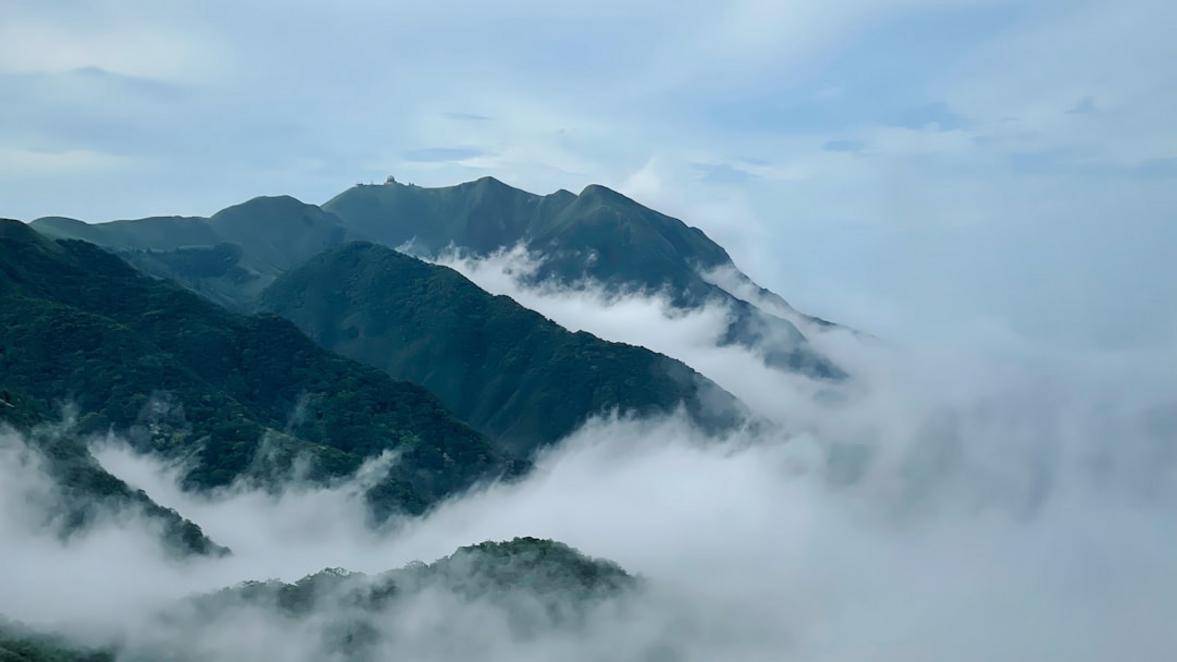
March shifts Taiwan into spring’s busy pulse, especially in Taipei where temple ceremonies and city life buzz with energy. Temperatures climb to about 73°F / 23°C by day and 60°F / 16°C at night, but humidity remains high at 80%, coupled with 13 rain days that bring intermittent showers. This weather supports lush hiking trails, though wet conditions demand good gear. Tourist numbers swell compared to winter, pushing prices up, especially around festival dates. Many travelers underestimate the rainfall’s impact on outdoor plans, leading to soggy afternoons. If you target cultural immersion and don’t mind crowds, booking early is crucial to secure mid-tier rates before April’s peak.
What this means for you
- Temple festivals fill the city; arrive early to avoid crowds and catch morning rituals before rain intensifies.
- Hiking requires waterproof shoes and flexible scheduling due to frequent showers.
- Accommodation prices rise with demand; locking rooms weeks ahead prevents last-minute premium costs.
Events & culture
- Taipei Lantern Festival lights up March, drawing crowds and affecting transport and hotel availability.
Pro tip
Reserve spots for Taipei Lantern Festival events at least one month ahead to avoid sold-out venues.
April in Taiwan: Peak Crowds Meet High Humidity
Conditional: Book if you want city festivals but tolerate crowding and wet trails.
April in Taiwan is a sensory overload with temple festivals and crowded streets in Taipei and beyond. Temperatures hit highs near 78°F / 26°C and lows around 65°F / 18°C, but humidity stays stubbornly high at 80%, paired with 14 days of rainfall that can be heavy. The combination fuels vibrant city life and floral blooms but makes hiking slippery and less enjoyable. Prices peak here, reflecting the surge in tourists chasing spring’s cultural buzz. Many travelers get caught off-guard by the rain’s persistence and the humidity’s weight, which can drain energy fast. If your itinerary centers on festivals and urban experiences, book well in advance to avoid inflated rates and sold-out hotels.
What this means for you
- Expect crowded temples and city streets; early morning visits are your best bet to avoid congestion.
- Rain can disrupt hiking plans; focus on urban cultural sites when storms hit.
- Higher prices mean budgeting for premium accommodations or booking months ahead is necessary.
Events & culture
- Tomb Sweeping Day in early April prompts local travel spikes and temporary closures of some attractions.
Pro tip
Stay near Taipei’s Ximending district for vibrant nightlife and easier access to festival events during April.
May in Taiwan: Hot, Humid, and Rain-Soaked
Skip unless you want budget deals and don’t mind heavy rain and heat.
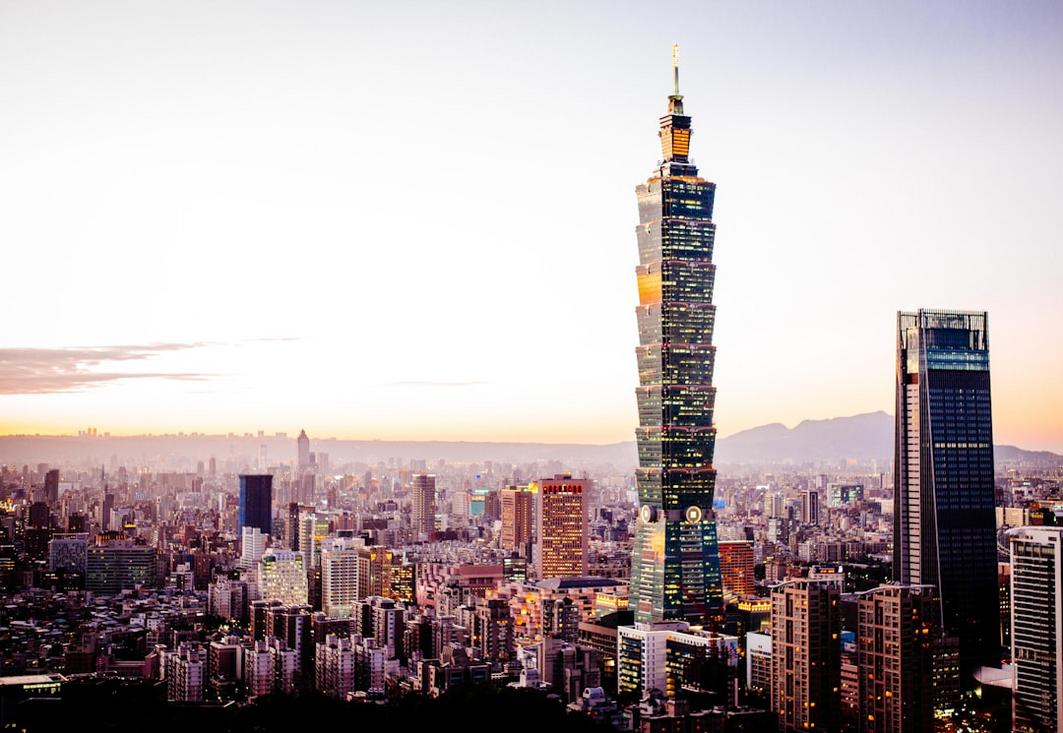
May ushers in Taiwan’s wettest and most humid stretch, with highs reaching 83°F / 28°C and lows around 71°F / 22°C. Rain falls hard and often, soaking the island on 19 days and dumping 10.5 inches / 267 mm of precipitation. The intense humidity at 82% makes outdoor activities like hiking oppressive and city explorations sticky. Tourist numbers drop compared to spring’s peak, which drives prices down to budget levels, attracting travelers who prioritize costs over comfort. Many visitors underestimate how relentless the rain can be, turning planned temple visits or trekking into soggy ventures. If you’re flexible and want to capitalize on lower prices, this month offers value but demands rain-ready gear and patience.
What this means for you
- Heavy rain limits outdoor hiking; focus on urban museums and covered markets instead.
- High humidity saps energy quickly; plan indoor cultural visits during midday heat.
- Budget pricing means better accommodation deals but expect frequent weather disruptions.
Events & culture
- Plum fruit season peaks, offering unique tasting opportunities at local markets despite wet weather.
Pro tip
Book hotels with strong rain protection and good air conditioning to handle May’s humidity and storms.
June in Taiwan: Early Summer Heat with Storm Warnings
Skip unless you’re after deep discounts and can handle heat plus frequent storms.
June ramps up Taiwan’s summer heat, pushing highs near 89°F / 32°C and lows to 76°F / 24°C, with humidity steady at 82%. Rain intensifies with 20 days of precipitation, often in the form of heavy afternoon storms linked to the early monsoon. This weather discourages hiking and limits outdoor temple visits to early mornings or dry spells. Tourist numbers remain low, and prices hit budget levels, appealing to travelers who prioritize cost savings over ideal conditions. The biggest mistake is underestimating the heat combined with frequent storms, which can disrupt transport and outdoor plans. If you opt for June, focus on city-based activities and keep flexible schedules for weather windows.
What this means for you
- Afternoon storms are common; plan outdoor activities for mornings and early afternoons only.
- High heat and humidity make urban exploration tiring; schedule breaks in air-conditioned spaces.
- Budget prices offer value, but weather can cause sudden cancellations or delays.
Pro tip
Use Taipei’s MRT extensively to avoid heat and rain; stations connect directly to major cultural sites.
July in Taiwan: Hot, Stormy, and Affordable
Expect highs near 92°F / 33°C with heavy rain and storms, perfect for budget travelers who can handle the heat.
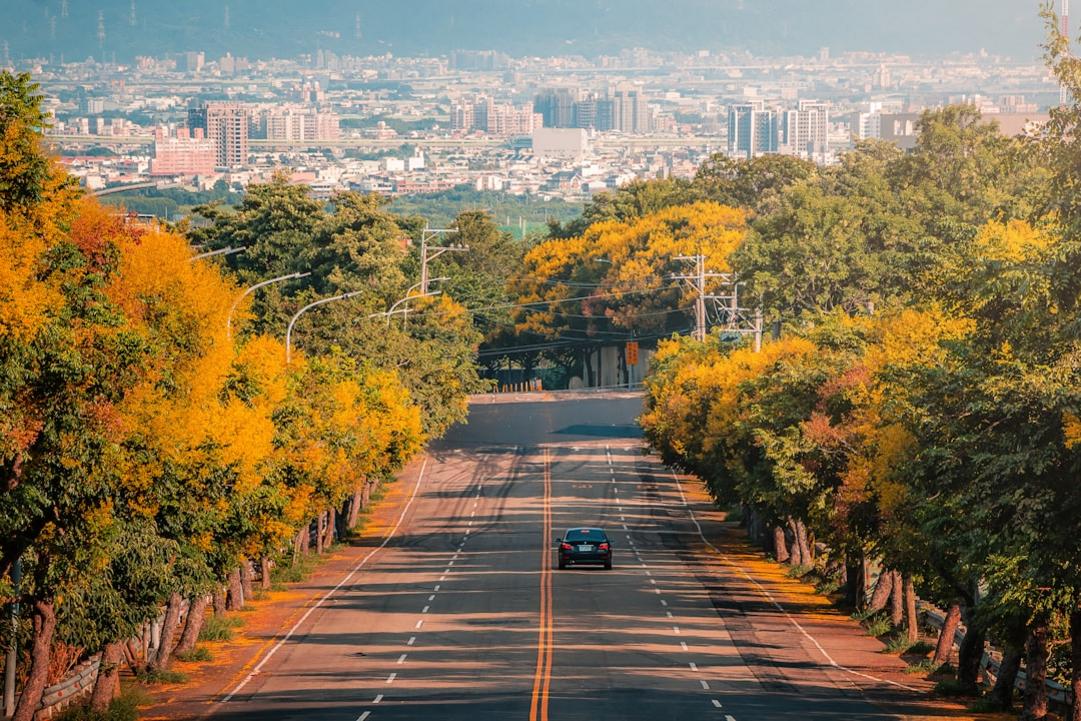
July pushes Taiwan into its hottest stretch, with highs around 92°F / 33°C and humidity at 78%. Frequent storms and 19 rain days mean outdoor plans can be disrupted, especially for hiking or temple visits. Tourist numbers drop sharply, driving prices down significantly, making it ideal if you want to save on accommodations. The intense heat and unpredictable storms are a trade-off, but indoor cultural sites remain accessible. Book flexible accommodations and flights to adjust to weather changes without penalty.
What this means for you
- Prepare for afternoon storms that can last hours; plan city activities in the mornings.
- Lower prices on hotels and tours offer value if you can tolerate heat and humidity.
- Avoid strenuous hikes during midday heat; early mornings are best for trekking.
Pro tip
Use air-conditioned museums and temples to escape midday heat and rain without losing cultural immersion.
August in Taiwan: Peak Heat and Persistent Rain
High humidity and 90°F / 32°C highs keep you indoors more, but prices remain low and crowds thin.
August stays hot with highs around 91°F / 33°C and humidity at 79%, accompanied by 19 days of rain totaling 179mm. The weather is oppressive for outdoor activities, especially hiking and temple visits, which lose appeal under constant humidity and storms. Tourist volume remains low, keeping accommodation and flight costs down. This month suits travelers who prioritize budget over comfort and are flexible with plans. Booking refundable rooms is smart given the storm risk and frequent rain interruptions.
What this means for you
- Plan indoor cultural visits or city exploration during rainy afternoons.
- Expect limited hiking windows; mornings may offer brief dry spells.
- Take advantage of discounted rates on hotels and tours.
Pro tip
Check weather apps daily and keep your schedule adaptable to sudden showers.
September in Taiwan: Lingering Heat Meets Heavy Rain
Still hot at 89°F / 32°C highs with heavy rainfall; a low-cost option if you can handle humidity and rain.
September remains warm with highs near 89°F / 32°C and humidity at 80%, but rain intensifies with 16 rainy days and 209mm precipitation. Outdoor plans are frequently interrupted, limiting hiking and temple visits. Tourist numbers stay low, so prices remain attractive. The end of the typhoon season means occasional severe storms can still appear. Flexibility is crucial for this month, and booking accommodations with cancellation options is wise. Cultural sites indoors provide reliable alternatives when weather turns sour.
What this means for you
- Expect frequent rain delays; pack waterproof gear for city and temple visits.
- Use hotel discounts to upgrade your stay and enjoy indoor amenities.
- Avoid remote hikes that become dangerous during storms.
Pro tip
Late September can see sudden typhoon activity; monitor forecasts closely.
October in Taiwan: Warm, Drier, and Well-Balanced
82°F / 28°C highs with moderate humidity and fewer storms make October ideal for culture and hiking.
October cools down to a comfortable 82°F / 28°C high with 79% humidity and 14 rain days, shifting Taiwan into a drier, more stable phase. Outdoor activities like hiking and temple visits become enjoyable again without the oppressive heat or heavy storms of summer. Tourist crowds thin compared to spring, offering better access and mid-tier pricing on accommodations. The autumn monsoon brings manageable showers rather than downpours, reducing disruptions. Book early to secure mid-range hotel rates before the November dip in temperatures.
What this means for you
- Plan full-day hikes and temple tours with confidence in mostly stable weather.
- Enjoy fewer crowds at popular cultural sites compared to spring.
- Mid-range hotel prices balance comfort and value.
Events & culture
- Mid-Autumn Festival often falls in late September or early October, featuring lantern events and mooncakes.
Pro tip
Schedule hikes in the morning to avoid afternoon showers and maximize daylight.
November in Taiwan: Cooler, Clearer, and Comfortable
Highs near 76°F / 24°C with low rain days and steady humidity make November ideal for slow travel.
November drops to highs around 76°F / 24°C with 79% humidity and only 12 rain days, marking a clear improvement in weather stability. Cooler temperatures and reduced rainfall make outdoor cultural exploration and hiking more pleasant. Tourist numbers rise slightly but remain manageable, keeping prices in the mid-tier range. The transition to drier weather means fewer weather-related disruptions. Booking accommodations now can lock in good rates before December’s price hike and peak crowds arrive.
What this means for you
- Enjoy comfortable temple visits and trekking without summer heat or heavy rain.
- Expect moderate crowds, especially on weekends and holidays.
- Mid-range prices offer good value for quality accommodations.
Events & culture
- Double Ninth Festival in early November features chrysanthemum displays and mountain hikes.
Pro tip
Book accommodations in Taipei early to secure preferred locations as demand picks up.
December in Taiwan: Cool, Quiet, and Premium
Cooler highs near 68°F / 20°C with moderate rain and higher prices reflect peak demand during holidays.
December cools further to highs around 68°F / 20°C with 81% humidity and 15 rain days, bringing crisp air and quieter streets early in the month. Tourist demand spikes during holiday periods, pushing prices into the premium tier. Outdoor activities remain feasible but require layering for cooler mornings and evenings. Cultural sites and city life offer rich experiences without the spring crowds. Booking well in advance is essential to secure accommodations at reasonable rates during this competitive season.
What this means for you
- Layer clothing for cool mornings and evenings during outdoor excursions.
- Expect premium pricing, especially around Christmas and New Year.
- Indoor cultural venues provide warmth and comfort on rainy days.
Events & culture
- Christmas and New Year celebrations bring festive markets and events in Taipei.
Pro tip
Reserve accommodations at least 2-3 months ahead to avoid inflated last-minute prices.
What Makes Taiwan’s Climate Different
- Taiwan’s east coast experiences heavier rainfall and cooler temperatures than the west, especially around Hualien and Taitung, affecting hiking conditions differently than Taipei or Taichung.
- The autumn monsoon shifts from southeast to northeast, drying the west coast earlier than the east, creating a staggered seasonal change unique compared to neighboring countries with more uniform monsoons.
- Taiwan’s central mountain range, with peaks above 10,000 feet / 3,050 m, causes sharp altitude-based climate variation; high-altitude trails like Yushan remain cool year-round, unlike lowland subtropical zones.
- Ferry routes to offshore islands like Penghu close during typhoon season (July – September) but reopen reliably by mid-October, influencing visitor flow and local festival timing.
- Taiwanese school holidays in late January and early February spike prices and crowds, disrupting the typical spring travel surge seen elsewhere in East Asia.

Who Should Go When
The Temple Pilgrim
March to early April offers vibrant festivals and cultural ceremonies before typhoon season intensifies.
- March hosts the Dajia Mazu Pilgrimage, the world’s largest religious procession – book city hotels in Taichung early to secure rates.
- Early April is ideal for Taipei’s Longshan and Confucius temples with fewer crowds than Lunar New Year but lively local worship.
- Expect highs around 75 – 78°F / 24 – 26°C with rising humidity; pack breathable fabrics for temple visits.
- Solo female travelers find city neighborhoods like Da’an and Xinyi safe and walkable during festival nights.
The Highland Trekker
October through November delivers cooler mountain air and drier trails, perfect for multi-day hikes in central Taiwan.
- Alishan and Hehuanshan trails peak in accessibility post-October with stable weather and autumn foliage.
- Book mountain lodges in advance for weekends; weekday stays offer up to 20% lower rates.
- Temperatures drop to the 50s – 60s°F at altitude, so layering is essential for early mornings.
- Solo female trekkers benefit from clearer skies and fewer hikers, enhancing safety and solitude.
The Urban Foodie Explorer
November to early March combines cooler weather with lower crowds for Taipei’s night markets and street food scenes.
- November offers mild 70s°F daytime temps ideal for evening strolls through Shilin and Raohe Night Markets.
- December and January see fewer tourists, which means better seating in popular street stalls and shorter waits.
- Book centrally located guesthouses in Taipei’s Zhongzheng or Songshan districts for walkability and safety.
- Solo female travelers enjoy well-lit, busy markets with strong public transit access after dark.
Insider Tip
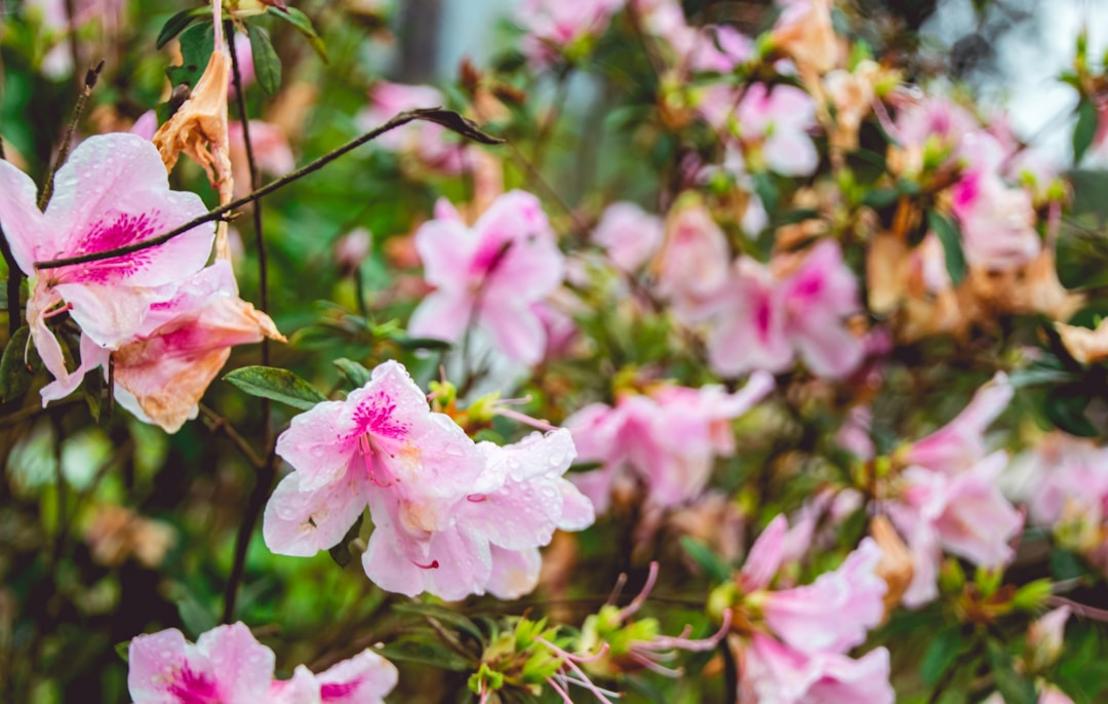
Book accommodation in Alishan National Scenic Area for late October; weekday rates drop sharply after the National Day holiday, yet the highland’s autumn colors and cooler air remain vibrant through November, offering value without sacrificing scenery or comfort.
Frequently Asked Questions
1Are Taiwan’s offshore islands accessible in October?
Yes, ferry services to Penghu, Green Island, and Orchid Island resume reliably by mid-October after typhoon season, making this period ideal for island visits without the summer crowds.
2How much can I save traveling in Taiwan during the July – September off-season?
Accommodation and tour prices drop by up to 40% during July to September compared to peak spring months, thanks to intense heat and frequent storms reducing demand significantly.
3What is the worst month for typhoon risk in Taiwan?
August is the peak typhoon month, with up to 5 typhoons affecting the island, bringing heavy rain and strong winds that disrupt travel and outdoor activities.
4How does climate vary between northern and southern Taiwan?
Northern Taiwan, including Taipei, experiences cooler, wetter winters with about 82°F / 28°C highs in October, while southern cities like Kaohsiung stay warmer year-round, often 5 – 7°F / -15 – -14°C higher, with less rainfall during autumn.
5Is October better than April for hiking in Taiwan’s mountains?
October’s lower humidity and fewer typhoons create safer, drier trail conditions than April, when 123mm of rain and rising humidity increase risks of slippery paths and cancellations.
6Do prices spike during Taiwan’s spring festivals?
Yes, during Lunar New Year and early spring festivals in February and March, hotel rates can increase by 25 – 30%, especially in Taipei and cultural hotspots.