


Taiwan’s geography splits sharply between a rugged eastern coast and a densely populated western plain.
Taiwan is an island off the southeastern coast of China, located in East Asia within the western Pacific Ocean. It lies across the 112-mile / 180-km-wide Taiwan Strait from Fujian province on the Chinese mainland.
The Central Mountain Range runs the length of the island, creating a steep, forested eastern side facing the Pacific and a flat, river-drained western plain where nearly all of Taiwan’s population lives. This east-west divide shapes travel and settlement patterns across the island.
Key takeaways
- Taiwan is separated from mainland China by the 112-mile / 180-km-wide Taiwan Strait.
- The Central Mountain Range runs north to south, dividing the island’s east and west.
- The eastern coast is steep, mountainous, and sparsely populated.
- The western plain is flat, fertile, and home to most of Taiwan’s population.
- Rivers flowing from the mountains drain the western basin.
- Taiwan’s location in the western Pacific places it near major shipping routes.
Tap any pin to explore the region
Where is Taiwan located on the map?

Taiwan is an island nation off the southeastern coast of China, situated in East Asia within the western Pacific Ocean. It lies across the Taiwan Strait, about 112 miles / 180 km east of Fujian Province on the Chinese mainland. Taiwan’s position places it near key maritime routes and at the junction of the East and South China Seas, making it a strategic gateway between continental Asia and the Pacific.
Spanning approximately 326 miles / 526 km from north to south and 267 miles / 429 km from east to west, Taiwan packs diverse landscapes into a relatively compact area. The island’s backbone is the Central Mountain Range, which runs north-south and sharply divides the terrain. The western half is a broad, flat plain drained by rivers, where most cities and population concentrate. The eastern side is steep, rugged, and far less populated, with dramatic cliffs meeting the Pacific.
This geographic divide shapes travel logistics: most airports, ports, and highways cluster on the western plain, while the east demands more time and effort to explore due to mountainous terrain and fewer access points. Taiwan’s climate zones vary from subtropical in the north to tropical in the south, so weather and travel conditions shift noticeably along the island’s length.
| Capital city | Taipei |
| Official language(s) | Mandarin Chinese |
| Total area (km²) | 36,197 |
| Highest point | Yushan (12,966 ft / 3,952 m) |
| UTC timezone offset(s) | UTC+8 |
Taiwan’s Geographic Overview by Direction
| North | East | South | West | |
|---|---|---|---|---|
| Landscape | mountains and plains | steep mountains and rocky coast | mountains and tropical coast | flat plains and river basins |
| Nature | temperate forests and river valleys | Pacific cliffs, coral reefs, and deep ocean trenches | tropical forests and beaches | fertile plains and agricultural land |
| Highlights | Taipei, Keelung, Yangmingshan National Park | Taroko Gorge, Hualien, Pacific Ocean coast | Taitung, Kenting National Park, tropical beaches | Taichung, Tainan, flatlands with major cities |
| Characteristics | subtropical climate, urban hubs | sparsely populated, rugged terrain | tropical climate, popular beach destinations | densely populated, economic center |
Taiwan’s Geographic Divide: East vs. West Across the Central Mountain Range
The Northern Basin and Coastal Fringe
Includes Taipei, New Taipei City, Keelung, and the northern coastal plain.

The north holds Taiwan’s political and economic heart, centered on Taipei’s dense urban fabric and sprawling New Taipei suburbs. The terrain here is predominantly flat or gently rolling, part of the western basin carved by rivers flowing from the Central Mountain Range. The nearby northern coast adds rugged cliffs and fishing ports like Keelung, contrasting the urban core.
Traveling north feels like a blend of city energy and accessible nature. Taipei’s night markets and cultural sites keep you busy, while nearby Yangmingshan National Park offers volcanic landscapes and hot springs. This region suits travelers wanting urban convenience with quick access to nature. It’s not the place for wilderness seekers but offers efficient transport and infrastructure to explore Taiwan’s diversity.
- Landscape: urban basin and coastal plain
- Nature: Yangmingshan volcanic park, northern coastline cliffs
- Highlights: Taipei 101, Yangmingshan, Keelung harbor
Travel tip
Skip taxis from Taoyuan Airport—use the MRT Airport Line to Taipei for around $5 (~2026 USD) and avoid 30-minute traffic jams.
The Steep Pacific Coast and Central Mountain Range
Covers Hualien, Taitung, and the eastern coastal strip facing the Pacific Ocean.
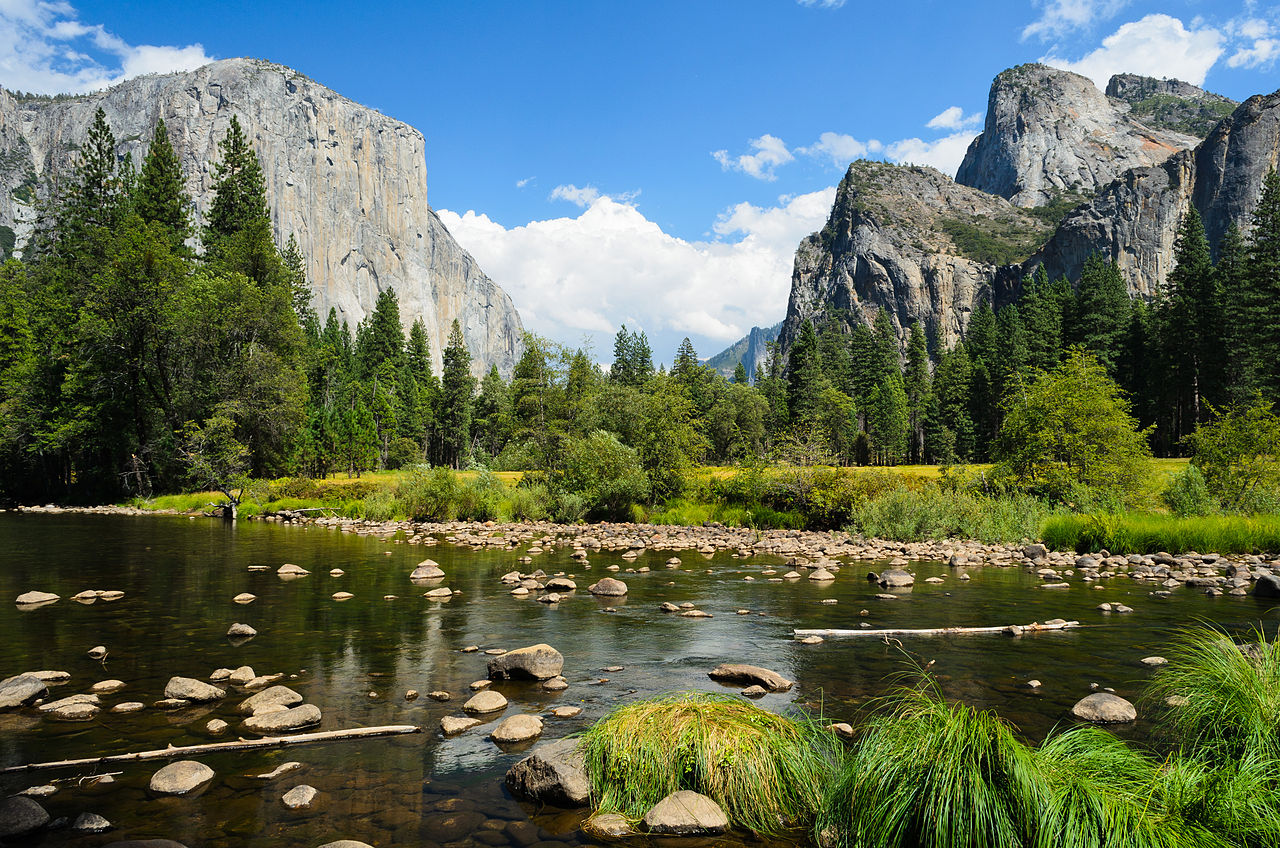
The east coast is defined by the towering Central Mountain Range dropping sharply into the Pacific. This steep, rugged terrain creates narrow coastal plains and deep river valleys. Sparse population and limited roads make the eastern coast feel remote and wild compared to the west. Seismic activity and dramatic cliffs shape the landscape, with Taroko Gorge as the centerpiece.
Travel here is slower but rewarding, with fewer crowds and a strong outdoor vibe. Hualien and Taitung serve as gateways for hiking, river tracing, and indigenous culture exploration. This direction suits travelers eager for raw nature and dramatic scenery but wary of limited public transit and fewer urban comforts. Avoid expecting nightlife or dense infrastructure common in the west.
- Landscape: steep mountain coast
- Nature: Taroko Gorge, Pacific cliffs, hot springs
- Highlights: Taroko National Park, Qingshui Cliffs, Taitung coastline
Travel tip
Book train tickets from Hualien to Taitung in advance; limited service fills quickly, especially on weekends.
The Subtropical Southern Plains and Coastal Wetlands
Includes Kaohsiung, Pingtung, and the southern coastal lowlands.

The south opens into flatter plains and wetlands, with a warmer, subtropical climate. Kaohsiung’s port city buzzes with industry and nightlife, while Pingtung offers agricultural lands and mangrove-lined coasts. The terrain is more forgiving than the central mountains, with broad river deltas and sandy beaches along the Taiwan Strait.
This region feels less touristy than the north but more developed than the east. It suits travelers who want a mix of urban culture, beach access, and rural landscapes. Night markets in Kaohsiung pulse late, while Kenting National Park at the southern tip offers beach activities without the east coast’s isolation. Skip this region if you want mountain hiking or dramatic cliffs.
- Landscape: coastal plains and wetlands
- Nature: mangroves, sandy beaches, river deltas
- Highlights: Kaohsiung harbor, Kenting National Park, Dapeng Bay
Travel tip
Use Taiwan’s high-speed rail to reach Kaohsiung quickly, then switch to local buses for Kenting; direct buses are infrequent.
The Western Basin and River Delta
Encompasses Taichung, Changhua, Yunlin, and the western plains drained by multiple rivers.

The west is Taiwan’s population and economic core, a broad plain drained by rivers flowing from the Central Mountain Range. This flat terrain supports dense agriculture, industry, and urban sprawl. Cities like Taichung and Changhua offer cultural landmarks and modern amenities. The western basin contrasts sharply with the steep east, featuring fertile fields and extensive infrastructure.
Traveling west means easy transport, urban-rural mix, and cultural variety. The vibe is pragmatic and efficient, with fewer natural barriers and more accessible towns. This direction suits travelers seeking convenience, local markets, and historical temples. Skip the west if looking for raw nature or coastal cliffs; this is where Taiwan’s human footprint is strongest.
- Landscape: flat river basin
- Nature: agricultural plains, river deltas
- Highlights: Taichung city, Lukang township, Zhuoshui River
Travel tip
Rent a scooter in Taichung for day trips to nearby towns; public buses run but often on slow schedules.
Getting around Taiwan: the geographic logic
Taiwan’s Central Mountain Range forms a nearly impassable spine running north to south, shaping all major travel routes. The steep, rugged peaks block direct east-west travel, forcing movement along the western lowland plain or the narrow eastern coastal strip. River valleys and mountain passes create limited corridors, making the western basin the hub for most transportation and settlements.
Travelers move primarily along the north-to-south axis on the western side, where flat terrain allows highways and railways to connect Taipei in the north with Kaohsiung in the south. The eastern coast’s steep cliffs and sparse population limit travel options to a single coastal highway and a railway hugging the Pacific. Crossing the mountain range requires careful planning, usually via a few high mountain passes or tunnels that connect the east and west but remain slower and less frequent.
For multi-week trips, expect slow mountain crossings and plan to spend more time in the western basin. The east coast offers dramatic scenery but fewer transport options and longer travel times. Island hopping is limited to offshore islets; the Taiwan Strait separates Taiwan from mainland China, making direct land access impossible. This geographic divide forces travelers to choose between the accessible western plain or the remote eastern coast, influencing itinerary flow and pace.
- Western Plain Corridor (North → South)
About 240 miles / 386 km, 4.5 to 6 hours by train or car. This route follows the flat basin west of the Central Mountain Range, connecting major cities and towns. The terrain allows dense infrastructure and frequent transport options. - Eastern Coastal Route (North → South)
Roughly 130 miles / 210 km, 5 to 7 hours by car or train. This narrow coastal strip runs between the mountains and the Pacific Ocean. The route is slower due to winding roads and fewer connections, reflecting the steep topography. - East-West Mountain Passes
Varies from 20 to 60 miles / 32 to 97 km, 1.5 to 3 hours depending on pass. Limited mountain tunnels and passes connect the eastern and western sides. These routes cross rugged terrain and are less frequented but essential for reaching remote eastern areas.
Common geographic questions about Taiwan
1Where is Taiwan located geographically?
Taiwan is an island off the southeastern coast of China, separated from Fujian province by the 112 miles / 180 km-wide Taiwan Strait in the western Pacific Ocean.
2How far is it from Taipei in the north to Kaohsiung in the south?
The distance between Taipei and Kaohsiung along the western corridor is about 240 miles / 386 km, typically a 4.5 to 6-hour trip by train or car.
3Which side of Taiwan is easier to enter and travel through for most travelers?
The western side is easier to enter and navigate due to its flat terrain, dense population, and extensive transport networks, unlike the steep, less accessible eastern coast.
4How does Taiwan’s size compare to a U.S. state?
Taiwan covers around 14,000 square miles / 36,000 square kilometers, similar in size to the state of Maryland.
5What geographic changes occur when traveling from north to south in Taiwan?
Traveling north to south, the climate shifts from subtropical in the north to tropical in the south, with temperature and rainfall increasing, especially on the eastern slopes.
6How does Taiwan’s Central Mountain Range affect travel routes?
The Central Mountain Range runs the length of Taiwan, blocking east-west travel and funneling most movement along the north-south western plain or the narrow eastern coast.
7Are there islands near Taiwan besides the main island?
Yes, Taiwan has several small offshore islands like the Penghu archipelago in the Taiwan Strait, but these are accessed separately and do not connect to the main island’s transport routes.
8What was the historical border context of Taiwan regarding mainland China?
Taiwan has no land border with China; the Taiwan Strait separates them. Historically, the island was governed separately after 1949, with no direct land crossings between Taiwan and mainland China.