


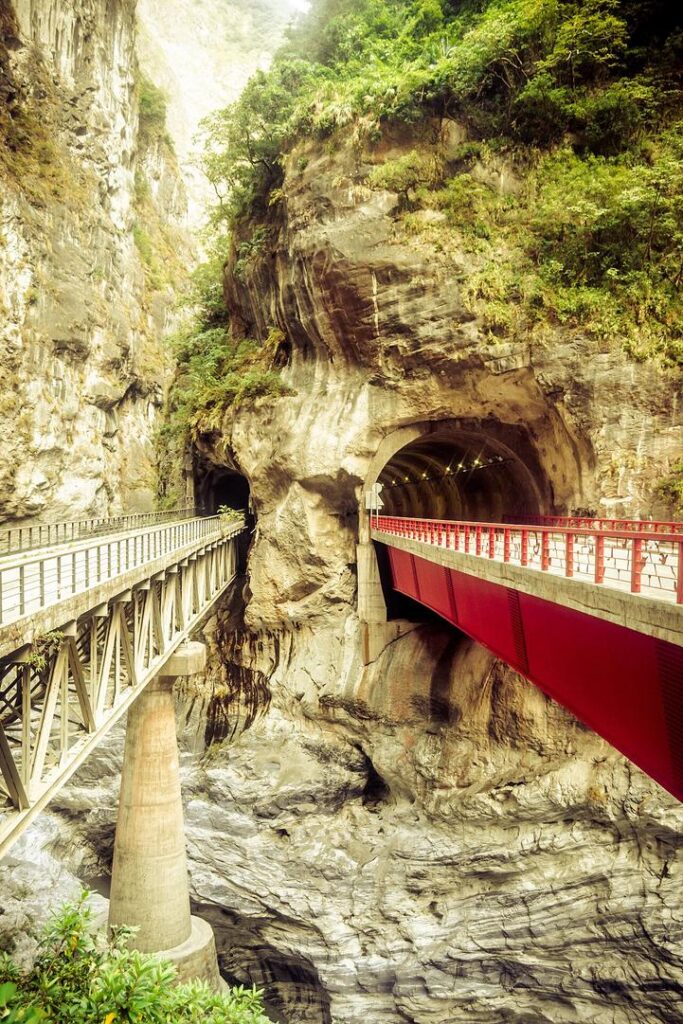
Hear the river roar beneath the Swallow Grotto cliff tunnels as sunlight filters through marble walls.
Taroko National Park is a deep marble gorge on Taiwan’s east coast, carved by the Liwu River and famous for cliff-cut tunnels and suspension bridges. Visitors come for challenging day hikes like the Zhuilu Old Trail and Shakadang Trail, plus temple visits above the river. The park stretches from Tianxiang village to the Qingshui Cliffs, with trailheads near Hualien city about 12 miles / 19 km away. Unlike Taiwan’s southern beaches, Taroko demands physical effort and early starts, rewarding hikers with dramatic marble walls and narrow canyon paths. The park’s infrastructure supports solo adventurers with clear signage and certified guides for technical sections. Plan for wet seasons from September to November, when trails get slippery and some routes close. Base yourself near Tianxiang for access to the best hikes and avoid staying in Hualien city center if your focus is on active exploration.
Hike the Zhuilu Old Trail for cliff-edge views, explore Swallow Grotto tunnels for dramatic marble walls, cross the Shakadang Suspension Bridge for river access, visit Eternal Spring Shrine for cultural context, and tackle the Baiyang Waterfall Trail for waterfall encounters and cliff tunnels.
Key takeaways
- Start hikes before 7:00 AM to avoid crowds on Zhuilu Old Trail and secure permits.
- Book a certified guide for Zhuilu Old Trail’s technical sections; permits required year-round.
- Stay near Tianxiang village for direct trail access and early-morning starts.
- Avoid hiking from September to November due to heavy rain and trail closures.
- Use the park shuttle bus from Hualien city for ~$5 round trip, 2026.
- Carry water and snacks; no shops beyond trailheads after 5:00 PM.
- Rent hiking gear in Hualien city if not bringing your own; expect ~$15/day, 2026.
- Plan ~$60-$120/day for mid-range travel including accommodation, meals, and transport.
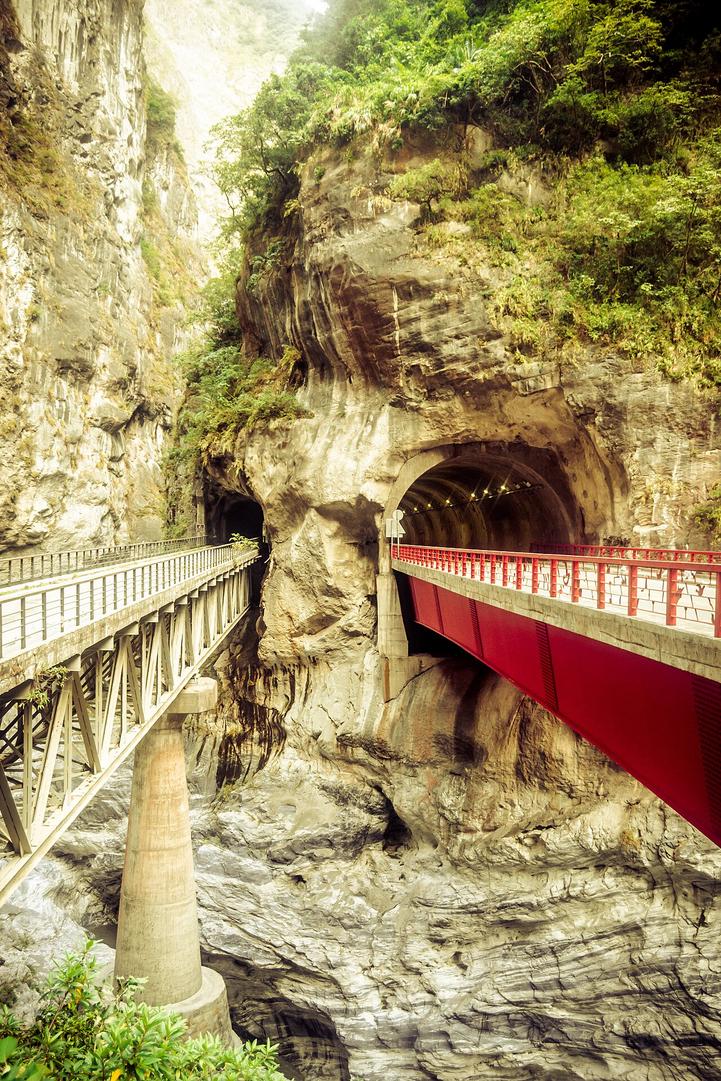
Why visit Taroko National Park
Taroko National Park stands apart from Taiwan’s other natural highlights like Alishan, Sun Moon Lake, and Kenting by offering a deep marble gorge carved through towering cliffs. Unlike Alishan’s forest trails or Kenting’s coastal beaches, Taroko’s landscape centers on rugged cliff tunnels and suspension bridges that thread through the gorge. The Shakadang Trail and Eternal Spring Shrine provide direct access to these dramatic marble formations and river views. This park demands physical effort, rewarding hikers with close encounters of raw geology and engineered cliffside paths. The combination of steep elevation gain and carved cliff tunnels creates a terrain unlike any other in Taiwan or the wider region.
- Explore the 12-mile / 19 km Taroko Gorge with cliff-cut tunnels and suspension bridges.
- Hike the Shakadang Trail for river views and marble canyon walls accessible without technical gear.
- Eternal Spring Shrine offers a temple perched above the Liwu River with cliffside stairs.
- Unlike Sun Moon Lake, Taroko’s terrain requires serious hiking fitness and trail navigation skills.
- Local guides specialize in technical sections, essential for solo hikers tackling the Zhuilu Old Trail.
- Most visitors skip the less accessible Baiyang Waterfall Trail, a quiet alternative with cliff tunnels.
Best for
Adventure hikers who want challenging trails with real elevation gain will thrive here. Solo travelers comfortable with rugged terrain and technical sections find Taroko rewarding. Those who prefer active days with early starts and casual local lunch spots fit perfectly.
Skip if
Skip Taroko if you want easy walks or beach time; head to Kenting for coastal relaxation or Sun Moon Lake for gentler lakeside trails.

Top things to do in Taroko National Park
Taroko National Park challenges you with rugged hikes through a deep marble gorge carved by the Liwu River. The Zhuilu Old Trail leads the pack, offering cliffside exposure and jaw-dropping views through carved tunnels. These activities highlight the park’s unique combination of raw geology and engineered cliff paths that demand fitness and focus.

1. Zhuilu Old Trail ·
Tackle this steep, cliff-hugging trail for intense elevation gain and marble gorge views that require a certified guide and solid hiking skills.
Zhuilu Old Trail clings to the marble cliffs high above the Liwu River, offering a demanding hike with sharp elevation changes and narrow ledges. The trailhead starts near the Tianxiang area, where you must register and hire one of the licensed guide outfits to access the route. Along the way, the gorge opens up to reveal dramatic views of the swirling river far below and the towering marble walls that define Taroko. The path’s cliff tunnels and exposed sections require steady footing and focus, rewarding hikers with a raw sense of scale and geological wonder. Expect a mix of shaded forest and open rock faces, with the trail ending near the Zhuilu Village area.
Choose Zhuilu Old Trail over the easier Shakadang Trail for a serious challenge and the most immersive marble gorge exposure; Shakadang lacks the vertical drama and cliffside tension.
- When: Start early between September and November to avoid summer heat and heavy rain; morning light enhances gorge views and reduces afternoon thunderstorm risk.
- Cost: ~$30, 2026 (guide and permit combined)
- Duration: Full day
- How to reach: Reach the trailhead by local shuttle or rental scooter from Tianxiang Visitor Center, located along Provincial Highway 8 inside the park; the trail starts near the old highway tunnel area.
Insider tip: If closed
Hike the Baiyang Waterfall Trail for a less technical but still scenic marble gorge experience with cliff tunnels.
Solo female travel: Book the guide in advance through a licensed operator in Tianxiang; solo female hikers benefit from guides who know the trail’s tricky sections and local weather patterns.
2. Shakadang Trail ·
Hike a relatively flat trail along crystal-clear river waters and marble canyon walls, perfect for a strong day trek without technical gear.
Shakadang Trail follows the Shakadang River, known for its turquoise water and smooth marble riverbed, making it one of the most accessible hikes in Taroko. The trailhead sits near the Shakadang Bridge parking area along Provincial Highway 8, where you start on a well-maintained path with gentle elevation changes. The route passes through lush forest and alongside sheer marble cliffs, with occasional spots to rest and admire the river’s clarity. This trail is ideal for hikers wanting a solid day trek without the need for ropes or guides, and it ends near the Shakadang Trailhead at the park’s eastern edge.
Pick Shakadang Trail over the more strenuous Zhuilu Old Trail when prioritizing steady river views and easier terrain without the need for a guide or technical gear.
- When: Morning hours from October to April offer cooler temperatures and less rain, with afternoon light highlighting the river’s blue-green hues.
- Cost: Free
- Duration: Half day to full day depending on turnaround point
- How to reach: Access the trailhead by local shuttle or rental scooter from the Taroko Visitor Center area, parking near Shakadang Bridge on Provincial Highway 8.
Insider tip: If closed
Walk the Swallow Grotto Trail for a shorter, cliffside marble gorge experience closer to the park entrance.
3. Baiyang Waterfall Trail ·
Explore a quieter trail featuring cliff tunnels and a waterfall, offering a less crowded but still challenging hike with rewarding scenery.
Baiyang Waterfall Trail starts near the Baiyang Visitor Center along Provincial Highway 8 and leads through a series of tunnels carved into marble cliffs. The trail’s highlight is the Baiyang Waterfall, which cascades into a pool surrounded by dense forest and towering gorge walls. The path includes sections where you walk through cliff tunnels with handrails, adding an adventurous edge to the hike. This trail is less trafficked than Shakadang or Zhuilu, providing a more solitary experience with the same dramatic marble gorge backdrop. The return route follows the same path, making it easy to gauge your pace.
Choose Baiyang Waterfall Trail over Swallow Grotto for a longer, more immersive hike with tunnels and a waterfall, rather than a short scenic walk.
- When: Late fall to early spring (October to March) offers the best weather and waterfall flow; start early to avoid afternoon rain and crowds.
- Cost: Free
- Duration: Half day
- How to reach: Reach Baiyang Visitor Center by shuttle or rental scooter from Tianxiang or the park entrance; the trailhead is adjacent to the center along Provincial Highway 8.
Insider tip: If closed
Hike the Shakadang Trail for a longer, flat river-side route with marble gorge views.
4. Eternal Spring Shrine ·
Climb cliffside stairs to a temple perched above the Liwu River, combining cultural interest with dramatic gorge views and photo ops.
The Eternal Spring Shrine sits on a cliff ledge above the Liwu River, accessible via a short but steep stair climb from the main park road near the Tianxiang area. The shrine commemorates workers who died building the Central Cross-Island Highway and is framed by waterfalls cascading down marble cliffs. The hike to the shrine is brief but includes several viewpoints overlooking the gorge and river below. This spot blends cultural history with the park’s signature marble gorge scenery, making it a popular photo stop and a good warm-up before longer hikes. The surrounding area has picnic spots and shaded benches for rest.
Pick Eternal Spring Shrine over longer hikes if time is tight or to combine a cultural stop with gorge views without a full-day commitment.
- When: Visit in the morning for softer light on the waterfalls and fewer visitors; avoid rainy days when the stairs can be slippery.
- Cost: Free
- Duration: 1 hour
- How to reach: Walk or take a shuttle from Tianxiang Visitor Center along Provincial Highway 8; the shrine is a short detour off the main road near the highway tunnel.
Insider tip: If closed
Explore the Swallow Grotto Trail for a similar marble gorge experience with cliff tunnels and river views.

5. Swallow Grotto Trail (Yanzikou) ·
Walk through tunnels carved into marble cliffs with swift river currents below, a concentrated dose of Taroko’s gorge geology and cliff engineering.
Swallow Grotto Trail runs along the Liwu River and features a series of tunnels and narrow paths carved directly into the marble gorge walls. The trailhead is near the park entrance, making it easily accessible by shuttle or rental scooter. Along the way, watch for swallows nesting in the cliff crevices, which give the trail its name. The swift river below and the towering marble cliffs create a dramatic setting that showcases the park’s geological forces and engineering feats. The trail is short but packed with views and photo opportunities, ideal for a half-day outing or as a warm-up hike.
Choose Swallow Grotto Trail over Baiyang Waterfall Trail when short on time or wanting a concentrated gorge and tunnel experience close to the park entrance.
- When: Morning or late afternoon to avoid midday crowds and harsh light; best from September to November for stable weather.
- Cost: Free
- Duration: 2 hours
- How to reach: Take a shuttle or rental scooter from the Taroko Visitor Center to the Swallow Grotto parking area along Provincial Highway 8; the trail starts adjacent to the parking lot.
Insider tip: If closed
Walk the Eternal Spring Shrine route for a short cultural and scenic stop with gorge views.
6. Lushui Trail ·
Hike a less trafficked trail with steep climbs and river views, ideal for adventure hikers wanting to escape the main gorge crowds.
The Lushui Trail starts near the Lushui Bridge and climbs steeply through forested slopes with occasional river glimpses. The path is narrower and less maintained than the main gorge trails, rewarding hikers with solitude and raw nature. Expect a mix of rocky steps and dirt paths, with occasional views of the Liwu River cutting through marble cliffs. This trail suits hikers looking for a challenge away from the crowds and offers a rugged contrast to the more popular routes.
Choose Lushui Trail over the heavily trafficked Shakadang Trail if you want a more strenuous hike with fewer people and more direct river views.
- When: Start early morning between October and April to avoid the wettest months and afternoon heat.
- Cost: Free
- Duration: 3-4 hours
- How to reach: From the Taroko Visitor Center, take a local shuttle or taxi along Provincial Highway 8 to Lushui Bridge, then start the trailhead on foot.
Insider tip: If closed
Hike the Shakadang Trail for a flatter, easier river-side walk with more infrastructure.
7. Tunnel of Nine Turns (Jiuqudong) ·
Navigate a series of cliff tunnels and switchbacks for close-up views of marble walls and the roaring river below, a technical but accessible hike.
The Tunnel of Nine Turns trail threads through a sequence of cliff-carved tunnels and sharp switchbacks hugging the marble gorge walls. The path offers dramatic views of the Liwu River far below and the towering marble cliffs that define Taroko. The trail is narrow and can be slippery in spots, requiring careful footing and a steady pace. Licensed guides are available for those wanting extra safety and local insight on the geology and indigenous history along the route.
This trail beats the more crowded Baiyang Trail by delivering closer encounters with the marble gorge’s cliff tunnels and river views.
- When: Morning hours from November to March provide the best light inside the tunnels and cooler temperatures.
- Cost: Free
- Duration: 2-3 hours
- How to reach: Access the trailhead near Tianxiang by local shuttle or taxi from the park center, then follow the marked path along the gorge.
Insider tip: If closed
Walk the Baiyang Trail, which also features tunnels but with less exposure to the river below.
Solo female travel: Stay alert in tunnel sections after rain; bring a headlamp and wear sturdy shoes for traction.
8. Taroko Gorge River Rafting ·
Combine adrenaline and scenery by rafting the Liwu River, offering a waterborne perspective of the marble gorge’s raw power and cliffs.
Rafting operators run guided trips down the Liwu River, navigating rapids framed by towering marble cliffs. The experience mixes bursts of adrenaline with stretches of calm water to admire the gorge’s vertical walls and forested slopes. Guides provide safety gear and instruction, making this accessible even for first-timers with a moderate fitness level. Trips typically include transport from the park center and last a few hours, combining physical effort with stunning natural scenery. Book on GetYourGuide.
Rafting offers a dynamic alternative to hiking, letting you experience the gorge’s scale and power from the river itself, unlike any trail.
- When: Rafting runs best from October to April when river levels are moderate and weather is stable; early morning slots avoid crowds.
- Cost: ~$70-$90, 2026
- Duration: Half day
- How to reach: Meet at the park visitor center or a designated shuttle stop; operators provide transport to the river launch site near Lushui.
Insider tip: If closed
Try the Shakadang Trail for river views on foot when rafting is unavailable due to high water or weather.
Solo female travel: Book with licensed operators who provide full safety gear and briefings; avoid rafting alone and confirm group sizes.

9. Buluowan Aboriginal Cultural Trail ·
Follow a trail through indigenous territory with cultural markers and forest views, adding a heritage layer to your active exploration.
The Buluowan Trail winds through forested slopes and open meadows within the Taroko indigenous territory. Along the path, interpretive signs highlight the Truku tribe’s cultural heritage, traditional hunting grounds, and spiritual sites. The trail is moderate in difficulty, with some elevation changes and natural steps. This route blends physical activity with cultural context, offering a deeper understanding of the people who have lived in the marble gorge for centuries.
This trail stands out from purely natural hikes by integrating indigenous history and cultural markers, unlike the more nature-focused Shakadang Trail.
- When: Late morning to early afternoon from October to May offers the best weather and light for reading cultural displays.
- Cost: Free
- Duration: 2-3 hours
- How to reach: Reach Buluowan by shuttle or taxi from the park center, then follow the clearly marked trailhead near the Buluowan Visitor Area.
Insider tip: If closed
Visit the Taroko Visitor Center exhibits for cultural context if the trail is closed due to weather or maintenance.
10. Qingshui Cliffs Viewpoint ·
Reach a dramatic cliff viewpoint overlooking the Pacific Ocean, combining vertical marble cliffs with coastal exposure for a high-adrenaline photo stop.
The Qingshui Cliffs rise sharply from the Pacific Ocean, offering one of the most dramatic coastal views in Taiwan. The viewpoint is accessible via a short walk from the parking area along Provincial Highway 9. From here, you see sheer marble cliffs plunging hundreds of feet into the ocean, with waves crashing below. The site is exposed to strong winds and offers a raw, elemental contrast to the forested gorge trails inland.
This viewpoint complements gorge hikes by showcasing the marble’s coastal edge, a perspective missing from river trails and tunnels.
- When: Visit mid-morning or late afternoon between October and April for clear skies and softer light on the cliffs.
- Cost: Free
- Duration: 1 hour
- How to reach: Drive or take a taxi along Provincial Highway 9 south from the park center to the Qingshui Cliffs parking area, then walk to the viewpoint.
Insider tip: If closed
Stop at the Zhuilu Old Trail for cliff views if the Qingshui Cliffs area is inaccessible.
Solo female travel: Avoid standing too close to cliff edges in strong winds; the viewpoint has no guardrails in some sections.
11. Swallow Grotto Suspension Bridge ·
Cross a suspension bridge suspended over the gorge, connecting cliff trails and offering a thrilling vantage point of the marble canyon below.
This suspension bridge hangs directly over the marble gorge, linking cliffside trails carved into the rock. Crossing it delivers a pulse-raising view of the Liwu River far below, framed by sheer marble walls and narrow tunnels. The bridge itself sways slightly with foot traffic, adding to the sense of exposure. It’s a compact but intense way to experience the gorge’s vertical scale without a full hike.
Choose this if you want a quick adrenaline hit and dramatic views without committing to a long trek or technical climb.
- When: Visit early morning or late afternoon to avoid midday crowds and harsh sunlight reflecting off the marble, ideally from October to April for drier weather.
- Cost: Free
- Duration: 30 minutes
- How to reach: From the park center, take a local shuttle or taxi to the Swallow Grotto trailhead, about 3 miles / 5 km upstream along the main park road.
Insider tip: If closed
Walk the nearby Shakadang Trail for river views and marble cliffs without the suspension bridge experience.
12. Taroko Visitor Center ·
Start here for detailed maps, trail conditions, and gear rental info to prepare for the park’s demanding hikes and technical sections.
The visitor center serves as the park’s information hub, with up-to-date trail maps, weather reports, and safety notices. It offers gear rental options for hiking poles, helmets, and rain jackets, essential for tackling the more technical routes. Staff provide advice on trail difficulty and current conditions, helping you plan your day efficiently. The center also features exhibits on the geology and ecology of the marble gorge.
Pick this if you want to prepare thoroughly before heading into the park’s challenging terrain or need last-minute gear.
- When: Open daily from morning until late afternoon; best visited early in the day before starting hikes, year-round.
- Cost: Free
- Duration: 30-45 minutes
- How to reach: Located near the park entrance, accessible by public bus or taxi from nearby towns within 1 mile / 1.5 km.
Insider tip: If closed
Use official park websites or apps for trail info and gear rental shops in nearby Hualien city.

13. Chishingtan Beach ·
Recover from hikes with a visit to this pebble beach east of the park, where ocean views contrast sharply with the marble gorge’s cliffs.
Chishingtan Beach offers a sharp contrast to the marble gorge’s rugged cliffs with its wide stretch of smooth pebbles and open Pacific Ocean views. It’s a popular spot for post-hike recovery, with fresh sea air and a chance to stretch out on the shore. The beach is lined with a paved cycling path and a few casual seafood stalls, making it easy to grab a snack or drink. The sound of waves and distant fishing boats creates a low-key atmosphere away from the park’s crowds.
Ideal for hikers needing a low-effort, scenic cooldown after demanding trails or those wanting a break from the gorge’s vertical terrain.
- When: Late afternoon offers the best light for ocean views and cooler temperatures; avoid typhoon season from June to September.
- Cost: Free
- Duration: 1-2 hours
- How to reach: About 6 miles / 10 km east of the park center, reachable by local bus or taxi along the coastal highway.
Insider tip: If closed
Visit Qixingtan Beach nearby for a similar pebble shore and ocean views.
14. Tianxiang Suspension Bridge ·
Walk this suspension bridge near the Tianxiang area for a less crowded but scenic crossing of the Liwu River framed by marble cliffs.
The Tianxiang Suspension Bridge crosses the Liwu River in a quieter section of the park, surrounded by towering marble cliffs and forested slopes. The bridge is narrower and less trafficked than others, offering a more intimate connection with the gorge’s vertical walls and rushing water below. Walking here feels more remote, with fewer tourists and a stronger sense of wilderness. Nearby trails lead to temples and river viewpoints, making it a good base for exploration.
Select this for a peaceful crossing away from the main tourist flow or to combine with hikes around Tianxiang village.
- When: Morning or late afternoon visits avoid midday heat and crowds; best from October through April for stable weather.
- Cost: Free
- Duration: 45 minutes
- How to reach: Reach Tianxiang by shuttle or taxi from the park center, about 7 miles / 11 km upstream along the main road.
Insider tip: If closed
Use the Swallow Grotto Suspension Bridge for a more popular but busier crossing experience.
15. Swallow Grotto Night Walk ·
Experience the gorge’s cliffs and tunnels under moonlight with a guided night walk, adding a different sensory layer to the marble landscape.
This guided night walk takes you through the Swallow Grotto area after dark, illuminating the marble cliffs and tunnels with headlamps and flashlights. The experience highlights the gorge’s textures and shadows in a way impossible during daylight. Guides share insights on nocturnal wildlife and the geology of the marble walls. The walk covers safer, well-maintained paths but requires a guide for navigation and safety in low light. Book on GetYourGuide.
Choose this for a rare perspective on the gorge’s cliffs and tunnels, especially if daytime trails feel crowded or repetitive.
- When: Book tours during the new moon or clear nights from October to April for best visibility and cooler temperatures.
- Cost: ~$40-$60, 2026
- Duration: 2 hours
- How to reach: Meet at the Swallow Grotto trailhead, accessible by shuttle or taxi from the park center within 3 miles / 5 km.
Insider tip: If closed
Take a daytime guided hike on the Swallow Grotto Trail for similar scenery in full light.
16. Taroko Gorge Photography Tour ·
Join a guided photo tour focusing on the gorge’s marble cliffs, tunnels, and river views, ideal for capturing the park’s rugged beauty.
This guided photography tour targets the gorge’s most photogenic spots, including cliff tunnels, suspension bridges, and river bends. Guides help position you for optimal light angles and share tips on framing the marble textures and water contrasts. The tour moves at a slower pace than typical hikes, prioritizing composition over speed. It’s suitable for photographers of all levels wanting to capture the park’s dramatic geology with expert support. Book on GetYourGuide.
Pick this if photography is a priority and you want professional guidance to maximize shots in challenging terrain and lighting.
- When: Early morning or late afternoon light from October to April offers the best conditions for marble reflections and shadows.
- Cost: ~$70-$100, 2026
- Duration: Half day
- How to reach: Tours usually start near the park entrance or main visitor center, reachable by shuttle or taxi within 1 mile / 1.5 km.
Insider tip: If closed
Explore the gorge independently with a rented camera and maps from the visitor center.
72 hours in Taroko National Park
This 72-hour plan targets adventure hikers ready to tackle Taroko’s marble gorge with a mix of steep trails, river views, and cliff tunnels. Each day balances effort and recovery, focusing on different zones and terrain to maximize your experience without burnout.
Day 1
Morning
Start pre-dawn with the Zhuilu Old Trail, the park’s most intense hike. Book a certified guide and arrive early to avoid midday heat and crowds. The morning light hits the marble cliffs just right, making the steep, narrow ledges along the gorge unforgettable.
Afternoon
After descending, refuel at a casual riverside eatery near the trailhead serving simple Taiwanese bento boxes (~$12, 2026). Then, take the Shakadang Trail for a flat, scenic stroll along crystal-clear waters, letting your legs recover while still soaking in the gorge’s marble walls.
Evening
Head to the Eternal Spring Shrine for sunset views over the Liwu River. The temple’s cliffside stairs offer a quiet spot to unwind. For dinner, choose a small family-run kitchen in Tianxiang village specializing in mountain vegetables and river fish, where meals run about $15-$20.

Day 2
Morning
Kick off with the Baiyang Waterfall Trail, arriving by 7:30 AM to beat the small crowd and enjoy cooler temperatures inside the cliff tunnels. The waterfall at the end rewards your effort with a refreshing mist and fewer hikers than the main gorge trails.
Afternoon
Grab lunch at a local noodle shop in the nearby village, focusing on hearty beef noodle soup (~$10). Then, switch gears with the Tunnel of Nine Turns hike, which packs cliff tunnels and switchbacks into a technical but manageable route. This trail offers close-up views of marble walls and the roaring river below without the extreme elevation of Zhuilu.
Evening
Relax at the Qingshui Cliffs Viewpoint just before sunset for a dramatic ocean-facing panorama. The cliff drop here contrasts sharply with the gorge’s river valleys. Dinner awaits at a seafood-focused restaurant in the coastal town of Hualien, where fresh catch plates run about $20-$25.

Day 3
Morning
Begin at the Taroko Visitor Center around 8:00 AM to check trail conditions and rent any gear needed for the day. Then, take a slow walk across the Tianxiang Suspension Bridge, enjoying the less crowded Liwu River crossing framed by marble cliffs.
Afternoon
Spend midday at Chishingtan Beach, east of the park, to recover with ocean views and pebble beach walks. Stop at a beachfront café for iced tea and light snacks (~$8). Later, join a Taroko Gorge Photography Tour in the late afternoon to capture the gorge’s marble cliffs and tunnels in the softer light, a different perspective from your hikes.
Evening
Finish with a calm dinner in the Tianxiang area, focusing on indigenous-style dishes served in a lodge restaurant. The atmosphere is quiet, with a chance to reflect on the gorge’s geology and your three days of adventure. Expect to pay around $18-$22 for a full meal.
If you have a fourth day
Add a full-day hike on the Lushui Trail to escape the main gorge crowds with steep climbs and river views. This trail offers a more rugged, less trafficked experience, perfect for extending your adventure beyond the usual routes.
Best time to visit Taroko National Park
Quick answer
Taroko National Park stays chilly all year, so plan around rain rather than temperature: the drier, most comfortable window is Mar-Apr, Nov. Skip May-Oct unless you can handle the heaviest rain.
| Months to go | Mar-Apr, Nov |
|---|---|
| Months to avoid | May-Oct |
Taroko National Park stays chilly the whole year, roughly 34 to 51F, with little seasonal change. The bigger variable is rain, which decides how comfortable each month feels far more than temperature does.
The wet season runs Jan-Dec, averaging about 24 rainy days a month with heavy but usually short downpours. Rain is fairly steady across the year with no sharp dry season, so pack for showers whenever you go.
Average temperature (°F)
Monthly weather
Chilly, thinner crowds
Chilly, thinner crowds
Chilly, thinner crowds
Warm but soaked often
Warm but soaked often
Warm but soaked often
Warm but soaked often
Warm but soaked often
Warm but soaked often
Warm but soaked often
Chilly, thinner crowds
Chilly, thinner crowds
Time it around
Expect the biggest crowds and highest prices in Jul-Aug, Dec. Shoulder months on either side stay calmer.

How to get to Taroko National Park
Nearest airport
Taiwan Taoyuan International Airport (TPE), about 100 miles / 160 km, roughly 3.5 hours by car
From the airport
Take the high-speed rail (HSR) from Taoyuan Airport to Hualien Station, then a local bus or taxi to Taroko National Park. The HSR ticket costs around $35, 2026, and the bus or taxi from Hualien adds $10-$25. Booking HSR tickets online or at the station is straightforward and recommended to secure your seat.
Other ways to arrive
- From Taipei: Take the train to Hualien Station (about 2.5 to 3 hours, ~$15, 2026), then local bus or taxi to the park.
- From Hualien City: Local bus or taxi to Taroko National Park takes 30-45 minutes, costing $5-$20 depending on mode.
- From Taitung: Train to Hualien Station (about 2 hours, ~$20, 2026), then bus or taxi to the park.
- From Taipei: Rent a car for a 3-hour drive along the east coast highway, around $70/day plus gas, giving maximum flexibility.
Getting around Taroko National Park
The best way to explore Taroko is by renting a scooter or using local taxis for flexibility on cliff-edge trails and tunnels. Public buses cover main stops but run infrequently, so plan accordingly.
- Scooter rental: Ideal for solo or duo travelers comfortable with mountain roads, costs around $25/day, 2026.
- Local taxis: Use for short hops or guided trips, expect $15-$30 per ride depending on distance.
- Public bus: Runs between Hualien and key park entrances, costs about $5-$7, but schedules are limited and infrequent.
- Guided shuttle tours: Available from Hualien, around $40-$60 per person, good for covering multiple trails without navigation stress.
- Bicycle rental: Possible but challenging due to steep terrain; suitable only for experienced cyclists, rental around $15/day.
Avoid
Avoid relying solely on public buses for tight schedules; infrequent service and limited stops can waste valuable hiking time.
Day trips from Taroko National Park
Several destinations outside Taroko offer rewarding day trips that complement the park’s rugged marble gorge and cliff trails. These spots provide cultural insights, coastal views, and alternative outdoor challenges within a reasonable drive.
Qixingtan Beach
A coastal stretch with pebble beach and ocean views, ideal for a relaxed afternoon after hiking.
Why: Qixingtan offers a sharp contrast to Taroko’s marble cliffs with its open sea vistas and cycling paths. It’s less crowded and perfect for solo travelers seeking a quiet spot to unwind.
Liyu Lake
A freshwater lake surrounded by forested hills, offering hiking, paddle boating, and cycling.
Why: Liyu Lake’s flat trails and water activities provide a low-impact day trip to recover from Taroko’s steep climbs. It’s a local favorite with well-maintained facilities and easy access from Hualien.
Skip if: If preferring only mountain terrain and cliff hikes
Farglory Ocean Park
A marine-themed amusement park with aquariums, rides, and shows.
Why: Though not an outdoor adventure, it offers a break from hiking with engaging marine exhibits and entertainment. It suits travelers interested in marine life and a change of pace.
Skip if: If focused solely on natural hiking and outdoor activities
Hualien City
Explore local markets, street food, and cultural sites.
Why: Hualien’s night market and riverside parks provide a lively contrast to the park’s wilderness. It’s the best place to stock up on supplies or enjoy local cuisine after active days.
Combine Taroko National Park with
Extend your Taiwan adventure by linking Taroko with other destinations that offer complementary landscapes and cultural experiences. These routes maximize your time and provide diverse terrain and city life.
East Coast Scenic Loop Taroko National Park → Hualien City → Taitung City → Kenting National Park
This route follows Taiwan’s rugged east coast, combining Taroko’s marble gorge with Taitung’s indigenous culture and Kenting’s southern beaches. It’s ideal for travelers seeking varied outdoor challenges and coastal scenery over multiple days.
Northern Taiwan Mountain Circuit Taroko National Park → Yilan County → Taipei City
Start with Taroko’s cliffs, then explore Yilan’s hot springs and forests before finishing in Taipei’s urban energy. This route balances mountain trekking with cultural city experiences and easy transport links.
Central Taiwan Highlands Taroko National Park → Sun Moon Lake → Alishan
Combine Taroko’s marble gorge hikes with Sun Moon Lake’s water trails and Alishan’s forest railways. This multi-day itinerary suits travelers wanting to mix strenuous hikes with scenic train rides and lakeside relaxation.

Where to stay in Taroko National Park
Compare prices across booking sites on the map below and see which neighbourhood fits your plans.
Taroko National Park’s lodging clusters around trailheads, river valleys, and the small towns that serve as gateways. Xiulin Township near the park entrance offers easy access to the Shakadang and Baiyang Trails, favored by adventure hikers. Tianxiang, deeper inside the gorge, suits those who want to stay close to the marble cliffs and suspension bridges. Qingshui Village, near the coast, appeals to travelers seeking a quieter, less touristy base with ocean views. The area around Hualien City, 12 miles / 19 km west, provides more urban comforts and transport links but requires a 30-minute drive to the park. For a mix of convenience and nature, the village of Xincheng near the park’s southern entrance balances access and local eateries. Each zone splits by how close it is to key hikes, river views, or transport hubs, shaping your daily rhythm inside the gorge.

Xiulin Township
Budget stays in Taroko focus on simple guesthouses and hostels clustered in Xiulin Township and Xincheng. Expect dorm-style rooms or basic private rooms with shared bathrooms, often family-run with limited English. These properties put you steps from trailheads but lack luxury amenities or river views. They work well for solo hikers or pairs who want to maximize trail time and minimize lodging cost. Most budget options do not offer gear rental, so plan to bring or rent in Hualien city.
Insider tip: Request a room facing away from the main road in Xiulin to avoid early morning traffic noise and catch cooler breezes from the gorge.
Tianxiang
Mid-range lodging centers on family-run guesthouses and boutique inns in Tianxiang and Xincheng. These properties offer private rooms with river or mountain views, private bathrooms, and some include breakfast. You get a balance of comfort and proximity to trails like the Baiyang and Zhuilu Old Trail. Mid-range spots often provide gear storage and can arrange certified guides for technical hikes. Expect quiet evenings and easy access to local eateries and small shops.
Insider tip: Book a room on the side of the building facing the Liwu River in Tianxiang for sunset views and cooler afternoon air.
Tianxiang
Splurge accommodations in Taroko National Park are rare but include a few boutique mountain lodges and river-view resorts near Tianxiang. These offer upscale rooms with modern amenities, hot showers, and sometimes spa services. The focus is on comfort after long hikes, with easy access to the park’s signature marble gorge and cliff tunnels. These properties often provide shuttle service to trailheads and can arrange private guides for technical sections. Expect a quiet, nature-immersed setting with premium local cuisine on site.
Insider tip: Reserve early for rooms with balcony views overlooking the gorge; these fill quickly during peak hiking season in fall and spring.
Where not to stay
Avoid staying along the provincial highway near the park entrance in Xiulin Township; traffic noise starts early and continues into the evening, disrupting rest before pre-dawn hikes.
Solo female travelers
Choose mid-range guesthouses in Tianxiang with river views and good lighting; these spots have a calm atmosphere and local hosts who prioritize guest safety and privacy.
Booking through these links supports Pack Lightly at no extra cost to you.
Neighborhoods in Taroko National Park
Taroko National Park’s neighborhoods are shaped by their proximity to stunning natural features and hiking trails. Each area offers a unique vibe, from bustling gateways to tranquil coastal spots, catering to different traveler needs.
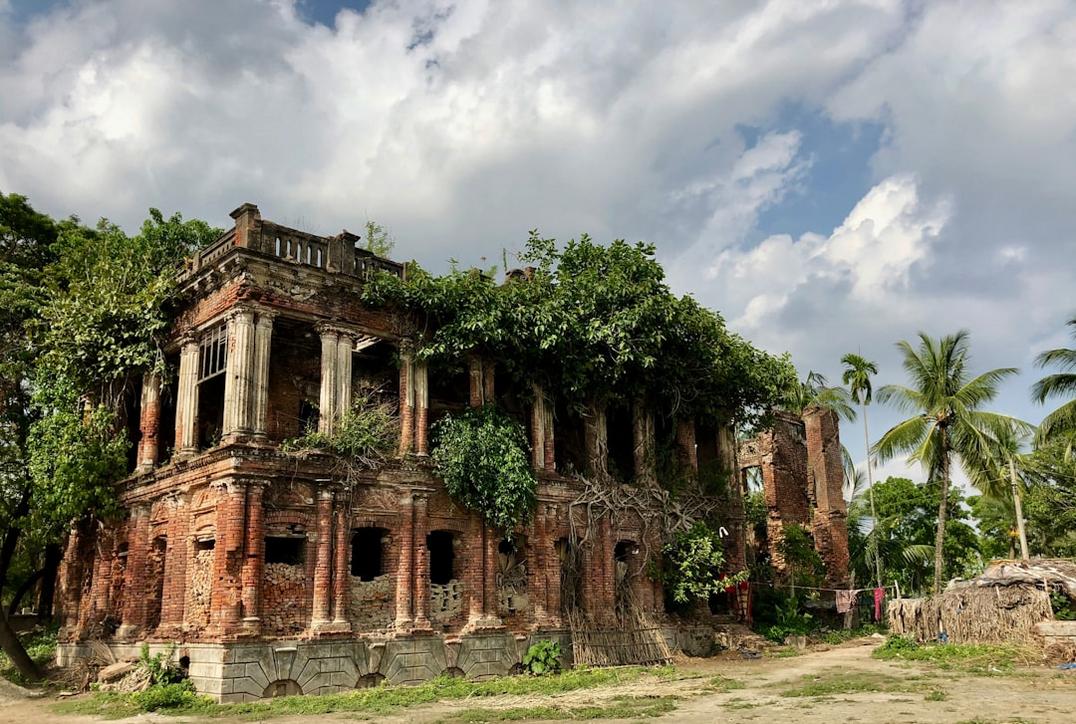
Xiulin Township
Xiulin Township features a mix of local residences and small businesses, with a laid-back atmosphere. The architecture reflects traditional Taiwanese styles, and the daily rhythm is marked by early morning hikers preparing for their adventures.
Tianxiang
Tianxiang is nestled deep within the gorge, characterized by its stunning marble cliffs and lush greenery. The area is primarily residential, with a focus on hospitality, catering to visitors seeking proximity to nature.
Qingshui Village
Qingshui Village offers a quieter, more relaxed atmosphere with coastal views and a small community feel. The architecture is simple and functional, reflecting its fishing heritage.
Hualien City
Hualien City serves as the urban hub for the region, featuring a mix of modern buildings and traditional markets. The city buzzes with activity, especially in the evenings when locals gather.
Xincheng
Xincheng is a small village that balances access to the park with local charm. The area features a mix of traditional homes and guesthouses, creating a welcoming atmosphere.
Where to eat and drink in Taroko National Park

Taroko National Park’s culinary scene is shaped by its stunning natural surroundings and local ingredients. The region is known for its fresh river fish and indigenous flavors, influenced by the local Truku community. Street food stalls and family-run eateries dominate the dining landscape, offering authentic dishes that reflect the area’s cultural heritage. Markets showcase seasonal produce and local specialties, making it easy to experience the unique flavors of this beautiful gorge.
Must-try dishes
Truku-style Grilled Fish (特魯克烤魚)
Fresh fish, typically caught from local rivers, marinated and grilled over an open flame.
This dish highlights the Truku community’s traditional cooking methods, making it a local specialty that you won’t find elsewhere in Taiwan.
Insider tip: Order it with a side of local vegetables for a complete meal.
Bawan (肉圓)
A type of Taiwanese dumpling made with a translucent dough filled with meat and vegetables, often served with a sweet and savory sauce.
Bawan is a popular street food in Hualien, showcasing local flavors and ingredients unique to the region.
Insider tip: Pair it with a refreshing drink from a nearby vendor.
Wild Mountain Tea (野生山茶)
A fragrant tea made from wild tea leaves harvested from the surrounding mountains.
This tea is unique to the Taroko region, reflecting the area’s natural biodiversity and traditional tea-making practices.
Insider tip: Ask for a brewing demonstration to appreciate its unique flavor profile.
Sweet Potato Balls (地瓜球)
Deep-fried balls made from sweet potato flour, often served as a snack or dessert.
These are a beloved local treat, particularly popular among hikers looking for a quick energy boost.
Insider tip: Try them fresh out of the fryer for the best taste.
Local drinks
- Local Craft Beer (當地精釀啤酒)Sample a variety at local breweries in Hualien City, where the craft beer scene is thriving.
Craft beer brewed using local ingredients, often featuring unique flavors inspired by the region.
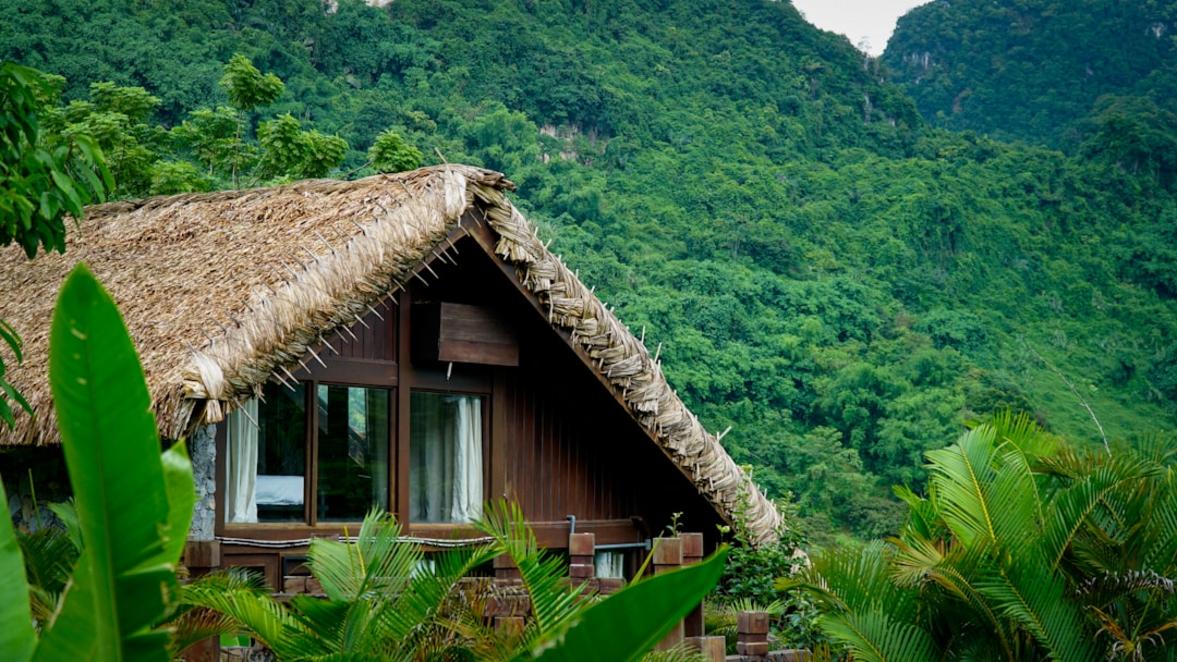
Where to eat – by neighborhood
Tianxiang
This area is filled with small eateries and food stalls, offering quick bites for hikers and visitors alike.
Insider tip: Order your food to-go and enjoy it at one of the scenic viewpoints nearby.
Hualien City
The urban center boasts a vibrant food scene with night markets, street food, and local restaurants.
Insider tip: Visit the night market for a true local experience, sampling various dishes from different stalls.
Xiulin Township
Known for its family-run restaurants, this township offers hearty meals made with local ingredients.
Insider tip: Try to engage with the owners for recommendations on their specialty dishes.
Qingshui Village
A quieter area with a few charming cafes and eateries, perfect for a relaxed meal after hiking.
Insider tip: Look for places that feature daily specials to taste the freshest ingredients.
Restaurants worth knowing
Dai’s Seafood (戴家海鮮)
A-Zhu’s Bawan (阿珠肉圓)
Hualien Tea House (花蓮茶館)
Local markets
| Hualien Night Market (花蓮夜市) | Open nightly from 5 PM to midnight. – Sampling a variety of local street foods and snacks in a lively atmosphere. |
|---|---|
| Qingshui Market (清水市場) | Open daily from 7 AM to 6 PM. – Fresh produce and local delicacies, ideal for picking up snacks for your hikes. |
Dietary note
Vegetarians will find options in local markets and restaurants, especially with vegetable-based dishes.
Daily budget for Taroko National Park
Taroko National Park offers a unique blend of outdoor adventure and natural beauty, which can influence daily costs. Expect to pay a bit more for activities and lodging due to its popularity as a hiking destination.
Shoestring
- lodging – dormitory in a hostel or basic guesthouse
- food – local eateries or street food
- transport – public buses or shared rides
- activities – self-guided hikes or park entry fees
- buffer – small expenses or snacks
Trade-offs: Staying in shared accommodations limits privacy but saves money.
Comfort
- lodging – private room in a guesthouse or mid-range hotel
- food – meals at casual restaurants
- transport – occasional taxi or private transport
- activities – guided tours or equipment rentals
- buffer – small expenses or snacks
Trade-offs: Opting for comfort means enjoying more amenities but at a higher cost.
Splurge
- lodging – upscale hotel with views
- food – dining at renowned restaurants
- transport – private transfers or car rentals
- activities – premium guided tours or experiences
- buffer – small expenses or souvenirs
Trade-offs: Splurging enhances the experience but can quickly escalate daily expenses.
Money-saver tip
Use public transportation to access trailheads instead of taxis to save significantly on transport costs.
Splurge that’s worth it
Consider a guided tour for the Zhuilu Old Trail; the views and insights from a local guide enhance the experience.
Skip to save
Avoid overpriced food stalls near popular viewpoints; seek out local eateries in nearby villages for better prices and authentic meals.
Practical tips for Taroko National Park
Money
Cash or card. Most places in Taroko National Park accept credit cards, but smaller shops and food stalls may only take cash. Keep some cash handy for local eateries and markets.
ATMs. ATMs are available in Hualien City and Xiulin Township, but they may charge foreign transaction fees. Look for ATMs affiliated with major banks like Cathay United Bank for better service.
Tipping. Tipping is not mandatory but appreciated in Taiwan. For example, rounding up your bill to the nearest dollar or leaving a tip of around $1-$2 for good service is common.
Safety
Taroko National Park is generally safe for travelers, with low crime rates. However, be cautious on hiking trails, especially during rainy weather when paths can become slippery.
Where to walk at night. Tianxiang and Xiulin Township are safe for evening walks, with well-lit areas and local eateries. Avoid the more remote sections of the park after dark, as they can be isolated and less secure.
Local warnings:
- Watch for altitude sickness if hiking at higher elevations.
- Be cautious of sudden weather changes in the gorge, especially during the rainy season.
Connectivity
Mobile data. Mobile data coverage is good throughout Taroko National Park, with 4G available in most areas. Consider getting a local SIM from Chunghwa Telecom for around $10-$15 for a week of data.
Wi-Fi. Wi-Fi is available in many accommodations and some cafes in Hualien City. The area around Tianxiang has a few spots with reliable connections.
Late-night transit. Public transit options are limited after dark, with no metro service. Rideshare apps are available, but it’s advisable to rely on taxis for late-night returns from Hualien City.
Language
Main language: Mandarin Chinese. English level: English is commonly spoken in tourist areas, but proficiency varies among locals. Expect limited English in more remote areas, so having a translation app can be helpful.
Cultural notes
- Dress modestly when visiting temples and religious sites.
- Ask for permission before taking photos of locals or their property.
Solo female travel
Solo female travelers will find Taroko National Park welcoming, with friendly locals and a relaxed atmosphere. Hiking trails are popular, and many travelers share their experiences in hostels.
- Neighborhood: Stay in Tianxiang for easy access to trails and a friendly vibe among hikers.
- Meeting people: Join group hikes or activities to meet fellow travelers and enhance your experience.
Frequently asked questions about Taroko National Park
1Is the Zhuilu Old Trail worth it?
Yes, the Zhuilu Old Trail offers breathtaking cliff-edge views and is a highlight of Taroko National Park. However, it requires a permit and a certified guide for the technical sections, which adds to the planning effort.
2Should I do the Swallow Grotto Night Walk or skip to the Baiyang Waterfall Trail?
Skip the Swallow Grotto Night Walk; it often disappoints with limited views. Instead, prioritize the Baiyang Waterfall Trail for a rewarding hike that features stunning waterfalls and cliff tunnels.
3Tianxiang or Hualien – where should I stay?
Stay in Tianxiang for direct access to the best hiking trails and a quieter atmosphere. Hualien is busier and better for nightlife but requires more travel to reach the park.
4What is the best time to hike in Taroko National Park?
The best time to hike is from March to May when the weather is mild and trails are generally dry. Avoid hiking from September to November due to heavy rain and potential trail closures.
5How much does a day in Taroko National Park cost?
Roughly $60-$120 per day covers accommodation, meals, and transport. Factor in additional costs for guided hikes and gear rentals if needed.
6Is Taroko National Park safe for solo female travelers?
Yes, Taroko National Park is generally safe for solo female travelers, especially in well-trafficked areas like Tianxiang. Always stay aware of your surroundings and plan your hikes during daylight.
7What is Bawan and where can I try it?
Bawan is a local dish made of meat-filled dumplings, popular in the Taroko region. You can find it at local eateries in Tianxiang, where it’s often served with a tangy sauce.
8Can you swim in the rivers at Taroko National Park?
No, swimming in the rivers is not recommended due to strong currents and safety concerns. Focus on hiking and enjoying the scenic views instead.