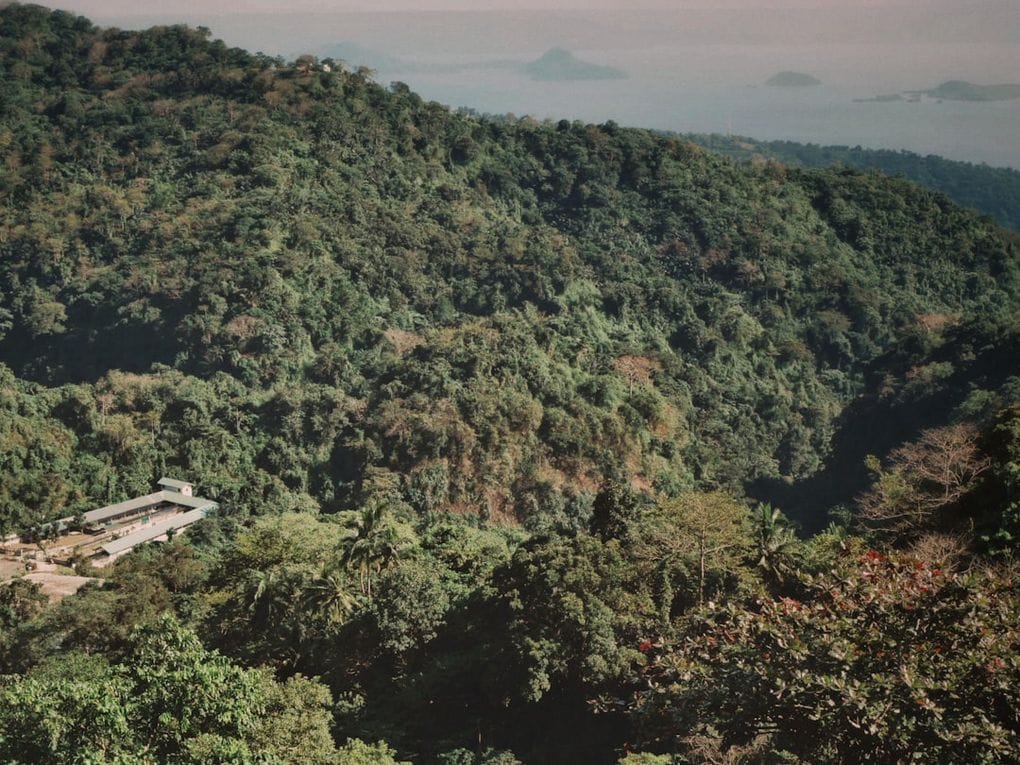


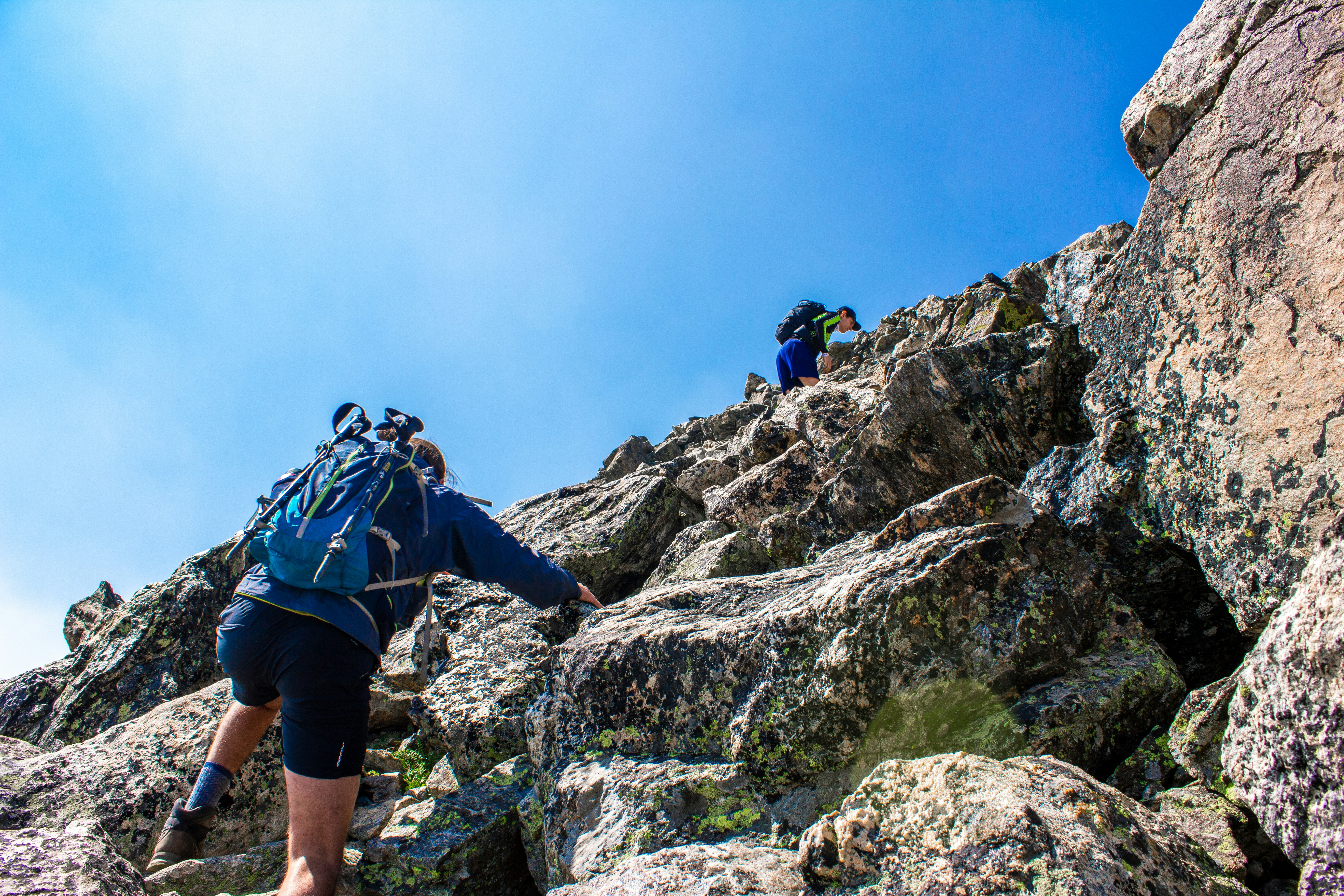
The dangerous sentence in active-travel planning is usually short: “That should be fine.” The hiking day is longer than anything you do at home, the temperature is higher, the trail starts above 2,000 metres and the itinerary follows it with another active day. Each detail sounds manageable on its own. Together, they describe a different physical demand. An active holiday should stretch your normal routine, not require you to become a different athlete after landing.
Start with what you do now
Do not start with the activity you hope to be capable of by departure. Start with a normal month now.
CDC recommends that adults accumulate at least 150 minutes of moderate-intensity aerobic activity per week, or 75 minutes of vigorous activity, plus muscle-strengthening work on at least two days. That recommendation is a health baseline, not evidence that somebody is ready for a week of mountain hiking, cycling or paddling.
That distinction matters. Completing several short workouts in a week and completing several hours of activity on consecutive vacation days are not equivalent loads. Write down what you actually do without needing unusual recovery afterward. Include duration, terrain and frequency. If your longest regular walk is on level pavement, a shorter mountain trail can still represent a substantial step up. Recent behavior is a stronger planning input than motivation.
Ignore the difficulty label until you see the numbers
“Easy,” “moderate” and “challenging” are useful inside one operator’s system. They are poor universal units.
Current active-tour companies publish their own grading scales, and the criteria can include walking surface, mobility, pace, early starts or free time in different combinations. One company’s moderate trip can therefore resemble another company’s harder category.
Open the itinerary and replace the label with measurable demands:
- Duration: how many hours will you be active?
- Distance: how far must you cover?
- Ascent and descent: how much climbing is involved?
- Surface: road, smooth trail, rock, sand, snow or water?
- Intensity: can the activity be done conversationally, or is sustained hard effort required?
- Recovery: what happens the following day?
Only after those answers are clear does the difficulty word become useful.
Find the hardest compulsory day
The average day is not the day that decides whether a trip is appropriate. Find the hardest stage that cannot easily be skipped.
An itinerary containing several gentle days and one demanding summit day is still a demanding itinerary if that summit connects two overnight stops. The same applies to cycling tours where one long stage is required to reach the next hotel or kayaking trips where there is no road alternative.
Separate compulsory effort from optional effort. A hard activity offered as an excursion creates flexibility. The same activity built into the transfer between two accommodations creates a minimum fitness requirement. Then compare that hardest day with something you have actually completed recently. If it is substantially longer, steeper or more technical, the holiday is relying on fitness you have not yet demonstrated.
Count consecutive active days
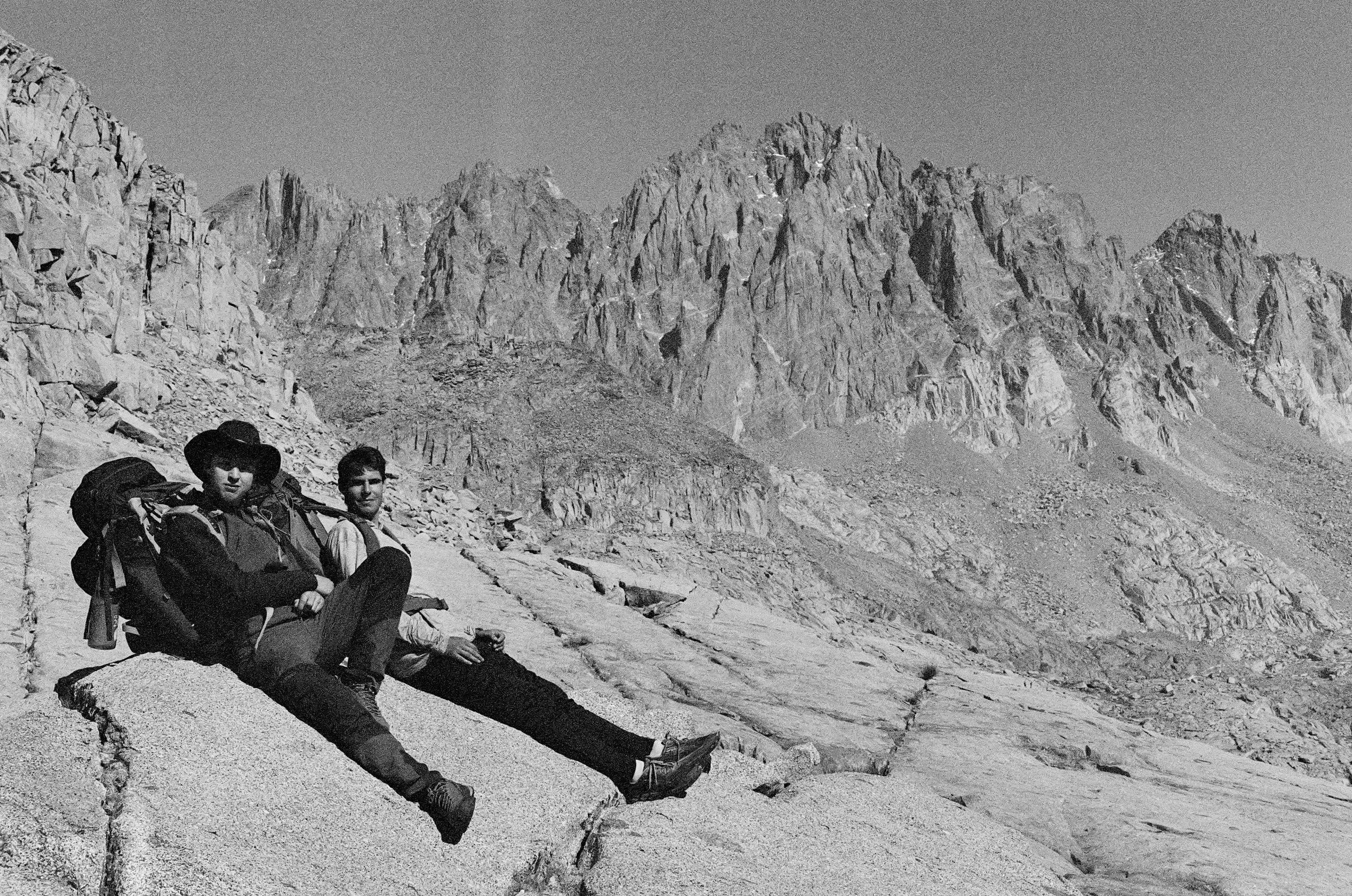
A single hard day can be followed by recovery at home. Active holidays often remove that luxury.
This is where general weekly activity guidelines put the itinerary into perspective. CDC’s baseline of 150 minutes of moderate activity across an entire week can be spread into smaller sessions. A vacation itinerary containing hours of activity on several consecutive days concentrates far more work into a short period.
Look for the first genuine recovery window. A transfer day does not automatically count if it involves carrying luggage, navigating stations or arriving late. Nor does a “free afternoon” necessarily restore much when the morning contained the hardest climb of the trip. For a first active holiday, a destination with optional rest days is stronger than one where every day is required to keep the itinerary moving.
Add terrain to duration
Time alone cannot describe physical demand. Two hours of level cycling is not two hours of climbing. Three hours on pavement is not three hours on loose mountain ground. Swimming in calm water is not swimming against chop.
Terrain also changes the muscles doing the work. Long descents can be demanding even when cardiovascular effort feels moderate. Sand reduces pace. Technical trails add balance and concentration. Strong wind can turn a comfortable cycling speed into sustained effort.
Search the destination by the physical characteristic that matters. Look for elevation profiles, trail surfaces, exposed sections, road gradients or typical water conditions rather than relying on scenic descriptions. This is one reason “active destination” is too broad a category. A traveler can be highly fit for road cycling and still be poorly prepared for technical hiking.
Treat heat as extra workload
Heat acclimatization takes time. CDC says most adaptation occurs within about 10 days of repeated heat exposure, and advises travelers without prior acclimatization to limit exercise intensity and duration during their first week in hot conditions.
The same activity becomes a different physical problem in hotter conditions.
CDC says heat acclimatization occurs through repeated exposure and advises gradually building time in hot conditions over about 7-14 days. Its Yellow Book says most adaptation occurs within about 10 days when suitable exercise in the heat is included. Most vacations do not provide ten easy acclimatization days before the main activity begins.
That makes the first days important. CDC specifically advises travelers without prior heat acclimatization to limit exercise intensity and duration during their first week in hot conditions and to avoid strenuous activity during the hottest part of the day.
If the active part of the trip starts immediately after arrival, compare the destination’s expected temperature with the conditions in which you currently train. Do not assume fitness earned in cool weather transfers unchanged to summer heat.
Remove unnecessary heat stress before comparing itineraries
Check typical temperatures by month so a hot climate does not quietly raise the difficulty of your trip.
Treat altitude separately from fitness
| Altitude guidance | CDC recommendation |
|---|---|
| Risk threshold when unacclimatized | 2,450 m / 8,000 ft and above |
| Avoid heavy exercise after arrival | first 48 hours |
| Protective acclimatization stop | 2-3 nights at 2,450-2,750 m before going higher |
Altitude is not another fitness test. CDC states explicitly that physical fitness does not determine susceptibility to altitude illness.
Any unacclimatized traveler sleeping at approximately 2,450 metres or 8,000 feet and above can be at risk. CDC also advises avoiding heavy exercise for at least the first 48 hours after arriving above 8,000 feet.
That should change how high-altitude destinations are compared. An itinerary that flies directly to elevation and begins hard activity the next morning is physiologically different from one that spends several nights lower down first. CDC says spending at least 2-3 nights around 2,450-2,750 metres before ascending higher is markedly protective against acute mountain sickness.
If altitude is not central to the experience you want, choosing a lower destination is an easy way to remove a variable. If altitude is the point, acclimatization belongs inside the itinerary rather than outside the planning.
Choose a destination with an easier version
Do
- Pick a base with parallel routes: harder trails beside easier valley walks from the same trailhead.
- Check the skip option: confirm luggage and transport can still reconnect you if you skip a stage.
Don’t
- Book an itinerary with no fallback: one where every stage is compulsory to reach the next hotel.
- Assume weather or fatigue will not change your plan: build in a lower-effort alternative.
Flexibility is one of the most useful features an active destination can have. Look for parallel options. A mountain base is stronger when difficult trails sit beside valley routes. A cycling destination works for more people when distances can be shortened by train. A coastal base is more forgiving when kayaking can be replaced by a walk if wind conditions deteriorate.
The easier version is not merely insurance for poor fitness. Weather, illness, a minor injury or cumulative fatigue can all change what feels sensible halfway through the trip. Check what happens when you skip a day. Can you remain at the accommodation? Can luggage travel without you? Can public transport reconnect you with the next overnight stop?
Do not use the holiday as a training deadline
Booking a demanding trip can motivate training. It should not be the only reason you expect to become capable of completing it.
Plans change. Work interrupts training, minor injuries appear and fitness does not always increase on schedule. The destination should still contain a realistic version of the holiday if preparation falls short.
Compare destinations against your current baseline
Narrow options, then check the activity demands against the fitness you have right now, not the fitness you hope to reach.
If one destination only works after a major fitness improvement and another works now while still offering harder optional days, the second is the stronger choice. The point of training before an active holiday is to increase enjoyment and margin. It should not rescue a booking that was unsuitable when you made it.
Use the 80-percent test before booking
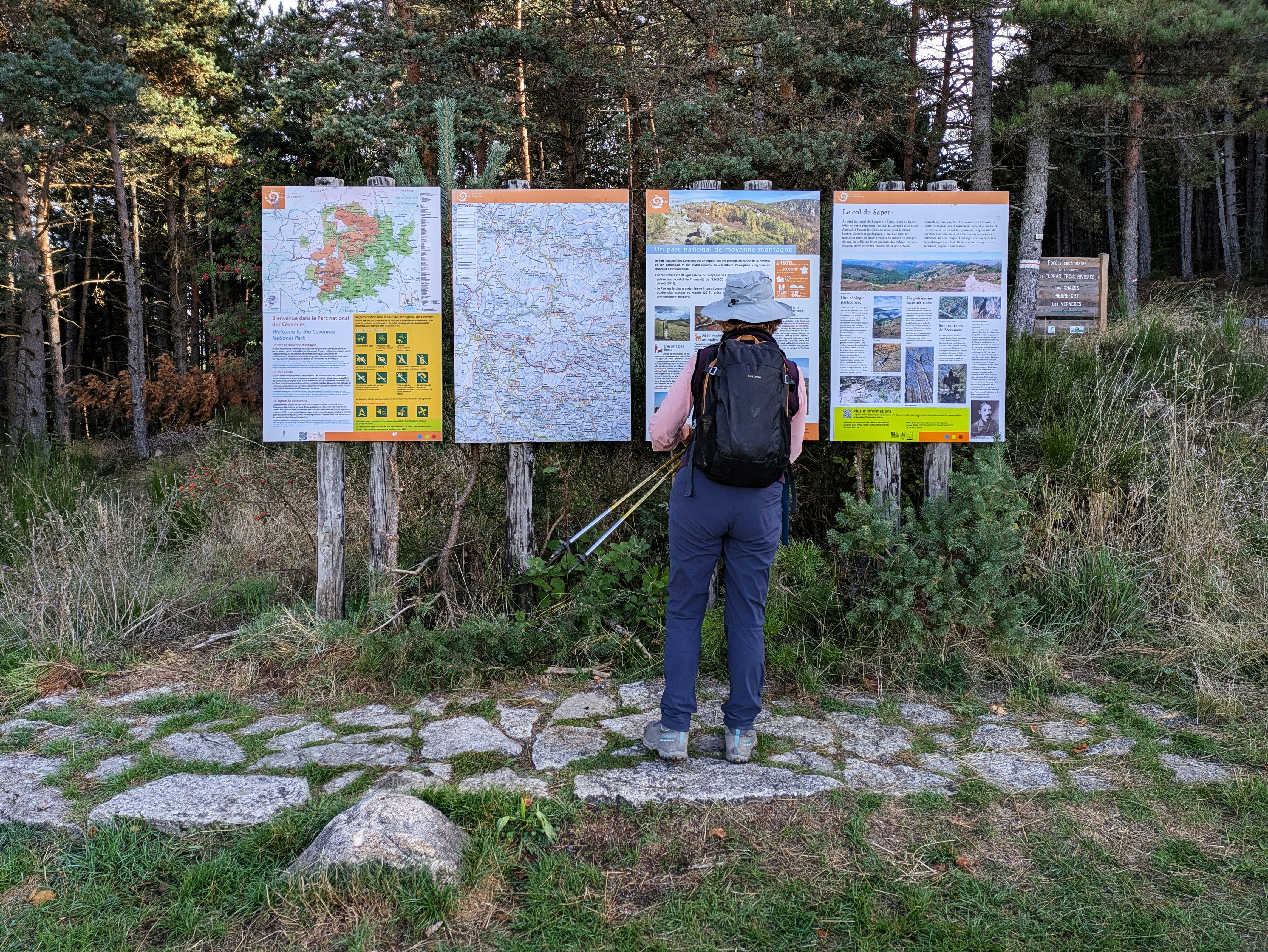
A useful final question is not “Could I finish this?” It is “Would I still choose this if I were operating below my best?”
Imagine arriving after poor sleep or discovering that the weather makes the same activity feel harder. The exact percentage is a planning device rather than a medical threshold, but thinking at roughly four-fifths of your best performance exposes itineraries that only work under perfect conditions.
If every major day still looks manageable, the destination has margin. If several stages already sit at your perceived limit on paper, there is very little room left for heat, altitude, unfamiliar terrain or accumulated fatigue. An active holiday should contain challenge. That challenge works best when it sits on top of fitness you already have rather than replacing it.
The phrase “that should be fine” becomes much more useful after the numbers are visible. Duration, terrain, recovery, climate and altitude have already been accounted for. At that point the destination is not asking you to prove how fit you are. It is giving you enough capacity left to enjoy where all that activity is taking you.
FAQ
01How much weekly activity should I use as a fitness baseline?
CDC recommends at least 150 minutes of moderate-intensity aerobic activity per week, or 75 minutes of vigorous activity, plus muscle-strengthening work on at least two days. Treat this as a health baseline, not proof you are ready for a demanding multi-day itinerary.
02Why do operator difficulty labels vary so much between companies?
Each operator sets its own grading criteria, which can weigh walking surface, mobility, pace or free time differently. One company’s “moderate” can match another’s harder tier, so check duration, distance, ascent and surface directly.
03How long does it take to acclimatize to heat?
CDC says most heat acclimatization occurs within about 10 days of repeated exposure, within a broader 7-14 day window. Travelers without prior acclimatization should limit exercise intensity and duration during their first week in hot conditions.
04Does being fit protect me from altitude illness?
No. CDC states that physical fitness does not determine susceptibility to altitude illness. Any unacclimatized traveler sleeping at 2,450 m / 8,000 ft or higher can be at risk regardless of fitness level.
05How should I acclimatize before going higher than 2,450 metres?
CDC says spending at least 2-3 nights around 2,450-2,750 m before ascending higher is markedly protective against acute mountain sickness, and recommends avoiding heavy exercise during the first 48 hours after arrival above 8,000 ft.
06What is the 80-percent test for choosing an active holiday?
It is a planning check, not a medical measure: imagine tackling the itinerary at roughly four-fifths of your best performance. If every major day still looks manageable, the trip has margin for heat, altitude or fatigue.