


Palau
A scatter of jungle-topped limestone islands in the western Pacific, ringed by some of the best diving on the planet. Palau runs on conservation, charges for it, and pays you back in reef walls, wrecks and a lake full of stingless jellyfish.
Palau is a dive trip first and everything else second. Give it a week, base yourself in Koror, and spend the days on the water.
Pack Lightly editorial team
At a glance
- A top-tier nature and adventure destination: reef sharks, WWII wrecks and coral walls that put Palau among the best dives anywhere. Nature scores 95.
- Small, safe and remote. There is one real town, Koror, and almost everything worth doing sits offshore in the Rock Islands Southern Lagoon.
- Not cheap. Budget around $120 a day at the low end, and diving, permits and tours add up fast. Budget-friendly is its weakest score at 25.
- November to April is the drier, calmer window. It rains year-round here, so pack for it whenever you go.
- The catch: getting here is the hard part. There are no direct flights from the US mainland, so plan on a long connection through Guam, Manila or Taipei.
Everything to know before you book
The essentials for a Palau trip: entry rules, money, the climate window and power, in one scan.
What Palau does best, and where it doesn’t
Ten categories scored 0 to 100 from tourism data, traveler reports and on-the-ground experience.
The reason to come is the water. Palau pairs world-class diving and untouched marine life with a genuine, well-enforced conservation ethic, and it is safe and welcoming on top of that.
Remoteness has a price. Flights, permits, tours and imported food all run high, and there is little in the way of cheap backpacker infrastructure to soften it.
Best places to visit in Palau
Nearly everything worth doing sits in one protected lagoon offshore from Koror.
Rock Islands
Hundreds of mushroom-shaped limestone islets, hidden marine lakes and the dive sites that made Palau famous. Kayak the channels, snorkel Jellyfish Lake, and dive Blue Corner and the German Channel.Koror
Palau’s main town, with restaurants and dive shops clustered around Koror Marina.Jellyfish Lake
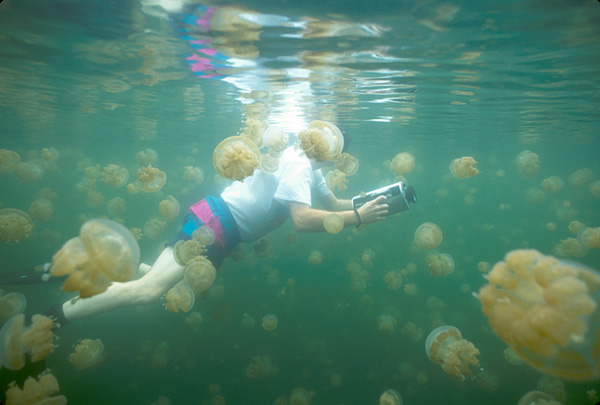
A marine lake where visitors snorkel among millions of stingless jellyfish, reached by a short boat ride.Blue Corner
A coral wall dive site near Ngerchong Beach known for strong currents and large pelagic fish.German Channel
A cleaning station where manta rays glide through clear water, a favorite stop for divers.Babeldaob
Palau’s largest island, home to the capital Ngerulmud and the stone monoliths at Badrulchau.Peleliu
A WWII battle site where rusting tanks and overgrown bunkers remain scattered across the island.Milky Way Lagoon
A lagoon known for its white limestone mud, where visitors take mud baths in shallow water.Ngardmau Waterfall
Palau’s tallest waterfall, reached via jungle trails and an old mining monorail track on Babeldaob.Palau at a glance
Click a pin to open that destination guide.



All Palau guides
Every Pack Lightly guide for planning, preparing and exploring the country.
Planning & Logistics
Practical & Preparation

Plan your Palau trip
A free Google Sheets template: itinerary planning, daily expenses, budget tracking and a packing list, with a dashboard that updates as you go.
Get the Free TemplateWhat Palau costs per day
Per person per day in USD, drawn from the Pack Lightly budget calculator. Diving and boat tours push the activity line higher than the numbers below suggest.
Palau, month by month
Koror temperature (°F) and rainfall (inches). Averaged from 2021-2023 records.
What if…
Book your Palau trip
Everything to sort before departure, at the same price as booking direct. It helps keep these guides free.
Before you commit
Why Palau works
This is one of the great dive destinations on earth. Blue Corner’s reef-shark drift, the German Channel’s manta stations, and the ghostly WWII wrecks in the lagoon deliver the kind of days that people plan whole trips around.
The conservation is real, not marketing. Palau protects most of its waters, banned reef-toxic sunscreen, and stamps a sustainability pledge into your passport on arrival. The reefs are healthier for it.
Honest downsides
- Getting here is a haul. No direct US flights, so expect a long connection through Guam, Manila or Taipei
- It is expensive. Flights, dive packages, tour fees and imported food all run high, and cheap options are scarce
- Permits stack up. The Rock Islands and Jellyfish Lake charge access fees on top of tour prices, so budget for them
- It rains a lot, in heavy bursts year-round, and the wettest months can churn up the seas
Getting around
Everything runs from Koror, the main town, where the hotels, dive shops and restaurants cluster. There is no public transport to speak of, so you will rely on hotel shuttles, taxis or a rental car on land.
The real travel is by boat. Dive operators and tour companies run the day trips out to the Rock Islands, and that boat ride, not a road, is how you reach almost every site worth seeing.
Frequently asked questions
Do US citizens need a visa for Palau?
No visa is needed. Under the Compact of Free Association, US citizens are granted an entry permit on arrival for stays of up to one year. You need a passport valid for at least six months beyond your arrival date and proof of onward travel.
How much does Palau cost per day?
Budget around $120 per person per day at the low end, closer to $280 mid-range and $700 for comfort travel. Diving and boat tours are the big variable, and Rock Islands access permits add fees on top of tour prices.
When is the best time to visit Palau?
November to April is the drier season with the calmest seas and best underwater visibility. It rains year-round, usually in short heavy bursts, so no month is truly dry. July to October is the wettest stretch and can bring rougher water.
How do you get to Palau?
There are no direct flights from the US mainland. Most travelers connect through Guam, Manila or Taipei, and the full journey usually runs 20 hours or more. Palau International Airport sits near Koror, where nearly all lodging and tours are based.
Do you have to dive to enjoy Palau?
No. Palau is famous for diving, but snorkeling and kayaking reach much of the best scenery. Jellyfish Lake is snorkel-only, the Rock Islands snorkeling is superb, and most operators run mixed dive-and-snorkel day boats out of Koror.
What is the Palau Pledge?
The Palau Pledge is a promise to protect the environment, stamped into every visitor’s passport on arrival and signed at immigration. It reflects Palau’s strong conservation stance, which also includes a ban on reef-toxic sunscreen and a nationwide shark sanctuary.