

Colombia’s diving offers clear Caribbean reefs and remote Pacific pelagic walls with 15–30 m visibility and water temperatures around 27°C. Expect coral gardens, volcanic formations, wrecks, and strong currents offshore. Most dives favor reef and pelagic wildlife viewing rather than technical wreck penetration. Currents and visibility vary widely, demanding site-specific planning. The bottom line: Colombia’s dive scene rewards those focused on marine animals, not just the dive itself.
The 12 prime spots range from beginner-friendly reefs at San Andrés Island to advanced pelagic hunting at Malpelo Island. Notable sites include Providencia Island’s pristine coral walls, Gorgona Island’s whale shark season, and the shark-rich pinnacles of Malpelo. If you want consistent reef snorkeling and turtle encounters, Colombia delivers; if you seek wreck-heavy or cold-water diving, skip it.
Key takeaways
- Dive Malpelo Island only on 5–7 day liveaboards due to strong currents and pelagic focus.
- Choose San Andrés Island for easy, shallow reefs with frequent eagle ray and turtle sightings.
- Providencia Island outshines San Andrés with clearer water and less crowded coral reefs year-round.
- Plan Gorgona Island dives from July to November for the best chance to see whale sharks.
- Skip Isla Fuerte’s deep wreck dives unless you hold advanced certification and gear.
- Combine Tayrona National Natural Park and Taganga for easy shore dives near Santa Marta.
- Avoid Playa Blanca on Islas del Rosario; the islands offer better marine life and visibility.
- Punta Gallinas demands experienced divers due to remote access and offshore deep reefs.
Dive site comparison
| Dive site | Character | Level & depth | Signature sighting | Verdict |
|---|---|---|---|---|
| Malpelo Island | Current-swept pelagic wall | Advanced · 15-30m | Hammerhead shark schools offshore | For experienced divers seeking pelagic sharks; skip if uncomfortable with strong currents. |
| Gorgona Island | Volcanic walls and caves | Advanced · 10-30m | Occasional whale sharks July–November | Best July–November for whale sharks; avoid weekends due to local dive traffic. |
| Isla Fuerte | Calm coral reefs | Intermediate · 5-20m | Sea turtles around midday | Ideal for intermediate divers; skip deep wreck dives requiring advanced skills. |
| San Andrés Island | Shallow reef and lagoon | All levels · 3-25m | Frequent eagle rays and turtles | Great for all skill levels; avoid deeper wrecks if uncertified. |
| Providencia Island | Steep coral walls | All levels · 5-30m | Vibrant reef fish and coral | Less crowded than San Andrés with clearer water; a top reef choice. |
| Tayrona National Natural Park | Protected shore reefs | Open Water · 5-15m | Turtles and tropical fish | Easy shore dives for certified divers; skip costly offshore spots. |
| Capurganá | Untouched coral reefs | Advanced · 5-25m | Seahorses and turtles | Remote and adventurous; dive early to avoid strong currents. |
| Taganga | Shallow training reef | Beginner · 3-15m | Schooling fish and sponges | Perfect for quick dives and training; avoid crowded main beach. |
| Barú Island | Calm coral gardens | Beginner · 5-15m | Tropical fish schools | Relaxed diving for beginners; avoid deep wall dives with strong currents. |
| Islas del Rosario | Protected coral reefs | Beginner · 5-20m | Sea turtles and colorful fish | Clear water and easy dives; skip touristy Playa Blanca nearby. |
| Punta Gallinas | Remote deep reefs | Advanced · 10-30m | Hawksbill turtles offshore | For experienced divers seeking solitude; access requires 4×4 and boat. |
| Santa Marta Bay | Coral reefs and wrecks | Certified · 5-25m | Rodadero wreck fish life | Good variety for certified divers; avoid shallow crowded reefs near city. |

Where the dive sites are
The dive sites in detail
Malpelo Island — Shark Wall and Pelagic Power
- Crowds: Moderate
Malpelo Island delivers intense pelagic diving with strong currents sweeping around its offshore pinnacles. Descents lead to open water where hammerhead shark schools patrol between 15 and 30 metres. Silky sharks circle deeper, while El Bajo pinnacle offers rich biodiversity amid volcanic rock. Visibility ranges from 15 to 30 metres, but currents demand constant attention.
Only expert divers should attempt Malpelo, accessed exclusively by 5–7 day liveaboards from mainland Colombia. Avoid May to November’s rainy season when conditions deteriorate. Prepare for strong currents and variable visibility. Book a liveaboard specializing in pelagic encounters for maximum sightings and safety.
Strong currents dominate with visibility between 15 and 30 metres; water temperature averages 26–28°C.
- ▸ Hammerhead shark schools patrolling offshore between 15 and 30 metres
- ▸ Silky sharks frequently circling deeper drop-offs
- ▸ El Bajo pinnacle hosting diverse pelagic fish species
Malpelo is Colombia’s premier pelagic hotspot, rewarding experienced divers with reliable hammerhead and silky shark encounters in challenging currents.
Skip shallow reef dives near the island; pelagic shark encounters happen offshore in strong currents.
Who it suits: Right for advanced pelagic divers with liveaboard experience; skip if uncomfortable with strong currents or extended offshore trips.
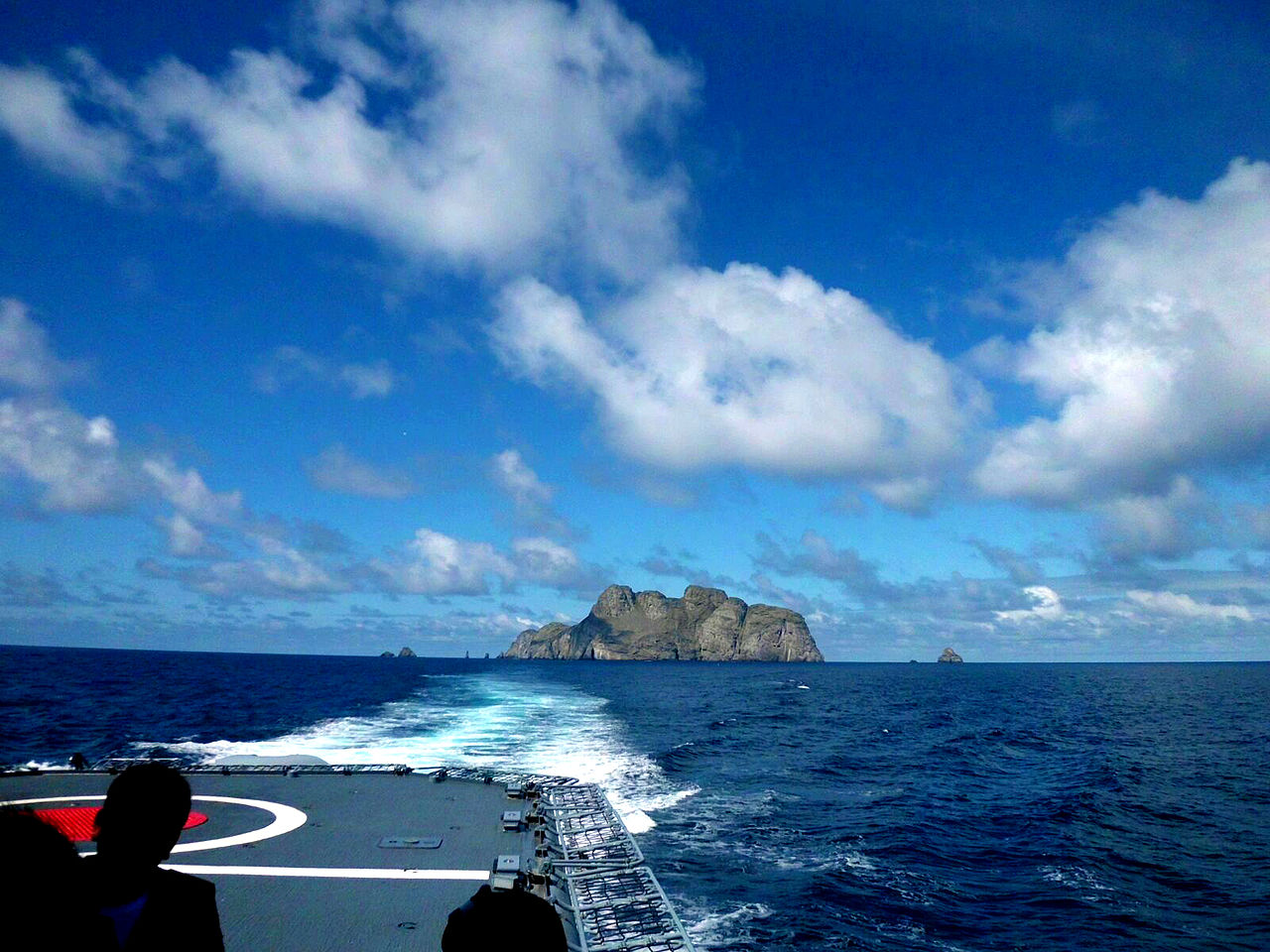
Gorgona Island — Volcanic Walls and Whale Sharks
- Crowds: Moderate
Gorgona Island’s underwater terrain features volcanic walls and caves descending into warm Pacific waters. Divers explore steep drop-offs with coral gardens, turtle cleaning stations, and ray aggregations. Occasional whale sharks appear from July to November, adding pelagic excitement. Visibility varies but improves in whale shark season, with depths ranging from shallow reefs to deep walls.
Access Gorgona via day trips from Guapi, requiring a $50 permit. Best diving runs July to November for whale sharks. Avoid weekends due to local dive boat congestion. Intermediate to advanced divers benefit most here, especially on deeper wall dives. Book with operators familiar with the island’s protected status and permit rules.
Moderate currents with visibility around 15–25 metres; water temperature steady at 27–29°C.
- ▸ Whale sharks appearing seasonally between July and November
- ▸ Turtles frequenting cleaning stations near volcanic formations
- ▸ Ray aggregations and coral gardens at Punta Sur
Gorgona combines dramatic volcanic topography with seasonal whale shark sightings, ideal for divers seeking biodiversity beyond reefs.
Skip shallow reefs near the main beach; they lack the marine variety found farther offshore.
Who it suits: Right for intermediate to advanced divers comfortable with wall and cave dives; skip if you prefer calm, shallow reef environments.

Isla Fuerte — Calm Coral Reefs and Tropical Fish
- Crowds: Moderate
Isla Fuerte offers shallow, calm coral reefs teeming with tropical fish in clear waters ideal for intermediate divers. Punta Arena reef features schools of parrotfish and gentle topography between 5 and 20 metres. El Cayo dive site is a hotspot for sea turtles around midday. The reef structures are healthy, with vibrant marine life and minimal current.
Dive from local shops in Isla Fuerte village, best between 9 AM and noon for peak visibility. Avoid weekends and holidays when local traffic crowds the sites. Skip the deeper wreck dives nearby, which require advanced skills and gear. Perfect for relaxed day dives with easy conditions.
Calm waters with visibility up to 20 metres; water temperature typically 27–29°C.
- ▸ Schools of parrotfish at Punta Arena reef
- ▸ Sea turtles frequently spotted around midday at El Cayo
- ▸ Colorful tropical fish inhabiting vibrant coral formations
Isla Fuerte suits intermediate divers seeking calm, clear waters and abundant reef life without the crowds of bigger Caribbean sites.
Skip the deep wreck dives nearby; they require advanced certification and specialized equipment.
Who it suits: Right for intermediate divers wanting easy, shallow reef dives; skip if aiming for advanced wreck or deep dives.

San Andrés Island — Rays, Turtles, and Easy Coral Reefs
- Crowds: Moderate
San Andrés Island’s Caribbean reefs feature clear visibility often exceeding 24 metres and diverse coral formations. Descents lead to shallow reefs perfect for spotting eagle rays early morning and turtles cruising among colorful fish. Dive sites like West View and La Piscinita offer accessible topography from 5 to 20 metres, ideal for all skill levels. Currents can pick up later in the day.
Dive early mornings to avoid currents and boat traffic. Most sites lie within 15 minutes by boat from the main harbor. Avoid weekends when dive boats crowd the reefs. Skip the deeper wreck dives unless certified and experienced. Operators in town offer gear rental and guided trips for beginners and intermediates.
Visibility often above 24 metres with mild currents; water temperature steady at 27–29°C.
- ▸ Eagle rays frequently spotted during morning dives at West View
- ▸ Sea turtles gliding over coral reefs
- ▸ Colorful reef fish at shallow sites like La Piscinita
San Andrés balances easy, clear reef diving with reliable ray and turtle sightings, fitting all skill levels except advanced wreck specialists.
Skip deeper wreck dives; they require advanced certification and often have strong currents with reduced visibility.
Who it suits: Right for beginners to intermediate divers seeking accessible reef dives; skip if focused on deep wreck exploration.
Providencia Island — Pristine Reefs and Vibrant Coral Gardens
- Crowds: Moderate
Providencia Island offers pristine reefs with visibility often over 30 metres, revealing vibrant coral formations and abundant reef fish. Dive sites range from shallow reefs like El Acuario to advanced spots such as Morgan’s Cave with underwater caves and strong currents. The Wall drop-off challenges experienced divers with steep descents and pelagic fish activity.
Access dive sites year-round but avoid the May to November rainy season for best conditions. Early morning dives maximize calm seas and marine activity. Providencia’s reefs are less crowded and healthier than nearby San Andrés, making it the better choice for serious reef enthusiasts. Choose operators focused on conservation within the Seaflower Biosphere Reserve.
Visibility frequently exceeds 30 metres with moderate currents; water temperature ranges 27–29°C.
- ▸ Colorful coral variety at Rose Garden Reef
- ▸ Sea turtles and reef fish at El Acuario
- ▸ Underwater caves and strong currents at Morgan’s Cave
Providencia stands out for its clear waters, vibrant reefs, and less crowded dive sites, rewarding divers focused on coral and reef fish diversity.
Skip crowded and less healthy dive sites on nearby San Andrés Island.
Who it suits: Right for intermediate to advanced divers seeking pristine reefs and varied topography; skip if preferring heavily serviced, easy dive sites.
Tayrona National Natural Park — Shore Dives in Protected Reefs
- Crowds: Moderate
Tayrona National Natural Park offers protected shore dives with vibrant coral gardens and abundant tropical fish. Sites like La Piscina feature calm waters and coral walls within 10 metres depth. Neguanje Bay hosts sea turtles and dense fish populations. Visibility averages 9 metres due to coastal conditions but the marine life diversity compensates for the limited clarity.
Dive early mornings to avoid afternoon winds and boat traffic. Access is via short boat rides from the park entrance. Weekends bring local crowds and inflated prices, so plan weekdays for better conditions. Skip deeper offshore dives that require costly boat trips and advanced skills. Ideal for certified divers wanting easy access to Caribbean reef life.
Visibility around 9 metres with mild currents; water temperature steady at 26–28°C.
- ▸ Coral walls and gardens at La Piscina
- ▸ Abundant tropical fish and sea turtles in Neguanje Bay
- ▸ Shallow reefs with diverse reef fish at El Acuario
Tayrona delivers accessible shore diving with rich Caribbean reef life, though visibility is limited compared to offshore sites.
Skip deeper offshore spots; they require costly boat trips and are often crowded.
Who it suits: Right for certified divers seeking easy shore dives; skip if requiring clear water or deep pelagic experiences.
Capurganá: Untouched Reefs for the Adventurous Diver
- Crowds: Moderate
Descend into Capurganá’s remote reefs along Colombia’s Caribbean coast near Panama. Explore coral gardens at Punta Aguja with frequent green turtle sightings. Swim through clear waters at La Miel, perfect for underwater photography, and navigate diverse marine habitats at Los Micos. The reefs remain largely untouched, offering encounters with seahorses and trumpetfish amid healthy coral formations.
Capurganá demands adventurous divers comfortable with moderate currents and limited infrastructure. Best dived June to November when seas calm. Local guides navigate safely around stronger currents. Skip casual snorkeling; focus on early morning dives to beat day-tripper crowds and maximize reef time.
Expect moderate currents, visibility around 15 metres, and water temperatures near 28°C during the best season.
- ▸ Green turtles regularly sighted at Punta Aguja reef.
- ▸ Rare seahorses blend into coral branches.
- ▸ Trumpetfish hover near coral formations.
- ▸ Colorful hard and soft corals dominate the reefs.
Capurganá stands out for its remote, pristine reefs and diverse marine life, rewarding divers who seek solitude and well-preserved underwater habitats.
Skip the village’s rocky, crowded beach; it offers little beyond a quick gear check and day-tripper traffic.
Who it suits: Right for adventurous divers comfortable with currents; skip if you want easy shore dives or beginner-friendly conditions.
Taganga: Practical Coral Reefs for Quick Dives
- Crowds: Moderate
Dive into Taganga’s accessible coral reefs and sponge gardens just off the shore near Santa Marta. Shallow bays host schooling fish and vibrant coral, ideal for short, manageable descents. Swim past rocky outcrops to spot small reef fish and enjoy clear water conditions before 9 AM. The terrain is gentle, making it easy to navigate and ideal for underwater photography practice.
Taganga suits beginners and divers needing quick training dives. Operators run trips year-round with best visibility early mornings. Avoid the noisy main beach and opt for quieter northern shore entry points to reduce boat traffic and crowds.
Calm waters with visibility up to 15 metres in early mornings; water temperature hovers around 27°C year-round.
- ▸ Schooling fish in shallow bays near Playa Grande.
- ▸ Colorful sponges and small reef fish around El Morro.
- ▸ Healthy coral patches with frequent juvenile fish.
- ▸ Occasional sightings of small reef crabs and shrimps.
Taganga delivers reliable, accessible reef diving for beginners or those needing easy, quick dives close to shore.
Skip the crowded main village beach; it’s noisy and unsuitable for serious diving beyond gear checks.
Who it suits: Right for beginners and short training dives; skip if looking for pelagic species or advanced dive profiles.
Barú Island: Calm Coral Gardens for Relaxed Diving
- Crowds: Moderate
Descend into Barú Island’s calm Caribbean waters featuring shallow coral reefs rich with tropical fish schools. Reefs near Playa Blanca offer gentle slopes and sandy bottoms, making navigation easy. Swim through coral gardens under 15 metres depth, spotting abundant colorful fish in clear water. The site’s tranquility supports relaxed, stress-free diving with steady conditions and no strong currents.
Barú suits beginner and intermediate divers seeking easy, mellow dives. Best dived mid-morning for optimal visibility up to 15 metres. Avoid weekends when local crowds swell, especially at Playa Blanca. Skip deep wall dives; currents intensify and visibility drops notably there.
Expect calm seas, visibility near 15 metres, and water temperatures around 28°C; currents are generally weak except on deep walls.
- ▸ Tropical fish schools frequent shallow coral reefs.
- ▸ Colorful coral formations near Playa Blanca.
- ▸ Small reef predators like juvenile groupers.
- ▸ Occasional rays gliding over sandy patches.
Barú Island offers relaxed, easy diving in calm waters, perfect for those avoiding strong currents and complex sites.
Skip deep wall dives where currents strengthen and visibility declines sharply.
Who it suits: Right for beginners and relaxed intermediate divers; skip if seeking challenging currents or deep pelagic encounters.
Islas del Rosario: Protected Marine Park with Easy Conditions
- Crowds: Moderate
Explore Islas del Rosario’s protected coral reefs with vibrant fish and frequent sea turtle sightings. The shallow reefs drop gently to about 20 metres, surrounded by clear water often exceeding 20 metres visibility. Swim among colorful corals, spotting turtles grazing and schools of reef fish. The calm Caribbean Sea here creates stable conditions suitable for both divers and snorkelers.
Islas del Rosario is beginner-friendly with easy conditions year-round. Boats depart early from Cartagena to avoid afternoon winds and crowds. Packages typically include two dives plus snorkeling for $70–$90 USD. Skip Playa Blanca’s touristy beach and focus on the peaceful island reefs for better marine encounters.
Stable Caribbean conditions with visibility over 20 metres and water temperatures around 27–28°C; currents are minimal.
- ▸ Frequent sea turtle sightings during morning dives.
- ▸ Vibrant coral reefs hosting colorful reef fish.
- ▸ Schools of parrotfish and angelfish near coral heads.
- ▸ Occasional rays resting on sandy bottoms.
Islas del Rosario combines easy, clear diving with protected reefs and abundant turtles, ideal for beginners and casual divers.
Skip the crowded and commercialized Playa Blanca beach; it detracts from the island’s tranquil marine environment.
Who it suits: Right for beginners and casual snorkelers; skip if seeking challenging dives or pelagic species.
Punta Gallinas: Remote Northern Reefs for Experienced Divers
- Crowds: Moderate
Dive Punta Gallinas at Colombia’s northernmost Caribbean tip, where pristine coral gardens and offshore walls await. Explore deep reefs around El Faro Reef and Punta Gallinas Caverns, encountering vibrant corals and hawksbill turtles. The site’s isolation means rich marine biodiversity with minimal visitor impact. Expect open water walls and cavern passages, rewarding patient divers with unique underwater landscapes.
Punta Gallinas suits experienced divers willing to endure a 3-hour 4×4 approach from Uribia. Morning dives beat choppy seas. Conditions can be challenging offshore; local guides are essential. Skip shallow bays that lack diversity and attract crowds.
Moderate currents offshore, visibility between 15 and 20 metres, water temperatures around 27°C; sea conditions improve early morning.
- ▸ Common hawksbill turtle sightings between 7–10 AM.
- ▸ Pristine coral gardens with vibrant colors.
- ▸ Large reef fish patrolling deep walls.
- ▸ Cavern formations hosting diverse marine species.
Punta Gallinas offers remote, untouched reefs with unique marine life, rewarding experienced divers seeking solitude.
Avoid shallow bays marketed for snorkeling; they lack marine diversity and are often crowded.
Who it suits: Right for experienced divers comfortable with offshore conditions; skip if unwilling to travel or dive in remote, less accessible sites.
Santa Marta Bay: Diverse Reefs and Wrecks for Certified Divers
- Crowds: Moderate
Santa Marta Bay features a mix of coral reefs and shipwrecks supporting abundant tropical fish. Dive sites like Rodadero Wreck offer easy penetration among wreck structures, while Cangrejo Reef presents vibrant coral gardens with strong currents. El Acuario provides calmer waters for relaxed exploration. Visibility often exceeds 18 metres, revealing colorful fish and underwater landscapes with variety in topography from reefs to wrecks.
Certified divers get the most from Santa Marta Bay’s diverse sites, best between December and April for peak clarity. Avoid weekends when local dive boats fill fast. Focus on wrecks and deeper reefs for marine life; skip shallow city reefs which are crowded and less vibrant.
Strong currents at some sites, visibility around 18 metres, water temperature near 27–28°C; best clarity December to April.
- ▸ Tropical fish schooling around Rodadero Wreck.
- ▸ Strong currents support healthy coral at Cangrejo Reef.
- ▸ Colorful reef fish frequent El Acuario’s calm waters.
- ▸ Occasional sightings of reef sharks near wrecks.
Santa Marta Bay delivers varied dive experiences with reefs and wrecks, ideal for certified divers seeking marine diversity and good visibility.
Skip shallow reef spots near the city; they are crowded and less vibrant compared to offshore sites.
Who it suits: Right for certified divers comfortable with currents and wreck penetration; skip if inexperienced or seeking only shallow reef dives.
Compare dive trips, courses and liveaboards in Colombia

Marine life: what you see underwater
Colombia’s underwater world centers on vibrant Caribbean reefs filled with turtles, rays, and colorful reef fish, alongside remote Pacific sites hosting pelagic sharks. Expect reef-focused marine life easily visible on snorkel and dive, with the Pacific’s hammerhead and silky sharks demanding advanced scuba skills and liveaboards.
Spot schools of hammerhead sharks offshore Malpelo Island during the dry season, typically December to April. Expect strong currents and deep-water encounters requiring advanced dive skills.
Where: Malpelo Island
See whale sharks occasionally around Gorgona Island, mostly from July to November. These gentle giants appear near volcanic walls and caves, demanding experienced divers comfortable with currents.
Where: Gorgona Island
Find green sea turtles on shallow reefs at Isla Fuerte, San Andrés Island, and Capurganá. They surface calmly, often spotted from morning to midday, visible on both dives and snorkels.
Where: Isla Fuerte, San Andrés Island, Capurganá
Encounter eagle rays frequently on morning dives at San Andrés Island’s West View. Their graceful swimming is visible in clear waters, accessible to both divers and snorkelers in shallow zones.
Where: San Andrés Island
Expect silky shark sightings at depth near Malpelo Island year-round, especially during drier months. These pelagic sharks require strong current experience and deep diving certification.
Where: Malpelo Island
Spot Antillean manatees in protected mangrove channels near Tayrona National Natural Park and along the Caribbean coast year-round. Sightings occur mostly during calm months in sheltered waters.
Where: Tayrona National Natural Park, Caribbean Coast
Observe abundant tropical reef fish, including parrotfish and schooling species, across Caribbean sites like Providencia Island, Barú Island, and Islas del Rosario. These are reliably visible year-round in calm, shallow waters.
Where: Providencia Island, Barú Island, Islas del Rosario
Hawksbill turtles appear near Punta Gallinas mostly in early mornings between 7 and 10 AM. These rare turtles frequent pristine reefs and caves, best accessed by boat and requiring solid dive skills.
Where: Punta Gallinas
Water conditions
Visibility ranges from 9 metres in Tayrona’s coastal reefs up to 30 metres or more around Providencia and Malpelo, depending on season and currents. Run-off and plankton reduce clarity in rainy months.
Water temperatures vary roughly between 26°C and 29°C year-round. A 3–5 mm wetsuit suffices for Caribbean sites; the Pacific’s cooler currents may demand 5 mm or thicker depending on season.
Best diving runs from December to April for Malpelo’s pelagics and December to April plus July to November for Caribbean reefs. Avoid May to November on the Pacific side due to rain and rough seas.
Snorkelling vs diving
Snorkelling in Colombia’s Caribbean reefs offers reliable turtle, ray, and reef fish sightings at San Andrés, Providencia, and Islas del Rosario. The Pacific sites like Malpelo and Gorgona require scuba to reach pelagic sharks and deeper habitats. Plan snorkel trips early morning for calm seas and best visibility; avoid overcrowded beaches.

When to dive
| Month | Diving | Conditions |
|---|---|---|
| January | Peak | Calm Caribbean, clear Pacific waters |
| February | Peak | Stable seas, best visibility Caribbean |
| March | Peak | Dry season, calm seas both coasts |
| April | Good | Start rainy season Pacific, Caribbean calm |
| May | Poor | Rainy season Pacific, rough seas |
| June | Marginal | Choppy Pacific, Caribbean still diveable |
| July | Good | Whale sharks Pacific, Caribbean stable |
| August | Good | Whale sharks peak, moderate currents |
| September | Marginal | Rainy Pacific, Caribbean variable |
| October | Poor | Strong Pacific currents, low visibility |
| November | Marginal | Transition month, rough Pacific seas |
| December | Good | Dry season returns, calmer waters |
When to dive in Colombia
Dive between December and April for calm seas and best visibility on both coasts. Avoid May to November on the Pacific side due to strong currents and rain, but Caribbean sites remain mostly diveable year-round. Whale sharks visit Gorgona Island from July to November, offering a seasonal pelagic highlight. The Pacific and Caribbean seasons are roughly opposite; plan accordingly to maximize marine encounters and safe conditions.
Planning your dive trip
Base yourself in San Andrés or Cartagena for Caribbean day trips to reefs like Islas del Rosario and Barú Island. Providencia requires a separate flight and offers less crowded reefs. For Pacific pelagics at Malpelo Island, budget a 5–7 day liveaboard departing from mainland Colombia. Gorgona Island trips run year-round from Guapi but need a $50 permit. Plan at least a week to cover both coasts properly.
Combining dive spots efficiently
Pair San Andrés Island and Providencia for Caribbean reef diversity with easy boat transfers. Cartagena-based divers should combine Islas del Rosario and Barú Island in one trip. For Pacific adventures, choose either Malpelo Island liveaboard or Gorgona Island from Guapi; combining both is logistically complex. Near Santa Marta, combine Tayrona National Natural Park, Taganga, and Santa Marta Bay for varied reef and wreck dives. Focus on one coast per trip to avoid wasting time and budget.
Certification, operators and safety
Getting certified for Colombia dives
Colombia’s diving suits mostly intermediate divers but demands advanced certification for its toughest sites. Beginners can learn to dive easily around San Andrés Island and Taganga, where conditions are calm and shallow. However, spots like Malpelo Island and Gorgona Island require strong skills due to currents and depth, so skip them without an advanced ticket. Expect most operators to require at least Open Water certification for Caribbean reefs and advanced for Pacific pelagics.
Choosing an operator and costs
Pick operators with solid safety records, local knowledge, and clear environmental policies. Avoid those cramming too many divers per boat or ignoring marine park rules. Expect day dives around $50–$90 USD, certification courses roughly $400–$600 USD, and liveaboards to Malpelo or Gorgona from $2,000 upwards for 5–7 days. Check current prices and inclusions before booking, especially for permits and gear rental.
Diving safely in Colombia
Strong currents dominate Malpelo and Gorgona; these require advanced skills and fitness. Remote sites like Punta Gallinas and Malpelo mean limited emergency access—carry dive insurance covering evacuation. Caribbean reefs are calmer but watch for boat traffic near San Andrés and Providencia. Always dive with reputable operators who monitor weather and currents. Avoid diving during rainy season May–November in the Pacific, when conditions worsen.
Responsible diving in Colombia
Respect Colombia’s marine parks by never touching or chasing wildlife, especially sharks and turtles. Use reef-safe sunscreen and avoid stirring sediment on reefs. Choose operators who follow local conservation rules and pay park fees, like at Gorgona and Tayrona. Do not feed marine life or remove anything underwater. Responsible diving protects fragile coral and ensures future encounters with Colombia’s rich marine animals.
Frequently asked questions
1Which dive spots in Colombia are best for seeing sharks?
Malpelo Island is the top spot for hammerhead and silky sharks, but only for advanced divers due to strong currents. Gorgona Island also offers shark sightings, including occasional whale sharks, mainly from July to November. Avoid shallow reefs if shark encounters are your priority.
2Can beginners dive safely in Colombia?
Yes, beginners should stick to San Andrés Island and Taganga, where reefs are shallow and conditions calm. These spots offer easy training and gentle dives. Avoid Pacific sites like Malpelo and Gorgona until certified advanced due to challenging currents and depth.
3When is the best time to dive in Colombia’s Pacific Ocean?
The dry season from December to April offers the best conditions at Malpelo Island. For Gorgona Island, whale sharks appear mainly from July to November. Avoid the rainy season May to November for both spots due to poor visibility and rough seas.
4Are there good snorkeling options alongside diving in Colombia?
Providencia Island and San Andrés Island provide excellent snorkeling with vibrant reefs and easy access. Cayo Cangrejo near Providencia is perfect for snorkeling and easy dives. Skip overcrowded tourist beaches like Playa Blanca for a better underwater experience.
5How do I avoid crowds when diving near Santa Marta?
Dive early mornings at Tayrona National Natural Park and Taganga to beat local crowds and boat traffic. Avoid weekends when local divers flood the sites. Santa Marta Bay’s offshore wrecks offer more space than shallow reefs near the city.
6What should I expect from diving costs in Colombia?
Day dives typically cost $50–$90 USD, with certification courses around $400–$600 USD. Liveaboards to remote sites like Malpelo can run $2,000 or more for a week. Gear rental often adds $15–$25 per day. Always confirm prices and inclusions before booking.
7Are there any protected marine areas with fees in Colombia?
Yes, Gorgona Island requires a roughly $50 USD permit. Tayrona National Natural Park and Providencia Island lie within protected zones where operators pay fees supporting conservation. Choose operators who handle these legally to avoid fines and support reef protection.
8Is diving at Punta Gallinas suitable for beginners?
No, Punta Gallinas is remote with strong currents and offshore sites best for experienced divers. Access requires a 4×4 trip and boat rides. Beginners should focus on calmer Caribbean reefs like San Andrés or Providencia instead.
Some links on this page are affiliate links. We may earn a small commission at no extra cost to you when you book through them.