
For most travelers, Bahamas wins for ease, safety, and resort beaches with $250/day budgets.
Culture seekers with $70/day budgets should pick Cuba despite visa and planning challenges.
Choose between Cuba’s raw culture and Bahamas’ polished resorts in under 3 hours from Miami.
You’re staring at two Caribbean options 90 miles apart but worlds away. One trip promises crumbling colonial streets, salsa beats, and $70 daily budgets. The other offers white-sand beaches, all-inclusive resorts, and easy weekend flights from Miami. The dilemma? Do you want a trip that demands effort and rewards with culture, or a trip that delivers beach time with minimal planning? This decision shapes your entire vacation—budget, vibe, and even safety. The stakes are real when picking between Cuba’s complex charm and Bahamas’ polished ease.
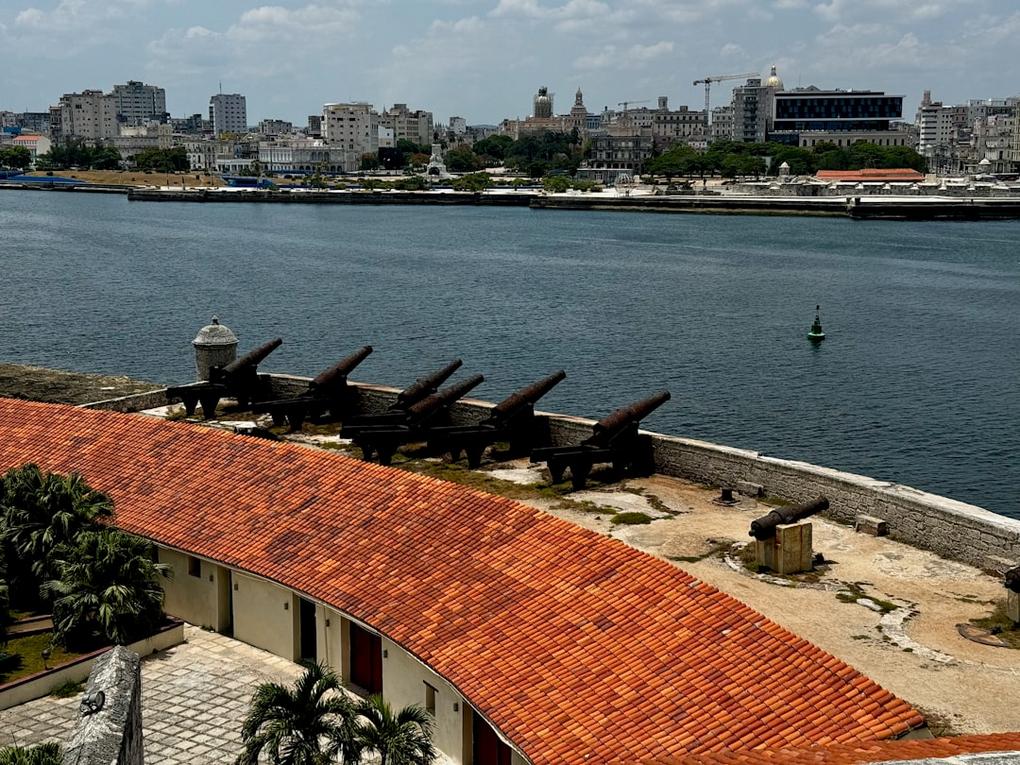
This comparison matters now because US travel rules to Cuba are tightening, making planning tougher. Meanwhile, Bahamas stays open and simple for Americans with no visa fees and direct flights under an hour. Cuba’s Havana averages 81°F in April, perfect for exploring on foot. Bahamas’ Nassau hits 76°F in the same month, ideal for lounging by the pool. You’ll learn which destination fits your budget, timing, and appetite for hassle versus comfort. Keep reading to avoid wasted time and cash on the wrong island.
Insider tip: Cuba requires a tourist card costing about $50 for US citizens, while Bahamas lets you enter visa-free.
Cuba’s $70/day budget is roughly one-third of Bahamas’ $250/day, changing your accommodation and food options drastically.
Cuba vs Bahamas: Core Travel Differences
| Topic | Cuba | Bahamas |
|---|---|---|
| Budget level | $70/day covers guesthouses, street food, local transport | $250/day for resorts, taxis, and upscale dining |
| Visa requirements | Tourist card $50, must buy before arrival for US citizens | No visa or tourist card needed for US citizens |
| Safety | Pack Lightly safety score (75/100), pickpocket risk in Havana | Pack Lightly safety score (70/100), resort areas well-policed |
| Transport & infrastructure | Limited car rentals, old buses, 45/100 tourist infrastructure | Frequent taxis, rental cars, 75/100 tourist infrastructure |
| Beach quality | Varadero’s 12-mile white-sand beach with few resorts | Cable Beach’s 7-mile stretch lined with resorts and bars |
| Cultural depth | Havana’s colonial architecture, salsa clubs, museums | Nassau’s cruise port, casinos, and shopping malls |
| Accommodation quality | Hotels average 40/100 quality, many casas particulares | Hotels average 80/100 quality, many all-inclusive resorts |
| Language barrier | Spanish only, limited English outside tourist spots | English spoken everywhere, no language barrier |
| Planning effort | Complex visa, cash-only economy, limited internet access | Simple entry, credit cards accepted, reliable internet |
| Best time to visit | November to April dry season, 75-85°F temps | December to April dry season, 74-86°F temps |
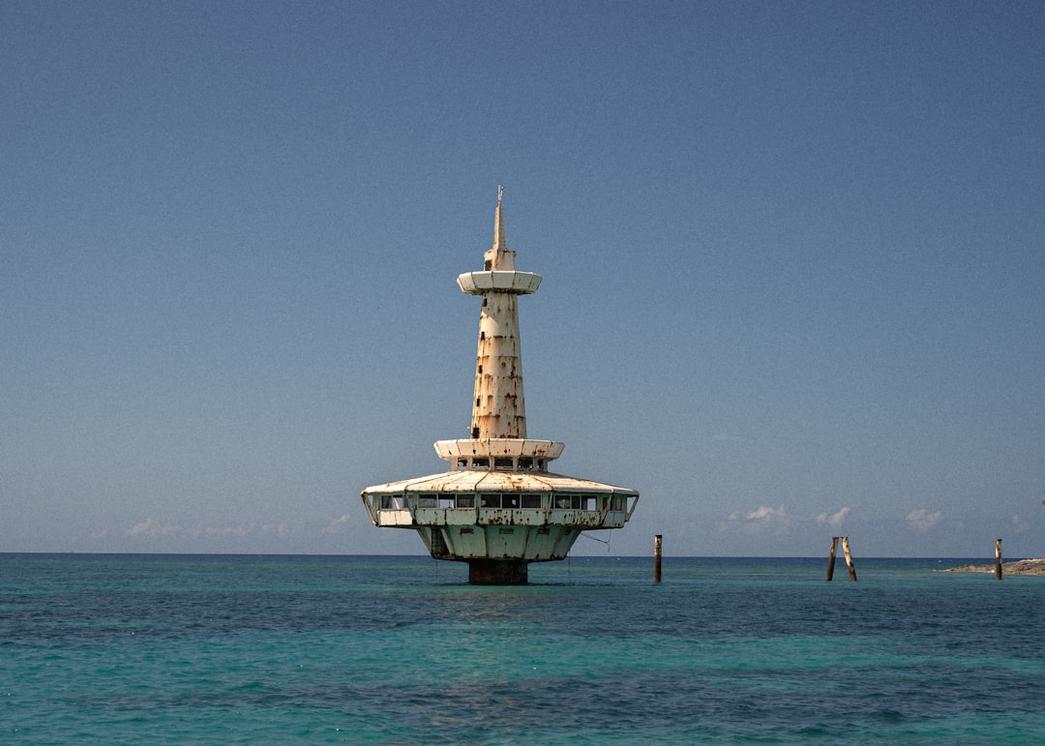
Best for Cuba
- Couples with $70/day for 2-week beach + city trip
- Solo travelers wanting salsa nights and colonial walks
- Culture seekers who accept visa hassle and cash economy
Best for Bahamas
- Friends with $250/day for resort beach and nightlife
- Weekend Miami escapees wanting direct flights under 1 hour
- Families needing safe, English-speaking, easy logistics
Key Takeaways for Choosing Cuba or Bahamas
- If you want a $70/day budget with deep culture, choose Cuba — Pack Lightly budget-friendly score (70/100).
- If you need easy visa-free entry and speak only English, choose Bahamas — no visa required.
- If safety in tourist zones matters most, choose Cuba — Pack Lightly safety score (75/100) edges Bahamas.
- If you want polished resorts and reliable transport, choose Bahamas — 75/100 tourist infrastructure score.
- If you prefer beaches without resort crowds, choose Cuba — Varadero’s 12 miles of sand.
- If planning effort is a dealbreaker, choose Bahamas — simple entry, credit card acceptance.
Pack Lightly Scores
11 categories scored from 0 (low) to 100 (high)
Still can’t pick Cuba or Bahamas?
Use the interactive tool to compare both countries across 11 categories like budget, culture, safety, and beaches. It weights each factor by your travel style to deliver a clear winner.
What you’ll actually spend
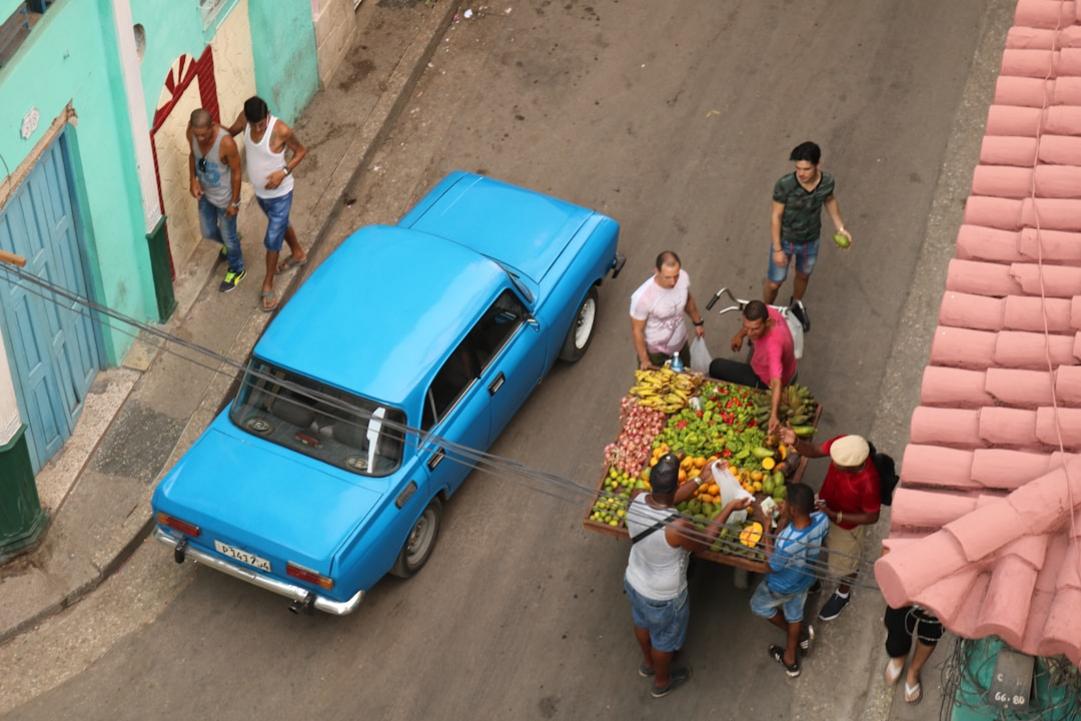
Cuba is cheaper for mid-range travelers by about $44 per day, using CUP (1 CUP = 0.04167 USD) vs. BSD/USD (1 BSD = 1 USD) in the Bahamas. Cuba’s local currency keeps daily costs low despite some travel hassles. The Bahamas leans expensive, especially outside all-inclusive resorts.
Daily cost comparison in local currency and USD
| Category | Cuba (CUP / USD) | Bahamas (BSD / USD) |
|---|---|---|
| Backpacker daily budget | 360–480 CUP ($15–$20) | 75–120 BSD ($75–$120) |
| Mid-range daily budget | 1,200–1,440 CUP ($50–$60) | 175–275 BSD ($175–$275) |
| Luxury daily budget | 3,600–4,800 CUP ($150–$200) | 600–900 BSD ($600–$900) |
| Street food meal | 30–45 CUP ($1.25–$1.88) | 8–12 BSD ($8–$12) |
| Restaurant meal | 300–420 CUP ($12.50–$17.50) | 50–85 BSD ($50–$85) |
| Local transport (per day) | 60–90 CUP ($2.50–$3.75) | 20–30 BSD ($20–$30) |
| Activities/tours (average) | 600–900 CUP ($25–$37.50) | 100–150 BSD ($100–$150) |
Cuba wins hands down on price across all budgets, especially mid-range and backpacker levels. The Bahamas only competes on luxury comfort and polished tourist infrastructure. Pack Lightly budgetFriendly: Cuba 70, Bahamas 25. Book Hotels Cuba in Cuba to save, or splurge on resorts with Hotels Bahamas in the Bahamas.
Pro tip: Use Cuba’s state buses for long-distance travel to slash transport costs.
Watch out: Bahamas resort fees and local taxes can add 15%–20% to your bill unnoticed.
What you’ll eat

Cuba wins street food hands down. You’ll find ropa vieja sandwiches for about 1.50 CUP (~6¢) on Havana’s streets, plus crispy croquetas for under $1 USD. Bahamas street food leans on fried conch and cracked conch sandwiches around $6-$8 USD in Nassau, but overall fewer options and higher prices.
Vegetarian options are limited in both countries but slightly better in Cuba thanks to black beans, yuca, and plantains staples. Bahamas struggles with vegetarian and halal options outside resorts. Gluten-free is rare in both places, but Cuba’s local markets give more fresh produce variety.
Drink culture favors Bahamas for easy alcohol access and variety. Expect Kalik beer and rum cocktails everywhere in Nassau. Cuba’s rum is legendary—try Havana Club or a classic mojito—but alcohol is rationed and pricey for tourists. Bahamas is more social and open about drinking, Cuba more restricted but authentic.
Cuba vs Bahamas food faceoff
| Category | Cuba | Bahamas |
|---|---|---|
| Signature dish | Ropa vieja (shredded beef stew) | Cracked conch sandwich |
| Street food quality | Cheap, tasty, diverse local snacks under $1 USD | Limited variety, higher prices $6-$8 USD |
| Vegetarian-friendly | Basic but better with beans, yuca, plantains | Sparse outside resorts, limited fresh options |
| Restaurant variety | Small, local paladares with authentic Cuban dishes | Mostly resort-centered, few local spots |
| Drink culture | Strong rum scene but limited availability | Wide beer and cocktail access, more social |
Ropa vieja sandwich
Super cheap, authentic Cuban street food experience
Insider tip: Skip Nassau’s tourist traps; try conch fritters at Arawak Cay for $6-$7 USD.
Where to sleep
Bahamas wins on hotel quality with a score of 80 versus Cuba’s 40. Expect polished resorts and boutique hotels in Nassau’s Cable Beach and Paradise Island. Cuba’s best stays are in Havana’s Vedado and Centro Habana neighborhoods, mostly private casas particulares with character but inconsistent quality. Hotels CubaHotels Bahamas
Cuba’s low hotel quality means many places lack modern amenities and reliable Wi-Fi, especially outside Havana. Booking platforms like Airbnb can be hit or miss due to limited inventory and government restrictions. Bahamas has fewer budget options but more reliable service overall. Even top Bahamas resorts can feel overly touristy and crowded during peak season.
See full lodging breakdown by budget
Cuba vs Bahamas lodging options
| Type | Cuba | Bahamas |
|---|---|---|
| Budget hostels | Casa particulares in Centro Habana, $20-$40/night | Small guesthouses in Nassau, $50-$80/night |
| Mid-range hotels | 3-star hotels in Vedado, $50-$100/night | Boutique hotels in Cable Beach, $120-$200/night |
| Boutique stays | Restored colonial casas in Old Havana, $80-$150/night | Luxury boutique resorts on Paradise Island, $250-$400/night |
| Luxury resorts | Limited, mostly all-inclusive resorts in Varadero, $150-$300/night | High-end resorts with full amenities, $300-$600/night |
| Alternatives | Private home rentals via Airbnb, variable quality | Vacation rentals and villas, reliable and polished |
Booking tip: Book Cuba casas particulares at least 2 weeks ahead on Airbnb; Bahamas resorts require early booking for best rates.
What it actually feels like
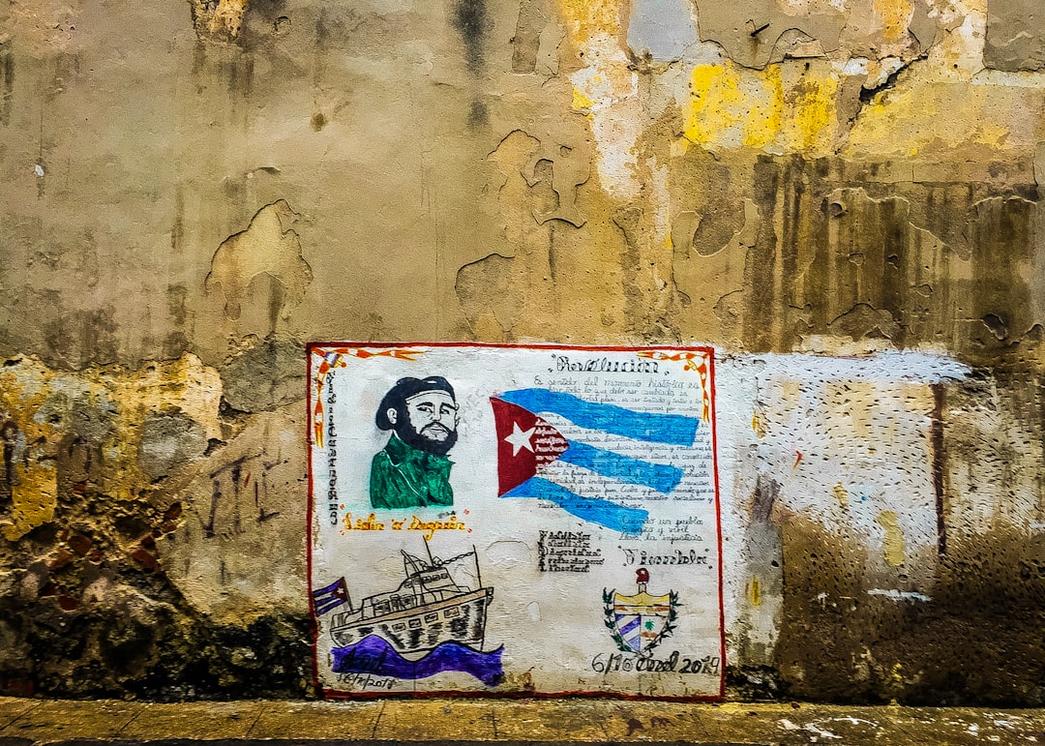
Morning in Havana means sun hitting cracked pastel buildings along Calle Obispo. Classic cars rumble past, locals sip strong coffee, and the street hums with a mix of nostalgia and grit.
By late afternoon in Nassau, resort pools glisten under the sun, tourists lounge with cocktails on Cable Beach, and cruise ships anchor nearby, ready to unload day-trippers.
Cuba demands patience: expect slow Wi-Fi, limited card payments, and navigating official checkpoints. Bahamas offers polish and ease but comes with steep prices and crowds during peak season.
Cuba highlights
- Old Havana(Havana)
Explore plazas, colonial architecture, and street musicians in this historic district. - Viñales Valley(Pinar del Río Province)
Hike limestone hills and tobacco farms with stunning rural landscapes. - Malecón(Havana)
Walk the 5-mile seaside boulevard at sunset with locals fishing and socializing. - Plaza de la Revolución(Havana)
See massive murals and Cuba’s political heart in this iconic square.
Bahamas highlights
- Cable Beach(Nassau)
White sand beach with clear water, resorts, and water sports rentals. - Blue Lagoon Island(Near Nassau)
Swim with dolphins or relax on a private beach with minimal crowds. - Queen’s Staircase(Nassau)
Climb 66 steps carved from limestone with historic views of Nassau. - Atlantis Paradise Island(Paradise Island)
Visit the massive resort with water parks, aquariums, and casinos.
Ideal duration: Cuba: 5–7 days — Enough to see Havana, Viñales, and coastal spots. · Bahamas: 3–5 days — Focus on beaches, resorts, and quick island tours.
Do
- Cuba: Take a vintage car tour around Havana’s key neighborhoods.
- Cuba: Visit Viñales for hiking and cigar farm tours.
- Cuba: Walk the Malecón at sunset with a local beer.
- Bahamas: Book a day trip to Blue Lagoon Island for swimming.
- Bahamas: Spend an afternoon on Cable Beach for sun and water sports.
- Bahamas: Explore Nassau’s downtown markets early morning.
Don’t
- Cuba: Avoid touristy souvenir shops on Obispo Street.
- Cuba: Skip overpriced paladares with limited menus.
- Cuba: Don’t rely on credit cards; bring cash.
- Bahamas: Avoid Atlantis if on a strict budget; it’s pricey and crowded.
- Bahamas: Skip cruise ship peak hours at downtown Nassau.
- Bahamas: Don’t expect authentic Cuban culture; it’s a resort town.
Choose based on
- If you want deep culture and history, choose Cuba — Pack Lightly culture score 90.
- If you prefer polished beaches and resorts, choose Bahamas — hotel quality 80.
- If budget matters, choose Cuba — budget friendly score 70 versus Bahamas 25.
- If safety is your top priority, choose Cuba — safety score 75 over Bahamas 70.
Cuba offers rich culture at the cost of convenience; Bahamas delivers ease with a high price tag.
Real safety picture
Safety overview
Cuba
Bahamas
Cuba scores a 75 on Pack Lightly’s safety scale, edging out the Bahamas at 70. Cuba’s Havana has pickpocketing hotspots but fewer violent crimes than Nassau. The Bahamas has polished resorts but watch out for scams in downtown Nassau and Cable Beach. Both require vigilance, but Cuba’s lower tourist volume means less petty crime pressure.
See detailed safety factors table
Safety factors compared
| Factor | Cuba | Bahamas | Practical tip |
|---|---|---|---|
| Pickpocketing | Common in Old Havana’s Plaza Vieja and tourist markets. | Frequent around Nassau’s Straw Market and downtown streets. | Use the bSafe app to alert contacts if you feel unsafe. |
| Tourist scams | Taxi drivers in Havana may overcharge without meters. | Fake tour operators near Nassau’s cruise port sell bogus excursions. | Book tours through official websites like Cuba Travel or Bahamas Ministry of Tourism. |
| Solo female traveler safety | Generally okay in well-trafficked areas; avoid poorly lit streets after dark. | Safe in resorts; avoid walking alone in Nassau’s Fox Hill at night. | Use rideshare apps like Uber in Nassau; in Cuba, pre-arranged taxis are safer. |
| Health risks | Tap water is unsafe; rely on bottled water everywhere. | Tap water is generally safe in resorts but bottled is recommended outside. | Download CDC’s travel app for health alerts and vaccination info. |
| Road safety | Roads outside Havana are poorly maintained; watch for pedestrians and animals. | Driving is on the left; Nassau traffic can be aggressive. | Rent cars only if experienced; use taxis or shuttles instead. |
| Natural disasters | Hurricane season June 1 to November 30; infrastructure can delay recovery. | Also hurricane-prone; resorts have better emergency protocols. | Check NOAA hurricane updates before booking or traveling. |
Scam spotlight: Nassau Straw Market
How it works: Vendors offer fake designer goods and inflate prices after initial agreement.
How to avoid: Set prices upfront and walk away if pressured; compare prices online first.
Watch out: Paying unmetered taxi fares in Havana can cost $50+ for short rides.
Insider tip: In Cuba, cash is king; credit cards often don’t work, so carry enough USD.
Visa & entry requirements
US citizens need a $50 e-Visum for Cuba with an online application and a mandatory D’Viajeros form. Bahamas is visa-free for US citizens but requires a return ticket and proof of accommodation. Cuba’s process is more complex due to extra paperwork, while Bahamas offers a straightforward entry.
Full visa & entry requirements table
Visa requirements compared
| Factor | Cuba | Bahamas | Practical note |
|---|---|---|---|
| Visa requirement | Yes | No | Cuba requires e-Visum; Bahamas allows entry without visa. |
| Visa type & cost | e-Visum, $50 | Visa-free, free | Cuba’s visa costs $50; Bahamas charges nothing. |
| Application process | Apply online via Cuban embassy + fill D’Viajeros form | Present return ticket and accommodation proof at arrival | Cuba’s online process requires advance planning; Bahamas is on arrival. |
| On-arrival option | No | N/A | Cuba visa must be secured before arrival. |
| Max stay & extension | 90 days, no extensions | 30 days, extensions possible at immigration | Cuba limits stay strictly; Bahamas offers flexibility. |
Visa rules change often; always check official embassy sites before travel. Cuba’s D’Viajeros form is separate from the visa and must be completed online. covers unexpected visa or health issues.
How you’ll move
Bahamas is easier to navigate for tourists with a Pack Lightly touristInfrastructure score of 75, compared to Cuba’s 45. The Bahamas offer straightforward domestic flights and taxis, while Cuba’s options are less developed and often slower. Both require some patience, but Bahamas gets you where you want faster.
Compare every transport option side-by-side
Cuba vs Bahamas transport options
| Mode | Cuba | Bahamas | Practical Note |
|---|---|---|---|
| Domestic flights | Cubana and Aerogaviota connect Havana to tourist spots, but flights are infrequent and delayed often. | Bahamasair and Western Air run frequent, reliable flights between Nassau and out islands. | Book Bahamasair at least 2 weeks ahead via Bahamasair.com; Cuba flights need booking through local agencies or Cubana’s site. |
| Buses | Viazul buses serve tourists between major cities but run on a tight schedule with limited stops. | Limited public buses mainly in Nassau; not reliable for tourists outside capital. | Use Viazul for Cuba intercity travel; avoid buses in Bahamas outside Nassau. |
| Trains | No passenger trains available. | No passenger trains available. | Skip trains; neither country offers passenger rail transport. |
| Taxi/ride-hailing | Taxis plentiful but expensive; no official ride-hailing apps, negotiate fares upfront. | Taxi services widespread; ride-hailing apps like Bahamas Taxi app work well in Nassau. | Use Bahamas Taxi app in Nassau; in Cuba, always agree on fare before ride. |
| Ferries | Ferries connect Havana to nearby keys but schedules are irregular and ticketing confusing. | Regular ferries operate between Nassau and nearby islands; Bahamas Ferries app is reliable. | Book Bahamas Ferries tickets online early; Cuba ferry info best obtained locally. |
| Scooter rental | Scooter rentals exist in tourist towns but helmets and insurance rarely enforced. | Scooter rentals common in Nassau and some islands, with safer roads and better gear. | Rent scooters via Nassau Scooter Rentals app for insurance and helmets in Bahamas. |
| Bicycle rental | Bike rentals available in Havana and Varadero; roads can be rough and traffic heavy. | Bike rentals popular in Nassau and smaller islands, with dedicated bike paths. | Use Bike Nassau app for rentals and routes; in Cuba, rent from local shops directly. |
Bahamas wins for ease and speed with a 75 touristInfrastructure score versus Cuba’s 45. Bahamas offers reliable flights, functioning ride apps, and better ferry services. Cuba requires more patience and local navigation skills but delivers a more authentic experience. Book early and use Bahamasair.com or Bahamas Ferries app for smooth trips. Book transport
App tip: Use Bahamasair.com and Bahamas Ferries app for best booking experience.
How far English gets you
Bahamas is English-speaking, so you’ll have zero language issues anywhere, from Nassau to the Out Islands. Cuba’s official language is Spanish, and English is rare outside tourist spots like Havana and Varadero. Expect communication breakdowns in small towns and rural areas in Cuba. Use Google Translate offline for basic Cuban Spanish—it’s a lifesaver when locals don’t speak English.
App tip: Google Translate, iOS & Android, works offline and covers Cuban Spanish well.
Wifi, data, payments
Bahamas offers reliable wifi in resorts and urban areas; mobile data is affordable and fast. Cuba’s wifi is patchy and expensive, limited mostly to hotels and public parks. Buy prepaid SIMs for better coverage in the Bahamas, but Cuba requires buying a separate internet card for wifi access. Cash rules in Cuba; Bahamas takes cards widely, including Apple Pay and credit cards in most places.
eSIM picks:
Cuba: Cubacel, $20 for 5GB
Bahamas: Mint Mobile, $15 for 5GB
In Cuba, cash is king everywhere. Bahamas accepts cards in most tourist spots but carry cash for smaller vendors.
When to go
When to go — month by month
Cuba
Bahamas
Cuba
Bahamas

Cuba’s best months are November through April, when rain is low and temps hover in the mid-70s to mid-80s. Bahamas shines in late fall through spring, with warm, dry weather ideal for beaches. Cuba’s shoulder seasons in late fall offer drier conditions than Bahamas’ wetter spring shoulder. Avoid summer and early fall in both for hurricane risk and heavy rain.
Full season-by-season climate breakdown
Seasonal climate comparison
| Season | Cuba | Bahamas | Best Pick | Notes |
|---|---|---|---|---|
| Winter (Dec–Feb) | Temps 74–73°F, low rain (23–44 mm), comfortable and dry. | Temps 73–73°F, moderate rain (26–47 mm), warm with some showers. | Cuba | Cuba offers more consistent dryness and mild temps. |
| Spring (Mar–May) | Temps 77–84°F, very low rain (14–31 mm), warm and dry. | Temps 75–80°F, variable rain (21–79 mm), wetter in March. | Cuba | Cuba’s spring is drier and more stable than Bahamas. |
| Summer (Jun–Aug) | Temps 82–84°F, heavy rain (113–226 mm), hot and wet. | Temps 82–85°F, heavy rain (70–147 mm), humid with storms. | tie | Both face intense rain and hurricane risk; avoid if possible. |
| Fall (Sep–Nov) | Temps 82–77°F, heavy rain early (168–108 mm), drying by November. | Temps 84–77°F, mixed rain (63–115 mm), wet early, drier late. | depends | Late fall favors Cuba’s drying trend; early fall favors Bahamas. |
Climate tip: Late November offers Cuba’s best dry window missed by many travelers.
The call
Cuba wins for culture, budget, and dry-season weather. Bahamas leads on resort quality, safety, and digital ease. Choose Cuba if you want authentic experiences and savings. Pick Bahamas for polished resorts and quick Miami access. Both score equally overall, but your priorities decide the trip.
Category showdown
| Topic | Winner | Reason |
|---|---|---|
| Budget | Cuba | ~$5.51/day cheaper mid-range than Bahamas |
| Nature | tie | Both offer strong beach and nature options |
| Culture | Cuba | Rich history and vibrant local life |
| Cities | Cuba | Havana’s unique urban decay beats Bahamas’ small cities |
| Food & drinks | tie | Similar quality and variety |
| Accommodation | Bahamas | Higher hotel quality and polished resorts |
| Transport | Bahamas | Easier inter-island travel and airport access |
| Safety | Cuba | Lower crime rates in tourist areas |
| Crowds | Cuba | Less tourist saturation outside Havana |
| Digital infrastructure | Bahamas | Better connectivity and internet access |
The bottom line
Cuba offers more value and culture; Bahamas delivers resort polish and ease.
Cuba fits culture seekers on a budget; Bahamas suits resort lovers wanting convenience.
Book your trip
Using these links supports Pack Lightly at no extra cost to you.
Your questions, answered
01Which country is cheaper to visit in 2026?
Cuba is significantly cheaper with a daily mid-range budget around $70 compared to the Bahamas at $160. Backpacker travelers save about $90 daily in Cuba. Luxury travelers also get more value in Cuba due to lower hotel and food costs.
02What are the visa requirements for US citizens visiting Cuba and the Bahamas?
US citizens need a $50 e-Visum for Cuba, valid 90 days, applied online with a D’Viajeros form. The Bahamas require no visa but proof of return ticket and accommodation is mandatory, with a 30-day stay limit.
03Which country is safer for solo travelers?
Cuba scores higher on safety for solo travelers at 75 versus the Bahamas at 70. Havana’s urban areas demand street smarts but overall crime is lower than Nassau’s tourist zones where petty theft is common.
04Which country offers better beaches and island hopping?
The Bahamas win for beaches and island hopping with pristine white sand and clear water, scoring 90 in relaxed vacation and 65 in active vacation. Cuba’s beaches are good but less polished and fewer island options.
05Which country has richer cultural experiences and historical sites?
Cuba dominates culture with a 90 score thanks to Havana’s colonial architecture, live music, and revolutionary history. The Bahamas focus more on resorts and natural beauty, scoring only 50 in culture.
06When is the best time to visit Cuba and the Bahamas?
Both countries shine from November through April with dry, pleasant weather. Avoid hurricane season June to November. Peak season drives prices up, especially in the Bahamas.
07Can you realistically combine Cuba and the Bahamas in one trip?
Combining both is doable but inefficient. Flights between Havana and Nassau are limited and expensive. Focus on one destination per trip to maximize your time and budget.
08Which country is better for budget accommodation around $40 per night?
Cuba stretches $40 further with many guesthouses and casas particulares offering authentic stays. The Bahamas’ budget options are scarce and often basic, pushing most travelers into higher prices.
Insider tip: Visit Cuba in early December to catch cultural festivals without the tourist crush or high resort prices in the Bahamas.


