
Dominican Republic wins for most travelers due to easier access, better infrastructure, and predictable costs.
Choose Cuba if you want cultural immersion and can manage visa and transport challenges.
Choosing between all-inclusive ease and vintage island charm shapes your Caribbean trip.
You’re planning a Caribbean beach trip with friends or a partner, stuck between the Dominican Republic’s all-inclusive resorts and Cuba’s time-capsule vibe. Both offer sun and sand, but the experience and logistics couldn’t be more different. The question is simple: spend more for convenience and modern comforts or embrace Cuba’s slower pace with extra planning? This decision shapes your daily budget, how you get around, and what kind of beach days you get. It’s the kind of debate that turns a casual chat into a serious travel strategy session.
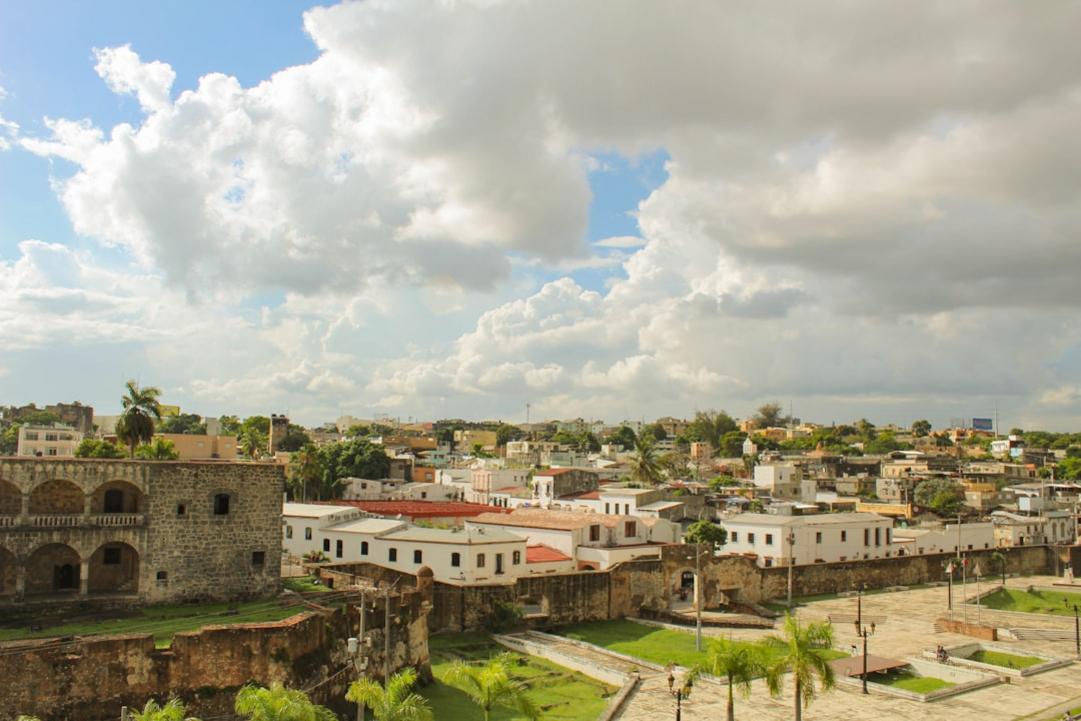
This comparison matters now because travel rules and costs have shifted sharply, especially for U.S. citizens. The Dominican Republic offers straightforward visa-free entry and direct flights from most U.S. hubs, while Cuba’s OFAC regulations and visa fees add layers of complexity. Plus, daily budgets can swing $40 or more depending on your style. By the end, you’ll know which country fits your itinerary, wallet, and vibe without second-guessing. One key fact: Cuba’s Pack Lightly safety score (75/100) beats the Dominican Republic’s (55/100), but that’s just the start.
Insider tip: If your trip hinges on ease and budget predictability, start with the Dominican Republic; if you want cultural depth and can handle extra paperwork, Cuba is worth the effort.
Cuba’s tourist card costs around $100, while the Dominican Republic requires no visa for U.S. travelers, impacting trip cost and planning.
Dominican Republic vs Cuba: Key Travel Differences
| Topic | Dominican Republic | Cuba |
|---|---|---|
| Visa requirements | No visa for U.S. citizens, direct flights from 50+ U.S. cities | Tourist card $100, OFAC restrictions, flights mainly from Miami |
| Safety | Pack Lightly safety score 55/100, petty crime in Santo Domingo | Pack Lightly safety score 75/100, low violent crime but pickpocketing in Havana |
| Daily budget | $120-$250/day including resorts and meals | $80-$180/day with casa particulares and local food |
| Accommodation quality | Modern all-inclusive resorts in Punta Cana, $150-$300/night | Casa particulares $25-$60/night, limited hotel options |
| Beach quality | White-sand beaches, Bavaro Beach with calm water and resorts | Varied beaches, Playa Santa Lucia less crowded but rougher water |
| Transport & infrastructure | Reliable rental cars, highways, airport taxis | Limited public transport, vintage cars, some roads in poor condition |
| Planning effort | Low, book flights and resorts online easily | High, arrange visas, casa bookings, and currency exchange |
| Cultural depth | Tourist-focused culture, some local music in Santo Domingo | Strong Afro-Cuban culture, live music in Havana, museums |
| Language barrier | Spanish widely spoken, English common in resorts | Spanish only, limited English outside Havana |
| Best time to visit | December to April, 75-85°F, less rain | November to March, 70-80°F, drier months |

Best for Dominican Republic
- Couples with $200/day for 10-day beach resort stay
- Groups wanting direct flights from multiple U.S. cities
- Travelers preferring low-planning trips with visa-free entry
Best for Cuba
- Solo travelers with $100/day for cultural immersion and casa stays
- Photographers chasing vintage cars and Havana street scenes
- Experienced travelers ready for visa paperwork and local transport
Key Takeaways for Choosing Dominican Republic or Cuba
- If you want easy entry and direct flights, choose Dominican Republic — no visa needed for U.S. citizens.
- If safety is your priority, choose Cuba — Pack Lightly safety score (75/100) beats Dominican Republic’s (55/100).
- If your budget tops $180/day, choose Dominican Republic — modern resorts and predictable costs.
- If you want cultural depth and local interaction, choose Cuba — live music and museums in Havana.
- If you dislike complex planning, choose Dominican Republic — straightforward booking and infrastructure.
- If you can handle Spanish-only and visa steps, choose Cuba — better budget flexibility and local vibe.
Pack Lightly Scores
11 categories scored from 0 (low) to 100 (high)
Nail your timing and budget
Use the tool to compare Dominican Republic vs Cuba by month, budget, and travel style. It weighs 11 key categories so you get a clear winner based on your exact priorities and timing.
What you’ll actually spend

The Dominican Republic is cheaper than Cuba for mid-range travelers by about $12 per day. Prices in Dominican pesos (DOP) convert to USD at 1 DOP = 0.01664 USD; Cuban pesos (CUP) convert at 1 CUP = 0.04167 USD. Cuba’s vintage charm carries a higher price tag, especially in activities and accommodations. Both countries have solid budget-friendly scores, with Dominican Republic at 65 and Cuba slightly better at 70.
Daily cost comparison in local currency and USD
| Category | Dominican Republic (DOP / USD) | Cuba (CUP / USD) |
|---|---|---|
| Backpacker daily budget | 1,000–1,500 DOP ($16.64–$24.96) | 400–600 CUP ($16.67–$25.00) |
| Mid-range daily budget | 3,000–4,500 DOP ($49.92–$74.88) | 1,800–2,400 CUP ($75.00–$100.00) |
| Luxury daily budget | 7,000–10,000 DOP ($116.48–$166.40) | 4,000–6,000 CUP ($166.68–$250.02) |
| Street food meal | 150–250 DOP ($2.50–$4.16) | 50–80 CUP ($2.08–$3.33) |
| Restaurant meal | 400–700 DOP ($6.66–$11.65) | 200–350 CUP ($8.33–$14.58) |
| Local transport (per day) | 200–350 DOP ($3.33–$5.82) | 100–150 CUP ($4.17–$6.25) |
| Activities/tours (average) | 800–1,200 DOP ($13.31–$19.97) | 500–900 CUP ($20.84–$37.50) |
| Hidden costs (visas, tipping, fees) | Tourist card $10 + tipping expected | Tourist card $25 + mandatory tipping |
Dominican Republic wins on overall daily costs, especially in mid-range and luxury budgets. Cuba is cheaper on street food but pricier in restaurants, transport, and activities. Pack Lightly budgetFriendly: Dominican Republic 65, Cuba 70. Cuba’s higher visa and tipping fees push costs up for US travelers. Book Hotels Dominican Republic in Dominican Republic and Hotels Cuba in Cuba for best deals.
Pro tip: In Dominican Republic, use guagua buses for cheap, reliable local transport.
Watch out: Cuba’s mandatory tipping and tourist card fees add unexpected daily expenses.
What you’ll eat
Dominican Republic wins street food with clear variety and prices. Try chimichurri sandwiches for $2-$3 in Santo Domingo or street-side chicharrón. Cuba’s street food is cheaper but limited; a Cuban sandwich or croquetas run about $1-$2 in Havana. DR’s food scene is more accessible and less restricted.
Vegetarians will find more options in the Dominican Republic thanks to a wider use of fresh vegetables and beans. Cuba struggles with vegetarian and gluten-free options due to limited imports and reliance on pork and rice. Halal options are rare in both but slightly better in DR’s bigger cities.
Drink culture favors Cuba for its iconic rum and social vibe. Havana Club rum and Cristal beer are everywhere, often cheaper than bottled water. DR offers Presidente beer and Mamajuana, but the drinking scene feels more commercial and less authentic. Cuba’s bar culture is more lively and ingrained in daily life.
Street food and dining comparison
| Category | Dominican Republic | Cuba |
|---|---|---|
| Signature dish | La Bandera (rice, beans, meat) | Ropa Vieja (shredded beef stew) |
| Street food quality | Varied, affordable, well-seasoned | Basic, cheaper, less variety |
| Vegetarian-friendly | Good options in cities, bean-based | Limited, heavy on pork and rice |
| Restaurant variety | Wide range from street to upscale | Mostly state-run, fewer choices |
| Drink culture | Presidente beer, Mamajuana, commercial bars | Havana Club rum, Cristal beer, vibrant bar scene |
Chimichurri sandwich
Popular, filling, costs under $3 in capital city
Insider tip: At Mercado Agropecuario in Santo Domingo, try fresh empanadas for under $1.
Where to sleep
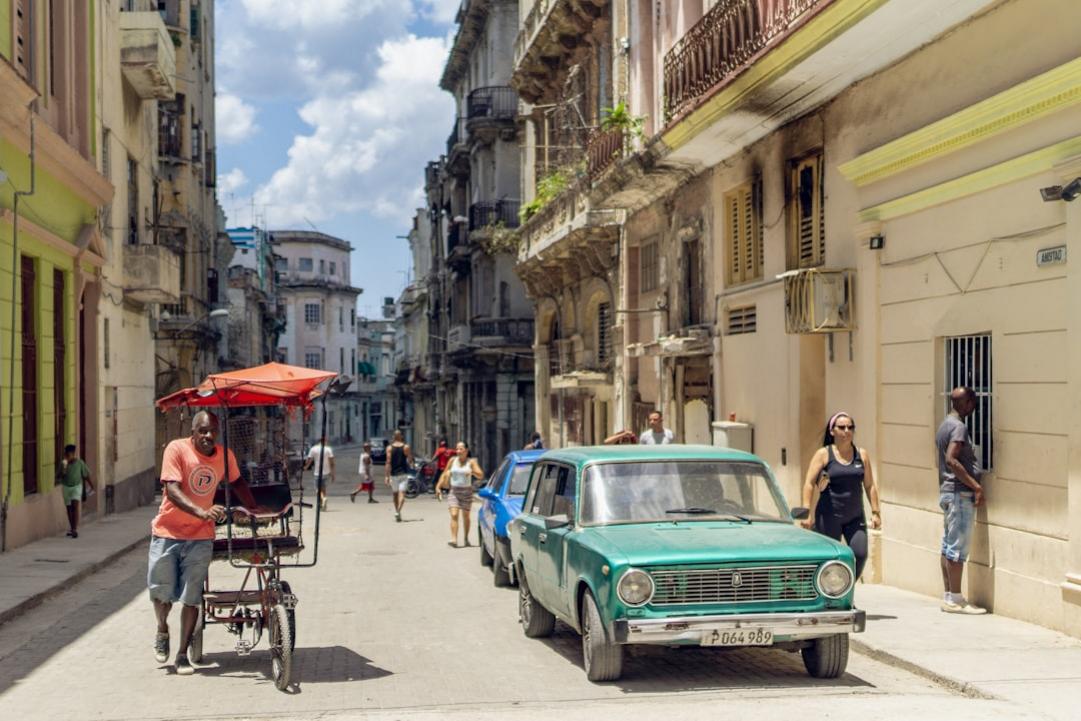
Dominican Republic offers better hotel quality with a Pack Lightly score of 75 versus Cuba’s 40. Santo Domingo’s Colonial Zone and Punta Cana’s resort areas deliver reliable mid-range and luxury stays. Cuba’s best options cluster in Havana’s Vedado and Miramar neighborhoods but overall hotel quality is inconsistent and often outdated. Use Hotels Dominican Republic to book DR stays.
Cuba’s weak spots include limited online booking options and fewer international chains. Airbnb is popular but can be hit-or-miss. DR also has budget areas like Sosúa where standards drop. Avoid booking platforms that don’t verify host casas particulares in Cuba. For Cuba, Hotels Cuba offers the most reliable listings.
See full lodging breakdown by budget
Typical lodging options by type
| Type | Dominican Republic | Cuba |
|---|---|---|
| Budget hostels | Hostels in Santo Domingo, $15-$30/night, safe neighborhoods | Casa particulares in Havana, $10-$25/night, variable quality |
| Mid-range hotels | 3-star hotels in Punta Cana, $60-$120/night, modern amenities | State-run hotels in Vedado, $40-$80/night, basic comfort |
| Boutique stays | Colonial Zone guesthouses, $80-$150/night, charming and clean | Private casas in Old Havana, $50-$100/night, authentic but inconsistent |
| Luxury resorts | All-inclusive resorts in Punta Cana, $150-$300/night, reliable service | Few luxury options, mostly Havana hotels, $120-$250/night |
| Alternatives | Airbnb in Santo Domingo and beach towns | Casa particulares, limited Airbnb, booking challenges |
Booking tip: Book DR hotels 2-3 months ahead on Booking.com; Cuba casas particulares require direct contact or Cuban platforms.
What it actually feels like

Typical day in Santo Domingo starts with morning light hitting Zona Colonial’s narrow streets, locals opening cafes, and the hum of cars mixing with ocean breeze. The city moves fast but offers a modern Caribbean rhythm with easy access to beaches and resorts.
Havana wakes slowly as vintage cars roll down Malecón at dawn, the scent of strong coffee fills plazas, and street musicians tune guitars. The city feels like stepping back in time, with crumbling facades and vibrant street life that demands patience and curiosity.
Dominican Republic delivers smooth roads, reliable Wi-Fi, and quick service, but tourist crowds and resort zones dominate. Cuba requires dealing with limited internet, slower transport, and currency confusion, yet rewards with rich culture and fewer commercial distractions.
Dominican Republic fits travelers wanting beach resorts and active days with modern comfort. Cuba suits those chasing cultural immersion, vintage vibes, and exploring a country still shaped by decades of isolation and change.
Dominican Republic highlights
- Playa Bávaro(Punta Cana)
White sand beach with clear water, ideal for swimming and sunbathing. - Zona Colonial(Santo Domingo)
Historic district with cobblestone streets, museums, and lively cafes. - Los Haitises National Park(Northeast coast)
Mangroves and limestone caves accessible by boat tours. - Altos de Chavón(La Romana)
Mediterranean-style village with artisan shops and river views.
Cuba highlights
- Malecón(Havana)
Oceanfront promenade with vintage cars and local street vendors. - Old Havana(Havana)
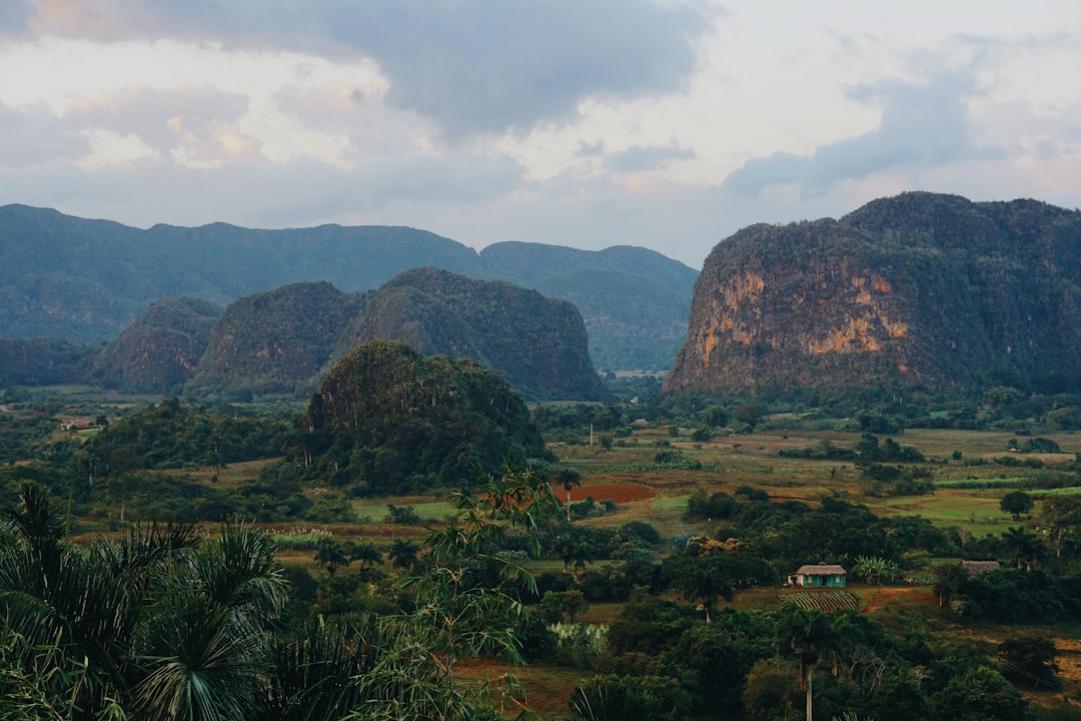
Restored colonial architecture, plazas, and live music venues. - Viñales Valley(Pinar del Río Province)
Tobacco farms and limestone mogotes with hiking and horseback riding. - Playas del Este(East of Havana)
Beaches with calmer crowds, popular for day trips from Havana.
Ideal duration: Dominican Republic: 5–7 days — enough for beaches, city, and nature tours · Cuba: 6–9 days — needed for slow travel and cultural depth
Do
- Dominican Republic: Swim and relax at Playa Bávaro
- Dominican Republic: Explore Zona Colonial on foot
- Dominican Republic: Take a boat tour in Los Haitises
- Dominican Republic: Visit artisan shops at Altos de Chavón
- Cuba: Walk Old Havana’s plazas and streets
- Cuba: Drive vintage cars along Malecón
- Cuba: Hike or horseback ride in Viñales Valley
- Cuba: Spend a day at Playas del Este
Don’t
- Dominican Republic: Skip crowded resorts outside Punta Cana
- Dominican Republic: Avoid overpriced souvenir stands in tourist zones
- Dominican Republic: Don’t rely on public transport for long distances
- Cuba: Avoid late-night solo walks in Havana
- Cuba: Skip state-run restaurants with fixed menus
- Cuba: Don’t expect consistent Wi-Fi outside cities
Choose based on
- If you want resort comfort and reliable infrastructure, choose Dominican Republic — touristInfrastructure 70
- If cultural immersion and vintage vibes matter, choose Cuba — culture 90
- If budget is tight but you want friendly locals, choose Cuba — budgetFriendly 70
- If ease of travel and beach quality top your list, choose Dominican Republic — hotelQuality 75
Dominican Republic offers convenience and modern beaches while Cuba demands patience for deep cultural payoff.
Real safety picture
Safety overview
Dominican Republic
Cuba
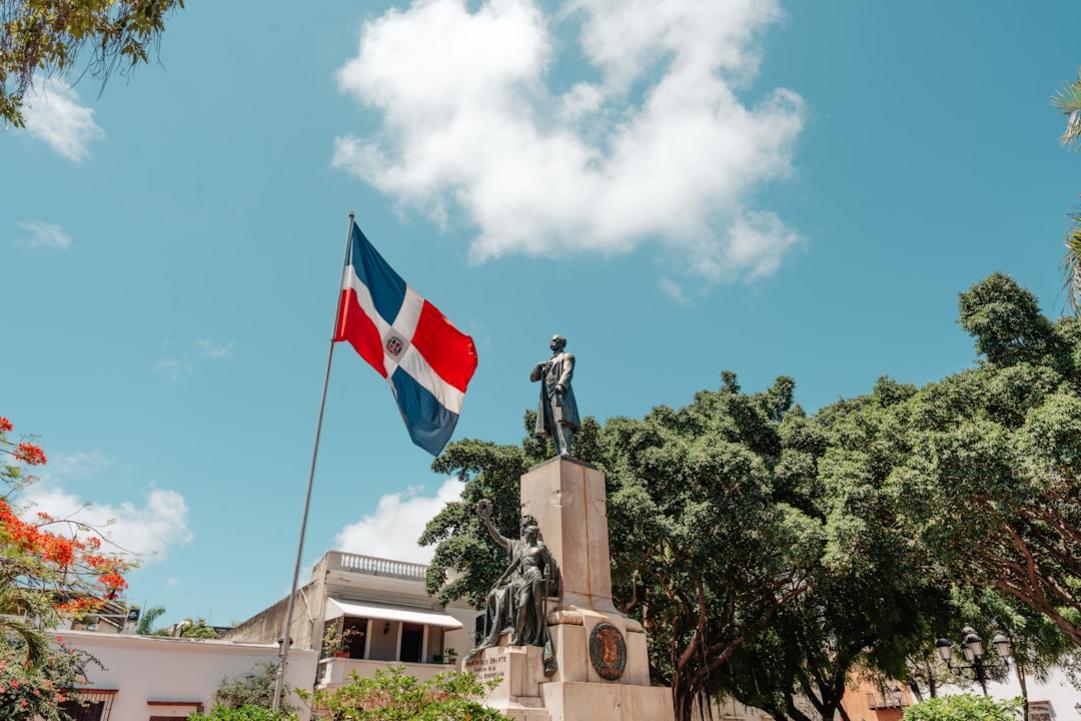
Cuba is safer with a Pack Lightly safety score of 75 versus the Dominican Republic’s 55. Expect more petty crime and road hazards in the Dominican Republic. Havana’s Old Town is generally safe but watch for scams. Santo Domingo has areas like Los Mina where pickpocketing spikes. Health risks are similar but Cuba’s medical system is stricter. Women traveling alone find Cuba more comfortable overall.
See detailed safety factors table
Safety factors compared
| Factor | Dominican Republic | Cuba | Practical tip |
|---|---|---|---|
| Pickpocketing | Common in Santo Domingo’s Colonial Zone and crowded markets. | Less frequent, but still present in Havana’s tourist areas. | Use the app ‘Lookout’ to track pickpocket hotspots and keep valuables in front pockets. |
| Tourist scams | Taxi overcharging near Punta Cana airport and fake tour operators in Bávaro. | Overpriced ‘official’ guides near Havana’s Malecon and fake currency exchange scams. | Book taxis via apps like Uber DR or official hotel services. |
| Solo female traveler safety | Women report harassment in Santo Domingo nightlife districts. | Generally respectful, but avoid poorly lit areas after dark in Havana. | Use rideshare apps at night and avoid walking alone in Los Mina or Centro Habana. |
| Health risks | Mosquito-borne illnesses like dengue in rural areas; tap water not safe. | Strict medical checks; tap water also unsafe, bring bottled water. | Download CDC app for up-to-date health alerts and carry insect repellent. |
| Road safety | Poorly maintained roads and reckless driving common outside resorts. | Old cars and erratic traffic in Havana require extra caution. | Avoid night driving; use official taxis or pre-arranged transfers. |
| Natural disasters | Hurricane season June 1–Nov 30 with frequent storms hitting coastal areas. | Same hurricane season; Havana has better shelters and emergency response. | Check NOAA hurricane tracker and register with embassy alerts. |
Scam spotlight: Punta Cana airport taxi stands
How it works: Drivers quote inflated flat rates and demand cash upfront.
How to avoid: Pre-book rides through Uber DR or hotel concierge.
Watch out: Paying $100+ for fake currency exchange in Havana leads to total loss.
Insider tip: Local SIM cards in Cuba require passport registration; plan ahead to avoid delays.
Visa costs and entry rules
Dominican Republic is visa-free for US citizens with no cost but requires an e-ticket via migracion.gob.do. Cuba requires a $50 e-Visum and a mandatory D’Viajeros form submitted online through the Cuban embassy. Cuba’s process is more complex due to extra paperwork. Both countries have digital entry systems you must complete before arrival.
Full visa & entry requirements table
Visa & entry comparison
| Factor | Dominican Republic | Cuba | Practical note |
|---|---|---|---|
| Visa requirement | No visa required for US citizens. | Visa required (e-Visum). | Dominican Republic travelers still need an electronic ticket. |
| Visa type & cost | Visa-free, cost: Free. | e-Visum, cost: $50. | Cuba’s visa fee is non-refundable and must be paid before arrival. |
| Application process | E-Ticket mandatory via https://migracion.gob.do. | Apply online via Cuban embassy + complete D’Viajeros form. | Start Cuba’s application at least 2 weeks before travel. |
| On-arrival option | No visa on arrival; e-ticket required in advance. | No visa on arrival; must have e-Visum pre-approved. | No exceptions for Cuba; missing paperwork means denied boarding. |
| Max stay & extension | 30 days, extendable locally. | 90 days, no extensions typically allowed. | Plan Cuba trip within 90 days or risk fines and deportation. |
| Digital entry systems (TDAC/ECD/ETIAS/eTravel) | E-Ticket mandatory via migracion.gob.do. | D’Viajeros form mandatory; no TDAC or ETA but strict form control. | Complete all digital forms before arrival to avoid entry delays. |
Visa rules change frequently. Check official government sites before booking. Secondary systems like D’Viajeros can update independently. for unexpected issues.
How you’ll move
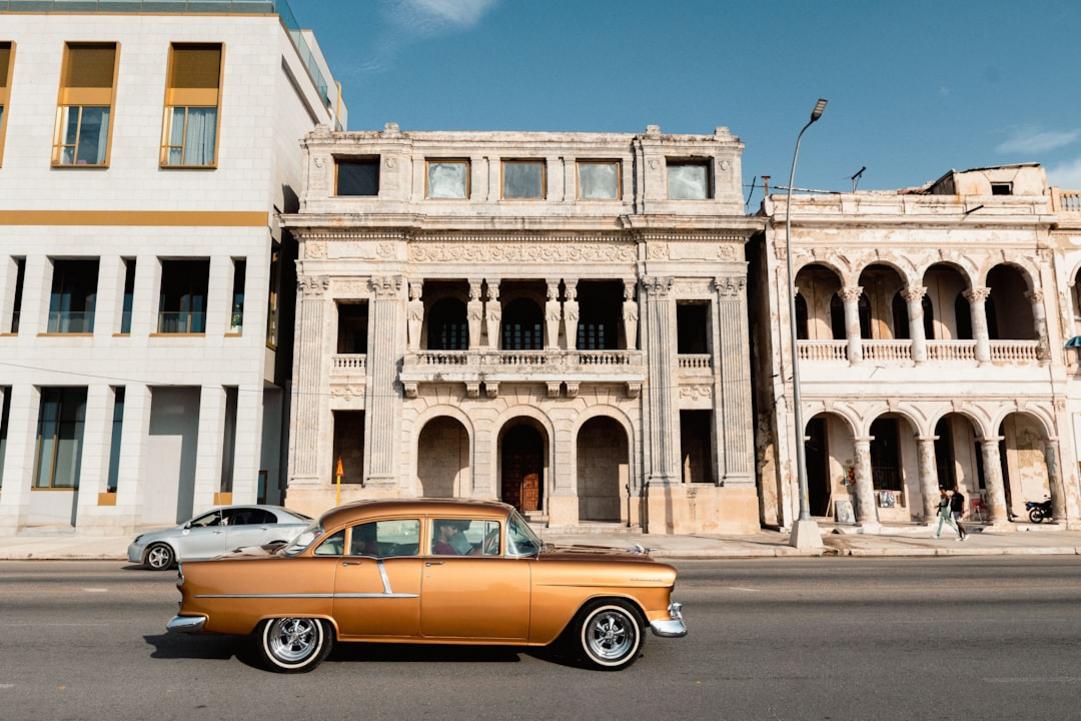
The Dominican Republic is easier to navigate than Cuba thanks to better infrastructure and more transport options. Pack Lightly touristInfrastructure: Dominican Republic 70, Cuba 45. Cuba’s transport system is limited and slower, especially for long distances or island hopping. The DR’s modern airports, highways, and ride apps make it more convenient for independent travelers.
Compare every transport option side-by-side
Transport options in Dominican Republic vs Cuba
| Mode | Dominican Republic | Cuba | Practical Note |
|---|---|---|---|
| Domestic flights | Several daily flights by Air Century and Sky High, well-priced around $50-$100 for common routes. | Few flights mostly by Cubana; expensive and unreliable, expect delays and limited schedules. | Book DR flights on Air Century app 2+ weeks early; Cuba flights require booking at airports or via Cubana’s website. |
| Buses | Expensive but efficient Caribe Tours connects major cities and beach towns. | Viazul buses are cheap but slow, crowded, and limited to tourist routes. | Buy Caribe Tours tickets online; Viazul tickets sell out fast, book 1 month ahead on viazul.com. |
| Trains | No passenger trains available. | No passenger trains available. | Ignore trains; neither country offers passenger rail transport. |
| Taxi/ride-hailing | Uber and local taxis operate in cities; Uber fares start around $2 plus distance. | No ride-hailing apps; rely on private taxis or vintage car rentals at fixed prices. | Use Uber in Santo Domingo; in Cuba, negotiate taxi fares upfront to avoid overpaying. |
| Ferries | Ferries connect mainland to Saona Island and Samana Peninsula, $25-$40 per trip. | Limited ferry service between Havana and nearby keys; unreliable schedules. | Book DR ferries via companies like Caribe Tours or Saona Express websites. |
| Scooter rental | Available in tourist areas for $30-$50/day; good for beach towns. | Rare and expensive; most travelers avoid scooters due to road conditions. | Rent scooters in Punta Cana from Motos Punta Cana, book in advance online. |
| Bicycle rental | Widely available in beach towns and Santo Domingo; $10-$15/day. | Limited and mostly informal rentals; not recommended for long rides. | Use apps like Lime or local shops in DR; in Cuba, rent directly from hotels or private hosts. |
| Budget route — cheapest A-to-B connection | Santo Domingo → Punta Cana, bus, $20, 4 hours. | Havana → Varadero, Viazul bus, $12, 3.5 hours. | Book Caribe Tours or Viazul tickets online early to secure seats on budget routes. |
The Dominican Republic wins for transport with a Pack Lightly touristInfrastructure score of 70 over Cuba’s 45. DR offers reliable domestic flights, Uber rides, and frequent buses that get you where you need faster and safer. Cuba’s limited flights, no ride apps, and slow buses drag down efficiency. For budget-conscious travelers, DR’s $20 bus from Santo Domingo to Punta Cana beats Cuba’s $12 Havana to Varadero ride in comfort and scheduling. Book transport
App tip: Use Caribe Tours app for buses in DR; Viazul website for Cuba bus tickets.
How far English gets you
English is limited in both countries but more usable in the Dominican Republic’s tourist spots like Punta Cana and Santo Domingo. Cuba’s Havana and Varadero offer some English, but outside those areas, Spanish dominates. Expect communication gaps in rural zones and local markets in both places. Use Google Translate offline mode to bridge the gap fast and avoid awkward moments.
App tip: Google Translate, iOS and Android, works offline and handles Spanish well for real-time help.
Essential phrases cheat sheet
| English | Dominican Republic | Cuba | When to use |
|---|---|---|---|
| Where is the bathroom? | ¿Dónde está el baño? | ¿Dónde está el baño? | Basic necessity, everywhere. |
| How much does this cost? | ¿Cuánto cuesta esto? | ¿Cuánto cuesta esto? | Shopping or market bargaining. |
| I don’t speak Spanish. | No hablo español. | No hablo español. | To signal language barrier early. |
Wifi, data, payments
Dominican Republic has decent wifi in hotels and cafes, especially in Santo Domingo and Punta Cana. Cuba’s internet remains patchy with slow public wifi hotspots and limited home access. Mobile data is pricey but reliable in the DR; Cuba’s prepaid SIMs are harder to buy and activate. Use eSIM Dominican Republic for DR and eSIM Cuba for Cuba to avoid local SIM hassles.
eSIM picks:
Dominican Republic: Airalo, $10 for 1GB, valid 7 days
Cuba: Nomad, $12 for 1GB, valid 7 days
Cash rules in Cuba; the DR accepts cards widely but carry cash for small vendors.
When to go
When to go — month by month
Dominican Republic
Cuba
Dominican Republic
Cuba

The Dominican Republic’s top months run from December through April with warm, dry weather. Cuba shines from March to May with lower rain and mild temps. The DR has a more forgiving shoulder season in late fall, while Cuba’s summer rains hit hard. Pick DR for consistent beach days; Cuba for fewer tourists in spring.
Full season-by-season climate breakdown
Seasonal climate comparison
| Season | Dominican Republic | Cuba | Best Pick | Notes |
|---|---|---|---|---|
| Winter (Dec–Feb) | Avg temps 76°F–78°F, low rain (24–41 mm monthly). | Avg temps 73°F–74°F, low rain (23–44 mm monthly). | Dominican Republic | DR offers warmer, drier winter beach weather. |
| Spring (Mar–May) | Avg temps 78°F–79°F, rain rises from 53 to 193 mm. | Avg temps 74°F–84°F, rain low (14–35 mm) until May spike. | Cuba | Cuba’s spring is drier and warmer early on. |
| Summer (Jun–Aug) | Avg temps 81°F–81°F, heavy rain (185–190 mm monthly). | Avg temps 82°F–84°F, heavy rain with August peak (113–226 mm). | Dominican Republic | DR’s rain is steadier but less extreme than Cuba. |
| Fall (Sep–Nov) | Avg temps 81°F–77°F, rain high (126–234 mm monthly). | Avg temps 82°F–75°F, rain moderate (61–168 mm monthly). | depends | Cuba dries earlier; DR stays wet longer in fall. |
Climate tip: Late November in Cuba offers warm temps and lower rain before winter crowds arrive.
The call
Dominican Republic wins for overall comfort, infrastructure, and beach consistency. Cuba appeals if culture and fewer crowds matter more than convenience. Budget travelers lean Cuba; those wanting all-inclusive ease pick DR. Safety edges Cuba slightly but DR’s tourist setup balances it out. Visa rules favor DR for US citizens with simpler entry.
Category winners
| Topic | Winner | Reason |
|---|---|---|
| Budget | Cuba | ~$5.51/day cheaper mid-range with affordable local options |
| Nature | Dominican Republic | More diverse beaches and outdoor activities |
| Culture | Cuba | Richer heritage and unique historical vibe |
| Cities | Cuba | Havana’s authentic charm beats DR’s commercial hubs |
| Food & drinks | Dominican Republic | Better variety and quality in tourist areas |
| Accommodation | Dominican Republic | More reliable hotels and all-inclusive resorts |
| Transport | Dominican Republic | Better roads and airport access |
| Safety | Cuba | Lower violent crime rates reported |
| Crowds | Cuba | Fewer tourists outside peak spring months |
| Digital infrastructure | Dominican Republic | More reliable internet and mobile networks |
The bottom line
Dominican Republic wins for beach vacations; Cuba wins for cultural immersion and budget.
Choose Dominican Republic for beach comfort and ease. Pick Cuba if culture and budget top your list.
Book your trip
Using these links supports Pack Lightly at no extra cost to you.
Your questions, answered
01Which country is cheaper to visit in 2026?
The Dominican Republic is pricier overall. Mid-range travelers spend about $130/day in DR versus $110/day in Cuba. Backpackers will find Cuba stretches $40/night further on budget stays. Luxury travelers get better hotel quality and amenities in DR for the extra cost.
02What is the cheapest month to visit the Dominican Republic and Cuba?
August is the cheapest month for both countries. DR drops prices by up to 25% during this low season, while Cuba offers cheaper rates and fewer tourists. Avoid hurricane season’s worst weeks in September, but early August is a smart budget pick.
03How do visa requirements differ for US citizens traveling to the Dominican Republic vs Cuba?
US citizens do not need a visa for the Dominican Republic but must buy an electronic ticket via migracion.gob.do for free entry valid 30 days, extendable. Cuba requires a $50 e-Visum applied online through the Cuban embassy plus a mandatory D’Viajeros form, valid for 90 days.
04Which country is safer for solo travelers?
Cuba scores 75 for safety versus 55 for the Dominican Republic. Solo travelers face fewer petty crime risks in Cuba’s controlled tourist areas. The DR has more tourist scams and pickpocketing hotspots, especially in Santo Domingo and Punta Cana.
05Which country offers better beaches and island hopping?
The Dominican Republic wins for beaches and island hopping. It offers pristine white-sand beaches like Punta Cana and Saona Island with modern infrastructure. Cuba’s beaches are quieter but less developed, with fewer options for island hopping beyond Cayo Coco.
06Which country has richer cultural experiences and historical sites?
Cuba leads with a culture score of 90 versus 65 for the Dominican Republic. Havana’s colonial architecture, vintage cars, and revolutionary history offer a unique time-capsule vibe. The DR has colonial Santo Domingo but leans more toward resort culture.
07Can you realistically combine both countries in one trip?
Combining Cuba and the Dominican Republic in one trip is tough and costly. Flights between the two are limited, often requiring connections through the US or Mexico. Visa requirements and OFAC restrictions add complexity for US travelers.
08Which country has better street food and local cuisine?
The Dominican Republic edges out Cuba for food and drinks with a 65 score versus 60. DR’s street food is diverse, featuring fresh seafood and Afro-Caribbean flavors. Cuban cuisine is iconic but more limited and less accessible outside Havana.
Insider tip: Visit DR in August for the best deals and fewer crowds, then consider Cuba in early fall to catch cultural festivals with lower prices.


