
Aruba wins for most travelers due to safety, weather certainty, and ease despite higher costs.
Choose Dominican Republic if you prioritize budget and cultural variety over convenience.
Choose between cheaper variety and all-weather beach assurance in the Caribbean’s top two islands.
You’re planning a Caribbean trip and stuck between the Dominican Republic and Aruba. Both promise beaches and sun, but your choice shapes the whole trip. Do you want a wide range of affordable resorts and local culture or a small island with reliable weather and Dutch-Caribbean efficiency? The stakes are clear: spend less and explore more, or pay more for peace of mind and smooth logistics. It’s the kind of debate friends have when balancing budget against certainty—and it’s exactly why this comparison matters.

This choice matters now because the Dominican Republic’s prices start around $100/day, offering variety from Santo Domingo’s city buzz to Punta Cana’s resorts. Aruba’s daily costs hover near $250, but it delivers near-zero hurricane risk and a safety score of 85/100, according to Pack Lightly. You’ll walk away knowing which island fits your budget, timing, and travel style without second-guessing. Keep reading to cut through the noise and get the real answer for your next Caribbean trip.
Insider tip: US citizens don’t need a visa for either destination, but Aruba’s smaller size means less planning hassle and faster airport transfers.
Aruba’s safety rating is 30 points higher than the Dominican Republic’s, meaning fewer security concerns for travelers.
Dominican Republic vs Aruba: Key Differences at a Glance
| Topic | Dominican Republic | Aruba |
|---|---|---|
| Budget level | $100–$180/day, all-inclusive resorts in Punta Cana | $220–$300/day, boutique hotels in Palm Beach area |
| Safety | Pack Lightly score 55/100, petty crime in Santo Domingo | Pack Lightly score 85/100, low crime in Oranjestad |
| Best time to visit | December–April dry season, hurricane risk June–November | Year-round dry climate, <2 inches rain monthly |
| Transport & infrastructure | Car rentals common, 30–45 min airport to resorts | Efficient taxis, 15 min airport to main beaches |
| Beach quality | Punta Cana white sand, some crowded public beaches | Eagle Beach wide, uncrowded, consistently calm water |
| Visa requirements | US citizens enter visa-free up to 30 days | US citizens enter visa-free up to 30 days |
| Food & cuisine | Local street food $3–5, seafood in Santo Domingo | Dutch-Caribbean fusion, $15–25 per meal in Oranjestad |
| Cultural depth | Spanish colonial history, museums in Santo Domingo | Limited cultural sites, focus on beach lifestyle |
| Planning effort | Multiple airports, language barrier with Spanish | Single airport, English widely spoken |
| Accommodation quality | Wide range, from $50 hostels to $250 resorts | Mostly $150+ hotels, fewer budget options |

Best for Dominican Republic
- Couples with $100/day for 10-day beach plus city trip
- Groups wanting variety of resorts under $200/day
- Travelers who want Spanish culture and street food under $50
Best for Aruba
- Couples with $250/day seeking calm beaches and safety
- Solo travelers wanting easy airport transfers and English
- Beach lovers visiting December–April avoiding hurricane season
Key Takeaways for Choosing Dominican Republic or Aruba
- If you want the lowest daily cost, choose Dominican Republic — Pack Lightly’s budget friendliness score is 65/100.
- If safety is your top priority, choose Aruba — it scores 85/100 on Pack Lightly’s safety rating.
- If you travel December to April and want no rain risk, choose Aruba — it has a year-round dry climate.
- If you want cultural depth and Spanish language immersion, choose Dominican Republic — it has a 65/100 culture score.
- If you prefer easier transport and less planning, choose Aruba — airport to beach takes 15 minutes.
- If you want a relaxed beach vibe with fewer crowds, choose Aruba — it scores 90/100 on relaxed vacation.
Pack Lightly Scores
11 categories scored from 0 (low) to 100 (high)
Which island fits your style?
Dominican Republic beats Aruba on budget and nature, but Aruba wins for safety and weather certainty. Use the tool to see which scores matter most for your trip style across 11 key categories.
What you’ll actually spend
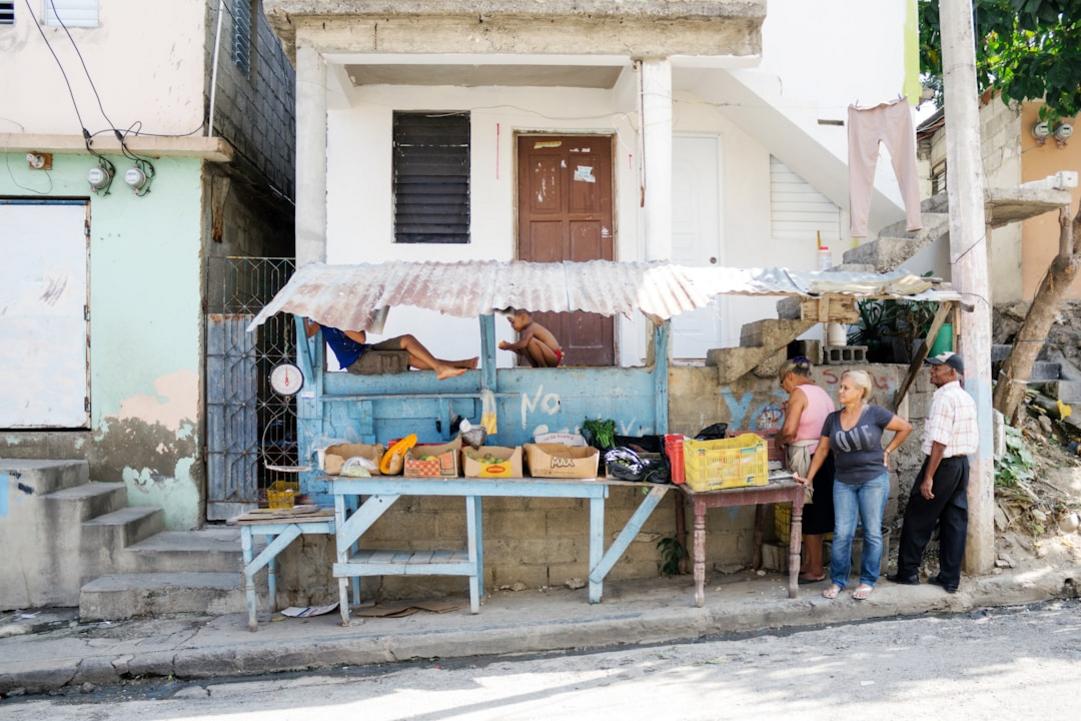
The Dominican Republic is cheaper for mid-range travelers by about $57 per day. Prices are in Dominican Pesos (DOP) at 1 DOP = 0.01664 USD and Aruba Guilders (AWG) at 1 AWG = 0.5587 USD. If you want to splurge, Aruba shines with luxury hotels and smooth service worth the premium. The DR offers more variety and lower costs, but Aruba delivers weather certainty and top-tier comfort.
Daily costs comparison
| Category | Dominican Republic (DOP / USD) | Aruba (AWG / USD) |
|---|---|---|
| Backpacker daily budget | 900–1,200 DOP / $14.98–$19.97 | 35–50 AWG / $19.55–$27.94 |
| Mid-range daily budget | 2,500–3,000 DOP / $41.60–$49.92 | 75–95 AWG / $41.90–$53.08 |
| Luxury daily budget | 6,000–8,000 DOP / $99.84–$133.12 | 180–250 AWG / $100.57–$139.67 |
| Street food meal | 150–250 DOP / $2.50–$4.16 | 10–15 AWG / $5.59–$8.38 |
| Restaurant meal | 500–700 DOP / $8.32–$11.65 | 40–60 AWG / $22.35–$33.52 |
| Local transport (per day) | 200–300 DOP / $3.33–$4.99 | 20–30 AWG / $11.17–$16.76 |
| Activities/tours (average) | 1,000–1,500 DOP / $16.64–$24.96 | 60–90 AWG / $33.52–$50.28 |
The Dominican Republic clearly wins on cost across all categories except luxury, where Aruba’s premium experience justifies higher prices. DR’s street food and transport are especially cheaper. Aruba’s Pack Lightly budgetFriendly score is 35, DR’s is 65, confirming DR as the budget winner. Choose DR for variety and savings, Aruba for safety and luxury Hotels Dominican RepublicHotels Aruba.
Pro tip: In DR, use guaguas (local minibuses) for cheap, authentic transport around towns.
Watch out: Aruba’s resort fees and tips add up fast, especially in high season.
What you’ll eat

Dominican Republic wins the street food battle. Try chicharrón (fried pork chunks) for about 100 DOP ($1.66) in Santo Domingo’s Mercado Modelo. Aruba’s street snacks like pastechi (fried pastry) run around 5 AWG ($2.80) but lack variety and punch.
Vegetarian options are better in Aruba’s tourist areas with more gluten-free and halal spots. The DR’s local cuisine leans heavily on meat and seafood, making it tough for strict diets outside big cities.
Aruba edges out with a cleaner, more accessible drink scene. Grab Balashi beer or a Aruba Ariba cocktail in Oranjestad. Dominican Republic’s Mamajuana is unique but less mainstream and often homemade.
Dealbreaker foods: DR’s heavy use of pork and oily fried items can turn off some. Aruba’s reliance on Dutch-Caribbean staples means fewer bold flavors. Avoid DR street stalls with questionable hygiene; Aruba’s resorts offer safer bets.
Food and drink face-off
| Category | Dominican Republic | Aruba |
|---|---|---|
| Signature dish | La Bandera (rice, beans, meat) common and filling | Keshi Yena (stuffed cheese dish) Dutch-Caribbean twist |
| Street food quality | Diverse, affordable, flavorful; best in Santo Domingo markets | Limited variety, cleaner but less authentic |
| Vegetarian-friendly | Poor outside cities; mostly meat and seafood | Better options in Oranjestad; gluten-free and halal available |
| Restaurant variety | Wide range from local to international in major cities | Focused on tourist areas; fewer local flavors |
| Drink culture | Mamajuana and Presidente beer; informal and local | Balashi beer and Aruba Ariba cocktail; polished and tourist-friendly |
Chicharrón
Cheap, authentic street snack with bold Dominican flavor
Insider tip: Try pastechi at a local Oranjestad bakery for a quick, reliable snack under $3.
Where to sleep
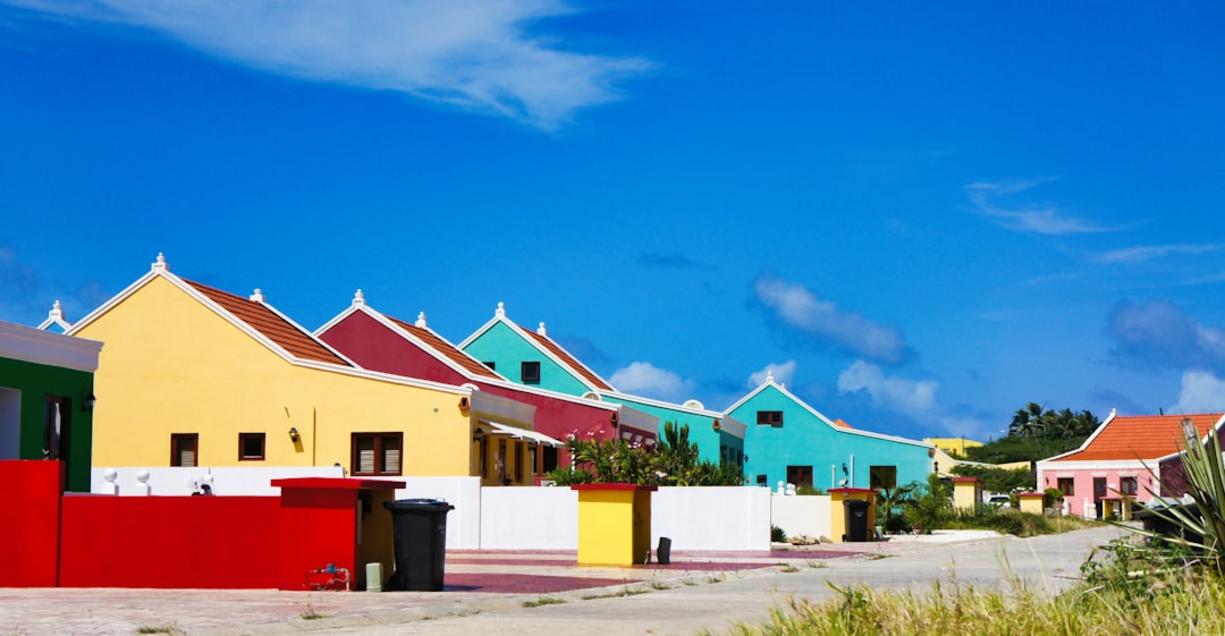
Dominican Republic offers better hotel quality at 75 compared to Aruba’s 80, but Aruba leads in consistency and polish. In DR, stay in Santo Domingo’s Colonial Zone or Punta Cana for solid mid-range and luxury options. Aruba’s best neighborhoods are Palm Beach and Eagle Beach, known for upscale resorts and efficient service. Hotels Dominican RepublicHotels Aruba
Watch out for DR’s budget spots outside main tourist hubs like Puerto Plata, where quality dips and booking platforms like Airbnb can be hit or miss. Aruba’s high prices limit budget options, and Oranjestad’s downtown hotels sometimes lack charm despite good upkeep. Both destinations have weak spots, but Aruba’s service standards keep it ahead.
For quieter stays, DR’s Las Terrenas offers boutique guesthouses away from crowds. Aruba’s Noord neighborhood is less touristy but still close to beaches and restaurants.
See full lodging breakdown by budget
Where you’ll stay
| Type | Dominican Republic | Aruba |
|---|---|---|
| Budget hostels | Hostels in Santo Domingo $20–$40/night, basic but clean | Limited hostels; small guesthouses in Oranjestad $50–$70 |
| Mid-range hotels | Punta Cana resorts $80–$150, Colonial Zone boutique hotels | Palm Beach hotels $150–$250, well-maintained and modern |
| Boutique stays | Las Terrenas guesthouses $100–$180, local vibe | Noord neighborhood small inns $180–$250, quiet and upscale |
| Luxury resorts | Punta Cana all-inclusives $250–$400, variety and size | Palm Beach high-end resorts $300–$500, top service |
| Alternatives | Airbnb in Santo Domingo and beach towns, wide range | Vacation rentals in Aruba pricier but reliable |
Booking tip: Book DR hotels in Colonial Zone early on Booking.com; Aruba’s Palm Beach fills fast in winter.
What it actually feels like
Early morning in Santo Domingo’s Colonial Zone means narrow cobblestone streets warming under the sun. Street vendors set up, salsa music floats from cafes, and locals start their day with strong coffee and fresh pastries.
Mid-afternoon in Oranjestad, Aruba, delivers bright sunlight on pastel Dutch colonial buildings. Tourists stroll along palm-lined streets, stopping at open-air markets, while the sea breeze cools the warm air.
Dominican Republic demands patience with inconsistent traffic and tourist crowds in popular spots. Aruba’s trade-off is higher prices and a more controlled, less spontaneous vibe.
The Dominican Republic lets you mix city energy, beach days, and jungle adventures in one trip. Aruba guarantees a premium, streamlined beach escape with reliable weather and top-tier resorts.
Dominican Republic highlights
- Zona Colonial(Santo Domingo)
Explore 16th-century streets, cafes, and museums in the Americas’ oldest European settlement. - Punta Cana Beaches(Punta Cana)
White sand and turquoise waters with a range of all-inclusive resorts and water sports. - Los Haitises National Park(Northeast Coast)
Mangrove forests, limestone caves, and birdwatching accessible by boat tours. - 27 Waterfalls of Damajagua(Near Puerto Plata)
Climb and jump through a series of natural waterfalls and pools. - Samaná Peninsula Whale Watching(Samaná)
Seasonal humpback whale sightings from January to March.
Aruba highlights
- Eagle Beach(Oranjestad)
Wide sandy beach with consistently calm water and plenty of shaded spots. - Arikok National Park(Aruba Interior)
Hiking trails through desert landscapes, caves, and natural pools. - California Lighthouse(Northwest Aruba)
Panoramic views of the island’s rugged coastline and the Caribbean Sea. - Palm Beach(Noord)
Busy beach lined with resorts, bars, and water sports rentals. - Oranjestad Shopping District(Oranjestad)
Duty-free shops and local markets in a compact, walkable area.
Ideal duration: Dominican Republic: 7–10 days — covers beaches, city, and nature without rush · Aruba: 5–7 days — fits island size and focused beach activities
Do
- Dominican Republic: Walk Zona Colonial at sunrise before crowds arrive
- Dominican Republic: Book a boat tour to Los Haitises National Park
- Dominican Republic: Climb the 27 Waterfalls near Puerto Plata
- Aruba: Spend a morning hiking Arikok National Park trails
- Aruba: Relax on Eagle Beach before noon for shade
- Aruba: Visit California Lighthouse for sunset views
Don’t
- Dominican Republic: Skip crowded Bavaro Beach on weekends
- Dominican Republic: Avoid unlicensed taxi drivers in tourist areas
- Dominican Republic: Don’t rely on street vendors for meals
- Aruba: Avoid Palm Beach at peak afternoon for crowds
- Aruba: Don’t expect nightlife beyond resort zones
- Aruba: Skip overpriced souvenir shops on Main Street
Choose based on
- If you want budget variety and nature, choose Dominican Republic — better nature score 75
- If you prioritize safety and weather certainty, choose Aruba — safety score 85
- If you prefer a relaxed pace with top resorts, choose Aruba — hotel quality 80
- If you want active adventures plus city culture, choose Dominican Republic — active vacation score 70
Dominican Republic demands patience with crowds and traffic; Aruba charges more for smooth, predictable service.
Real safety picture
Safety overview
Dominican Republic
Aruba
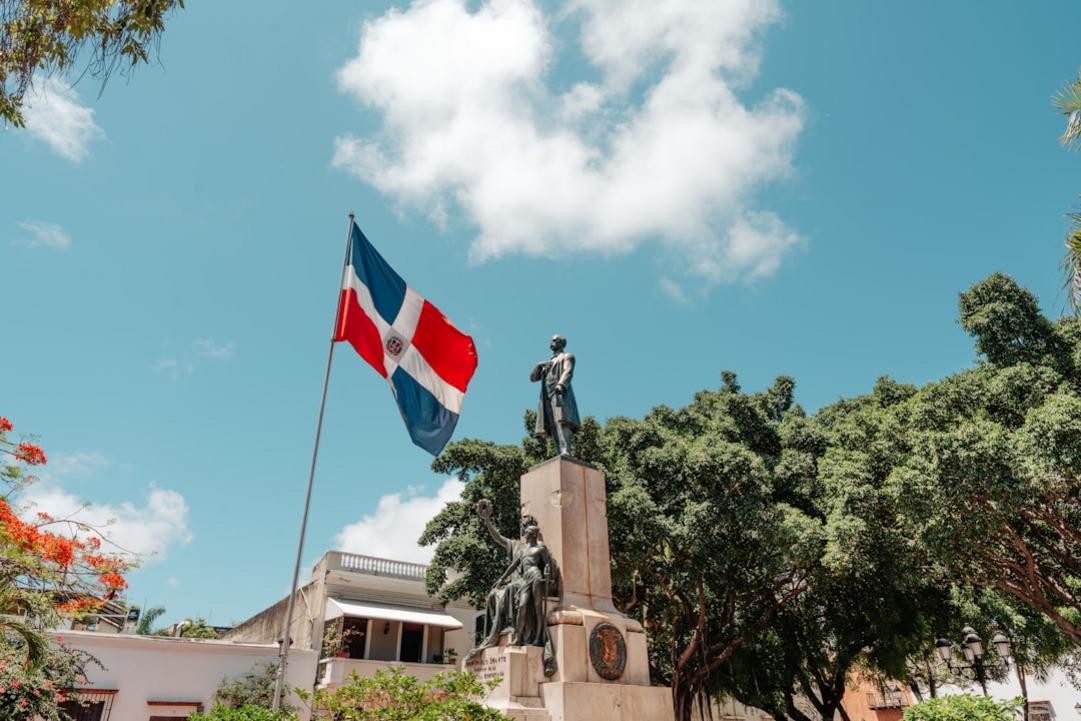
Aruba is safer with a Pack Lightly safety score of 85 versus the Dominican Republic’s 55. Solo female travelers find Aruba more comfortable, but both places require street smarts. Santo Domingo and some beach towns in the DR have pickpocketing and petty scams. Aruba’s Oranjestad is cleaner and less risky but watch for overpriced taxis. Health risks like mosquito-borne illnesses exist in both, but Aruba’s dry climate lowers that threat.
See detailed safety factors table
Safety factors compared
| Factor | Dominican Republic | Aruba | Practical tip |
|---|---|---|---|
| Pickpocketing | Common in Santo Domingo’s Colonial Zone and crowded markets. | Rare but reported in Oranjestad’s busy shopping streets. | Use the ‘bSafe’ app and keep valuables in front pockets. |
| Tourist scams | Fake taxi drivers near Punta Cana airport overcharge tourists. | Taxi drivers may inflate fares around Eagle Beach. | Book rides via official apps like ‘Taxi Aruba’ or negotiate fares upfront. |
| Solo female traveler safety | Avoid poorly lit areas in Santo Domingo after dark. | Generally safe, but avoid isolated beaches at night. | Stick to well-populated areas and use rideshares after sunset. |
| Health risks | Dengue and Zika outbreaks reported; tap water not safe to drink. | Lower mosquito risk; tap water is safe. | Use mosquito repellent and drink bottled water in the DR. |
| Road safety | Chaotic traffic, poor signage, and aggressive drivers in Santo Domingo. | Well-maintained roads and clear signs; watch for scooters. | Rent cars only if experienced; use local drivers in the DR. |
| Natural disasters | Hurricane season June to November; flooding possible. | Virtually no hurricane risk year-round. | Check weather updates on NOAA during DR trips in hurricane season. |
Scam spotlight: Punta Cana airport taxi stands
How it works: Unlicensed drivers offer rides at inflated prices and may take longer routes.
How to avoid: Pre-book official airport taxis or use hotel-arranged transfers.
Watch out: Paying $50+ for fake taxi rides at Punta Cana airport instead of $15 official fare.
Insider tip: Local markets in Santo Domingo have pickpockets; avoid carrying your passport there.
Visa & entry requirements
US citizens do not need a visa for either Dominican Republic or Aruba. Dominican Republic requires a free E-Ticket via migracion.gob.do. Aruba charges a $20 Sustainability Fee and mandates an online ED Card. Aruba’s extra registration steps mean visa-free doesn’t mean no paperwork.
Full visa & entry requirements table
Visa and entry details
| Factor | Dominican Republic | Aruba | Practical note |
|---|---|---|---|
| Visa requirement | No visa required | No visa required | Both allow entry without a visa for US citizens. |
| Visa type & cost | Visa-free, E-Ticket required, free | Visa-free, ED Card + $20 Sustainability Fee | DR’s E-Ticket is free; Aruba charges $20 plus ED Card. |
| Application process | E-Ticket mandatory via migracion.gob.do | ED Card must be completed online before arrival | Complete all online forms before flying to avoid delays. |
| On-arrival option | No visa on arrival; E-Ticket must be pre-approved | No visa on arrival; ED Card must be pre-approved | No last-minute visa pickups; paperwork is mandatory pre-trip. |
| Max stay & extension | 30 days, extendable locally | 90 days, no extension details publicly available | Plan stays accordingly; extensions easier in DR. |
Visa and entry rules change often; check official sites migracion.gob.do and Aruba’s ED Card portal before travel. Secondary systems like Aruba’s Sustainability Fee can update independently. for unexpected entry issues.
How you’ll move
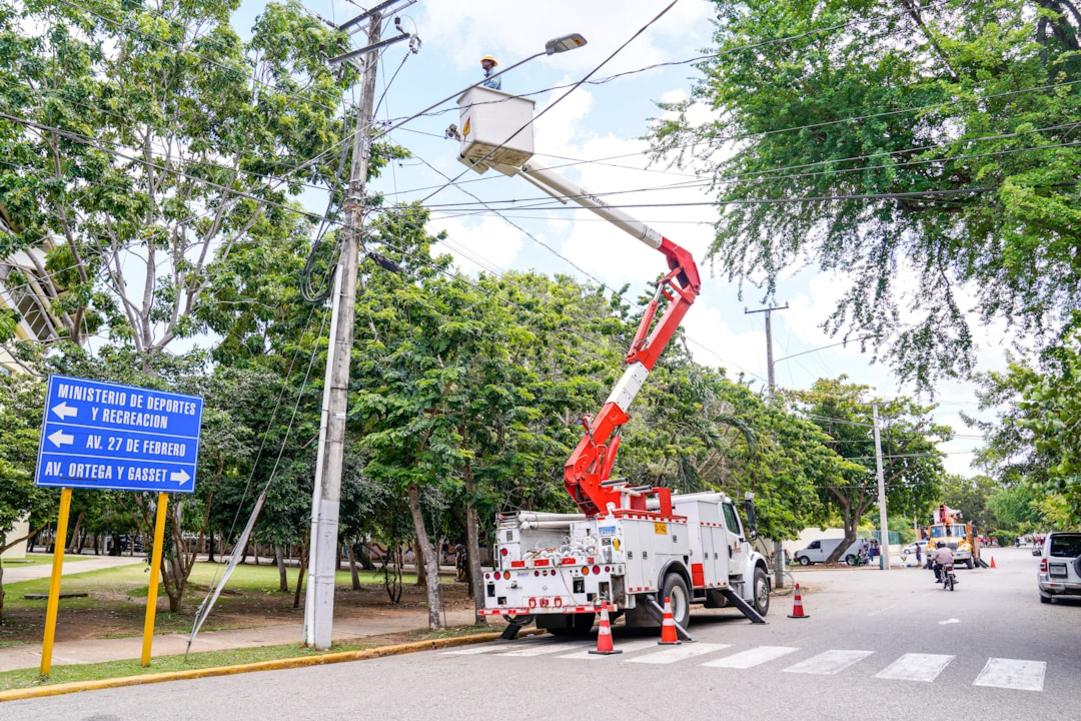
Aruba is easier to navigate with better transport infrastructure. Pack Lightly touristInfrastructure: Dominican Republic 70, Aruba 75. The Dominican Republic’s size means long-distance travel often requires domestic flights or long bus rides. Aruba’s small size eliminates the need for domestic flights and ferries, but inter-island connections from Aruba require separate planning.
Compare every transport option side-by-side
Transport options compared
| Mode | Dominican Republic | Aruba | Practical Note |
|---|---|---|---|
| Domestic flights | Available between Santo Domingo, Punta Cana, Santiago; low cost carriers like Air Century operate. | No domestic flights needed; Aruba is a single island. | Book Air Century or Dominican Wings 1–2 weeks in advance for best fares. |
| Buses | Extensive but crowded and irregular; Caribe Tours and Metro buses cover major routes. | No public buses; rely on taxis or car rentals. | Use Caribe Tours app to schedule intercity buses; buses can be slow. |
| Trains | No passenger trains. | No trains. | None available in either country. |
| Taxi/ride-hailing | Taxis are everywhere but negotiate fare before ride; Uber available in Santo Domingo only. | Metered taxis and ride-hailing apps like Aruba Ride are reliable and transparent. | Use Aruba Ride app for fixed fares; in DR, insist on meter or agree on price. |
| Ferries | Limited ferry service; mostly to Saona Island tours, not practical for transport. | No ferries; Aruba is isolated from other islands by air only. | Book Saona Island tours separately; no inter-island ferry options from Aruba. |
| Scooter rental | Widely available in tourist areas; roads can be rough and traffic aggressive. | Available but less common; roads are well maintained and safer. | Use local rental shops; helmets mandatory in both places. |
| Bicycle rental | Limited options outside major tourist spots; roads not bike-friendly in cities. | Good rental options and bike lanes in Oranjestad and Palm Beach. | Rent bikes via local shops or apps like Aruba Bike Rentals. |
Aruba wins for straightforward, safe, and transparent transport with a Pack Lightly touristInfrastructure score of 75 versus Dominican Republic’s 70. The DR offers more variety but requires more effort to navigate, especially outside main tourist zones. For hassle-free rides, Aruba’s ride-hailing apps beat the DR’s inconsistent taxis. Book transport
App tip: Use Aruba Ride for taxis in Aruba; Caribe Tours app for DR buses.
How far English gets you
Aruba wins for English ease. Nearly everyone speaks it, especially in Oranjestad and tourist spots. Dominican Republic relies heavily on Spanish outside resorts and major cities like Santo Domingo. English breaks down fast in rural areas and local markets there. Use Google Translate to bridge gaps in both places, but Aruba demands it less.
App tip: Google Translate, iOS and Android, for live voice and text translation in Spanish and Papiamento.
Essential phrases cheat sheet
| English | Dominican Republic | Aruba | When to use |
|---|---|---|---|
| Hello, how are you? | Hola, ¿cómo estás? | Halo, kon ta bai? | Basic greeting to start any conversation |
| Thank you very much | Muchas gracias | Danki | Expressing gratitude |
| Where is the bathroom? | ¿Dónde está el baño? | Unda e baño ta? | Asking for restroom location |
Wifi, data, payments
Aruba offers reliable wifi almost everywhere, including public beaches and cafes. The Dominican Republic’s wifi is spotty outside resorts and urban centers. Mobile data is affordable in both, but Aruba’s coverage is more consistent island-wide. Use eSIMs for easy setup and better rates in either destination eSIM Dominican RepubliceSIM Aruba.
eSIM picks:
Dominican Republic: Airalo, $10 for 1GB valid 7 days
Aruba: Holafly, $25 for 3GB valid 15 days
Cash rules in Dominican local markets; Aruba favors cards but carry small bills just in case.
When to go
When to go — month by month
Dominican Republic
Aruba
Dominican Republic
Aruba

Dominican Republic shines from December through April with warm, drier weather. Aruba delivers steady sun year-round, with the least rain between February and April. Dominican Republic’s shoulder seasons in late spring and fall are wetter but still manageable. Aruba’s dry season is more reliable for beach days.
Full season-by-season climate breakdown
Seasonal climate comparison
| Season | Dominican Republic | Aruba | Best Pick | Notes |
|---|---|---|---|---|
| Winter (Dec–Feb) | Temps 76–77°F, rain low to moderate (24–40 mm monthly). | Temps 81–81°F, rain very low (34–36 mm monthly). | Aruba | Aruba’s consistent dry weather beats DR’s slight rain risk. |
| Spring (Mar–May) | Temps 78–79°F, rain spikes mid-spring (53–193 mm). | Temps 82–84°F, rain very low early, rises late (15–47 mm). | Aruba | Aruba’s spring is drier; DR gets heavy showers in April-May. |
| Summer (Jun–Aug) | Temps 81–81°F, rain high (185–190 mm monthly). | Temps 85–85°F, rain low (10–28 mm monthly). | Aruba | Aruba avoids DR’s summer downpours and hurricane risk. |
| Fall (Sep–Nov) | Temps 81–77°F, rain very high (146–234 mm monthly). | Temps 86–82°F, rain variable, spikes in Nov (13–121 mm). | Aruba | Aruba’s fall rain is lighter; DR faces hurricane season. |
Climate tip: Travel DR in January or February for dry weather without Aruba’s premium prices.

The call
Dominican Republic wins for budget travelers and variety seekers. Aruba takes the lead for weather certainty, safety, and efficiency. Choose DR if you want lower daily costs and cultural depth. Pick Aruba if you prioritize no hurricane risk and top-notch infrastructure.
Category showdown
| Topic | Winner | Reason |
|---|---|---|
| Budget | Dominican Republic | ~$5.51/day cheaper mid-range, more affordable options |
| Nature | Dominican Republic | More diverse landscapes beyond beaches |
| Culture | Dominican Republic | Richer local culture and historic sites |
| Cities | Dominican Republic | Larger cities with more urban activities |
| Food & drinks | tie | Similar quality and variety in both |
| Accommodation | Aruba | Higher hotel quality and premium resorts |
| Transport | Aruba | More reliable and efficient transport options |
| Safety | Aruba | Lower crime rates and safer tourist areas |
| Crowds | Dominican Republic | More spread out, less congested beaches |
| Digital infrastructure | Aruba | Better connectivity and mobile coverage |
The bottom line
Dominican Republic is budget-friendly with culture; Aruba guarantees worry-free beach weather.
Choose Dominican Republic for budget and culture; Aruba for safety and weather reliability.
Book your trip
Using these links supports Pack Lightly at no extra cost to you.
Your questions, answered
01Which country is cheaper in 2026?
Dominican Republic is cheaper. Daily budgets show DR mid-range travelers spend about $95/day versus Aruba’s $160/day. Backpackers save even more, with DR around $40/day and Aruba closer to $70/day.
02What are the visa requirements for US citizens for both countries?
Neither country requires a visa for US citizens. Dominican Republic requires an e-ticket via migracion.gob.do with no fee, valid for 30 days. Aruba needs an online ED Card plus a $20 sustainability fee, valid for 90 days.
03Which country is safer for solo travelers?
Aruba is safer for solo travelers, scoring 85 in safety compared to Dominican Republic’s 55. Aruba’s low crime and reliable infrastructure make it the clear winner here.
04Which is better for beaches and island hopping?
Dominican Republic wins for variety and island hopping. It offers more natural beaches and adventure options with a nature score of 75 versus Aruba’s 55. Aruba’s beaches are pristine but limited to one island.
05What is the best time to visit each country?
Aruba’s best time is January through April for dry, sunny weather with zero hurricane risk. Dominican Republic is best November through April but carries hurricane risk June to November.
06Can you realistically combine both countries in one trip?
Combining both is doable but inefficient. Flights between Santo Domingo and Aruba are limited and often expensive. Best to pick one unless you have at least two weeks.
07Which country offers better street food and local cuisine?
Dominican Republic offers richer street food and local eats with a food and drinks score of 65 versus Aruba’s 65 but less authentic local options. DR’s markets and roadside stands deliver real flavor.
08What’s the cheapest month to visit each country?
Cheapest month for Dominican Republic is September, when prices drop by 20% due to hurricane season. Aruba’s cheapest month is August, still pricey but less crowded and with stable weather.
Insider tip: If budget and beach variety matter, pick DR in shoulder months; if weather certainty and safety top your list, Aruba’s dry season is unbeatable.


